Judy Parfitt Movies Ranked Definitively
The Definitive Films of an Aristocratic Screen Legend
Explore the most iconic film roles of Judy Parfitt, from period dramas like Girl with a Pearl Earring to the chilling classic Dolores Claiborne.
About Judy Parfitt
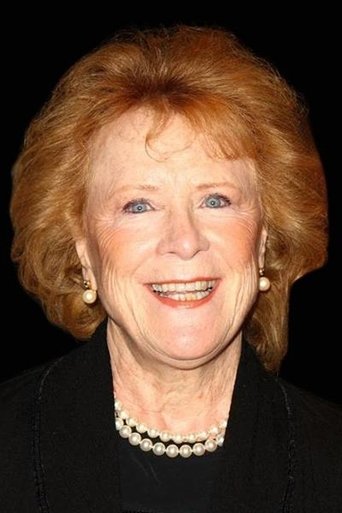
There is a specific kind of granite elegance that Judy Parfitt brings to the screen, a frostiness that suggests she knows your secrets and finds them rather tedious. To watch her work is to observe a masterclass in the economy of movement. While other actors scramble for the spotlight, she commands it by standing perfectly still, letting a raised eyebrow or a clipped vowel do the heavy lifting. This poise has made her the definitive architect of the cinematic matriarch, a woman who can exert more gravity through a silk veil than most villains can with a weapon.
Her presence in period dramas often acts as the production’s moral or social spine. In Girl with a Pearl Earring, she radiates a shrewd, watchful pragmatism as Maria Thins, providing a sharp contrast to the soft light of Vermeer’s studio. She mastered the art of the formidable elder long before it became her trademark, notably as the icy Queen Marie in EverAfter, where she managed to make even a fairytale caricature feel grounded in historical weight. There is a delicious irony in her performances; she often plays characters bound by the rigid etiquette of the past, yet her acting feels startlingly modern and unsentimental.
Audiences connect with her because she refuses to beg for sympathy. Whether she is navigating the aristocratic tensions of Maurice or the eccentric whimsy of Dean Spanley, she maintains a dignified distance that invites curiosity rather than pity. Even in King Ralph, she brought a sense of grounded reality to a heightened comedy, proving that her gravitas is an asset in any genre. She possesses a rare ability to project history, making you believe her characters have lived long, complicated lives before the cameras even started rolling. This was never more apparent than in Dolores Claiborne, where she played Vera Donovan with a terrifying, brittle intensity that lingered long after the credits rolled.
Her career represents a bridge between the classical theater traditions of mid-century Britain and the bold character work of contemporary cinema. From her early turns in Hamlet and The Mind of Mr. Soames to the refined sensibilities of Wilde and W.E., she has navigated the industry with the precision of a surgeon. She can inhabit the quiet desperation of The Aryan Couple or the psychological murkiness of Asylum with equal ease, always prioritizing the truth of the moment over vanity.
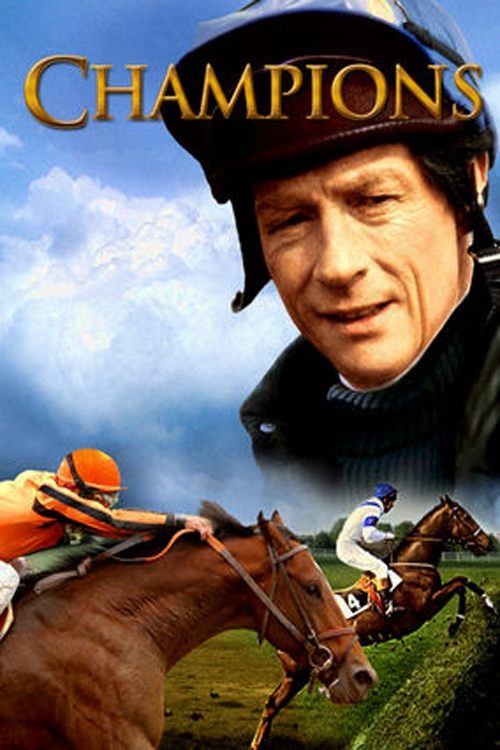
Even when tucked into ensemble pieces like The Chain, Champions, or Getting It Right, she remains the element you remember. She doesn't just occupy a scene; she curates it. It is this refusal to be anything less than formidable that keeps her relevant. In an industry that often doesn't know what to do with women of a certain age, she has carved out a niche as an untouchable icon of British craft. She remains the gold standard for steely resolve, a performer who understands that sometimes the quietest voice in the room is the one carrying the most power.

Galileo
1975Challenged by a new student, tutor and theorist Galileo co-opts emerging telescope technology and discovers irrefutable proof of the heretical notion that the earth is not the center of the universe. But in a rigid society ruled by an uneasy alliance of aristocracy and clergy already undermined by the Plague and the Reformation, science is a threat and enlightenment is a luxury. Faced with either death at the hands of the Inquisition or recantation to a hypocritical but all-powerful Papacy, Galileo must choose between his own life and the restless scientific curiosity that he has spurned family, friends, and wealth to pursue.
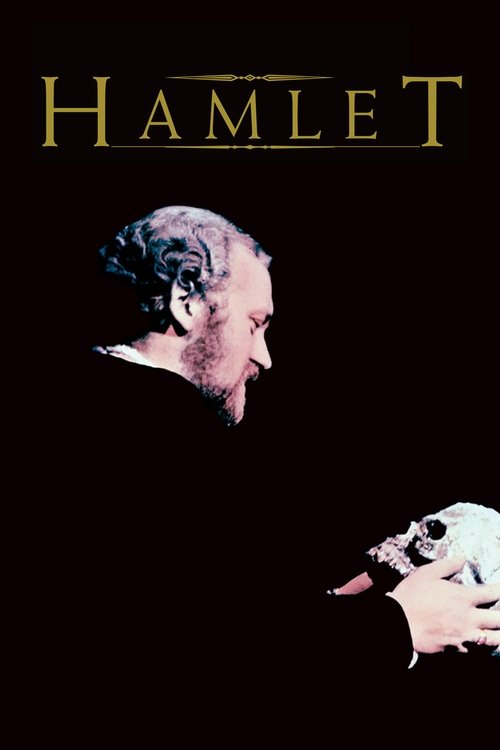
Hamlet
1969Tony Richardson's Hamlet is based on his own stage production. Filmed entirely within the Roundhouse in London (a disused train shed), it is shot almost entirely in close up, focusing the attention on faces and language rather than action.
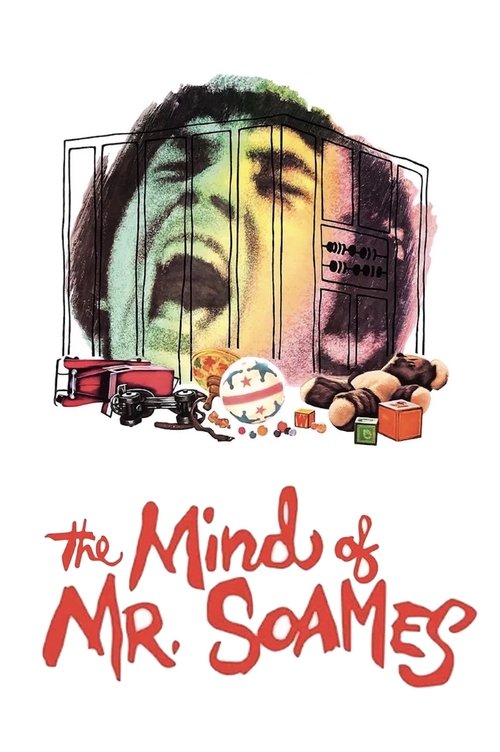
The Mind of Mr. Soames
1970A 30-year-old man, who has been in a coma since birth, is finally restored to consciousness by a breakthrough brain operation. Although physically an adult, the man is "reborn" in the eye of an infant; the doctors caring for him must teach him to walk, talk and prepare for life in the outside world. Tension builds as he escapes from the hospital, wanders among people who do not realize his identity, and is hunted by the police.
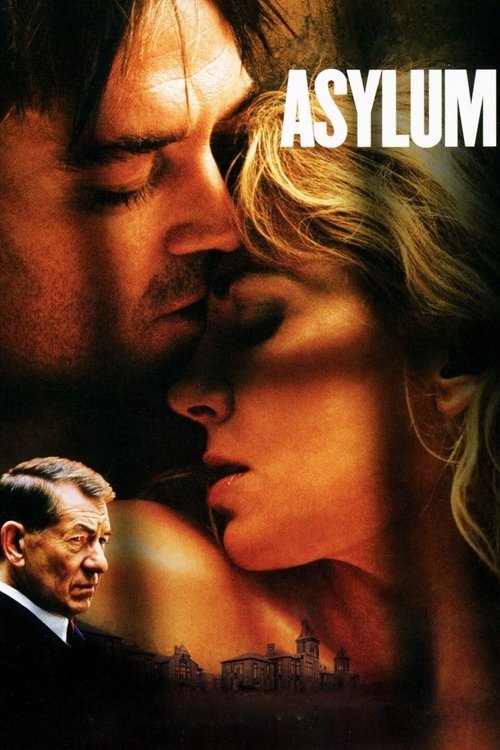
Asylum
2005A woman becomes very curious about one of her psychiatrist husband's inmates, a man who was found guilty in the murder and disfigurement of his former wife.

W.E.
2011In 1998, an auction of the estate of the Duke and Duchess of Windsor causes great excitement. For one woman, Wally Winthrop, it has much more meaning. Wally becomes obsessed by their historic love story. As she learns more about the sacrifices involved, Wally gains her own courage to find happiness.
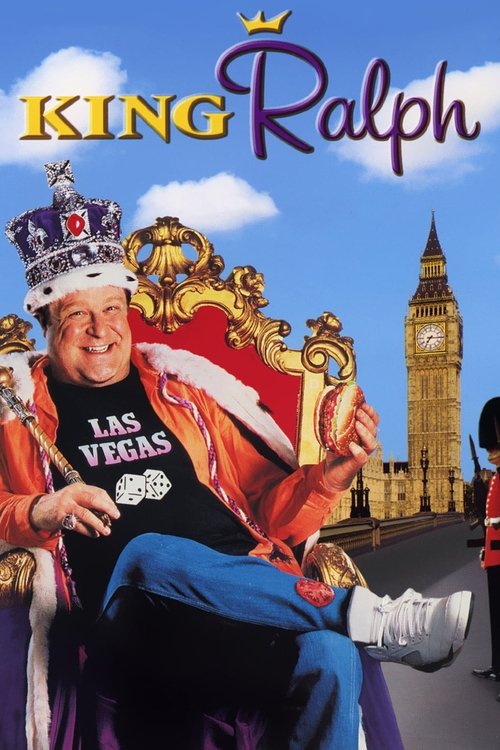
King Ralph
1991As the only relative in line to ascend the Royal throne, a down-on-his-luck American slob must learn the ways of the English.
Playing the straight-faced foil to John Goodman’s boisterous fish out of water, Parfitt’s Queen Katherine is the ultimate exercise in deadpan royal restraint. She serves as the film’s necessary anchor of dignity, making the surrounding slapstick land with significantly more impact.
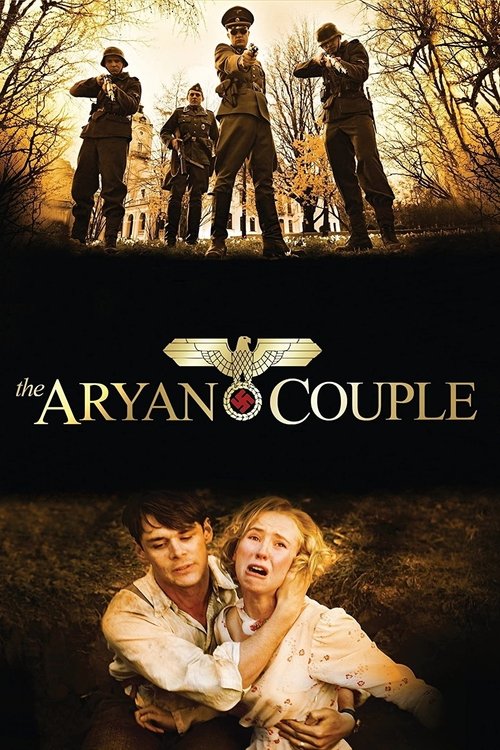
The Aryan Couple
2004A German Jewish industrialist is forced to hand over his business to the Nazis in order to ensure his family's safe passage out of Germany.
Portraying Rachel Krauzenberg, Parfitt tackles a high-stakes historical drama with a visceral sense of survivalism. She discards her usual icy composure for a vulnerability that highlights her emotional range under the duress of a thriller plot.
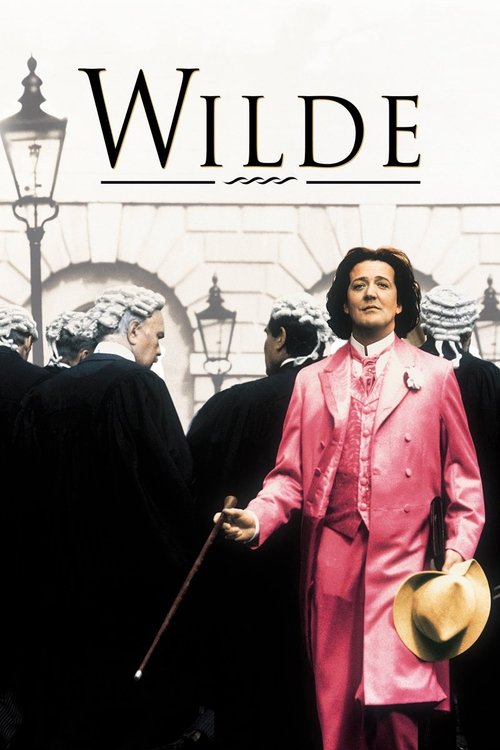
Wilde
1997Oscar Wilde is a married playwright who has occasionally indulged his weakness for male suitors. After much toil, Wilde debuts 'The Importance of Being Earnest' in London, and a chat at the theatre with Lord Alfred 'Bosie' Douglas leads to a full-fledged romance. However, this affair leads to a legal dispute with Lord Alfred's oppressive father, the Marquess of Queensberry, and, given the local anti-gay laws, Wilde is jailed. Wilde's vast intellect helps him survive until he regains his freedom.
Parfitt brings a tragic, understated weight to Lady Mount-Temple, acting as a crucial barometer of the Victorian social judgment facing Oscar Wilde. Her brief but potent presence serves as a reminder of her skill in conveying immense societal pressure through subtle facial economy.
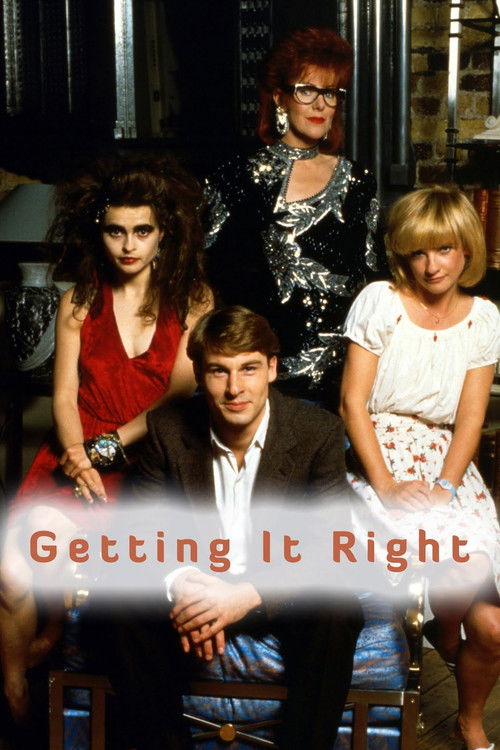
Getting It Right
1989Gavin is 31 years old and still lives with his parents. He is awfully shy but before he knows it there are three women interested in him. Lady Minerva Munday has a casual way of life and lives in a basement, Joan is an over-sexed millionairess, married to a Greek architect. But Gavin prefers the ugly assistant in the barbershop.
Her turn as Lady Caroline represents a pinnacle of her ability to play refined, slightly eccentric matriarchs with a hidden depth of warmth. She elevates the coming of age narrative by injecting a sense of sophisticated reality into the protagonist's sheltered world.
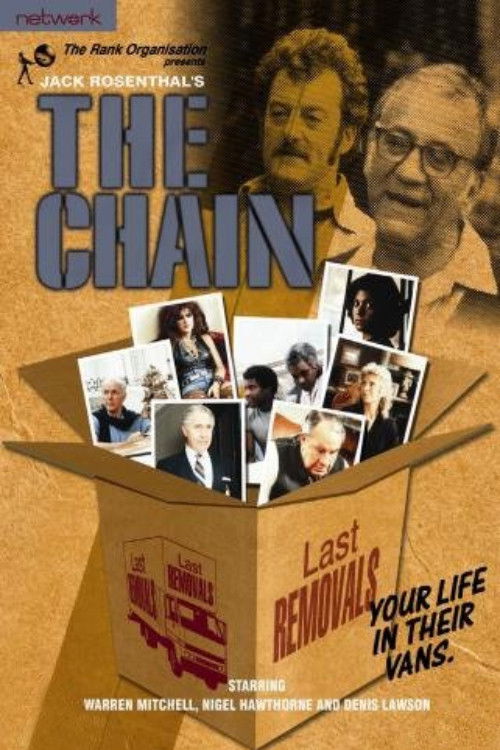
The Chain
1984Comedy featuring interweaving stories of seven households caught up in a property chain on moving day, each one dependent on the other.
Working within an ensemble of London archetypes, Parfitt captures the frantic domestic anxieties of the upwardly mobile middle class. It is a rare opportunity to see her apply her formidable technique to a contemporary, suburban milieu rather than a period piece.
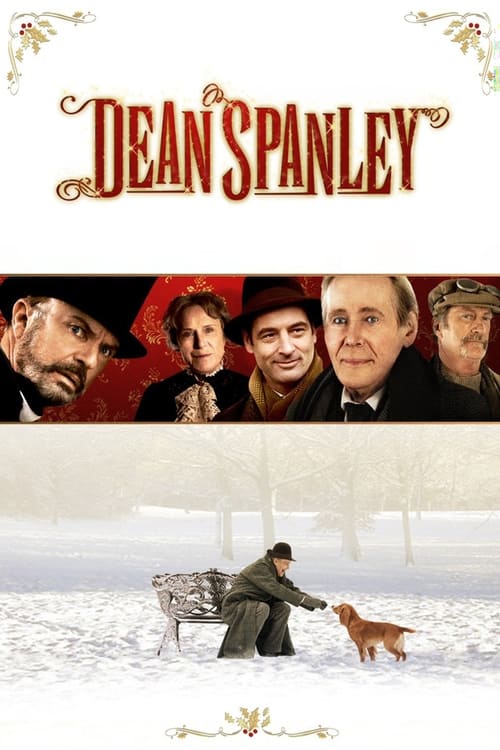
Dean Spanley
2008Set in Edwardian England where upper lips are always stiff and men from the Colonies are not entirely to be trusted, Fisk Senior has little time or affection for his son, but when the pair visit an eccentric Indian, they start a strange journey that eventually allows the old man to find his heart.
In this eccentric Edwardian fable, Parfitt’s portrayal of Mrs. Brimley allows her to flex her muscles in understated, dry wit. She navigates the film’s whimsical tone with a grounded sophistication that prevents the metaphysical conceit from drifting into absurdity.
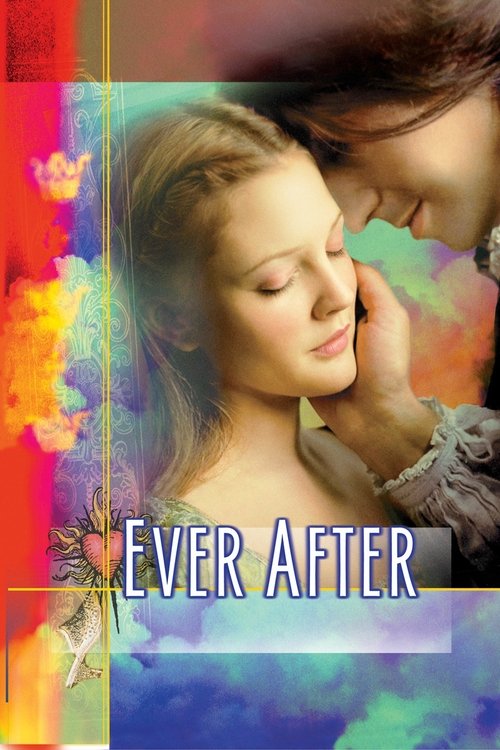
EverAfter
1998Danielle, a vibrant young woman, was forced into servitude after the death of her father when she was a young girl. Danielle's stepmother, Rodmilla, is a heartless woman who forces Danielle to do the cooking and cleaning, while she tries to marry off the eldest of her two daughters to the prince. But Danielle's life takes a wonderful turn when, under the guise of a visiting royal, she meets the charming Prince Henry.
Parfitt offers a delightful pivot into high-style camp as Queen Marie, wielding regal authority with a sharp, comedic edge. This role showcases a lighter dimension of her screen presence while maintaining the statuesque gravity that is her professional trademark.
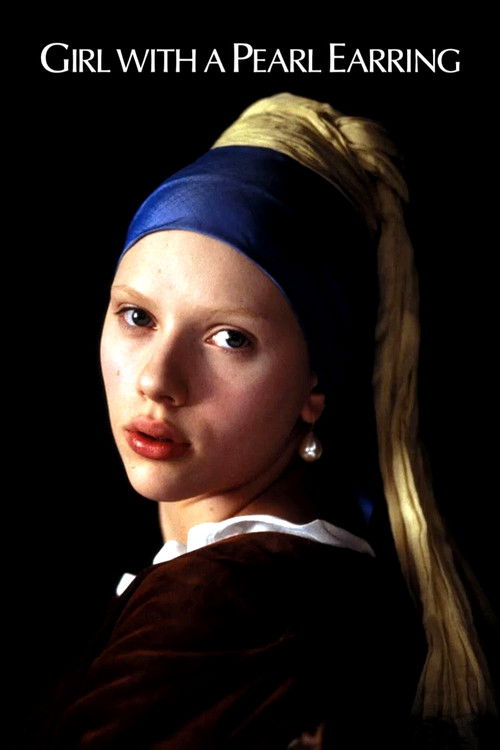
Girl with a Pearl Earring
2003This film, adapted from a work of fiction by author Tracy Chevalier, tells a story about the events surrounding the creation of the painting "Girl With A Pearl Earring" by 17th century Dutch master Johannes Vermeer. A young peasant maid working in the house of painter Johannes Vermeer becomes his talented assistant and the model for one of his most famous works.
As the icy Maria Thins, Parfitt provides the film’s essential friction, cutting through the Vermeer-inspired soft lighting with a performance of calculated bitterness. She acts as the grounded, mercantile antithesis to the protagonist’s artistic awakening.
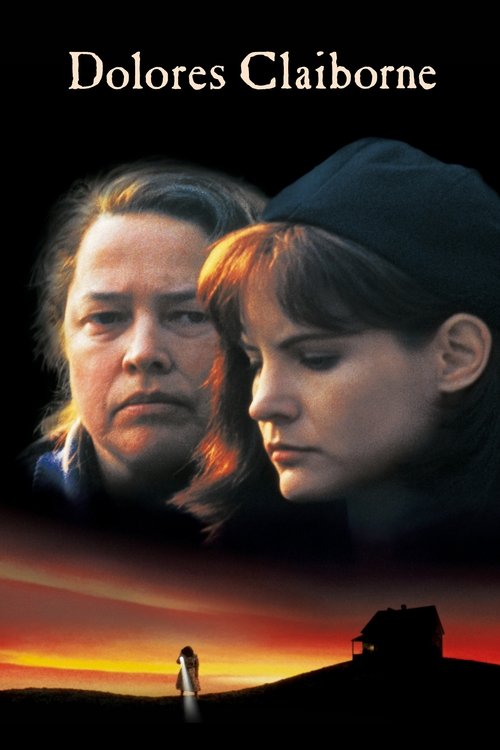
Dolores Claiborne
1995Dolores Claiborne was accused of killing her abusive husband twenty years ago, but the court's findings were inconclusive and she was allowed to walk free. Now she has been accused of killing her employer, Vera Donovan, and this time there is a witness who can place her at the scene of the crime. Things look bad for Dolores when her daughter Selena, a successful Manhattan magazine writer, returns to cover the story.
Assuming the role of the frail yet formidable Vera Donovan, Parfitt matches Kathy Bates’ intensity with a chillingly brittle dignity. It stands as her most definitive work in American cinema, proving she could master psychological horror through mere posture and vocal rasp.
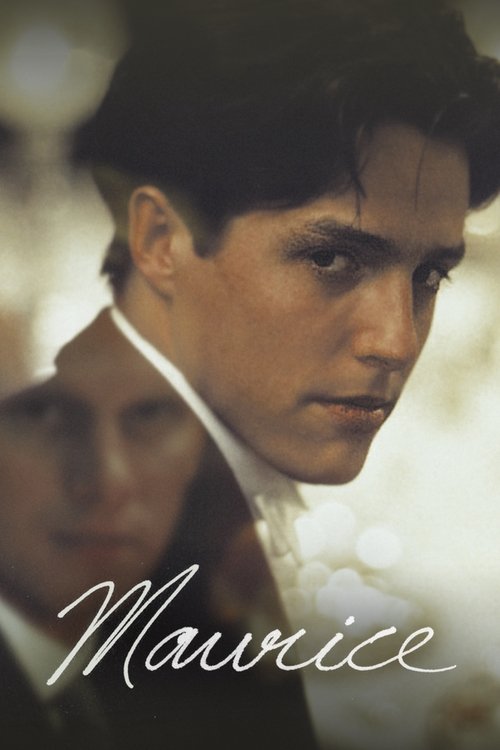
Maurice
1987After his lover rejects him, Maurice attempts to come to terms with his sexuality within the restrictiveness of Edwardian society.
Parfitt commandingly anchors the Merchant Ivory aesthetic as Mrs. Durham, embodying the rigid Edwardian decorum that serves as the film’s central antagonist. Her performance is a masterclass in the unspoken social codes that defined the era's prestigious costume dramas.
Frequently Asked Questions
Everything you need to know about this list and SnakeDrafts
- Judy Parfitt excels in portraying cinematic matriarchs and complex, poised women, often in period dramas and psychological thrillers. Her roles in films like "Dolores Claiborne" and "Girl with a Pearl Earring" highlight her ability to convey strength and subtlety with minimalist gestures.
- Films such as "Girl with a Pearl Earring," "Maurice," and "EverAfter" prominently feature Judy Parfitt in period drama settings, where she brings authenticity and a layered presence that complements the historical atmosphere.
- Parfitt uses a measured economy of movement, relying on subtle facial expressions like a raised eyebrow or controlled vocal delivery. This approach commands attention quietly, making her performances captivating without overt dramatics.
- Yes, Judy Parfitt's versatility includes comedic performances in films such as "King Ralph" and "Dean Spanley," where she balances humor with her characteristic restraint and elegance.
- Judy Parfitt's filmography in the listicle spans drama, romance, mystery, and comedy. Notably, she appears in crime and thriller genres such as "Dolores Claiborne" and blends romance with historical drama in "W.E." and "Wilde."
- "Wilde" (1997) features Judy Parfitt in a historical drama related to the life of writer Oscar Wilde, showcasing her ability to embody real-life figures with depth within biographical contexts.
- Yes, in films like "Maurice" and "The Chain," Judy Parfitt contributes to ensemble casts, demonstrating her skill in complementing other lead actors while still delivering memorable performances.
- In "Dolores Claiborne," Judy Parfitt plays a chilling and complex character that contrasts with her often poised roles, showcasing her range by diving into psychological drama and suspense with a commanding intensity.