The Essential Steven Soderbergh Films Ranked
The Master of Genre Defying Cinema
Explore the definitive filmography of Steven Soderbergh, from indie masterpieces to high-stakes heist thrillers and acclaimed dramas.
About Steven Soderbergh

In an industry that usually rewards brand consistency and rigid aesthetic signatures, Steven Soderbergh remains the ultimate outlier. He operates more like a high-end craftsman with a tool kit than a traditional auteur with a manifesto. Since he essentially invented the modern American independent film movement with sex, lies, and videotape, he has treated the Hollywood system as a laboratory for his own restless experimentation. While other directors spend years languishing in development, Soderbergh moves with a predatory speed, often acting as his own cinematographer and editor under various pseudonyms. This hands-on proximity to the physical apparatus of filmmaking gives his work a lean, muscular intelligence that feels urgent even when the subject matter is wildly disparate.
His filmography functions as a series of pivots. He can transition from the sun-drenched, high-gloss heist mechanics of Ocean's Eleven to the clinical, terrifyingly prophetic realism of Contagion without breaking a sweat. There is a specific kind of intellectual coolness to his images, a visual language defined by digital textures and unconventional lighting choices that prioritize mood over vanity. Look at Out of Sight or the psychedelic editing of The Limey and you see a storyteller obsessed with how memory and motivation intersect. He does not just capture a scene; he deconstructs the geometry of the room, often using bold color palettes to signal shifts in geography or perspective.
The year 2000 serves as the perfect case study for his range, where he managed to dominate the cultural conversation with two vastly different projects. With Erin Brockovich, he proved he could polish a populist underdog story into something sharp and unsentimental. Simultaneously, Traffic showcased his mastery of the sprawling mosaic narrative, juggling multiple storylines about the drug trade with a gritty, handheld aesthetic that felt like a documentary captured on the fly. He possesses a rare ability to make complex logistical systems feel cinematic, whether he is detailing the inner workings of a pharmaceutical conspiracy in Side Effects or the gritty labor of a heist in Logan Lucky.
Even when he steps into the realm of prestige biography, he avoids the trap of hagiography. His two-part epic on Che Guevara is an exhausting, immersive exercise in process, while Behind the Candelabra treats its flamboyant subject with a grounded, tragic intimacy. Soderbergh is a filmmaker who values the how over the why. He is fascinated by people who are good at their jobs, perhaps because he is so singular at his own. He treats the camera as a surgical instrument, carving away the fat to reveal the essential mechanics of a story. Retirement for him was famously short-lived because his curiosity is seemingly infinite. He remains the smartest guy in the room, not because he shouts, but because he is already three moves ahead of the audience.

Bubble
2006Set against the backdrop of a decaying Midwestern town, a murder becomes the focal point of three people who work in a doll factory.
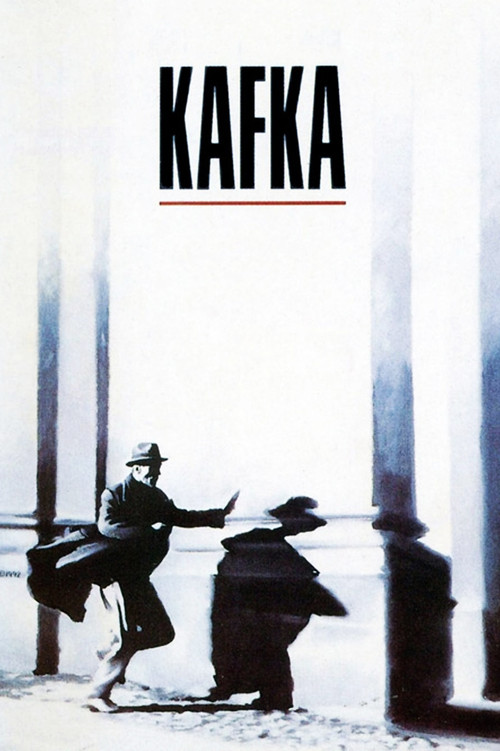
Kafka
1991After a colleague is murdered, insurance worker Kafka gets embroiled in an underground group who are attempting to thwart a secret organization that controls the major events in society.
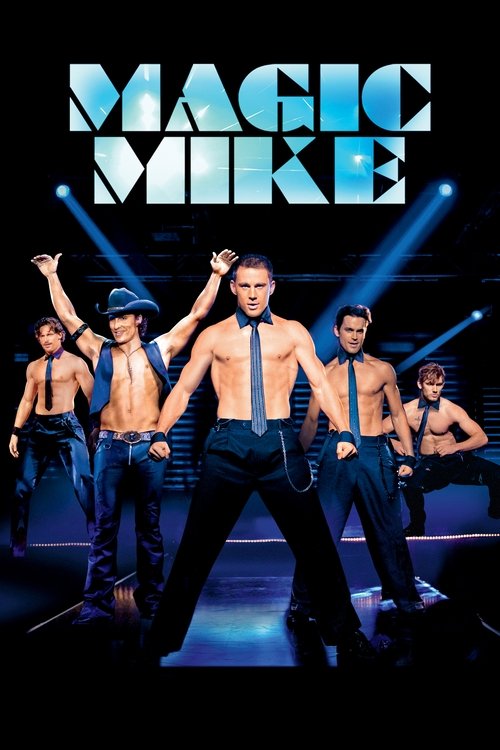
Magic Mike
2012Mike, an experienced stripper, takes a younger performer called The Kid under his wing and schools him in the arts of partying, picking up women, and making easy money.
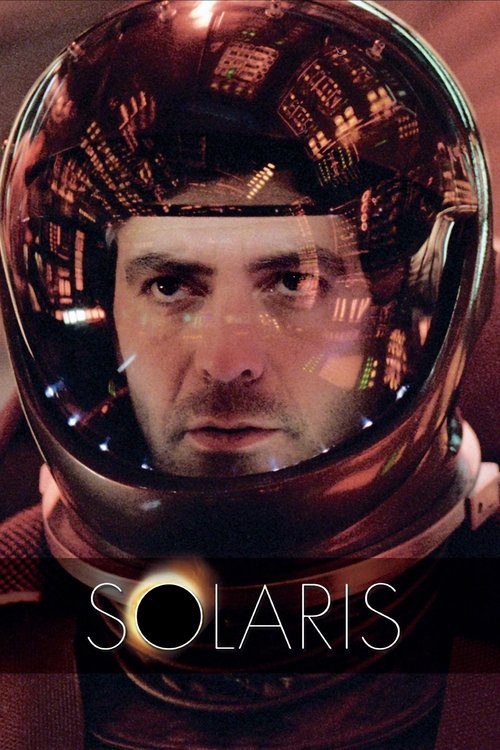
Solaris
2002A troubled psychologist is sent to investigate the crew of an isolated research station orbiting a bizarre planet.
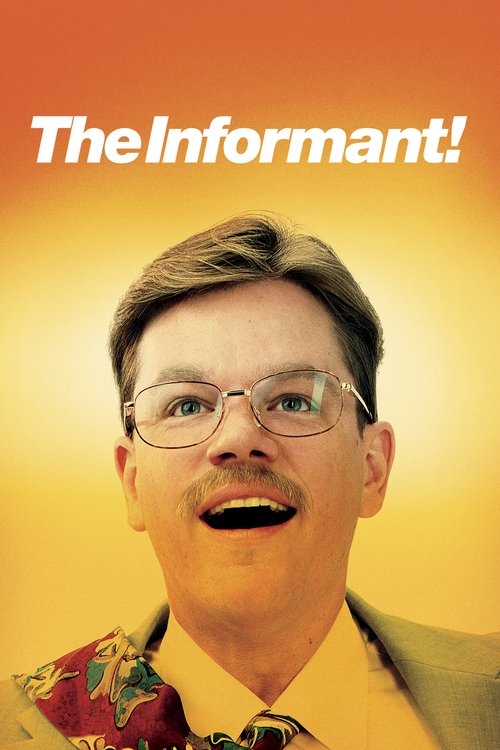
The Informant!
2009A rising star at agri-industry giant Archer Daniels Midland (ADM), Mark Whitacre suddenly turns whistleblower. Even as he exposes his company’s multi-national price-fixing conspiracy to the FBI, Whitacre envisions himself being hailed as a hero of the common man and handed a promotion.
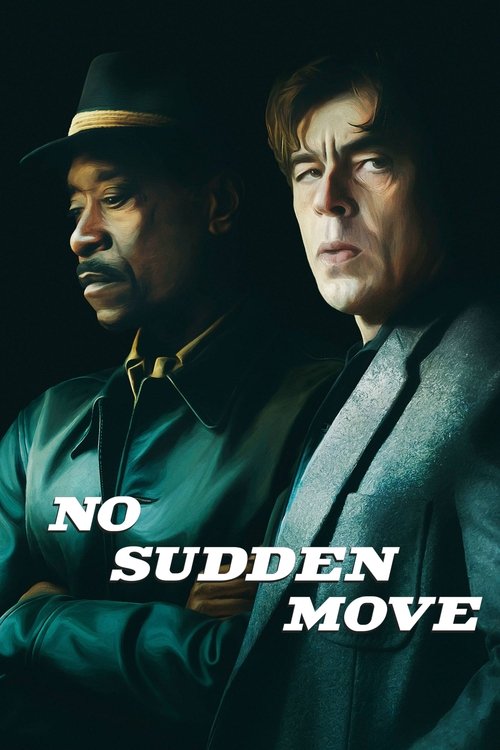
No Sudden Move
2021A group of criminals are brought together under mysterious circumstances and have to work together to uncover what's really going on when their simple job goes completely sideways.

Kimi
2022A tech worker with agoraphobia discovers recorded evidence of a violent crime but is met with resistance when she tries to report it. Seeking justice, she must do the thing she fears the most: leave her apartment.
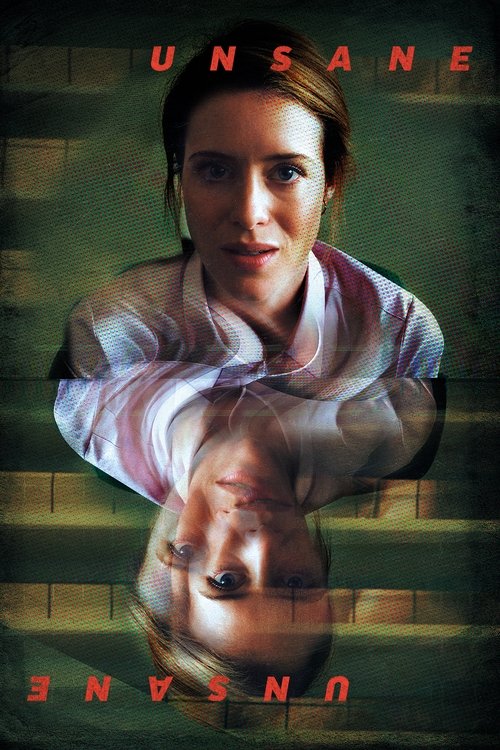
Unsane
2018A woman is involuntarily committed to a mental institution where she is confronted by her greatest fear.
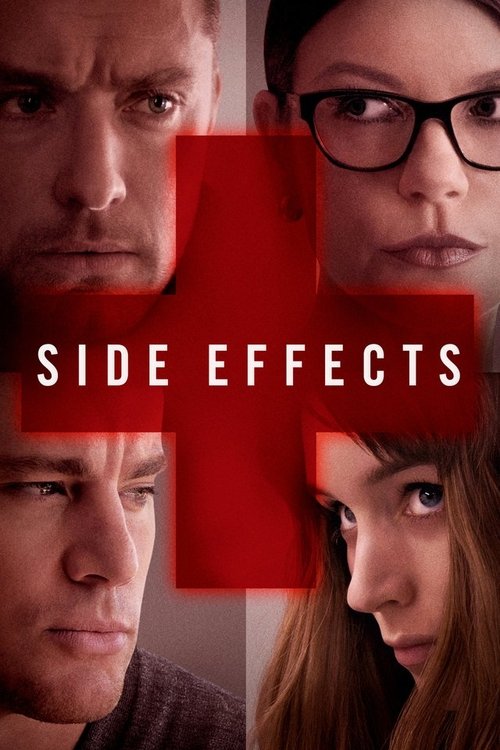
Side Effects
2013A woman turns to prescription medication as a way of handling her anxiety concerning her husband's upcoming release from prison.
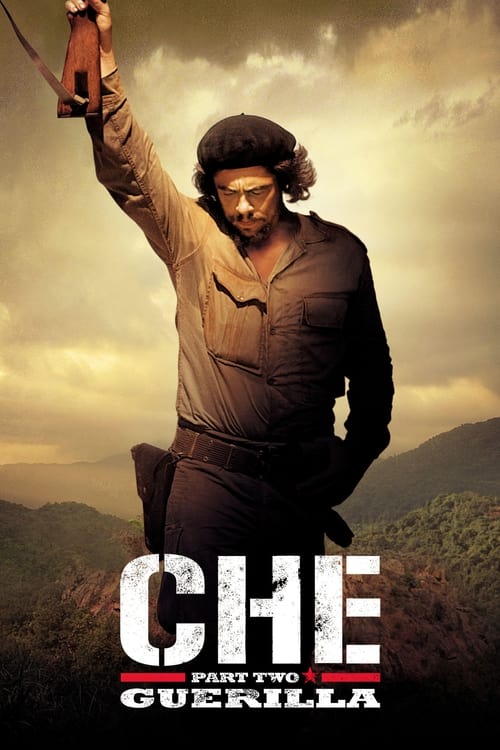
Che: Part Two
2008Seven years after his triumph in Cuba, Che winds up in Bolivia, where he tries to ignite the same revolutionary fires as before.
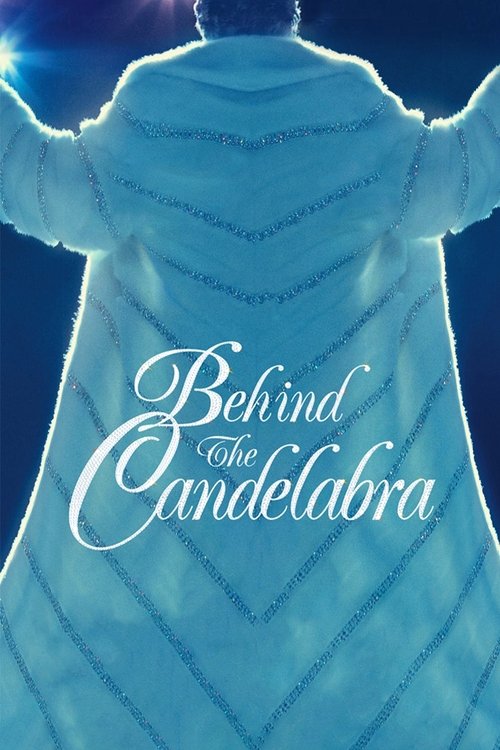
Behind the Candelabra
2013Based on the autobiographical novel, the tempestuous 6-year relationship between Liberace and his (much younger) lover, Scott Thorson, is recounted.
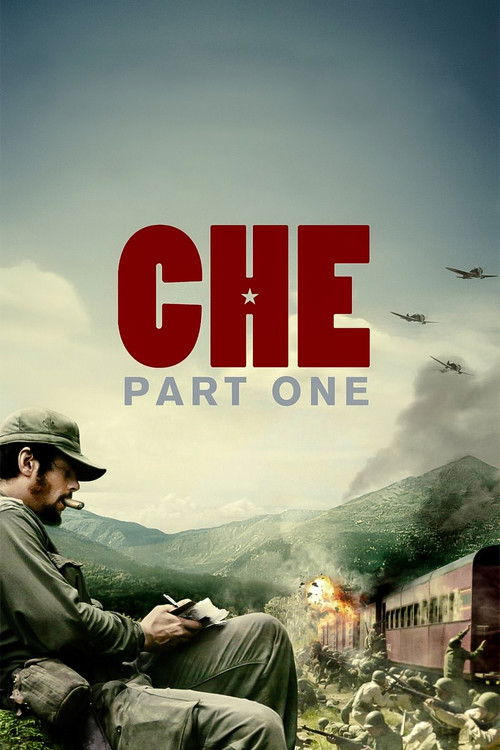
Che: Part One
2008Ernesto Guevara, known as 'Che', leads a group of Cuban exiles under Fidel Castro in a revolution to overthrow Fulgencio Batista, the dictator of Cuba.
Ocean's Thirteen
2007Danny Ocean's team of criminals are back and composing a plan more personal than ever. When ruthless casino owner Willy Bank doublecrosses Reuben Tishkoff, causing a heart attack, Danny Ocean vows that he and his team will do anything to bring down Willy Bank along with everything he's got. Even if it means asking for help from an enemy.
Ocean's Twelve
2004Despite pulling off one of the biggest heists in Las Vegas history and splitting the $160 million take, each of the infamous Ocean's crew have tried to go straight, lay low and live a legit life... but that's proven to be a challenge. Casino owner Terry Benedict demands that Danny Ocean return the money, plus millions more in interest. Unable to come up the cash, the crew is forced to come together to pull off another series of heists, this time in Rome, Paris, and Amsterdam – but a Europol agent is hot on their heels.
The director leans into playful meta-commentary and European art-film sensibilities, intentionally subverting the expectations of a blockbuster sequel. It serves as a defiant, stylistically indulgent experiment that prioritizes rhythmic flow and improvisational energy over conventional plot mechanics.
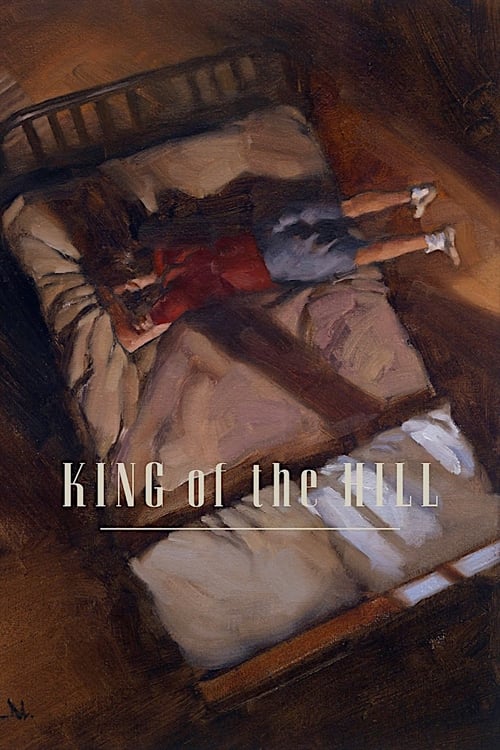
King of the Hill
1993Based on the Depression-era bildungsroman memoir of writer A. E. Hotchner, the film follows the story of a boy struggling to survive on his own in a hotel in St. Louis after his mother is committed to a sanatorium with tuberculosis. His father, a German immigrant and traveling salesman working for the Hamilton Watch Company, is off on long trips from which the boy cannot be certain he will return.
Often overlooked yet deeply poignant, this Depression-era portrait demonstrates a mastery of period texture and empathetic observation. It reveals a softer, more lyrical side of the director’s craft, proving his ability to handle evocative coming-of-age themes with immense visual dignity.

Contagion
2011As an epidemic of a lethal airborne virus - that kills within days - rapidly grows, the worldwide medical community races to find a cure and control the panic that spreads faster than the virus itself.
A chillingly prophetic exercise in clinical detachment, the film treats global catastrophe as a matter of logistics and biological data rather than melodrama. Its terrifying efficacy lies in the director’s refusal to sentimentalize, focusing instead on the cold mechanics of societal collapse.
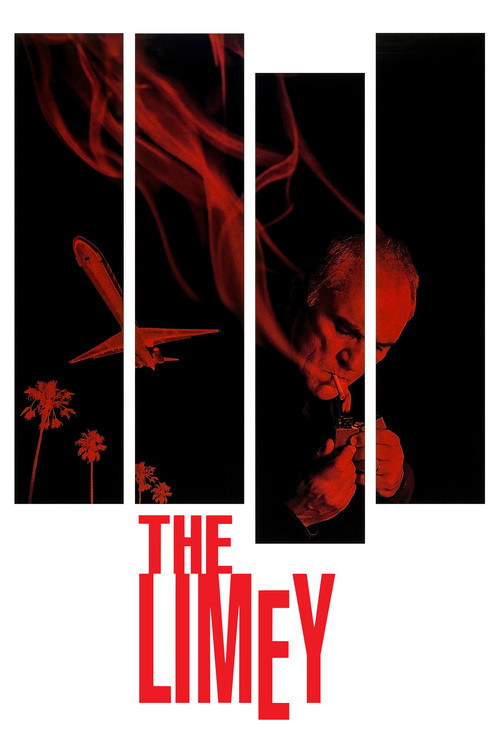
The Limey
1999The Limey follows Wilson, a tough English ex-con who travels to Los Angeles to avenge his daughter's death. Upon arrival, Wilson goes to task battling Valentine and an army of L.A.'s toughest criminals, hoping to find clues and piece together what happened. After surviving a near-death beating, getting thrown from a building and being chased down a dangerous mountain road, the Englishman decides to dole out some bodily harm of his own.
This fragmented revenge tale utilizes radical editing techniques to simulate the fractured nature of memory and aging. By stripping the thriller down to its existential bones, Soderbergh creates a haunting dialogue between a character's present reality and his cinematic past.
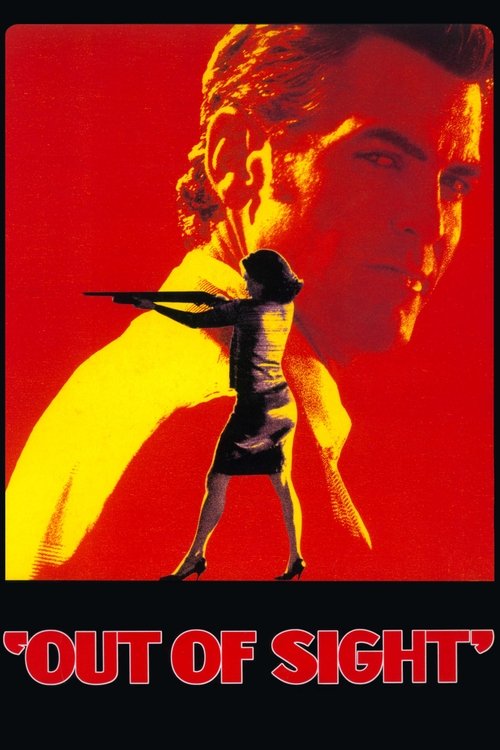
Out of Sight
1998Meet Jack Foley, a smooth criminal who bends the law and is determined to make one last heist. Karen Sisco is a federal marshal who chooses all the right moves … and all the wrong guys. Now they're willing to risk it all to find out if there's more between them than just the law.
The filmmaker achieves a rare alchemy of sultry atmosphere and non-linear sophistication, elevating a genre thriller into a profound study of romantic inevitability. Its impeccable pacing and visual language established the cool, detached elegance that would define his most celebrated period.
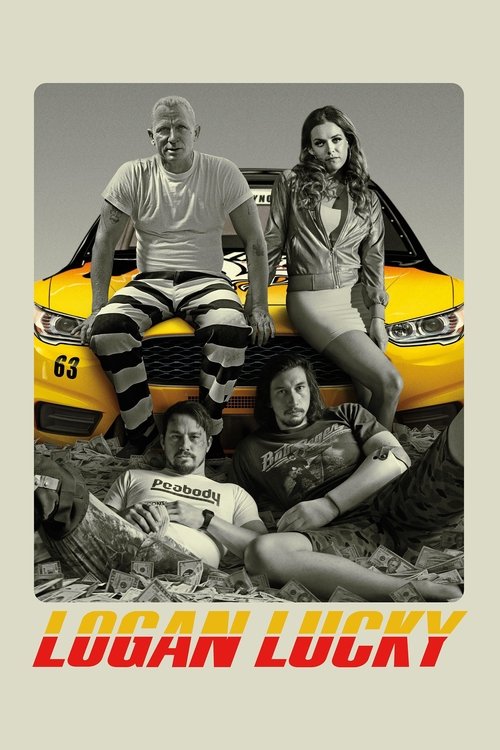
Logan Lucky
2017Trying to reverse a family curse, brothers Jimmy and Clyde Logan set out to execute an elaborate robbery during the legendary Coca-Cola 600 race at the Charlotte Motor Speedway.
Operating as a clever, blue-collar inversion of his own glossy capers, this work showcases a director in total command of comedic timing and regional texture. It is a joyful exercise in formal execution that celebrates the ingenuity of the disenfranchised through a sharp and subversive lens.
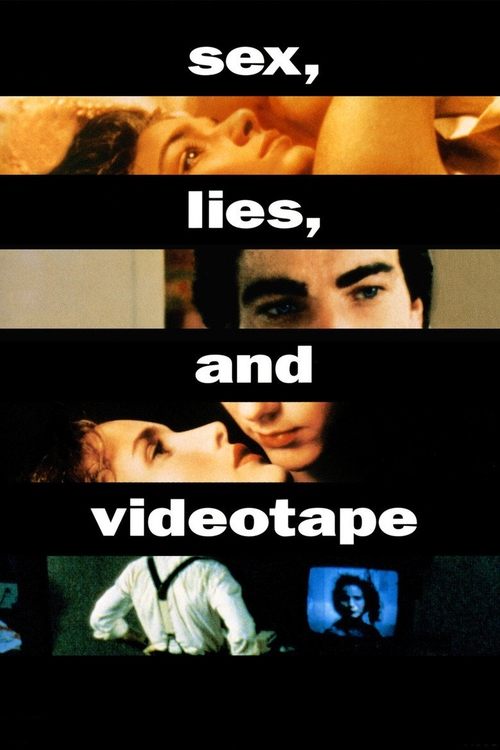
sex, lies, and videotape
1989Ann, a frustrated wife, enters into counseling due to a troubled marriage. Unbeknownst to her, her husband John has begun an affair with her sister. When John’s best friend Graham arrives, his penchant for interviewing women about their sex lives forever changes John and Ann’s rocky marriage.
This quiet revolution in independent cinema prioritized psychological intimacy and surveillance-era voyeurism over traditional narrative explosive force. By deconstructing the dynamics of human connection through a clinical lens, Soderbergh single-handedly redirected the trajectory of American arthouse film.

Erin Brockovich
2000A twice-divorced mother of three who sees an injustice, takes on the bad guy and wins -- with a little help from her push-up bra. Erin goes to work for an attorney and comes across medical records describing illnesses clustered in one nearby town. She starts investigating and soon exposes a monumental cover-up.
Trading stylistic experimentation for a grounded, populist clarity, the director proves he can command a traditional David versus Goliath narrative without sacrificing his signature intellectual curiosity. It stands as a pivotal moment where Soderbergh successfully fused indy-film sensibilities with broad, prestige studio sensibilities.
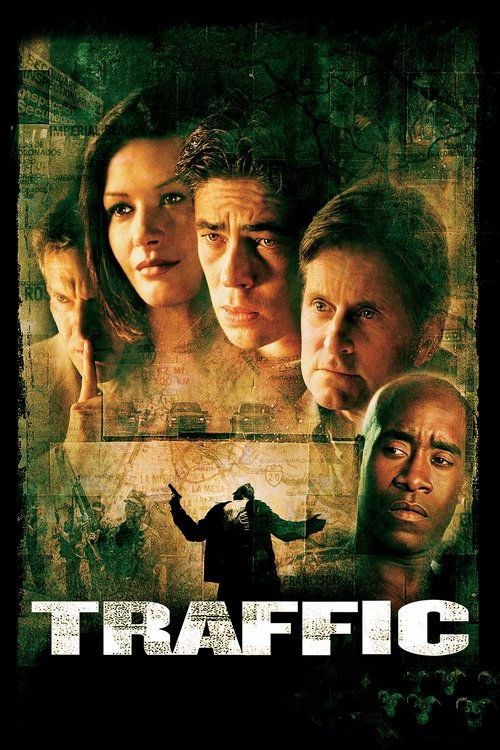
Traffic
2000An exploration of the United States of America's war on drugs from multiple perspectives. For the new head of the Office of National Drug Control Policy, the war becomes personal when he discovers his well-educated daughter is abusing cocaine within their comfortable suburban home. In Mexico, a flawed, but noble policeman agrees to testify against a powerful general in league with a cartel, and in San Diego, a drug kingpin's sheltered trophy wife must learn her husband's ruthless business after he is arrested, endangering her luxurious lifestyle.
Soderbergh utilizes a distinctively saturated color palette and handheld intensity to dissect systemic failure across a fractured socio-political landscape. This ambitious multi-narrative mosaic transformed the modern procedural into a visceral, immersive meditation on the futility of the drug war.
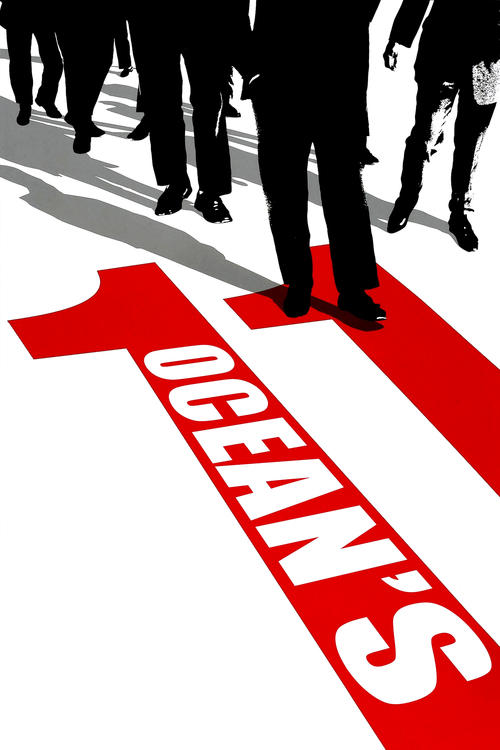
Ocean's Eleven
2001Less than 24 hours into his parole, charismatic thief Danny Ocean is already rolling out his next plan: In one night, Danny's hand-picked crew of specialists will attempt to steal more than $150 million from three Las Vegas casinos. But to score the cash, Danny risks his chances of reconciling with ex-wife, Tess.
A masterclass in ensemble orchestration, this film serves as the definitive blueprint for the modern heist genre through its rhythmic editing and effortless cool. Soderbergh captures the zenith of movie star charisma by marrying high-gloss aesthetics with a deceptively rigorous structural precision.
Frequently Asked Questions
Everything you need to know about this list and SnakeDrafts
- Steven Soderbergh’s films often explore themes of crime, morality, and human complexity, evident in titles like Traffic and Ocean's Eleven. His work also frequently delves into social issues, such as corporate malfeasance in Erin Brockovich and the global impact of epidemics in Contagion.
- The listicle reflects Soderbergh’s evolution from indie film pioneer with sex, lies, and videotape to a versatile director handling high-stakes thrillers and character-driven dramas. His style merges technical innovation with genre experimentation, as seen in the heist films Ocean's Eleven and its sequels compared to the intimate narrative of King of the Hill.
- Logan Lucky stands out as a unique blend of comedy, crime, and action, while Contagion combines elements of thriller and science fiction, showcasing Soderbergh’s genre-crossing approach. Additionally, the Che films reflect his foray into historical drama and war, illustrating his broad cinematic palette.
- sex, lies, and videotape is credited with inventing the modern American independent film movement, launching Soderbergh’s career with its provocative exploration of relationships and personal secrets. It established his reputation for intimate storytelling and bold thematic content.
- The Ocean’s series showcases Soderbergh’s mastery of stylish, ensemble-driven heist thrillers that blend humor, suspense, and slick visuals. These films highlight his ability to revitalize classic genres while maintaining broad audience appeal, influencing Hollywood’s approach to big-budget franchise filmmaking.
- Soderbergh often weaves real-world concerns into his narratives, as seen in Erin Brockovich’s focus on environmental justice and Contagion’s reflection on public health crises. This approach gives his films topical relevance and emotional depth beyond conventional entertainment.
- King of the Hill and Behind the Candelabra exemplify Soderbergh’s talent for intimate, character-focused storytelling. These films prioritize emotional nuance and complex human relationships, contrasting with his more plot-driven thrillers and heist movies.