The Greatest Sacha Baron Cohen Movies Ever
From Satirical Masterpieces to Dramatic Powerhouses
Discover the most essential Sacha Baron Cohen films, featuring his iconic characters and award-winning dramatic performances in must-watch cinema.
About Sacha Baron Cohen
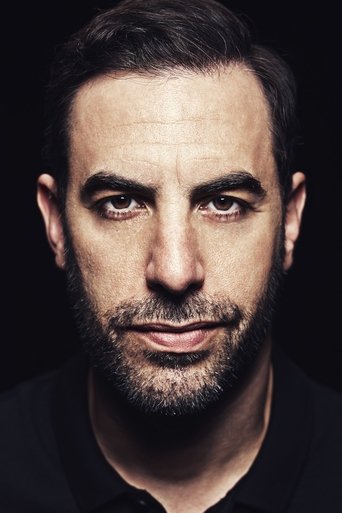
To understand the specific chaos of Sacha Baron Cohen, one must look past the gray suits and the neon mankinis to the Cambridge educated intellectual hiding in plain sight. He is perhaps the only modern movie star who treats performance art like a blood sport, weaponizing awkwardness to expose the underbelly of polite society. While most actors crave the spotlight, he spent the better part of two decades hiding from it, preferring to inhabit masks so thick they bordered on psychological warfare. He does not just play characters; he occupies them until the world around him breaks.
The global earthquake known as Borat: Cultural Learnings of America for Make Benefit Glorious Nation of Kazakhstan remains his definitive statement. By strolling through middle America as a misguided journalist, he forced real people to reveal their most unfiltered prejudices on camera. It was a feat of high wire bravery that shifted the cultural landscape, turning phrases into playground staples while simultaneously inviting a swarm of lawsuits. This penchant for danger defined his early streak, from the tracksuit-clad stupidity of Ali G Indahouse to the flamboyant runway disruptions of Bruno. He mastered the art of the prank, but with a sharp, satirical edge that most comedians lack the stomach to sharpen.
Yet, pigeonholing him as a mere prankster ignores his remarkable evolution into a prestige dramatic force. When he stepped into the shoes of Abbie Hoffman for The Trial of the Chicago 7, he managed to bridge the gap between his comedic roots and serious political conviction. He channeled a specific brand of Jewish intellectual radicalism that felt earned, proving he could command a courtroom scene just as easily as he could derail a pageant. This versatility is fueled by an almost mathematical precision. Whether he is the treacherous Thénardier in Les Misérables, the flamboyant King Julien in the Madagascar franchise, or the flamboyant rival racer in Talladega Nights: The Ballad of Ricky Bobby, he possesses a chameleon-like ability to disappear into the absurdity of a role.
Audiences gravitate toward him because there is a sense that he is the only person in the room telling the truth, even when he is lying about his identity. This was most evident in Borat Subsequent Moviefilm, where he returned to his most famous creation during a global pandemic to hold a mirror up to a fractured political landscape. He is a high stakes tightrope walker who thrives on the possibility of a total collapse. Even in smaller, more stylized turns like the flamboyant barber in Sweeney Todd: The Demon Barber of Fleet Street or the rigid station inspector in Hugo, he brings an intensity that suggests a deep commitment to the bit.
Ultimately, his reputation rests on his refusal to play it safe. In an era of carefully managed PR and sterile red carpet appearances, he remains a volatile element. He uses the tools of a clown to perform the work of a social surgeon, cutting through the noise of modern life to see what lies beneath. Whether he is playing a buffoon or a revolutionary, there is a fierce intelligence behind the eyes that reminds us why he remains one of the most vital, polarizing, and indispensable figures in contemporary cinema.
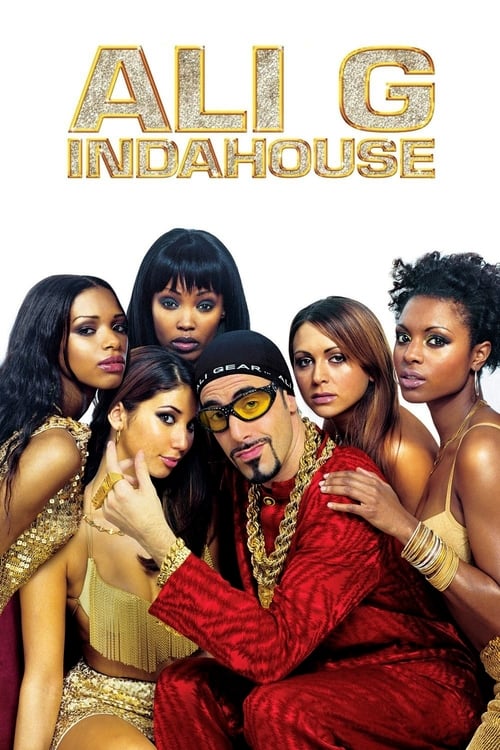
Ali G Indahouse
2002Ali G unwittingly becomes a pawn in the evil Chancellor's plot to overthrow the Prime Minister of Great Britain. However, instead of bringing the Prime Minister down, Ali is embraced by the nation as the voice of youth and 'realness', making the Prime Minister and his government more popular than ever.
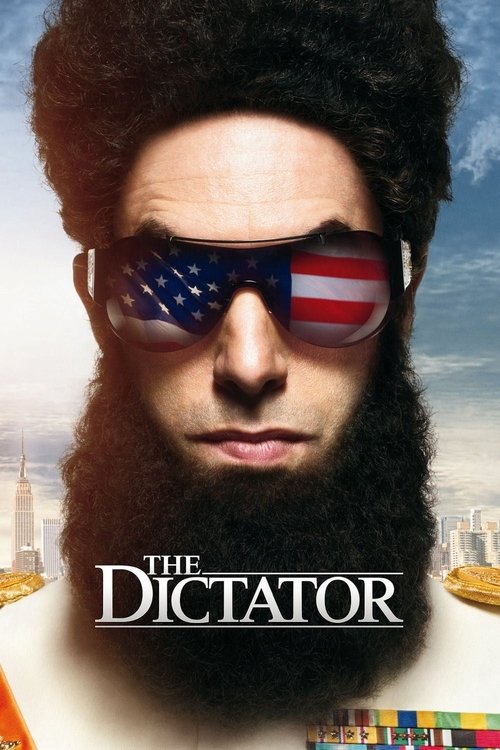
The Dictator
2012The heroic story of a dictator who risks his life to ensure that democracy would never come to the country he so lovingly oppressed.
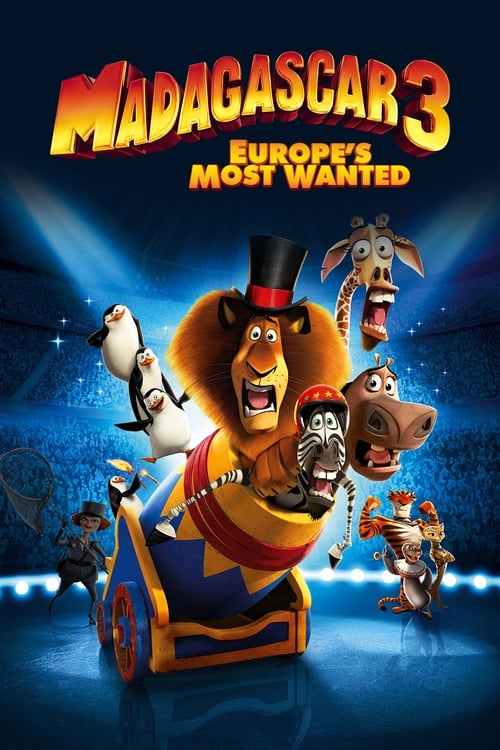
Madagascar 3: Europe's Most Wanted
2012Animal pals Alex, Marty, Melman, and Gloria are still trying to make it back to New York's Central Park Zoo. They are forced to take a detour to Europe to find the penguins and chimps who broke the bank at a Monte Carlo casino. When French animal-control officer Capitaine Chantel DuBois picks up their scent, Alex and company are forced to hide out in a traveling circus.
Even as the franchise expands its scope, Baron Cohen’s commitment to the lemur king’s chaotic whims remains a highlight. He maintains a consistent comedic rhythm that bridges the gap between the film's frantic action and its character-driven wit.
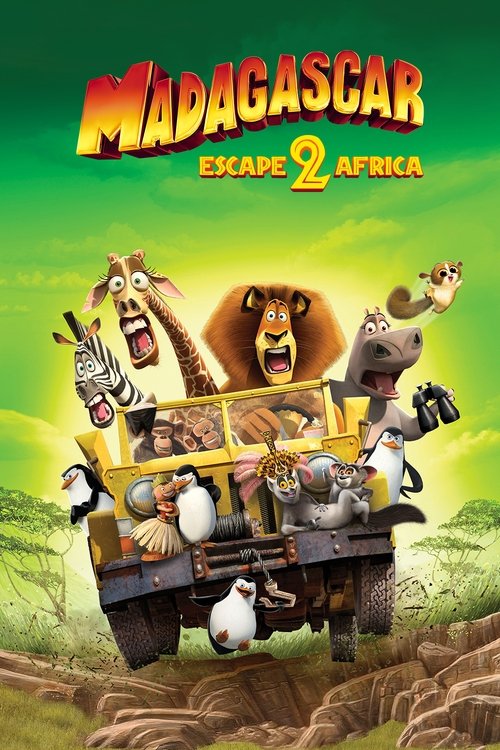
Madagascar: Escape 2 Africa
2008Alex, Marty, and other zoo animals find a way to escape from Madagascar when the penguins reassemble a wrecked airplane. The precariously repaired craft stays airborne just long enough to make it to the African continent. There the New Yorkers encounter members of their own species for the first time. Africa proves to be a wild place, but Alex and company wonder if it is better than their Central Park home.
In this sequel, Baron Cohen doubles down on King Julien’s megalomania, effectively anchoring the film’s surrealist subplot. His ability to dominate a scene using only his voice affirms his status as a premier character actor in the animated medium.
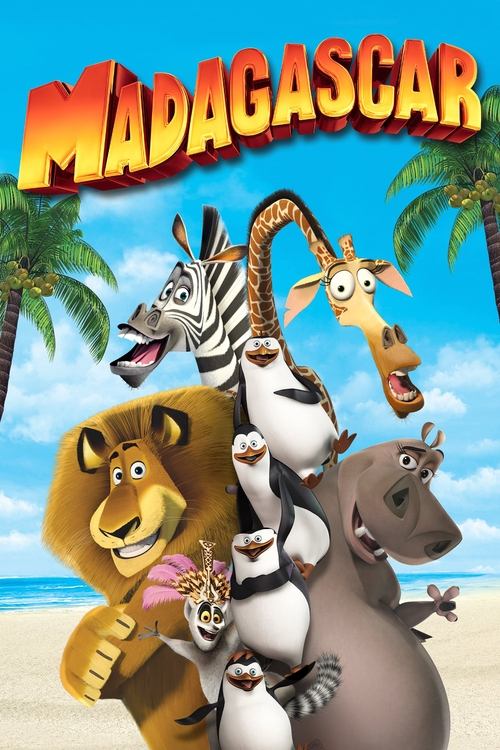
Madagascar
2005Four animal friends get a taste of the wild life when they break out of captivity at the Central Park Zoo and wash ashore on the island of Madagascar.
Baron Cohen’s vocal work as King Julien transformed a supporting character into the franchise’s accidental center of gravity. His manic energy and idiosyncratic phrasing provided the template for the series' specific brand of irreverent humor.
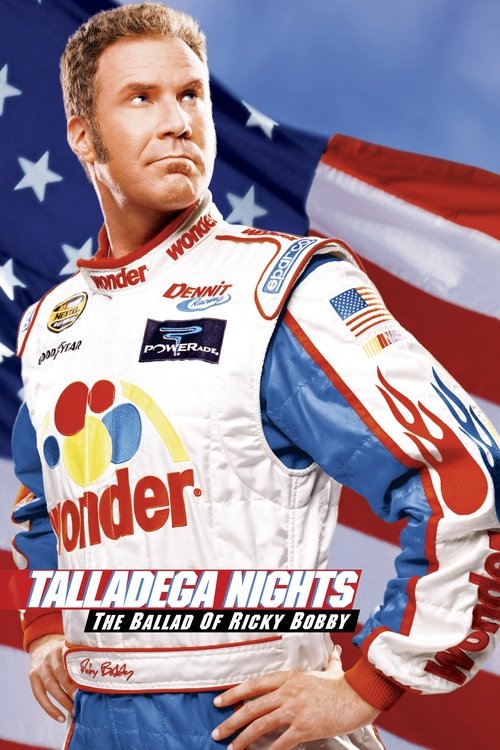
Talladega Nights: The Ballad of Ricky Bobby
2006The fastest man on four wheels, Ricky Bobby, is one of the greatest drivers in NASCAR history. A big, hairy American winning machine, Ricky has everything a dimwitted daredevil could want, a luxurious mansion, a smokin' hot wife, and all the fast food he can eat. But Ricky's turbo-charged lifestyle hits an unexpected speed bump when he's bested by flamboyant Euro-idiot Jean Girard and reduced to a fear-ridden wreck.
Playing the refined French foil to Will Ferrell’s brash Americana, Baron Cohen leans into a sophisticated absurdity that defines the film's best moments. His Jean Girard is a brilliant deconstruction of the 'foreign villain' trope, executed with a deadpan precision that nearly eclipses the lead.
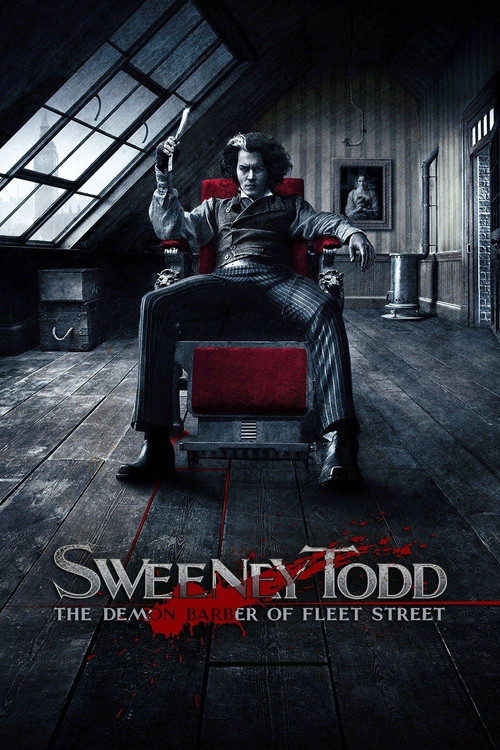
Sweeney Todd: The Demon Barber of Fleet Street
2007The infamous story of Benjamin Barker, a.k.a Sweeney Todd, who sets up a barber shop down in London which is the basis for a sinister partnership with his fellow tenant, Mrs. Lovett. Based on the hit Broadway musical.
Baron Cohen’s turn as the flamboyant Adolfo Pirelli is a masterclass in scene-stealing artifice. He serves as the perfect operatic foil to the film's grim tone, proving his singing voice is as versatile as his comedic timing.
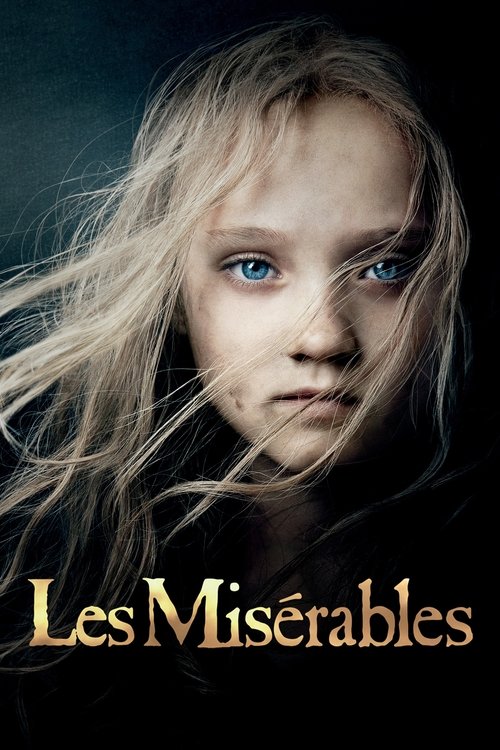
Les Misérables
2012An adaptation of the successful stage musical based on Victor Hugo's classic novel set in 19th-century France. Jean Valjean, a man imprisoned for stealing bread, must flee a relentless policeman named Javert. The pursuit consumes both men's lives, and soon Valjean finds himself in the midst of the student revolutions in France.
As the predatory Thénardier, Baron Cohen injects a necessary dose of grotesque levity into this sprawling epic. His background in clowning allows him to inhabit the role's moral bankruptcy with a physicality that feels both repulsive and hypnotically rhythmic.
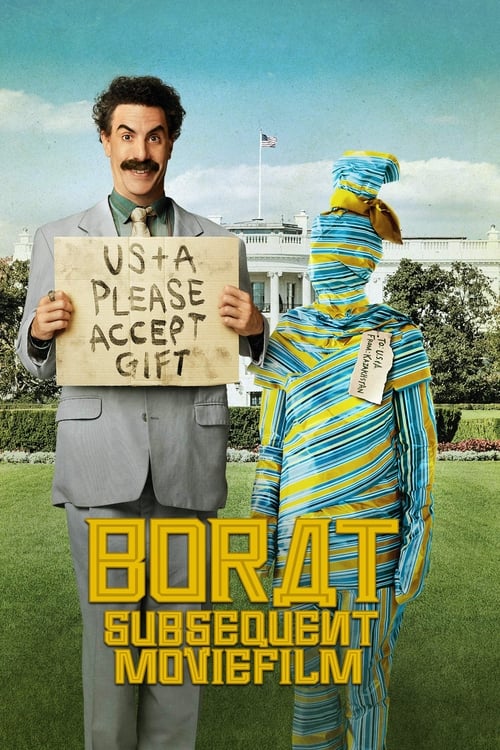
Borat Subsequent Moviefilm
202014 years after making a film about his journey across the USA, Borat risks life and limb when he returns to the United States with his young daughter, and reveals more about the culture, the COVID-19 pandemic, and the political elections.
Returning to his most famous persona after a decade of absence, Baron Cohen navigates a more dangerous political climate with sharpened stakes. He evolves from a mere prankster into a desperate father figure, demonstrating a rare emotional range hidden beneath the suit's polyester grime.
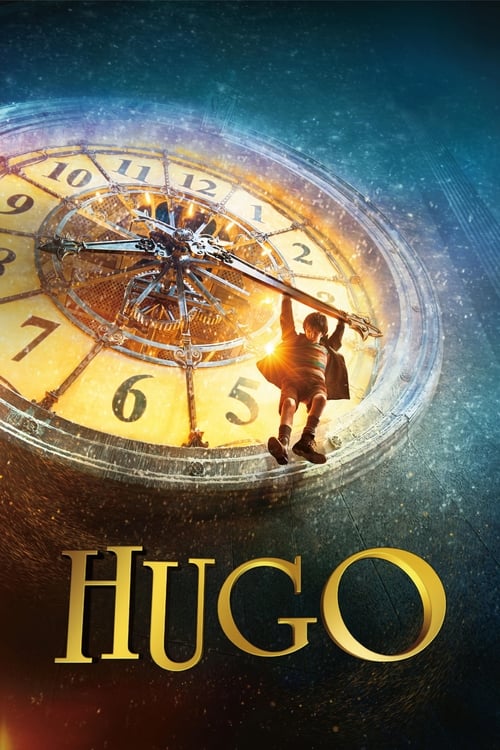
Hugo
2011Orphaned and alone except for an uncle, Hugo Cabret lives in the walls of a train station in 1930s Paris. Hugo's job is to oil and maintain the station's clocks, but to him, his more important task is to protect a broken automaton and notebook left to him by his late father. Accompanied by the goddaughter of an embittered toy merchant, Hugo embarks on a quest to solve the mystery of the automaton and find a place he can call home.
Under Martin Scorsese’s direction, Baron Cohen finds a delicate balance between silent-film slapstick and genuine pathos as the Station Inspector. He elevates a potentially one-dimensional antagonist into a touching tribute to the physical comedians of the early cinematic era.
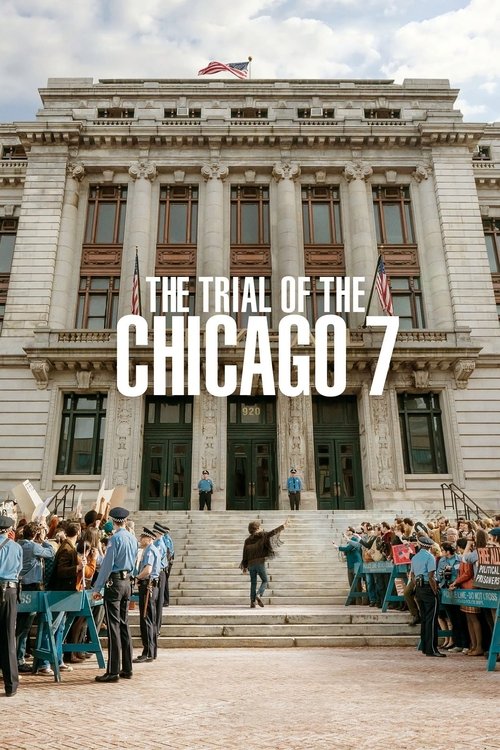
The Trial of the Chicago 7
2020What was supposed to be a peaceful protest turned into a violent clash with the police. What followed was one of the most notorious trials in history.
Trading prosthetics for political gravitas, Baron Cohen captures Abbie Hoffman’s calculated theatricality with unexpected nuance. This performance proved he could command a traditional courtroom drama with the same intellectual ferocity he brought to his early mockumentary work.
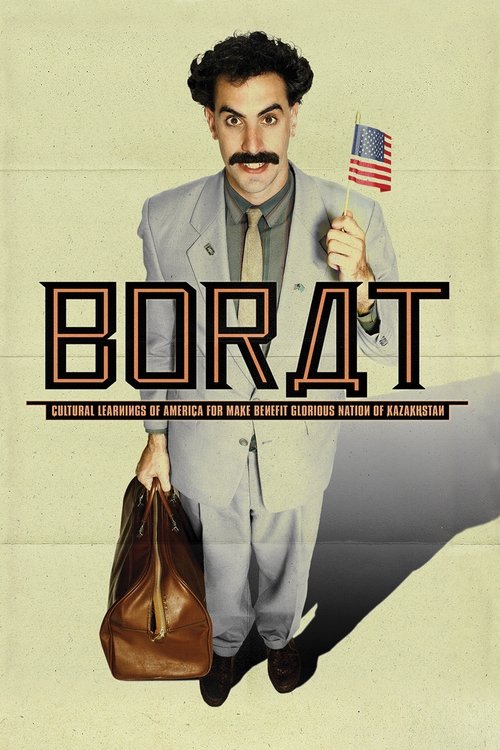
Borat: Cultural Learnings of America for Make Benefit Glorious Nation of Kazakhstan
2006Kazakh journalist Borat Sagdiyev travels to America to make a documentary. As he zigzags across the nation, Borat meets real people in real situations with hysterical consequences. His backwards behavior generates strong reactions around him exposing prejudices and hypocrisies in American culture.
Baron Cohen’s high-wire act of guerrilla anthropology weaponizes awkwardness to expose the underbelly of the American psyche. It remains the definitive showcase of his ability to maintain a character under extreme real-world pressure while fundamentally altering the landscape of 21st-century satire.
Frequently Asked Questions
Everything you need to know about this list and SnakeDrafts
- "Borat: Cultural Learnings of America for Make Benefit Glorious Nation of Kazakhstan" and its sequel "Borat Subsequent Moviefilm" exemplify Sacha Baron Cohen's mastery in combining outrageous comedy with sharp social commentary, using his iconic character Borat to expose cultural and political absurdities.
- Sacha Baron Cohen takes a dramatic turn in "The Trial of the Chicago 7," where he portrays Abbie Hoffman, showcasing his versatility beyond comedy in a historical drama directed by Aaron Sorkin.
- He lends his voice to animated family films such as the "Madagascar" series, including "Madagascar," "Madagascar: Escape 2 Africa," and "Madagascar 3: Europe's Most Wanted," bringing humor and charm to characters that appeal to younger audiences.
- Sacha Baron Cohen expertly navigates between his provocative, character-driven comedy roles in films like "The Dictator" and "Ali G Indahouse" and roles within bigger cinematic productions like "Hugo" and "Les Misérables," where his performances support grander storytelling.
- Larry Charles has collaborated with Sacha Baron Cohen on both "Borat: Cultural Learnings of America..." and "The Dictator," developing films that highlight Cohen’s unique comedic style and satirical edge.
- Sacha Baron Cohen appears in the musical drama "Les Misérables," directed by Tom Hooper, where he portrays the character Thénardier, combining his theatrical skills with the film's intense emotional storytelling.
- Educated at Cambridge, Cohen’s intellectual approach is evident in his choice of roles that often involve complex satire and social critique, like in "Borat" and "The Trial of the Chicago 7," reflecting his depth beyond comedic surface performances.