The Definitive Ranking of Guy Ritchie Films
Master of British Crime and Kinetic Action Cinema
Explore the definitive ranking of Guy Ritchie films, from gritty London underworld classics to high-octane Hollywood blockbusters and stylish spy thrillers.
About Guy Ritchie
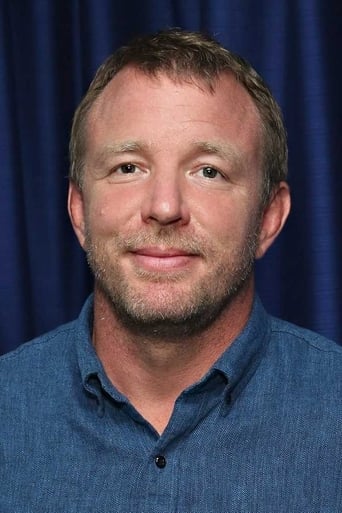
Guy Ritchie occupies a specific, hyper-kinetic corner of the cinematic landscape where the grime of the London underworld meets the polish of a high-fashion editorial. He burst onto the scene in the late nineties with a visual vocabulary that felt entirely fresh, trading the traditional pacing of crime thrillers for a caffeinated blend of freeze frames, whip-pans, and overlapping narration. In those early landmarks like Lock, Stock and Two Smoking Barrels and Snatch, he established a template that many have tried to mimic but few have mastered. His world is one of cheeky rogues, intricate coincidences, and a rhythmic, slang-heavy dialogue that moves with the speed of a prize fighter’s jab.
What truly distinguishes his eye is a fascination with the mechanics of masculinity and the aesthetics of competence. Whether his characters are petty thieves or elite soldiers, they operate within strict codes of conduct and sartorial flair. This signature swagger translated surprisingly well to the blockbuster arena when he re-imagined Sherlock Holmes as a bohemian brawler. By injecting his characteristic slow-motion breakdowns and forensic attention to detail into Victorian London, he turned a dusty literary icon into a modern action hero. Even when he veered into the neon-soaked myths of King Arthur: Legend of the Sword or the vibrant spectacle of Aladdin, that core sensibility remained intact. He views the world through a wide-angle lens, finding humor and momentum in the way complex plans inevitably go sideways.
The middle of his career saw a brief flirtation with more abstract, philosophical storytelling in Revolver, but he eventually returned to his roots with renewed vigor. RocknRolla served as a gritty homecoming, while The Gentlemen saw him reclaiming his throne as the poet laureate of the British mob. In this later phase, his style has matured without losing its edge. He has swapped some of the frantic energy of his youth for a slicker, more deliberate brand of cool. Films like The Man from U.N.C.L.E. showcase an obsession with mid-century style and effortless charisma, proving he is just as comfortable with champagne and tailored suits as he is with tracksuits and pints.
Recently, there has been a fascinating pivot toward a leaner, more muscular form of filmmaking. With Wrath of Man and Guy Ritchie’s The Covenant, he stripped away the playful banter in favor of a brooding, visceral intensity. These projects highlight his versatility, proving he can command silence and tension just as effectively as he handles a chaotic montage. His latest romp, The Ministry of Ungentlemanly Warfare, feels like a culmination of all these threads. It marries his love for historical bravado with the violent, darkly comic espirit de corps that made his name decades ago. He remains a quintessential stylist, a director who understands that movies should be an experience of pure, unadulterated momentum. Every frame is a testament to the idea that how a story is told is just as vital as the story itself.
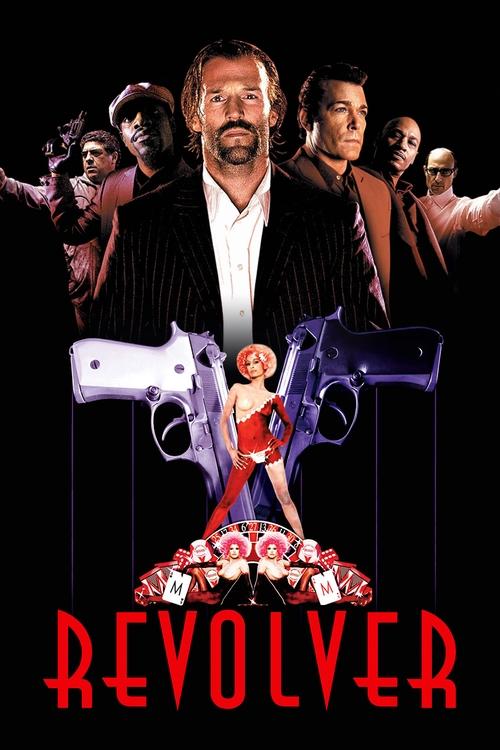
Revolver
2005Hotshot gambler Jake Green is long on bravado and seriously short of common sense. Rarely is he allowed in any casino because he's a bona fide winner and, in fact, has taken so much money over the years that he's the sole client of his accountant elder brother, Billy. Invited to a private game, Jake is in fear of losing his life.
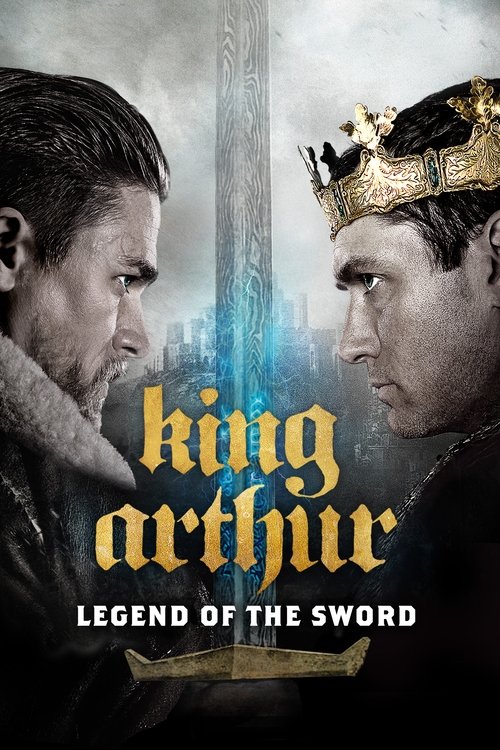
King Arthur: Legend of the Sword
2017When the child Arthur’s father is murdered, Vortigern, Arthur’s uncle, seizes the crown. Robbed of his birthright and with no idea who he truly is, Arthur comes up the hard way in the back alleys of the city. But once he pulls the sword Excalibur from the stone, his life is turned upside down and he is forced to acknowledge his true legacy... whether he likes it or not.
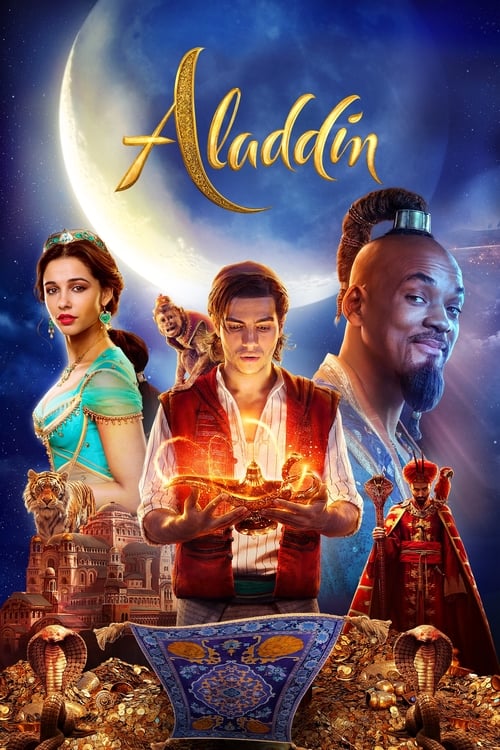
Aladdin
2019A kindhearted street urchin named Aladdin embarks on a magical adventure after finding a lamp that releases a wisecracking genie while a power-hungry Grand Vizier vies for the same lamp that has the power to make their deepest wishes come true.
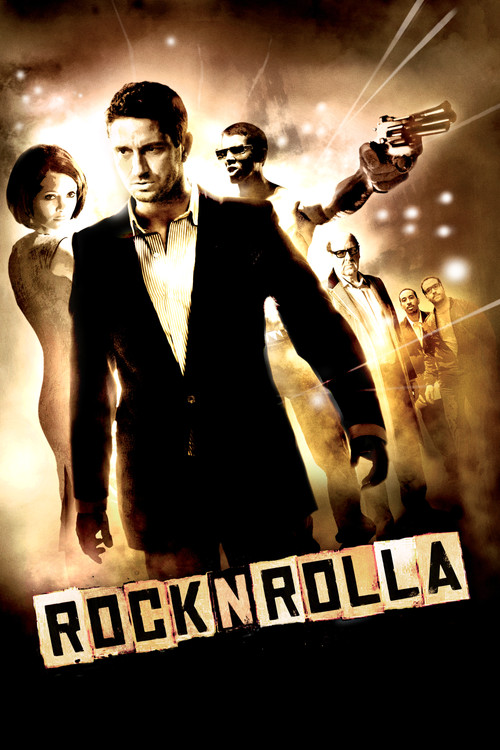
RocknRolla
2008When a Russian mobster sets up a real estate scam that generates millions of pounds, various members of London's criminal underworld pursue their share of the fortune. Various shady characters, including Mr One-Two, Stella the accountant, and Johnny Quid, a druggie rock-star, try to claim their slice.
Returning to the corrupt underbelly of London, Ritchie explores the shifting landscape of real estate and old-school thievery with caustic cynicism. It remains a fascinating snapshot of a director refining his formula while navigating the transition from indie provocateur to mid-budget powerhouse.
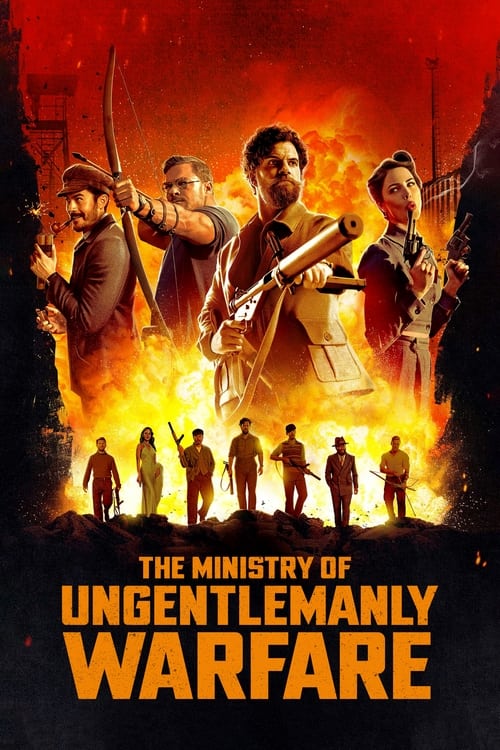
The Ministry of Ungentlemanly Warfare
2024During World War II, the British Army assigns a group of competent soldiers to carry out a mission against the Nazi forces behind enemy lines... A true story about a secret British WWII organization — the Special Operations Executive. Founded by Winston Churchill, their irregular warfare against the Germans helped to change the course of the war, and gave birth to modern black operations.
Ritchie blends historical revisionism with a joyful brand of hyper-violence to celebrate the art of unconventional strategy. The film functions as a rowdy summation of his career-long fascination with outsiders who operate beyond the constraints of traditional bureaucracy.
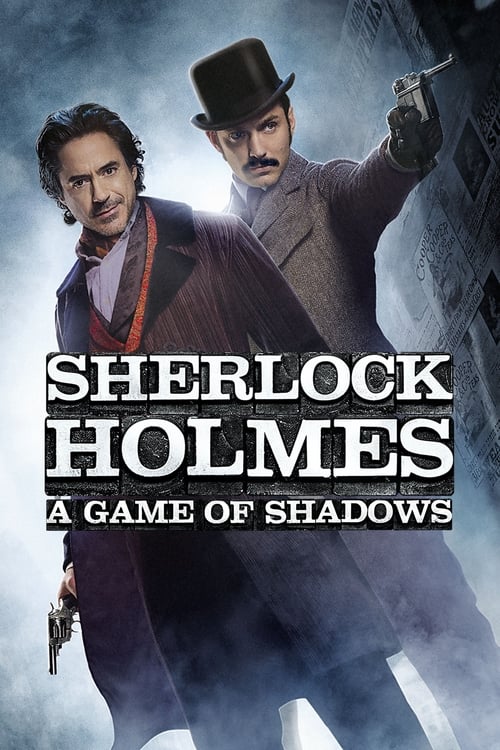
Sherlock Holmes: A Game of Shadows
2011There is a new criminal mastermind at large (Professor Moriarty) and not only is he Holmes’ intellectual equal, but his capacity for evil and lack of conscience may give him an advantage over the detective.
This sequel accelerates the director’s fascination with internal cognitive processing, utilizing slow-motion as a narrative tool to deconstruct action sequences. It represents Ritchie at his most visually indulgent, pushing the spectacle of his blockbuster period to its absolute limit.
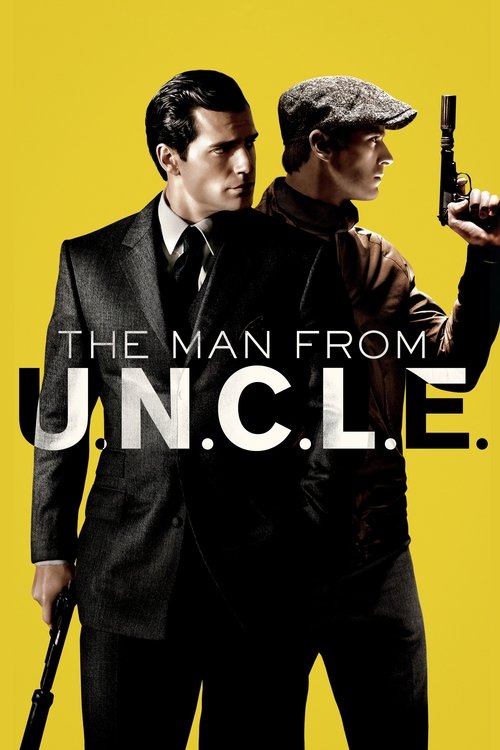
The Man from U.N.C.L.E.
2015At the height of the Cold War, a mysterious criminal organization plans to use nuclear weapons and technology to upset the fragile balance of power between the United States and Soviet Union. CIA agent Napoleon Solo and KGB agent Illya Kuryakin are forced to put aside their hostilities and work together to stop the evildoers in their tracks. The duo's only lead is the daughter of a missing German scientist, whom they must find soon to prevent a global catastrophe.
Impeccable costume design and mid-century modern aesthetics take center stage in this vibrant exercise in high-gloss espionage. Ritchie trades his gritty London backdrops for a breezy, European visual splendor while maintaining his trademark obsession with split-screen dynamics and effortless cool.
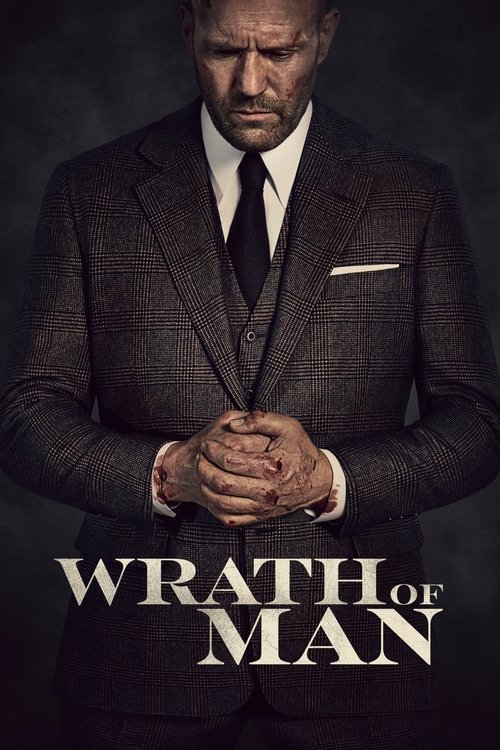
Wrath of Man
2021A cold and mysterious new security guard for a Los Angeles cash truck company surprises his co-workers when he unleashes precision skills during a heist. The crew is left wondering who he is and where he came from. Soon, the marksman's ultimate motive becomes clear as he takes dramatic and irrevocable steps to settle a score.
This cold and calculated heist thriller showcases a brutalist side of the director, trading his usual wit for a relentless and rhythmic sense of dread. It serves as a masterclass in atmospheric tension, proving Ritchie can command a serious, linear narrative with lethal precision.
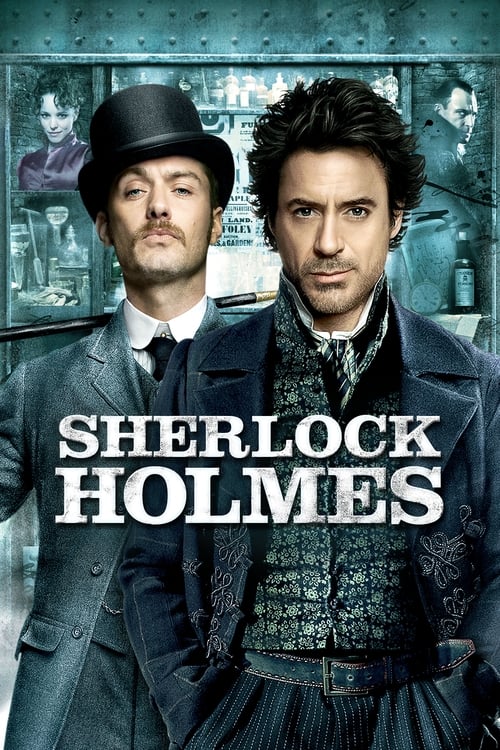
Sherlock Holmes
2009Eccentric consulting detective Sherlock Holmes and Doctor John Watson battle to bring down a new nemesis and unravel a deadly plot that could destroy England.
Ritchie successfully transplants his street-smart sensibilities into a Victorian sandbox, reimagining a literary legend through the lens of bare-knuckle pugilism and forensic intuition. The film illustrates his ability to modernize period pieces using restless camerawork and a distinctively gritty industrial palette.
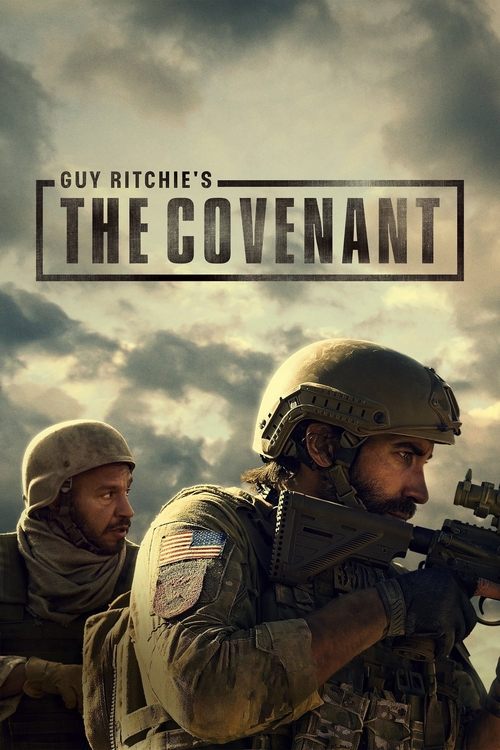
Guy Ritchie's The Covenant
2023During the war in Afghanistan, a local interpreter risks his own life to carry an injured sergeant across miles of grueling terrain.
Stripping away his signature stylistic flourishes, Ritchie pivots toward a somber and visceral minimalism that prioritizes moral weight over bravado. This departure reveals a surprising emotional depth and an command of tension that expands the boundaries of his traditional directorial identity.
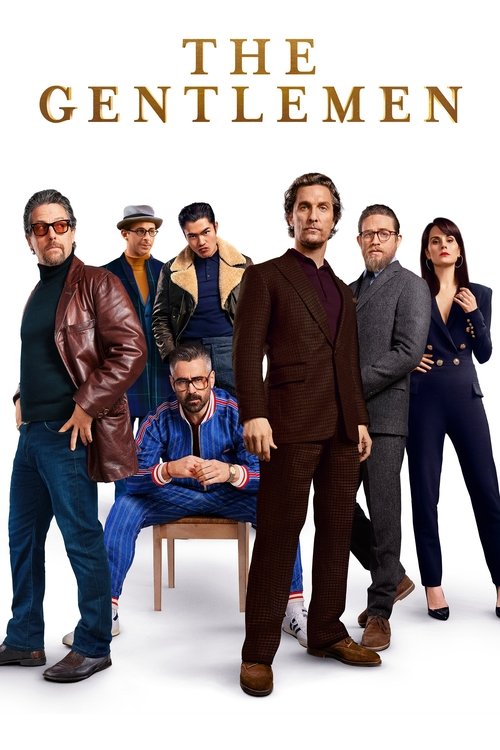
The Gentlemen
2020American expat Mickey Pearson has built a highly profitable marijuana empire in London. When word gets out that he’s looking to cash out of the business forever it triggers plots, schemes, bribery and blackmail in an attempt to steal his domain out from under him.
A sophisticated homecoming for the director, this entry sees a matured Ritchie reclaiming his crown with a meta-textual narrative layers and a sartorial elegance. It balances the crude violence of his youth with a seasoned mastery of screenwriting structure and self-reflective humor.
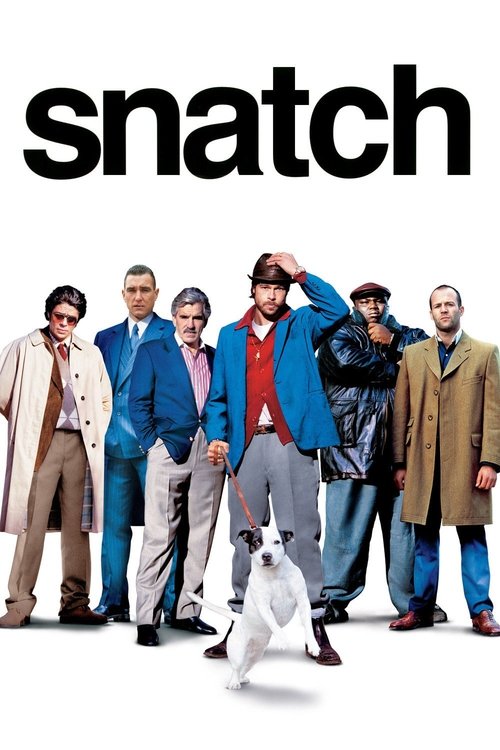
Snatch
2000Unscrupulous boxing promoters, violent bookies, a Russian gangster, incompetent amateur robbers, and supposedly Jewish jewellers fight to track down a priceless stolen diamond.
Refining the chaotic geometry of his previous work, Ritchie crafts a polished subterranean world where the pacing is as sharp as the dialogue. This film marks the zenith of his stylistic obsession with fate and coincidence, elevated by an ambitious visual flair that solidified his international influence.
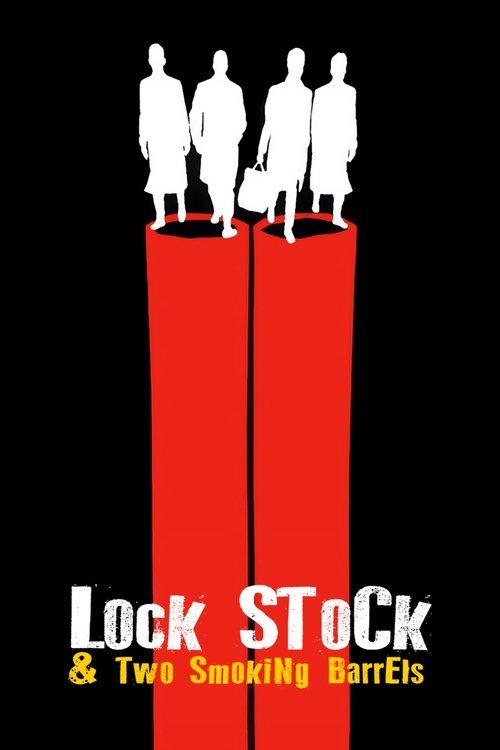
A card shark and his unwillingly-enlisted friends need to make a lot of cash quick after losing a sketchy poker match. To do this they decide to pull a heist on a small-time gang who happen to be operating out of the flat next door.
This seismic debut redefined the British gangster genre by injecting a hyper-kinetic energy and rhythmic cockney vernacular that felt entirely revolutionary. It established Ritchie as a master of the interlocking ensemble narrative where kinetic editing and a grimy, sepia-toned aesthetic serve as the heartbeat of the film.
Frequently Asked Questions
Everything you need to know about this list and SnakeDrafts
- Guy Ritchie's films often blend crime, comedy, and action, featuring gritty London underworld settings combined with witty dialogue and stylish storytelling techniques. Many of his movies, such as "Lock, Stock and Two Smoking Barrels" and "Snatch," emphasize fast-paced editing, overlapping narration, and a hyper-kinetic visual style.
- While Ritchie's early films center on London's criminal underworld with a raw, edgy tone, his Hollywood blockbusters like "Sherlock Holmes" and "Aladdin" showcase more polished, high-production values with adventurous and fantastical elements, though they still retain his signature dynamic pacing and visual flair.
- Films such as "Aladdin," "The Man from U.N.C.L.E.," and "Guy Ritchie's The Covenant" illustrate Ritchie's ability to work across diverse genres, including fantasy, spy thriller, and war-action, expanding his cinematic range while maintaining his distinctive energetic style.
- Viewers can anticipate rapid-fire dialogue, creative camera movements like whip-pans, freeze frames, intricate plotting, and overlapping narration. These elements make films like "Snatch" and "The Gentlemen" uniquely engaging and visually stimulating.
- "The Gentlemen" combines sharp comedy with crime thriller elements, featuring complex characters and clever dialogue typical of Ritchie's storytelling. Its stylish cinematography and interwoven storylines reflect the director's hallmark approach to narrative and visuals.
- Yes, recent films like "Wrath of Man" (2021) and "Guy Ritchie's The Covenant" (2023) demonstrate Ritchie's continued evolution into gritty thrillers and war dramas, showing a maturation in tone and a broader range in genre exploration.
- Ritchie's "Sherlock Holmes" adaptations blend action, mystery, and adventure with his signature kinetic style, introducing a more physical and fast-paced Holmes compared to traditional portrayals. These films balance classic detective storytelling with high-octane sequences and stylish visuals.

