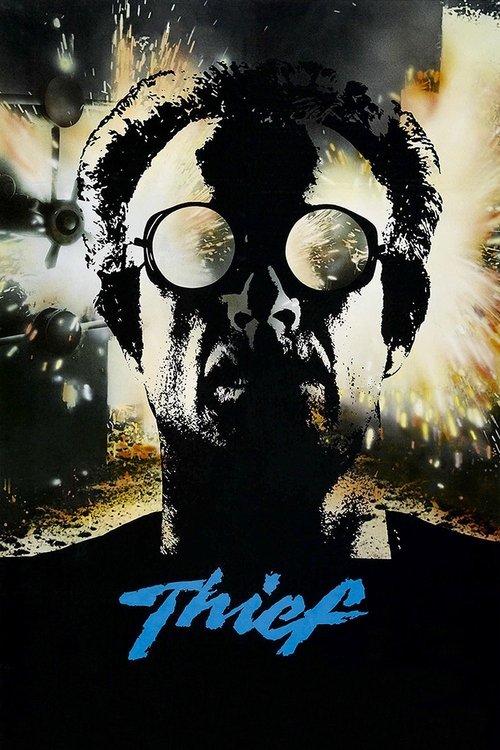
Thief
In Michael Mann's neo-noir masterpiece "Thief," James Caan delivers a searing performance as Frank, a professional safecracker looking for a way out. This stylish crime thriller delves into the high-stakes world of heists and the yearning for a life beyond the score, making it a must-watch for genre enthusiasts.
Director
Release Year
1981
Runtime
123 minutes
Main Cast
James Caan, Tuesday Weld, Robert Prosky, Willie Nelson, Jim Belushi
About Thief
Michael Mann's 1981 film "Thief" burst onto the scene as a visceral and stylish entry in the crime genre, quickly establishing itself as a cult classic. Its unique blend of meticulous procedural detail in its heist sequences and profound character study set it apart from its contemporaries. The film's aesthetic, characterized by its neon-soaked nocturnal cityscapes and pulsating Tangerine Dream soundtrack, became a signature for Mann and profoundly influenced subsequent crime thrillers.
At its core, "Thief" is the story of Frank, a master safecracker operating in the shadowy underworld of Chicago. Frank yearns for a normal life—a home, a family, and an escape from the dangerous game he plays. This desire drives his every move, pushing him to take increasingly risky jobs in a desperate bid to accumulate enough wealth to achieve his dream. The film meticulously details the intricate planning and execution of his heists, immersing the audience in the technical prowess required for such illicit endeavors.
Upon its release, "Thief" garnered significant critical attention, particularly for James Caan's intense and nuanced portrayal of Frank. Critics praised Mann's direction, highlighting his ability to craft a taut, suspenseful narrative while exploring deeper themes of existentialism and the American dream. While not a massive box office hit initially, its critical acclaim and strong word-of-mouth led to its enduring legacy.
The film's cultural impact is undeniable, with its influence seen in countless films, television shows, and even video games. It solidified Michael Mann's reputation as a visionary director, known for his authentic depiction of criminal life and his distinctive visual and auditory style. "Thief" remains a benchmark for character-driven crime dramas, celebrated for its unflinching look at the costs of a life lived on the fringes and the elusive pursuit of true freedom.
"Thief" was nominated for the Golden Palm at the 1981 Cannes Film Festival, a testament to its artistic merit. Its raw energy, philosophical undertones, and innovative filmmaking techniques continue to resonate with audiences and filmmakers alike, cementing its place as a quintessential piece of 1980s cinema and a foundational work in Mann's celebrated career.
Drafts Featuring Thief
Every SnakeDrafts listicle where this movie appears
The Definitive James Caan Career Ranking: His Must-Watch Performances
Ranked #2
Michael Mann Films Ranked Definitively
Ranked #5
Best Movies of 1981
Ranked #10
The Best Crime Movies of 1981, Ranked
Ranked #1
The Greatest Crime Movies Ranked
Ranked #69
The Best Thriller Movies of 1981, Ranked
Ranked #12
Top 1980s Thriller Movies Ranked
Ranked #13
The Best 1980s Crime Movies Ranked
Ranked #7
The Greatest Dennis Farina Movies Ever
Ranked #7
Similar Movies
Movies related to Thief
Frequently Asked Questions
Everything you need to know about Thief
- Frank's intense monologue reveals his deeply ingrained survival instinct and his commitment to self-reliance. It underscores his philosophy that everyone is alone and must look out for themselves, shaped by his harsh experiences in institutions, which ultimately fuels his relentless pursuit of independence and a normal life.
- Frank burns down his home and business as a definitive act of severing ties with the criminal underworld that has encroached upon his personal life. It's a symbolic declaration of war against the mob boss, Leo, signifying his refusal to be controlled and his reclamation of agency, even if it means sacrificing everything he desired.
- Jessie represents Frank's yearning for a conventional family life and a respite from his solitary existence. She becomes a symbol of the domesticity and emotional connection he desperately craves, making his eventual decision to abandon that dream even more tragic and impactful.
- Tangerine Dream's electronic score is integral to the film's hypnotic and melancholic atmosphere. The synth-driven compositions perfectly capture the cold, detached world Frank inhabits, while also underscoring his internal struggles and the underlying tension of his dangerous profession.
- The meticulously detailed tools and safecracking equipment symbolize Frank's mastery and control within his criminal domain. They represent his dedication to his craft and his professional identity, but also highlight the sterile, almost robotic nature of his work, contrasting with his deep emotional needs.

