Best Howard Hawks Films of All Time
Master of the Golden Age Studio System
Discover the essential filmography of Howard Hawks, from definitive Westerns and film noir to the pioneers of screwball comedy.
About Howard Hawks
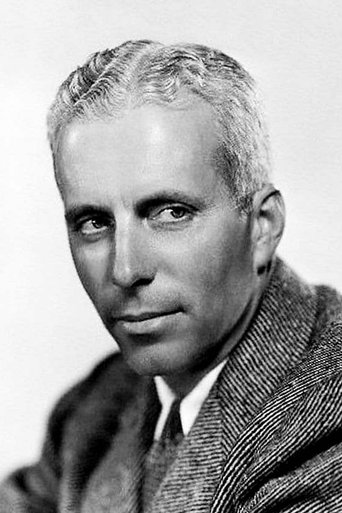
In the golden era of the studio system, most directors were specialists hired to polish a specific corner of the silver screen. You went to Hitchcock for a shiver and Ford for a sunset. Then there was Howard Hawks, a silver-haired aristocrat of the set who treated film genres like a fleet of cars he could drive equally well. He did not care for flashy camera angles or heavy-handed symbolism. Instead, he built a cinematic universe defined by a level eye, a rapid-fire pace, and a very specific kind of professional dignity. If a camera was ever placed above or below eye level in a Hawks film, it was probably an accident. He believed the most interesting thing in the world was watching competent people handle a crisis while trading insults.
The hallmark of his vision is the famous Hawksian woman. Whether it is Rosalind Russell holding her own in the frantic newsroom of His Girl Friday or Barbara Stanwyck outsmarting a room of professors in Ball of Fire, his actresses were never mere prizes. They were faster, sharper, and often tougher than the men they loved. Consider Lauren Bacall in To Have and Have Not or The Big Sleep. She does not just walk into a room; she invades it with a dry wit that matches Humphrey Bogart blow for blow. This chemistry was fueled by the director's love for overlapping dialogue, a technique that made his comedies feel like high-speed chases and his dramas feel visceral and lived-in.
When he stepped onto the frontier, he reinvented the Western by stripping away the mythic poetry and replacing it with grit and camaraderie. Red River is an undisputed masterpiece of the genre, an epic that captures the grueling reality of a cattle drive while dissecting the fracture between generations. Years later, he gave us Rio Bravo, a film that feels less like a cowboy movie and more like a hangout session with the coolest people you know. It is a masterclass in economy, proving that a group of outcasts defending a jailhouse can be just as thrilling as a thousand-man army if the characters are drawn with enough heart.
His versatility was almost arrogant. He could pivot from the slapstick absurdity of Bringing Up Baby, where Cary Grant loses his dignity to a leopard, to the cold-blooded gangster energy of the original Scarface. Even when he dipped into musicals like Gentlemen Prefer Blondes or screwball war stories like I Was a Male War Bride, the DNA remained consistent. It was always about the group, the work, and the code. He celebrated the professional, whether they were mail pilots in Only Angels Have Wings or scientists in Monkey Business.
There is a deceptive simplicity to his legacy. By refusing to show off, he created a style that never ages. Modern directors still study his timing and his ability to ground even the wildest premises in human behavior. He did not need a signature visual flourish because his signature was the rhythm of the human voice and the quiet respect between equals. Exploring his filmography is like taking a tour through the best that Hollywood ever had to offer, led by a man who knew exactly where to put the camera to keep the focus on the soul of the story.
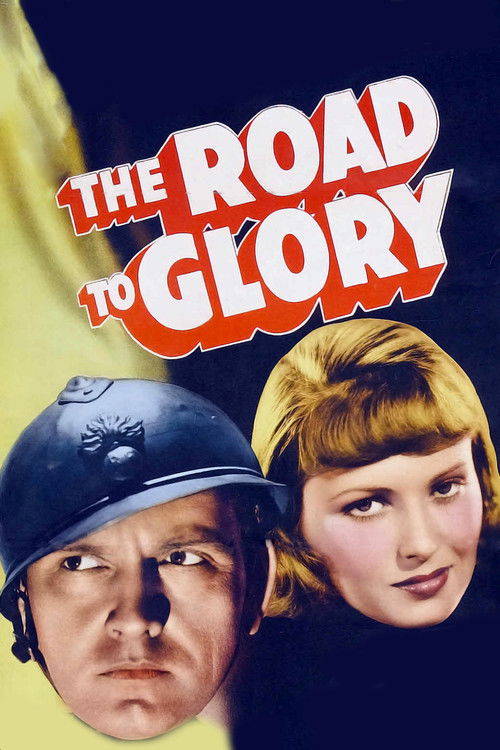
The Road to Glory
1936The story of trench life during World War I through the lives of a French regiment. As men are killed and replaced jaunty Lt. Denet becomes more and more somber. His rival for the affection of nurse Monique is Capt. La Roche.
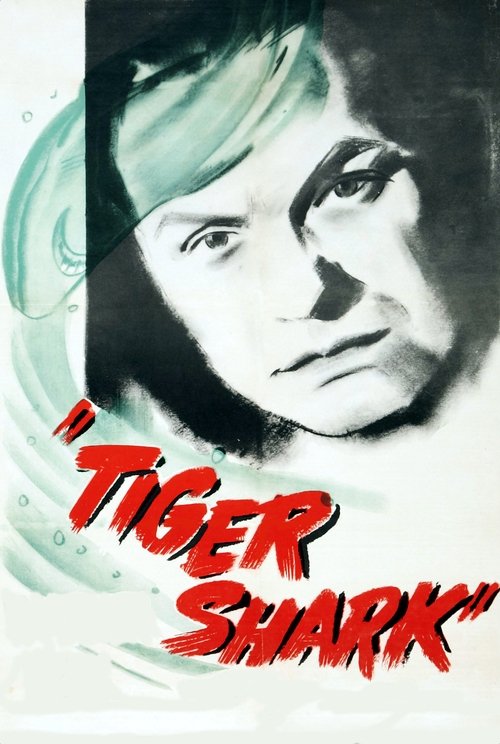
Tiger Shark
1932A Portuguese tuna fisherman catches his bride with his first mate.
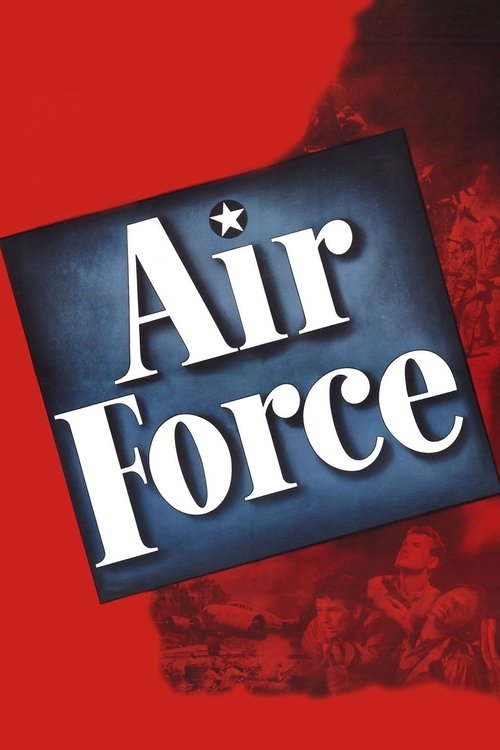
Air Force
1943The crew of an Air Force bomber arrives in Pearl Harbor in the aftermath of the Japanese attack and is sent on to Manila to help with the defense of the Philippines.
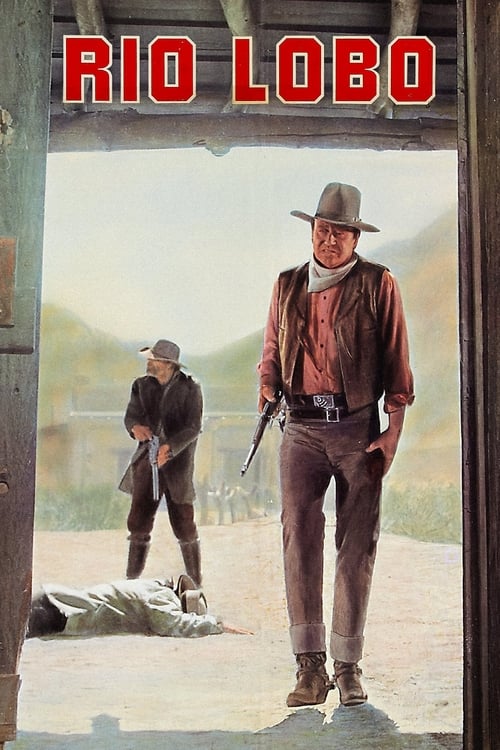
Rio Lobo
1970After the Civil War, a former Union colonel searches for the two traitors whose perfidy led to the loss of a close friend.
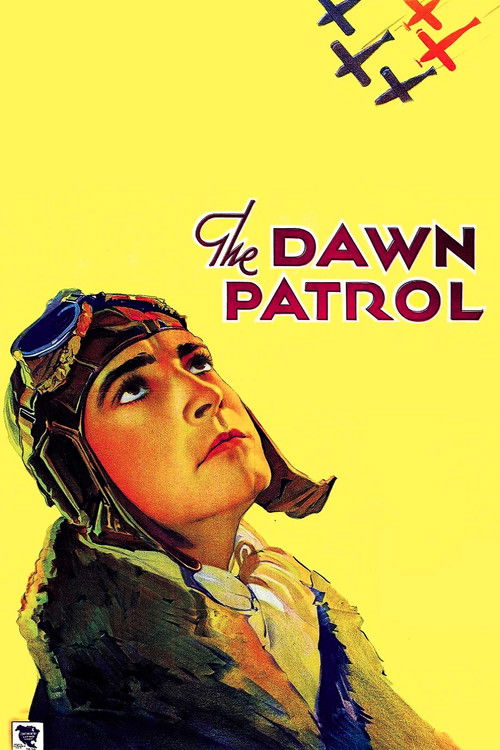
The Dawn Patrol
1930World War I ace Dick Courtney derides the leadership of his superior officer, but he soon is promoted to squadron commander and learns harsh lessons about sending subordinates to their deaths.
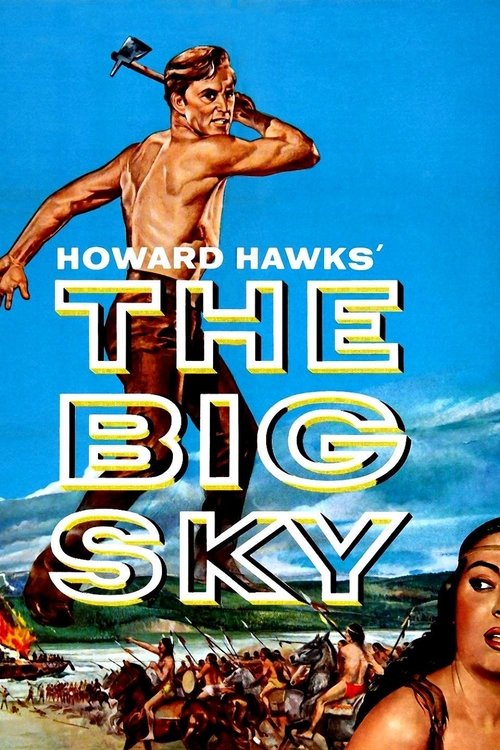
The Big Sky
1952Two tough Kentucky mountaineers join a trading expedition from St. Louis up the Missouri River to trade whisky for furs with the Blackfoot Indians. They soon discover that there is much more than the elements to contend with.
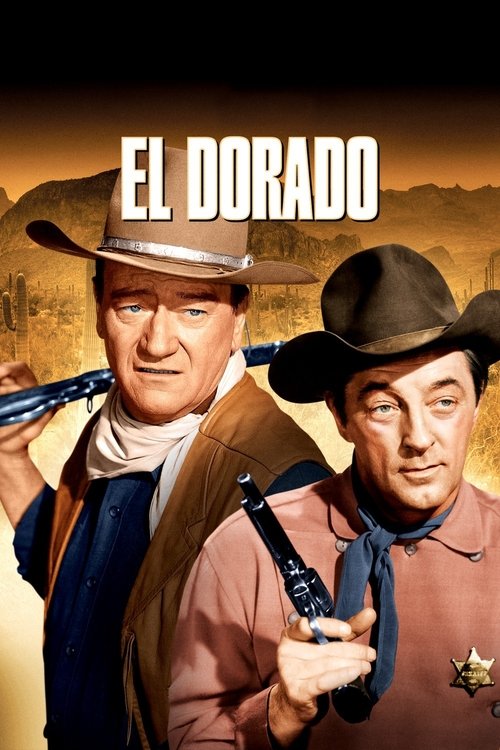
El Dorado
1966Cole Thornton, a gunfighter for hire, joins forces with an old friend, Sheriff J.P. Harrah. Together with a fighter and a gambler, they help a rancher and his family fight a rival rancher that is trying to steal their water.
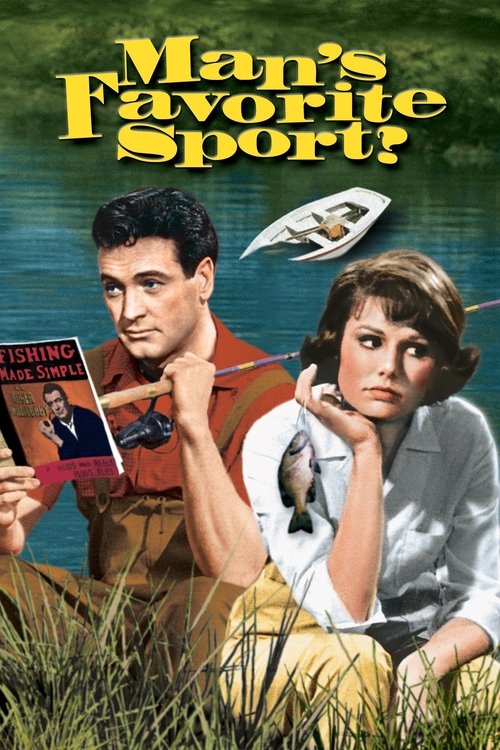
Man's Favorite Sport?
1964Roger Willoughby is a renowned fishing expert, who, unbeknownst to his friends, co-workers, or boss, has never cast a line in his life. One day, he crosses paths with Abigail Paige, a sweetly annoying girl who has just badgered his boss into signing Roger up for an annual fishing tournament.
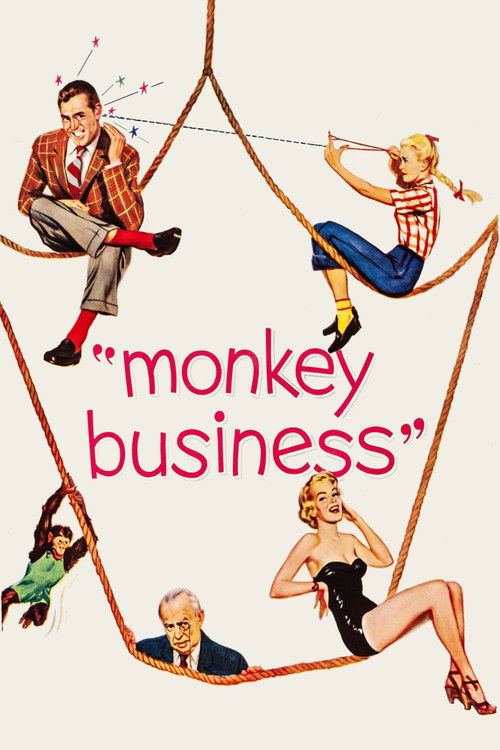
Monkey Business
1952Research chemist Barnaby Fulton works on a fountain of youth pill for a chemical company. One of the labs chimps gets loose in the laboratory and mixes chemicals, but then pours the mix into the water cooler. When trying one of his own samples, washed down with water from the cooler, Fulton begins to act just like a twenty-year-old and believes his potion is working. Soon his wife and boss are also behaving like children.
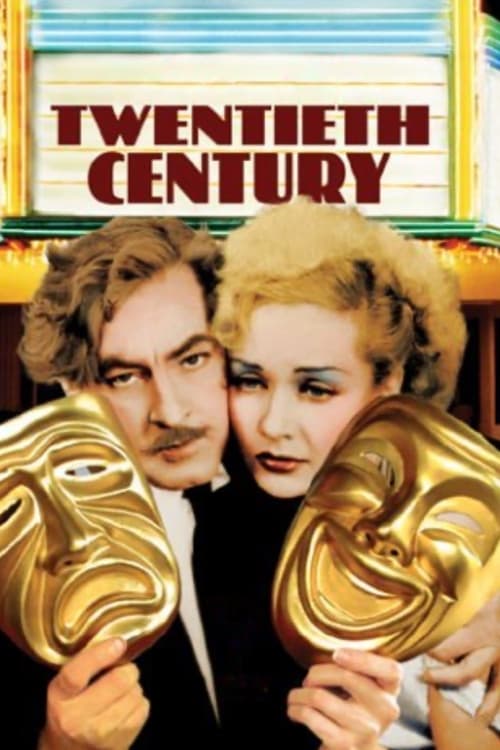
Twentieth Century
1934A temperamental Broadway producer trains an untutored actress, but when she becomes a star, she proves a match for him.
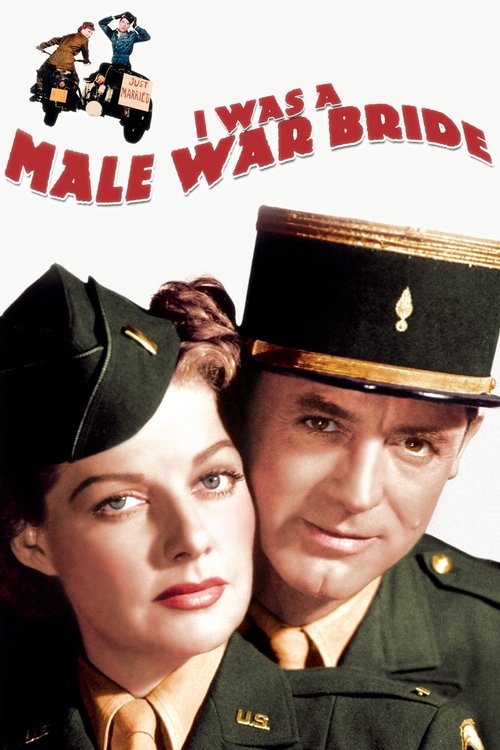
I Was a Male War Bride
1949After marrying an American lieutenant with whom he was assigned to work in post-war Germany, a French captain attempts to find a way to accompany her back to the States under the terms of the War Bride Act.
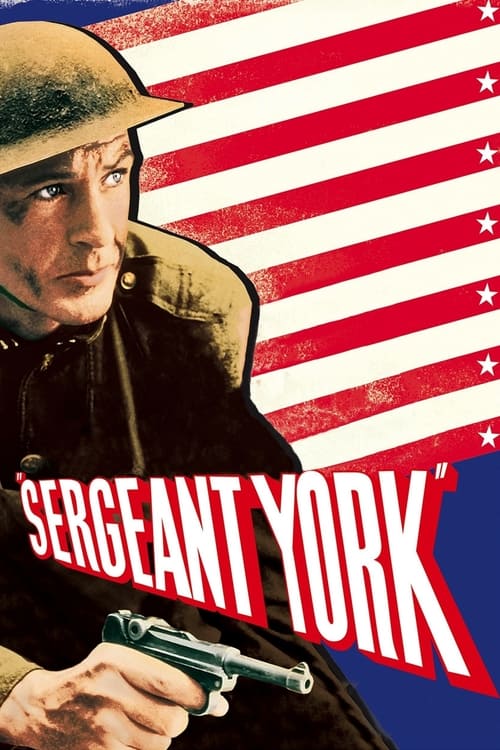
Sergeant York
1941Alvin York a hillbilly sharpshooter transforms himself from ruffian to religious pacifist. He is then called to serve his country and despite deep religious and moral objections to fighting becomes one of the most celebrated American heroes of WWI.
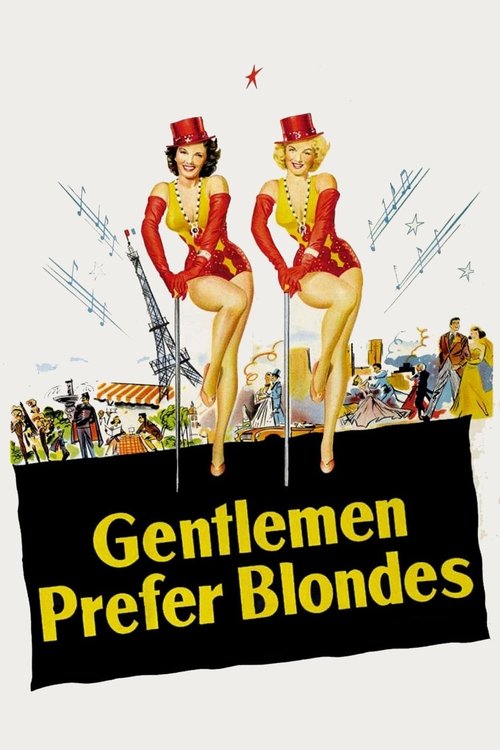
Gentlemen Prefer Blondes
1953Lorelei Lee is a beautiful showgirl engaged to be married to the wealthy Gus Esmond, much to the disapproval of Gus' rich father, Esmond Sr., who thinks that Lorelei is just after his money. When Lorelei goes on a cruise accompanied only by her best friend, Dorothy Shaw, Esmond Sr. hires Ernie Malone, a private detective, to follow her and report any questionable behavior that would disqualify her from the marriage.
Shifting his focus to the vibrant artifice of the Technicolor musical, Hawks applies his signature themes of female friendship and predatory wit to a satiric landscape of wealth. He manages to subvert the male gaze by centering the narrative on the tactical maneuvers and undeniable agency of his protagonists.
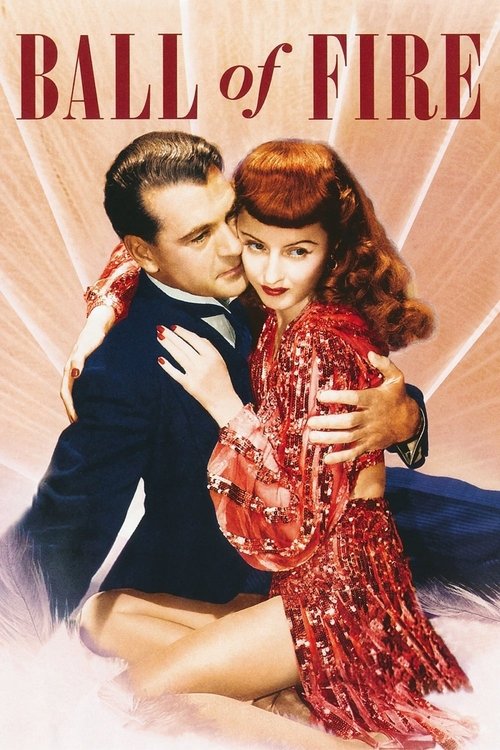
Ball of Fire
1941A group of academics have spent years shut up in a house working on the definitive encyclopedia. When one of them discovers that his entry on slang is hopelessly outdated, he ventures into the wide world to learn about the evolving language. Here he meets Sugarpuss O’Shea, a nightclub singer, who’s on top of all the slang—and, it just so happens, needs a place to stay.
Hawks cleverly deconstructs the Snow White mythos by injecting it with streetwise slang and a playful collision of academic stiffness and nocturnal vitality. The film’s brilliance lies in its linguistic dexterity and its celebration of communal knowledge over individual ego.
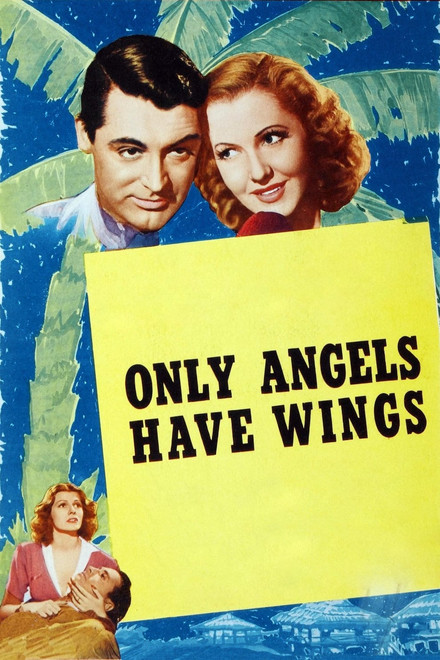
Only Angels Have Wings
1939A traveling performer arrives at a remote South American port town where the head of an air freight service must risk his pilots' lives to earn a major contract.
Set within a fog-shrouded outpost, this film examines the thin line between professional duty and existential fatalism. Hawks celebrates the stoic isolation of his aviators through a dense atmospheric texture that makes the internal danger feel as palpable as the mechanical failures.
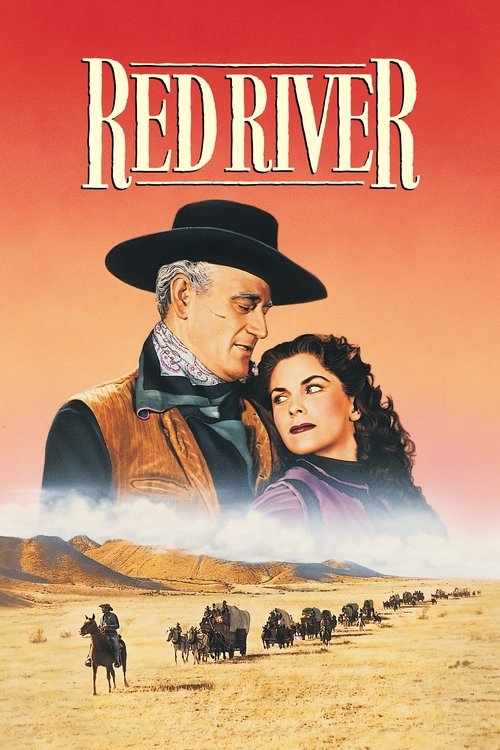
Red River
1948Following the Civil War, headstrong rancher Thomas Dunson decides to lead a perilous cattle drive from Texas to Missouri. During the exhausting journey, his persistence becomes tyrannical in the eyes of Matthew Garth, his adopted son and protégé.
This sweeping cattle-drive saga explores the corrosive nature of authority and the generational shifts in masculine ideals. It represents the director's most ambitious use of landscape, balancing the epic scale of the American frontier against an intimate, psychological clash of wills.
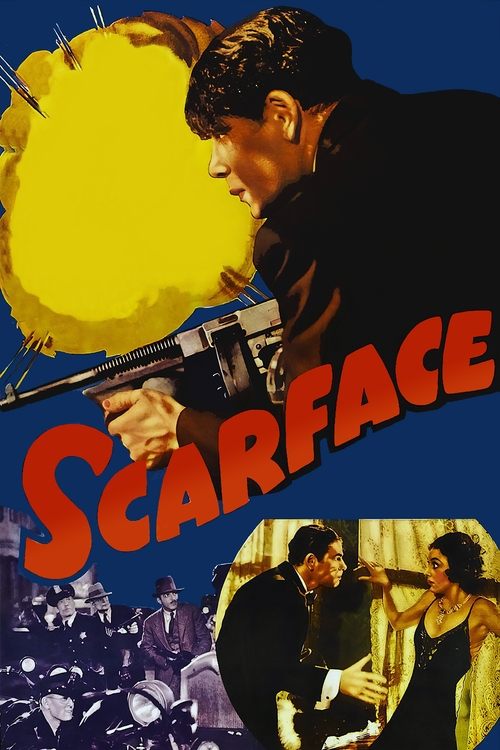
Scarface
1932In 1920s Chicago, Italian immigrant and notorious thug, Antonio 'Tony' Camonte, aka Scarface, shoots his way to the top of the mobs while trying to protect his sister from the criminal life.
A brutal, percussion-driven assault on the senses, this early sound era essential established the visual grammar for the modern gangster epic. Hawks uses expressionistic shadows and recurring cruciform motifs to infuse a gritty urban tale with the weight of a Greek tragedy.
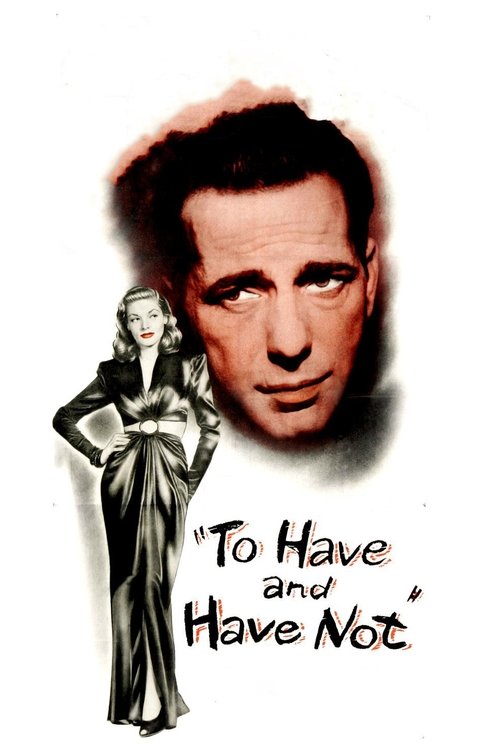
To Have and Have Not
1945A Martinique charter boat skipper gets mixed up with the underground French resistance operatives during WWII.
Working at the intersection of wartime intrigue and romantic sparring, Hawks creates a self-contained world where smoke and subtext carry more weight than the plot itself. This work solidified his ability to manufacture iconic star chemistry while maintaining a lean, unsentimental directorial perspective.
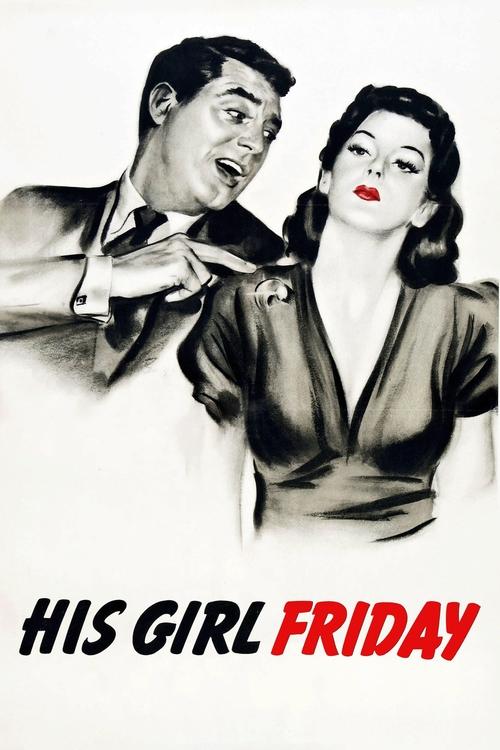
His Girl Friday
1940Walter Burns is an irresistibly conniving newspaper publisher desperate to woo back his paper’s star reporter, who also happens to be his estranged wife. She’s threatening to quit and settle down with a new beau, but, as Walter knows, she has a weakness: she can’t resist a juicy scoop.
By gender-flipping the lead and demanding a breakneck verbal velocity, Hawks transformed a stage play into a landmark of cinematic kineticism. The film serves as a masterclass in overlapping dialogue, proving that intellectual agility can be just as visceral as physical action.
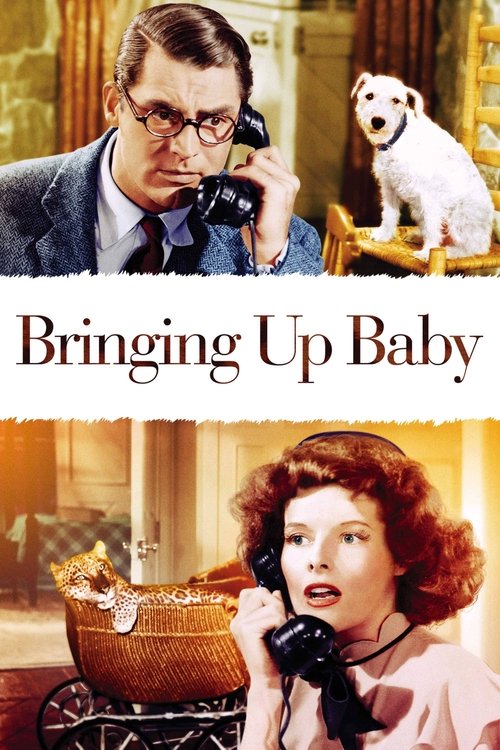
Bringing Up Baby
1938David Huxley is waiting to get a bone he needs for his museum collection. Through a series of strange circumstances, he meets Susan Vance, and the duo have a series of misadventures which include a leopard called Baby.
This film stands as the definitive blueprint for the screwball comedy, executed with a relentless, metronomic precision that borders on the chaotic. Hawks showcases his mastery of comic timing by stripping away all sentimentality and replacing it with a sophisticated, breathless logic of total absurdity.
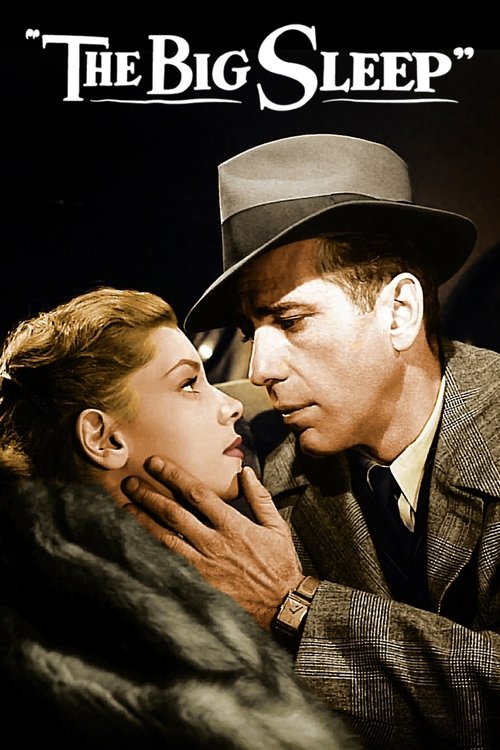
The Big Sleep
1946Private Investigator Philip Marlowe is hired by wealthy General Sternwood regarding a matter involving his youngest daughter Carmen. Before the complex case is over, Marlowe sees murder, blackmail, deception, and what might be love.
Hawks weaponizes narrative incoherence to foreground a seductive atmosphere of urban rot and sharp-tongued cynicism. By focusing on the electric friction between his leads rather than the logic of the mystery, he elevated the noir thriller into a pure exercise in stylistic bravado.
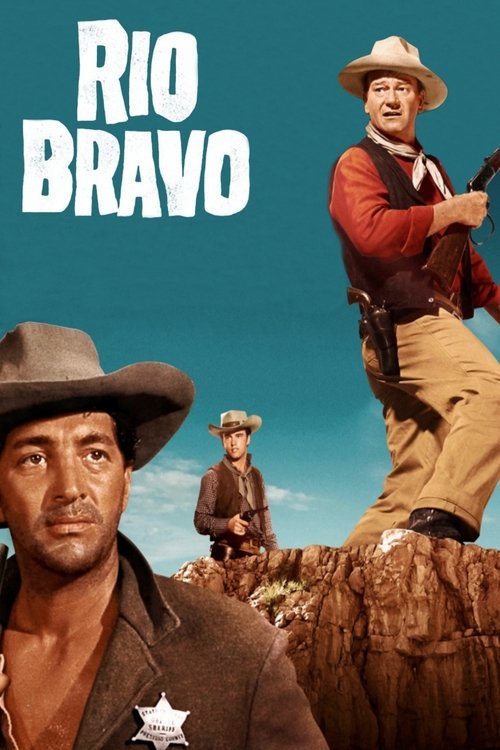
Rio Bravo
1959A small-town sheriff in the American West enlists the help of a disabled man, a drunk, and a young gunfighter in his efforts to hold in jail the brother of the local bad guy.
The ultimate expression of Hawksian professional ethics, this masterpiece prioritizes group camaraderie and rhythmic spatial tension over traditional western spectacle. It defines the director's career through its patient, character-driven economy and its refusal to engage in the genre's typical moral grandstanding.
Frequently Asked Questions
Everything you need to know about this list and SnakeDrafts
- Howard Hawks showcased his versatility across various genres including Westerns like "Rio Bravo" and "Red River," screwball comedies such as "Bringing Up Baby" and "His Girl Friday," as well as crime thrillers like "The Big Sleep". This range highlights his unique ability to master multiple cinematic styles with equal prowess.
- Hawks' style is characterized by sharp, rapid-fire dialogue and a balanced focus on strong characters, especially fast-talking women, which is evident in screwball comedies like "Bringing Up Baby" and "His Girl Friday." His directorial approach avoided flashy effects, prioritizing story and chemistry that contributed to these films' lasting charm.
- "To Have and Have Not" and "Only Angels Have Wings" are prime examples where Hawks blends romance with adventure seamlessly. These films underscore his skill in crafting narratives that balance emotional depth with thrilling, action-packed sequences.
- "The Big Sleep" stands out as a quintessential film noir that perfectly captures Hawks' mastery of mystery and crime thriller elements. Featuring iconic performances and a complex plot, the film exemplifies his talent in delivering sophisticated, atmospheric storytelling.
- Hawks brought a grounded and dynamic sensibility to his Westerns, emphasizing character development and camaraderie over spectacle. Films like "Rio Bravo" highlight his knack for pacing and ensemble casts that create enduring narratives within the Western genre.
- Yes, films like "Scarface" and "Ball of Fire" showcase Hawks' ability to blend elements of crime and drama with comedic or romantic undertones. This blending of genres demonstrates his innovative storytelling and versatility.
- Hawks helped define the screwball comedy genre with films like "Bringing Up Baby," "His Girl Friday," and "Gentlemen Prefer Blondes" by using witty dialogue and strong female leads. His work influenced the romantic comedy formula with a perfect balance of humor, romance, and snappy dialogue.