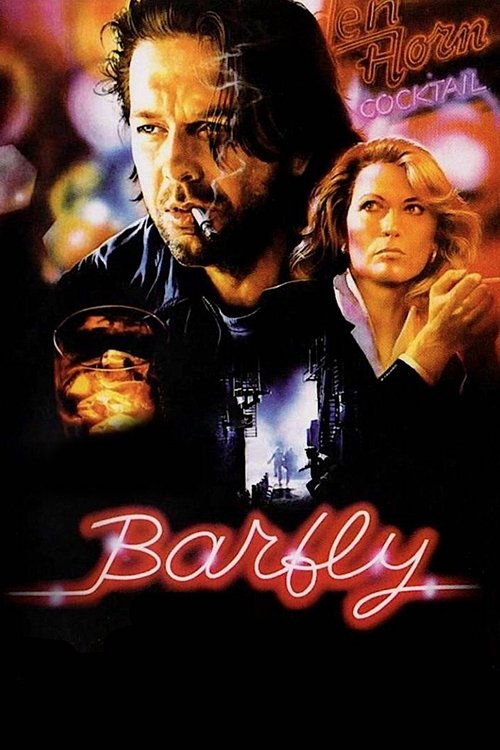
Barfly
Step into the gritty, romantic, and often humorous world of Barfly, a cult classic that peels back the veneer of Skid Row life to reveal the poetic struggles and unconventional love stories blooming amidst the boozy haze. This cinematic gem, starring Mickey Rourke and Faye Dunaway, offers an unvarnished look at life on the fringes, making it a must-watch for those seeking raw storytelling and unforgettable characters. Discover the powerful allure of a film that dares to find beauty in the bottom of a glass, and explores the profound human connections forged in the crucible of poverty and passion.
Director
Barbet Schroeder
Release Year
1987
Runtime
100 minutes
Main Cast
Mickey Rourke, Faye Dunaway, Alice Krige, Jack Nance, J.C. Quinn
About Barfly
Barfly, released in 1987, is an unflinching portrayal of alcoholic writer Henry Chinaski, a semi-autobiographical character based on the film's screenwriter, Charles Bukowski. The movie delves into the daily grind of a man who lives for his next drink, finding solace and inspiration in the grimy bars of Los Angeles. It's a raw, authentic look at a life often ignored, highlighting the camaraderie, conflicts, and fleeting moments of joy found within this subculture.
Critically, Barfly received particular praise for its raw performances, especially from Mickey Rourke as Henry Chinaski and Faye Dunaway as Wanda Wilcox. Reviewers lauded the film's dedication to realism and its refusal to glamorize the bleak existence of its characters. The movie stands out for its bold narrative that embraces the squalor while simultaneously celebrating the resilience of the human spirit.
While not a blockbuster success, Barfly garnered a dedicated cult following and cemented its place in cinematic history as a key work influenced by Bukowski's unique literary voice. It’s a film that resonates with audiences who appreciate stories of the underdog and the complexities of unconventional love. Its honest depiction of addiction and human connection sets it apart as a standout film of its era.
The film's cultural impact lies in its daring exploration of themes often shied away from in mainstream cinema. It unapologetically showcases the lives of those on the fringes of society, offering a perspective that is both poignant and darkly comedic. Barfly remains a significant piece of cinema, inspiring subsequent works that aim for similar levels of raw honesty and character-driven storytelling.
Drafts Featuring Barfly
Every SnakeDrafts listicle where this movie appears
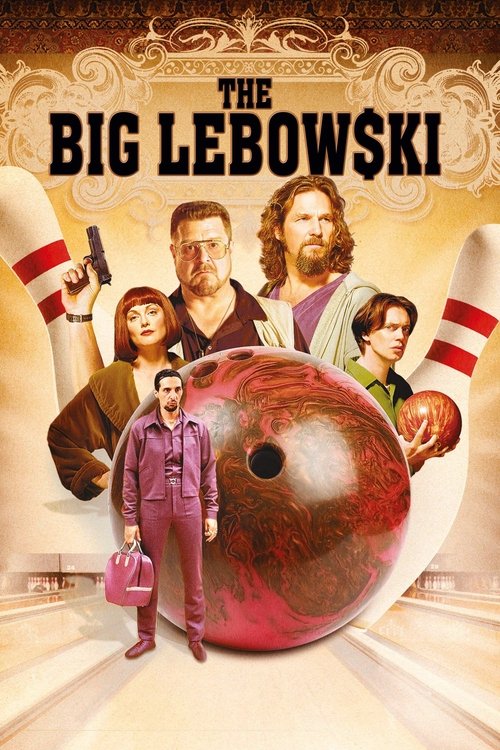
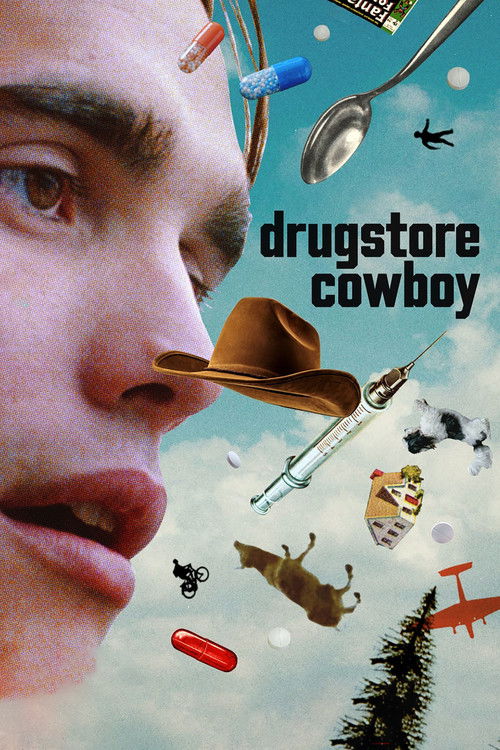
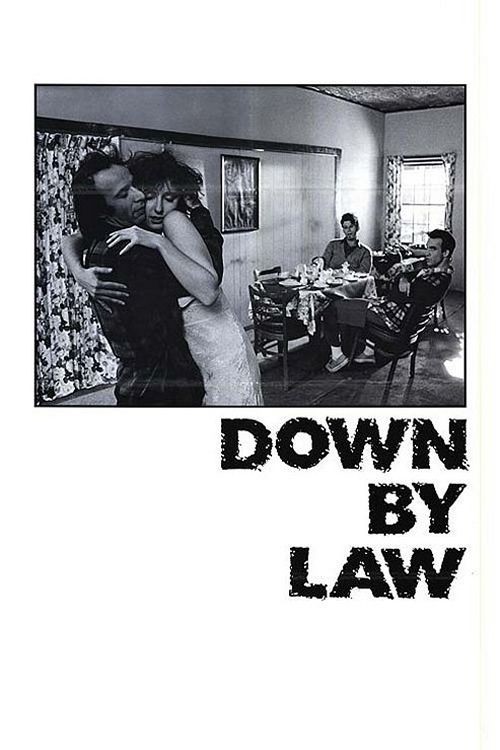
Similar Movies
Movies related to Barfly
Frequently Asked Questions
Everything you need to know about Barfly
- Barfly intricately links Henry Chinaski's alcoholism to his creative process, portraying the bar as both his social hub and his muse. While his drinking fuels his observations and writings, the film also subtly reveals the destructive aspects of his addiction on his potential. It's a complex dynamic that avoids glorifying the dependency.
- Wanda Wilcox serves as a crucial emotional anchor and tempestuous companion for Henry. Their relationship, though chaotic and fueled by alcohol, provides both characters with a sense of belonging and understanding in a world that often dismisses them. She represents a vital, albeit troubled, connection for Chinaski.
- The perpetually grimy, dimly lit bar settings in Barfly are more than just backdrops; they are essential characters themselves, embodying the film's themes of escapism, despair, and fleeting camaraderie. They reinforce the cyclical nature of Henry's existence and highlight the film's raw, unpolished aesthetic.
- Henry Chinaski's central conflict revolves around his struggle for personal agency and self-expression within the confines of his self-destructive lifestyle. He constantly battles societal expectations, his own demons, and the ever-present temptation of oblivion, all while striving to maintain his integrity as a writer.
- Barfly's enduring legacy is its honest, gritty portrayal of a subculture rarely seen with such authenticity on screen, largely due to Charles Bukowski's direct involvement in the screenplay. His unique voice ensured that the film captured the nuanced reality and dark humor of his semi-autobiographical experiences, making it a significant piece in both cinema and literary adaptation history.
- Barfly's enduring legacy is its honest, gritty portrayal of a subculture rarely seen with such authenticity on screen, largely due to Charles Bukowski's direct involvement in the screenplay. His unique voice ensured that the film captured the nuanced reality and dark humor of his semi-autobiographical experiences, making it a significant piece in both cinema and literary adaptation history.

