The Best Eva Green Movies Ranked: A Guide to Her Most Captivating Roles
The Enigmatic Screen Presence of a French Icon
Explore the most iconic performances of Eva Green, from her breakout in Bond to gothic masterpieces and independent dramas.
About Eva Green

In the landscape of modern cinema, few figures command a scene with the gothic intensity and poise of Eva Green. She is an actress who seems to have arrived from another dimension, one where the shadows are deeper and the stakes are permanently life or death. While Hollywood often tries to domesticate its leading ladies, she has built a formidable career by leaning into the strange, the feral, and the profoundly intellectual. To watch her on screen is to witness a performer who treats the camera not as a friend, but as a dueling partner.
Her debut in The Dreamers remains a seismic moment in independent film history, marking the arrival of a talent who possessed both a vintage European elegance and a modern, fearless transparency. Most audiences first felt her magnetic pull when she reinvented the archetype of the Bond girl in Casino Royale. As Vesper Lynd, she didn't just play a romantic foil; she provided the psychological blueprint for the man 007 would become. It was a masterclass in tragic sophistication, proving she could anchor a massive blockbuster with the same gravity she brought to intimate dramas.
There is a specific alchemy to the way she chooses her roles. She thrives in the heightened reality of stylization, becoming a muse for architects of the weird. Whether she is soaring through the whimsical darkness of Miss Peregrine's Home for Peculiar Children or navigating the vibrant circus ring of Dumbo, she brings a grounded humanity to the most fantastical settings. Her collaborations with visionaries highlight a reputation for being the smartest person in the room, even when that room is filled with CGI monsters or period piece artifice. In Sin City: A Dame to Kill For and 300: Rise of an Empire, she weaponized her screen presence, turning her characters into forces of nature that often eclipsed the leading men.
Yet, to pigeonhole her as a simple vamp or a gothic queen misses the nuance of her smaller, more contemplative work. In the astronaut drama Proxima, she shed the corsets and the eyeliner to deliver a raw, grounded performance about motherhood and ambition. In the apocalyptic romance Perfect Sense, she tapped into a profound vulnerability that felt startlingly visceral. Even in historical epics like Kingdom of Heaven or the gritty Western atmosphere of The Salvation, she finds a way to make silence speak.
Her recent turn as Milady in the sprawling Two-Part adaptation of The Three Musketeers serves as a reminder of her enduring power. She plays the iconic villain with a calculated lethality that feels both classic and dangerously fresh. It is this duality that keeps audiences coming back. She is the rare star who feels like a secret, maintaining an air of mystery in an era of overexposure. She doesn't just act in movies; she haunts them, leaving behind a trail of indelible images and a legacy of characters who refuse to be forgotten. She remains Hollywood's premier architect of the uncanny, a woman who finds the light by standing firmly in the dark.
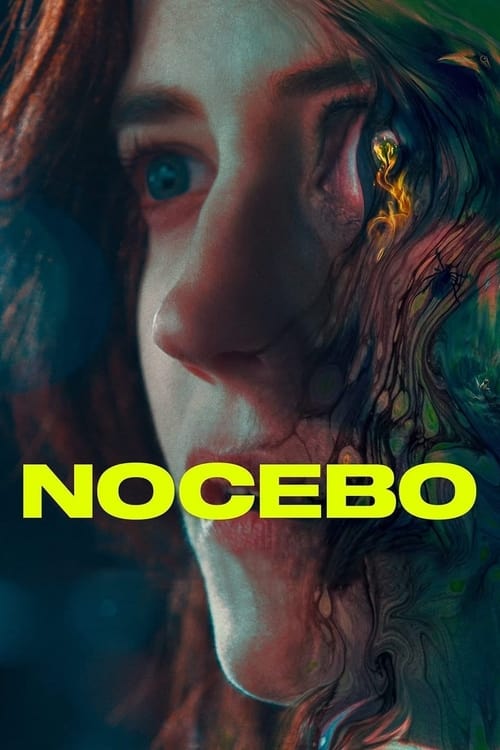
Nocebo
2022A fashion designer suffers from a mysterious illness that puzzles her doctors and frustrates her husband until help arrives in the form of a Filipino carer who uses traditional folk healing to reveal a horrifying truth.
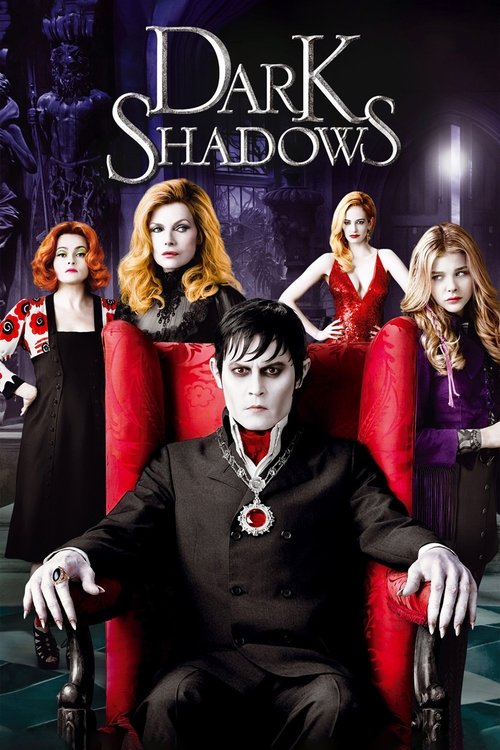
Dark Shadows
2012Vampire Barnabas Collins is inadvertently freed from his tomb and emerges into the very changed world of 1972. He returns to Collinwood Manor to find that his once-grand estate and family have fallen into ruin.

Based on a True Story
2017Delphine is the author of an autobiographical novel that has become a bestseller. Exhausted by the promotional tour, just when she feels out of place, paralyzed by the idea of having to start writing again, she meets Elle, a young, attractive, intelligent, intuitive woman who seems to understand her better than anyone.
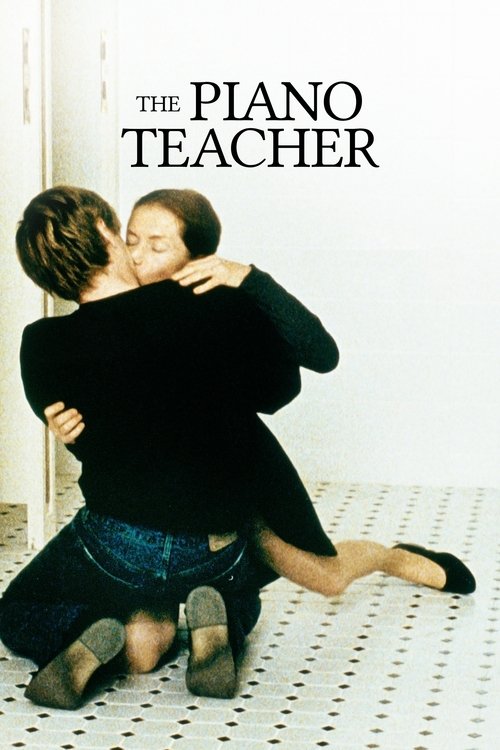
The Piano Teacher
2001Erika Kohut, a sexually repressed piano teacher living with her domineering mother, meets a young man who starts romantically pursuing her.
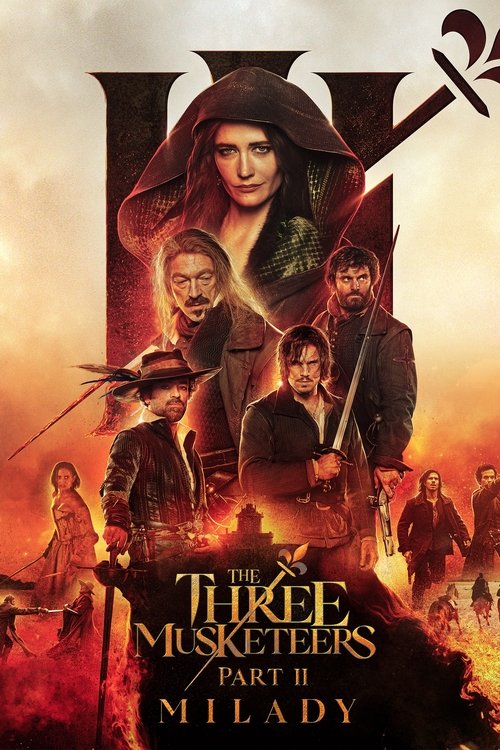
The Three Musketeers: Milady
2023D'Artagnan, on a quest to rescue the abducted Constance, runs into the mysterious Milady de Winter again. The tension between the Catholics and the Protestants finally escalates, as the king declares war — forcing the now four musketeers into battle. But as the war goes on, they are tested physically, mentally and emotionally.

White Bird in a Blizzard
2014In 1988, a teenage girl's life is thrown into chaos when her mother disappears.
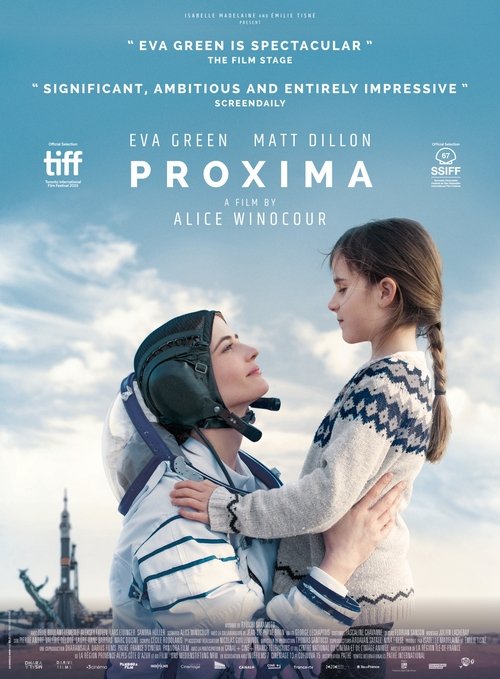
Proxima
2019Sarah is a French astronaut training at the European Space Agency in Cologne. She is the only woman in the arduous program. She lives alone with Stella, her seven year old daughter. Sarah feels guilty that she cannot spend more time with her child. Her love is overpowering, unsettling. When Sarah is chosen to join the crew of a year-long space mission called Proxima, it creates chaos in the mother-daughter relationship.

Cracks
2009Jealousy flares after the headmistress of an elite boarding school for girls becomes obsessed with a new student.
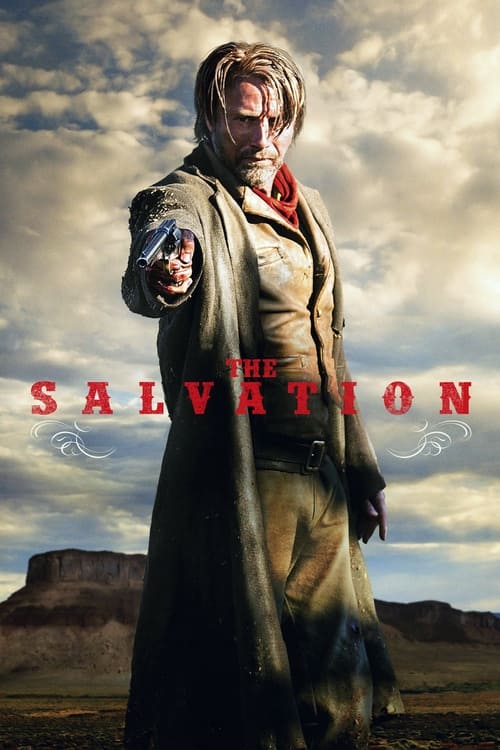
The Salvation
2014In 1870s America, a peaceful American settler kills his family's murderer which unleashes the fury of a notorious gang leader. His cowardly fellow townspeople then betray him, forcing him to hunt down the outlaws alone.
Green proves she can dominate a frame without saying a word, relying on a haunting, expressive physicality in this grim Danish Western. It is a testament to her textural acting style that her character’s silence becomes the most resonant element of the film.

Dumbo
2019A young elephant, whose oversized ears enable him to fly, helps save a struggling circus, but when the circus plans a new venture, Dumbo and his friends discover dark secrets beneath its shiny veneer.
As the trapezist Colette Marchant, Green provides a necessary touch of old-world glamour and warmth to this reimagined circus fable. She balances the film’s heavy digital spectacle with a grounded, empathetic air that softens the mechanical edges of the production.
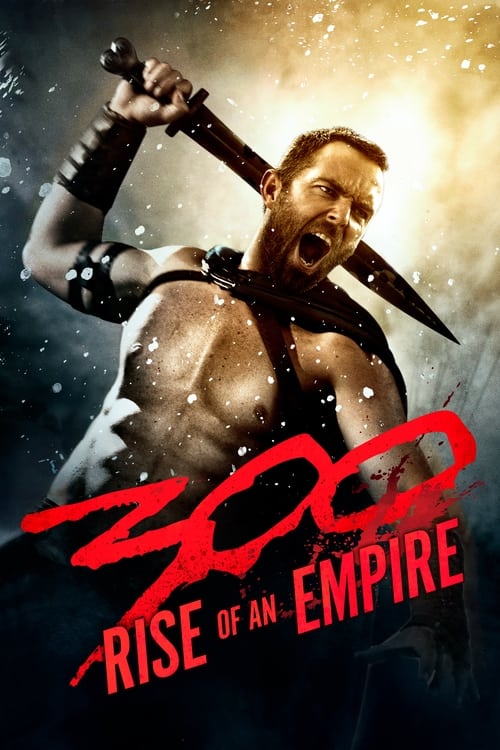
300: Rise of an Empire
2014Greek general Themistocles attempts to unite all of Greece by leading the charge that will change the course of the war. Themistocles faces the massive invading Persian forces led by mortal-turned-god, Xerxes and Artemesia, the vengeful commander of the Persian navy.
Commanding the screen with operatic bloodlust, Green turns a standard sword and sandal follow-up into a personal playground of camp and fury. Her Artemisia is a whirlwind of chaotic charisma that proves she can single-handedly carry a blockbuster on sheer presence.

Some of Sin City's most hard-boiled citizens cross paths with a few of its more reviled inhabitants.
Green embodies the lethal hyper-stylization of Frank Miller's world, playing the ultimate femme fatale with a ferocity that feels both hypnotic and dangerous. She is the visceral heartbeat of the sequel, fully committing to the exaggerated noir aesthetic.

Perfect Sense
2011In Glasgow, Scotland, while a mysterious pandemic begins to spread around the world, Susan, a brilliant epidemiologist, falls in love with Michael, a skillful cook.
This underrated apocalyptic romance highlights Green's ability to communicate profound vulnerability against a backdrop of sensory deprivation. Her chemistry with Ewan McGregor grounds the high-concept premise in a raw, desperate humanism.

The Three Musketeers: D'Artagnan
2023D'Artagnan, a spirited young Gascon, is left for dead after trying to save a noblewoman from being kidnapped. Once in Paris, he tries by all means to find his attackers, unaware that his quest will lead him to the very heart of a war where the future of France is at stake. Aided by King's Musketeers Athos, Porthos and Aramis, he faces the machinations of villainous Cardinal Richelieu and Milady de Winter, while falling in love with Constance, the Queen's confidante.
Stepping into the boots of the treacherous Milady de Winter, Green weaponizes her signature intensity to revitalize a classic villainous archetype. She maneuvers through the French period piece with a modern, predatory elegance that frequently overshadows the titular heroes.
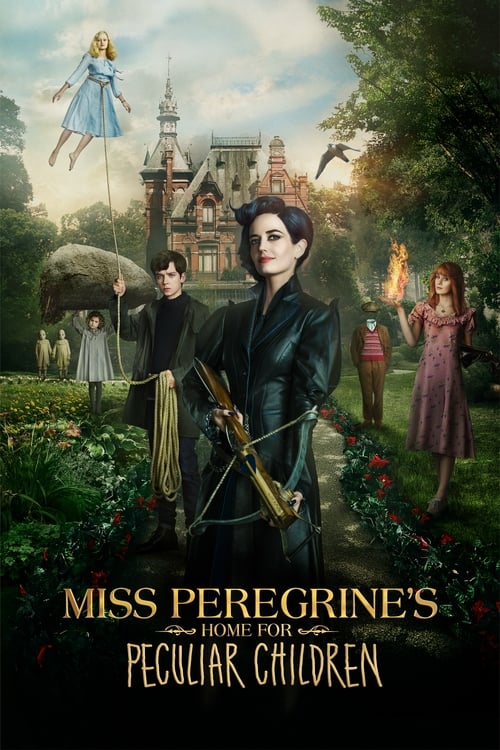
Miss Peregrine's Home for Peculiar Children
2016A teenager finds himself transported to an island where he must help protect a group of orphans with special powers from creatures intent on destroying them.
Green finds a perfect aesthetic marriage with Tim Burton by leaning into her capacity for sharp, avian kineticism and Gothic eccentricity. She transforms the eponymous headmistress into a masterclass of disciplined whimsy and maternal steel.
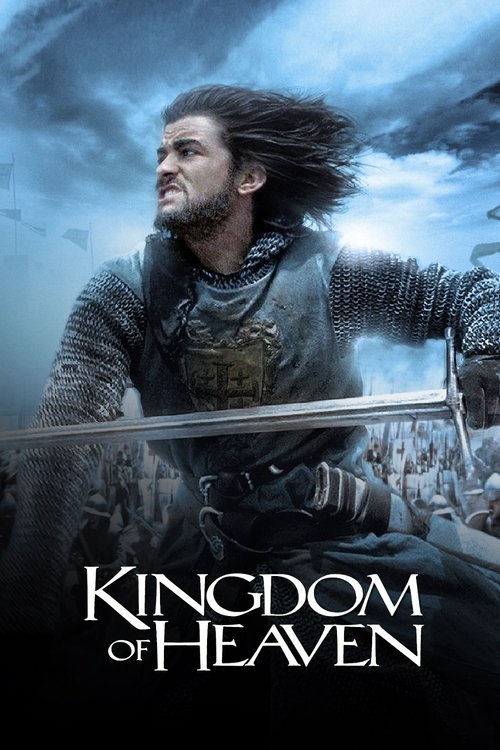
After his wife dies, a blacksmith named Balian is thrust into royalty, political intrigue and bloody holy wars during the Crusades.
Even within the constraints of a sprawling historical epic, Green radiates a sorrowful authority as Sibylla, Queen of Jerusalem. She elevates the film beyond a mere siege narrative by projecting a regal interiority that suggests centuries of dynastic burden.
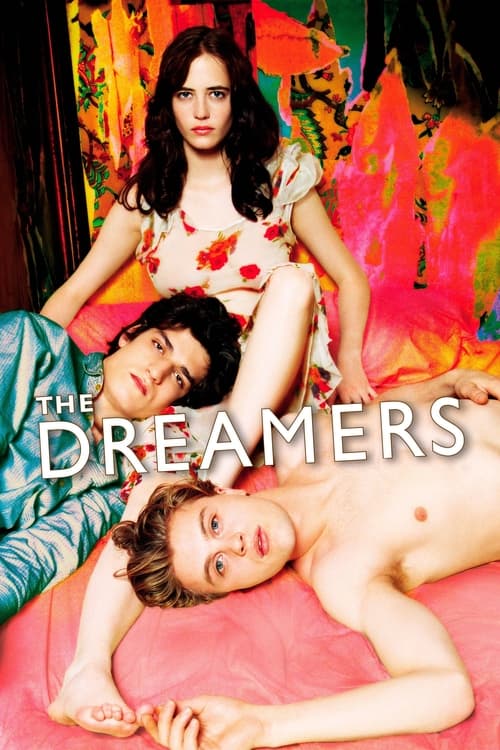
The Dreamers
2003When Isabelle and Theo invite Matthew to stay with them, what begins as a casual friendship ripens into a sensual voyage of discovery and desire in which nothing is off limits and everything is possible.
In her fearless cinematic debut, Green captures the volatile spirit of 1968 Paris through a performance that is both ethereal and profoundly tactile. This role established her instantly as a daring arthouse muse capable of navigating complex sexual and political landscapes with startling transparency.
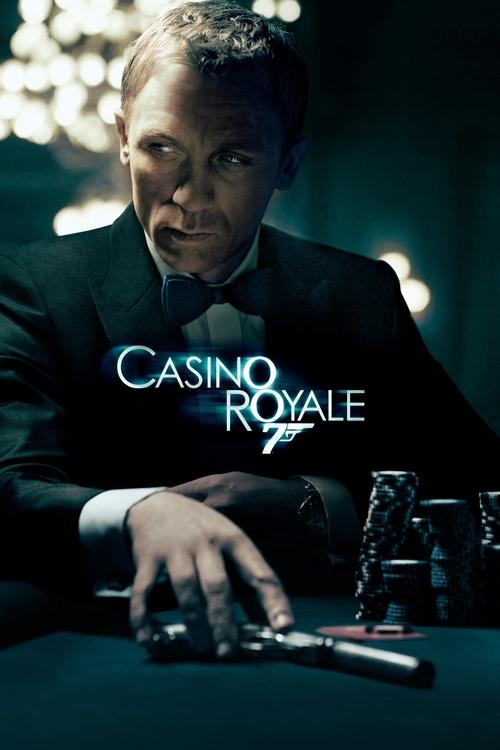
Casino Royale
2006Le Chiffre, a banker to the world's terrorists, is scheduled to participate in a high-stakes poker game in Montenegro, where he intends to use his winnings to establish his financial grip on the terrorist market. M sends Bond—on his maiden mission as a 00 Agent—to attend this game and prevent Le Chiffre from winning. With the help of Vesper Lynd and Felix Leiter, Bond enters the most important poker game in his already dangerous career.
Green reinvented the Bond girl archetype as Vesper Lynd, discarding decorative tropes to provide a psychological weight that remains the emotional anchor of the entire franchise. Her intellectual sparring with Daniel Craig serves as the definitive turning point in her ascent to international superstardom.
Frequently Asked Questions
Everything you need to know about this list and SnakeDrafts
- Eva Green's breakout role as Vesper Lynd in Casino Royale (2006) reinvigorated the Bond franchise with her complex, poised performance that combined sophistication and vulnerability, making it one of her most iconic roles.
- Eva Green has excelled in gothic and fantasy genres, notably in Tim Burton's Miss Peregrine's Home for Peculiar Children and Dumbo, where her ethereal presence and intensity bring a mysterious and captivating depth that complements Burton's unique visual style.
- Eva Green often explores themes of psychological complexity and emotional intensity in independent dramas such as The Dreamers and Proxima, portraying characters with intricate inner lives that showcase her range and dedication to nuanced storytelling.
- Eva Green's roles in Kingdom of Heaven and 300: Rise of an Empire highlight her ability to navigate grand historical epics and intense action dramas, proving her versatility beyond darker, gothic roles with strong, commanding characters.
- In films like The Three Musketeers: D'Artagnan and The Three Musketeers: Milady, Eva Green brings charisma and depth to her characters, enriching these classic action-adventure stories with her fierce and nuanced performances within dynamic ensemble casts.
- Eva Green's work in thrillers like Sin City: A Dame to Kill For and White Bird in a Blizzard showcases her skill in embodying enigmatic and intense roles, contributing to the atmospheric tension and dark narrative styles that define these films.