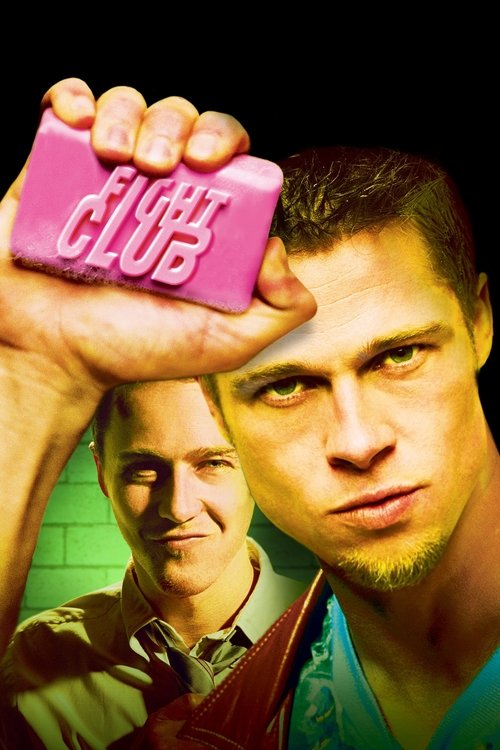
Fight Club
Enter the void of consumerism and toxic masculinity with "Fight Club," a visceral and thought-provoking thriller that dissects societal norms and the search for identity in a disaffected world. This cult classic challenges viewers to question everything they believe about freedom, power, and the rebellion against the mundane.
Director
Release Year
1999
Runtime
139 minutes
Main Cast
Edward Norton, Brad Pitt, Helena Bonham Carter, Meat Loaf, Jared Leto
About Fight Club
David Fincher's "Fight Club" exploded onto the cinematic landscape in 1999, leaving an indelible mark on popular culture. Adapted from Chuck Palahniuk's novel, the film quickly became a cultural phenomenon, resonating with a generation grappling with feelings of alienation and disillusionment in a consumer-driven society. Its provocative themes and unflinching portrayal of violence sparked widespread debate, cementing its status as a quintessential turn-of-the-millennium film.
The film introduces an unnamed Narrator, an insomniac office worker disenfranchised by his materialistic existence. His life takes an unexpected turn after encountering the enigmatic Tyler Durden, a charismatic soap salesman with a radical philosophy. Together, they establish an underground "fight club" as a brutal, cathartic outlet for men seeking to reclaim their primitive instincts and dismantle the superficiality of modern life. The premise artfully blends dark humor with piercing social commentary, drawing audiences into a world where rebellion takes on increasingly dangerous forms.
Upon its release, "Fight Club" garnered a mixed critical reception, with some praising its daring originality and others denouncing its controversial content. However, in the years that followed, its critical standing soared, with many now considering it a masterful work of cinema. While it received only one Academy Award nomination for Best Sound Effects Editing, its true legacy lies in its profound cultural impact. The film's exploration of anti-consumerism, toxic masculinity, and the search for authenticity continues to be analyzed and discussed, inspiring countless academic essays, fan theories, and critical interpretations.
"Fight Club" remains a powerful and relevant film, a testament to its enduring power to provoke thought and stimulate discussion. Its stylistic brilliance, coupled with its challenging narrative, ensures its place as a cinematic landmark, inviting new generations of viewers to grapple with its unsettling questions about identity, rebellion, and the fabric of modern society. The film’s influence can be seen across various media, solidifying its position as a true cult classic that continues to challenge and captivate audiences worldwide.
Drafts Featuring Fight Club
Every SnakeDrafts listicle where this movie appears
The Best Edward Norton Movies Ranked
Ranked #1
The Best Helena Bonham Carter Movies
Ranked #1
The Ultimate Jared Leto Career Ranking: Every Essential Movie Ranked
Ranked #3
The Ultimate Brad Pitt Movie Ranking: Every Must-Watch Performance
Ranked #2
David Fincher Films Ranked Definitively
Ranked #3
Top Drama Movies Ranked
Ranked #16
Top Movies of 1999 Ranked
Ranked #2
The Best Movies of the 1990s Ranked
Ranked #8
The Best Thriller Movies of All Time, Ranked
Ranked #6
Top 1990s Thriller Movies Ranked
Ranked #9
The Best Thriller Movies of 1999, Ranked
Ranked #23
Similar Movies
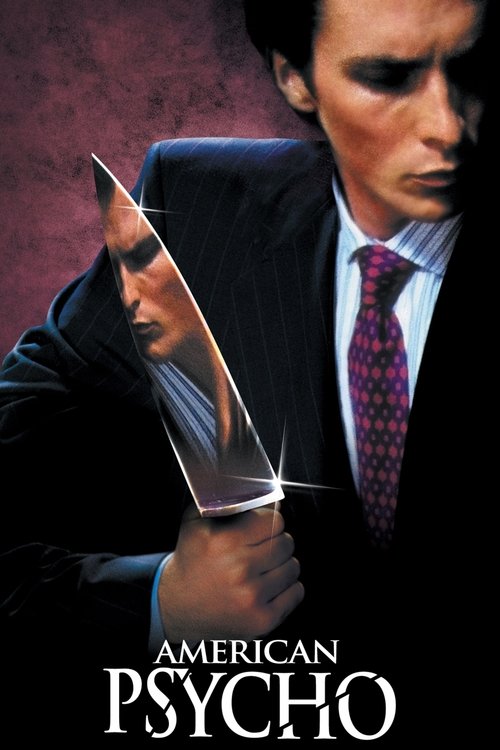
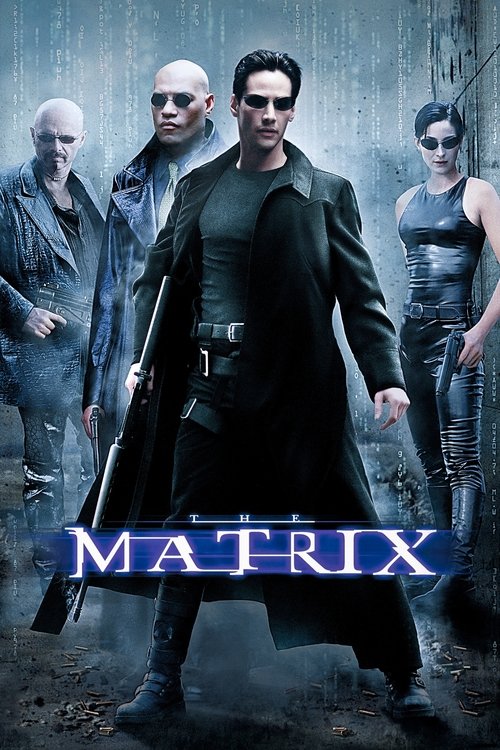
Movies related to Fight Club

Frequently Asked Questions
Everything you need to know about Fight Club
- Fight Club explores themes of identity, consumerism, and the destructive nature of modern masculinity. It critiques societal norms and the search for meaning in a materialistic world.
- The relationship between the Narrator and Tyler Durden starts as a mentorship but becomes increasingly complicated as Tyler's anarchistic philosophy leads to chaos. Their dynamic reveals deep psychological layers and surprises the audience with a twist.
- The fight club serves as a release valve for male aggression and frustration within the characters. It becomes a symbolic act of rebellion against societal expectations and a catalyst for larger, more dangerous events.
- David Fincher uses a dark, gritty visual style with fast cuts and creative cinematography to immerse viewers in the chaotic mindset of the characters. The style reinforces the film’s tone of disorientation and psychological turmoil.
- Soap in Fight Club symbolizes cleansing and transformation but also destruction, as it is used to make explosives. It reflects the dual nature of the characters' rebellion—both creation and annihilation.
- Fight Club critiques consumer culture by showcasing how the characters reject material possessions and societal expectations. The film highlights the emptiness of consumerism and the search for authentic identity beyond it.
- Fight Club uses a nonlinear narrative structure with unreliable narration. This approach keeps the audience guessing and adds to the film’s psychological complexity and suspense.
- Fight Club delves into issues of insomnia, dissociative identity disorder, and emotional repression. It portrays the consequences of untreated mental health problems in a world that pressures conformity.

