The Best Ryan Gosling Movies Ranked
From Melancholic Musicals to High Octane Action
Explore the definitive ranking of Ryan Gosling's career-defining roles, featuring acclaimed dramas, cult classic thrillers, and iconic blockbusters.
About Ryan Gosling
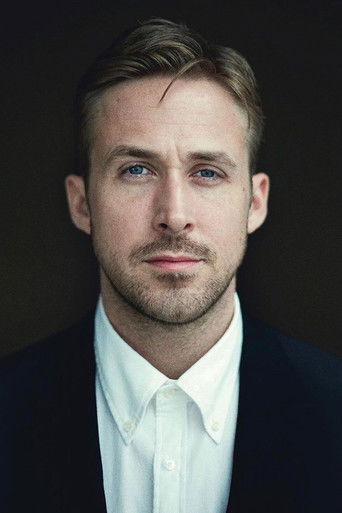
In an industry that often demands its leading men choose a lane and stick to it, Ryan Gosling has made a career out of drifting across the center line. He possesses a rare, chameleonic gravity that allows him to anchor a neon-soaked action thriller just as easily as a neon-pink satirical comedy. While many actors of his generation leaned into the safe trajectory of the traditional blockbuster, he spent years cultivating a reputation for soulful, often silent intensity. This refusal to be pinned down has transformed him from a former child star into perhaps the most versatile and self-aware movie star of the modern era.
The world first truly surrendered to his charm with The Notebook, a film that could have relegated any other actor to a lifetime of formulaic romance. Instead, he pivoted toward the grit and fractured humanity of Half Nelson and the harrowing, unvarnished disintegration of a marriage in Blue Valentine. These roles established a template for what audiences came to expect: a performer who wasn't afraid of silence or ugliness. In Drive and Blade Runner 2049, he turned minimalism into an art form, conveying entire histories of heartbreak and stoicism through nothing more than a steady gaze and a slight shift in posture. He became the patron saint of the brooding outsider, a figure who looked equally at home behind the wheel of a getaway car or wandering a dystopian wasteland.
Yet, just as the public felt they had him figured out, he began to lean into a surreal, high-energy comedic sensibility that few saw coming. His work in The Nice Guys remains a masterclass in physical comedy, showcasing a willingness to look foolish that is rare for someone with his leading-man looks. This playful streak reached a cultural fever pitch in Barbie, where he played a plastic visionary with a fragile ego, stealing the show with a performance that was both hilariously camp and oddly touching. It proved that he doesn't just inhabit characters; he interrogates the very idea of masculinity, often with a wink to the camera.
Whether he is playing a cynical press secretary in The Ides of March, an idealistic jazz purist in La La Land, or a slick financier in The Big Short, there is a recurring sense of intelligence behind his eyes. Even in his most recent turn as a blue-collar stuntman in The Fall Guy, he brings a grounded, relatable warmth to the screen. Audiences connect with him because he feels like an actor who is genuinely having a conversation with the medium of film itself. He understands the tropes, honors the classics, and then subverts our expectations just when we think we’ve caught his drift. He is the rare performer who can be the heartthrob, the hero, and the punchline all at once, navigating the disparate worlds of art-house cinema and global spectacle without ever losing his distinct, enigmatic edge.
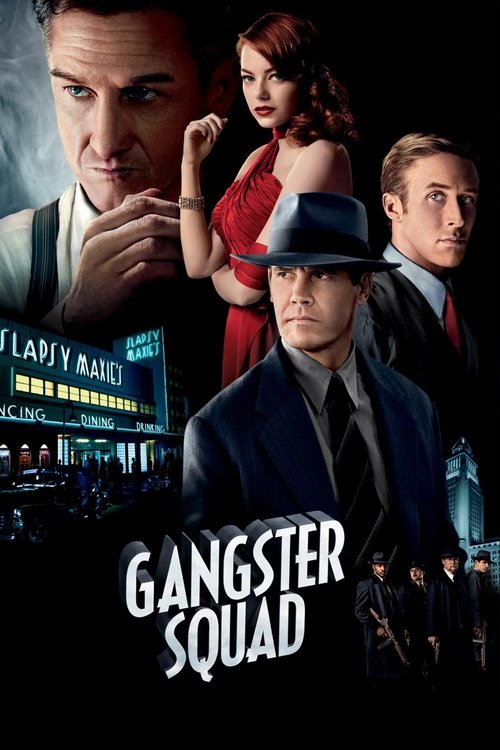
Gangster Squad
2013Los Angeles, 1949. Ruthless, Brooklyn-born mob king Mickey Cohen runs the show in this town, reaping the ill-gotten gains from the drugs, the guns, the prostitutes and — if he has his way — every wire bet placed west of Chicago. And he does it all with the protection of not only his own paid goons, but also the police and the politicians who are under his control. It’s enough to intimidate even the bravest, street-hardened cop… except, perhaps, for the small, secret crew of LAPD outsiders led by Sgt. John O’Mara and Jerry Wooters who come together to try to tear Cohen’s world apart.
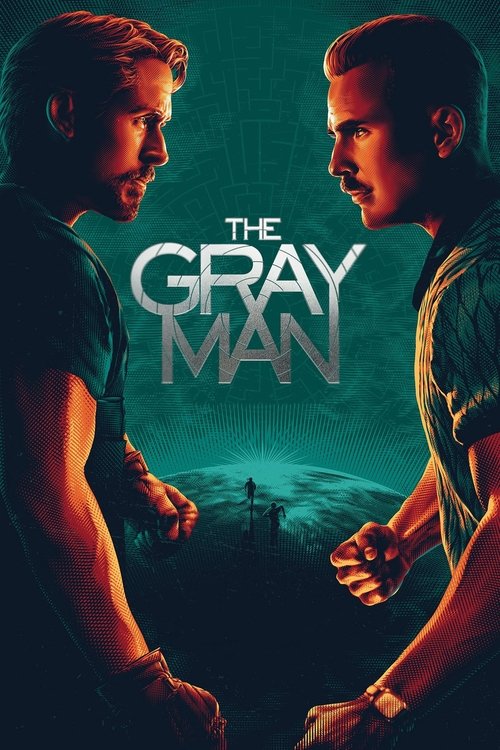
The Gray Man
2022When a shadowy CIA agent uncovers damning agency secrets, he's hunted across the globe by a sociopathic rogue operative who's put a bounty on his head.
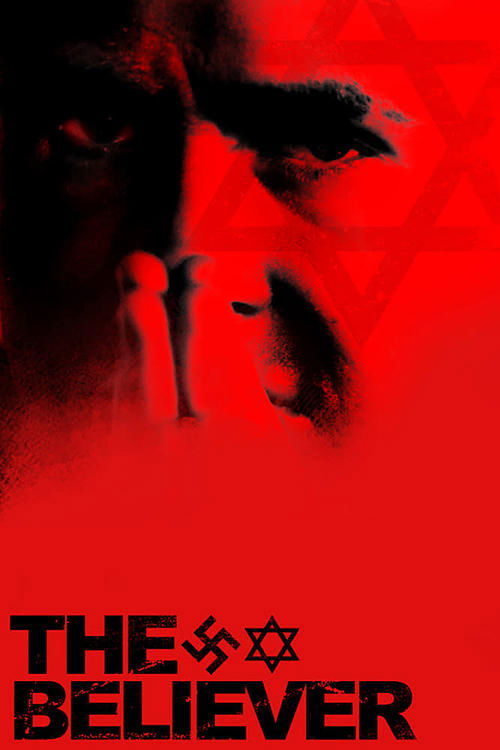
The Believer
2001A hardcore US racist skinhead who, because of his intelligence, leads a gang dedicated to fighting the enemy: the supposed American-Jewish conspiracy for domination. However, he's hiding a secret: he's Jewish-born, a brilliant scholar whose questioning of the tenets of his faith has left him angry and confused, turning against those who he thinks have a tragic history of their own making.
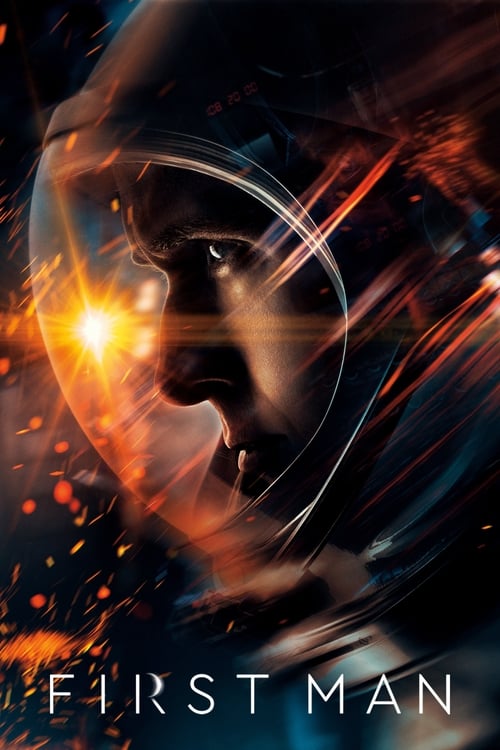
First Man
2018A look at the life of the astronaut, Neil Armstrong, and the legendary space mission that led him to become the first man to walk on the Moon on July 20, 1969.
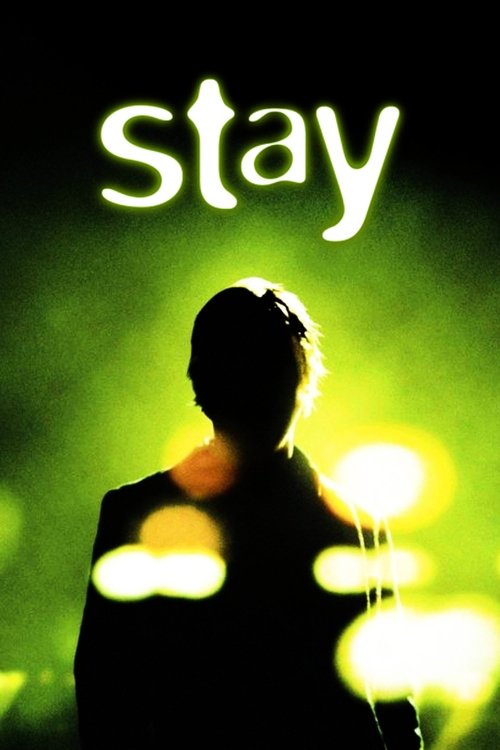
Stay
2005Psychiatrist Sam Foster has a new patient, Henry Letham, who claims to be suicidal. In trying to diagnose him, Sam visits Henry's prior therapist and also finds Henry's mother -- even though Henry has said that he murdered both of his parents. As reality starts to contradict fact, Sam spirals into an unstable mental state. Then he finds a clue as to how and when Henry may try to kill himself, and races to try to stop him.
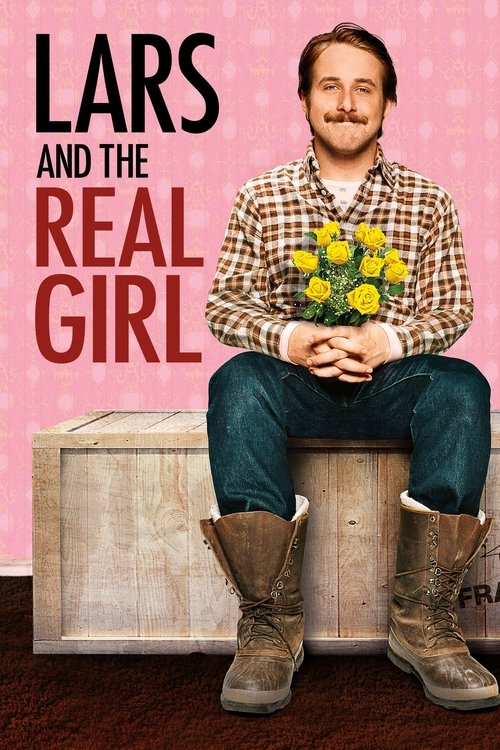
Lars and the Real Girl
2007Extremely shy Lars finds it impossible to make friends or socialize. His brother and sister-in-law worry about him, so when he announces that he has a girlfriend he met on the Internet, they are overjoyed. But Lars' new lady is a life-size plastic woman. On the advice of a doctor, his family and the rest of the community go along with his delusion.
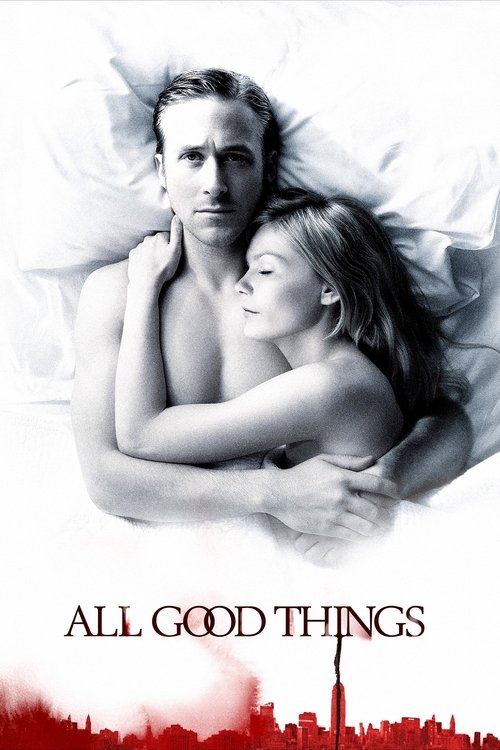
All Good Things
2010Newly-discovered facts, court records and speculation are used to elaborate the true love story and murder mystery of the most notorious unsolved murder case in New York history.
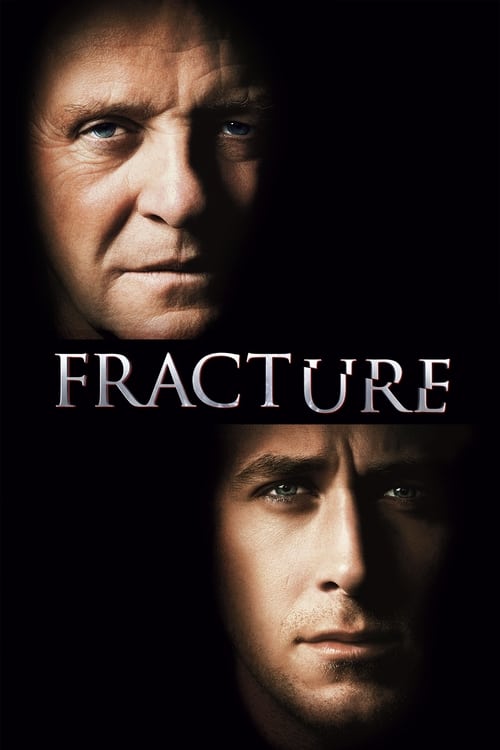
Fracture
2007A husband is on trial for the attempted murder of his wife, in what is seemingly an open/shut case for the ambitious district attorney trying to put him away. However, there are surprises for both around every corner, and, as a suspenseful game of cat-and-mouse is played out, each must manipulate and outwit the other.
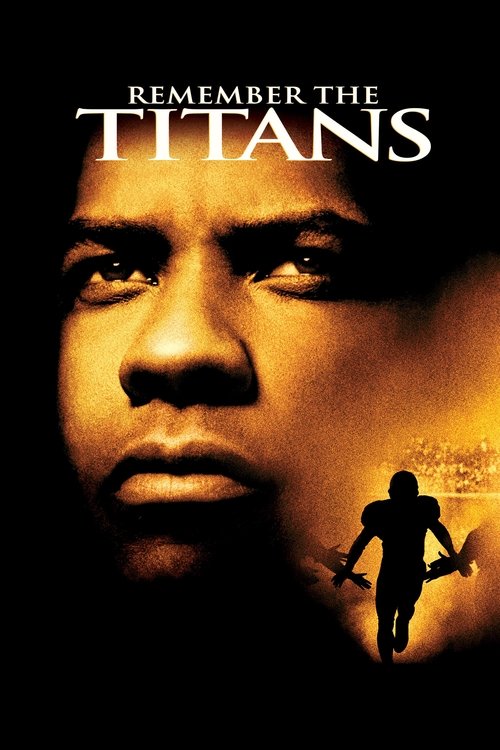
After leading his football team to 15 winning seasons, coach Bill Yoast is demoted and replaced by Herman Boone – tough, opinionated and as different from the beloved Yoast as he could be. The two men learn to overcome their differences and turn a group of hostile young men into champions.
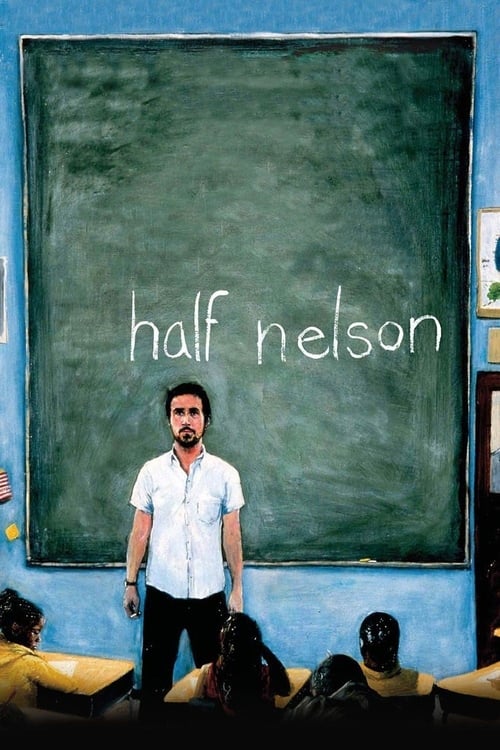
Half Nelson
2006Despite his dedication to the junior-high students who fill his classroom, idealistic teacher Dan Dunne leads a secret life of addiction that the majority of his students will never know. But things change when a troubled student Drey makes a startling discovery of his secret life, causing a tenuous bond between the two that could either end disastrously or provide a catalyst of hope.
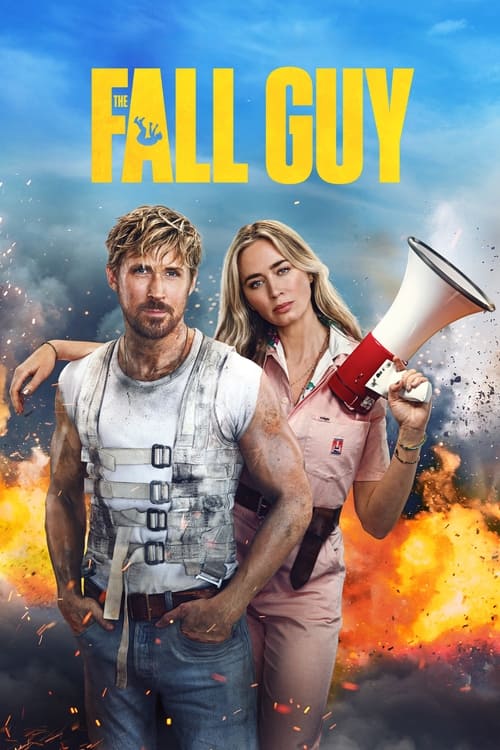
The Fall Guy
2024Fresh off an almost career-ending accident, stuntman Colt Seavers has to track down a missing movie star, solve a conspiracy and try to win back the love of his life while still doing his day job.
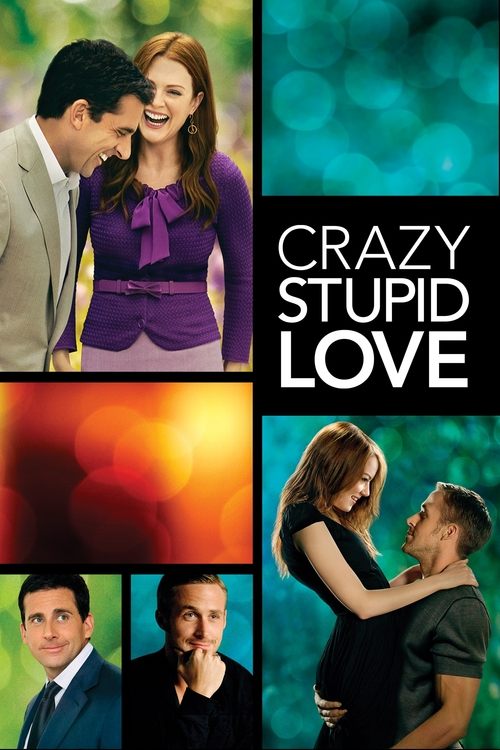
Crazy, Stupid, Love.
2011Cal Weaver is living the American dream. He has a good job, a beautiful house, great children and a beautiful wife, named Emily. Cal's seemingly perfect life unravels, however, when he learns that Emily has been unfaithful and wants a divorce. Over 40 and suddenly single, Cal is adrift in the fickle world of dating. Enter, Jacob Palmer, a self-styled player who takes Cal under his wing and teaches him how to be a hit with the ladies.
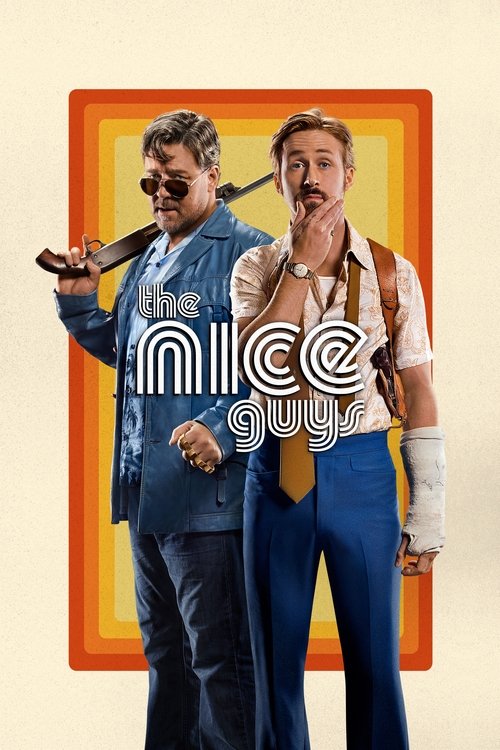
The Nice Guys
2016A private eye investigates the apparent suicide of a fading porn star in 1970s Los Angeles and uncovers a conspiracy.
Gosling trades his trademark stoic smolder for a masterclass in high-pitched klutziness, proving he’s a physical comedian of the highest order. His portrayal of Holland March as a fumbling, shrill, yet oddly soulful drunk reinvented his screen persona, peeling back his leading-man polish to reveal a fearless gift for the absurd. It remains the definitive proof that he is most magnetic when he’s allowed to be a complete disaster.
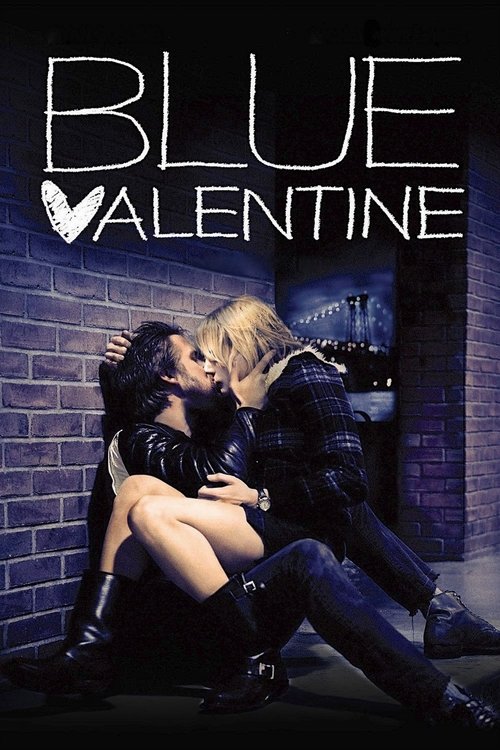
Blue Valentine
2010Dean and Cindy live a quiet life in a modest neighborhood. They appear to have the world at their feet at the outset of the relationship. However, his lack of ambition and her retreat into self-absorption cause potentially irreversible cracks in their marriage.
Gosling strips away his matinee-idol sheen to deliver a raw, unvarnished portrait of a man drowning in the slow-motion collapse of his own marriage. By oscillating between the soulful idealism of youth and the receding hairline of a bitter, alcoholic present, he proved he could handle a devastating brand of naturalism that redefined his trajectory as a serious dramatic heavyweight. It is a masterclass in quiet desperation, anchored by an improvised vulnerability that feels uncomfortably close to life.
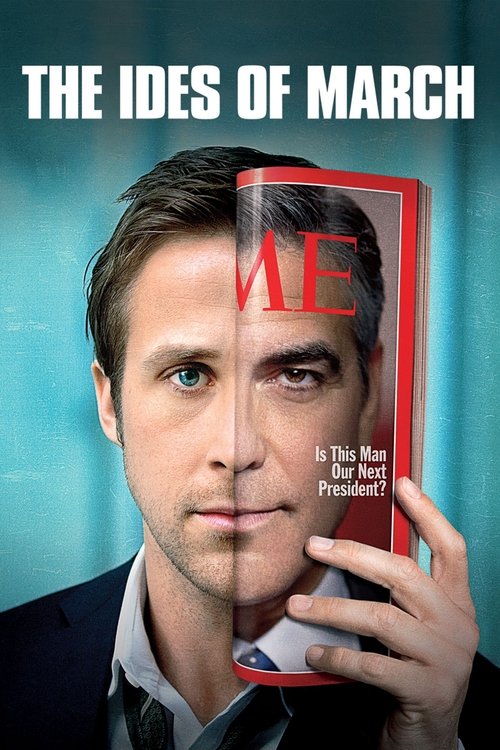
The Ides of March
2011Dirty tricks stand to soil an ambitious young press spokesman's idealism in a cutthroat presidential campaign where 'victory' is relative.
Gosling masterfully executes a slow-burn descent from idealistic poster boy to cold-blooded fixer, trading his youthful sincerity for a shark-like nihilism. It is the defining moment in his career where he shed his indie-darling skin to prove he could command a cynical, high-stakes adult drama with little more than a piercing, calculated stare. His performance is a masterclass in stillness, capturing the exact moment a soul curdles under the pressure of political pragmatism.
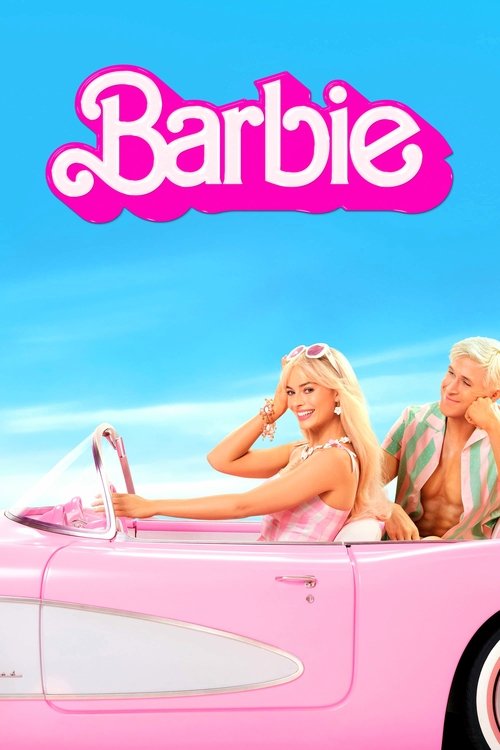
Barbie
2023Barbie and Ken are having the time of their lives in the colorful and seemingly perfect world of Barbie Land. However, when they get a chance to go to the real world, they soon discover the joys and perils of living among humans.
Gosling delivers a masterclass in high-stakes buffoonery, balancing a fragile, plastic machismo with the kind of soulful comedic timing that most dramatic leading men wouldn't dare attempt. It is the definitive proof of his range, transforming a supposed accessory into a scene-stealing icon of "Kenergy" that weaponizes his vanity for pure, subversive gold. This is the moment Gosling shed his brooding persona to embrace his most fearless—and funniest—instincts.
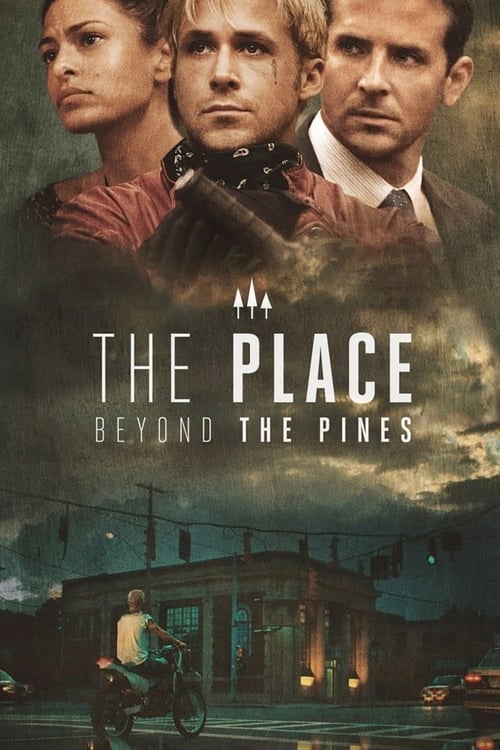
A motorcycle stunt rider considers committing a crime in order to provide for his wife and child, an act that puts him on a collision course with a cop-turned-politician.
Gosling masterfully weaponizes his signature stillness, internalizing a frantic, blue-collar desperation that feels far more volatile than his typical stoicism. As the bleached-blonde outlaw Luke Glanton, he anchors the film’s first act with a raw, kinetic physical presence that effectively bridged the gap between his heartthrob origins and his evolution into a gritty character actor. It is a definitive exercise in tragic charisma, proving he could command the screen through silence and scarred skin alone.
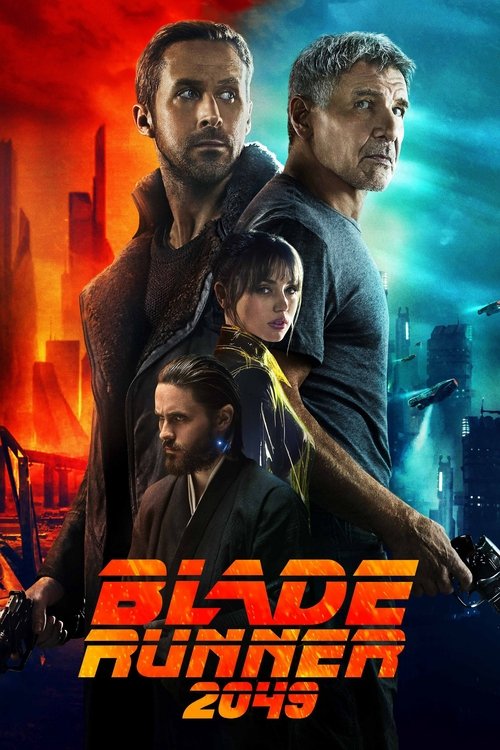
Thirty years after the events of the first film, a new blade runner, LAPD Officer K, unearths a long-buried secret that has the potential to plunge what's left of society into chaos. K's discovery leads him on a quest to find Rick Deckard, a former LAPD blade runner who has been missing for 30 years.
Gosling masterfully weaponizes his signature stoicism, turning a hollow-eyed reserve into a devastating portrait of an artificial man yearning for a soul. By stripping away his natural charisma to reveal a raw, clockwork vulnerability, he cemented his status as the premier minimalist of his generation. It is a masterclass in stillness that proves he can anchor a blockbuster through sheer, heartbreaking restraint.
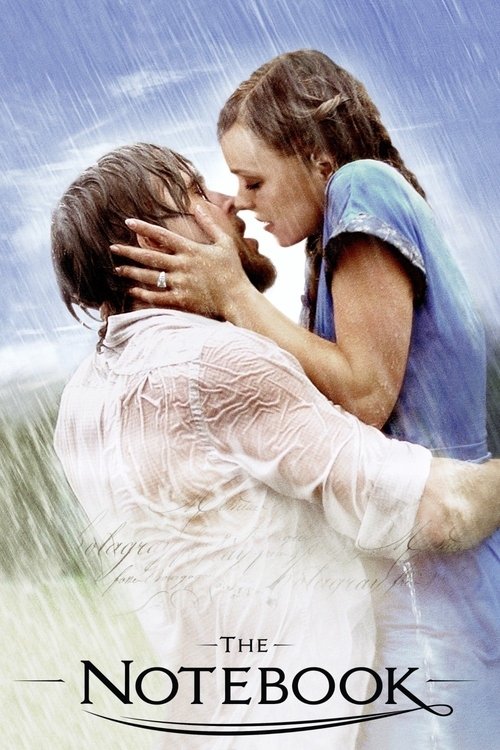
The Notebook
2004An epic love story centered around an older man who reads aloud to a woman with Alzheimer's. From a faded notebook, the old man's words bring to life the story about a couple who is separated by World War II, and is then passionately reunited, seven years later, after they have taken different paths.
Gosling radiates a raw, feral yearning that transforms a standard melodrama into a masterclass in screen magnetism. This breakout turn weaponized his quiet intensity and soulful blue-collar grit, establishing the blueprint for the charismatic leading-man persona that would define his superstardom. It is the moment he evolved from a child actor into a generational romantic icon through sheer, brooding conviction.
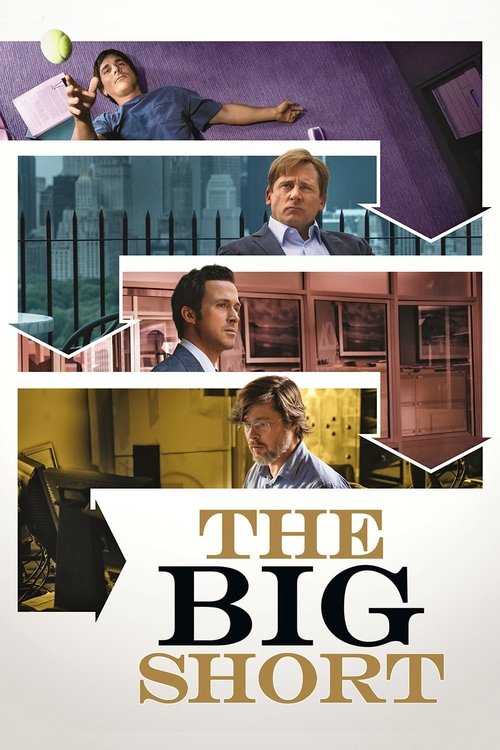
The Big Short
2015The men who made millions from a global economic meltdown.
Gosling sheds his usual quiet stoicism for a high-octane, shark-like arrogance, delivering a masterclass in breaking the fourth wall with oily charisma. By embracing a sleazy, spray-tanned vanity, he proved he could pivot from brooding leading man to a sharp-tongued comedic engine. It remains one of his most kinetic turns, trading subtle glances for a performance defined by pure, caffeinated swagger.
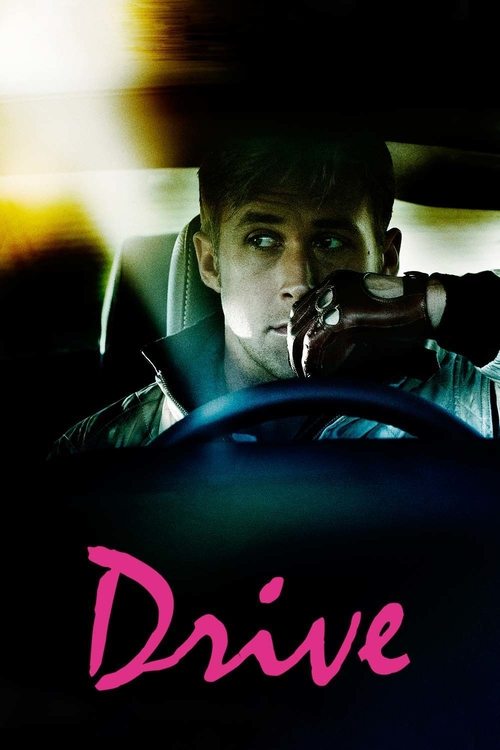
Drive
2011Driver is a skilled Hollywood stuntman who moonlights as a getaway driver for criminals. Though he projects an icy exterior, lately he's been warming up to a pretty neighbor named Irene and her young son, Benicio. When Irene's husband gets out of jail, he enlists Driver's help in a million-dollar heist. The job goes horribly wrong, and Driver must risk his life to protect Irene and Benicio from the vengeful masterminds behind the robbery.
Gosling reinvented his screen persona through a masterclass in minimalist intensity, trading traditional dialogue for a high-tension, predatory stillness. It is the definitive turning point where he shed his romantic lead skin to become a modern icon of stoic noir. He commands the frame with nothing but a thousand-yard stare and a rhythmic, simmering violence.
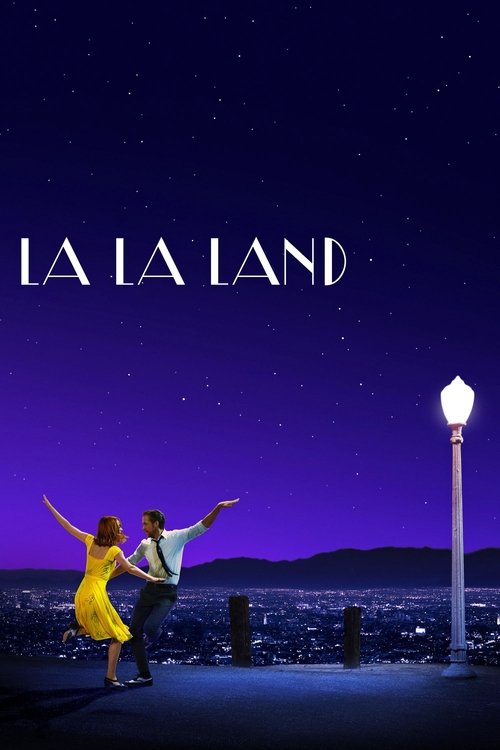
La La Land
2016Mia, an aspiring actress, serves lattes to movie stars in between auditions and Sebastian, a jazz musician, scrapes by playing cocktail party gigs in dingy bars, but as success mounts they are faced with decisions that begin to fray the fragile fabric of their love affair, and the dreams they worked so hard to maintain in each other threaten to rip them apart.
Gosling masterfully balances a cynical, old-school cool with a vulnerability that grounds the film’s high-concept whimsy. By trading his usual stoicism for nimble footwork and lived-in piano work, he proved he could carry a classical musical while maintaining his status as the premier romantic leading man of his generation. It is the definitive showcase of his ability to communicate heartbreak through a soulful gaze and a sharp silhouette.
Frequently Asked Questions
Everything you need to know about this list and SnakeDrafts
- La La Land is celebrated for its unique fusion of romance, drama, and musical elements, showcasing Ryan Gosling's ability to capture heartfelt emotion and charm in a vibrant, neon-lit Los Angeles backdrop.
- Drive features Ryan Gosling in a minimalist yet powerful role as a quiet getaway driver, delivering a performance that is both chilling and captivating within a stylish, neo-noir thriller setting.
- In The Big Short, Ryan Gosling steps into the realm of satirical comedy and drama, portraying a slick, fast-talking trader, which contrasts his more somber or action-driven roles by adding sharp wit and financial savvy to his repertoire.
- Movies like The Notebook and Blue Valentine exhibit Ryan Gosling's skill in navigating complex romantic dramas, where his performances bring depth and raw emotional honesty to each relationship dynamic.
- Ryan Gosling's filmography in this ranking demonstrates impressive genre diversity, spanning from action thrillers like Drive and The Fall Guy to sci-fi dramas like Blade Runner 2049, and light-hearted comedies such as Crazy, Stupid, Love. and Barbie.
- Blade Runner 2049 is a pivotal sci-fi drama that emphasizes Ryan Gosling's capacity to embody complex, reserved characters in visually stunning and intellectually rich narratives, marking a high point in his career's artistic ambition.
- Ryan Gosling's collaboration with director Derek Cianfrance in The Place Beyond the Pines and Blue Valentine is particularly noteworthy, as it spotlights Gosling's intense, character-driven acting style that deeply explores emotional and moral complexities.