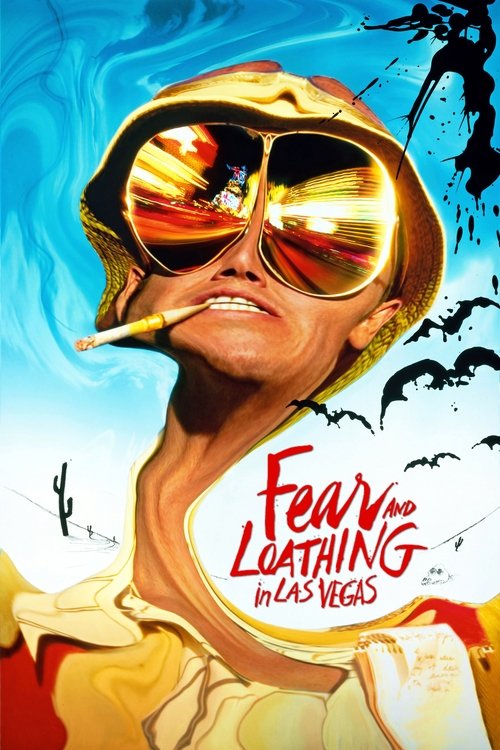
Fear and Loathing in Las Vegas
Step into a kaleidoscopic journey through the American Dream's underbelly with "Fear and Loathing in Las Vegas," a wildly imaginative and darkly comedic odyssey. This cult classic catapults viewers into a drug-fueled haze, blurring the lines between reality and hallucination in a quest for truth and excess. Prepare for an unforgettable cinematic experience that defies convention and challenges perception.
Director
Release Year
1998
Runtime
118 minutes
Main Cast
Johnny Depp, Benicio del Toro, Tobey Maguire, Michael Lee Gogin, Larry Cedar
About Fear and Loathing in Las Vegas
Terry Gilliam's "Fear and Loathing in Las Vegas" is a visceral adaptation of Hunter S. Thompson's seminal novel, capturing the chaotic energy and biting social commentary of the source material. Released in 1998, the film plunges audiences into the mind of Raoul Duke (Johnny Depp) and his attorney Dr. Gonzo (Benicio del Toro) as they embark on a drug-addled escapade through Las Vegas, ostensibly to cover a motorcycle race. What unfolds is a hallucinatory exploration of the failed counterculture movement of the 1960s.
The film masterfully blends grotesque humor with a palpable sense of disillusionment. Gilliam's distinctive visual style, characterized by distorted perspectives, exaggerated sets, and frantic editing, perfectly mirrors the protagonists' altered states of consciousness. This aesthetic choice not only enhances the film's surreal atmosphere but also serves to immerse the audience in Duke and Gonzo's drug-fueled reality, making the experience both unsettling and captivating.
Upon its initial release, "Fear and Loathing in Las Vegas" received a mixed critical reception, with some reviewers praising its audacious vision and others finding its chaotic nature alienating. However, over time, the film has achieved cult status, lauded for its unflinching portrayal of excess, its satirical critique of American society, and the dedicated performances of Depp and del Toro. Their commitment to embodying the eccentric and often alarming characters of Duke and Gonzo is a cornerstone of the film's enduring appeal.
Beyond its surface-level depiction of hedonism, the film is a profound meditation on the death of the American Dream and the cultural shifts of the late 20th century. Thompson's original work was a thinly veiled autobiographical account, and Gilliam's adaptation retains this personal, almost confessional tone. The film's lasting legacy lies in its ability to provoke thought and discussion about idealism, cynicism, and the elusive pursuit of happiness in a fragmented world. It remains a powerful and provocative piece of cinema that continues to resonate with audiences who appreciate its unique blend of absurdity and profundity.
Drafts Featuring Fear and Loathing in Las Vegas
Every SnakeDrafts listicle where this movie appears
The Best Benicio del Toro Movies
Ranked #7
The Best Johnny Depp Movies Ranked
Ranked #11
The Best Cameron Diaz Movies Ranked
Ranked #7
The Best Gary Busey Movies Ranked
Ranked #9
The Greatest Christina Ricci Movies Ever
Ranked #13
The Best Terry Gilliam Movies Ranked
Ranked #5
The Essential Ellen Barkin Movies Ranked
Ranked #22
Best 1998 Movies of All Time
Ranked #19
The Best Movies of the 1990s Ranked
Ranked #68
Similar Movies
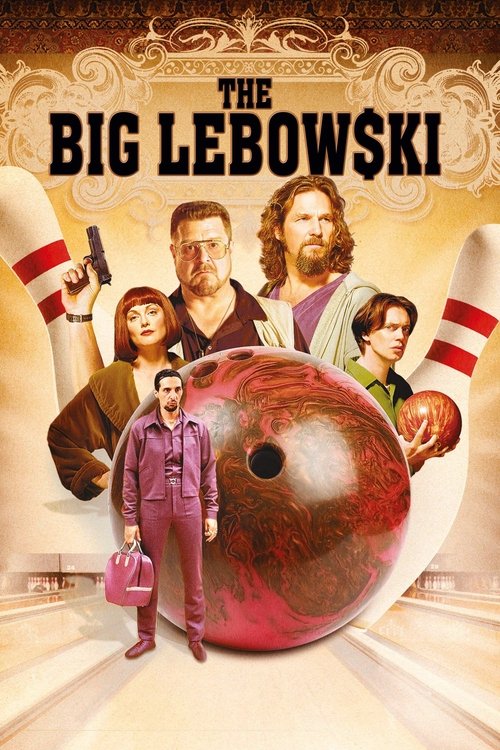
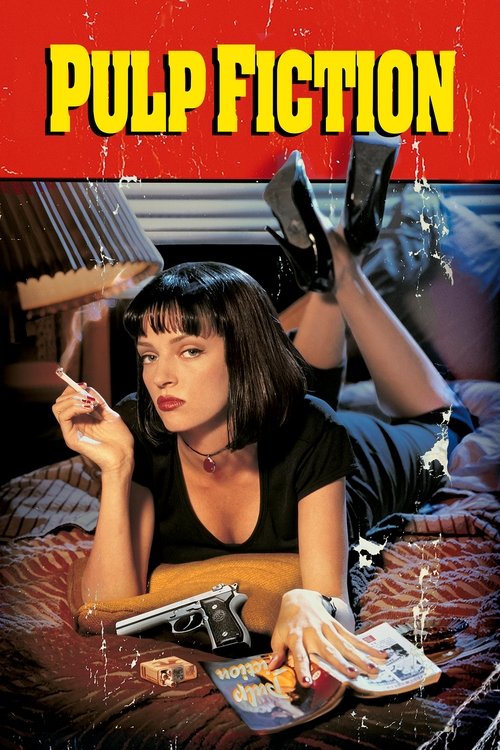
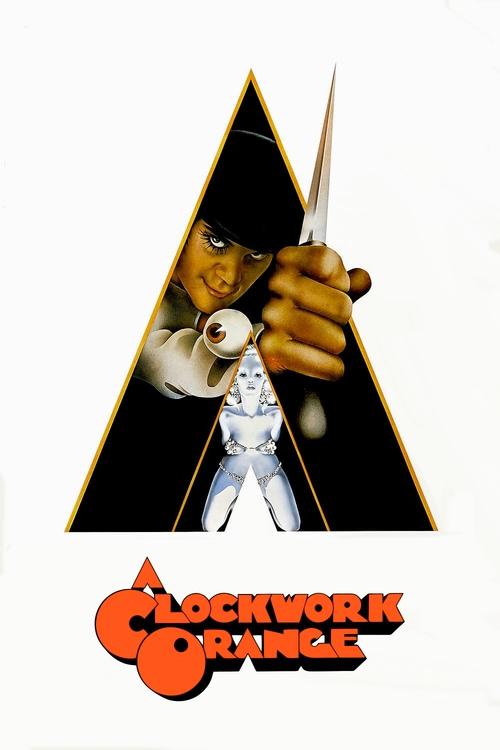
Movies related to Fear and Loathing in Las Vegas
Frequently Asked Questions
Everything you need to know about Fear and Loathing in Las Vegas
- The iconic red convertible, known as the "Red Shark," isn revolutionary symbol, a vessel for Duke and Gonzo's chaotic journey, and a character in itself. It represents their fleeting pursuit of the American Dream and freedom, even as it becomes increasingly dilapidated, mirroring their own deteriorating states.
- Terry Gilliam's film is largely considered a faithful adaptation, capturing the essence of Hunter S. Thompson's 'gonzo journalism' style. It reflects Thompson's subjective, first-person narrative, his blend of fact and fiction, and his recurring themes of disillusionment with the American Dream, societal decay, and the chaotic pursuit of truth through extreme experiences.
- The film acts as a biting satire on the perceived decline of the American Dream in the late 1960s. Duke and Gonzo's drug-fueled quest for a fading ideal highlights the counterculture's struggle against mainstream values and the disillusionment that followed the optimism of earlier decades, suggesting a loss of innocence and direction.
- Dr. Gonzo, as Raoul Duke's attorney and companion, embodies an unrestrained, often terrifying embodiment of primal urges and paranoia. His extreme behavior serves as a vital counterbalance to Duke's more observational, albeit equally unhinged, perspective, pushing the boundaries of their shared madness and highlighting the destructive nature of their drug consumption.
- The recurring lizard lounge hallucination symbolizes the pervasive and often terrifying nature of Duke's drug-induced reality. It represents the blurring of lines between human and animal, civility and savagery, and serves as a visual metaphor for the grotesque and absurd underbelly of Las Vegas that their altered perceptions expose.
- The recurring bat hallucinations are a prominent motif throughout the film, serving to visually represent Raoul Duke's escalating paranoia and the chaotic, disorienting effects of the drugs he consumes. They symbolize the internal madness and loss of control that he experiences as his journey progresses.
- The film serves as a poignant, albeit chaotic, eulogy for the counterculture movement of the 1960s. Through Duke and Gonzo's relentless pursuit of excess and their ultimate disillusionment, the film reflects on the fading idealism and eventual collapse of the movement's revolutionary spirit, presenting a bittersweet farewell to a bygone era of rebellion.

