The Definitive Mark Rylance Movie Ranking: Every Essential Performance
The Master of Subtlety and Stage-to-Screen Brilliance
Discover the essential filmography of Mark Rylance, from his Oscar-winning turn in Bridge of Spies to historical epics and modern sci-fi classics.
About Mark Rylance
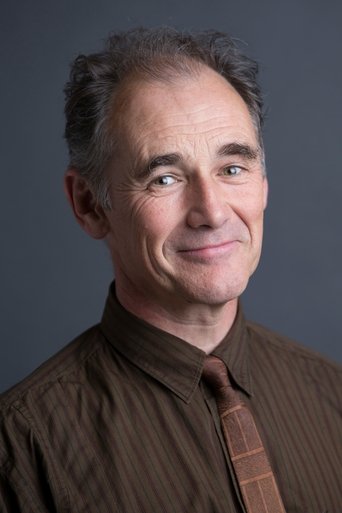
In the landscape of modern cinema, Mark Rylance holds a position that feels more like that of a medieval alchemist than a Hollywood movie star. He operates with a quiet, vibrating intensity that suggests he is tuned into a frequency the rest of the cast cannot quite hear. While many of his peers lean into the bombast of the screen, he has perfected the art of the stillness. This quality famously earned him an Oscar for Bridge of Spies, where his portrayal of Soviet spy Rudolf Abel transformed a potentially dry bureaucratic role into a masterclass of rhythmic, understated defiance. His refrain of "Would it help?" became a mantra for his entire acting philosophy: why use a roar when a whisper can shatter a room?
The foundation of his genius lies in the theater, specifically his tenure at Shakespeare's Globe, and that stage-bred command translates into a physical versatility that borders on the unsettling. He can pivot from the whimsical, towering gentleness of The BFG to the predatory, skin-crawling hunger of a drifter in Bones and All without losing a shred of credibility. Audiences connect with him because there is an inherent mystery to his eyes. Whether he is playing the eccentric tech mogul Peter Isherwell in Don't Look Up or the visionary creator James Halliday in Ready Player One, he projects a sense of profound loneliness mixed with intellectual superiority. He makes brilliance look like a heavy burden.
Refusing to be pinned down by the constraints of genre, he often seeks out projects that lean into the surreal or the intellectually rigorous. Early turns in Prospero's Books and the haunting Institute Benjamenta established him as an arthouse darling long before the multiplexes came calling. Even in more traditional period pieces like The Other Boleyn Girl or the Shakespearean conspiracy drama Anonymous, he carries himself with a contemporary psychological depth. He avoids the stiff, waxy feel of costume drama by treating every historical figure as a living, breathing, flawed creature of the present.
Recent years have seen him lean into the role of the master tactician. In the claustrophobic thriller The Outfit, he anchors the entire narrative as a meticulous tailor, proving that a man sitting quietly with a needle and thread can be just as dangerous as any action hero. He balances this gravity with a streak of populist charm, seen clearly in the whimsical underdog story The Phantom of the Open. Even when the world is ending around him, as in the ticking-clock tension of Dunkirk or the courtroom fireworks of The Trial of the Chicago 7, he remains the eye of the storm. He is the rare performer who understands that the soul of a character isn't found in the dialogue, but in the private thoughts occurring between the lines. He doesn't just play a part; he haunts it.
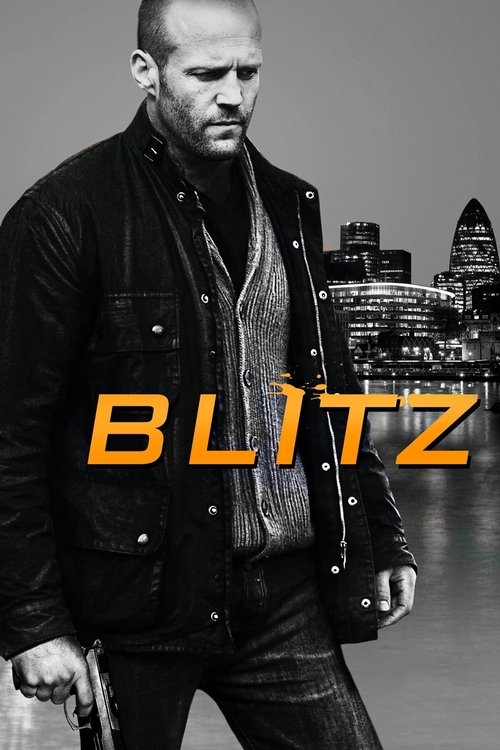
Blitz
2011A tough cop is dispatched to take down a serial killer who has been targeting police officers.
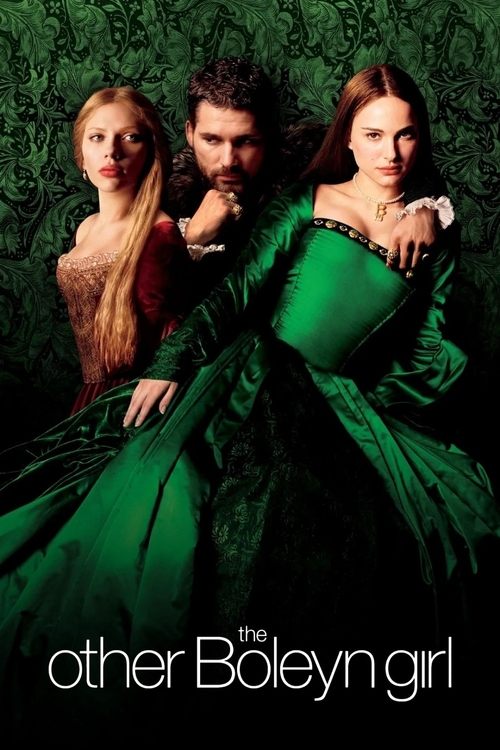
The Other Boleyn Girl
2008A sumptuous and sensual tale of intrigue, romance and betrayal set against the backdrop of a defining moment in European history: two beautiful sisters, Anne and Mary Boleyn, driven by their family's blind ambition, compete for the love of the handsome and passionate King Henry VIII.
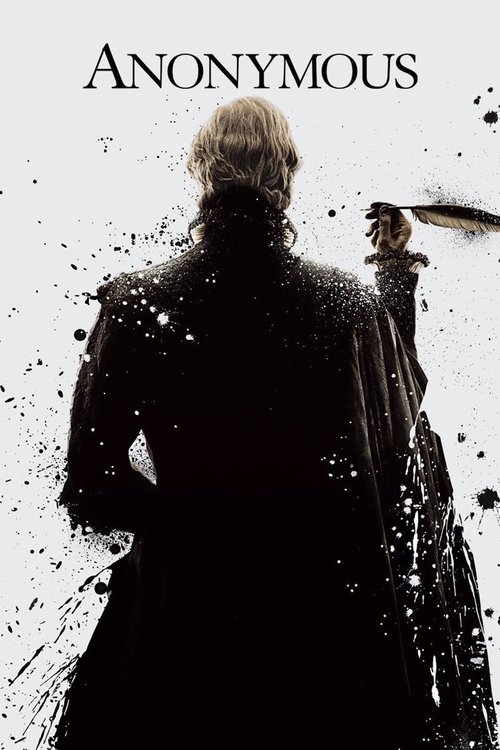
Anonymous
2011Set against the backdrop of the succession of Queen Elizabeth I, and the Essex Rebellion against her, the story advances the theory that it was in fact Edward De Vere, Earl of Oxford who penned Shakespeare's plays.
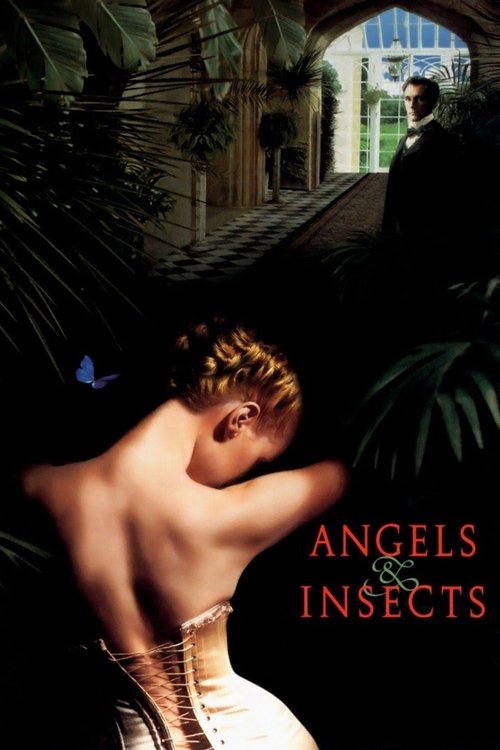
Angels and Insects
1995In Victorian England, wealthy patriarch Sir Harald Alabaster invites an impoverished biologist, William Adamson, into his home. There, William tries to continue his work, but is distracted by Alabaster's seductive daughter, Eugenia. William and Eugenia begin a torrid romance, but as the couple become closer, the young scientist begins to realize that dark, disturbing things are happening behind the closed doors of the Alabaster manor.
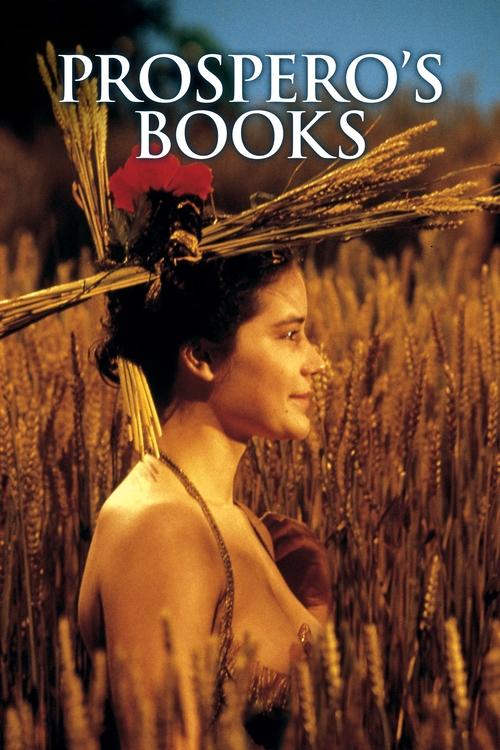
Prospero's Books
1991An exiled magician finds an opportunity for revenge against his enemies muted when his daughter and the son of his chief enemy fall in love in this uniquely structured retelling of the 'The Tempest'.
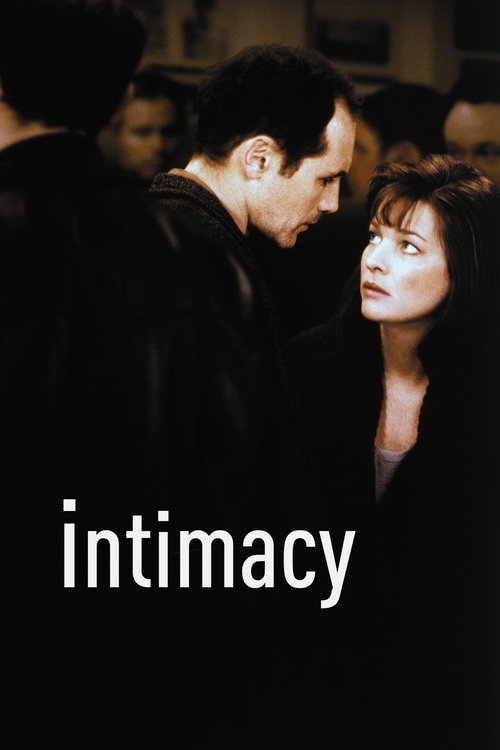
Intimacy
2001Failed musician Jay abandoned his family and now earns a living as head bartender in a trendy London pub. Every Wednesday afternoon, a woman comes to his house for graphic, almost wordless, sex. One day, Jay follows her and learns about her. This eventually disrupts their relationship.
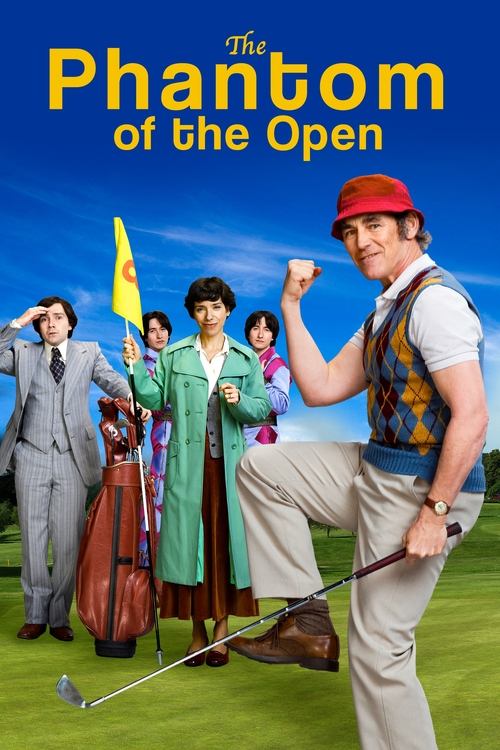
The Phantom of the Open
2022Maurice Flitcroft, a dreamer and unrelenting optimist, managed to gain entry to The British Open Golf Championship qualifying in 1976 and subsequently shot the worst round in Open history, becoming a folk hero in the process.
Rylance pivots toward the whimsical with a performance of infectious, delusional optimism that feels entirely grounded in sincere emotion rather than caricature. It is a delightful display of his range, proving he can play the endearing underdog with as much gravitas as any historical statesman.
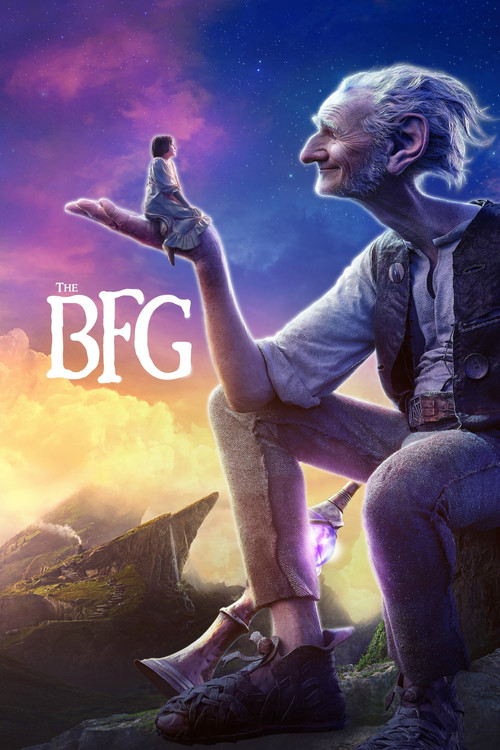
The BFG
2016An orphan little girl befriends a benevolent giant who takes her to Giant Country, where they attempt to stop the man-eating giants that are invading the human world.
Even behind a digital mask of motion capture, Rylance’s expressive warmth and linguistic playfulness shine through with unmistakable humanity. He elevates the fairy tale material by finding the genuine vulnerability and ancient sorrow within a mountain of visual effects.
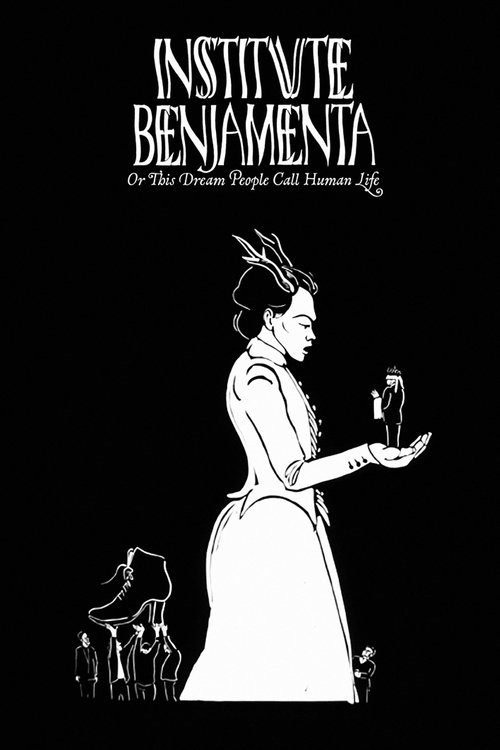
Institute Benjamenta, or This Dream People Call Human Life
1995Jakob arrives at the Institute Benjamenta (run by brother and sister Johannes and Lisa Benjamenta) to learn to become a servant. With seven other men, he studies under Lisa: absurd lessons of movement, drawing circles, and servility. He asks for a better room. No other students arrive and none leave for employment. Johannes is unhappy, imperious, and detached from the school's operation. Lisa is beautiful, at first tightly controlled, then on the verge of breakdown. There's a whiff of incest. Jakob is drawn to Lisa, and perhaps she to him. As winter sets in, she becomes catatonic. Things get worse; Johannes notes that all this has happened since Jakob came. Is there any cause and effect?
Early in his career, Rylance demonstrated a unique affinity for the surreal, navigating this monochromatic dreamscape with a haunting, theatrical grace. This performance remains a vital touchstone for understanding his willingness to embrace the avant garde and the elusive.
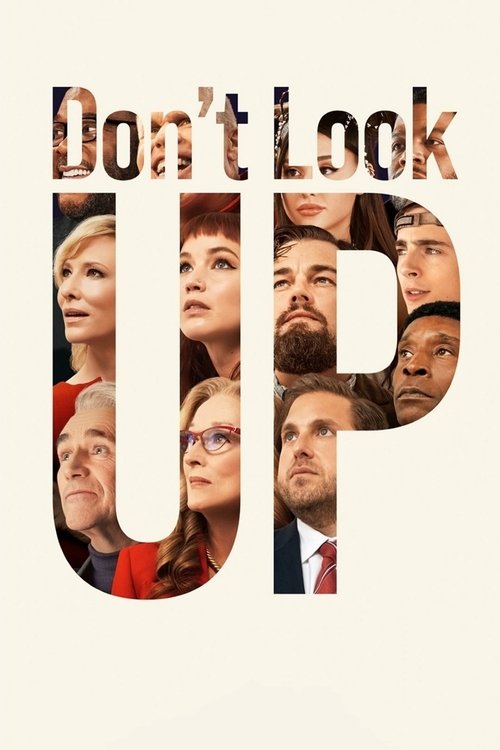
Don't Look Up
2021Two astronomers go on a media tour to warn humankind of a planet-killing comet hurtling toward Earth. The response from a distracted world: Meh.
Channeling a hyper specific blend of ethereal detachment and corporate sociopathy, Rylance creates a satire of the modern billionaire that is as hilarious as it is deeply disturbing. His vocal choices and vacant stares perfectly capture the dangerous absurdity of a man who views humanity through the lens of an algorithm.
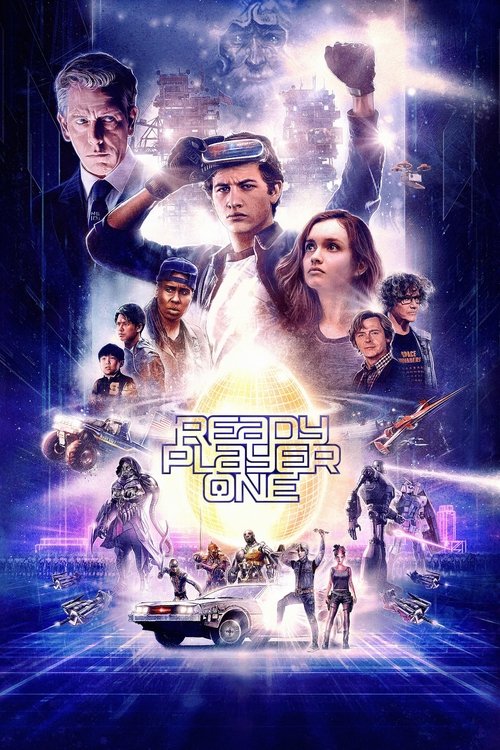
Ready Player One
2018When the creator of a popular video game system dies, a virtual contest is created to compete for his fortune.
Tasked with playing a socially fractured genius, Rylance avoids the easy tropes of the awkward tech mogul by infusing the character with a profound, tragic sense of isolations. He becomes the ghost in the machine, giving a CG heavy blockbuster a surprising and necessary melancholic core.
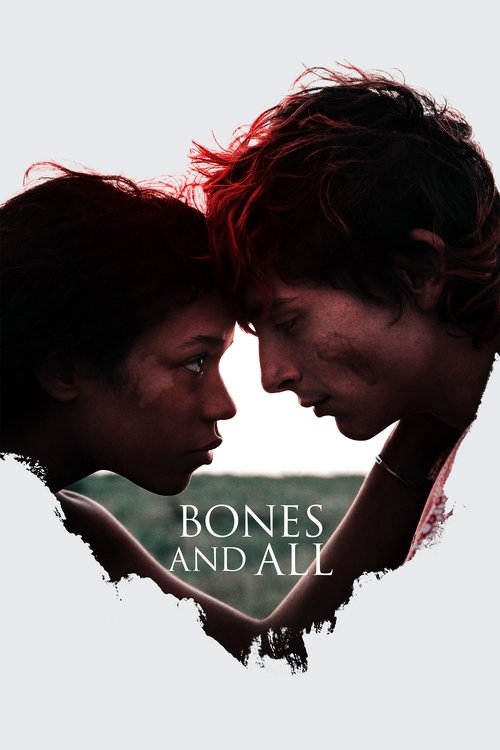
Bones and All
2022Abandoned by her father, a young woman embarks on a thousand-mile odyssey through the backroads of America where she meets a disenfranchised drifter. But despite their best efforts, all roads lead back to their terrifying pasts and to a final stand that will determine whether their love can survive their otherness.
Rylance sheds his usual warmth to inhabit a truly unsettling, skin crawling presence that lingers long after the credits roll. By leaning into an eccentric, predatory loneliness, he provides the film with its most potent and terrifying moments of psychological horror.
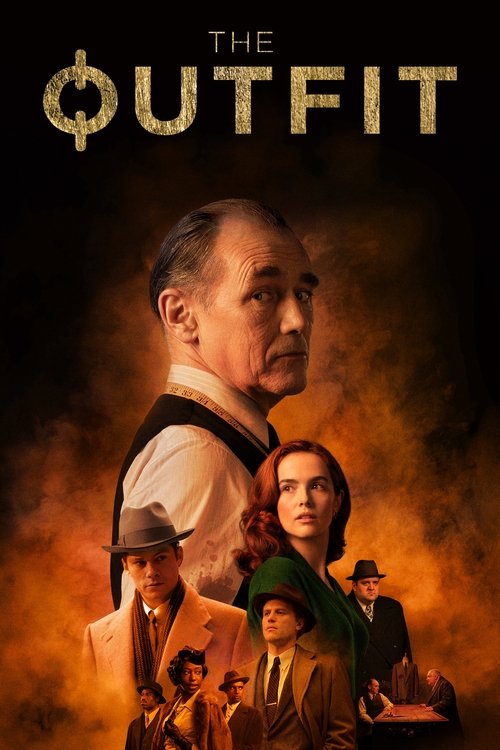
The Outfit
2022Leonard is an English tailor who used to craft suits on London’s world-famous Savile Row. After a personal tragedy, he’s ended up in Chicago, operating a small tailor shop in a rough part of town where he makes beautiful clothes for the only people around who can afford them: a family of vicious gangsters.
This taut chamber piece allows Rylance to weaponize his characteristic soft spoken nature, layering it with a calculated, lethal precision. It is a rare leading turn that showcases his ability to hold an audience captive through the mere flick of a tailor’s shears.
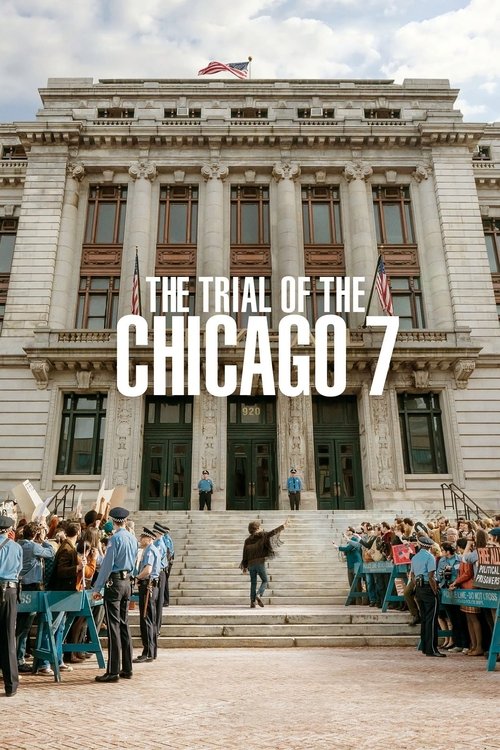
The Trial of the Chicago 7
2020What was supposed to be a peaceful protest turned into a violent clash with the police. What followed was one of the most notorious trials in history.
As the legal tether in a sea of histrionics, Rylance provides a fascinatingly understated counterpoint to his more abrasive costars. He navigates Sorkin's rhythmic dialogue with a gentle yet sharp intellectualism that transforms the role of a defense attorney into a high stakes chess match.
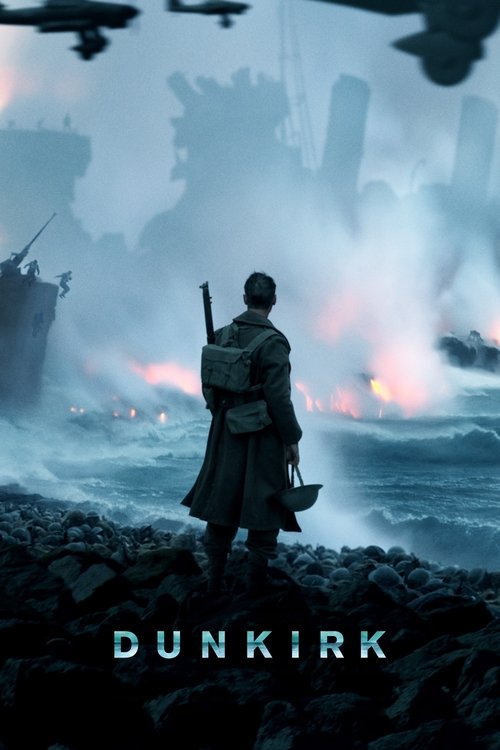
Dunkirk
2017The story of the miraculous evacuation of Allied soldiers from Belgium, Britain, Canada and France, who were cut off and surrounded by the German army from the beaches and harbour of Dunkirk between May 26th and June 4th 1940 during World War II.
In a film defined by deafening kinetic energy, Rylance serves as the emotional ballast, grounding the high stakes spectacle in a quiet, weary dignity. His portrayal of civilian bravery offers a vital human pulse that prevents the technical wizardry from feeling cold.
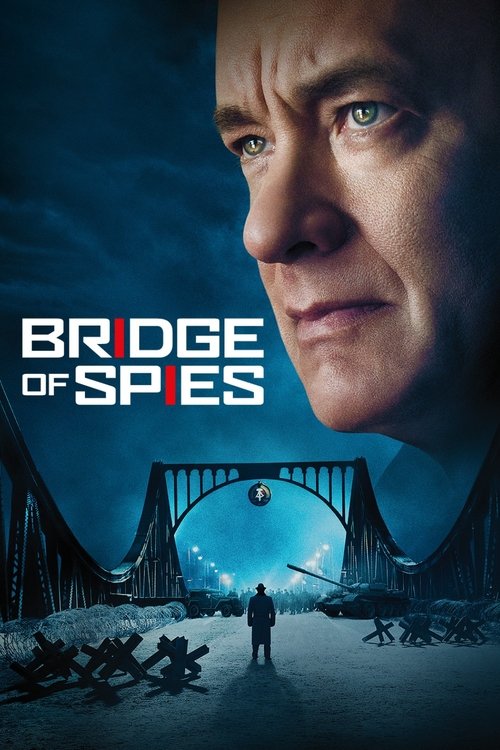
Bridge of Spies
2015During the Cold War, the Soviet Union captures U.S. pilot Francis Gary Powers after shooting down his U-2 spy plane. Sentenced to 10 years in prison, Powers' only hope is New York lawyer James Donovan, recruited by a CIA operative to negotiate his release. Donovan boards a plane to Berlin, hoping to win the young man's freedom through a prisoner exchange. If all goes well, the Russians would get Rudolf Abel, the convicted spy who Donovan defended in court.
Rylance commands the screen through a masterclass in stillness, reinventing the cinematic spy as a soulful stoic rather than a hollow vessel of state secrets. This Oscar winning turn proved that a whisper could be more deafening than a gunshot, cementing his status as the premier minimalist of modern prestige cinema.
Frequently Asked Questions
Everything you need to know about this list and SnakeDrafts
- Mark Rylance's portrayal of Soviet spy Rudolf Abel in Bridge of Spies is celebrated for its quiet intensity and emotional depth, earning him an Oscar. His subtlety and stillness transform the character into a nuanced figure central to the Cold War drama.
- Mark Rylance brings a grounded, thoughtful presence to historical films such as Dunkirk and The Trial of the Chicago 7, enhancing their realism. His skill at embodying complex characters adds gravitas that helps audiences connect with pivotal moments in history.
- In addition to dramatic roles, Mark Rylance's filmography spans genres including sci-fi in Ready Player One, horror-romance in Bones and All, and family fantasy in The BFG. This range showcases his adaptability and commitment to diverse storytelling styles.
- Themes of moral complexity, identity, and quiet resilience recur in Mark Rylance's work, from espionage dramas like Bridge of Spies to character-driven stories like The Outfit. His portrayals often highlight the subtle conflicts beneath historical or fantastical settings.
- In blockbuster films like Dunkirk and Ready Player One, Rylance delivers intense yet restrained performances that anchor expansive narratives. In smaller indie projects such as Institute Benjamenta, his nuanced, introspective approach allows for deeper character study.
- Yes, Mark Rylance has collaborated multiple times with director Steven Spielberg, notably in Bridge of Spies, Ready Player One, and The BFG. These partnerships highlight a mutual trust in exploring complex and varied roles.
- In historical dramas like Anonymous and The Other Boleyn Girl, Rylance focuses on authentic character interpretation rooted in period detail. Conversely, in fantasy films such as Prospero's Books and The BFG, he embraces a more whimsical, imaginative style that emphasizes atmosphere and mood.