The Best Alan Bates Films Ranked
The Definitive Screen Legacy of a British Screen Icon
Explore the most essential performances of Alan Bates, from period dramas and Shakespearean epics to gritty kitchen sink realism and Hollywood thrillers.
About Alan Bates
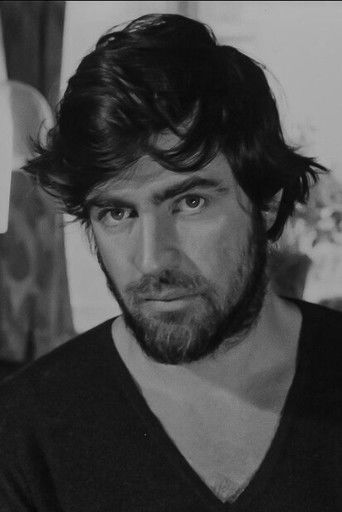
To look at Alan Bates on screen was to witness a peculiar brand of magnetic restlessness. He emerged during the British New Wave not as a polished leading man, but as a visceral jolt to the system. While many of his contemporaries leaned into gritty stoicism, he possessed a fluid, sensual intelligence that made him the definitive face of a changing England. He could play the rough-hewn suitor or the decadent intellectual with equal conviction, always carrying an air of someone who knew a secret he wasn't quite ready to share.
His early turn in A Kind of Loving signaled the arrival of a performer who understood the suffocating weight of social expectation, yet it was the eerie, spiritual mystery of Whistle Down the Wind that proved he could command a frame by simply existing within it. There was a raw, earthy quality to his physicality. In Zorba the Greek, he served as the perfect, rigid foil to Anthony Quinn's titular chaos, portraying the inhibited Englishman cracked open by the sun and the shore. This ability to let a character’s internal walls crumble became a recurring motif throughout his decades of work.
The late sixties and early seventies saw him reach a peak of daring that few actors of his stature would risk. He became a muse for directors seeking to explore the complexities of masculinity and desire. In Far from the Madding Crowd, he was the steadfast Gabriel Oak, the moral anchor of an entire landscape. Yet he could pivot instantly to the avant-garde intensity of Women in Love, where his famous wrestling match with Oliver Reed shattered conventions about what men were allowed to be on screen. He moved with a feline grace through period dramas like The Go-Between and quirky cult classics like King of Hearts, never repeating himself, always finding the heartbeat of the eccentric.
What audiences connected with was his accessibility. Even when playing figures of high drama or literary weight, he felt like a modern man caught in the wrong century. In An Unmarried Woman, he delivered one of the most charming performances of the seventies, playing a romantic interest who felt genuinely supportive rather than overbearing. He brought that same soulful energy to his supporting turn in The Rose, proving he could hold his own against a powerhouse like Bette Midler without breaking a sweat.
As the years passed, he transitioned into a venerable elder statesman of the industry, trading his youthful intensity for a sharpened, sardonic wit. In Gosford Park, he presided over the servant’s hall with a weary, knowing dignity that anchored the entire ensemble. Even in large-scale blockbusters like The Sum of All Fears, he injected a sense of gravity that elevated the material. Whether he was grappling with Shakespeare in Hamlet or reflecting on his legacy alongside his peers in Nothing Like a Dame, he remained a quintessential figure of British cinema. He was an actor who refused to be pinned down, a man who found the poetry in the mundane and the humanity in the high-flown, leaving behind a body of work that feels as vital and textured today as it did when he first stepped onto the screen.
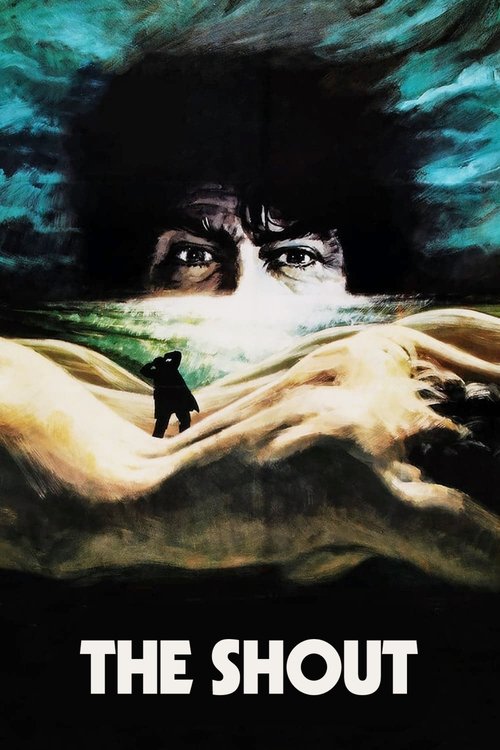
The Shout
1978A traveller by the name of Crossley forces himself upon a musician and his wife in a lonely part of Devon, and uses the aboriginal magic he has learned to displace his host.
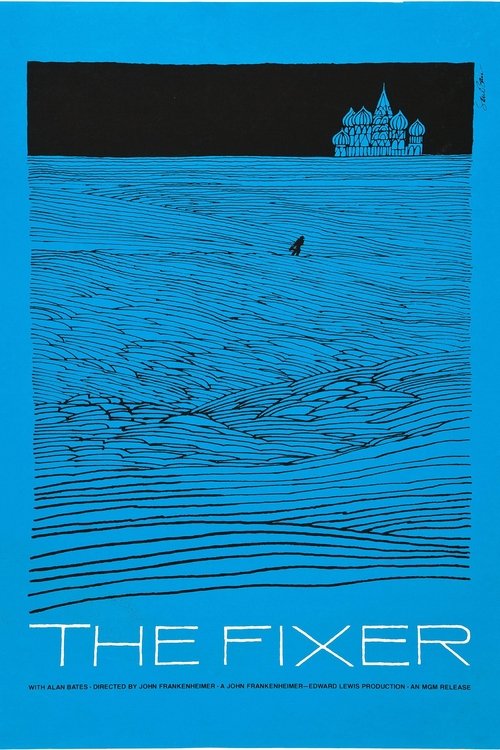
The Fixer
1968Set in tsarist Russia around the turn of the century and based on a true story of a Russian Jewish peasant Yakov Bog who was wrongly imprisoned for a most unlikely crime - the “ritual murder” of a Gentile child in Kyiv. We witness the unrelenting detail of the peasant handyman's life in prison and see him gain in dignity as the efforts to humiliate him and make him confess fail.
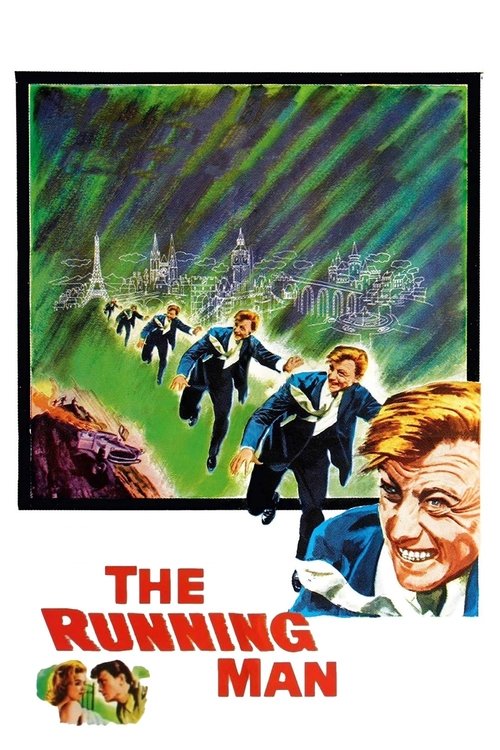
The Running Man
1963An Englishman with a grudge against an insurance company for a disallowed claim fakes his own death and escapes to Spain, but is soon pursued by an insurance investigator.
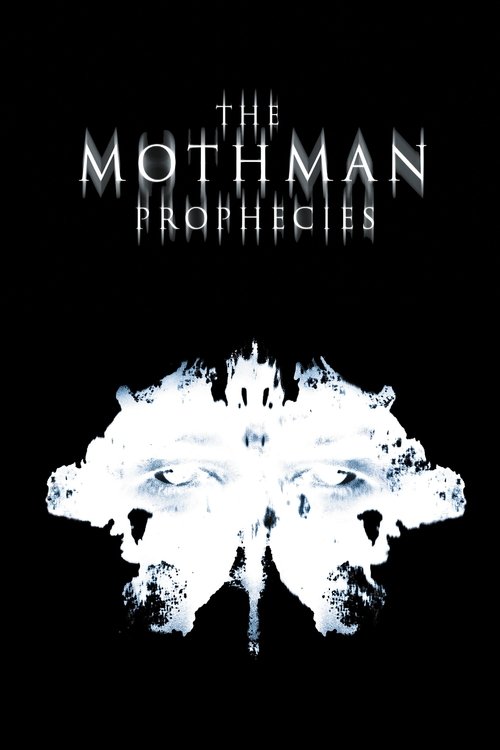
The Mothman Prophecies
2002Reporter John Klein is plunged into a world of impossible terror and unthinkable chaos when fate draws him to a sleepy West Virginia town whose residents are being visited by a great winged shape that sows hideous nightmares and fevered visions.
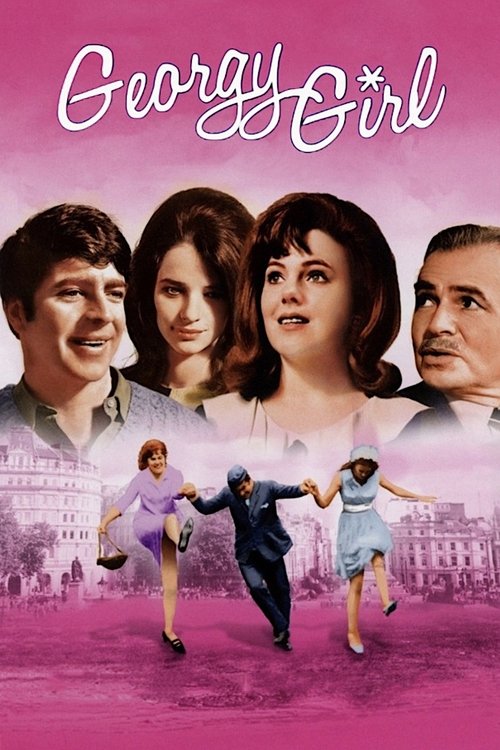
Georgy Girl
1966A homely but vivacious young woman dodges the amorous attentions of her father's middle-aged employer while attempting to please her glamorously stuck-up roommate Meredith.
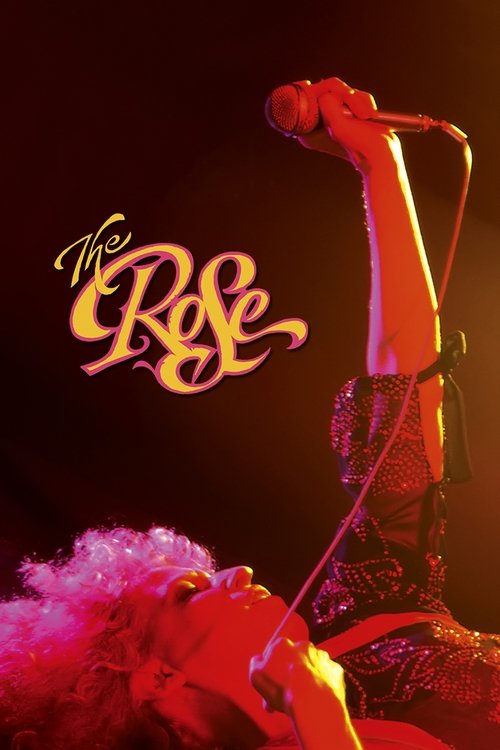
The Rose
1979Rock-and-roll singer Mary Rose Foster's romantic relationships and mental health are continuously imperilled by the demands of life on the road.
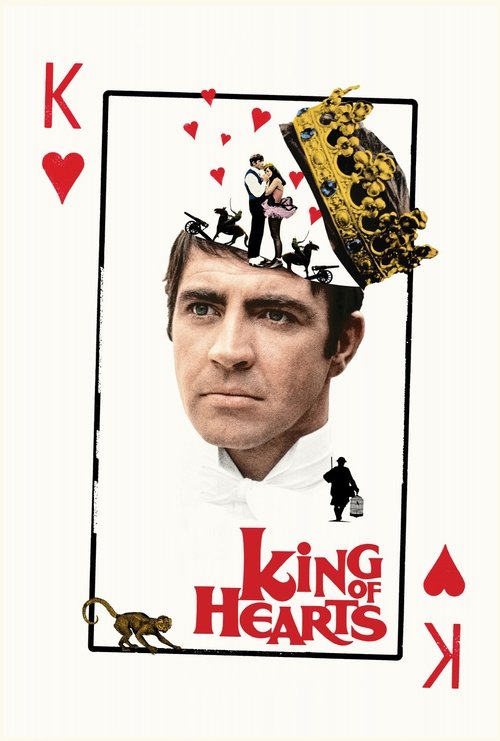
King of Hearts
1966An ornithologist mistaken for an explosives expert is sent alone into a small French town during WWI to investigate a garbled report from the resistance about a bomb which the departing Germans have set to blow up a weapons cache.
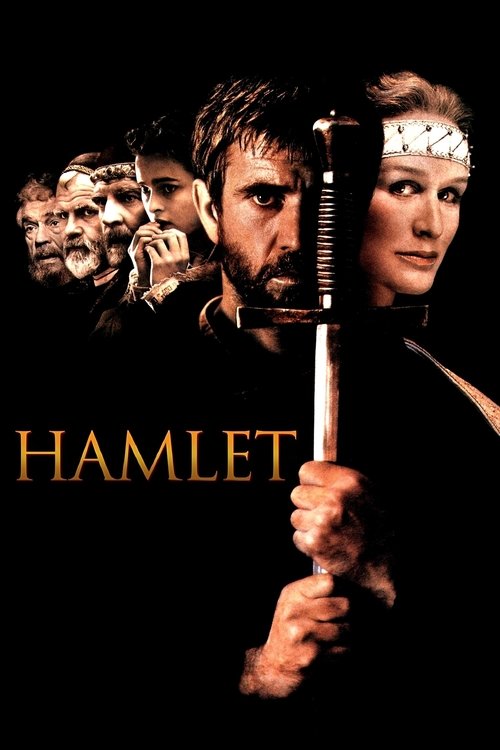
Hamlet
1990Hamlet, Prince of Denmark, finds out that his uncle Claudius killed his father to obtain the throne, and plans revenge.
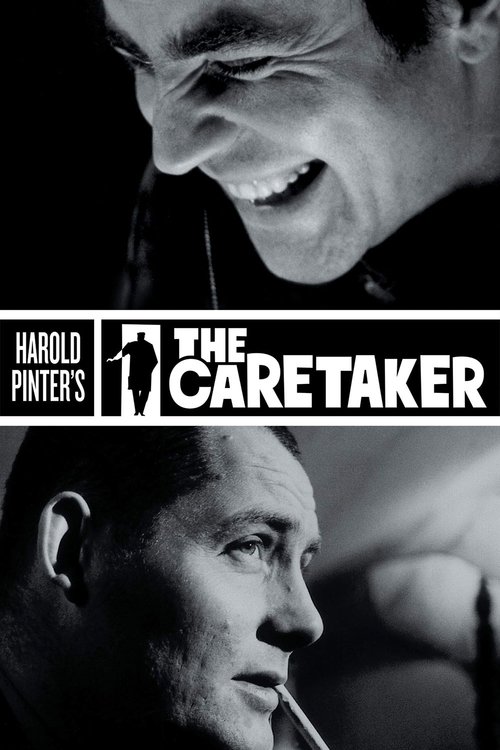
The Caretaker
1964Aston, a quiet, reserved man, lives alone in a top-floor cluttered room of a small abandoned house in a poor London district. He befriends and takes in Mac Davies, an old derelict who has been fired from a menial job in a café. In time Aston offers him a job as caretaker of the house. Aston's brother, Mick - a taunting, quasi-sadist - harasses the derelict when his brother is away, countermanding his orders...
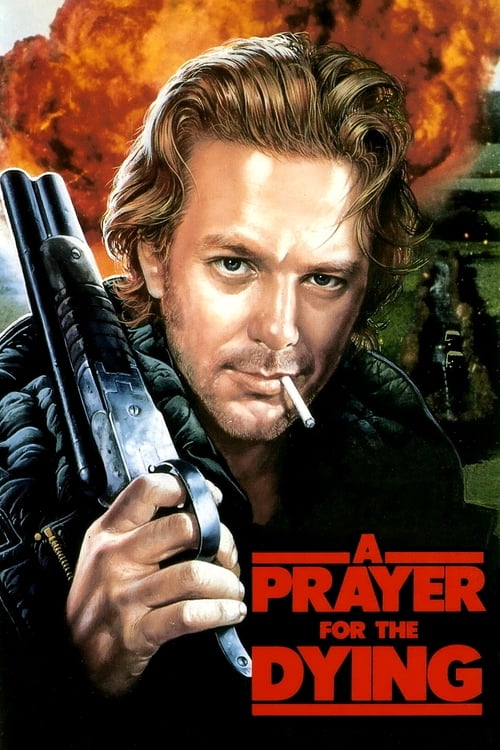
A Prayer for the Dying
1987Martin, an I.R.A. hitman, is seen by a Catholic priest while carrying out a hit. He grows a bond with the priest and his niece. But his past and his former employers put all their lives in danger.
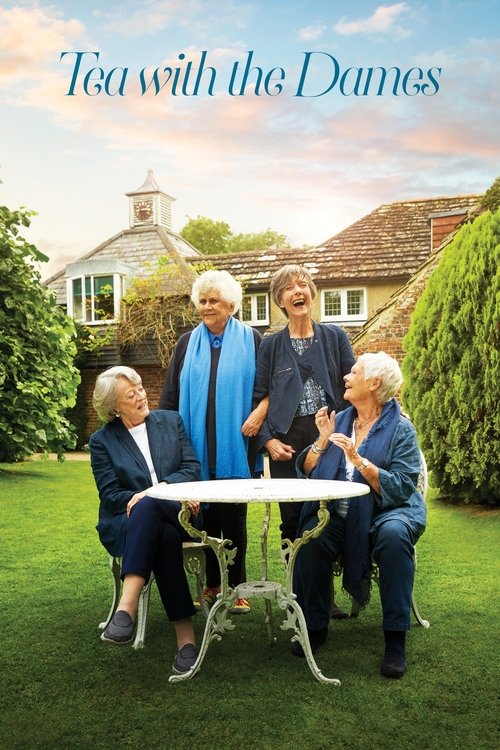
Nothing Like a Dame
2018BBC Arena's documentary on the Dames of British Theatre and film featuring Maggie Smith, Eileen Atkins, Judi Dench and Joan Plowright on screen together for the first time as they reminisce over a long summer weekend in a house Joan once shared with Sir Laurence Olivier.
Though appearing in archival footage, Bates haunts this documentary as the definitive interpreter of the era's great theatrical works. His presence serves as a bridge to a golden age of British acting, illustrating the deep respect and camaraderie he shared with his legendary peers.
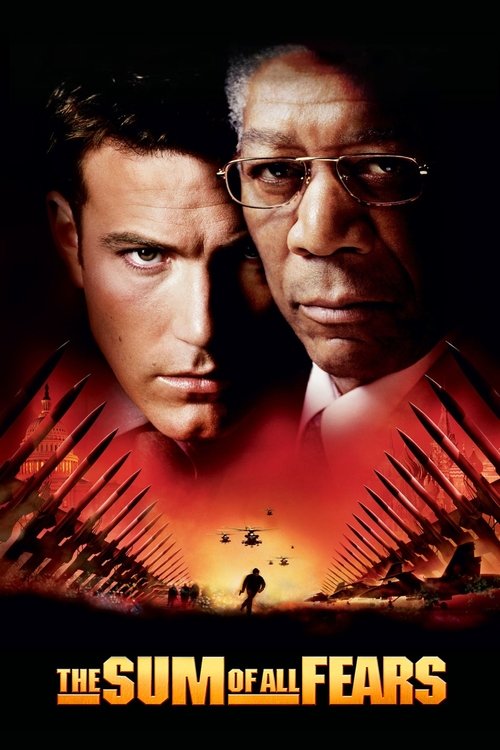
The Sum of All Fears
2002When the president of Russia suddenly dies, a man whose politics are virtually unknown succeeds him. The change in political leaders sparks paranoia among American CIA officials, so CIA director Bill Cabot recruits a young analyst to supply insight and advice on the situation. Then the unthinkable happens: a nuclear bomb explodes in a U.S. city, and America is quick to blame the Russians.
Bates leans into cold, calculating villainy here, playing a Neo-Nazi mastermind with a chillingly polished composure. Even in a high-octane political thriller, he maintains a theatrical gravitas that distinguishes him from the standard blockbuster antagonist.
Gosford Park
2001In 1930s England, a group of pretentious rich and famous gather together for a weekend of relaxation at a hunting resort. But when a murder occurs, each one of these interesting characters becomes a suspect.
Returning to the screen with elder statesman status, Bates portrays the head butler Jennings with a stiff-backed precision that hides a bubbling reservoir of professional anxiety. He elevates the ensemble by embodying the rigid, dying traditions of the British class hierarchy.
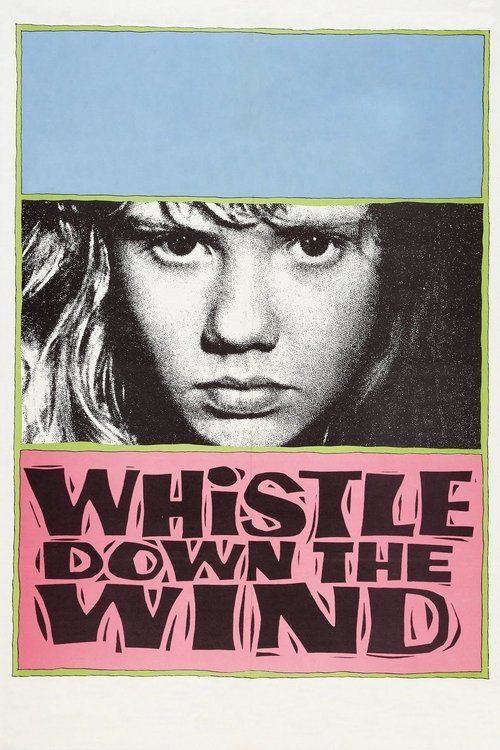
Whistle Down the Wind
1961When an injured wife-murderer takes refuge on a remote Lancashire farm, the farmer’s three children mistakenly believe him to be the Second Coming of Christ.
In an early career turn defined by mystery, Bates utilizes his intense physicality to project a Christ-like ambiguity through the eyes of a child. His ability to maintain a sense of lurking danger while remaining a blank canvas for innocent projections is remarkably controlled.
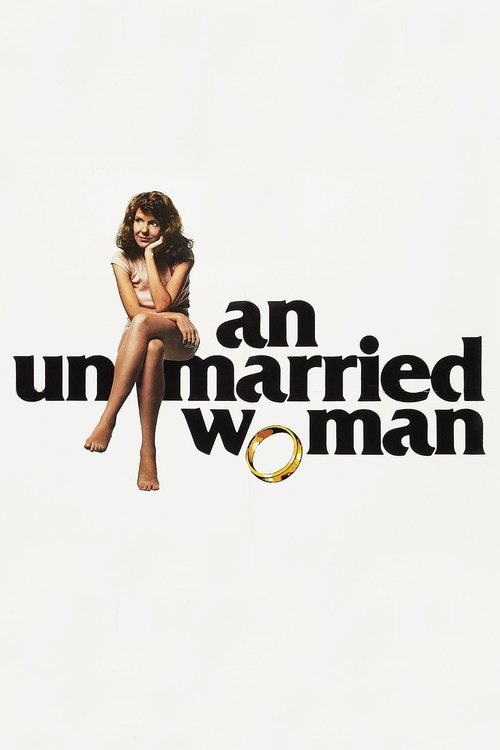
An Unmarried Woman
1978A wealthy woman from Manhattan's Upper East Side struggles to deal with her new identity and her sexuality after her husband of 16 years leaves her for a younger woman.
As the bohemian artist Saul, Bates avoids the pitfalls of the typical rebound interest by infusing the character with genuine eccentricity and warmth. He provides the perfect, textured foil to Jill Clayburgh, representing a modern shift in late-seventies cinematic masculinity.
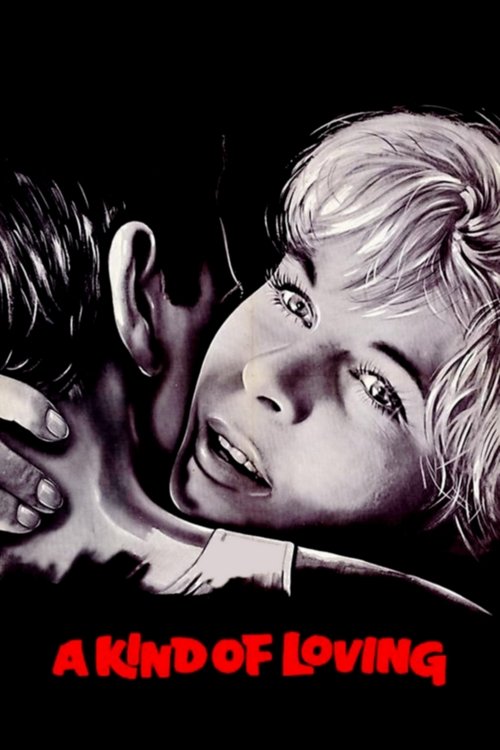
A Kind of Loving
1962As Vic Brown vacillates between infatuation and disinterest for his co-worker Ingrid Rothwell, she finds out that she is pregnant and Vic has to reconcile how he thought his life would go with what life actually has in store for him.
Bates emerged as a quintessential voice of the British New Wave by finding the specific, painful dignity in working-class domesticity. His performance captures the claustrophobia of societal expectation with an authenticity that helped redefine the kitchen sink drama.
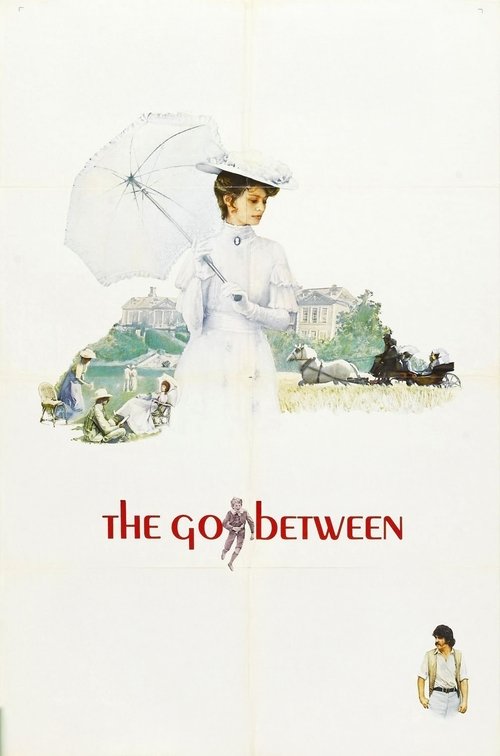
The Go-Between
1971British teenager Leo Colston spends a summer in the countryside, where he develops a crush on the beautiful young aristocrat Marian. Eager to impress her, Leo becomes the "go-between" for Marian, delivering secret romantic letters to Ted Burgess, a handsome neighboring farmer.
Playing the virile, lower-class farmer Ted Burgess, Bates serves as the film's vital pulse of forbidden Desire. He masterfully portrays a man whose rugged magnetism becomes the unwitting catalyst for a shattering collision between social strata.
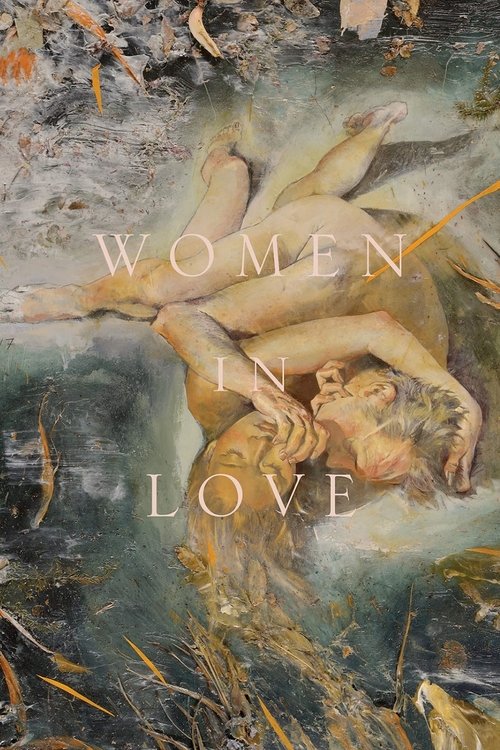
Women in Love
1969Growing up in the sheltered confines of a 1920s English coal-mining community, free-spirited sisters Gudrun and Ursula explore erotic love with a wealthy playboy and a philosophical educator, with cataclysmic results for all four.
In this provocative D.H. Lawrence adaptation, Bates fearlessly explores the boundaries of masculine intimacy and philosophical angst. His raw, uninhibited commitment to the role pushed British cinema into a more daring and visceral era of character study.
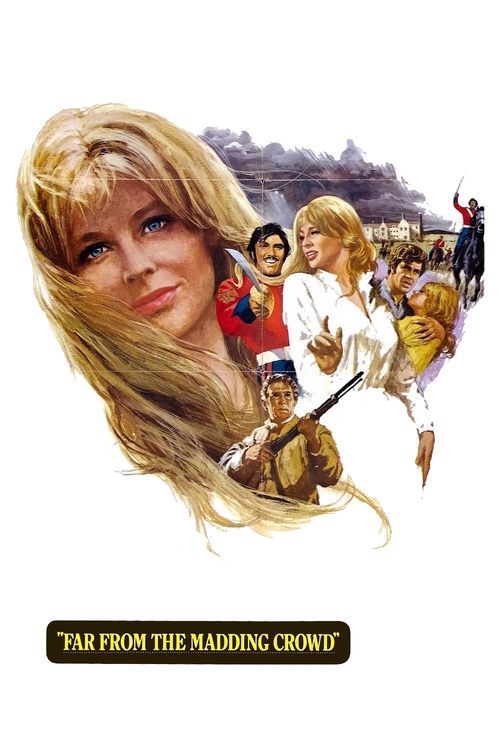
Far from the Madding Crowd
1967Bathsheba Everdine, a willful, flirtatious, young woman, unexpectedly inherits a large farm and becomes romantically involved with three widely divergent men.
Bates anchors this Thomas Hardy adaptation with a rugged, stoic reliability as the shepherd Gabriel Oak. He manages to command the screen through silent devotion and a grounded physical presence that transcends the traditional romantic lead.
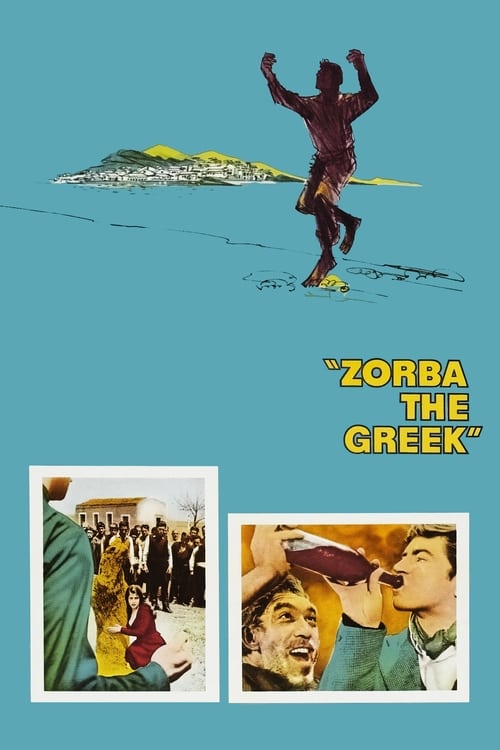
Zorba the Greek
1964An uptight English writer traveling to Crete on a matter of business finds his life changed forever when he meets the gregarious Alexis Zorba.
As the repressed English writer Basil, Bates provides a masterful study in kinetic contrast against Anthony Quinn's unrestrained energy. This role cemented his ability to project a nuanced inner life that slowly yields to the intoxicating chaos of the Mediterranean spirit.
Frequently Asked Questions
Everything you need to know about this list and SnakeDrafts
- Women in Love (1969) exemplifies Alan Bates' ability to portray complex characters, balancing sensuality and intellectual depth in a nuanced performance that captures the emotional turbulence of his character.
- Alan Bates was a pivotal figure in the British New Wave, bringing a visceral intensity and fluid intelligence to his roles in films like A Kind of Loving (1962), which challenged traditional stoicism and highlighted contemporary social realities.
- Far from the Madding Crowd (1967) features Alan Bates in a memorable period drama role, where he immerses himself in the historical and romantic complexities of Thomas Hardy's classic story.
- The Sum of All Fears (2002) is a notable thriller in which Alan Bates contributes to the tense and gripping narrative, showcasing his ability to adapt to Hollywood-style action and drama.
- The Go-Between (1971) perfectly encapsulates themes of social change and personal conflict, with Alan Bates delivering a poignant and restrained performance in this evocative drama.
- In Gosford Park, Alan Bates is part of an ensemble cast in a layered drama and mystery, where his subtle portrayal adds to the film’s intricate depiction of British class dynamics and suspense.
- Yes, Alan Bates played a prominent role in Hamlet (1990), directed by Franco Zeffirelli, where his classical training and dramatic intensity shine in this historical drama adaptation.
- Nothing Like a Dame (2018) is a documentary that features Alan Bates in archival footage, offering a glimpse into his off-screen personality and his impact on British culture and cinema.