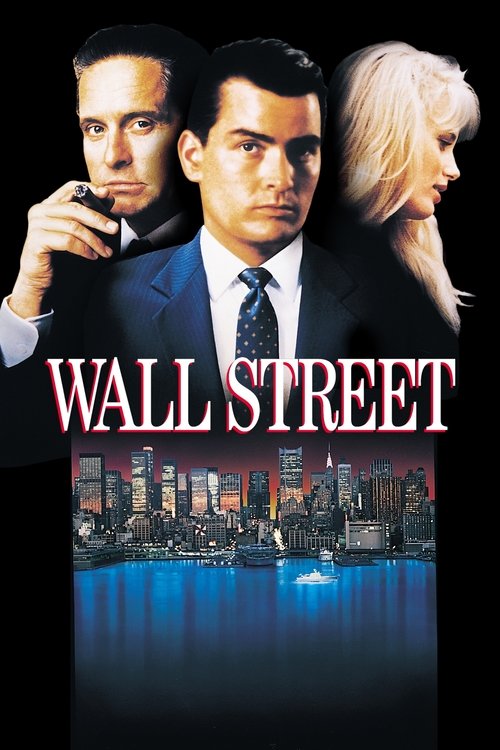
Wall Street
Step into the cutthroat world of 1980s finance where ambition, greed, and power collide in Oliver Stone's iconic drama, "Wall Street." This gripping film explores the seductive allure of wealth and the moral compromises made in its pursuit, offering a timeless critique of corporate excess.
Director
Release Year
1987
Runtime
126 minutes
Main Cast
Michael Douglas, Charlie Sheen, Martin Sheen, Daryl Hannah, John C. McGinley
About Wall Street
Oliver Stone's "Wall Street" ripped through the 1987 cinematic landscape like a ticker-tape machine gone wild, forever etching the phrase "Greed, for lack of a better word, is good" into the cultural lexicon. Released just weeks after a major stock market crash, the film not only captured the zeitgeist of the era's unbridled capitalism but also served as a prescient warning about the dangers of unchecked avarice. It became a touchstone for understanding the era's financial ethos, influencing everything from business school discussions to pop culture references about corporate ambition.
At its core, "Wall Street" follows Bud Fox (Charlie Sheen), a hungry young stockbroker who dreams of making it big. He apprentices himself to the legendary, ruthless corporate raider Gordon Gekko (Michael Douglas), a man whose philosophy of "greed is good" becomes Bud's guiding principle. The film meticulously details Bud's ascent, showcasing the intoxicating thrill of insider trading and the high-stakes world of corporate takeovers, all while subtly building the moral dilemma that will eventually confront him. The plot masterfully weaves personal ambition with systemic corruption, highlighting the seductive power of wealth and the often-blurred lines of legality and ethics in the pursuit of it.
Upon its release, "Wall Street" garnered significant critical acclaim, particularly for Michael Douglas's electric performance as Gordon Gekko, which earned him an Academy Award for Best Actor. Critics praised Stone's sharp direction, the film's intelligent screenplay, and its timely exploration of contemporary issues. While some found its moralizing heavy-handed, most recognized its profound impact and its ability to provoke thought about the financial world. Its influence extended beyond the box office, sparking debates and becoming a cautionary tale cited in discussions about corporate ethics and responsibility.
The film's legacy endures, with Gordon Gekko remaining one of cinema's most iconic villains, a symbol of capitalist excess and unyielding ambition. "Wall Street" continues to resonate, not just as a period piece of the 1980s, but as a timeless examination of human nature's darker impulses when confronted with immense power and opportunity. Its themes of morality, integrity, and the corrupting influence of greed remain as relevant today as they were over three decades ago, making it a perennial subject of study and discussion in film schools and business ethics courses alike.
Drafts Featuring Wall Street
Every SnakeDrafts listicle where this movie appears
The Best Martin Sheen Movies Ranked
Ranked #6
The Best Charlie Sheen Movies Ranked
Ranked #2
The Best Michael Douglas Movies Ranked
Ranked #1
The Best James Spader Movies: A Career-Defining Filmography Ranking
Ranked #8
Every Daryl Hannah Movie Ranked
Ranked #7
The Definitive Ranking of Sean Young Movies
Ranked #5
Best Movies Directed by Oliver Stone
Ranked #4
Best Movies of 1987
Ranked #5
The Best Crime Movies of 1987, Ranked
Ranked #3
The Best Terence Stamp Films Ranked
Ranked #7
Similar Movies
Movies related to Wall Street
Frequently Asked Questions
Everything you need to know about Wall Street
- The main theme of Wall Street (1987) revolves around greed, ambition, and the moral dilemmas faced by those involved in the high-stakes world of stock trading. It explores how the pursuit of wealth can lead to ethical compromises and personal downfall.
- Bud Fox starts as an eager and ambitious young stockbroker who is willing to compromise his ethics to succeed. Over the course of the film, he grapples with the consequences of his choices and ultimately must decide between loyalty to wealth and integrity.
- Gordon Gekko is a ruthless and wealthy corporate raider who mentors Bud Fox. He represents the cutthroat aspects of Wall Street and often delivers the film's iconic messages about capitalism and greed.
- Insider trading is depicted as both a lucrative and dangerous practice that drives the storyline. The film shows the illegal nature of trading on non-public information and its consequences, highlighting the ethical and legal risks involved.
- Wall Street had a significant impact by popularizing phrases like 'Greed is good' and influencing public perception of the financial industry. It brought critical attention to corporate ethics and became a cultural reference point for discussions on capitalism.
- Yes, one of the most memorable quotes is Gordon Gekko’s 'Greed, for lack of a better word, is good.' This line encapsulates the film’s provocative take on the motivation behind the pursuit of wealth.
- The relationship is complex, with Gekko acting as a mentor who both guides and exploits Bud. Their dynamic illustrates the seductive and corrupting influence of power and money in the business world.
- The film raises questions about the moral boundaries of business practices, the consequences of prioritizing profit over people, and the impact of unchecked ambition. It encourages viewers to reflect on the cost of success in a capitalist society.

