Top Wes Craven Directed Movies Ranked
The Master of Horror and Meta Slasher Cinema
Explore the definitive filmography of Wes Craven, the visionary director behind iconic horror hits like Scream and A Nightmare on Elm Street.
About Wes Craven
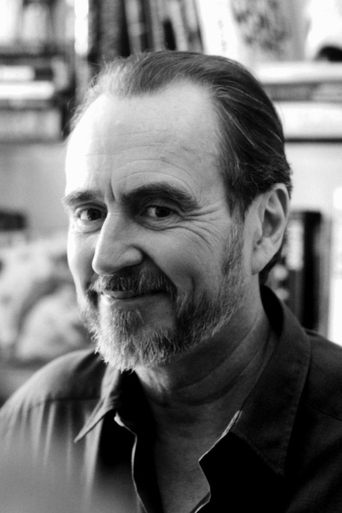
Wes Craven did not just enjoy scaring people; he wanted to understand why we feel the need to be scared in the first place. Often described as the soft spoken intellectual of the horror genre, he brought a scholarly curiosity to the business of nightmares. Before he ever picked up a camera, he was a teacher of humanities, and that academic background bled into every frame of his work. While his contemporaries were busy crafting mindless slashers, he was dismantling the mechanics of fear, interrogating the thin membrane between our waking lives and our darkest subconscious impulses.
His arrival on the scene with The Last House on the Left and The Hills Have Eyes signaled a shift toward a more confrontational, grittier style of cinema. These early works stripped away the gothic camp of old Hollywood horror, replacing it with a jagged, visceral reality that reflected the social anxieties of the seventies. He understood that the real monsters were not caped counts, but rather the capacity for cruelty hidden within nuclear families and polite society. This preoccupation with the darkness beneath the surface defined his career, yet he never stayed in one lane for long. He could pivot from the psychological dread of the Haitian revolution in The Serpent and the Rainbow to the sleek, claustrophobic tension of the high altitude thriller Red Eye with an effortless command of pacing.
It was in 1984 that he truly rewrote the rules of the genre with A Nightmare on Elm Street. By creating Freddy Krueger, he weaponized the one place where no one is safe: sleep. The film remains a masterclass in surrealism, blending practical effects and dream logic to create an atmosphere that felt both expansive and suffocating. Even when the franchise leaned into comedy, his original vision remained rooted in the idea that trauma ripples through generations. He eventually turned the lens back on his own creation with New Nightmare, a meta textual experiment that blurred the lines between the actors and the fiction they inhabited. It was a daring move that foreshadowed his later obsession with self awareness.
That reflexive genius reached its zenith with Scream. By teaming up with writer Kevin Williamson, he essentially invented the modern post modern horror movie. He took the tropes he helped create and invited the audience to laugh at them, even as he was tightening the noose. The Ghostface saga, spanning from the original masterpiece through Scream 2 and Scream 4, proved he could balance wit with genuine terror. He made it cool to be smart. He proved that a horror audience could handle references to film theory while hiding behind their popcorn.
Beyond the blood and masks, he possessed a surprising emotional range. Taking a detour to direct Music of the Heart earned him critical acclaim in a completely different arena, proving his technical skill was not limited to jump scares. Yet, he always returned to the weird and the provocative. Whether exploring urban decay in The People Under the Stairs, the fusion of technology and the soul in Shocker, or the bizarre genre mashup of Vampire in Brooklyn, he remained a filmmaker who refused to be bored. He viewed the screen as a mirror, forcing us to look at the parts of ourselves we would rather keep in the dark. He did not just direct movies; he mapped the geography of the American psyche, leaving behind a legacy that continues to haunt every filmmaker who dares to turn out the lights.
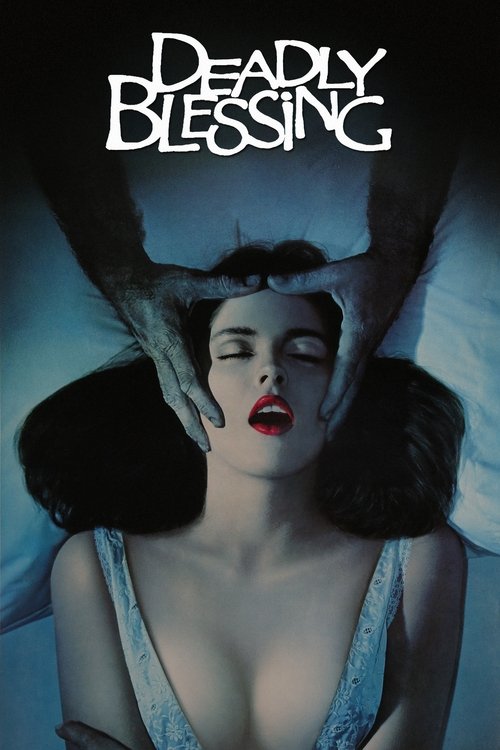
Deadly Blessing
1981When a former member of a religious cult dies in a mysterious accident, Martha, who now lives alone and close to the cult's church, begins to fear for her life and the lives of her visiting friends.
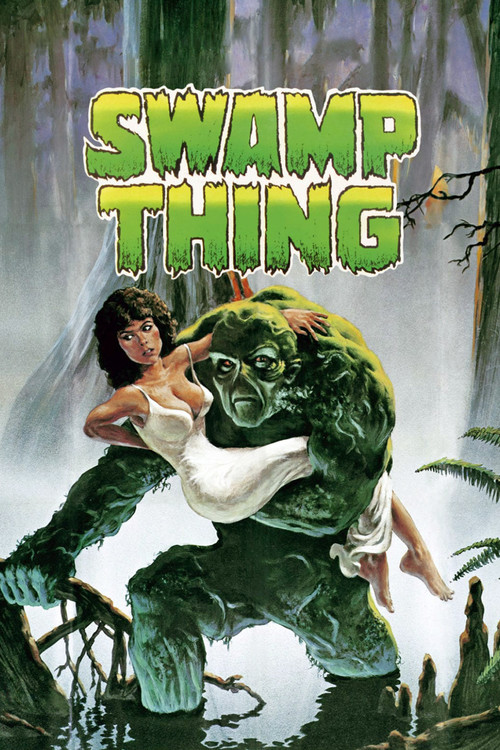
Swamp Thing
1982Mutated by his own secret formula, Dr. Alec Holland becomes Swamp Thing; a half-human, half-plant superhero who will stop at nothing to rescue government agent Alice Cable and defeat his evil arch nemesis...Even if it costs him his life.
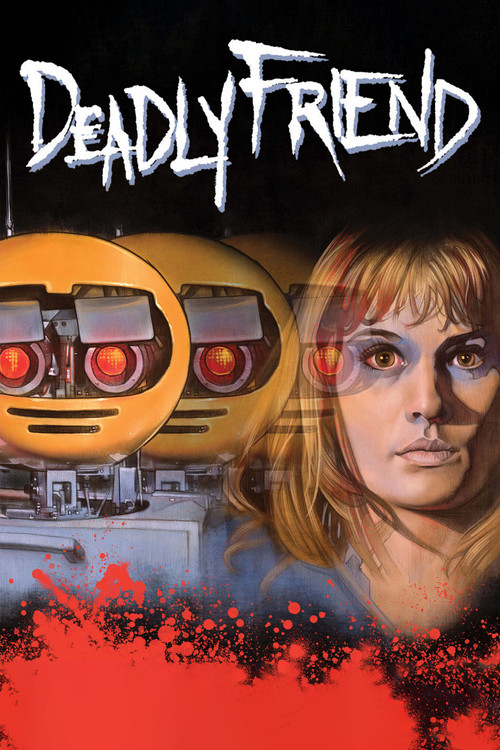
Deadly Friend
1986When tragedy strikes his remarkable robot and the beautiful girl next door, lonely teenage genius Paul tries to save them by pushing technology beyond its known limits into a terrifying new realm.
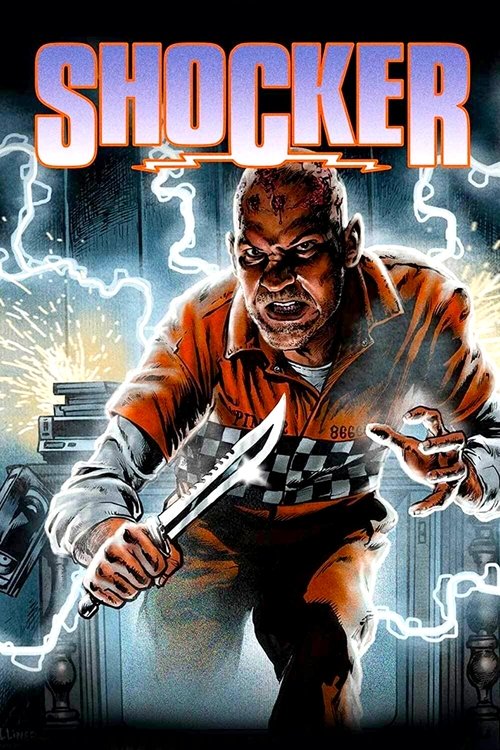
Shocker
1989About to be electrocuted for a catalog of heinous crimes, the unrepentant Horace Pinker transforms into a terrifying energy source. Only young athlete Jonathan Parker, with an uncanny connection to him through bizarre dreams, can fight the powerful demon.
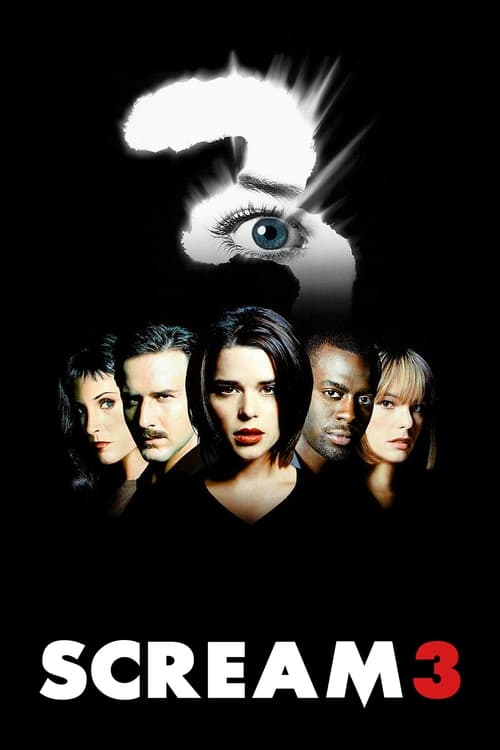
Scream 3
2000As bodies begin dropping around the Hollywood set of STAB 3, the third film based on the gruesome Woodsboro killings, Sidney and other survivors are once again terrorized by another Ghostface killer.
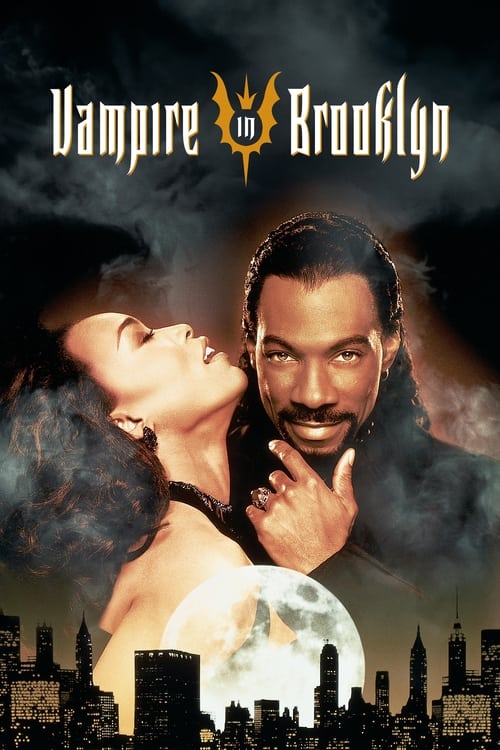
Vampire in Brooklyn
1995Detective Rita Veder is assigned to a baffling serial murder case. After examining the crime scene — a corpse-filled ship found adrift at sea — she meets Maximilian, a smooth-talking Caribbean playboy determined to romance her.
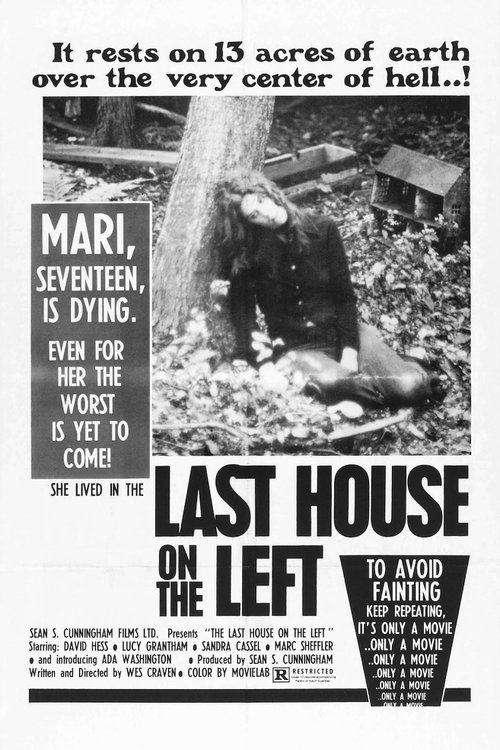
The Last House on the Left
1972On the eve of her 17th birthday, Mari and friend Phyllis set off from her family home to attend a rock concert in the city. Attempting to score some drugs on the way, the pair run afoul of a group of vicious crooks, headed up by the sadistic Krug.
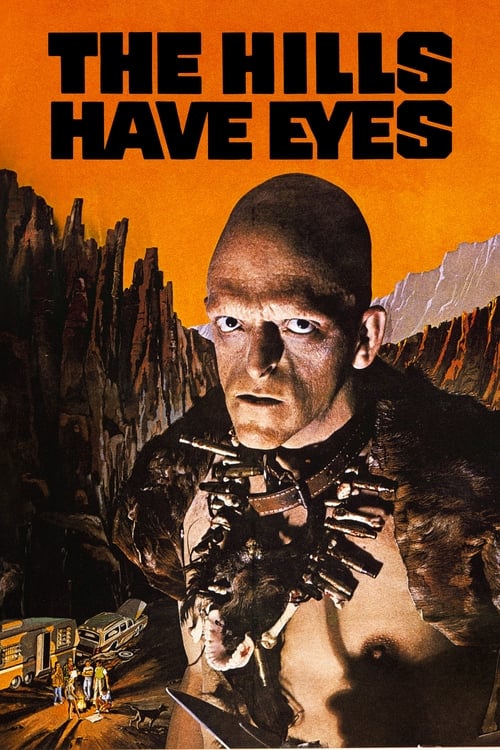
The Hills Have Eyes
1977Taking an ill-advised detour en-route to California, the Carter family soon run into trouble when their RV breaks down in the middle of the desert. Stranded, they find themselves at the mercy of monstrous cannibals lurking in the surrounding hills.
This raw, uncompromising exercise in survivalist dread remains Craven's most primal contribution to the landscape of American independent cinema. By stripping away all social pretenses, he forced audiences to confront the inherent savagery hidden within the nuclear family unit, setting a grueling template for the decades of grit that followed.
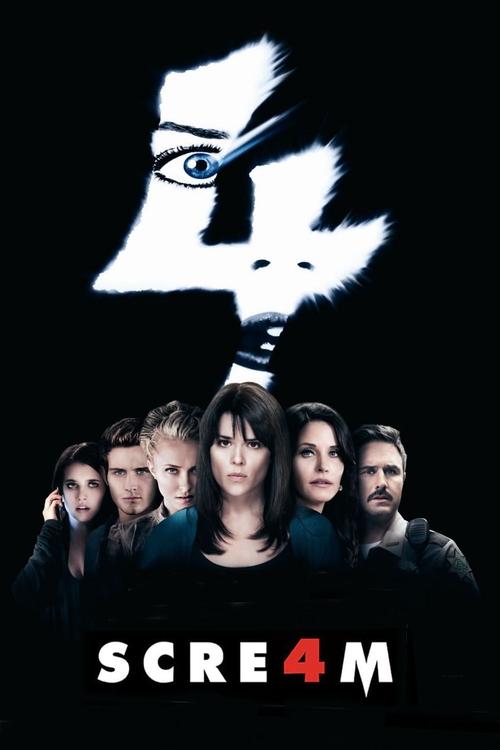
Scream 4
2011Fifteen years after the original Woodsboro murders, Sidney Prescott returns home to promote her new book about surviving trauma, only for a new Ghostface killer to emerge, targeting a new group of teens.
Returning to his most famous playground after a decade of silence, Craven provided a prophetic look at the desperate pursuit of digital fame and the cannibalistic nature of modern remakes. His direction here is sharp and cynical, offering a final, biting commentary on the genre he helped build and eventually outpaced.
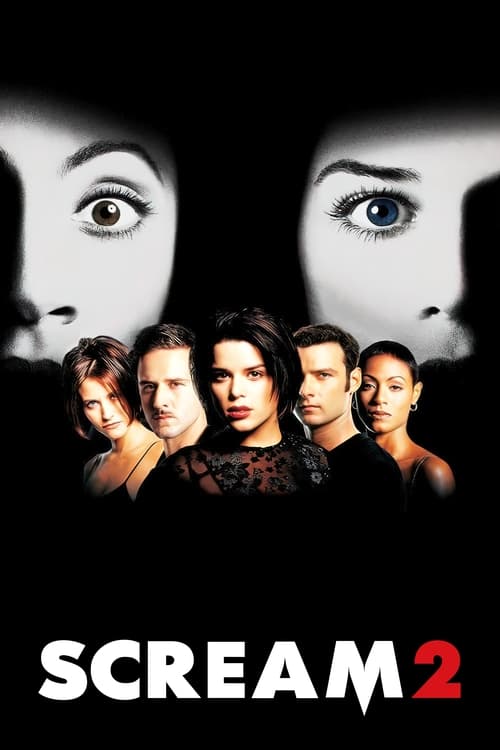
Scream 2
1997Two years after the Woodsboro murders, Sidney Prescott acclimates to college life while someone donning the Ghostface costume begins a new string of killings.
Avoiding the typical pitfalls of the follow-up, Craven weaponized the concept of the sequel itself to examine the cycle of media-induced violence and public obsession. The film maintains the kinetic energy of the original while expanding its satirical scope, cementing his legacy as a filmmaker who refused to repeat himself without a thesis.
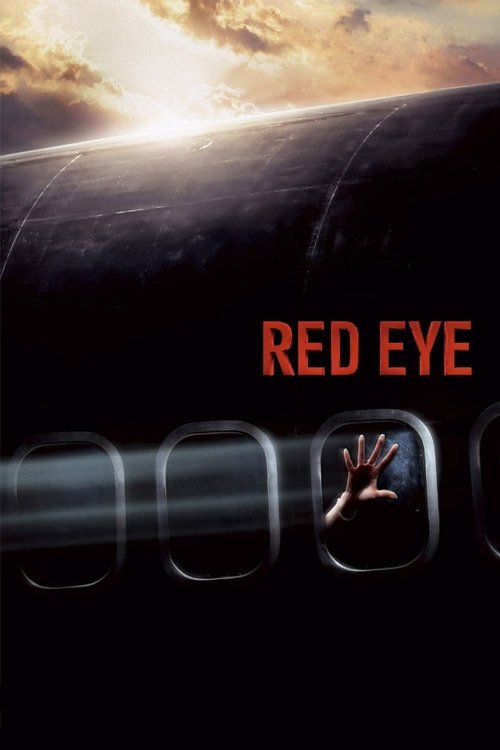
Red Eye
2005An overnight flight to Miami quickly becomes a battle for survival when Lisa realizes her seatmate plans to use her as part of a chilling assassination plot against the Deputy Secretary of Homeland Security. If she refuses to cooperate, her own father will be killed. As the miles tick by, she's in a race against time to find a way to warn the potential victims before it's too late.
In this lean, mid-budget marvel, Craven exhibits a Hitchcockian precision by generating immense suspense within the static, confined geometry of an airplane cabin. It is a masterful display of economic storytelling, stripping away supernatural artifice to focus purely on the predatory dynamics of human interaction.
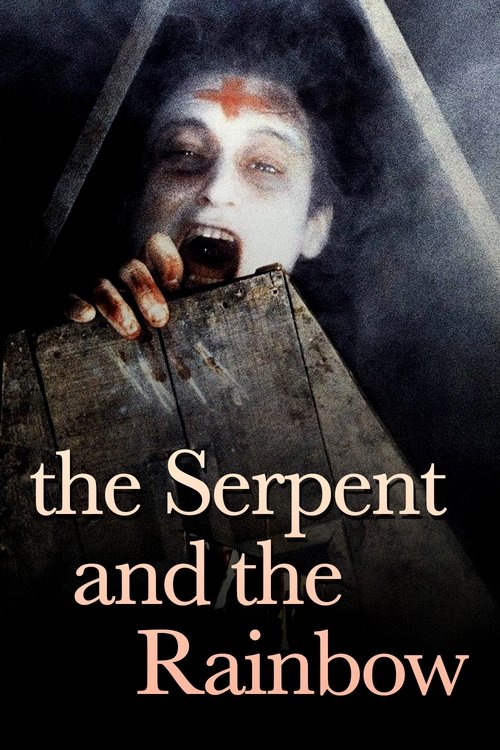
The Serpent and the Rainbow
1988A Harvard anthropologist is sent to Haiti to retrieve a strange powder that is said to have the power to bring human beings back from the dead. In his quest to find the miracle drug, the cynical scientist enters the rarely seen netherworld of walking zombies, blood rites and ancient curses. Based on the true life experiences of Wade Davis and filmed on location in Haiti, it's a frightening excursion into black magic and the supernatural.
A hallucinatory blend of political thriller and ethnographic horror, this film showcases Craven's fascination with the permeability of the human psyche. His direction leans into a gritty, documentary-style dread that distinguishes itself from his more stylized slasher work through its grounded, claustrophobic depiction of external and internal terrors.

Music of the Heart
1999After Roberta Guaspari separates from her husband, she receives encouragement from her mother to take up a job of a music teacher at the Central Park East School in East Harlem.
Moving entirely outside his comfort zone, Craven demonstrated a surprising mastery of classical sentiment and disciplined emotional pacing in this earnest prestige drama. This departure serves as a testament to his versatile technical craft, proving his directorial voice could thrive even when stripped of blood and shadows.
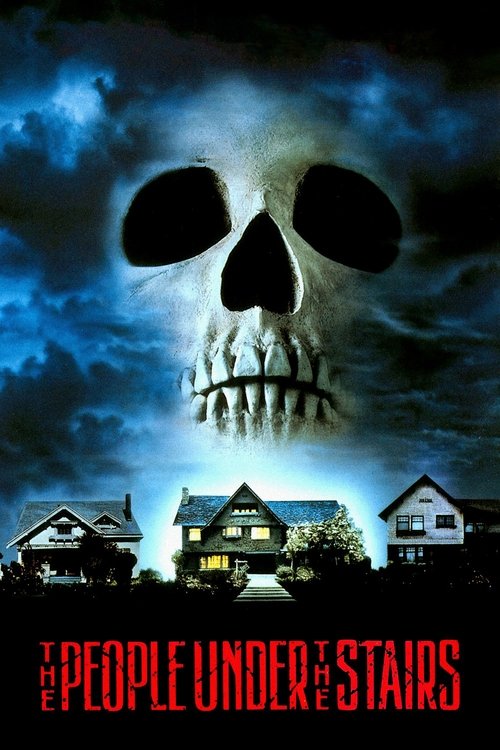
The People Under the Stairs
1991Trapped inside a fortified home owned by a mysterious couple, a young boy quickly learns the true nature of the homicidal inhabitants, and secret creatures hidden deep within the walls.
Craven utilizes a claustrophobic, fairy-tale structure to deliver a scathing indictment of American class warfare and systemic rot. It is a singular entry in his body of work that balances cartoonish grotesque with a jagged, political urgency, proving his ability to find monsters in the architecture of urban decay.
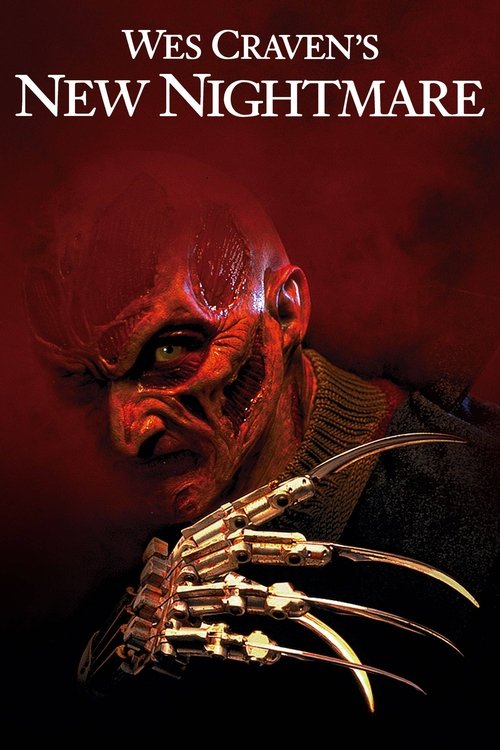
Wes Craven's New Nightmare
1994A demonic force has chosen Freddy Krueger as its portal to the real world. Can Heather Langenkamp play the part of Nancy one last time and trap the evil trying to enter our world?
Years before the mainstreaming of meta-fiction, Craven turned his camera inward to explore the psychological toll of horror authorship and the parasitic nature of icons. This sophisticated exercise in self-reflexivity salvaged a stagnating franchise by treating the relationship between creator and creation with somber, intellectual maturity.
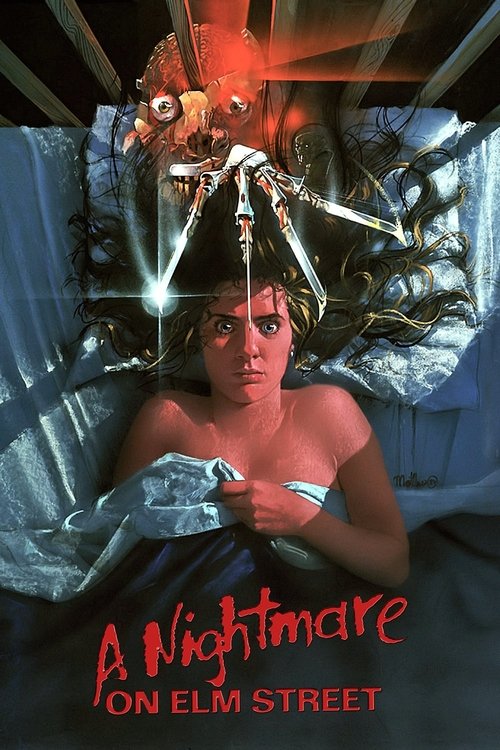
A Nightmare on Elm Street
1984Teenagers in a small town are dropping like flies, apparently in the grip of mass hysteria causing their suicides. A cop's daughter, Nancy Thompson, traces the cause to child molester Fred Krueger, who was burned alive by angry parents many years before. Krueger has now come back in the dreams of his killers' children, claiming their lives as his revenge. Nancy and her boyfriend, Glen, must devise a plan to lure the monster out of the realm of nightmares and into the real world...
By collapsing the boundary between subconscious vulnerability and physical peril, Craven pioneered a surrealist approach to the supernatural slasher that remains unparalleled in its imaginative cruelty. This film solidified his status as a visionary architect of modern folklore, forever tethering our deepest anxieties to the safety of the domestic bedroom.
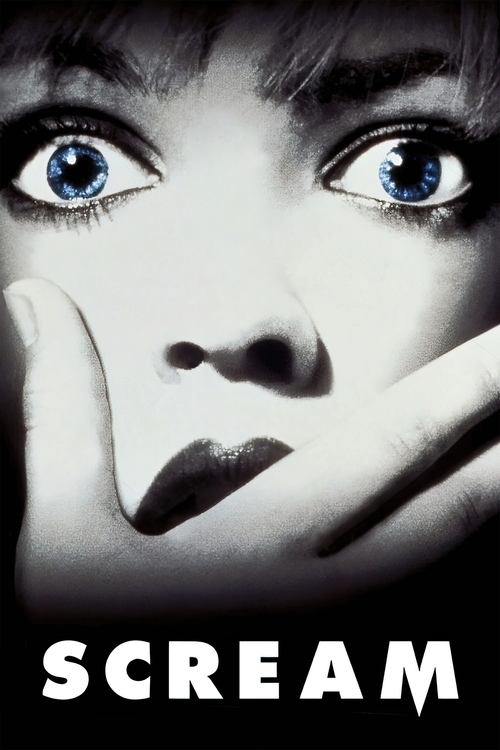
Scream
1996A year after the murder of her mother, a teenage girl is terrorized by a masked killer who targets her and her friends by using scary movies as part of a deadly game.
Wes Craven effectively reinvented the genre with this surgical deconstruction of slasher tropes, managing to be both a chilling exercise in tension and a witty interrogation of cinematic literacy. It stands as his definitive masterpiece, proving that horror could be intellectually rigorous while remaining visceral and populist.
Frequently Asked Questions
Everything you need to know about this list and SnakeDrafts
- Wes Craven's New Nightmare (1994) is renowned for its innovative approach, blending horror, mystery, and fantasy to explore the meta-narrative of the horror genre by featuring the actors and characters reflecting on the impact of their roles in real life.
- The People Under the Stairs (1991) stands out for its unique blend of horror and dark comedy, using social commentary and satire to approach themes of fear and survival, which is a departure from the mostly straightforward horror tone in Craven's other films.
- A recurring theme in Craven's horror movies such as A Nightmare on Elm Street and The Hills Have Eyes is the exploration of fear as a psychological and physical experience, often featuring vulnerable characters facing seemingly unstoppable antagonists in terrifying scenarios.
- Music of the Heart (1999) is a notable departure for Wes Craven, spotlighting a heartfelt drama about a music teacher's inspiring journey, showcasing his versatility beyond the horror genre.
- Suspense is a critical element in Craven's thrillers like Red Eye and Shocker, where he skillfully builds tension through tightly paced narratives, unpredictable plot twists, and high-stakes scenarios that keep audiences engaged and on edge.
- Wes Craven often intertwines social commentary in films like The People Under the Stairs, using horror as a lens to address themes such as class disparity, family dysfunction, and societal fear, adding depth to the scares and enriching the narrative.
- Yes, the Scream sequels continue Wes Craven's influential exploration of horror tropes and self-aware storytelling, reinforcing his legacy by evolving the genre with fresh narratives while maintaining the sharp suspense and mystery elements fans expect.

