Best Thriller Movies of 1979, Ranked
Classic Suspense and High Stakes Cinema
Explore the best suspenseful cinema from a landmark year. Discover gritty action, psychological tension, and cult favorites in our curated film guide.
About 1979 Thriller Movies
The year 1979 serves as a fascinating bridge in cinematic history. It was a moment when the gritty, cynical paranoia of seventies filmmaking began to collide with the high-concept polish that would define the eighties. As the decade drew to a close, the thriller genre found itself in a state of restless mutation. Directors were moving away from the sprawling political conspiracies inspired by Watergate and toward more intimate, visceral terrors that targeted the psyche and the home.
If you want to understand the landscape of 1979, you have to start with Ridley Scott and Alien. While often categorized strictly as science fiction, Alien is fundamentally a claustrophobic slasher film. It stripped away the optimism of space travel and replaced it with a blue-collar nightmare. By trapping a group of space truckers in a dark corridor with a relentless predator, Scott perfected the tension-delivery system. The film took the underlying dread of the seventies and projected it into the stars, proving that the vacuum of space was just as terrifying as a dark alley.
Back on Earth, the thriller was becoming increasingly interested in the vulnerabilities of modern life. Fred Barzyk and Richard Pearce gave us The China Syndrome, a film that felt disturbingly prophetic. It arrived in theaters just twelve days before the real-life Three Mile Island accident, turning a story about corporate malfeasance and nuclear disaster into an immediate national conversation. It was a masterclass in slow-burn anxiety, relying on the mounting realization that the systems meant to protect us were inherently flawed.
Meanwhile, Don Coscarelli released Phantasm, a dreamlike journey that blurred the lines between the supernatural and the psychological. While it leaned into horror, its structure was built on the suspense of early adolescence and the mounting fear of what happens when the local mortuary hides a cosmic secret. It represented a shift toward more imaginative, surrealist threats that challenged the audience to question their own perception of reality.
We also cannot overlook the influential simplicity of When a Stranger Calls. The opening twenty minutes of that film remains a textbook example of how to build unbearable suspense through nothing more than a telephone and a staircase. It tapped into a primal, domestic fear that the safety of the household was an illusion. This was the year where the intruder moved from the fringes of society directly into the living room.
In the international sphere, Werner Herzog gave us Nosferatu the Vampyre. Even though it was a remake of a silent classic, Herzog treated the material with a heavy, atmospheric dread that felt entirely contemporary. It was a thriller of the soul, focused on the inescapable nature of death and the exhaustion of evil.
As the year ended, it was clear that the thriller had evolved. It was no longer just about men in trench coats uncovering government secrets. It had become more diverse, more visual, and significantly more intense. The genre was moving toward the era of the blockbuster, yet it still retained that unmistakable seventies edge. The films of 1979 reminded us that whether the threat was a mutant organism, a nuclear meltdown, or a voice on the other end of the line, there was nowhere left to hide. The decade went out not with a whimper, but with a perfectly timed jump scare.
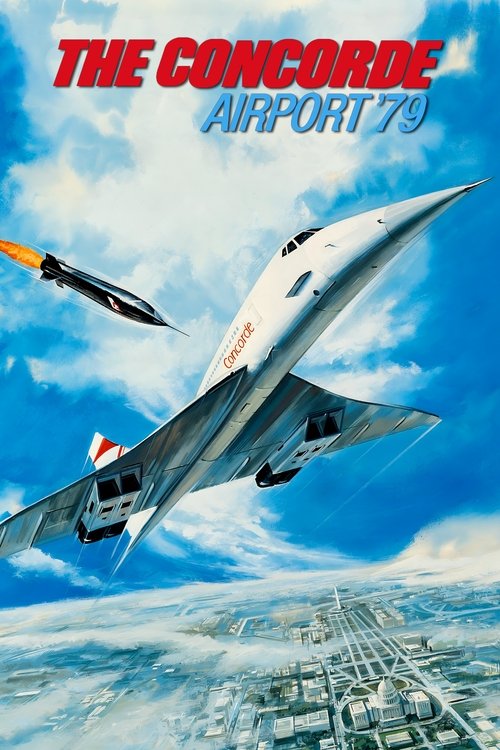
The Concorde... Airport '79
1979Aviation disaster-prone Joe Patroni must contend with nuclear missiles, the French Air Force and the threat of the plane splitting in two over the Alps.
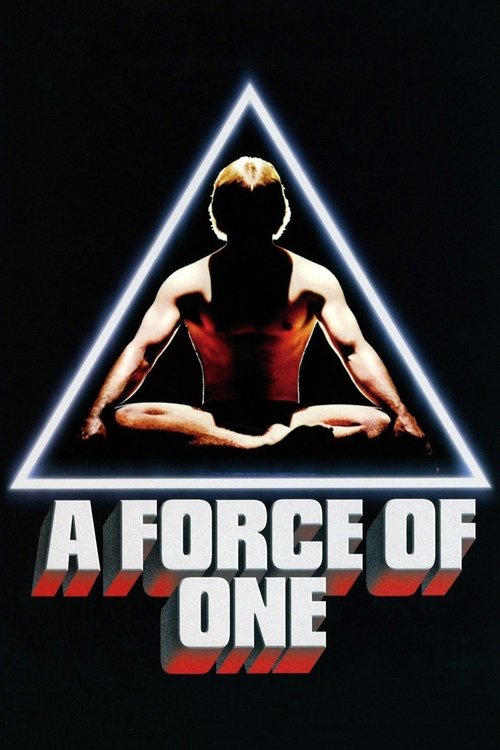
A Force of One
1979Karate champion Matt Logan is enlisted by the police to train officers in self-defense after narcotics agents are killed by an assailant using the martial arts.
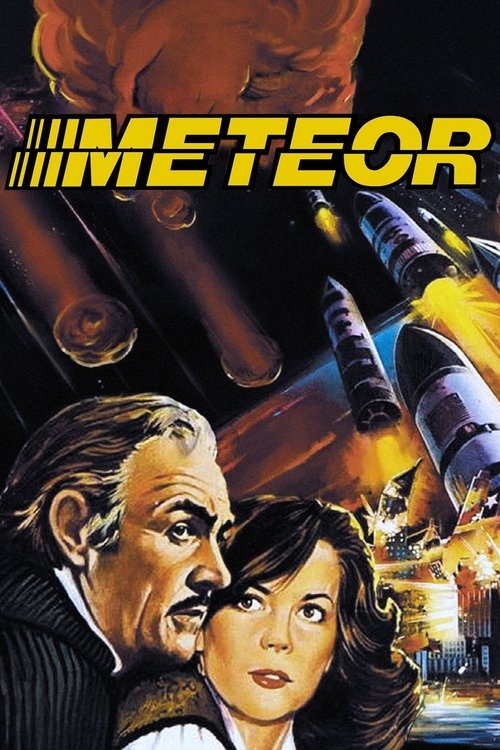
Meteor
1979After a collision with a comet, a nearly 8km wide piece of the asteroid "Orpheus" is heading towards Earth. If it hits it will cause an incredible catastrophe which will probably extinguish mankind. To stop the meteor NASA wants to use the illegal nuclear weapon satellite "Hercules" but discovers soon that it doesn't have enough firepower. Their only chance to save the world is to join forces with the USSR who have also launched such an illegal satellite. But will both governments agree?
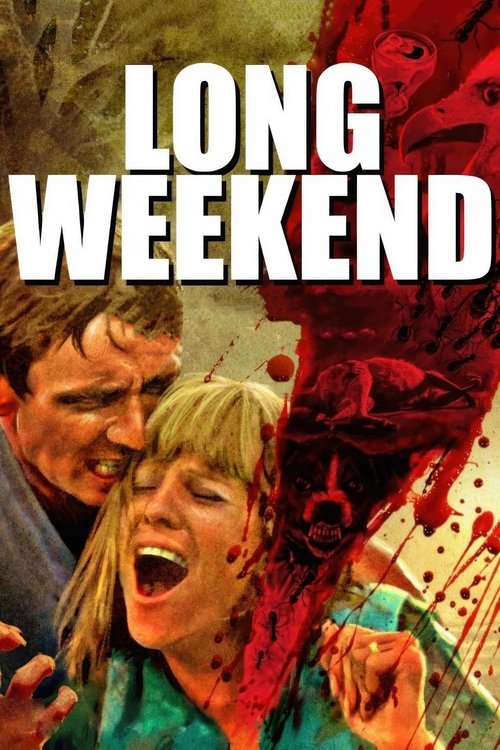
Long Weekend
1979When a suburban couple goes camping for the weekend at a remote beach, they discover that nature isn't in an accommodating mood.
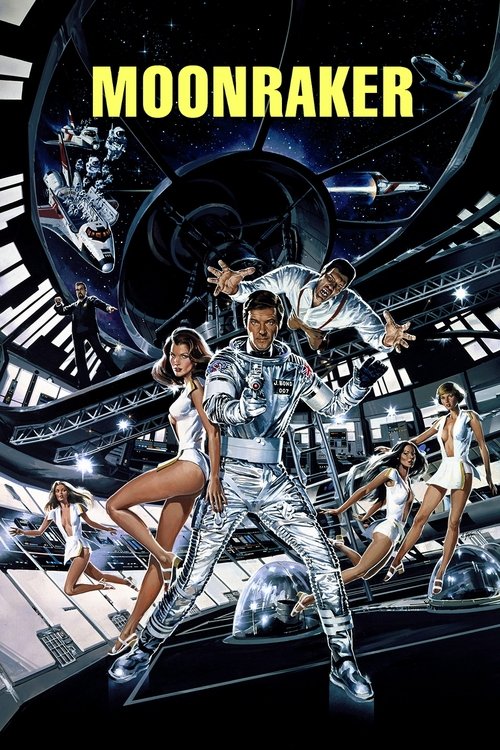
Moonraker
1979After Drax Industries' Moonraker space shuttle is hijacked, secret agent James Bond is assigned to investigate, traveling to California to meet the company's owner, the mysterious Hugo Drax. With the help of scientist Dr. Holly Goodhead, Bond soon uncovers Drax's nefarious plans for humanity, all the while fending off an old nemesis, Jaws, and venturing to Venice, Rio, the Amazon...and even outer space.
While leaning into the spectacle of the era, this installment maintains tension through its grandiose set pieces and some of the most intricate stunt choreography in the franchise. It represents the pinnacle of the high-budget global pursuit, blending technological anxiety with sheer cinematic audacity.
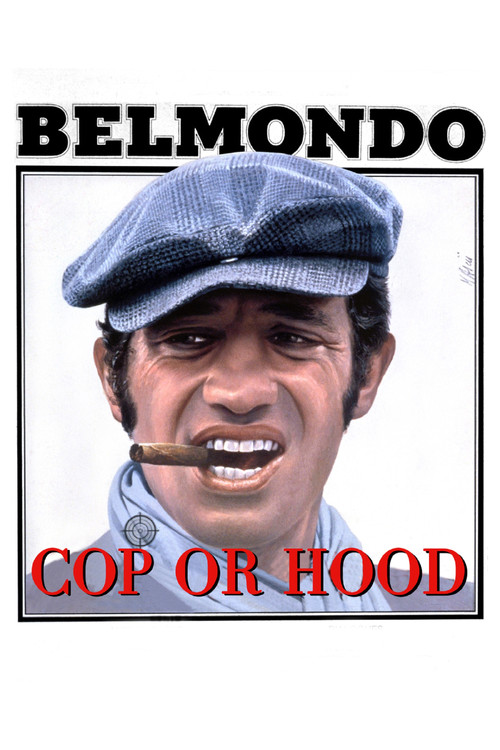
Cop or Hood
1979When the local police inspector was found dead in a prostitute's house, police division commissioner Stan Borowitz is sent to investigate the situation. Posing as the prostitute's long-lost brother "Antonio Cerruti," he discovers a mare's nest of police corruption. In fact, in this comedy thriller the whole town is corrupt. If they were closely examined, Stan's methods for pursuing this investigation might embarrass the police. For instance, he drives into a criminal's house in a fancy, expensive race car. In another incident, he callously blows up a casino owned by Musard , one of the town's crime bosses. On that occasion, he first forces Musard to remove his clothes, and the poor criminal watches his casino explode from across the square while standing naked in a phone booth. Meanwhile, Stan seduces the lovely Edmonde.
This stylish French police thriller thrives on the charismatic friction between its lead’s unorthodox methods and the rigid corruption of the underworld. It is a sleek, rhythmic exercise in pulp bravado that balances gritty action with a sophisticated Gallic charm.

I... for Icarus
1979Following the assassination of President Marc Jarry, a member of the investigation committee refuses to sign off on the committee's final findings.
A chilling, cerebral exploration of political assassination that uses a fictional setting to dissect the mechanics of state-sponsored violence. Its cold, analytical gaze into the psychology of obedience makes it one of the most intellectually demanding thrillers of the decade.
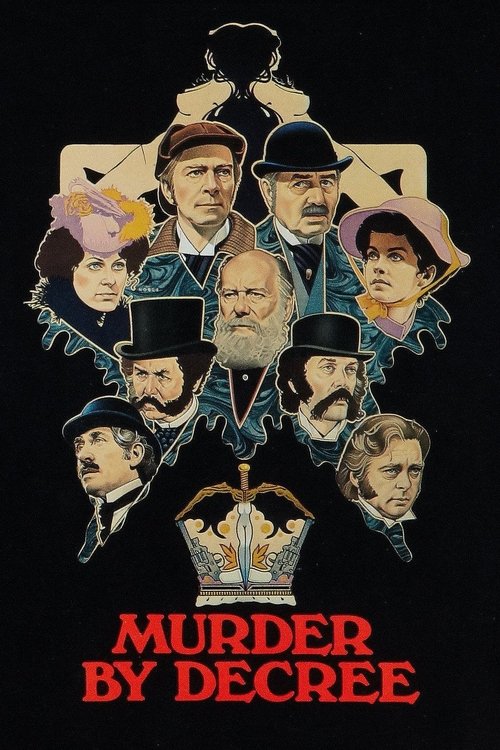
Murder by Decree
1979Sherlock Holmes is drawn into the case of Jack the Ripper, who is killing prostitutes in London's East End. Assisted by Dr. Watson, and using information provided by a renowned psychic, Robert Lees, Holmes finds that the murders may have their roots in a Royal indiscretion and that a cover-up is being managed by politicians at the highest level, all of whom happen to be Masons.
By pitting Sherlock Holmes against the stark brutality of Jack the Ripper, this atmospheric production elevates the standard whodunit into a haunting conspiracy piece. It excels through its fog-drenched production design and a pervasive sense of Victorian political rot.
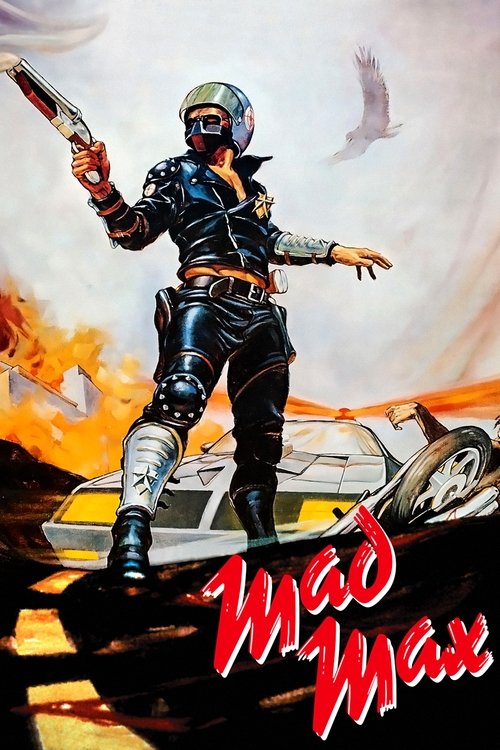
Mad Max
1979In the ravaged near-future, a savage motorcycle gang rules the road. Terrorizing innocent civilians while tearing up the streets, the ruthless gang laughs in the face of a police force hell-bent on stopping them.
George Miller’s debut is a raw, high-octane explosion of kinetic energy that redefined the revenge thriller through its visceral stunt work and desolate atmosphere. It captures a society on the brink of collapse with a feral intensity that feels dangerously authentic.
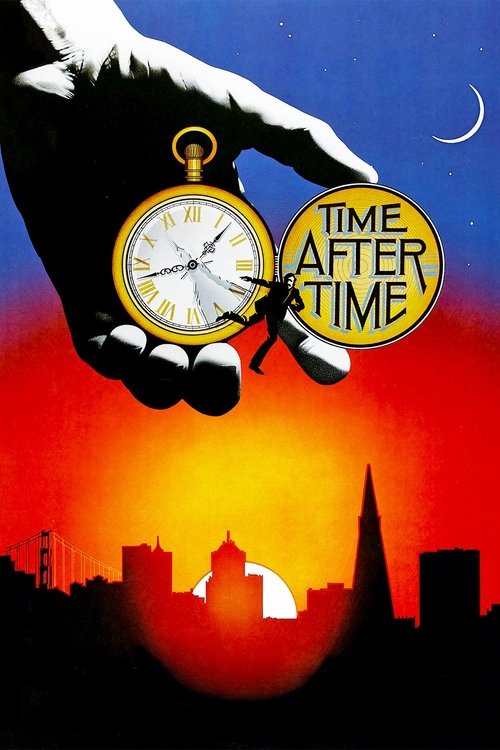
Time After Time
1979Writer H. G. Wells pursues Jack the Ripper to modern day San Francisco after the infamous serial killer steals his time machine to escape the 19th century.
This clever cross-genre experiment injects a sophisticated sense of urgency into the Victorian thriller by transplanting historical terror into a cynical modern landscape. The pursuit feels remarkably high-stakes thanks to the sharp contrast between 19th-century idealism and 20th-century cruelty.
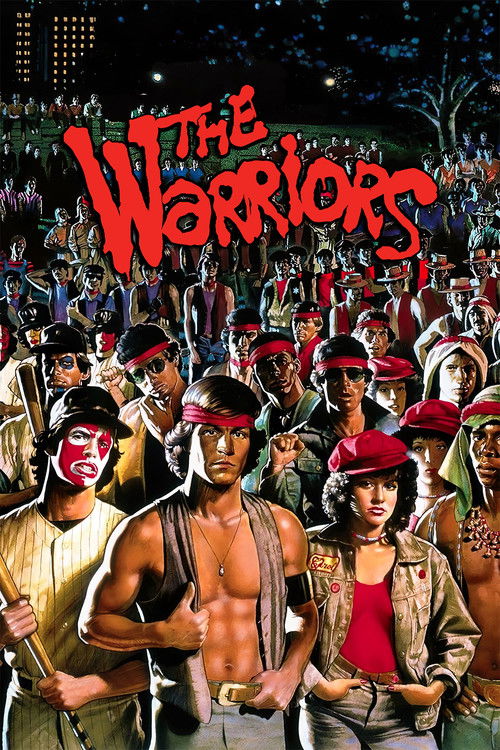
The Warriors
1979Prominent gang leader Cyrus calls a meeting of New York's gangs to set aside their turf wars and take over the city. At the meeting, a rival leader kills Cyrus, but a Coney Island gang called the Warriors is wrongly blamed for Cyrus' death. Before you know it, the cops and every gangbanger in town is hot on the Warriors' trail.
Walter Hill transforms the New York subway system into a neon-soaked odyssey of stylized tribal warfare and propulsive movement. This hyper-kinetic survival story stands out for its unique blend of comic book aesthetics and grim, kinetic street grit.
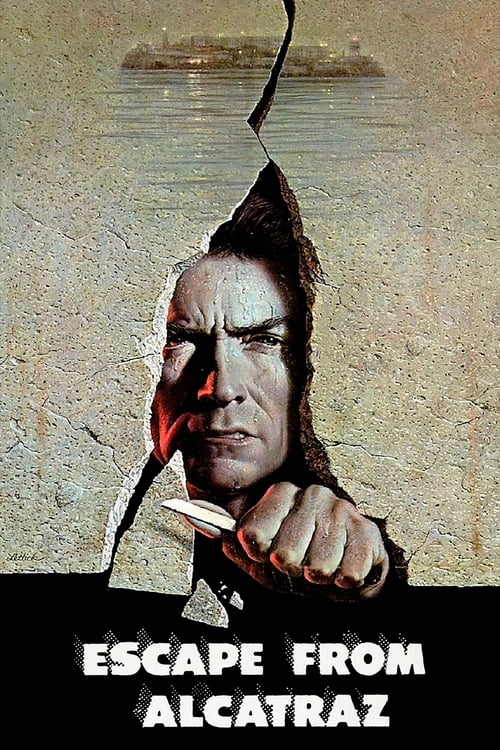
Escape from Alcatraz
1979San Francisco Bay, January 18, 1960. Frank Lee Morris is transferred to Alcatraz, a maximum security prison located on a rocky island. Although no one has ever managed to escape from there, Frank and other inmates begin to carefully prepare an escape plan.
Don Siegel delivers a stark, minimalist procedural that finds immense tension in the tactile details of concrete and cold steel. The film eschews melodrama for a calculated, rhythmic intensity that mirrors the discipline of the escape itself.
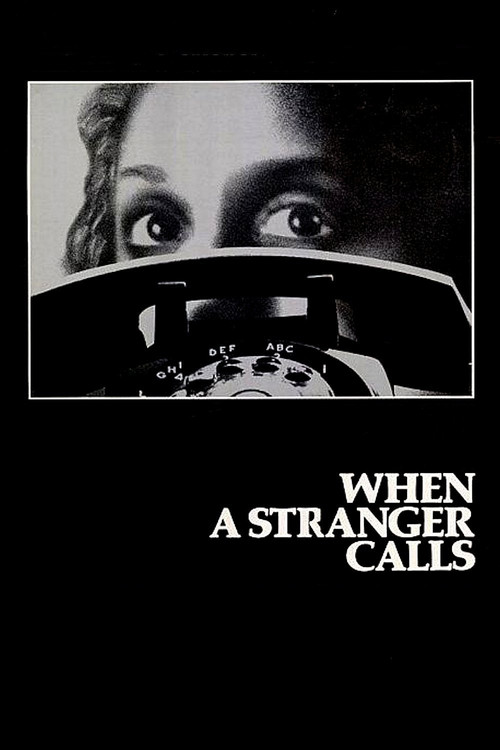
When a Stranger Calls
1979A student babysitter has her evening disturbed when the phone rings. So begins a series of increasingly terrifying and threatening calls that lead to a shocking revelation.
The opening twenty minutes serve as a masterclass in domestic vulnerability, weaponizing the simple ringing of a telephone to transform a suburban home into a claustrophobic trap. It remains an essential cornerstone of the urban legend subgenre for its relentless psychological harassment.
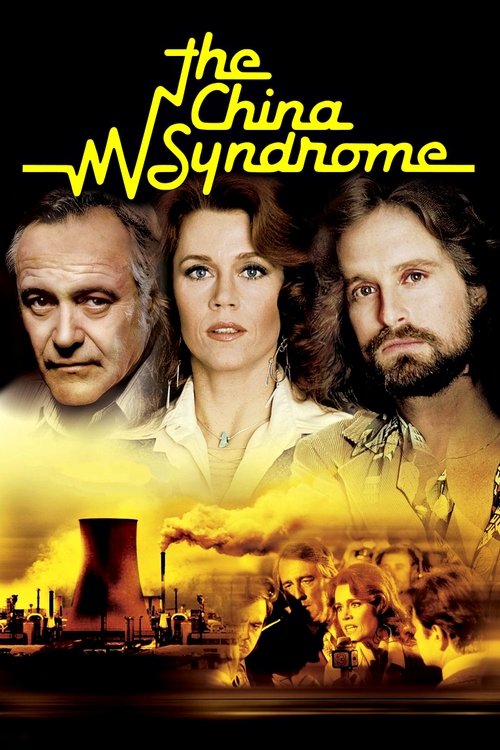
The China Syndrome
1979While doing a series of reports on alternative energy sources, opportunistic reporter Kimberly Wells witnesses an accident at a nuclear power plant. Wells is determined to publicize the incident, but soon finds herself entangled in a sinister conspiracy to keep the full impact of the incident a secret.
A masterpiece of mounting dread, this prophetic exercise in corporate negligence captures the terrifying friction between investigative journalism and industrial obfuscation. Its clinical, quiet approach to a nuclear meltdown remains the definitive portrait of institutional panic.
Frequently Asked Questions
Everything you need to know about this list and SnakeDrafts
- The thriller films of 1979 often explore psychological tension, gritty crime, and existential dread, reflecting the era's shift from political conspiracy plots to more personal and visceral storytelling as seen in movies like "The China Syndrome" and "When a Stranger Calls."
- "Escape from Alcatraz" exemplifies the 1979 thriller with its intense, true-story-based narrative focusing on suspense and determination, blending elements of drama and crime, thereby capturing the decade's fascination with gritty realism and high-stakes tension.
- Yes, films such as "Time After Time" and "Mad Max" blend science fiction with thriller elements, combining futuristic concepts with suspenseful plots, showcasing 1979's experimentation in genre-crossing cinema that broadened the scope of traditional thrillers.
- Several 1979 thrillers incorporate horror and mystery, including "When a Stranger Calls," which uses horror to heighten suspense, and "Long Weekend," which combines environmental horror with thriller storytelling, reflecting a trend toward more atmospheric tension.
- Action was a significant component in many 1979 thrillers like "The Warriors" and "Moonraker," where fast-paced sequences and physical conflicts enhance the suspense and keep audiences engaged, indicating a move toward more dynamic and visually driven thrillers.
- 1979 thrillers often mirrored societal fears such as nuclear disaster, seen in "The China Syndrome," or urban violence and distrust exemplified in "The Warriors," tapping into contemporary concerns through suspenseful storytelling that resonated with audiences navigating a tense cultural landscape.
- Yes, movies like "Mad Max" and "The Warriors" have attained cult classic status, celebrated for their unique style, memorable characters, and enduring influence on the thriller and action genres, maintaining popularity decades after their initial release.