The Best Crime Movies of 1976, Ranked
Gritty Classics and Cult Thrillers of a Cinematic Era
Explore the best crime cinema including neo-noir masterpieces, psychological thrillers, and gritty detective stories from a landmark year in film history.
About 1976 Crime Movies
In the long, sweltering shadows of cinema history, 1974 and 1975 are often hailed as the peak of the gritty New Hollywood era. However, 1976 deserves its own place in the pantheon of lawlessness. It was a year where the crime genre began to pivot away from the procedural rigidity of the sixties and toward something far more hallucinatory, cynical, and deeply weird. If you want to understand where the modern crime epic was born, you have to look at the grime on the streets of New York, the blood on the floors of carpeted mansions, and the sweat on the brows of men who had nowhere left to go.
The undisputed heavyweight of the year was Martin Scorsese’s Taxi Driver. While it functions as a character study and a descent into madness, it is fundamentally a crime film about the absence of justice. Travis Bickle lives in a world where the law is an invisible, ineffective ghost. The film redefined the urban noir by transforming the city itself into a pulsating, neon-lit fever dream. The violence at the end was not the heroic climax of a Western, but a messy, terrifying purge. It suggested that in the modern American city, the line between the vigilante and the criminal was paper thin.
While Scorsese was capturing the rot on the sidewalk, John Carpenter was reinventing the siege thriller with Assault on Precinct 13. Drawing heavy inspiration from Rio Bravo, Carpenter stripped the crime movie down to its skeletal essentials. By pitting a skeleton crew of police and prisoners against a faceless, relentless street gang, he created a prototype for the stylized action cinema of the eighties. It was lean, mean, and utterly devoid of the sentimentality that had previously clogged up studio police dramas.
1976 also gave us a masterclass in the marathon of the heist with John Schlesinger’s Marathon Man. It blended the international thriller with the gritty realities of New York crime, famously making an entire generation of moviegoers terrified of the dentist. It represented a shift toward the paranoid. In this landscape, the criminals were not just thugs in fedoras, they were ghosts from the past and shadowy government entities. The stakes had moved beyond simple bank robberies.
Even the comedy genre was getting its hands dirty. Alan Parker’s Bugsy Malone took the tropes of the 1930s gangster epic and cast children in every role, replacing bullets with cream pies. It was a bizarre, brilliant subversion that highlighted just how deeply ingrained the language of the crime film had become in the public consciousness. We knew the beats of the mob movie so well that even a cast of kids could play them for satire.
Looking back, the crime films of 1976 felt like a collective exhale after the political turmoil of the early seventies. The Watergate scandal and the end of the Vietnam War had left audiences with a deep distrust of authority. The films of this year reflected that skepticism. These movies were populated by anti-heroes, losers, and loners. They were films where the police were often as tired as the crooks they were chasing. It was a year that proved the crime genre was the perfect vessel for exploring a country that was losing its innocence and finding its edge.
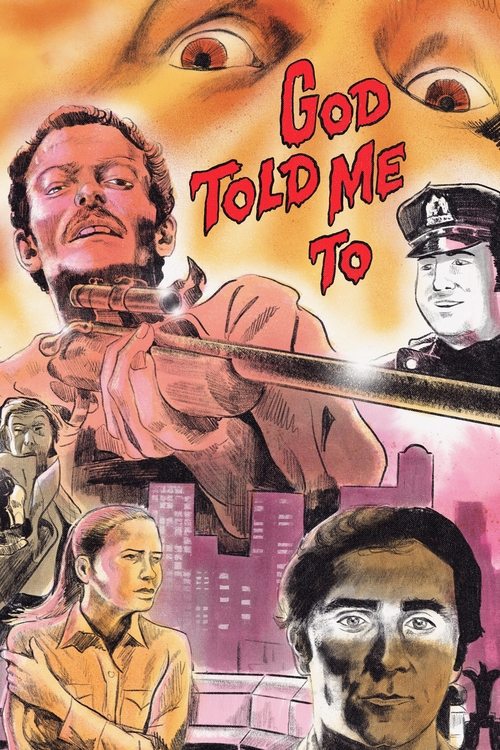
God Told Me To
1976A New York detective investigates a series of murders committed by random citizens who claim that 'God told them to'.
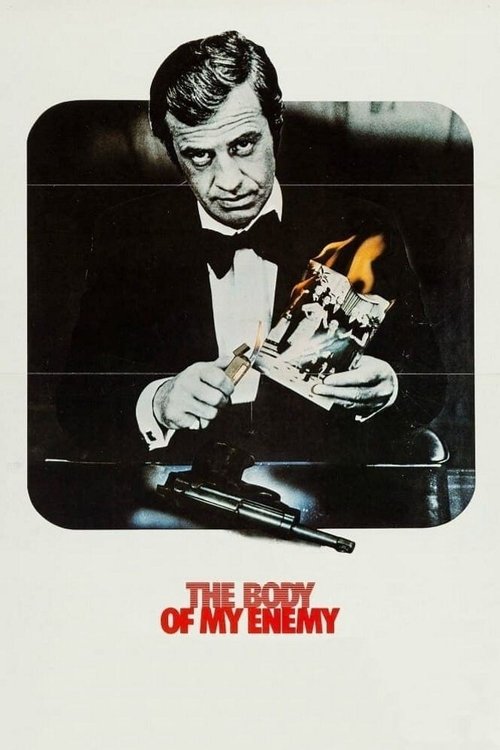
The Body of My Enemy
1976A man accused of murder discovers a trail of corruption leading to the powerful family of his former love. Going underground, he seeks allies in a town where trust is scarce.
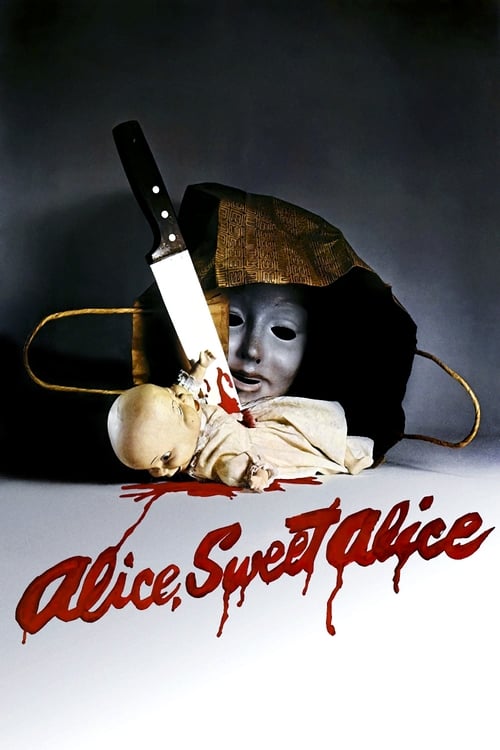
Alice, Sweet Alice
1976Alice is a withdrawn 12-year-old who lives with her mother and her younger sister, Karen, who gets most of the attention from her mother, leaving Alice out of the spotlight. When Karen is found brutally murdered in a church, suspicions start to turn toward Alice. But could a 12-year-old girl really be capable of such savagery?
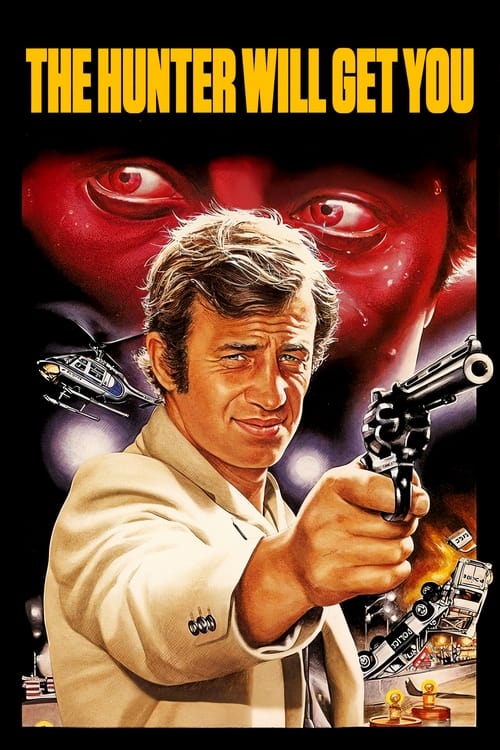
Hunter Will Get You
1976L'Alpagueur is a free-lance spy from the French secret agency. He's put on the investigation about L'epervier, a serial-killer who employs young boys to help him robbing banks before killing them.
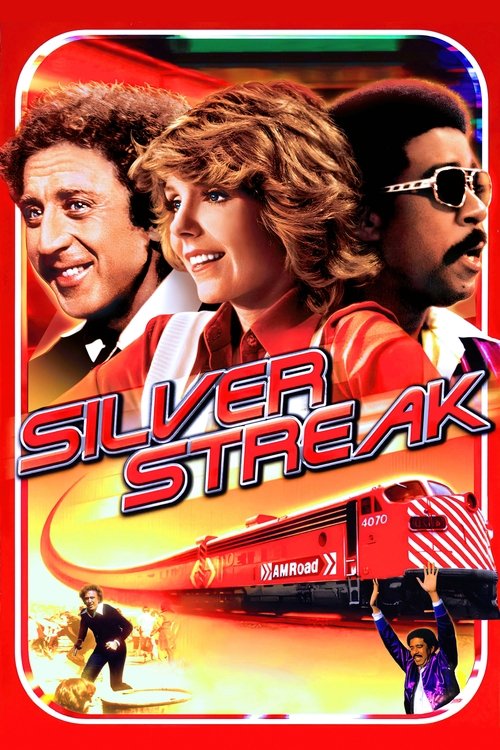
Silver Streak
1976A somewhat daffy book editor on a rail trip from Los Angeles to Chicago thinks that he sees a murdered man thrown from the train. When he can find no one who will believe him, he starts doing some investigating of his own. But all that accomplishes is to get the killer after him.
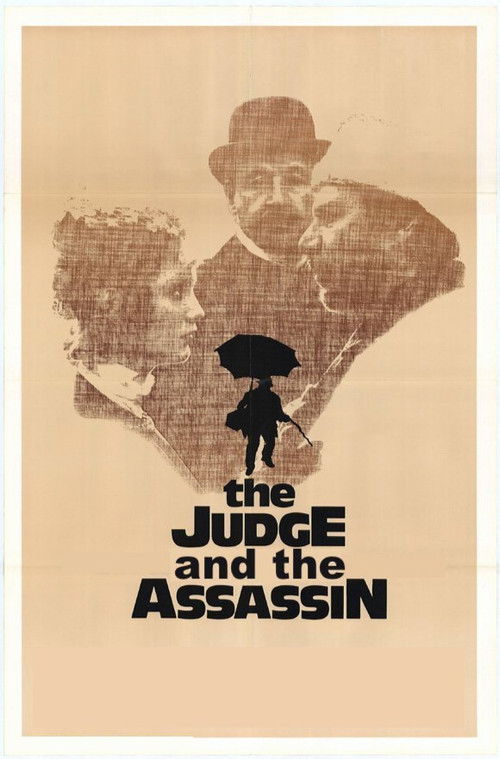
The Judge and the Assassin
1976France, 1893. Joseph Bouvier attempts to shoot his love who refused to marry him and to commit suicide. Upon release from the filthy asylum where he was placed, with bullets still remaining in his head, he wanders the country roads and rapes and murders many teenagers over years. The judge Rousseau captures him, but to serve his ambition seeks to avoid that Bouvier is simply declared insane.
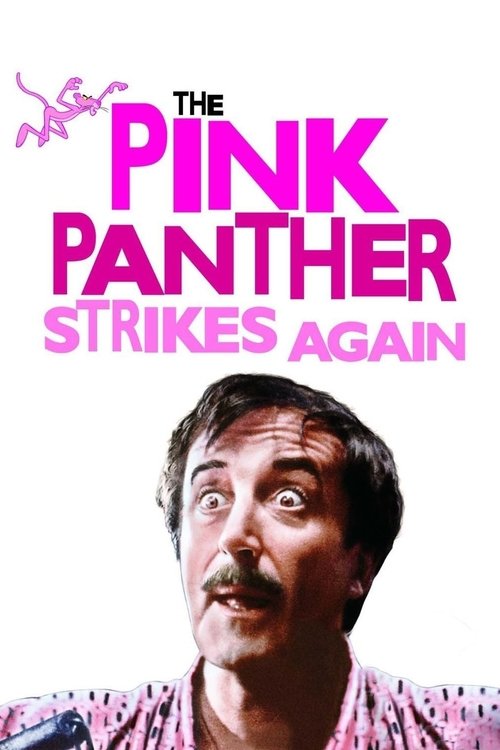
The Pink Panther Strikes Again
1976Charles Dreyfus, who has finally cracked over inspector Clouseau's antics, escapes from a mental institution and launches an elaborate plan to get rid of Clouseau once and for all.
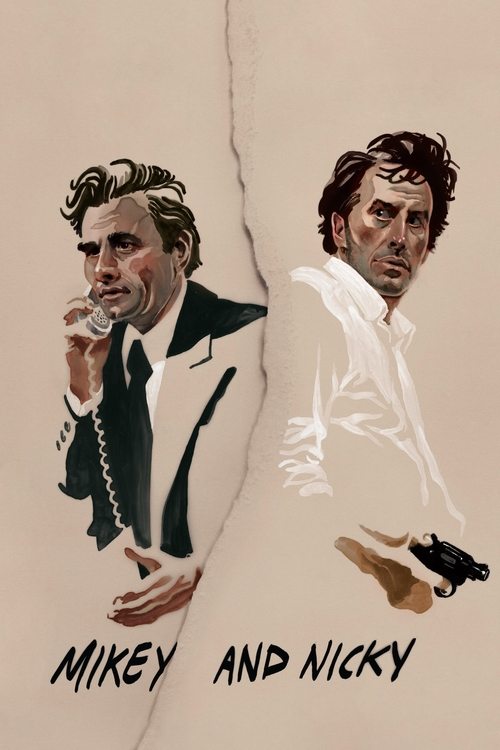
Mikey and Nicky
1976Nick is desperate, holed up in a cheap hotel, suffering from an ulcer and convinced that a local mob boss wants him killed. Terrified, he calls Mikey, his friend since childhood and a fellow gangster. So begins a long night…
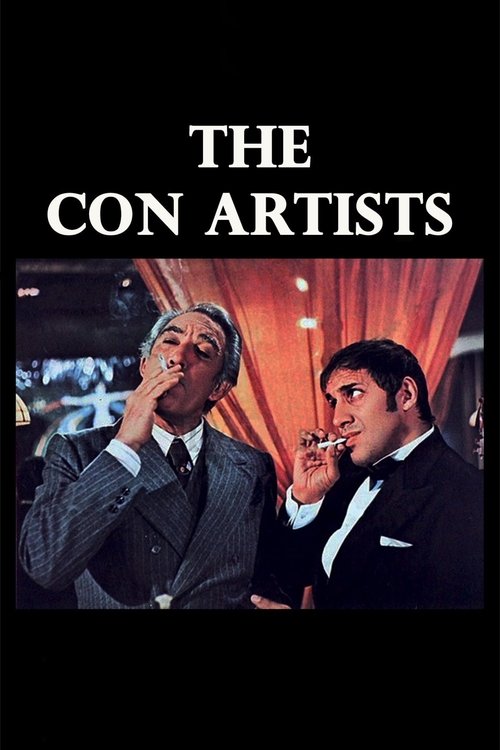
The Con Artists
1976Belle Duke, in order to get revenge on her former lover Philip Bang, organize his jail break. But instead of Philip is the Italian Felice Brianza, AKAS Felix, to escape. Now Felix is obliged to help Philip to escape. He will succeeded and from that moment on the two will join to defraud Belle. The swindle plot become more complicate when Felix falls in love for Philip's daughter.
This Italian caper injects the genre with a buoyant, comedic electricity, leaning into the charismatic chemistry of its leads to drive its intricate sting operations. It stands as a vibrant counterpoint to the era's grittier offerings, celebrating the cleverness and theatricality of the professional swindle.
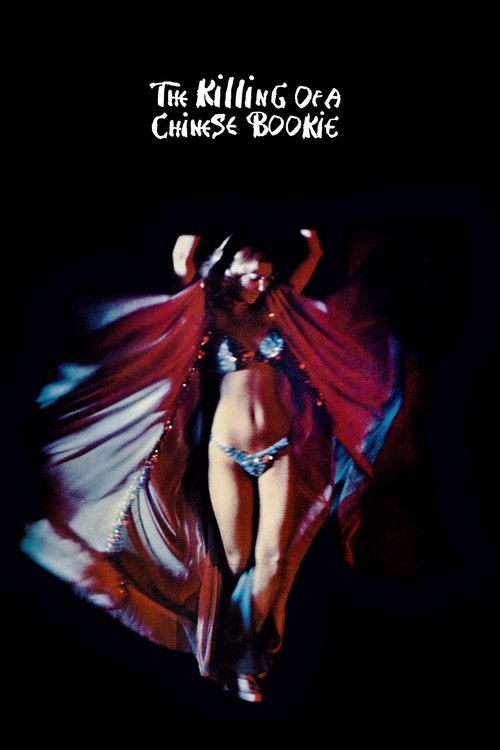
The Killing of a Chinese Bookie
1976Cosmo Vittelli, the proprietor of a sleazy, low-rent Hollywood cabaret, has a real affection for the women who strip in his peepshows and the staff who keep up his dingy establishment. He also has a major gambling problem that has gotten him in trouble before. When Cosmo loses big-time at an underground casino run by mobster Mort, he isn't able to pay up. Mort then offers Cosmo the chance to pay back his debt by knocking off a pesky, Mafia-protected bookie.
Cassavetes trades the polished veneer of Hollywood noir for a bruised, improvisational intimacy that prioritizes character over conventional heist mechanics. Ben Gazzara’s performance anchors a soulful, jagged exploration of debt and dignity within the seedy underbelly of the Los Angeles strip club scene.
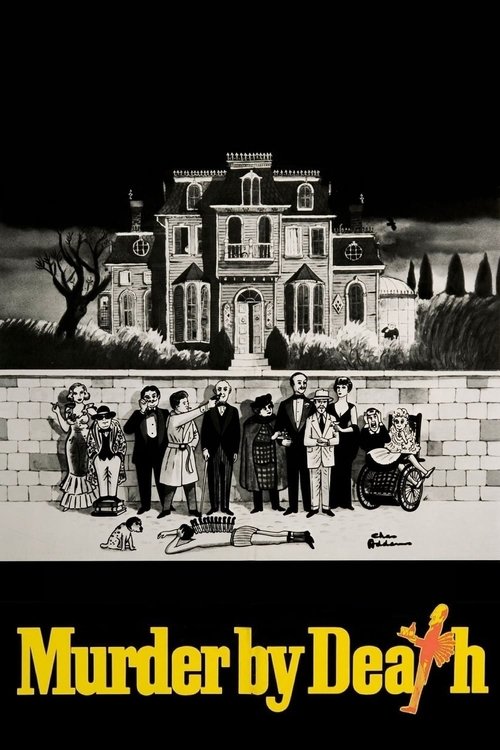
Murder by Death
1976Lionel Twain invites the world's five greatest detectives to a 'dinner and murder'. Included are a blind butler, a deaf-mute maid, screams, spinning rooms, secret passages, false identities and more plot turns and twists than are decently allowed.
Neil Simon’s script provides a sharp, satirical autopsy of the detective genre, dismantling the tropes of pulp fiction with a star-studded, absurdist energy. It functions as both a loving homage and a biting critique of the contrived mechanics that governed golden-age crime literature.
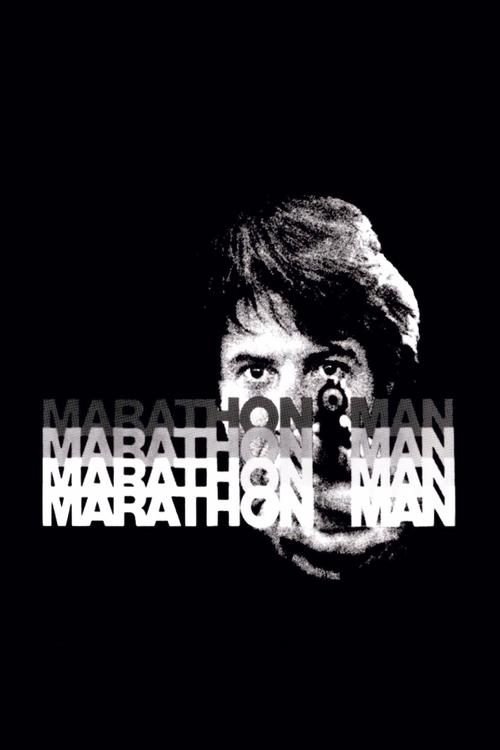
Marathon Man
1976A graduate student and obsessive runner in New York is drawn into a mysterious plot involving his brother, a member of the secretive Division.
At the intersection of historical trauma and modern conspiracy, this thriller weaponizes dental agony to explore the lingering shadows of the Holocaust. It is a paranoiac landmark that thrives on its claustrophobic tension and the visceral, physical vulnerability of its protagonist.
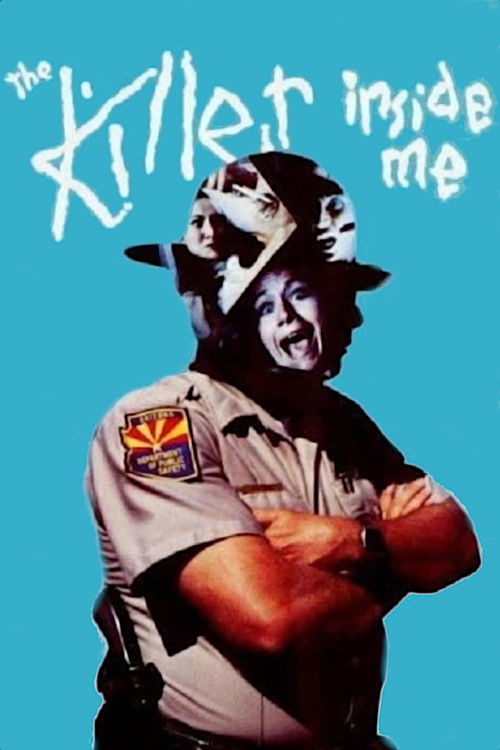
The Killer Inside Me
1976Haunted by visions from his abusive childhood, Montana deputy sheriff Lou Ford gradually exhibits the signs of a homicidal schizophrenic.
Burt Kennedy captures the jarring dissonance of Jim Thompson’s prose through a chillingly detached performance that exposes the sociopathy lurking behind a lawman's badge. This adaptation eschews stylistic flourish for a cold, clinical gaze into the banality of rural evil.
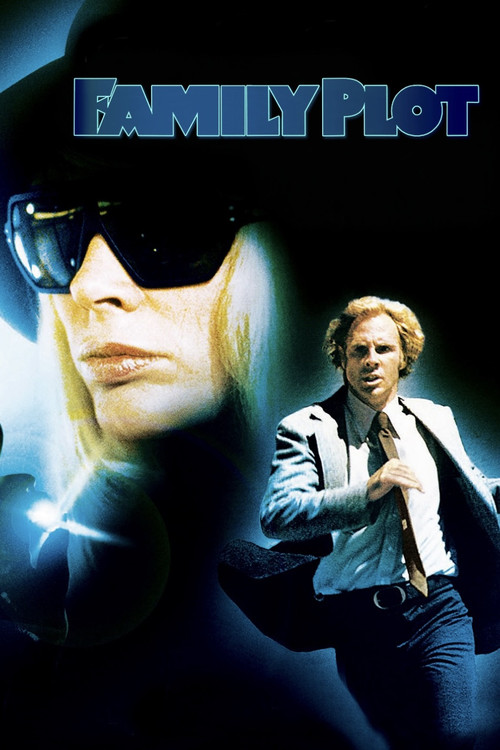
Family Plot
1976Spiritualist Blanche Tyler and her cab-driving boyfriend encounter a pair of serial kidnappers while trailing a missing heir in California.
Hitchcock’s final bow is a masterclass in playful macabre, weaving a complex web of spiritualism and larceny with a deceptively light touch. It replaces the director's usual high-tension suspense with a sophisticated, macabre game of wits that celebrates the art of the cinematic double-cross.
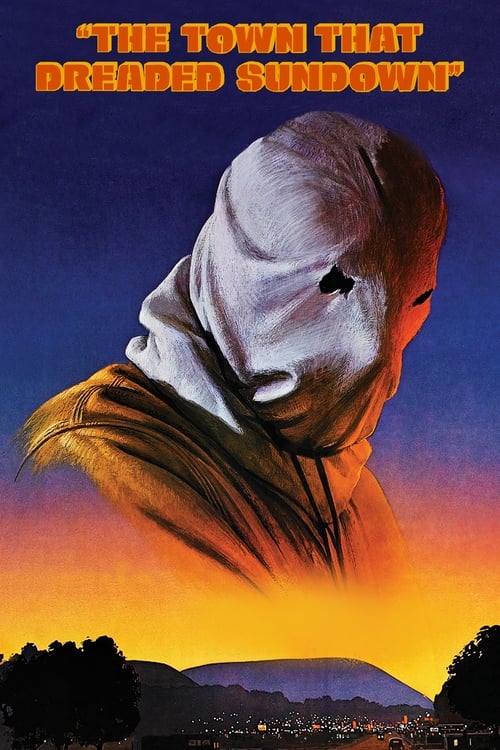
The Town That Dreaded Sundown
1976When two young lovers are savagely beaten and tortured on a back country road in Texarkana, local police are baffled and must find "the Phantom Killer" before he can kill again.
This proto-slasher operates as a chilling piece of regional true-crime folklore, utilizing a documentary-style veneer to heighten the terror of its faceless antagonist. It captures a specific post-war American paranoia where the sanctity of the small town is irrevocably shattered by inexplicable predatory malice.
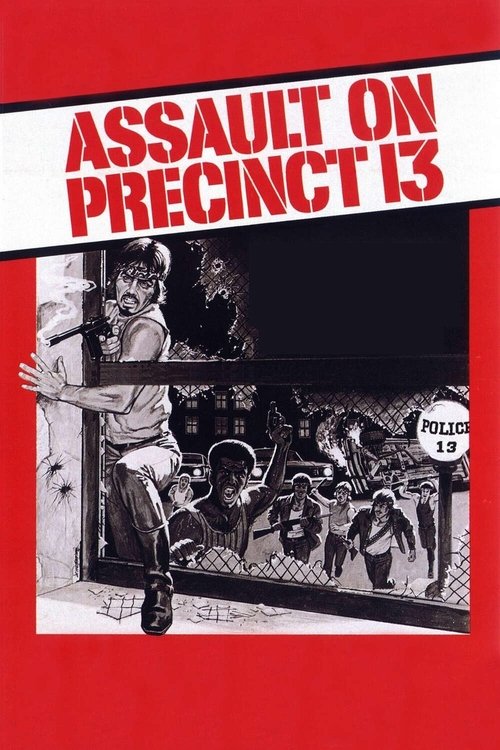
Assault on Precinct 13
1976A highway patrol officer, two criminals, and a station secretary form an unlikely alliance to defend a defunct Los Angeles precinct against a siege by a bloodthirsty street gang.
John Carpenter distills the siege thriller into a mineralistic exercise in tension, stripping away backstory to focus on the rhythmic geometry of violence. Its synthesizer-driven score and nihilistic atmosphere transform a standard urban standoff into a relentless, modern-day western.
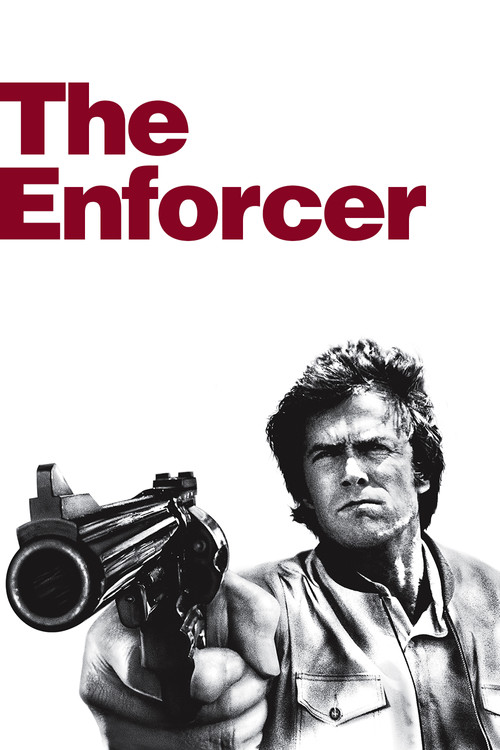
The Enforcer
1976Dirty Harry Callahan returns again, this time saddled with a rookie female partner. Together, they must stop a terrorist group consisting of angry Vietnam veterans.
Eastwood’s third outing as Harry Callahan trades the somber philosophy of the original for a high-octane collision between Old Guard justice and counterculture militance. It serves as a quintessential example of the 1970s police procedural, prioritizing explosive momentum and the shifting dynamics of the precinct.
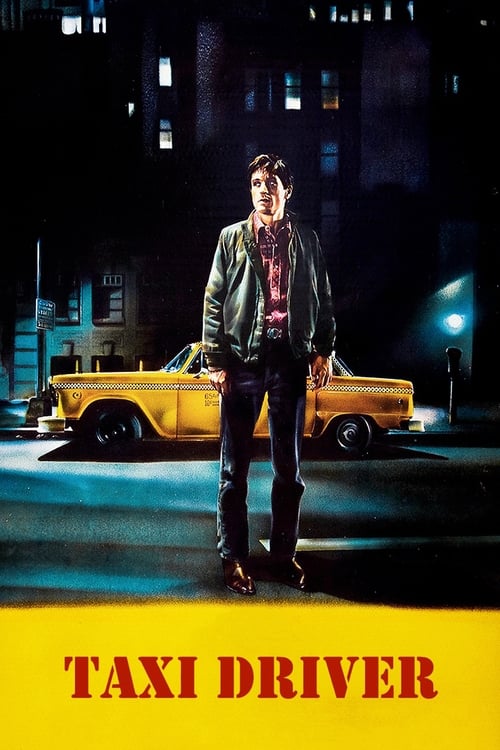
Taxi Driver
1976Suffering from insomnia, disturbed loner Travis Bickle takes a job as a New York City cabbie, haunting the streets nightly, growing increasingly detached from reality as he dreams of cleaning up the filthy city.
Scorsese’s New York is a neon-slicked purgatory where the psychological rot of a veteran curdles into a violent, transcendentalist crusade. The film redefines the urban noir by merging grim realism with a fever-dream aesthetic that remains the definitive portrait of vigilante alienation.
Frequently Asked Questions
Everything you need to know about this list and SnakeDrafts
- The crime films of 1976 marked a shift from the procedural and straightforward crime stories of the sixties to more complex, psychological, and sometimes surreal narratives. Movies like "Taxi Driver" exemplify this transition with their neo-noir style and exploration of urban malaise and moral ambiguity.
- "Family Plot," directed by Alfred Hitchcock, masterfully combines comedy, crime, and thriller elements to create a unique and entertaining narrative that stands out among the crime movies of 1976.
- Films like "Assault on Precinct 13" and "Marathon Man" expertly use suspense and tension through claustrophobic settings and intense character dynamics, enhancing the crime stories with gripping thriller elements that keep audiences on edge.
- Yes, "The Town That Dreaded Sundown" uniquely blends crime with horror and mystery, delivering a chilling story inspired by true events that adds a supernatural aura to the crime genre of that year.
- "Taxi Driver," directed by Martin Scorsese, is a quintessential neo-noir film that depicts the psychological unraveling of Travis Bickle as he navigates crime and corruption in New York City.
- "Murder by Death" cleverly parodies classic detective stories with a comedic twist, blending crime and mystery with humor to offer a satirical take on the genre while maintaining suspenseful whodunit elements.
- Films such as "The Enforcer" and "Silver Streak" stand out for incorporating dynamic action scenes within their crime narratives, adding physical intensity to the genre's dramatic and suspenseful core.
- Common themes include urban decay, moral ambiguity, psychological tension, and the blurred lines between lawfulness and lawlessness. These films often delve into the complexities of human nature and societal corruption, reflecting the evolving cinematic landscape of the 1970s.