The Best Crime Movies of 1977, Ranked
Gritty Noir and Classic Thrillers from a Golden Era
Explore the best crime cinema including gritty thrillers and hard-boiled noir. Discover top-rated detective stories and cult classics from this iconic year.
About 1977 Crime Movies
The year 1977 is often remembered as the moment when a certain space opera changed the cinematic landscape forever. While blockbusters were busy taking flight, the crime genre was undergoing a fascinating, gritty transformation on the ground. By the late seventies, the cynical, hard-boiled energy of the New Hollywood era was beginning to morph into something more atmospheric and, in many cases, more nihilistic. The crime films of 1977 did not just depict illegal acts; they captured a sense of urban rot and moral ambiguity that defined the decade.
At the top of the list is William Friedkin's Sorcerer. Though it is technically a remake of the French classic The Wages of Fear, it functions as one of the most intense crime procedurals of the era. It follows four outcasts hiding in a desolate South American village who take a suicidal job driving truckloads of leaking dynamite across treacherous terrain. The film is a masterclass in tension, stripping the crime genre down to its barest bones: desperation and the hope for a clean slate. It remains a staggering achievement in tactile, dangerous filmmaking that felt miles away from the escapism of the year's bigger hits.
While Friedkin was exploring the jungle, other filmmakers were finding horror in the city. Looking for Mr. Goodbar offered a shocking, neon-lit descent into the underbelly of New York nightlife. Starring Diane Keaton in a career-defining turn, the film blurred the lines between the psychological thriller and the crime drama. It explored the dangerous intersections of sexual liberation and urban violence, ending with a sequence so harrowing that it still haunts viewers today. It reflected a growing anxiety about personal safety in a world where the old rules of society seemed to be disintegrating.
On the other side of the Atlantic, the crime genre was finding a colder, more clinical voice. Wim Wenders delivered The American Friend, an adaptation of Patricia Highsmith's Ripley's Game. Starring Dennis Hopper and Bruno Ganz, the film is a moody, existential look at how an innocent man can be corrupted by the mere suggestion of a criminal act. It showcased a European sensibility that valued atmosphere and character interiority over simple gunfights. It was crime as a slow-acting poison, beautifully shot and deeply melancholic.
Even the more traditional police procedurals of 1977 had a unique edge. The Gauntlet, directed by and starring Clint Eastwood, took the trope of the tough cop and turned it into a loud, explosive road movie. While it leaned into action, it also critiqued the corruption within the very institutions meant to uphold the law. This theme of institutional decay was a recurring heartbeat throughout the year.
The landscape of 1977 was one of transition. The genre was moving away from the operatic grandeur of the early seventies and toward a more fragmented, gritty reality. These films did not offer easy resolutions or clear heroes. Instead, they presented a world where the line between the criminal and the citizen was increasingly thin. Whether it was the sweaty desperation of Friedkin's drivers or the lonely wanderings of Wenders' anti-heroes, crime cinema in 11977 proved that even in the year of the blockbuster, there was still plenty of room for the dark, the dirty, and the dangerously human.
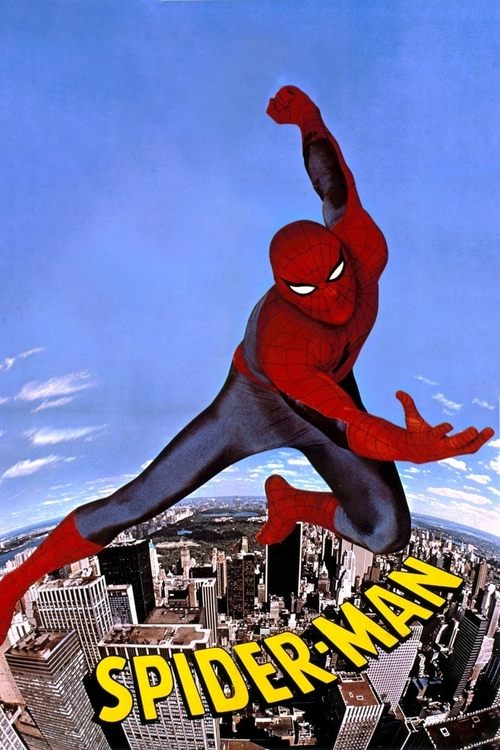
Spider-Man
1977When an extortionist threatens to force a multi-suicide unless a huge ransom is paid, only Peter Parker can stop him with his new powers as Spider-Man.
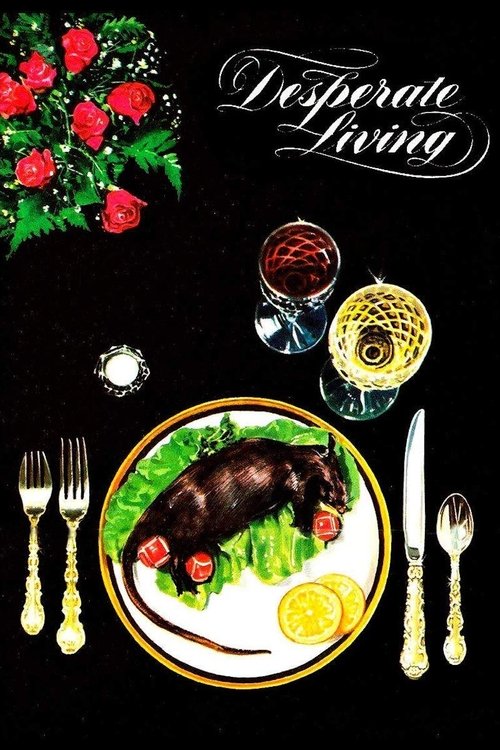
Desperate Living
1977After killing her husband, Peggy Gravel and her murderous maid Grizelda wind up in the crazy town of Mortville, where Queen Carlotta presides over a sleazy collection of misfits.
John Waters weaponizes filth and subversion to create a lawless, camp-inflected underworld that mocks every convention of the crime genre. It is a grotesque, brilliantly abrasive riot that redefines delinquent cinema through a lens of total anarchist glee.
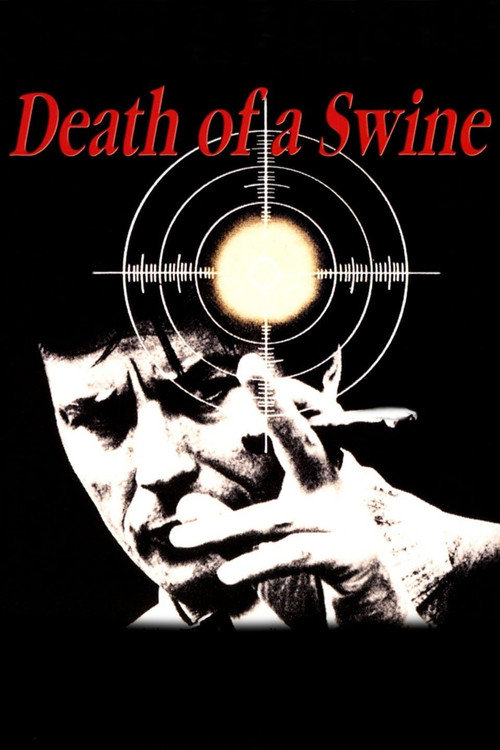
Death of a Corrupt Man
1977In the middle of the night, deputy Philippe Dubaye wakes up his old friend Xavier Maréchal with disturbing news: he has just killed Serrano, a racketeer with extant political connections. Serrano kept proofs of Dubaye's involvement in corrupt dealings and was poised to use them against the deputy. Xavier readily agrees to cover up for his old pal Philippe, but he soon runs into difficulties. Nobody believes Dubaye's alibi. And everybody -- influential personalities, powerful businessmen, dubious go-betweens and the police -- wants to get hold of the documents that served to blackmail Dubaye; by all possible means...
This French neopolitico-thriller excels through its suffocating atmosphere of institutional rot and Alain Delon’s icy, calculated performance. It is a sophisticated, labyrinthine look at how power protects its own through silence and shadow.
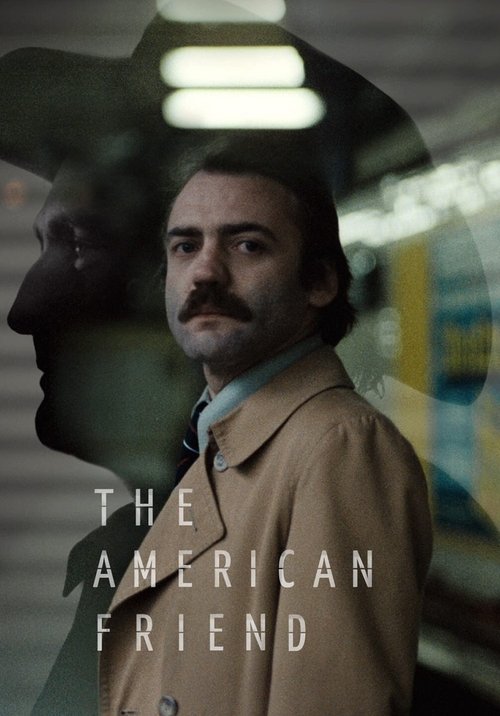
The American Friend
1977Tom Ripley, an American who deals in forged art, is slighted at an auction in Hamburg by picture framer Jonathan Zimmerman. When Ripley is asked by gangster Raoul Minot to kill a rival, he suggests Zimmerman, and the two, exploiting Zimmerman's terminal illness, coerce him into being a hitman.
Wim Wenders crafts a frigid, existential noir where the criminal underworld feels less like a setting and more like a spiritual sickness. Through a cold lens, it transforms a Highsmith adaptation into a haunting meditation on identity and moral decay.
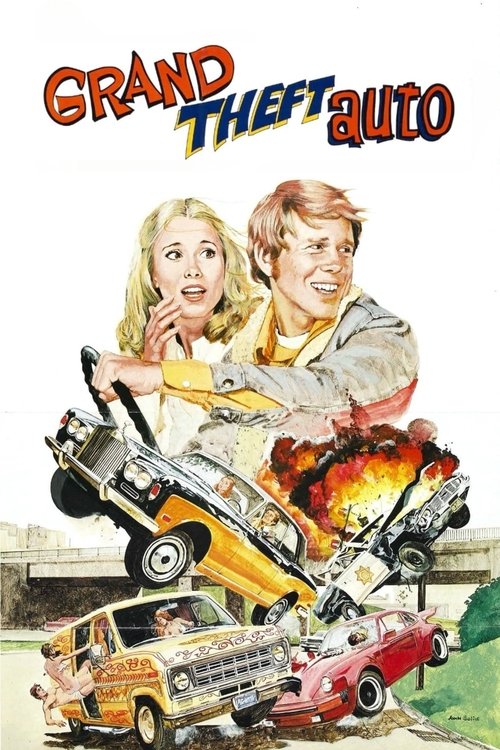
Grand Theft Auto
1977A rich girl steals her dad's Rolls Royce and heads off to Las Vegas to get married. However, her angry parents, a jealous suitor, and a bunch of reward seekers are determined to stop her.
Ron Howard’s directorial debut is a masterpiece of kinetic, low-budget demolition that prioritizes automotive carnage over narrative lace. This film serves as the pure, high-octane epicenter of the era's obsession with the outlaw road movie.
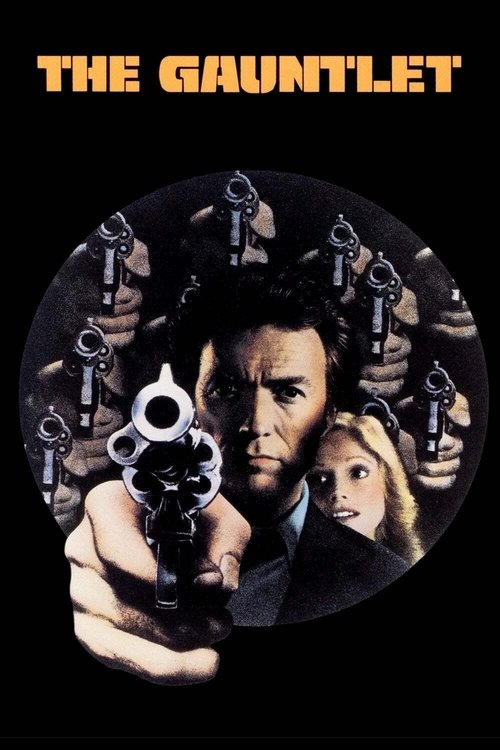
The Gauntlet
1977Phoenix cop Ben Shockley is well on his way to becoming a derelict when he is assigned to transport a witness from Las Vegas. The witness turns out to be a belligerent prostitute with mob ties—and incriminating information regarding a high-ranking official.
Rejecting his stoic persona, Clint Eastwood delivers a chaotic, bullet-riddled odyssey that favors structural overkill and gritty spectacle. It is a fascinatingly loud, muscular deconstruction of the lone-cop mythos pushed to its absolute breaking point.
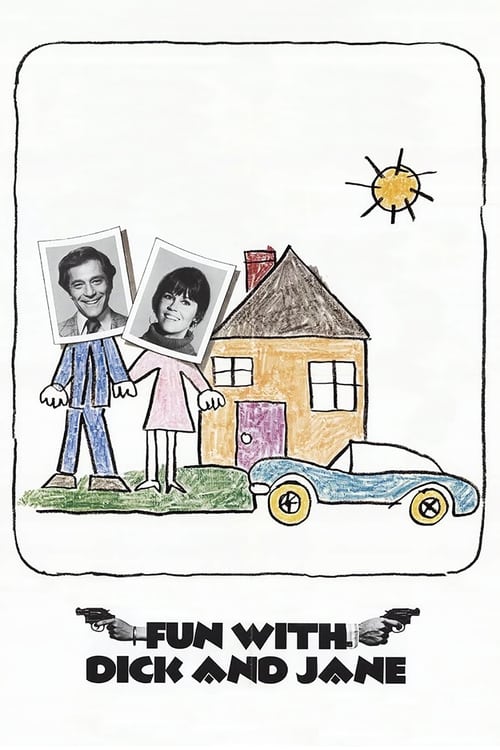
Fun with Dick and Jane
1977When an upwardly mobile couple find themselves unemployed and in debt, they turn to armed robbery in desperation.
This sharp social satire weaponizes the economic anxieties of the middle class, turning white-collar desperation into a breezy crime spree. It captures the unique 1977 zeitgeist where the American Dream finally curdled into a hilarious, law-breaking necessity.
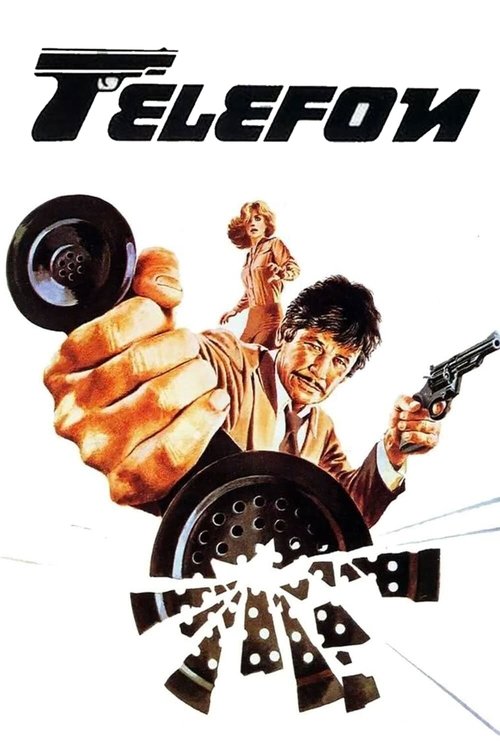
Telefon
1977Nicolai Dalchimski, a mad KGB agent steals a notebook full of names of "sleeping" undercover KGB agents sent to the U.S. in the 1950's. These agents got their assignments under hypnosis, so they can't remember their missions until they're told a line of a Robert Frost poem. Dalchimski flees to the U.S. and starts phoning these agents who perform sabotage acts against military targets.
Don Siegel’s cold-blooded efficiency turns a high-concept espionage premise into a lean, rhythmic exercise in mounting paranoia. It stands as a taut relic of the Cold War, executed with a surgical precision that few modern thrillers can replicate.
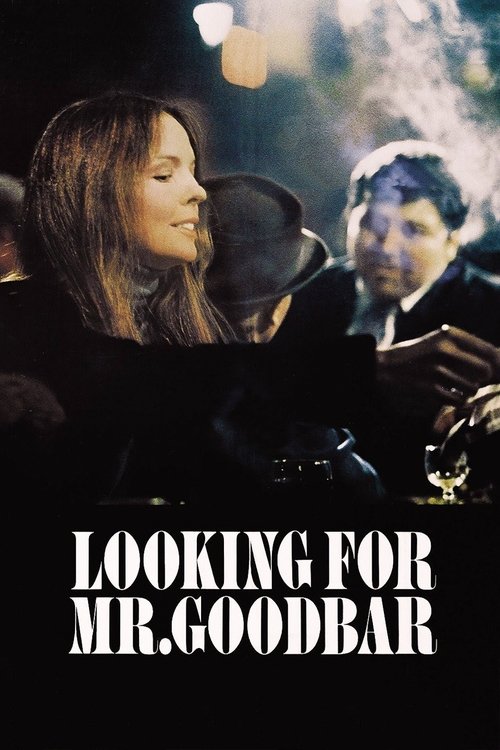
Looking for Mr. Goodbar
1977A short, unhappy affair with a married man leads a dedicated schoolteacher into the alcohol-and-drug fueled underworld of singles’ bars, where she begins to engage in a pattern of dangerous sexual activity.
This harrowing dive into urban isolation dismantles the era's sexual liberation to find a chilling, predatory underbelly. Its power lies in a jarring aesthetic that mirrors the psychological fragmentation of a woman lost in the city's shadows.
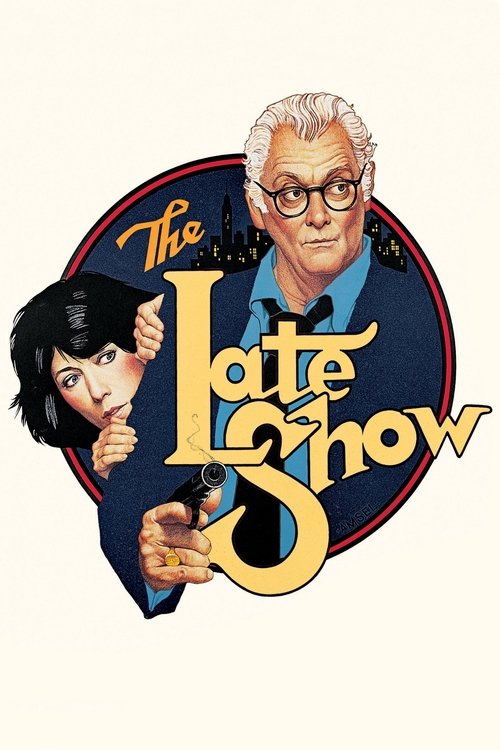
The Late Show
1977Over-the-hill gumshoe in Los Angeles seeks to avenge the killing of an old pal, another detective who was involved in a case concerning a murdered broad, stolen stamps, a nickel-plated handgun, a cheating dolly, and a kidnapped pussycat.
Robert Benton revitalizes the weary private eye archetype by infusing a classic noir skeleton with a modern, eccentric heartbeat. It is a rare character study that balances geriatric cynicism against the chaotic neon pulse of the seventies.
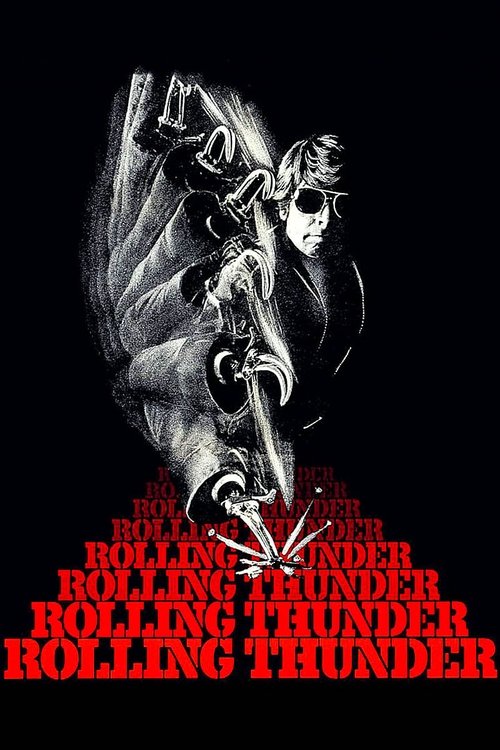
Rolling Thunder
1977A Vietnam veteran, Charles Rane, returns home after years in a POW camp and is treated as a hero. He has a hard time adjusting, and things go badly. A movie about the walking dead, before that meant just flesh-eating zombies.
A jagged, unapologetic masterpiece of the vigilante cycle that trades typical bombast for a haunting, flinty-eyed stoicism. Paul Schrader’s script transmutes post-war trauma into a slow-burn anatomical study of cinematic vengeance.
Frequently Asked Questions
Everything you need to know about this list and SnakeDrafts
- The 1977 crime movie list features a blend of gritty thrillers, hard-boiled noir, and darkly comedic crime films, reflecting the era's shift towards more atmospheric and nihilistic storytelling within the genre.
- Several films on the list, such as 'The Late Show' and 'Fun with Dick and Jane,' incorporate comedy to balance the tension, offering a lighter yet sharp take on crime narratives through humor and satire.
- Notable directors like John Flynn, Robert Benton, and Clint Eastwood helmed key crime films in 1977, each bringing unique stylistic elements that range from intense action sequences to nuanced character-driven mysteries.
- Yes, movies like 'Grand Theft Auto' and 'The Gauntlet' blend crime with elements of comedy, adventure, romance, and action, showcasing the versatility and cross-genre appeal of 1977 crime cinema.
- 'Looking for Mr. Goodbar' stands out for its dramatic and psychological exploration of crime, delving into themes of danger and vulnerability in urban life, distinguishing itself from more action-focused crime tales.
- While classic detective elements appear in films like 'The Late Show,' many 1977 crime films expanded into stories of corruption, personal vendettas, and societal critique, reflecting the broader narrative experimentation of the time.
- Internationally influenced films like Wim Wenders' 'The American Friend' and Georges Lautner's 'Death of a Corrupt Man' bring European noir sensibilities to the 1977 crime genre, adding depth and stylistic variety to the year's offerings.