Best Crime Movies of 1978
Classic Heists and Grit from Cinema's Golden Underworld
Explore the best crime cinema from a gritty year in film. Discover acclaimed heist thrillers, cult noir favorites, and intense underworld dramas.
About 1978 Crime Movies
The year 1978 exists in a fascinating cultural pocket. The counterculture fire of the early seventies was cooling into a bruised, neon-soaked cynicism, and the crime genre was the perfect vessel to capture that transition. While the decade began with the operatic majesty of the Godfather saga, by 1978 the genre had migrated into the shadows of the street, the cold silence of the heist, and the desperate grit of the blue-collar struggle.
The standout masterpiece of that year remains Michael Mann’s debut, Thief. Although it officially premiered in 1981, its DNA was formed in the late seventies landscape, but if we look at what actually hit screens in 1978, the real king of the mountain was Dustin Hoffman in Straight Time. In this film, Hoffman plays Max Dembo, a career criminal trying to go straight after a long prison stint. It is perhaps the most honest look at the impossibility of rehabilitation ever filmed. There are no romanticized shootouts here. Instead, the film focuses on the claustrophobia of the parole system and the inevitable gravitational pull of the criminal life. It signaled a shift toward realism that felt almost documentary-like in its execution.
Meanwhile, Paul Schrader gave us Blue Collar, a film that blurred the lines between a heist movie and a labor union drama. Starring Richard Pryor and Harvey Keitel, it depicted crime not as a choice made by villains, but as a desperate survival tactic for the working class. It remains one of the most politically charged crime films of the era, suggesting that the system itself is the ultimate racket.
In New York City, the genre was taking a more visceral, almost sleazy turn. The Fingers, starring Harvey Keitel, showcased a strange, violent intersection of music and mob debt. It reflected a city that felt like it was coming apart at the seams. This was far removed from the polished procedurals of the past. These films were sweaty, anxious, and deeply personal.
Across the pond, the heist genre was being perfected by Walter Hill with The Driver. Ryan O’Neal played a getaway driver in a film that stripped away all unnecessary dialogue and focused entirely on the mechanics of the chase and the Zen-like professionalism of the criminal elite. It was a stylish, minimalist exercise that would eventually pave the way for modern classics like Drive. Hill understood that in 1978, audiences didn't need long monologues about morality. They wanted to see the process.
The landscape of 1978 was ultimately one of disillusionment. The heist was no longer a grand adventure; it was a grueling job. The criminal was no longer a rebel hero; he was a man trapped by his own nature or a collapsing economy. Whether it was the slow-burn tension of The First Great Train Robbery or the gritty exploitation of the independent scene, 1978 proved that crime cinema was shedding its Hollywood skin. It was becoming leaner, meaner, and far more reflective of a world that had lost its faith in the law. Looking back, it was a pivotal year that traded the glamour of the underworld for the cold, hard truth of the pavement.
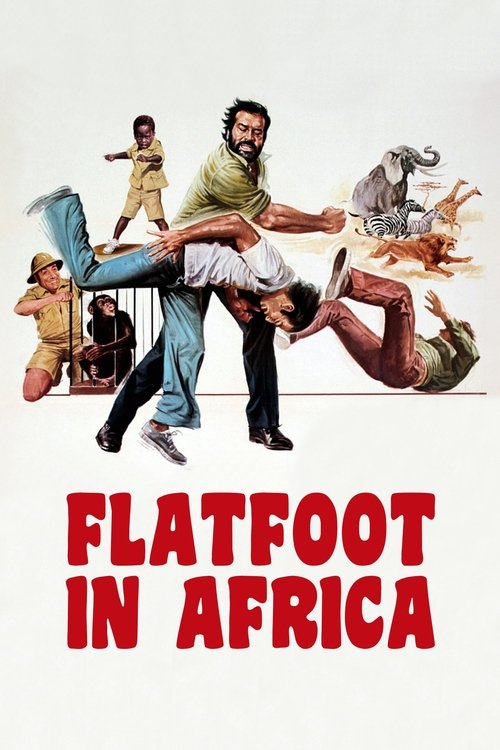
Flatfoot in Africa
1978Inspector Rizzo in Napoli gets a message from a policeman from South Africa who wants to meet him. Immediately before this meeting the South African policeman is killed. Dying he shows Rizzo a picture of his young son Bodo. Rizzo travels to Johannesburg to find out what the policeman was working on and to find Bodo.
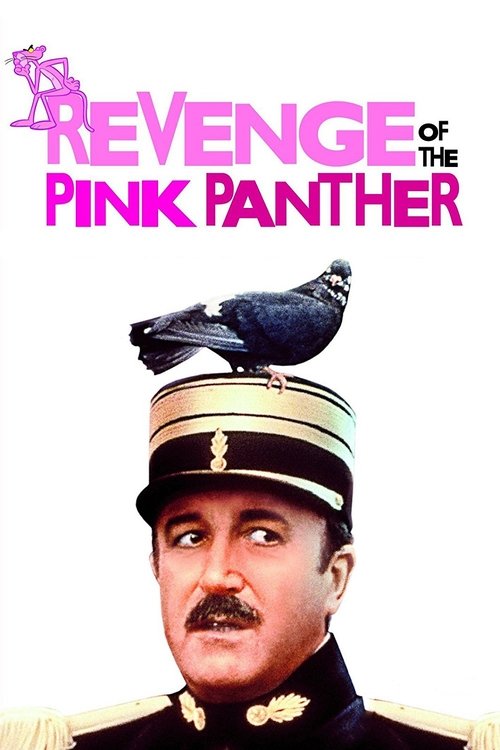
Revenge of the Pink Panther
1978Chief Inspector Jacques Clouseau is dead. At least that is what the world—and Charles Dreyfus—believe when a dead body is discovered in Clouseau's car after being shot off the road. Naturally, Clouseau knows differently and, taking advantage of not being alive, sets out to discover why an attempt was made on his life.
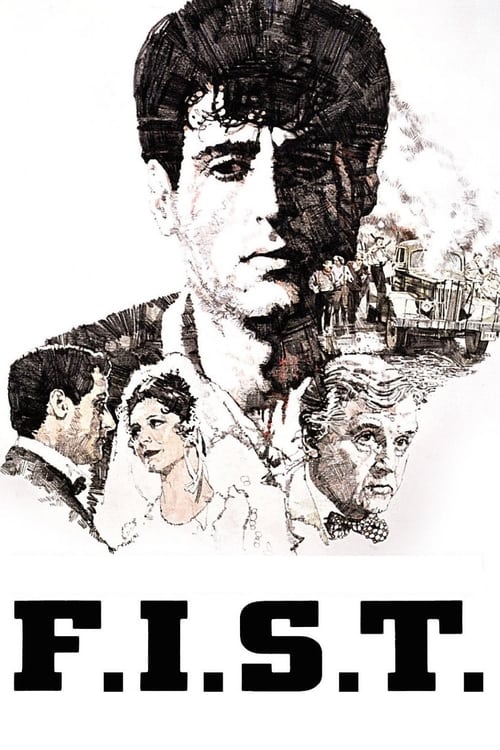
F.I.S.T.
1978Johnny Kovak joins the Teamsters trade-union in a local chapter in the 1930s and works his way up in the organization. As he climbs higher and higher his methods become more ruthless and finally senator Madison starts a campaign to find the truth about the alleged connections with the Mob.
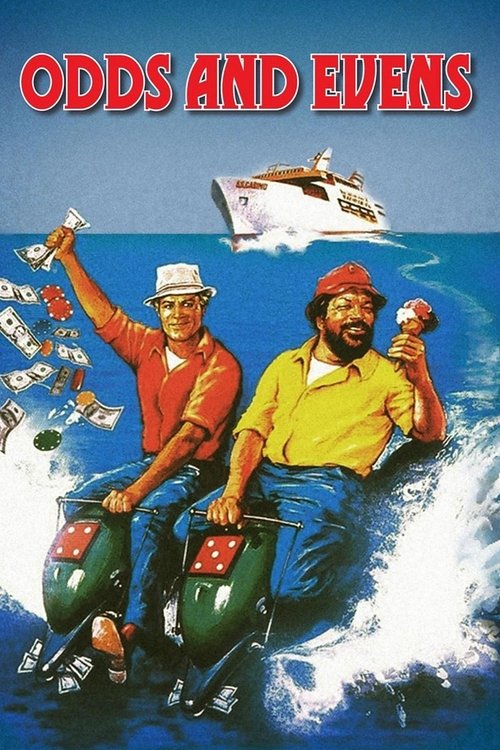
Odds and Evens
1978A bumbling government agent recruits a trucker whose gambling knowledge can help crack an illegal Florida operation.
This Italian crime comedy utilizes the physical chemistry of Hill and Spencer to lampoon the rigged world of high-stakes gambling and syndicate muscle. It offers a punch-drunk alternative to the year's heavier dramas by leaning into slapstick grit and exuberant underworld parody.
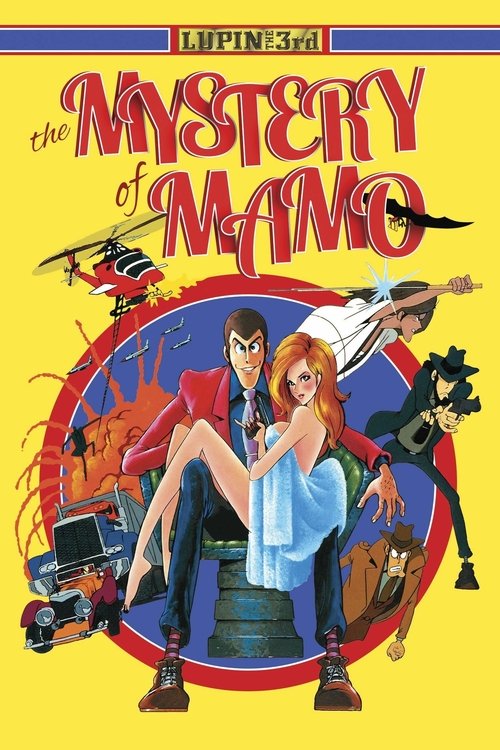
Lupin the Third: The Mystery of Mamo
1978While attempting to win the affections of a beautiful rival, a master thief risks death to learn the secret intentions of a wealthy and seemingly immortal, but certainly ruthless, recluse.
This psychedelic foray into animated criminality pushes the gentleman thief archetype into a surrealist fever dream of cloning and global conspiracy. It stands as a vital, avant-garde disruption of the genre that balances high-stakes larceny with bizarre philosophical detours.
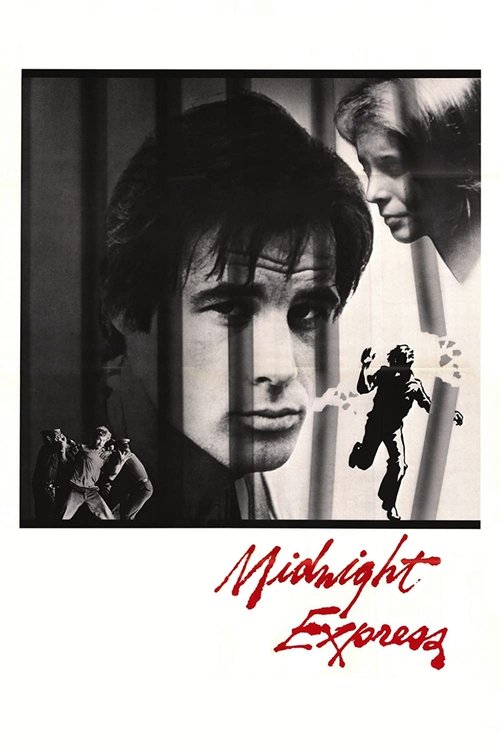
Midnight Express
1978Billy Hayes is caught attempting to smuggle drugs out of Turkey. The Turkish courts decide to make an example of him, sentencing him to more than 30 years in prison. Hayes has two opportunities for release: the appeals made by his lawyer, his family, and the American government, or the "Midnight Express".
Alan Parker’s claustrophobic descent into the Turkish penal system is a polarizing, sensory assault that weaponizes fear and xenophobia into a potent thriller. Moroder’s pulsing score drives a narrative of survival that remains scorched into the viewer’s retinas.
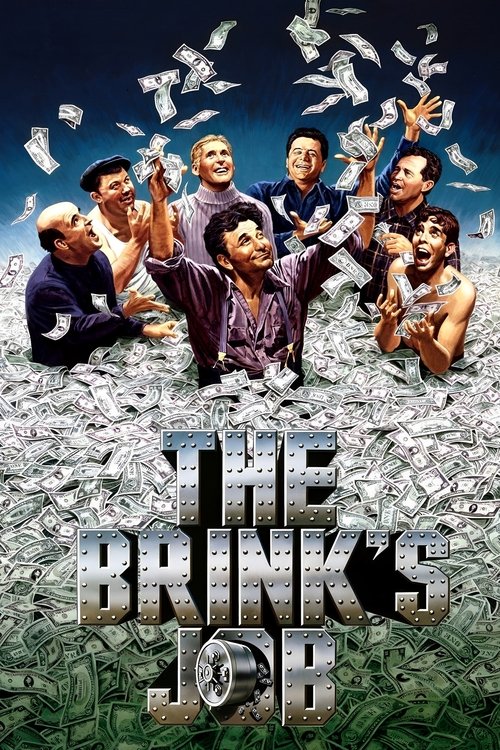
The Brink's Job
1978In 1950, a group of unlikely criminal masterminds commits the robbery of the century. Led by Tony Pino, a petty thief fresh out of prison, and Joe McGinnis, who specializes in planning lucrative capers, the gang robs Brink's main office in Boston of more than $2 million. However, things begin to go awry when the FBI gets involved, the cops start cracking down on the gang and McGinnis refuses to hand over the loot...
William Friedkin trades his usual intensity for a loose, lived-in charm that captures the absurdity of the legendary Boston heist. It is a refreshing departure that finds the humanity and blue-collar comedy within the mechanics of a perfectly imperfect job.
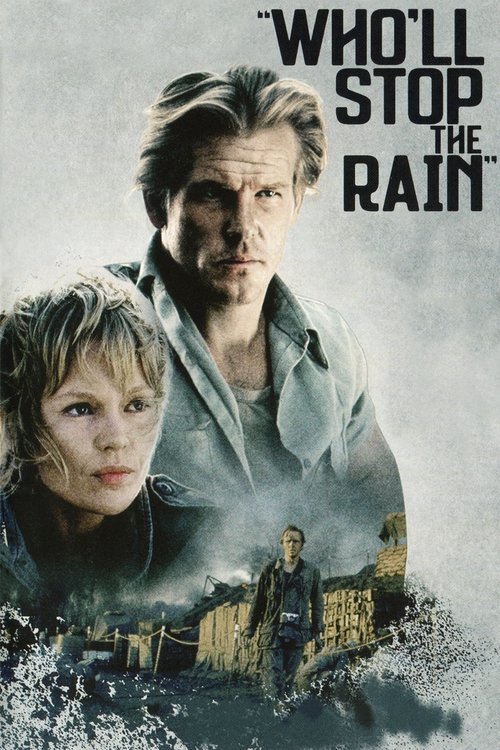
Who'll Stop the Rain
1978John, a disillusioned Vietnam War journalist, turns to heroin smuggling. He cons Ray, an equally burnt out veteran into delivering the drugs stateside to his wife. Everything soon falls apart and Ray ends up on the run with John's wife trying to evade crooked narcotics agents.
This harrowing neo-noir maps the moral rot of the Vietnam era onto a gritty heroin-smuggling plot. It excels as a cynical post-war postscript, trading in tension that feels as suffocating as the humid jungle and the parched desert landscapes.
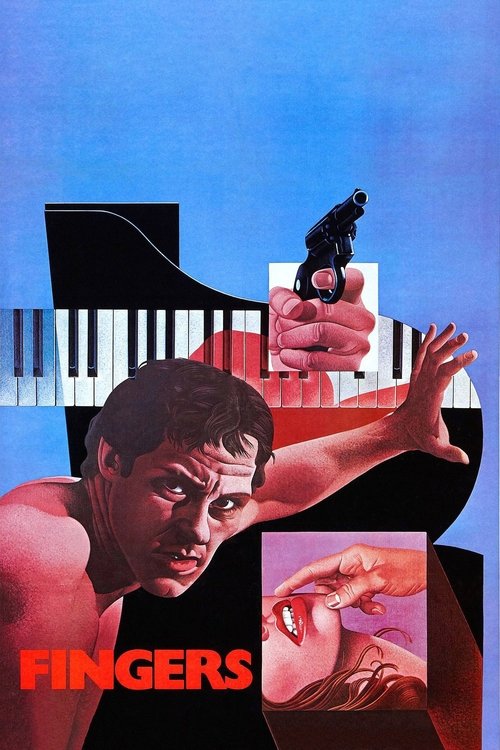
Fingers
1978A wanna-be concert pianist spends his days making a living by collecting debts for his Mafioso father, a lifestyle that could eventually ruin his dreams of a musical career.
James Toback’s volatile character study pulses with a nervous, psychosexual energy that bridges the gap between high-art aspiration and brutal street-level thuggery. Harvey Keitel is electric as a man fractured by the opposing pressures of masculine violence and delicate musical obsession.
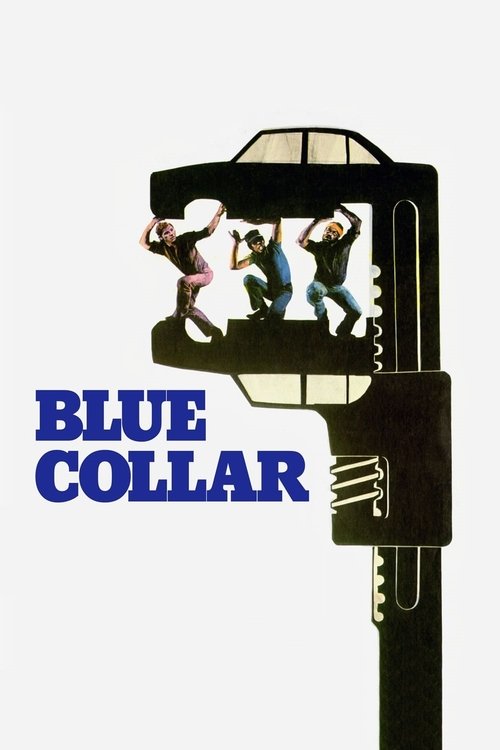
Blue Collar
1978Fed up with mistreatment at the hands of both management and union brass, and coupled with financial hardships on each man's end, three auto assembly line workers hatch a plan to rob a safe at union headquarters.
Paul Schrader’s debut is a jagged, soot-stained exploration of how industrial exploitation turns brother against brother. It functions as a grim autopsy of the American dream, where the true crime is the systemic crushing of the working class.
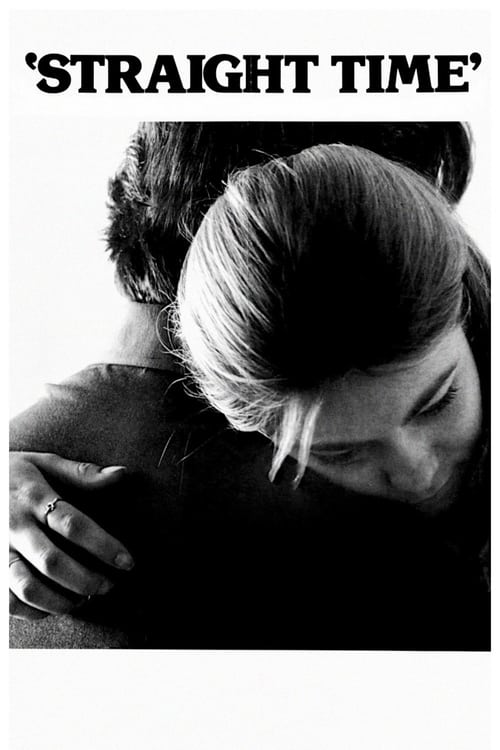
Straight Time
1978After being released on parole, a burglar attempts to go straight, get a regular job, and just go by the rules. He soon finds himself back in jail at the hands of a power-hungry parole officer.
Dustin Hoffman delivers a bruisingly unsentimental portrait of recidivism that avoids every cinematic cliché of the ex-con narrative. The film captures the claustrophobic friction of a man caught between his antisocial instincts and a system designed to ensure his failure.
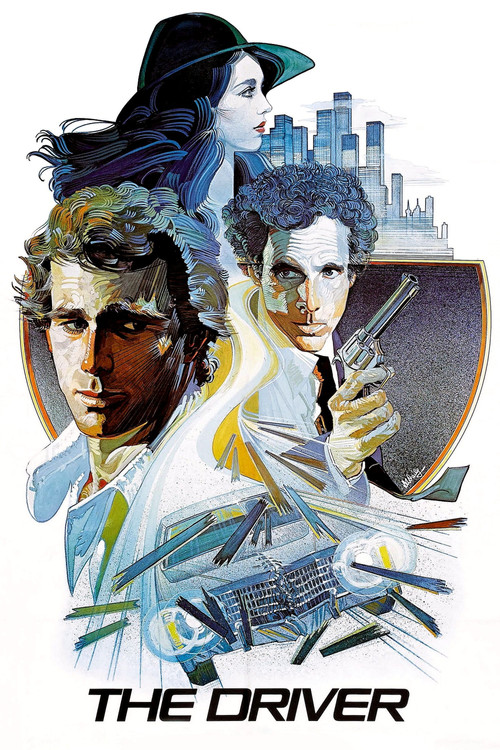
The Driver
1978The Driver specializes in driving getaway cars for robberies. His exceptional talent has prevented him from being caught yet. After another successful flight from the police a self-assured detective makes it his primary goal to catch the Driver. He promises pardons to a gang if they help to convict him in a set-up robbery. The Driver seeks help from The Player to mislead the detective.
Walter Hill strips the getaway thriller down to its chassis, favoring neon-soaked minimalism and visceral tire-shredding chases over traditional exposition. It is a sleek, existential exercise in high-speed professionalism that remains the definitive blueprint for the modern wheelman subgenre.
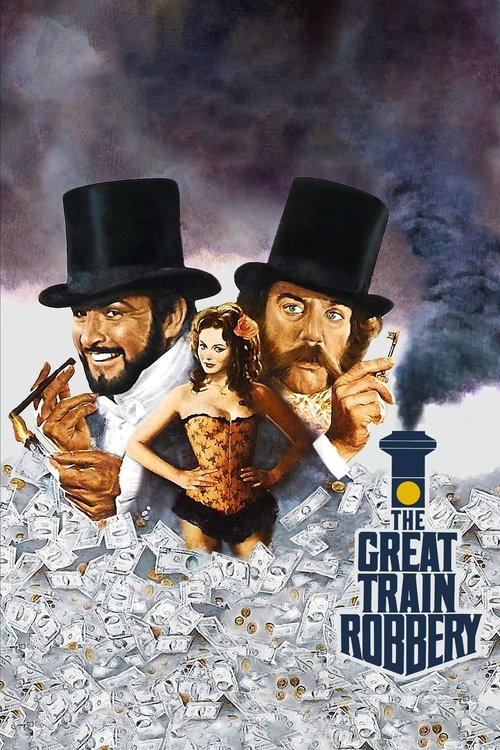
The First Great Train Robbery
1978In Victorian England, a master criminal makes elaborate plans to steal a shipment of gold from a moving train.
Michael Crichton delivers a masterclass in Victorian kineticism, blending meticulous heist choreography with a charismatic roguishness that redefined the period caper. Its clockwork precision and tactile stunt work set a high-water mark for historical suspense.
Frequently Asked Questions
Everything you need to know about this list and SnakeDrafts
- The 1978 crime movies showcase themes of gritty realism, heist and underworld drama, and blue-collar struggles. Films like 'Blue Collar' delve into working-class challenges, while 'The First Great Train Robbery' highlights intricate heist planning, reflecting the era's shift to darker, more grounded crime storytelling.
- 'The Driver' stands out with its stylish direction by Walter Hill and a minimalist approach to the crime thriller genre. Its intense action sequences and focused narrative about a getaway driver emphasize suspense and cool detachment, contrasting with more dialogue-heavy, character-driven crime dramas from the same year.
- Yes, 'The Brink's Job' combines crime with comedy and historical elements, while 'Lupin the Third: The Mystery of Mamo' mixes crime with animation and adventure. These films offer a diverse take on the crime genre, exploring it beyond traditional boundaries with humor and fantasy.
- 'Blue Collar' tackles labor union corruption and the plight of the working class, addressing social injustice. Similarly, 'Who'll Stop the Rain' reflects on the aftermath of the Vietnam War and its impact on American society, blending crime drama with political commentary.
- 'Midnight Express' is renowned for its harrowing portrayal of prison life based on a true story, directed by Alan Parker. Its intense emotional narrative and critique of justice systems elevate it beyond typical crime dramas, earning critical acclaim and audience engagement.
- Several films such as 'Revenge of the Pink Panther' and 'Odds and Evens' incorporate comedy into crime plots, offering a lighter take on the genre. These movies balance suspense with humor, appealing to audiences seeking entertainment that blends laughs with criminal escapades.
- Yes, directors like Michael Crichton with 'The First Great Train Robbery' and Paul Schrader with 'Blue Collar' made significant contributions. Their work combines sharp storytelling and cultural insight, shaping the crime genre's evolution in 1978 toward more nuanced and varied narratives.