Best Movies Directed by Blake Edwards
Master of Sophisticated Comedy and Slapstick Style
Explore the essential films of director Blake Edwards, from Breakfast at Tiffany's to the iconic Pink Panther series and Victor/Victoria.
About Blake Edwards
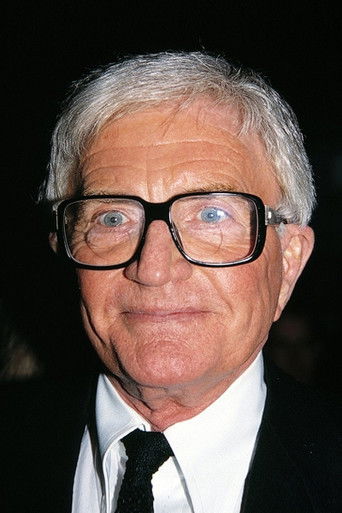
Blake Edwards was a master of the elegant catastrophe. He possessed a jeweler’s eye for framing and a demolition expert’s sense of timing, wedding sophisticated visual polish to some of the most chaotic slapstick ever captured on celluloid. While his contemporaries were chasing gritty realism, he remained a champion of the widescreen spectacle, utilizing the CinemaScope frame to choreograph gags that felt like high-stakes ballets. Whether he was plunging a refined party into a sea of soap bubbles or tracking a suicidal protagonist through a neon-lit bar, his camera maintained a detached, aristocratic grace that made the unfolding madness even funnier.
His career was defined by a restless duality. One moment he was the architect of the ultimate urban fairy tale with Breakfast at Tiffany’s, immortalizing Audrey Hepburn in a black dress and pearls. The next, he was engineering the sustained, silent-film-inspired lunacy of The Party. This versatility allowed him to pivot from the crushing, sobering shadows of Days of Wine and Roses to the neon-hued midlife crisis of 10 without losing his signature aesthetic. He understood that comedy and tragedy are neighbors, often sharing the same hallway. That sensibility reached its zenith in Victor/Victoria, a film that used the mechanics of a farcical gender-swap to deliver a surprisingly soulful meditation on identity and love.
The filmmaker’s most enduring legacy is undoubtedly his obsession with the breakdown of order, personified by the accident-prone Inspector Clouseau. In The Pink Panther and its manic sequel A Shot in the Dark, he turned incompetence into an art form. These films were not just vehicles for Peter Sellers; they were elaborate puzzles where every prop and background actor served the eventual punchline. He excelled at the slow burn, letting the audience see the disaster coming long before the characters did. The Pink Panther Strikes Again saw him pushing this physically demanding style to its cartoonish limit, proving he was the true heir to the silent era greats like Keaton and Chaplin.
Beneath the slapstick lingered a sharp, often cynical streak of social satire. He harbored a well-documented love-hate relationship with the Hollywood machine, which boiled over in the deliciously poisonous S.O.B., a movie that remains one of the most scorched-earth industry parodies ever made. He revisited Tinseltown myths again in Sunset, blending noir mystery with a swan song for the Old West. Even in his later works like Skin Deep or the body-swapping comedy Switch, he maintained a sleek, high-gloss finish that made his explorations of modern masculinity and sexual politics go down smooth.
His films were characterized by an impeccable sense of place and a rhythmic approach to editing that leaned into the silence between the jokes. He knew exactly when to let a shot linger and when to cut for maximum impact. By marrying a cynical wit to a grandiose visual style, he created a body of work that was as stylish as it was silly. He treated a pratfall with the same reverence most directors reserved for a dramatic monologue, ensuring that his brand of sophisticated chaos would remain a foundational text for every comedic stylist who followed.
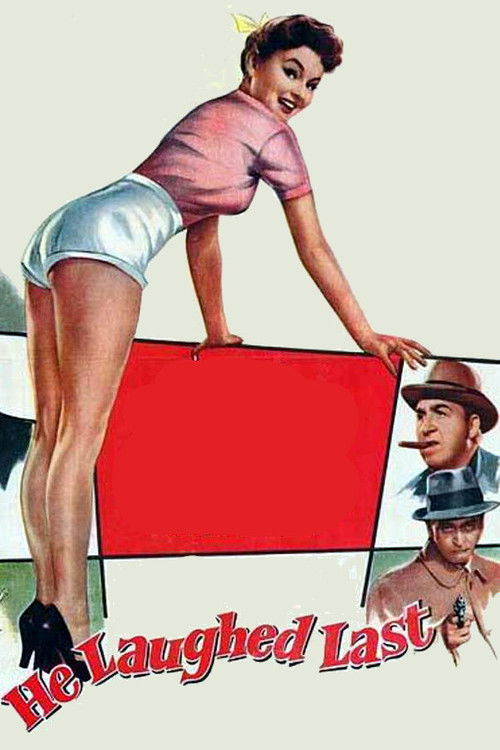
He Laughed Last
1956A 1920s chorus girl inherits a slain gangster's empire.
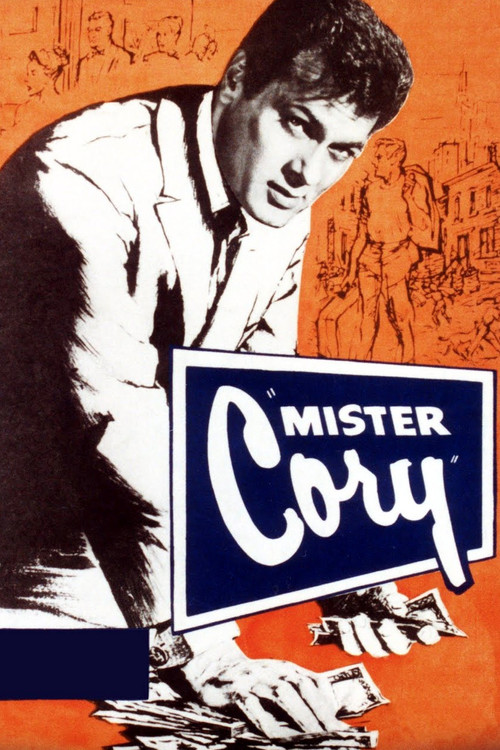
Mister Cory
1957An opportunistic young man from the slums gambles his way to wealth, power and high society.
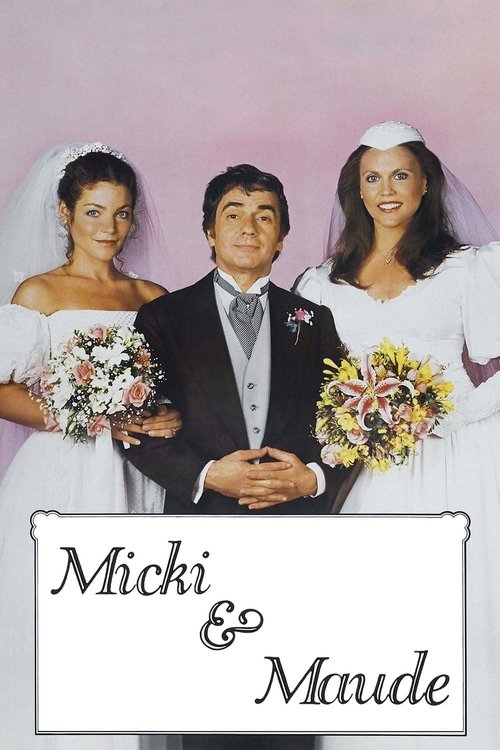
Micki & Maude
1984TV reporter Rob Salinger longs for a baby. But his career-minded wife, Micki, is too busy for motherhood. A romantic fling with a seductive cellist, Maude, leads to her pregnancy. Rob receives another shock when Micki announces that she's also expecting! In love with both women, he marries Maude and starts leading a double life full of complicated and riotous situations.
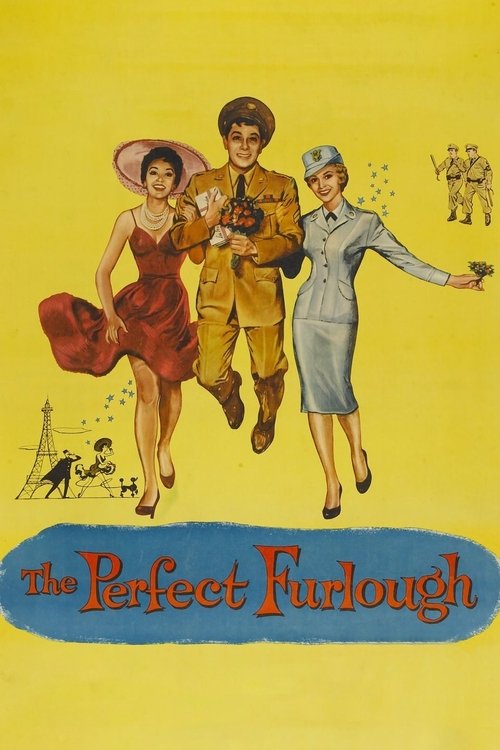
The Perfect Furlough
1958A love-starved soldier stationed at an Arctic base wins a furlough in Paris, but a pretty, no-nonsense military psychologist is ordered to accompany him as chaperone to keep him out of trouble.
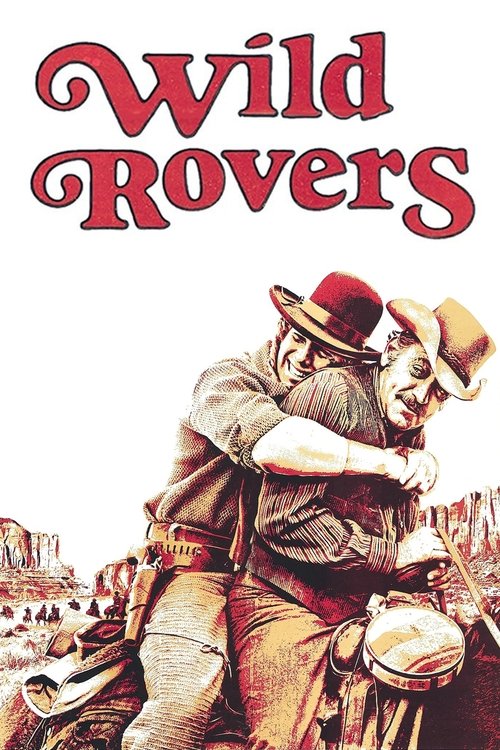
Wild Rovers
1971Ross Bodine and Frank Post are cowhands on Walt Buckman's R-Bar-R ranch. Bodine is older and broods a bit about how he will get along when he's too old to cowboy. Post is young and rambunctious and ambitious for a better life than wrangling cows. When one of their fellow cowboys is killed in a corral accident, Post suggests a way into a better life for himself and his friend: robbing a bank. Bodine reluctantly joins in the plan and the two contrive to rob the local bank. They make good their escape initially, but Walt Buckman and his two sons, John and Paul, are incensed at this betrayal by their own trusted employees. John and Paul set out to bring Bodine and Post to justice.
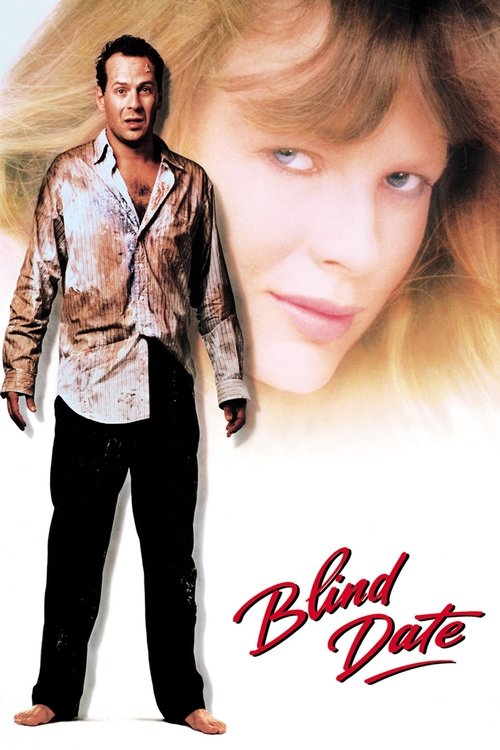
Blind Date
1987When bachelor Walter Davis is set up with his sister-in-law's pretty cousin, Nadia Gates, a seemingly average blind date turns into a chaotic night on the town. Walter's brother, Ted, tells him not to let Nadia drink alcohol, but he dismisses the warning and her behaviour gets increasingly wild. Walter and Nadia's numerous incidents are made even worse as her former lover David relentlessly follows them around town.
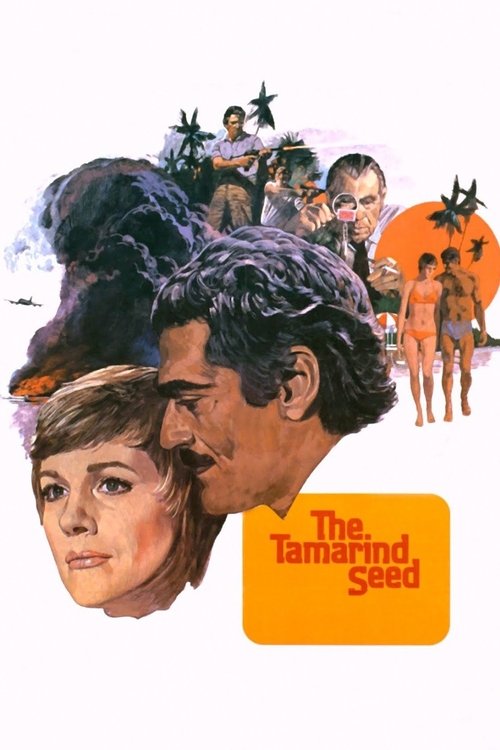
The Tamarind Seed
1974During a Caribbean holiday, a British civil servant finds herself falling in love with a Russian agent.
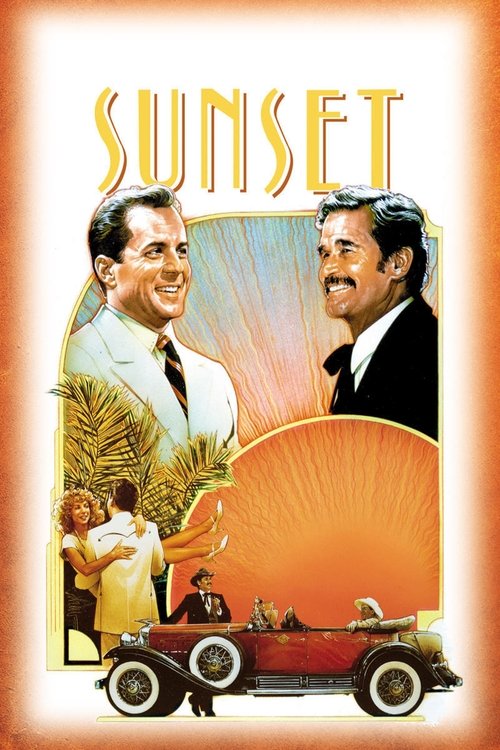
Sunset
1988Tom Mix and Wyatt Earp team up to solve a murder at the Academy Awards in 1929 Hollywood.
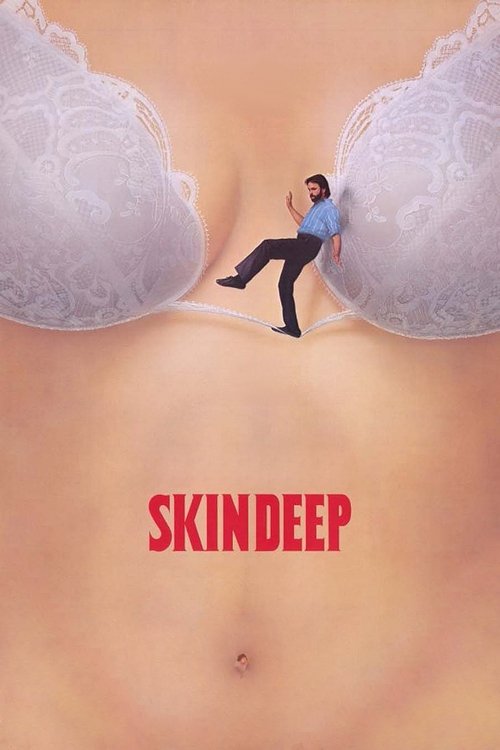
Skin Deep
1989Hard-drinking novelist Zach Hutton spirals out of control after his wife and mistress both leave him. Alone and crippled by a bad case of writer's block, Zach slips in and out of casual relationships and one-night stands, while his drinking becomes more and more severe. With the help of a bartender and his therapist, Zach confronts his demons — women and alcohol.
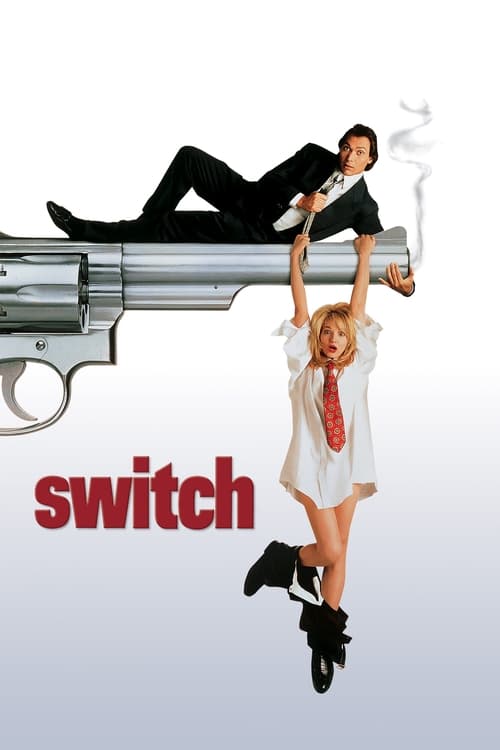
Switch
1991Steve Brooks, a sexist womanizer, is killed by a group of his angry former lovers. In heaven, he makes a bargain with God for redemption and agrees to return to Earth. Once there, he must have a sincere relationship with a female and make her fall in love with him. If not, Steve's soul will become the property of the devil. But the devil hedges his bet, and Steve is reincarnated as a woman named Amanda Brooks.
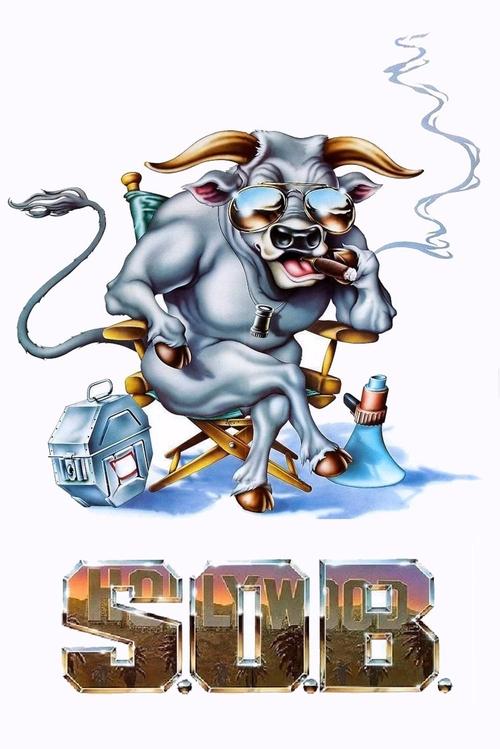
S.O.B.
1981A movie producer who made a huge flop tries to salvage his career by revamping his film as an erotic production, where its family-friendly star takes her top off.
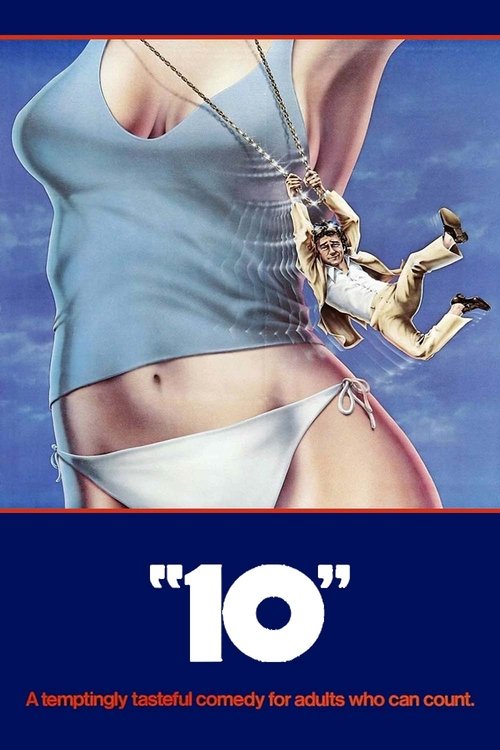
10
1979A Hollywood songwriter goes through a mid-life crisis and becomes infatuated with a sexy blonde newlywed.
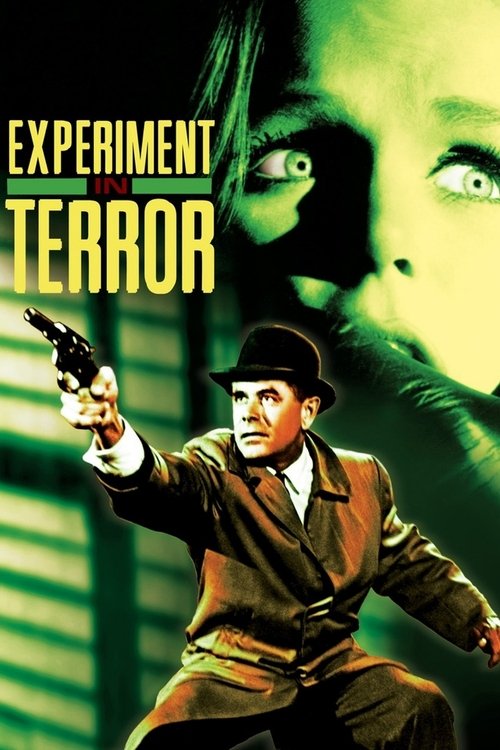
Experiment in Terror
1962A man with an asthmatic voice telephones and assaults clerk Kelly Sherwood at home and coerces her into helping him steal a large sum from her bank.
By leaning into the stark shadows of San Francisco noir, Edwards proves his versatility in the realm of high-tension suspense. His direction here utilizes architectural space and a cold, observational camera to build a sense of modern dread that feels remarkably ahead of its time.
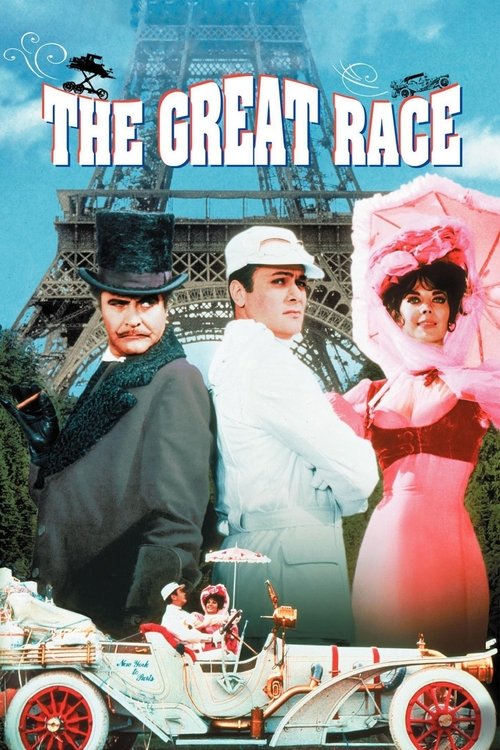
The Great Race
1965Professional daredevil and white-suited hero, The Great Leslie, convinces turn-of-the-century auto makers that a race from New York to Paris (westward across America, the Bering Straight and Russia) will help to promote automobile sales. Leslie's arch-rival, the mustached and black-attired Professor Fate vows to beat Leslie to the finish line in a car of Fate's own invention.
A gargantuan tribute to the pioneers of comedy, this film illustrates the director's ambition to paint on the widest possible canvas. It is an indulgent, vibrant spectacle where he pushes his love for technical precision and antique slapstick to their most maximalist extremes.
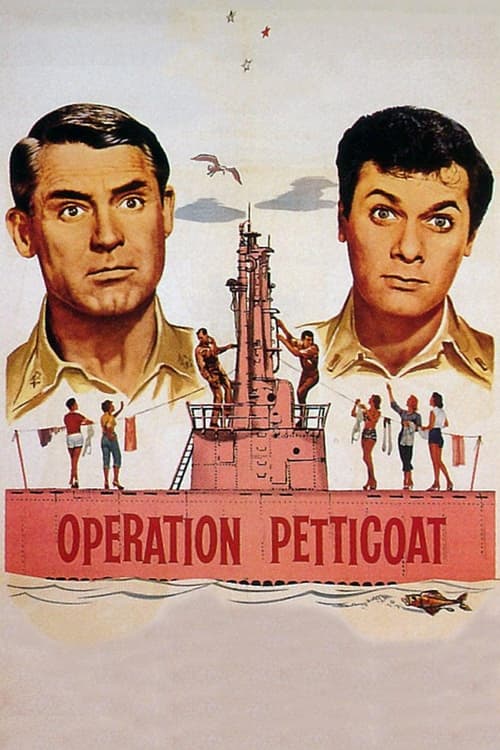
Operation Petticoat
1959A World War II submarine commander finds himself stuck with a damaged sub, a con-man executive officer, and a group of army nurses.
This early success established the director's talent for blending military precision with subversive domestic comedy. His ability to find visual humor within the cramped, metallic confines of a submarine signaled the arrival of a filmmaker who could thrive under the constraints of studio-era production.
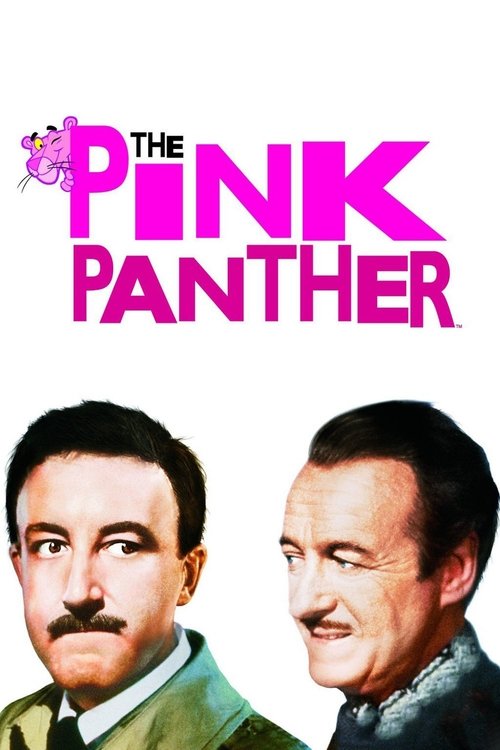
The Pink Panther
1963The trademark of The Phantom, a renowned jewel thief, is a glove left at the scene of the crime. Inspector Clouseau, an expert on The Phantom's exploits, feels sure that he knows where The Phantom will strike next and leaves Paris for the Tyrolean Alps, where the famous Lugashi jewel 'The Pink Panther' is going to be. However, he does not know who The Phantom really is, or for that matter who anyone else really is...
While later entries prioritized the pratfall, this origin point is a sleek exercise in Continental cool and ensemble sophistication. Edwards choreographs a stylish caper that relies more on glamorous atmosphere and breezy movement than the high-octane buffoonery that would later define the franchise.
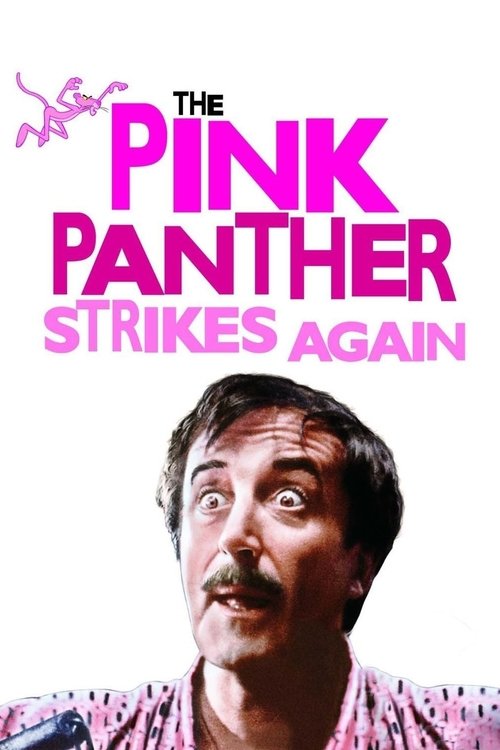
The Pink Panther Strikes Again
1976Charles Dreyfus, who has finally cracked over inspector Clouseau's antics, escapes from a mental institution and launches an elaborate plan to get rid of Clouseau once and for all.
In this frantic late-career peak, Edwards pushes the boundaries of the live-action cartoon into the realm of the surreal and the absurd. The film stands as a testament to his commitment to the gag as a high art form, trading narrative logic for a relentless, manic energy that remains unparalleled in his filmography.
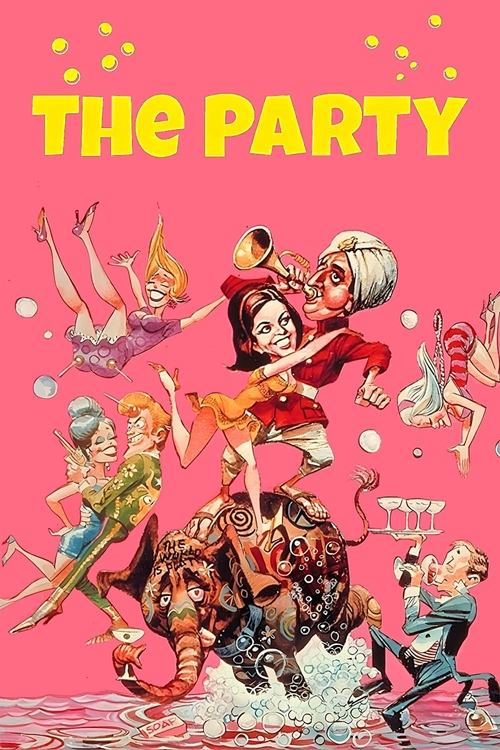
The Party
1968Hrundi V. Bakshi, an accident-prone actor from India, is accidentally put on the guest list for an upcoming party at the home of a Hollywood film producer. Unfortunately, from the moment he arrives, one thing after another goes wrong with compounding effect.
Operating almost entirely as a series of visual vignettes, this experimental comedy reveals the director's deep debt to silent cinema traditions. The slow-burn pacing and elaborate set-piece construction turn a single location into a laboratory for chaotic sociology and masterful structural collapse.
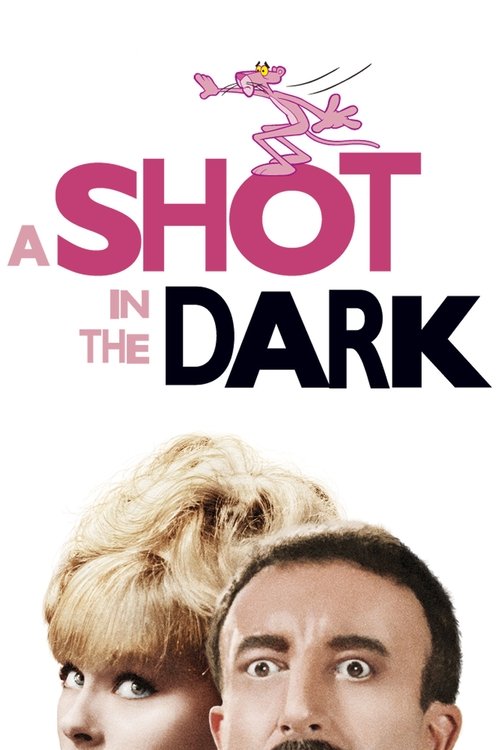
A Shot in the Dark
1964Inspector Jacques Clouseau, smitten with the accused maid Maria Gambrelli, unwittingly turns a straightforward murder investigation into a comedic series of mishaps, testing the patience of his irritable boss Charles Dreyfus as casualties mount.
The quintessential marriage of slapstick geometry and detective noir, this sequel refined the Clouseau mythos into a masterclass of escalating physical chaos. Edwards demonstrates a peerless understanding of spatial comedy, using every inch of the frame to orchestrate a symphony of perfectly timed disasters.
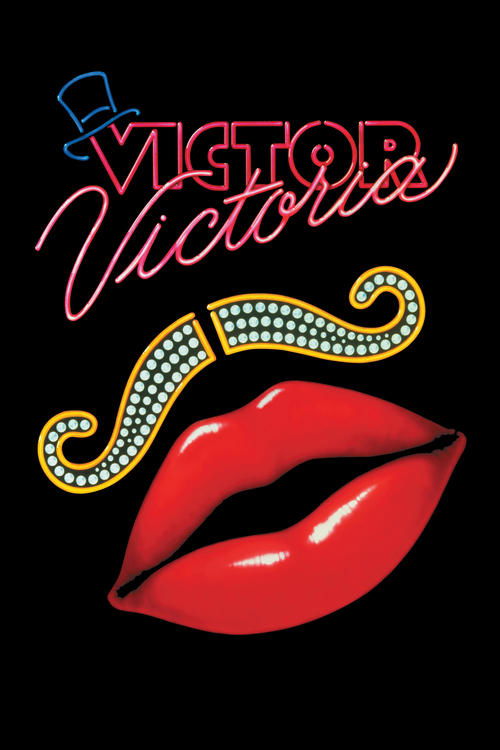
Victor/Victoria
1982A struggling female soprano finds work playing a male female impersonator, but it complicates her personal life.
This sophisticated exploration of gender artifice and theatricality represents the peak of the director's fascination with masks and identity. Edwards utilizes the mechanics of classic farce to dismantle social rigidities, creating a lavishly mounted musical that pulses with subversive intelligence and impeccable rhythmic timing.
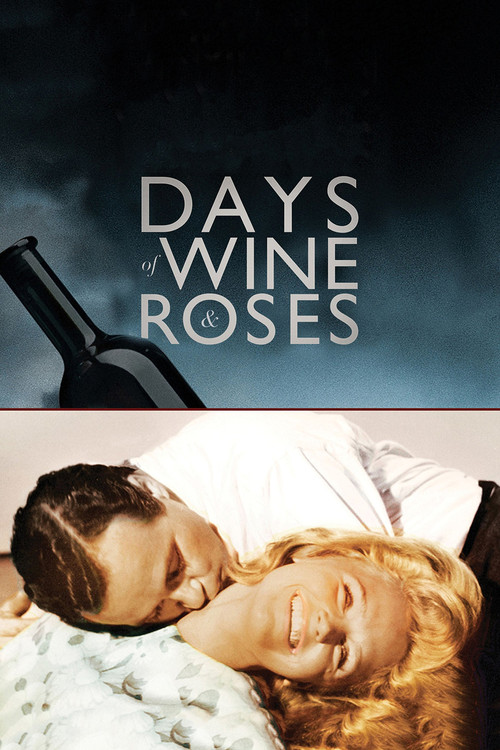
Days of Wine and Roses
1963An alcoholic falls in love with and gets married to a young woman, whom he systematically addicts to booze so they can share his "passion" together.
A harrowing departure from his comedic sensibilities, this film showcases Edwards as a rigorous formalist capable of unflinching psychological realism. By stripping away his signature luster, he captures the claustrophobic descent of addiction through a lens that feels both agonizingly intimate and technically precise.
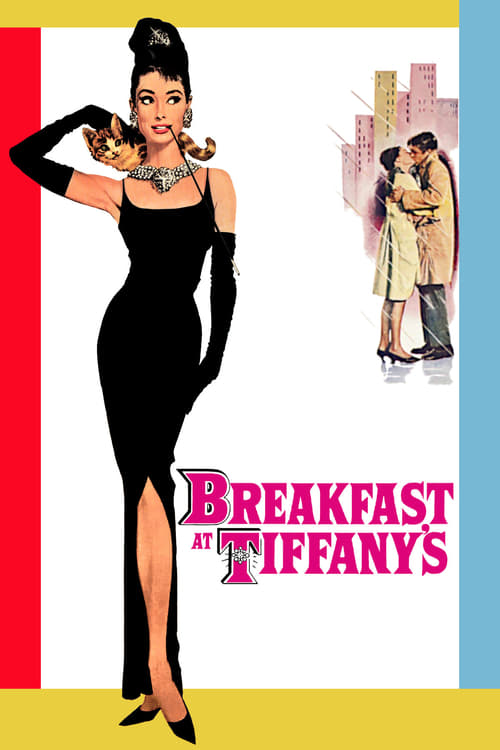
Breakfast at Tiffany's
1961Holly Golightly is an eccentric New York City playgirl determined to marry a Brazilian millionaire. But when young writer Paul Varjak moves into her apartment building, her past threatens to get in their way.
Edwards masterfully balances Manhattan artifice with a deep, melancholic undertow, transforming a cynical novella into the definitive cinematic statement on urban loneliness and stylistic reinvention. It remains his most visually iconic work, proving his unique ability to frame high fashion and raw vulnerability within the same exquisite widescreen compositions.
Frequently Asked Questions
Everything you need to know about this list and SnakeDrafts
- Blake Edwards is renowned for classics such as "Breakfast at Tiffany's," "Victor/Victoria," and multiple entries in the Pink Panther series, which showcase his unique blend of sophisticated comedy and visual elegance.
- In 'Days of Wine and Roses,' Edwards masterfully balances intense drama with subtle romantic elements, demonstrating his versatility beyond comedy. This film explores addiction and human struggle, highlighting his ability to handle serious narratives with emotional depth.
- The Pink Panther series exemplifies Edwards' signature style, combining slapstick comedy with precise timing and clever visual gags. His use of widescreen CinemaScope frames helped choreograph intricate comedic sequences, turning the series into an enduring comedy classic.
- "The Party" shares Edwards’ hallmark chaos and elegance, turning a simple scenario into a high-stakes comedic ballet. Like his other comedies, it highlights his jewel-like framing and talent for transforming chaos into artful, laugh-out-loud moments.
- Edwards skillfully traversed genres from romantic comedies in "Breakfast at Tiffany's" to thrillers like "Experiment in Terror," and musical comedies like "Victor/Victoria." His ability to integrate comedy with different genres showcases his directorial range and creative vision.
- Visual style is central to Edwards’ films; he expertly uses widescreen formats and meticulous framing to create a polished aesthetic that complements his comedic timing. This approach elevates scenes from simple gags to cinematic spectacles, as seen in "The Great Race" and "A Shot in the Dark."
- "Victor/Victoria" stands out for its innovative blend of musical, comedy, and romance, showcasing Edwards' knack for combining genres while addressing themes of identity and performance. The film's witty script and engaging direction highlight his strength in creating multifaceted entertainment.
- "Operation Petticoat" typifies Edwards’ flair for turning unconventional settings—such as a WWII submarine—into fertile grounds for comedy. His ability to inject humor into diverse scenarios while maintaining narrative momentum is a hallmark of his directing style.