The Complete Ranking of Edward Burns Movies
The Essential Filmography of an Indie Legend
Discover the most impactful movies featuring Edward Burns, from grand war epics and romantic comedies to his celebrated independent directorial works.
About Edward Burns
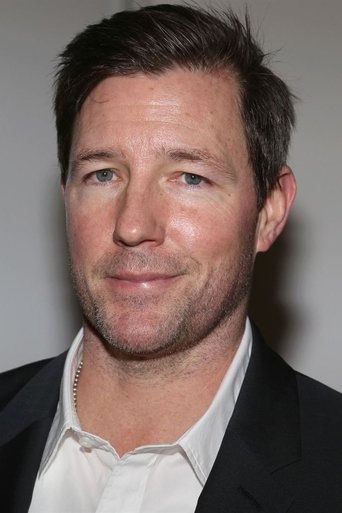
In the mid-nineties, the American independent film scene was defined by a specific kind of blue-collar romanticism that belonged almost entirely to Edward Burns. He didn't just walk onto the screen; he arrived with a script in his pocket and a voice that sounded like a cold beer on a humid Long Island afternoon. With his debut, The Brothers McMullen, he captured a lightning-in-a-bottle moment for Sundance-era cinema, proving that audiences were hungry for small, conversational stories about Irish-Catholic guilt, brotherly squabbles, and the messy geography of the outer boroughs. He became the face of a certain New York archetype: the honest, slightly stubborn guy who might break your heart but will definitely help you move.
His career has always functioned on two distinct tracks. On one side, he is the reliable utility player for major studio spectacles. He provided the gritty, grounded soul of the platoon as Private Reiben in Saving Private Ryan, standing his ground against Tom Hanks in a performance that cemented his status as a formidable dramatic presence. He lent a cynical edge to the thriller 15 Minutes and played the heavy-lifting straight man in high-concept projects like Man on a Ledge and the sci-fi outing A Sound of Thunder. Even in the glossy world of the romantic comedy, he became the ultimate silver-screen crush. Whether he was playing the charmingly unattainable editor in 27 Dresses or the sophisticated love interest in The Holiday, he brought a masculine warmth that made those movies feel anchored in something real.
Yet, his true legacy lies in the films he writes and directs himself. There is a specific rhythm to a Burns production, a shorthand between characters that feels lived-in rather than scripted. In Sidewalks of New York and Purple Violets, he explores the neurotic romanticism of Manhattan with a lens that feels far more intimate than the flashy city we usually see in cinema. He has a gift for capturing the friction of long-term relationships and the lingering ghosts of hometowns, themes he revisited with heartbreaking precision in The Fitzgerald Family Christmas and the gritty No Looking Back. He understands that people mostly talk about their problems over kitchen tables or walking down rainy streets, and he has spent decades perfecting that brand of cinematic conversation.
What makes him endure is a refusal to chase trends. While other directors pivoted to superheroes or high-concept streaming fodder, he stayed true to his micro-budget roots and adult-oriented dramas. His latest work, Millers in Marriage, shows a filmmaker still fascinated by the complexities of domestic life as it evolves into middle age. He remains the king of the ensemble drama, assembling casts for movies like Friends with Kids or the con-artist thriller Confidence and letting the chemistry dictate the pace. Audiences connect with him because he feels like the last of a dying breed: a storyteller who trusts that a good conversation and a recognizable human flaw are enough to carry a movie. He is the quiet architect of the modern indie spirit, still finding new ways to tell old stories about the people we love and the places we can never quite leave behind.
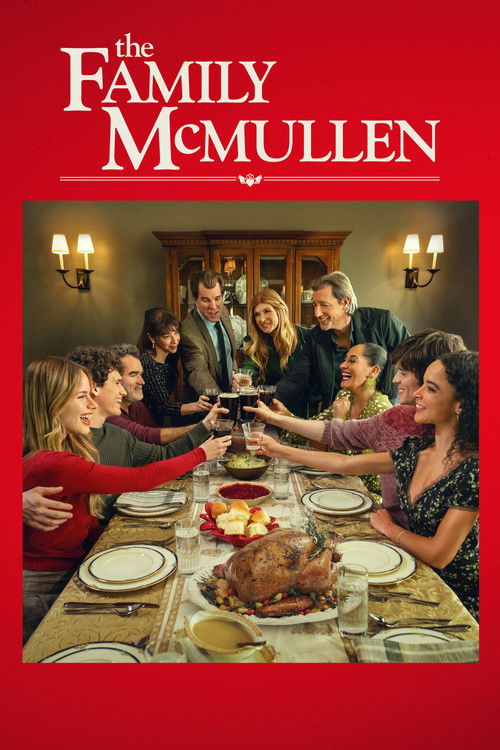
The Family McMullen
202530 years after the events of The Brothers McMullen, romantic entanglements plague a now fiftysomething Barry McMullen and his twentysomething kids, as well as his brother Patrick and widowed sister-in-law Molly, who are also facing similar unexpected hurdles.
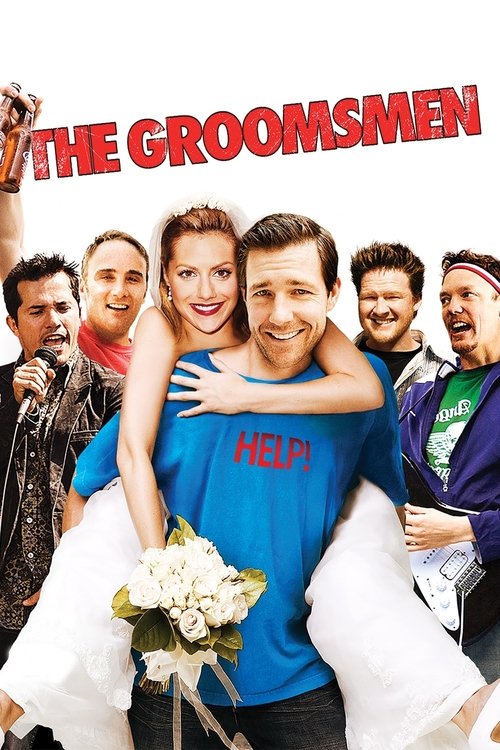
The Groomsmen
2006Blue-collar Paulie prepares for fatherhood and his forthcoming wedding to Sue by hanging out with his groomsmen. Brother Jimbo, cousin Mike, and his pals fill the reunion with drinking, boys-will-be-boys antics and a few unexpected personal confessions. But, when the bonding devolves into accusations and regret, Paulie has to decide whether he's ready to tie the knot and take this big step into adulthood.
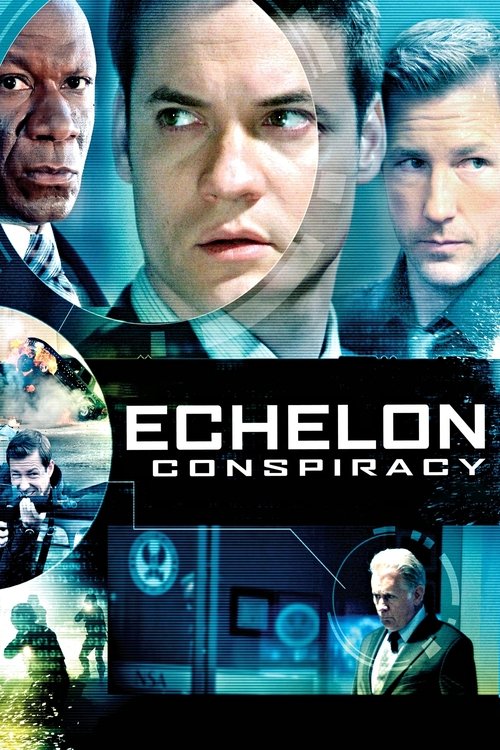
Echelon Conspiracy
2009Mysterious cell phone messages promise a young American engineer untold wealth - then make him the target of a deadly international plot. Dangerous security operatives chase the engineer across the globe, while a powerful government official pursues a mysterious agenda that threatens the stability of the entire world.
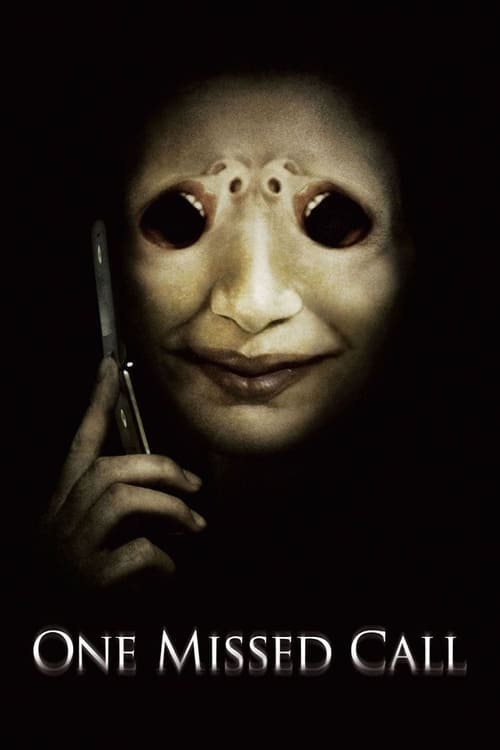
One Missed Call
2008Several people start receiving voice-mails from their future selves -- messages which include the date, time, and some of the details of their deaths.
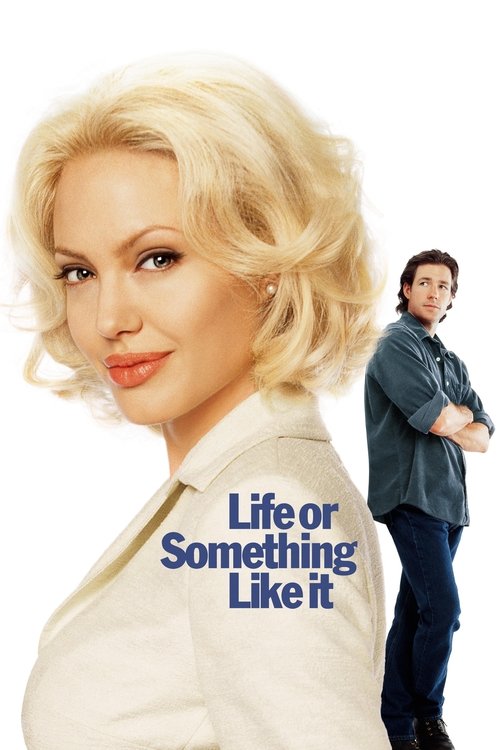
Life or Something Like It
2002A reporter Lanie Kerrigan interviews a psychic homeless man for a fluff piece about a football game's score. Instead he tells her that her life has no meaning and is going to end in just a few days, which sparks her to action, trying to change the pattern of her life...
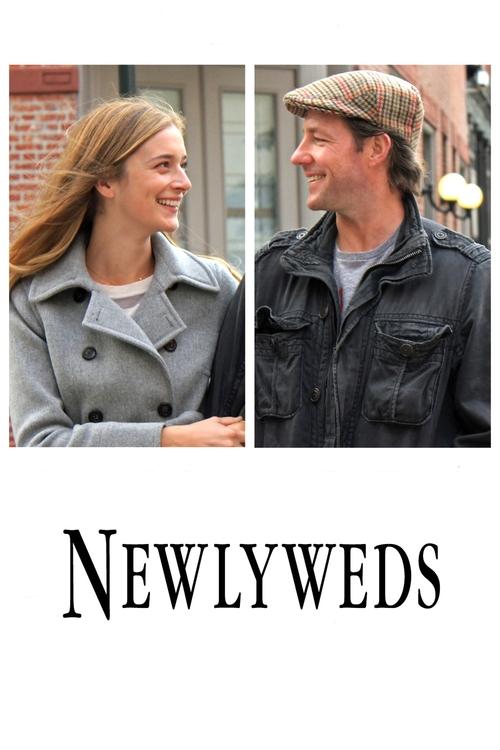
Newlyweds
2011A newlywed couple's honeymoon is upended by the arrivals of their respective sisters.
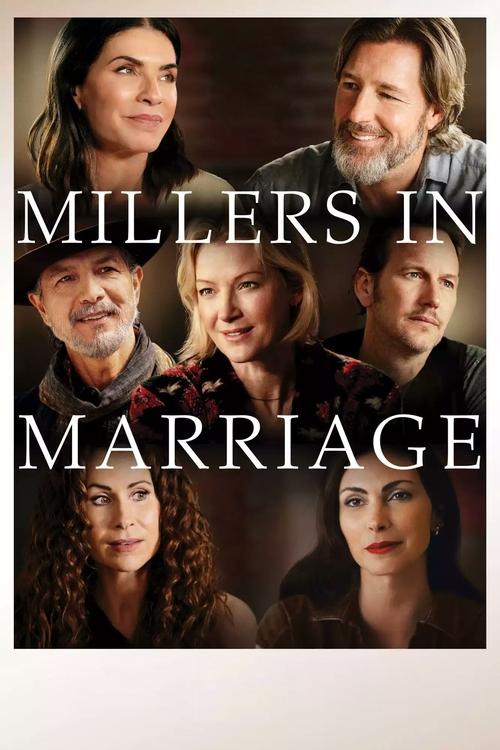
Millers in Marriage
2024Eve Miller, a former indie rock singer, struggles with her toxic marriage while growing attracted to a music journalist. Her sister Maggie, a bestselling author, faces marital discord as her career overshadows her husband's.
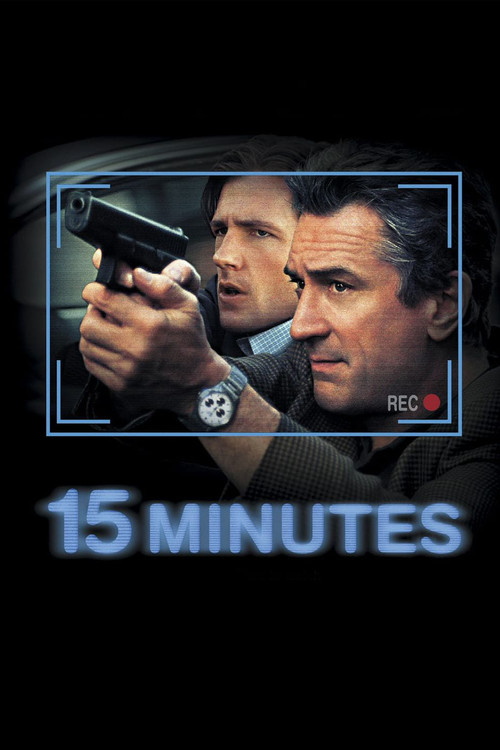
15 Minutes
2001When Eastern European criminals Oleg and Emil come to New York City to pick up their share of a heist score, Oleg steals a video camera and starts filming their activities, both legal and illegal. When they learn how the American media circus can make a remorseless killer look like the victim and make them rich, they target media-savvy NYPD Homicide Detective Eddie Flemming and media-naive FDNY Fire Marshal Jordy Warsaw, the cops investigating their murder and torching of their former criminal partner, filming everything to sell to the local tabloid TV show "Top Story."
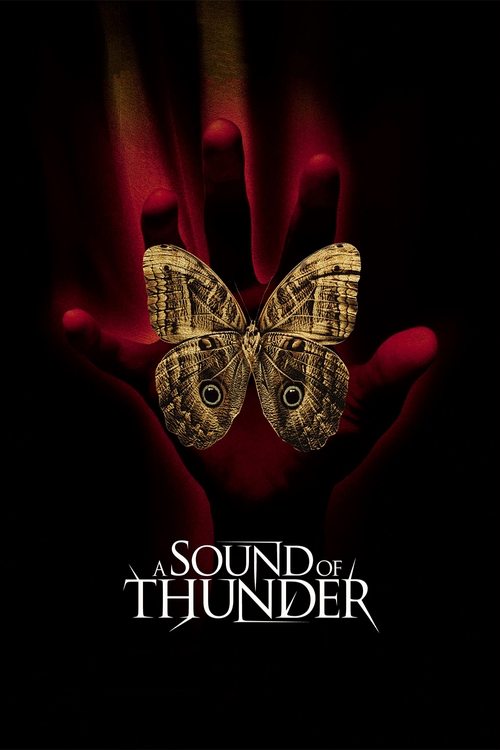
A Sound of Thunder
2005When a hunter sent back to the prehistoric era runs off the path he must not leave, he causes a chain reaction that alters history in disastrous ways.
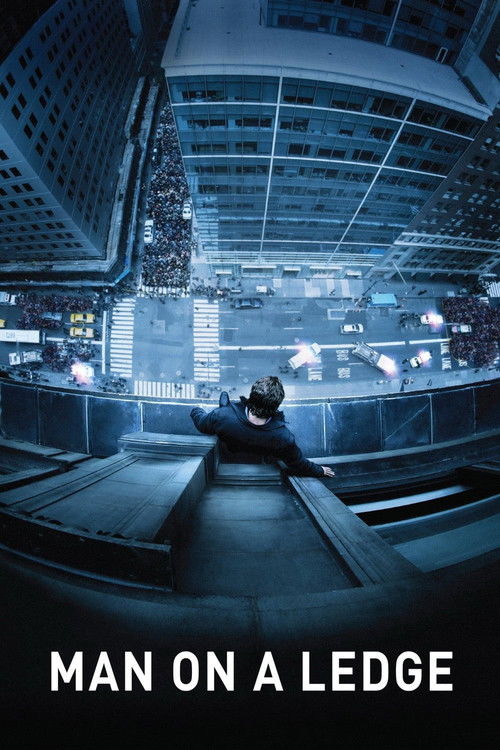
Man on a Ledge
2012An ex-cop turned con threatens to jump to his death from a Manhattan hotel rooftop. The NYPD dispatch a female police psychologist to talk him down. However, unbeknownst to the police on the scene, the suicide attempt is a cover for the biggest diamond heist ever pulled.
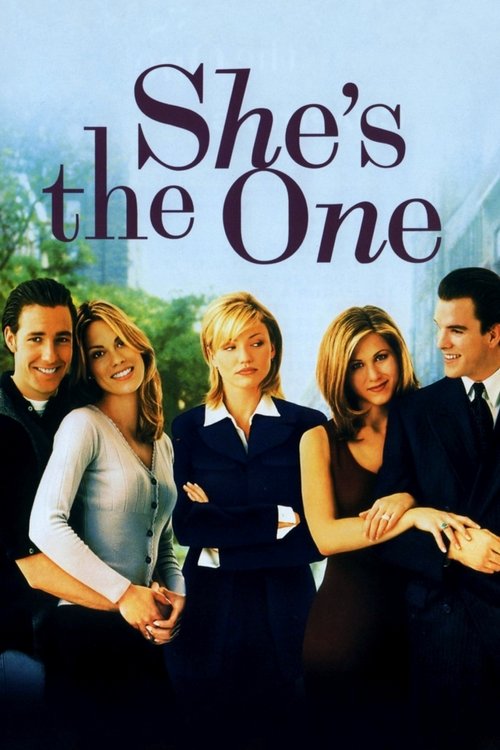
She's the One
1996Mickey, a free-spirited New York cabbie, and Francis, a materialistic Wall Street stockbroker, are extremely competitive and confused about women as a result of their father's influence. They disagree on everything, but they have one thing in common: Mickey's ex-fiance Heather is Francis's secret love. Although both brothers are already married, Heather triggers their longtime sibling rivalry.
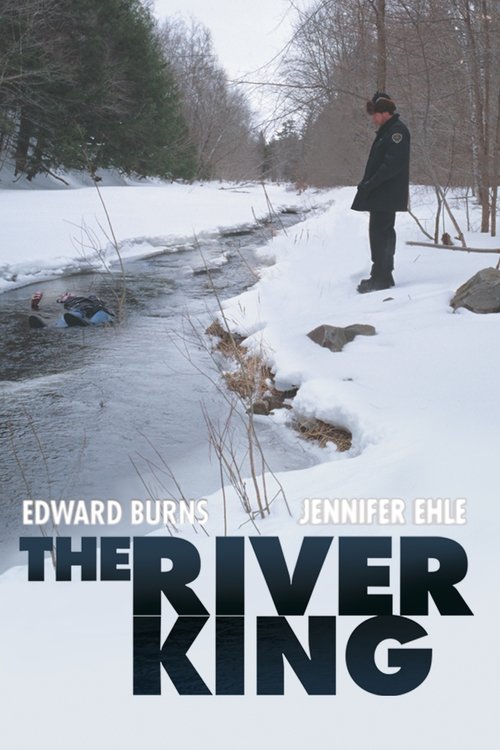
The River King
2005Abel Grey is sent to investigate the death of a boy from an exclusive local school, who is found floating in the river. Fearing scandal, the school insists it was suicide. But after discovering from the boy's girlfriend, Carlin, that he was being badly bullied, Abel suspects that a dangerous schoolboy initiation has gone horribly wrong and he secretly solicits the help of a sympathetic teacher, Betsy. He is warned off the investigation by his boss, as the school is a generous benefactor to the Police benevolent fund. Abel, however, cannot let the case go, not only because his own brother committed suicide years before, but also it seems that the spirit of the dead boy is leaving them clues as to what really happened that night.
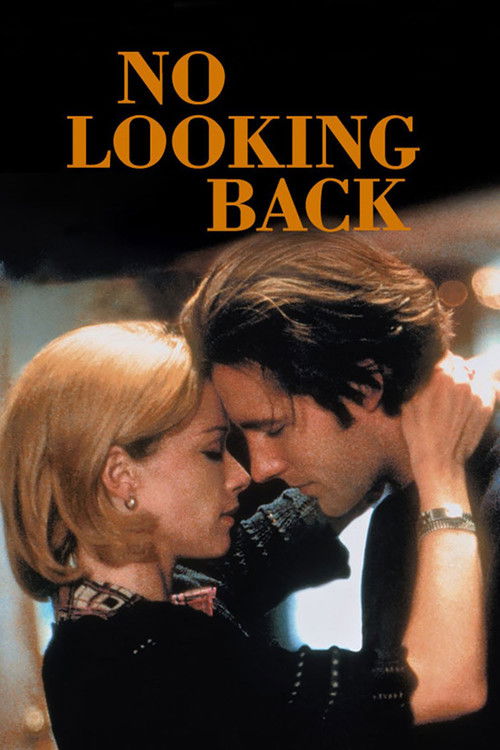
No Looking Back
1998Charlie returns to his old town where he meets his ex-girlfriend again and tries to get her back.
In this sophomore effort, Burns captures the claustrophobia of a small town through a performance defined by restless energy and stubborn hope. It serves as a gritty companion piece to his debut, proving his commitment to documenting the struggles of the working-class everyman.
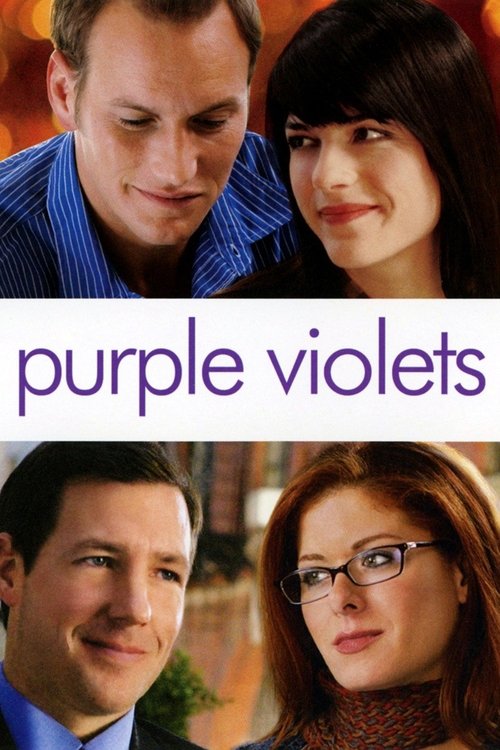
Purple Violets
2007Patti Petalson is a promising writer, but her marriage and conventional job keep her from her dream. She longs to return to her writing, especially after running into her first love Brian Callahan, a successful crime novelist. Kate is Patti's best friend since college; she's a tough-talking schoolteacher who plays therapist to all Patti's problems, while she's got a few of her own.
Utilizing a digital aesthetic to mirror a raw, intimate mood, Burns explores the lingering pull of past loves with a meditative stillness. It is a showcase for his ability to convey complex history through subtext and shared silence rather than just dialogue.
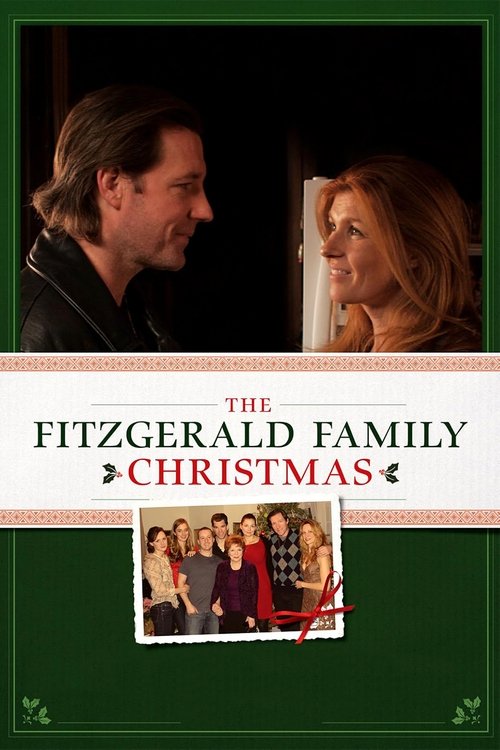
The Fitzgerald Family Christmas
2012The siblings of the Fitzgerald family must decide if the dad who abandoned them 20 years ago can come home for Christmas. Can the big Irish clan get past their grievances to be a family again?
Returning to his roots, Burns delivers a nuanced portrait of familial resentment and the burden of being the dependable son. This film demonstrates his evolution as a storyteller who can find fresh emotional resonance in the familiar terrain of Long Island domesticity.
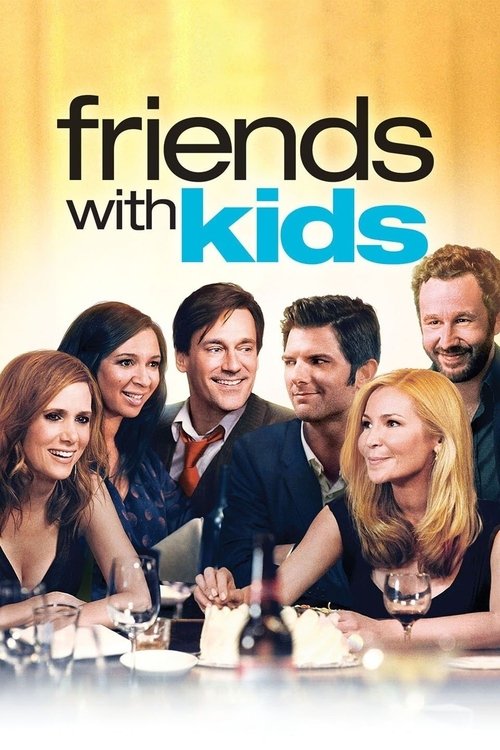
Friends with Kids
2012In the wake of their friends' marriages and eventual offspring, longtime pals Julie and Jason decide to have a child together without becoming a couple. By becoming "time-share" parents, they reason, they can experience the joys of parenthood without significantly curbing their personal freedom. However, when Julie and Jason both become involved with others, they discover that they secretly harbor romantic feelings for each other.
Burns inhabits the role of a weathered divorcee with a quiet vulnerability that cuts through the film's witty banter. His performance highlights a transition into more mature, parental roles while retaining the sharp verbal agility of his younger characters.

27 Dresses
2008Altruistic Jane finds herself facing her worst nightmare as her younger sister announces her engagement to the man Jane secretly adores.
Playing the idealized boss, Burns leans into a traditional leading-man archetype that highlights his understated screen presence. He functions as the calm center of this colorful farce, anchoring the more heightened comedic beats with a grounded, effortless masculinity.
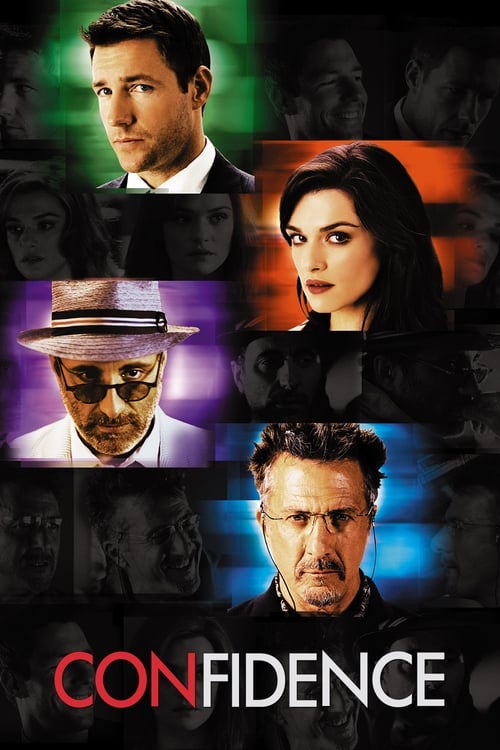
Confidence
2003What Jake Vig doesn't know just might get him killed. A sharp and polished grifter, Jake has just swindled thousands of dollars from the unsuspecting Lionel Dolby with the help of his crew. It becomes clear that Lionel wasn't just any mark, he was an accountant for eccentric crime boss Winston King. Jake and his crew will have to stay one step ahead of both the criminals and the cops to finally settle their debt.
Trading his usual earnestness for the slick maneuvers of a grifter, Burns proves he can survive the twists of a stylized neo-noir. This performance expanded his range, distancing him from the kitchen-sink realism of his early career in favor of genre-bending artifice.
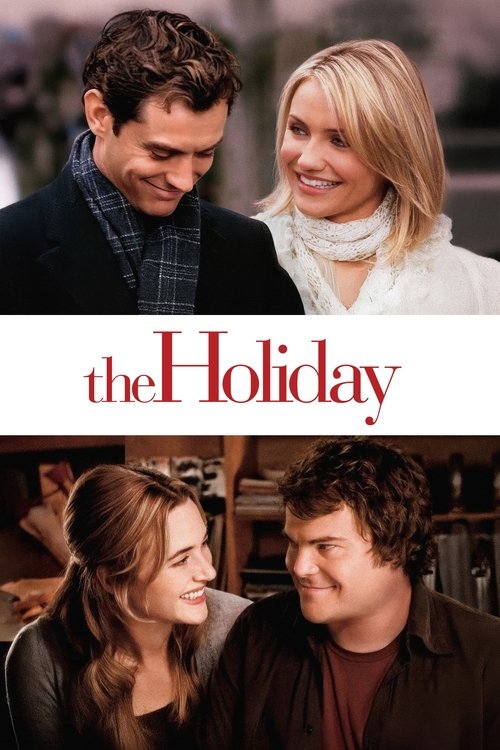
The Holiday
2006Two women, one American and one British, swap homes at Christmastime following bad breakups. Each woman finds romance with a local man but realizes that the imminent return home may end the relationship.
In a brief but pivotal turn, Burns weaponizes his natural swagger to play the quintessential cad, providing the necessary narrative friction that forces the protagonist's self-actualization. It serves as a crisp reminder of his effectiveness within the high-gloss machinery of a studio romantic comedy.
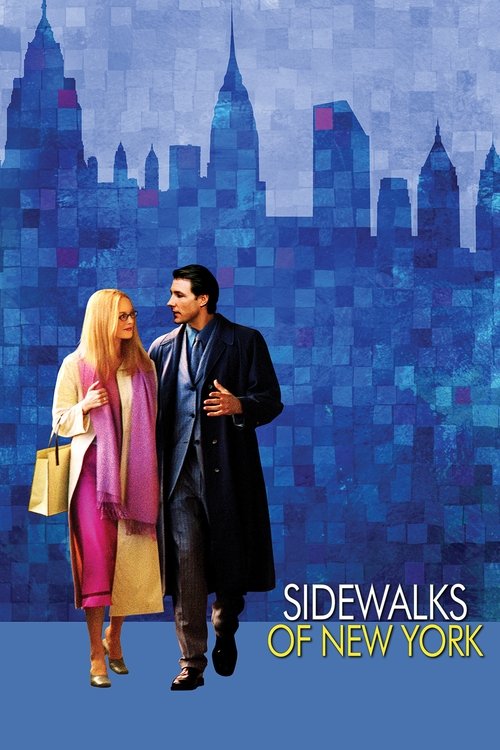
Sidewalks of New York
2001The film follows the marital and dating lives of three men and three women who unknowingly form a tangled web of relationships. Interspersing "man on the street" interviews with scenes from the six characters' lives, the film weaves a humorous and biting commentary on the game of love -- easy to start, hard to finish.
This ensemble piece captures Burns at his most Woody Allen-esque, navigating the neurotic rhythms of Manhattan dating with a cynical yet breezy charisma. It marks a creative peak where his dual identities as a leading man and a structuralist filmmaker perfectly align.
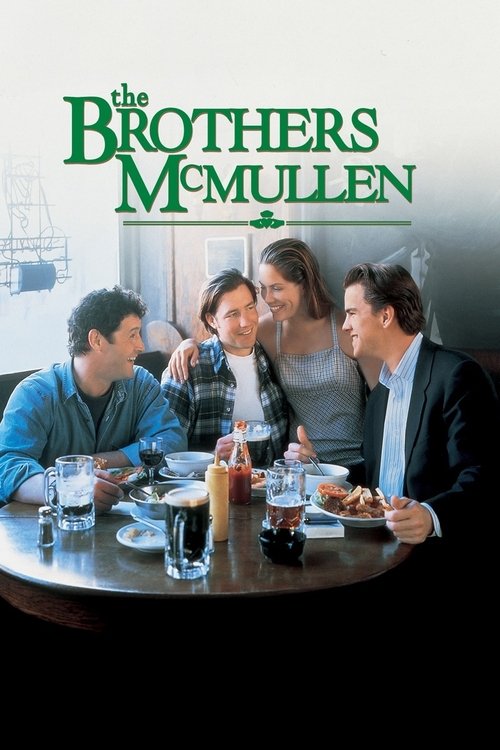
The Brothers McMullen
1995Deals with the lives of the three Irish Catholic McMullen brothers from Long Island, New York, over three months, as they grapple with basic ideas and values — love, sex, marriage, religion and family — in the 1990s.
As the quintessential voice of Irish-American suburban angst, Burns used his debut to establish a distinctive cinematic shorthand for brotherhood and romantic paralysis. It remains the definitive showcase of his ability to blend colloquial charm with sharp, observational writing.
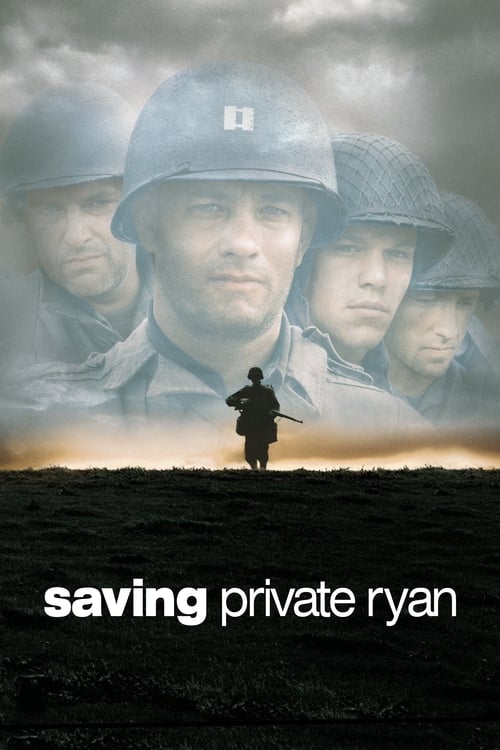
As U.S. troops storm the beaches of Normandy, three brothers lie dead on the battlefield, with a fourth trapped behind enemy lines. Ranger captain John Miller and seven men are tasked with penetrating German-held territory and bringing the boy home.
Burns provides the gritty, blue-collar backbone of Spielberg's platoon, grounding the operatic violence with a skeptical, world-weary pragmatism. This role solidified his transition from indie darling to a credible dramatic force capable of holding his own against industry titans.
Frequently Asked Questions
Everything you need to know about this list and SnakeDrafts
- Edward Burns made a significant breakthrough with "The Brothers McMullen," a film he wrote, directed, and starred in. This indie movie captured the essence of 90s blue-collar romanticism, establishing Burns as a distinct voice in Sundance-era cinema.
- In "Saving Private Ryan," Edward Burns appears in a high-profile war epic directed by Steven Spielberg, contrasting his typical roles in small, dialogue-driven indie films. Here, he contributes to a large ensemble cast in a historically intense drama, showcasing his versatility beyond romantic comedies and family dramas.
- Edward Burns frequently explores themes of relationships, family dynamics, and life's complexities in his directed works such as "Sidewalks of New York" and "The Fitzgerald Family Christmas." These films blend comedy and drama to portray intimate, authentic human experiences.
- "The Holiday," directed by Nancy Meyers, is a well-loved romantic comedy featuring Edward Burns. It showcases his ability to seamlessly fit into mainstream Hollywood productions while maintaining his charm and screen presence.
- Aside from romance and comedy, Edward Burns has been part of action and thriller films like "Confidence" and dramas such as "No Looking Back." These selections highlight his range as an actor capable of handling intense and varied roles.
- Burns' films often reflect his Long Island roots and blue-collar upbringing, delivering stories rich in conversational dialogue and heartfelt moments. This personal style is a defining feature, giving his films a relatable and down-to-earth quality.
- Yes, Edward Burns has worked with renowned directors like Steven Spielberg in "Saving Private Ryan" and Nancy Meyers in "The Holiday." These collaborations have expanded his career beyond independent filmmaking into major studio projects, showcasing his adaptability.