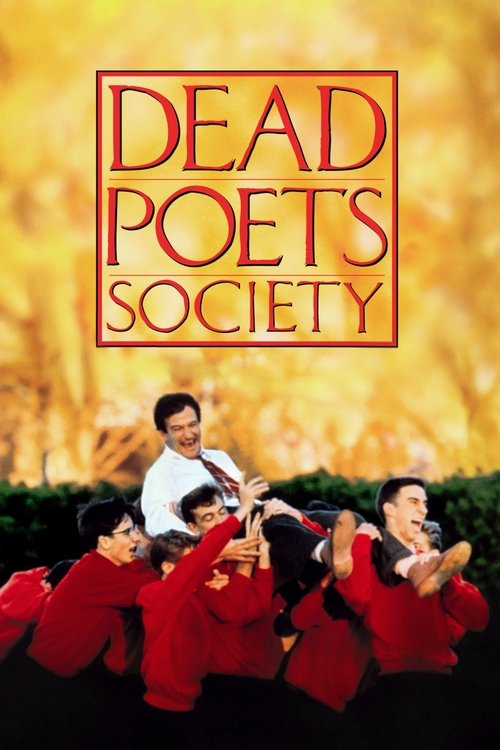
Dead Poets Society
In Dead Poets Society, an unconventional English teacher at a rigid preparatory school ignites a flame of passion for poetry and free thought in his students, challenging the oppressive traditions of their world. This poignant drama explores the power of education, rebellion, and the enduring legacy of a teacher who dared to inspire his students to "carpe diem." Journey into a world where literature comes alive and young minds discover their voices.
Director
Release Year
1989
Runtime
129 minutes
Genres
Main Cast
Robin Williams, Robert Sean Leonard, Ethan Hawke, Josh Charles, Gale Hansen
About Dead Poets Society
Dead Poets Society, directed by Peter Weir, premiered in 1989 and swiftly became a cultural phenomenon, resonating deeply with audiences for its powerful themes of individualism, conformity, and the transformative power of education. The film's narrative centers on the arrival of John Keating, an unorthodox English teacher, at the conservative Welton Academy. Through his unique teaching methods and passionate embrace of poetry, Keating encourages his students to "carpe diem" – seize the day – and challenge the restrictive expectations placed upon them.
The film masterfully balances moments of exuberant intellectual awakening with the tragic consequences of defying established norms. It explores the students' struggles to reconcile their burgeoning desires for self-expression with the pressures of their families and the rigid structure of the school. The performances, particularly Robin Williams' iconic portrayal of Keating, were lauded by critics, who praised the film's emotional depth and its ability to spark important conversations about the purpose of education and the pursuit of artistic passion.
Dead Poets Society garnered numerous accolades, including an Academy Award for Best Original Screenplay. Its enduring legacy lies in its ability to inspire generations of viewers to question authority, embrace their individuality, and find their own voices. The film's impact can be seen in countless discussions about pedagogical philosophy and the importance of fostering creativity within educational systems, making it a cornerstone of cinematic explorations into coming-of-age and mentorship.
Drafts Featuring Dead Poets Society
Every SnakeDrafts listicle where this movie appears
The Best Robin Williams Movies Ranked
Ranked #2
The Essential Kurtwood Smith Movie Checklist
Ranked #2
The Ultimate Ethan Hawke Movie Ranking: Career-Defining Roles
Ranked #1
Best Lara Flynn Boyle Movies Ranked
Ranked #3
Peter Weir's Best Directed Films Ranked
Ranked #1
1989's Best Movies Ranked
Ranked #5
Top Drama Movies Ranked
Ranked #31
The Best Movies of the 1980s Ranked
Ranked #42
Similar Movies
Movies related to Dead Poets Society


Frequently Asked Questions
Everything you need to know about Dead Poets Society
- In Dead Poets Society, "Carpe Diem" is Latin for "seize the day" and serves as the central rallying cry of John Keating's philosophy. It encourages his students to live fully, embrace their passions, and resist the pressures of conformity, urging them to make their lives extraordinary.
- Neil Perry's journey embodies the heartbreaking conflict between parental expectations and personal dreams. His passion for acting clashes with his father's rigid demands, ultimately leading to a tragic outcome that underscores the film's exploration of individuality versus societal pressure.
- Poetry acts as a catalyst for the students' intellectual and emotional liberation. Through Keating's unconventional teaching, they learn to appreciate its power for self-expression, critical thinking, and understanding the complexities of the human experience, challenging their previously stifled perspectives.
- The iconic scene where students stand on their desks is a powerful act of defiance and a tribute to John Keating. It symbolizes their refusal to be silenced, their embrace of Keating's legacy, and their newfound courage to see the world from a different, inspired perspective.
- Welton Academy, with its strict traditions and emphasis on conformity, represents the societal pressures and rigid expectations that the students struggle against. Its imposing, old-fashioned environment highlights the stark contrast with Keating's liberating teaching methods and amplifies the stakes of their rebellion.

