Every Gary Cole Movie Ranked
From Bill Lumbergh to Iconic Character Performance
Explore the most essential movies in Gary Cole's career, featuring his career-defining comedic roles and intense dramatic performances.
About Gary Cole
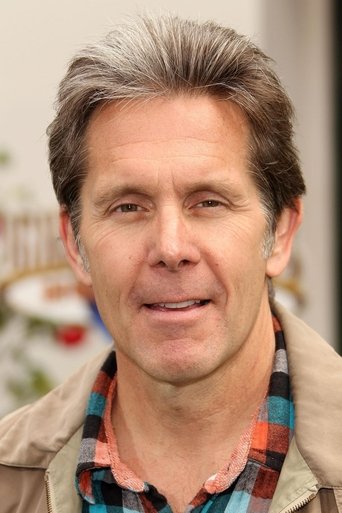
In the vast ecosystem of modern cinema, Gary Cole occupies a rare space. He is the ultimate utility player, a performer whose face triggers an immediate sense of recognition and a feeling that, no matter the genre, we are in capable hands. While some actors spend their careers carefully guarding a singular persona, he has spent decades dismantling his own. He glides from the terrifyingly stoic to the outrageously absurd with a poker face that remains one of the most effective tools in the industry. Whether he is playing a righteous lawman or a corporate ghoul, there is an inherent intelligence in his work that makes even his most ridiculous characters feel entirely grounded.
The cultural footprint he left as Bill Lumbergh in Office Space remains perhaps his most enduring achievement. With a slow, nasal drawl and a rhythmic insistence on weekend labor, he personified the soul-crushing banality of management. It was a performance so precise that it transcended the film to become the universal shorthand for white-collar dread. Yet, just years prior, he had pulled off a feat of mimicry that seemed impossible, channeling the eerily wholesome patriarch Mike Brady in The Brady Bunch Movie and its sequel. He played the part with a straight-backed sincerity that highlighted the hilarity of a 1970s relic living in a cynical 1990s world, never once winking at the camera.
His versatility allows him to navigate the high-stakes tension of dramas like In the Line of Fire and A Simple Plan while simultaneously flourishing in the chaotic comedies of the Judd Apatow and Adam McKay era. In Pineapple Express, he brings a dangerous edge to the villainy, whereas his turn as the oblivious Reese Bobby in Talladega Nights: The Ballad of Ricky Bobby provides the film with its most quotable, nihilistic wisdom. He possesses a unique ability to play authority figures who are either deeply respected or fundamentally broken. In DodgeBall: A True Underdog Story, he parodies the polished sheen of sports broadcasting, while in Breach and The Joneses, he taps into a more calculated, sophisticated undercurrent.
Audiences connect with him because he never feels like he is trying to steal the spotlight, even when he inevitably does. He provides the structural integrity for films as varied as the mystical thriller The Gift or the sentimental The Art of Racing in the Rain. Even in sports dramas like Forever Strong or indie comedies like The Bronze, he treats the material with a professional weight that elevates everyone around him. He is the actor directors call when they need a character to feel lived-in from the very first frame. He does not just show up. He inhabits the nuances of his roles so completely that he has become the gold standard for what a character actor can achieve, proving that longevity in Hollywood comes down to the quiet mastery of the craft.
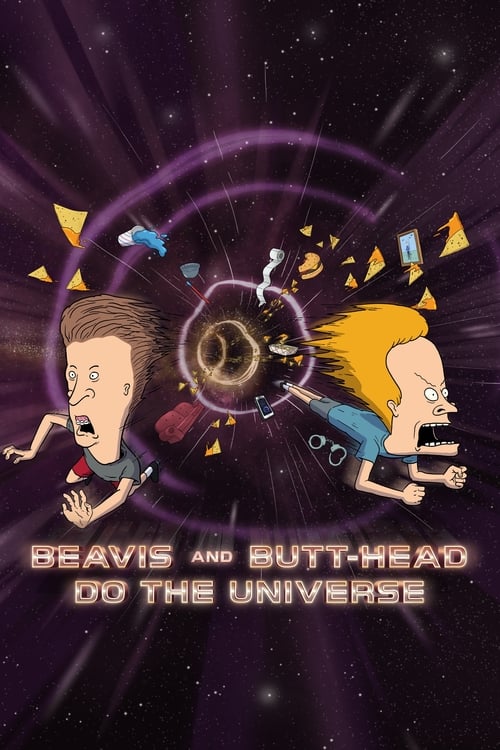
Beavis and Butt-Head Do the Universe
2022In 1998, Beavis and Butt-Head are sentenced to Space Camp by a “creative” judge. Their obsession with a docking simulator (huh huh) leads to a trip on the Space Shuttle, with predictably disastrous results. After going through a black hole, they re-emerge in our time, where they look for love, misuse iPhones, and are hunted by the Deep State. Spoiler: They don’t score.
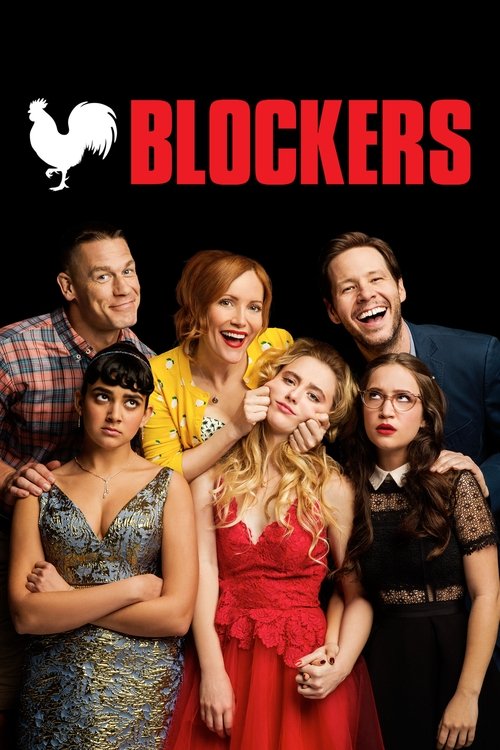
Blockers
2018When three parents discover that each of their daughters have a pact to lose their virginity at prom, they launch a covert one-night operation to stop the teens from sealing the deal.
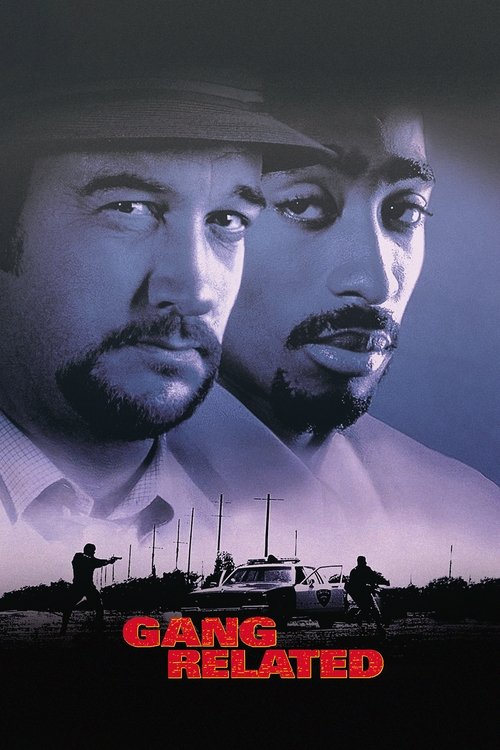
Gang Related
1997After murdering an undercover DEA agent, two corrupt cops scramble to cover up what they've done.
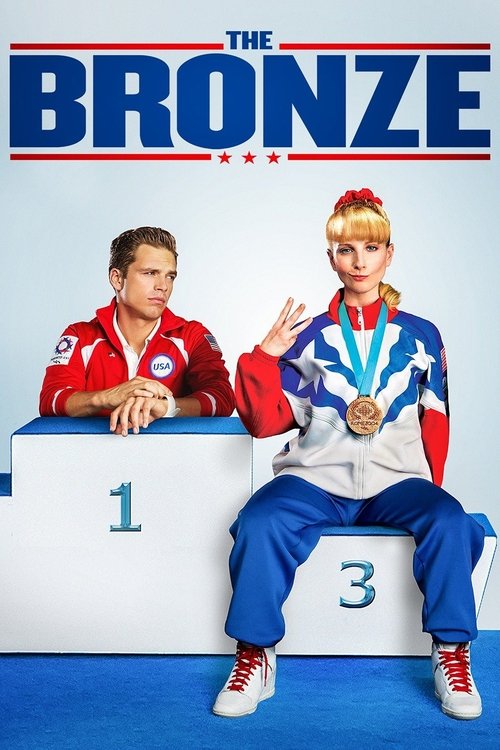
The Bronze
2016In 2004, Hope Ann Greggory became an American hero after winning the bronze medal for the women's gymnastics team. Today, she's still living in her small hometown, washed-up and embittered. Stuck in the past, Hope must reassess her life when a promising young gymnast threatens her local celebrity status.

Hop
2011E.B., the Easter Bunny's teenage son, heads to Hollywood, determined to become a drummer in a rock 'n' roll band. In L.A., he's taken in by Fred after the out-of-work slacker hits E.B. with his car.
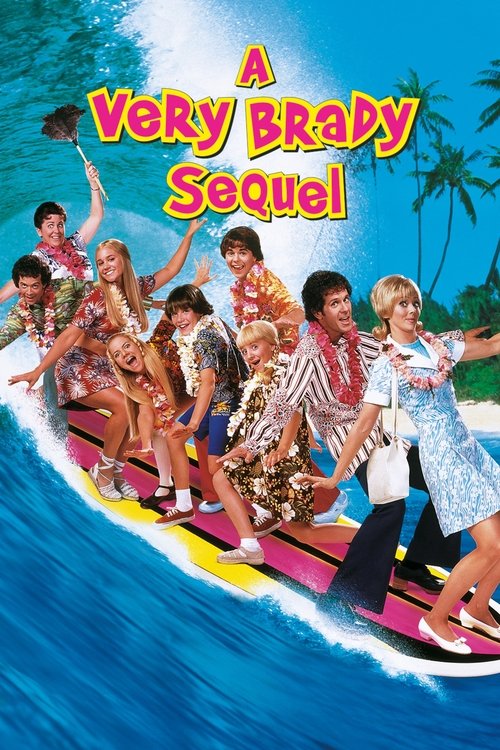
A Very Brady Sequel
1996A man claiming to be Carol Brady's long-lost first husband, Roy Martin, shows up at the suburban Brady residence one evening. An impostor, the man is actually determined to steal the Bradys' familiar horse statue, a $20-million ancient Asian artifact.
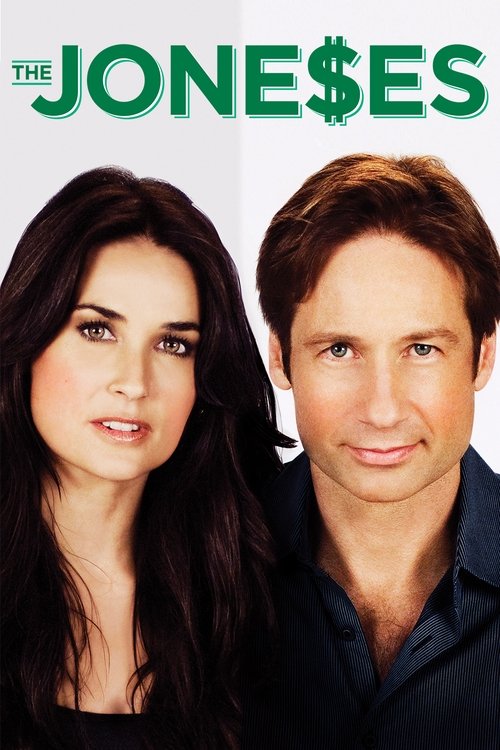
The Joneses
2010A seemingly perfect family moves into a suburban neighborhood, but when it comes to the truth as to why they're living there, they don't exactly come clean with their neighbors.
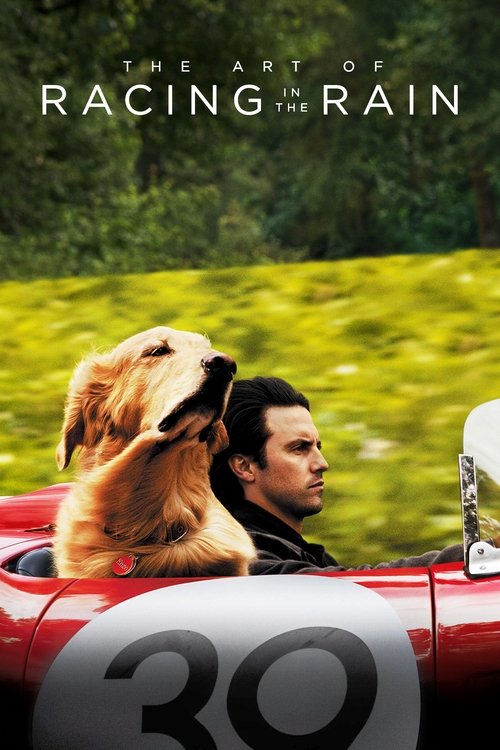
The Art of Racing in the Rain
2019A family dog – with a near-human soul and a philosopher's mind – evaluates his life through the lessons learned by his human owner, a race-car driver.
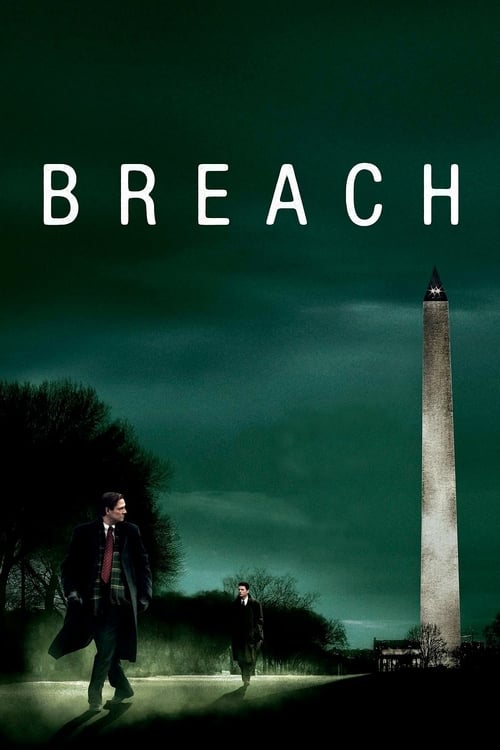
Breach
2007Eric O'Neill, a low-level surveillance expert with the FBI, believes he is accomplishing his dream of becoming a full-fledged agent, with his unexpected promotion and assignment to clerk for Robert Hanssen, a renowned senior agent with 25 years in the FBI. However, he soon learns the reason for his promotion is to gain Hanssen's trust and find proof that he is a traitor to the country. Determined to draw the suspected double-agent out of deep cover, O'Neill finds himself in a lethal game of spy vs. spy, where nothing is as it seems.
Cole delivers a sharp, analytical performance as Rich Garces, fitting seamlessly into the cold and calculated world of intelligence gathering. His presence reinforces the film's claustrophobic atmosphere of institutional suspicion and procedural detail.
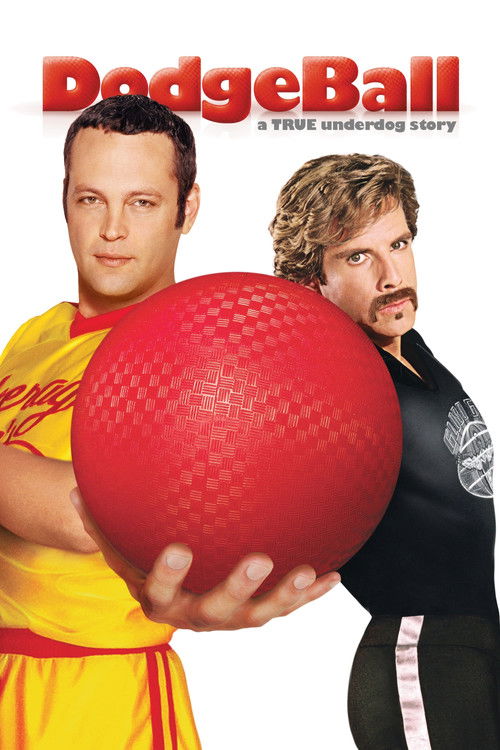
When megalomaniacal White Goodman, the owner of a trendy, high-end fitness center, makes a move to take over the struggling local gym run by happy-go-lucky Pete La Fleur, there's only one way for La Fleur to fight back: dodgeball. Aided by a dodgeball guru and Goodman's attorney, La Fleur and his rag-tag team of underdogs launch a knock-down, drag-out battle in which the winner takes all.
Portraying Cotton McKnight, Cole parodies the hyper-dramatic world of color commentary with absurdly confident delivery. His chemistry with Jason Bateman turns the broadcast booth into the film's most reliable source of deadpan surrealism.
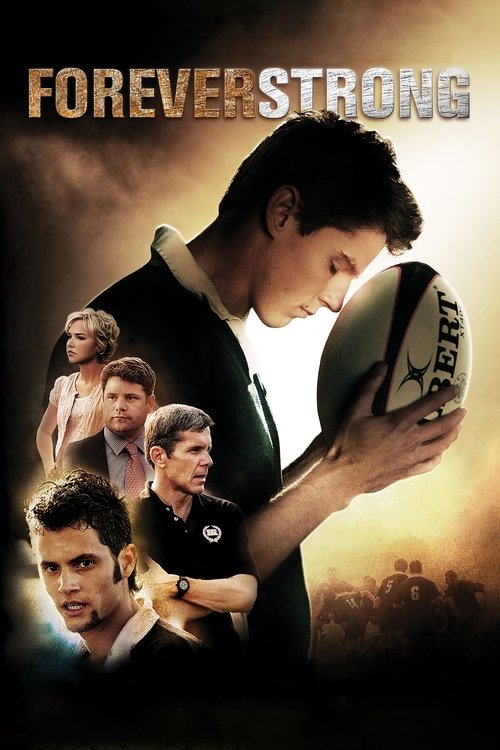
Forever Strong
2008Hotshot rugby player Rick Penning was the star player of his Arizona high school team until a fateful brush with the law forces him to ponder the consequences of his actions in a Salt Lake City juvenile detention center.
In this sports drama, Cole commands the screen with a transformative authority as the principled Coach Gelwix. He eschews typical motivational tropes in favor of a stern, philosophical gravitas that lends the film its emotional backbone.
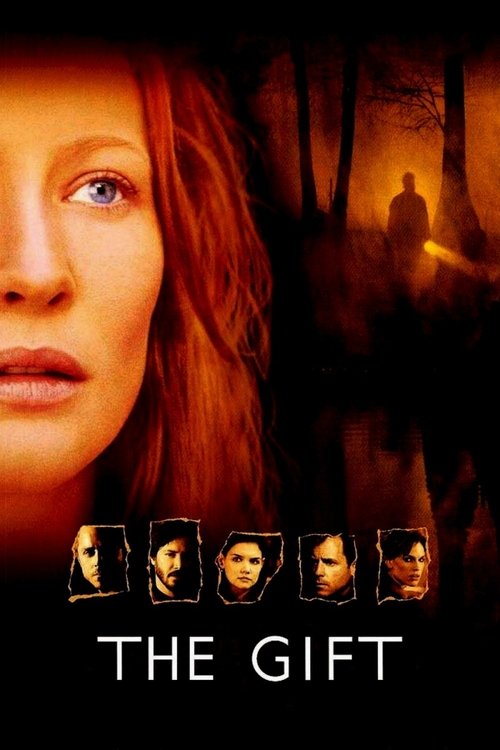
The Gift
2000Annie Wilson, young widow and mother of three, makes her living foretelling others' futures—though her own has become cloudier than even she can see. Threatened by a client's violent husband and plagued by visions of a missing local woman, Annie finds herself pulled into a thicket of lies and deception in which her extraordinary gift may ultimately get her killed.
Working within a southern gothic atmosphere, Cole brings a necessary layer of domestic tension that complicates the supernatural narrative. He excels at playing characters with hidden depths of resentment, contributing significantly to the film’s pervasive sense of unease.
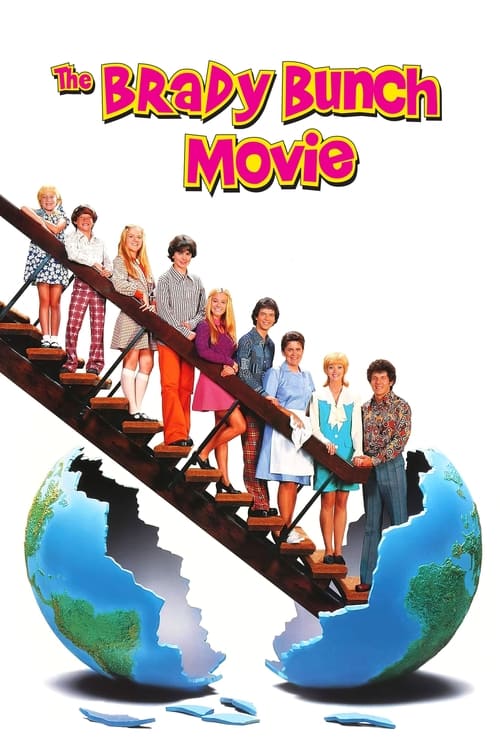
The Brady Bunch Movie
1995The original '70s TV family is now placed in the 1990s, where they're even more square and out of place than ever.
Tasked with the impossible feat of channeling Robert Reed, Cole delivers a pitch-perfect satirical recreation that stays remarkably sincere. He manages to inhabit the 1970s patriarch with such uncanny precision that the performance transcends mere impression and becomes a brilliant commentary on nostalgia.
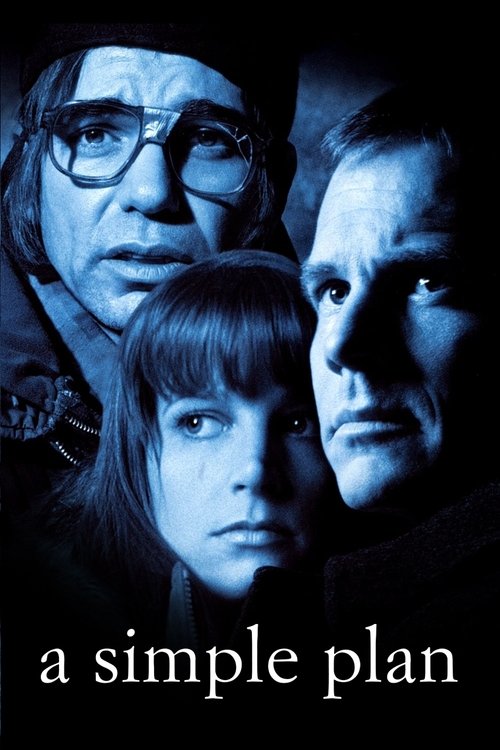
A Simple Plan
1998Captivated by the lure of sudden wealth, the quiet rural lives of two brothers erupt into conflicts of greed, paranoia and distrust when over $4 million in cash is discovered at the remote site of a downed small airplane. Their simple plan to retain the money while avoiding detection opens a Pandora's box when the fear of getting caught triggers panicked behavior and leads to virulent consequences.
Cole offers a sobering, gritty turn as Neil Baxter, proving his range extends far beyond the polished professionals he often portrays. His involvement in this Sam Raimi neo-noir highlights his ability to blend into a bleak, snowy landscape of moral decay and quiet desperation.
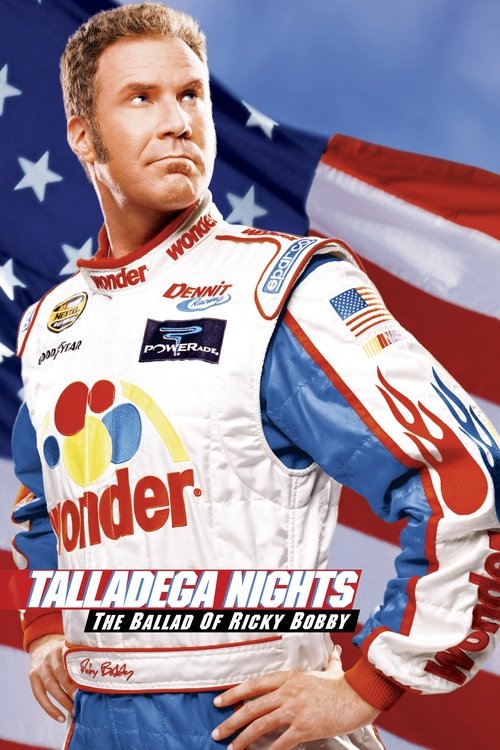
Talladega Nights: The Ballad of Ricky Bobby
2006The fastest man on four wheels, Ricky Bobby, is one of the greatest drivers in NASCAR history. A big, hairy American winning machine, Ricky has everything a dimwitted daredevil could want, a luxurious mansion, a smokin' hot wife, and all the fast food he can eat. But Ricky's turbo-charged lifestyle hits an unexpected speed bump when he's bested by flamboyant Euro-idiot Jean Girard and reduced to a fear-ridden wreck.
As the absentee patriarch Reese Bobby, Cole taps into a wild, hedonistic energy that serves as the spiritual blueprint for the film's absurd brand of American masculinity. He provides the erratic emotional core of the story, making a deadbeat father both hilariously unpredictable and oddly pivotal.
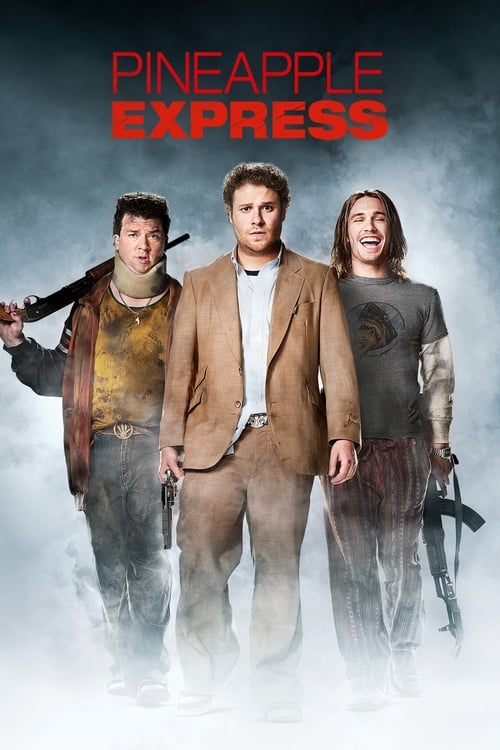
A stoner and his dealer are forced to go on the run from the police after the pothead witnesses a cop commit a murder.
Transitioning effortlessly into the realm of the modern stoner noir, Cole portrays Ted Jones with a sociopathic chill that elevates the film's stakes. He avoids the pitfall of playing the villain as a caricature, instead opting for a lethal, business-like detachment that makes the comedy pop against a backdrop of credible threat.
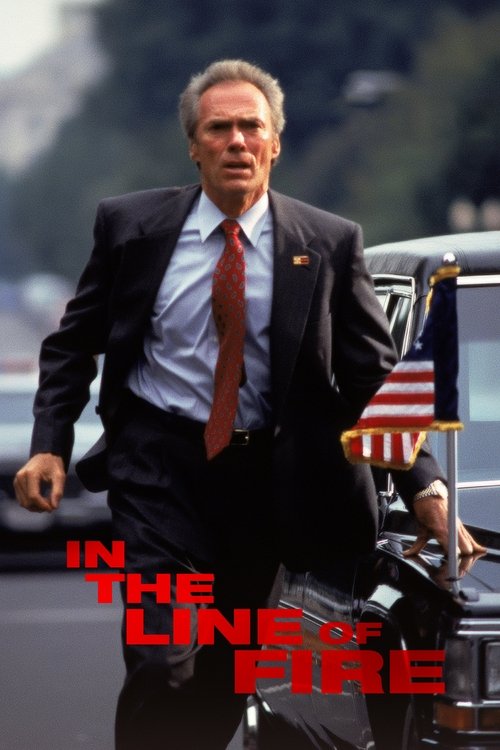
In the Line of Fire
1993Veteran Secret Service agent Frank Horrigan is a man haunted by his failure to save President Kennedy while serving protection detail in Dallas. Thirty years later, a man calling himself "Booth" threatens the life of the current President, forcing Horrigan to come back to protection detail to confront the ghosts from his past.
In this high-stakes thriller, Cole serves as the perfect stoic foil to Clint Eastwood, anchoring the Secret Service detail with a rigid professional integrity. His presence provides the essential grounded reality that allows the film's cat-and-mouse tension to feel genuinely dangerous.
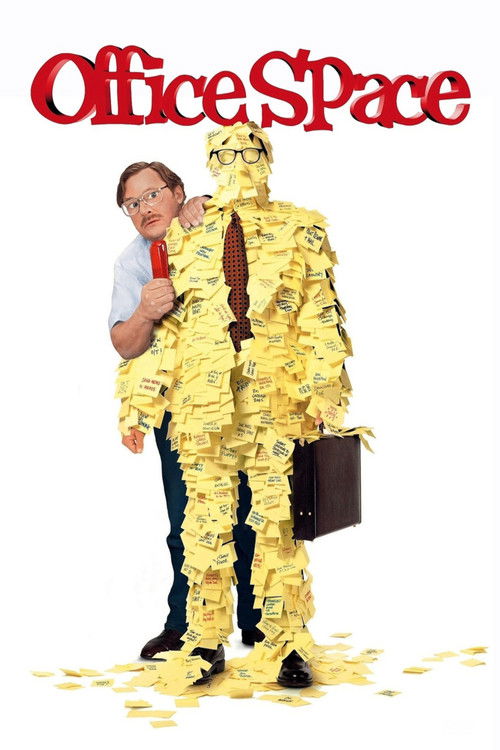
Office Space
1999A depressed white-collar worker tries hypnotherapy, only to find himself in a perpetual state of devil-may-care bliss that prompts him to start living by his own rules, and hatch a hapless attempt to embezzle money from his soul-killing employers.
Cole creates a cinematic icon of passive-aggressive corporate tyranny through Bill Lumbergh, utilizing precise vocal fry and a rhythmic cadence that haunts every cubicle dweller. It is a masterclass in stillness, where a single sip from a coffee mug conveys more bureaucratic menace than a thousand shouted insults.
Frequently Asked Questions
Everything you need to know about this list and SnakeDrafts
- "Office Space" tops the list because it showcases Gary Cole's comedic brilliance as Bill Lumbergh, a character that became iconic for its satirical take on corporate culture. The film's enduring popularity highlights Cole's skill in delivering deadpan humor that resonates with a wide audience.
- The list thoughtfully balances Gary Cole's career by including both his standout comedic performances like "Talladega Nights" and "Pineapple Express," and his intense dramatic roles such as "A Simple Plan" and "In the Line of Fire." This reflects his versatility and ability to shift seamlessly between genres.
- Yes, films like "Forever Strong" and "The Bronze" may surprise fans as they highlight Gary Cole's range beyond mainstream hits. These selections demonstrate his commitment to diverse roles, including heartfelt dramas and edgy comedies not always in the spotlight.
- The ranking focuses on films that were most impactful or defining in Gary Cole's career, prioritizing quality and significance over sheer popularity. Some lesser-known roles or supporting parts might be omitted to maintain a concise list of essential movies showcasing his best work.
- Top-ranked movies like "Office Space" and "In the Line of Fire" reveal Gary Cole's adeptness at playing authoritative figures with a memorable presence. Additionally, many of his highest entries blend humor with tension, illustrating his skill in roles that require both gravitas and comedic timing.
- Gary Cole's filmography spans multiple genres, reflected in this list that includes comedy classics, thrillers, horror, and drama. Notable genre films like the horror thriller "The Gift" and action thriller "Breach" underscore his adaptability in playing complex characters across varied cinematic styles.
- Yes, family-friendly titles such as "The Brady Bunch Movie" and "Hop" are included, illustrating Gary Cole's ability to engage audiences of all ages. These films add a lighter, approachable dimension to his diverse film career.
- The ranking highlights Gary Cole's work with acclaimed directors like Sam Raimi in "A Simple Plan" and "The Gift," as well as Mike Judge in "Office Space." These collaborations have been pivotal in showcasing his talent and contributing to memorable, critically recognized films.