Peter Weir's Best Directed Films Ranked
Master of Atmospheric Drama and Cinematic Vision
Explore the essential filmography of Peter Weir, featuring his most acclaimed cinematic masterpieces and award-winning directorial achievements.
About Peter Weir
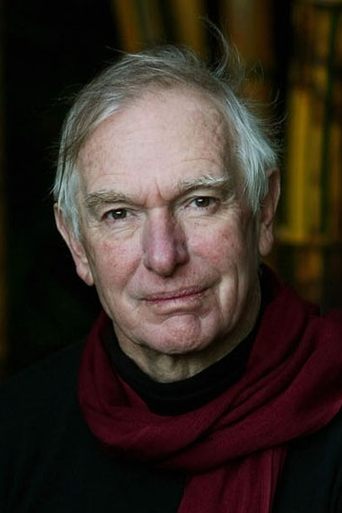
In the pantheon of great filmmakers, Peter Weir occupies a space that feels increasingly rare: he is a master of the tactile world who remains obsessed with the intangible. While his contemporaries often leaned into the gritty cynicism of the seventies and eighties, this Australian visionary carved out a career by exploring the thin, fraying veil between civilized society and the primal forces lurking just out of sight. His cinema does not just tell stories; it evokes a specific, haunting atmosphere where the mundane is constantly threatened by the mystical.
This preoccupation with atmospheric dread first crystalized in Picnic at Hanging Rock. It is a film that functions like a fever dream, where the disappearance of schoolgirls in the Australian bush becomes a meditation on the arrogance of colonial order in the face of ancient, indifferent nature. He carried this sense of impending doom into The Last Wave, where the modern legal world is swallowed by indigenous prophecy. Even when he moved into the Hollywood system, he never lost that edge. In Witness, he transformed a standard police thriller into a soulful, quiet observation of cultural friction, finding more tension in the building of an Amish barn than in a shootout.
What distinguishes his work is a profound empathy for the outsider. He excels at placing characters in environments that are fundamentally alien to them. We see this in the claustrophobic sweltering heat of The Year of Living Dangerously and the tragic, idealistic collapse of The Mosquito Coast. He has a gift for taking superstars and stripping away their baggage to reveal something raw. He famously guided Robin Williams toward a restrained, mournful brilliance in Dead Poets Society, and he utilized Jim Carrey’s elastic energy to anchor the prophetic, existential horror of The Truman Show. In the latter, he managed to critique our obsession with surveillance and reality television years before the genres truly peaked, doing so with a visual elegance that made the satire sting all the more.
Technically, his films possess a muscularity that feels grounded in history and salt air. Master and Commander: The Far Side of the World remains perhaps the definitive maritime epic because he prioritized the creak of wood and the psychological toll of isolation over cheap digital spectacle. He understands that a landscape is more than a backdrop; it is a character that dictates the rhythm of the edit. From the dusty trenches of Gallipoli to the hauntingly quiet aftermath of a plane crash in Fearless, he captures the physical sensation of being alive in a world that is often terrifyingly vast.
His legacy is one of quiet perfectionism. He never became a brand in the way some directors do, largely because he refused to develop a repetitive visual gimmick. Instead, he maintained a commitment to a specific kind of thoughtful, mid budget drama that has largely vanished from the studio system. He left us with a body of work that suggests the universe is much larger and more mysterious than we permit ourselves to believe. To watch one of his films is to feel the wind change and the shadows lengthen, a reminder that cinema can be both a grand adventure and a deeply private haunting.
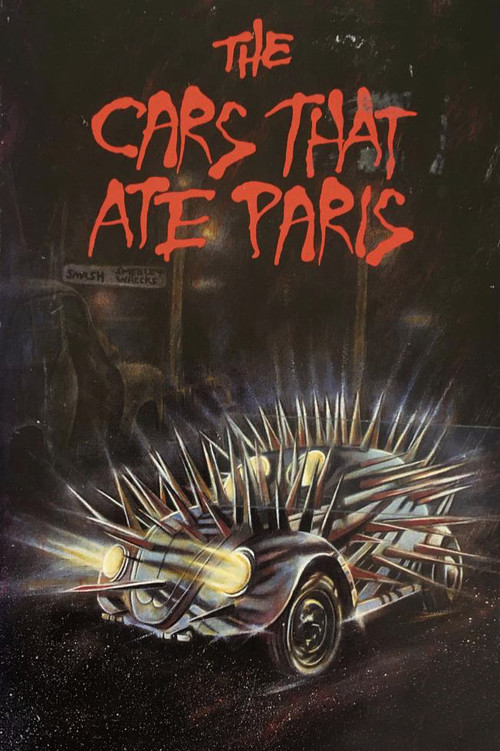
The Cars That Ate Paris
1974The small town of Paris, Australia deliberately causes car accidents, then sells/salvages all valuables from the wrecks as a means of economy.
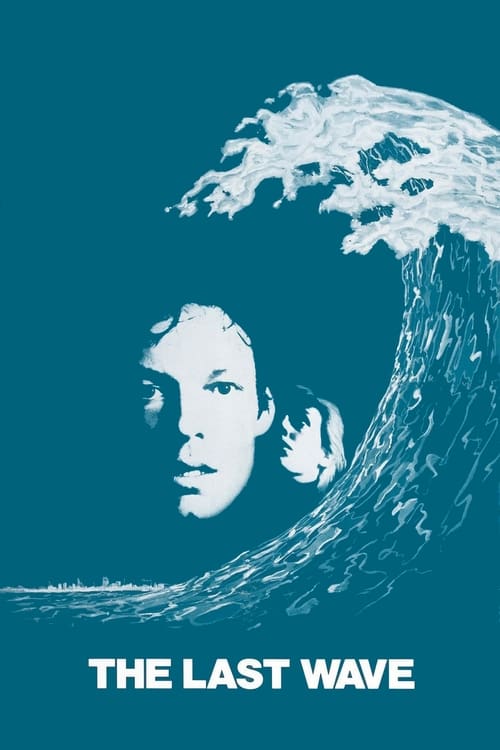
The Last Wave
1977A Sydney lawyer defends five Aboriginal people in a ritualised taboo murder and in the process learns disturbing truths about himself and premonitions.
Weir’s foray into the supernatural is a chilling exercise in apocalyptic dread that merges urban legal drama with Aboriginal mythos. His ability to make the mundane feel ominous through water-soaked imagery reinforces his reputation as a director obsessed with the forces lurking beneath the surface of civilization.
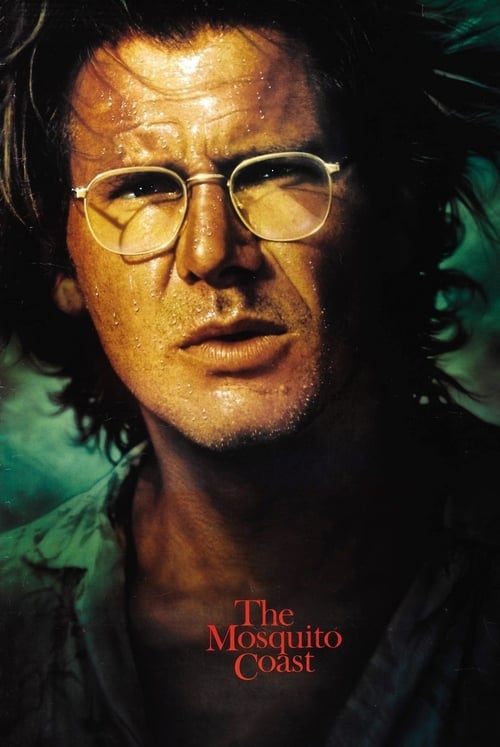
An inventor spurns his city life and moves his family into the jungles of Central America to make a utopia.
In this darkly compelling deconstruction of the American Dream, Weir explores the hubris of a man attempting to bend nature to his will. The film serves as a harsh counterpoint to his more optimistic works, examining the toxic side of rugged individualism with uncompromising clarity.
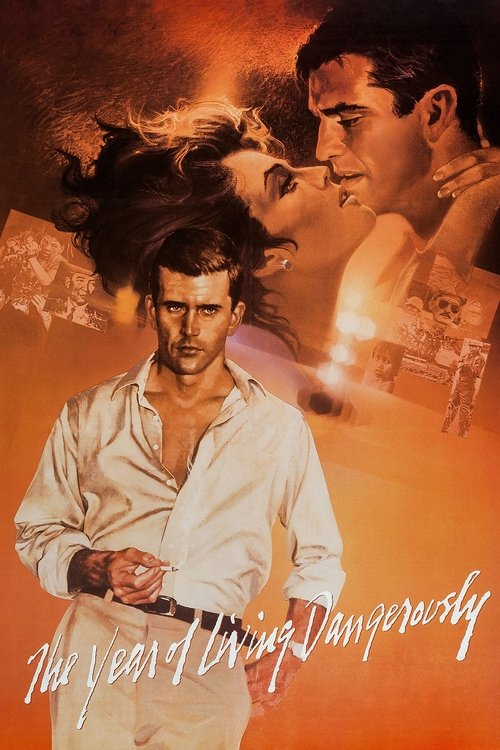
The Year of Living Dangerously
1982A young Australian reporter tries to navigate the political turmoil of Indonesia during the rule of President Sukarno with the help of a diminutive photographer.
Weir masterfully captures the humid, volatile atmosphere of a nation on the brink of collapse, making the environment as vital as the characters. It is a sophisticated political thriller that succeeds by anchoring its historical chaos in a deeply atmospheric and moody visual palette.
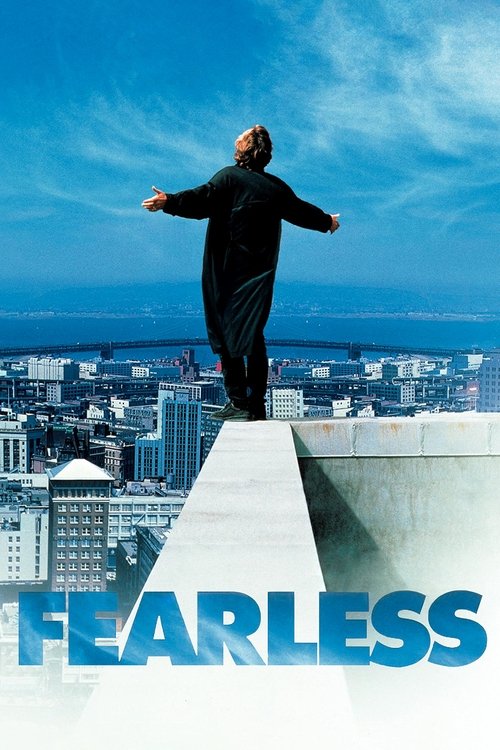
Fearless
1993After surviving a plane crash that kills many others, Max Klein develops a sense of invulnerability, leading to radical, compulsive actions. Can a psychologist and a fellow guilt-ridden survivor bring him down to earth?
An unflinching investigation into trauma and transcendence, this film captures the spiritual dislocation that follows a brush with death. Weir navigates the thin line between psychological breakdown and religious ecstasy with a startling, raw emotional intelligence.
Gallipoli
1981Two Australian sprinters face the brutal realities of war when they are sent to fight in the Gallipoli campaign in the Ottoman Empire during World War I.
This devastating war saga strips away nationalist artifice to focus on the kinetic beauty of youth and the heartbreak of its waste. Weir’s use of sound and slow-motion imagery transforms a historical tragedy into a universal meditation on the fragility of the human spirit.
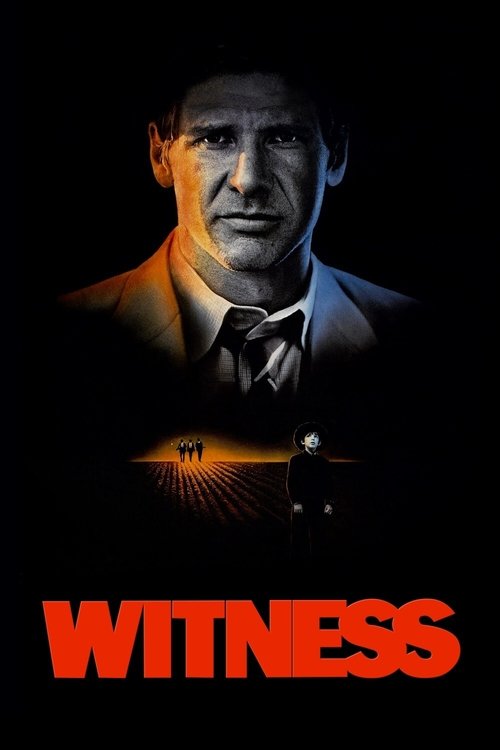
Witness
1985While protecting an Amish boy – the sole witness to a brutal murder – and his mother, a detective is forced to seek refuge within their community when his own life comes under threat.
By transplanting a gritty police procedural into the rhythmic stillness of an Amish community, Weir explores his recurring theme of the cultural outsider with masterful restraint. The film is a study in visual storytelling, relying on lingering glances and physical labor to bridge the gap between two incompatible worlds.
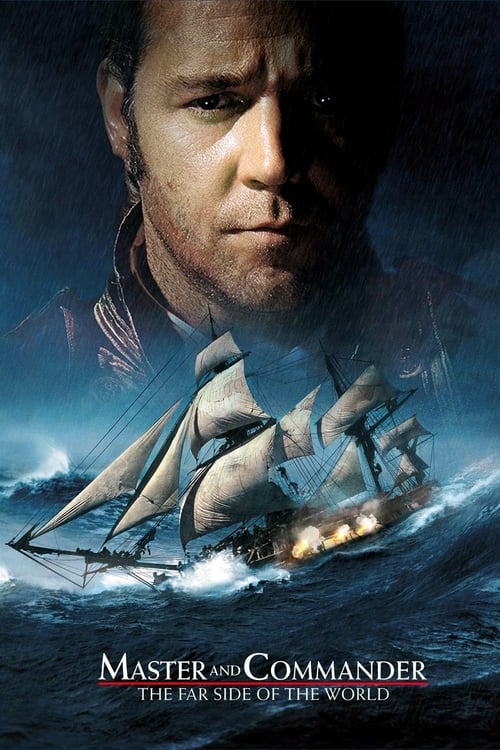
After an abrupt and violent encounter with a French warship inflicts severe damage upon his ship, a captain of the British Royal Navy begins a chase over two oceans to capture or destroy the enemy, though he must weigh his commitment to duty and ferocious pursuit of glory against the safety of his devoted crew, including the ship's thoughtful surgeon, his best friend.
Weir achieves a rare feat of historical verisimilitude, prioritizing the lived-in textures of wood, rope, and saltwater over standard blockbuster spectacle. This maritime epic serves as a masterclass in spatial geography and ensemble dynamics, grounding its grand scope in the tactile realities of life at sea.

Picnic at Hanging Rock
1975In the early 1900s, Miranda attends a girls boarding school in Australia. One Valentine's Day, the school's typically strict headmistress treats the girls to a picnic field trip to an unusual but scenic volcanic formation called Hanging Rock. Despite rules against it, Miranda and several other girls venture off. It's not until the end of the day that the faculty realizes the girls and one of the teachers have disappeared mysteriously.
A landmark of the Australian New Wave, this film operates as a sensory fever dream where the unseen is far more terrifying than the shown. Weir uses the natural world as a malevolent protagonist, establishing his career-long fascination with the intersection of ancient mysticism and colonial repression.
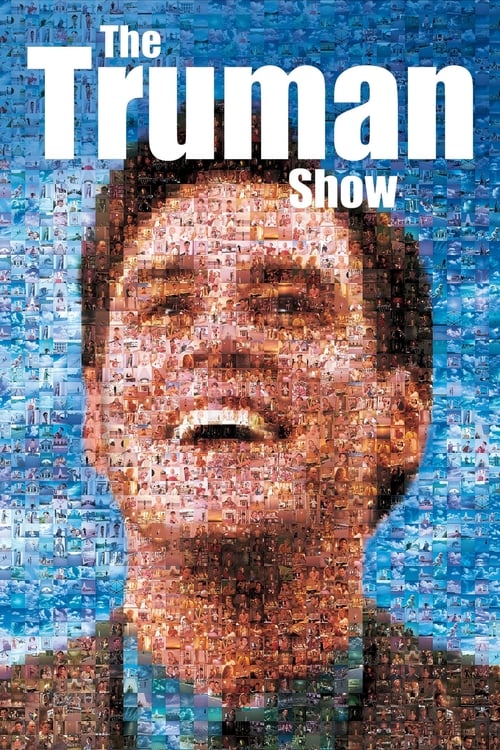
The Truman Show
1998An insurance salesman begins to suspect that his whole life is actually some sort of reality TV show.
This prophetic masterpiece showcases Weir at his most visionary, blending high-concept satire with a hauntingly intimate portrait of existential claustrophobia. It stands as a pinnacle of his career for how seamlessly it critiques the voyeuristic gaze of modern media through precise, surgically clean art direction.
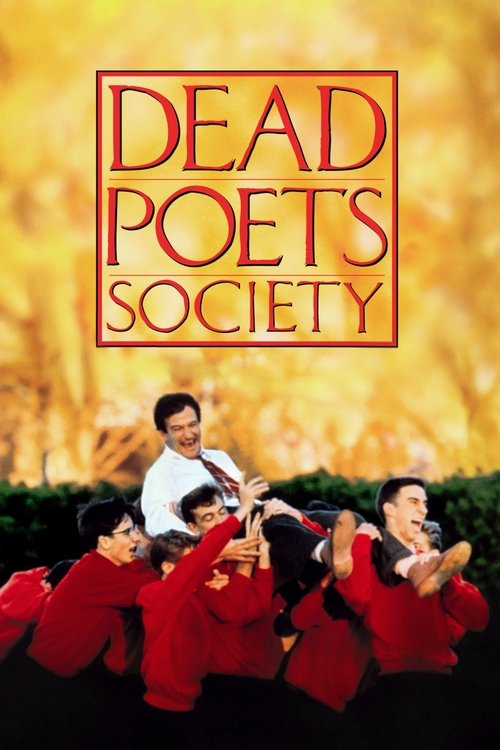
At an elite, old-fashioned boarding school in New England, a passionate English teacher inspires his students to rebel against convention and seize the potential of every day, courting the disdain of the stern headmaster.
Weir crafts a definitive treatise on the friction between institutional rigidity and the fragility of youthful idealism. His direction elevates a classroom setting into a sacred space, proving his unparalleled ability to extract profound cinematic poetry from the quietest moments of intellectual awakening.
Frequently Asked Questions
Everything you need to know about this list and SnakeDrafts
- "Dead Poets Society" is ranked highest due to its profound impact and critical acclaim. The film showcases Weir's talent for blending emotional depth with thought-provoking themes about individuality and societal expectations, making it a timeless masterpiece in his filmography.
- Peter Weir frequently explores themes of reality versus perception and the tension between civilization and primal instincts. Both "The Truman Show" and "Picnic at Hanging Rock" exemplify his fascination with characters confronting unseen or intangible forces shaping their worlds.
- "Master and Commander" stands out for its meticulous historical accuracy and immersive storytelling. It highlights Weir's directorial skill in balancing epic maritime adventure with intimate character drama, earning it critical and audience praise.
- The inclusion of "The Cars That Ate Paris," a lesser-known early work blending comedy and horror, is a surprising choice that showcases Weir's range. However, some might note the absence of "The Way Back," a film often discussed in his career but perhaps ranked lower due to thematic departure.
- "Witness" and "Gallipoli" are pivotal for their distinct storytelling—"Witness" combines crime thriller elements with cultural drama, while "Gallipoli" offers a poignant depiction of war and friendship. Both films exemplify Weir's strength in character-driven narratives set against larger social backdrops.
- Peter Weir's versatility as a director is evident in his ability to adeptly handle multiple genres, from the mysterious atmosphere of "The Last Wave" to the historical tension of "Gallipoli." This genre diversity enriches his filmography and appeals to a wide range of audiences.
- "Fearless" explores trauma and human resilience, reflecting Weir's fascination with the human psyche and intangible emotional experiences. The film's contemplative tone and character focus are signature elements of his directorial approach.
- Including early and later works highlights the evolution of Weir's filmmaking, showing how he developed his thematic obsessions and storytelling techniques over time. This provides a comprehensive look at his enduring influence in cinema.