The Best Elisabeth Shue Movies
From Girl Next Door to Academy Award Nominee
Discover the most iconic performances by Elisabeth Shue, featuring her breakthrough in The Karate Kid and her acclaimed role in Leaving Las Vegas.
About Elisabeth Shue

In the taxonomy of Hollywood archetypes, Elisabeth Shue occupies a space that is notoriously difficult to inhabit. She began her trajectory as the quintessential girl next door, possessing a wholesome, athletic radiance that defined the 1980s. Yet, beneath that sunny exterior lay a steely technical capability that allowed her to dismantle her own image when the time came. She managed to avoid the trap of being a mere period piece, evolving from the teenage crush of a generation into one of the most respected dramatic heavyweights of her era.
Most audiences first encountered her through the lens of suburban wonder. As Ali Mills in The Karate Kid, she provided the emotional stakes for a foundational cultural myth, while her turn in Adventures in Babysitting cemented her as the ultimate relatable protagonist, navigating a neon lit urban nightmare with a mix of grit and charm. Even as she stepped into the high stakes temporal mechanics of the Back to the Future sequels, she brought a grounded humanity to the spectacle. During this era, she was the personification of a certain American ideal, but Shue was never content to simply play the Ingenue.
The pivot point of her career remains one of the most calculated and successful risks in modern cinema. By taking on the role of Sera in Leaving Las Vegas, she shed the polished veneer of her earlier work to play a character defined by profound loneliness and desperate grace. It was a performance that stripped away vanity, earning her an Academy Award nomination and proving that her range extended into the darkest corners of the human condition. This transition was a masterclass in career reinvention. She didn't just change her hair or her accent; she changed how the industry perceived her soul.
Her filmography following that peak suggests a performer who prioritizes the texture of a script over the size of a paycheck. She flourished in the intellectual neurosis of Woody Allen’s Deconstructing Harry and brought a surprising depth to the high octane thrills of The Saint and Hollow Man. There is an inherent intelligence to her choices, an ability to ground even the most heightened premises. Whether she is navigating the whimsical immortality of Tuck Everlasting or the eerie psychological tension of Hide and Seek, she remains an anchor for the audience.
In more recent years, Shue has showcased a brilliant capacity for character work that plays on her legacy. Her role in Battle of the Sexes reminded viewers of her gift for quiet, observed drama, while her foray into prestige television has introduced her to a new demographic that values her authoritative screen presence. She has maintained a rare longevity by leaning into her maturity rather than fighting it. Critics and fans alike gravitate toward her because she feels real. Whether she is the protective mother in Dreamer or the heartbreakingly authentic maternal figure in Mysterious Skin, she possesses an accessibility that feels earned. She is the rare star who survived the bright lights of youth to become a vital, enduring architect of the craft.
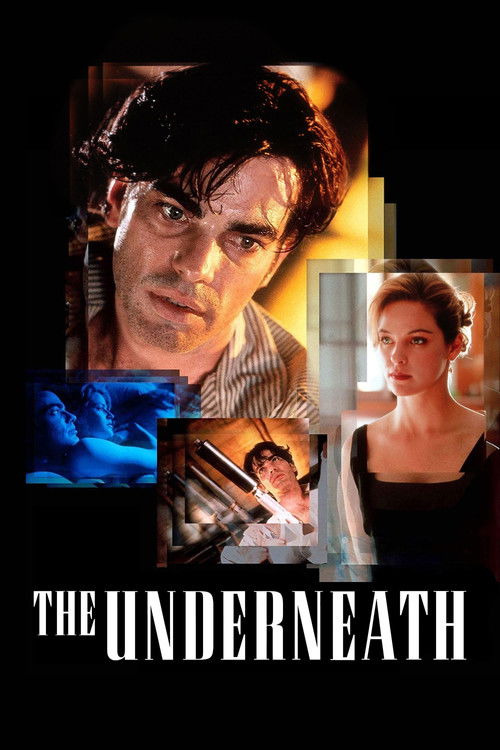
The Underneath
1995A recovering gambling addict attempts to reconcile with his family and friends but finds trouble and temptation when caught between feelings for his ex-wife and her dangerous hoodlum boyfriend.
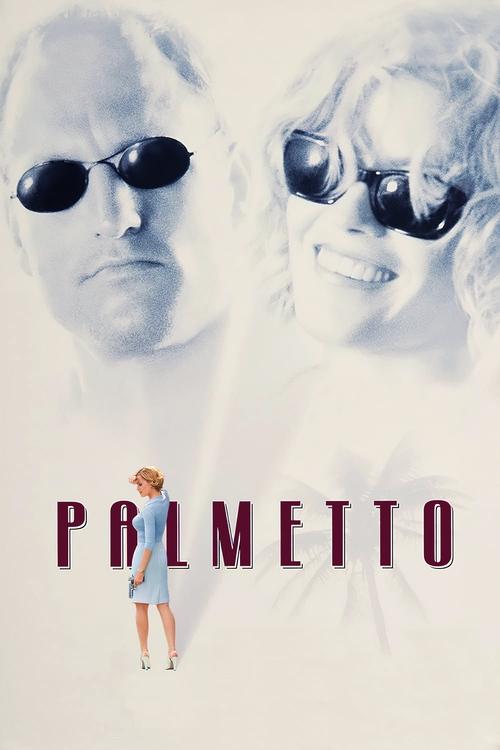
Palmetto
1998After being released from prison on a bum charge, Harry Barber is out for payback to regain his lost two years. He's hired by Mrs. Malroux to fake the kidnapping of her stepdaughter (the daughter of a dying millionaire). He discovers that he is being set up on multiple levels and will soon face a longer sentence if he doesn't prove the truth.

Greyhound
2020A first-time captain leads a convoy of allied ships carrying thousands of soldiers across the treacherous waters of the "Black Pit" to the front lines of WWII. With no air cover protection for 5 days, the captain and his convoy must battle the surrounding enemy Nazi U-boats in order to give the allies a chance to win the war.
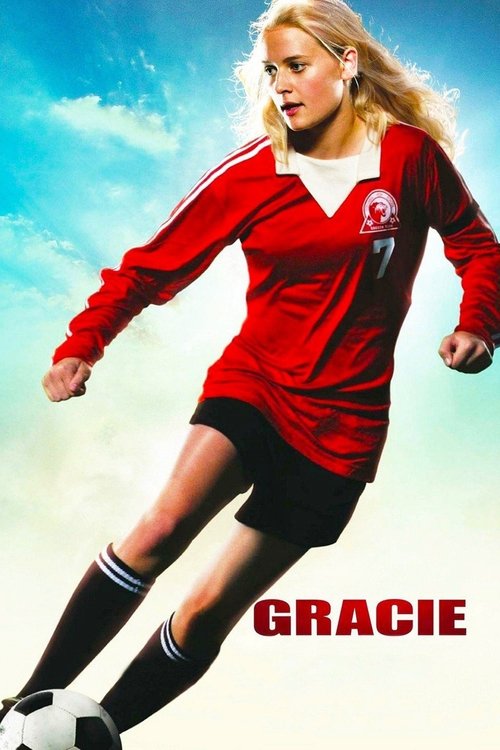
Gracie
2007A teenager faces an uphill battle when she fights to give women the opportunity to play competitive soccer.
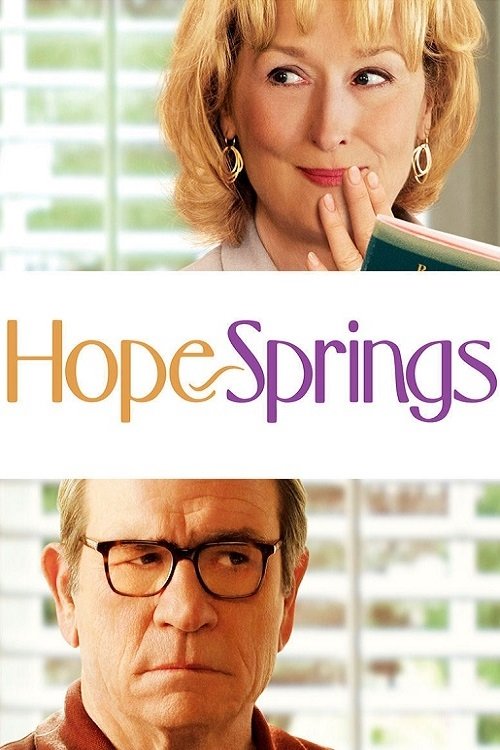
Hope Springs
2012After thirty years of marriage, a middle-aged couple attends an intense, week-long counseling session to work on their relationship.
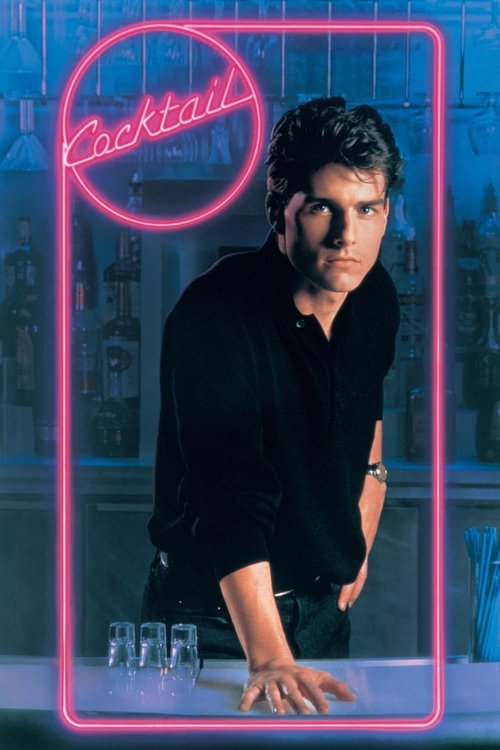
Cocktail
1988After being discharged from the Army, Brian Flanagan moves back to Queens and takes a job in a bar run by Doug Coughlin, who teaches Brian the fine art of bar-tending. Brian quickly becomes a patron favorite with his flashy drink-mixing style, and Brian adopts his mentor's cynical philosophy on life and goes for the money.
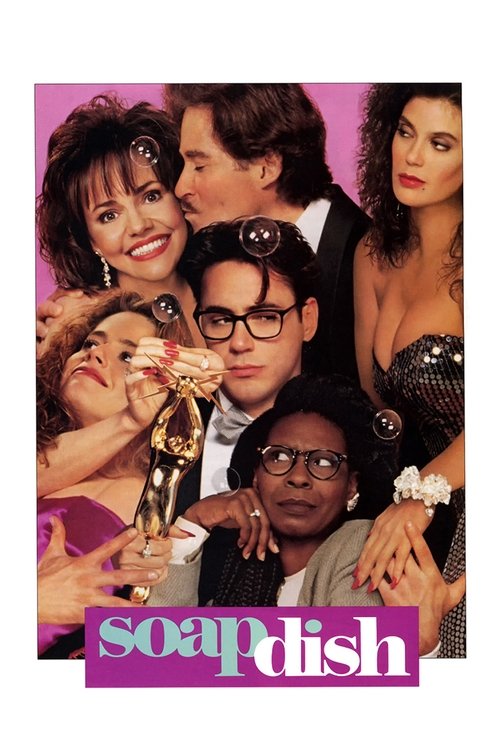
Soapdish
1991Celeste Talbert is the star of the long-running soap opera "The Sun Also Sets." With the show's ratings down, Celeste's ruthlessly ambitious co-star, Montana Moorehead, and the show's arrogant producer, David Seton Barnes, plot to aggravate her into leaving the show by bringing back her old flame, Jeffrey Anderson, and hiring her beautiful young niece, Lori Craven.
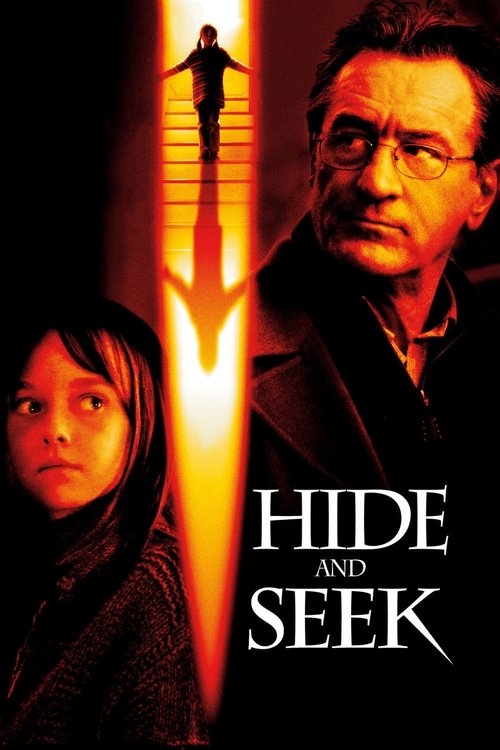
Hide and Seek
2005David Callaway tries to piece together his life in the wake of his wife's suicide and has been left to raise his nine-year-old daughter, Emily on his own. David is at first amused to discover that Emily has created an imaginary friend named 'Charlie', but it isn't long before 'Charlie' develops a sinister and violent side, and as David struggles with his daughter's growing emotional problems, he comes to the frightening realisation that 'Charlie' isn't just a figment of Emily's imagination.
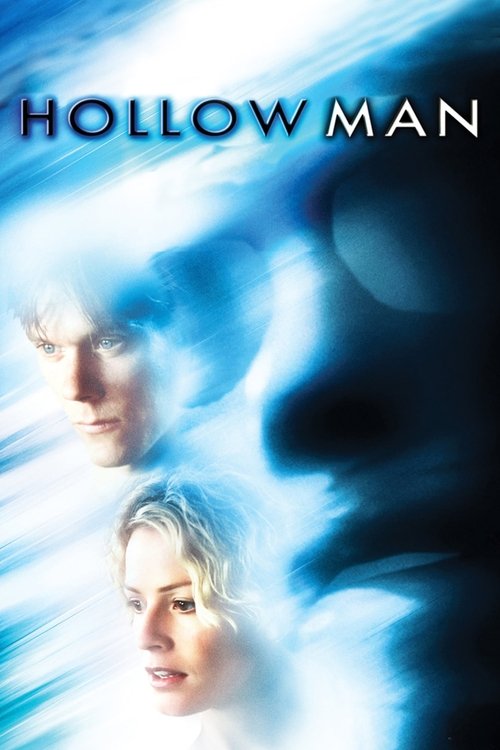
Hollow Man
2000Cocky researcher Sebastian Caine is working on a project to make living creatures invisible. Determined to achieve the ultimate breakthrough, Caine pushes his team to move to the next phase — using himself as the subject. The test is a success, but when the process can't be reversed and Caine seems doomed to future without flesh, he starts to turn increasingly dangerous.
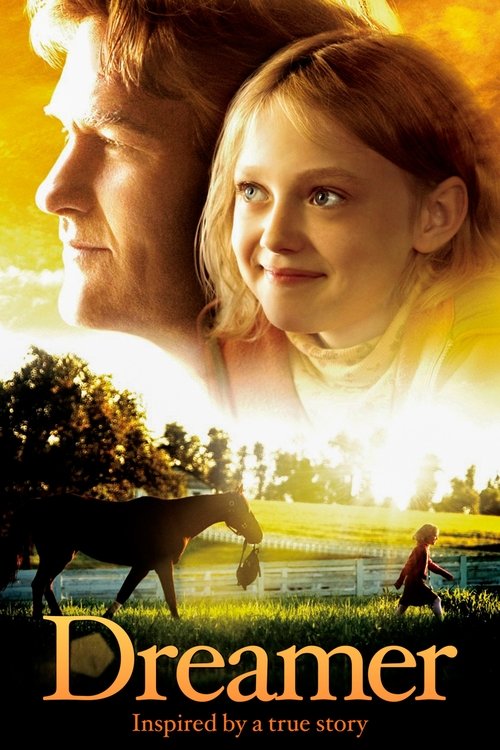
Dreamer: Inspired By a True Story
2005Ben Crane believes that a severely injured racehorse deserves another chance. He and his daughter Cale adopt the mare and save it from being sacrificed by the owner.
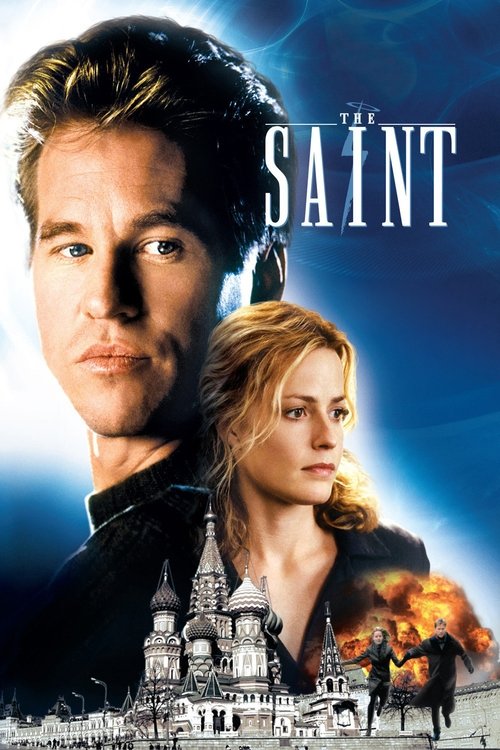
The Saint
1997Simon Templar (The Saint), is a thief for hire, whose latest job to steal the secret process for cold fusion puts him at odds with a traitor bent on toppling the Russian government, as well as the woman who holds its secret.
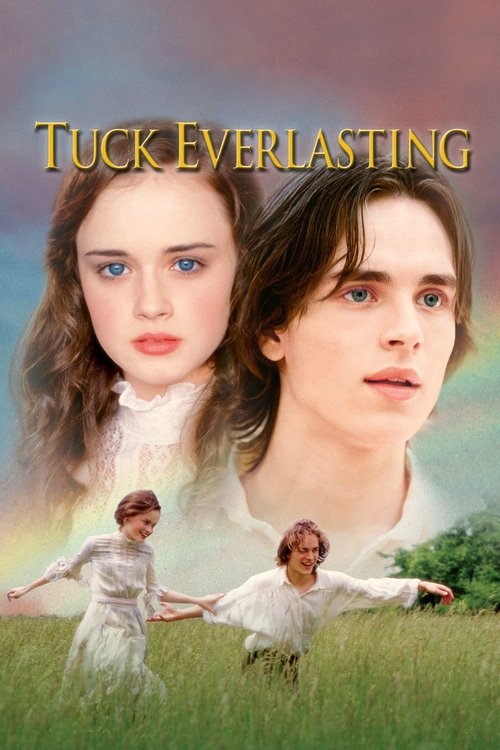
Tuck Everlasting
2002Teenager Winnie Foster is growing up in a small rural town in 1914 with her loving but overprotective parents, but Winnie longs for a life of greater freedom and adventure.
Casting aside her usual contemporary edge, Shue adapts beautifully to the constraints of a period piece with a performance defined by poise and maternal discipline. She brings a necessary gravitas to the film's exploration of mortality and the passage of time.
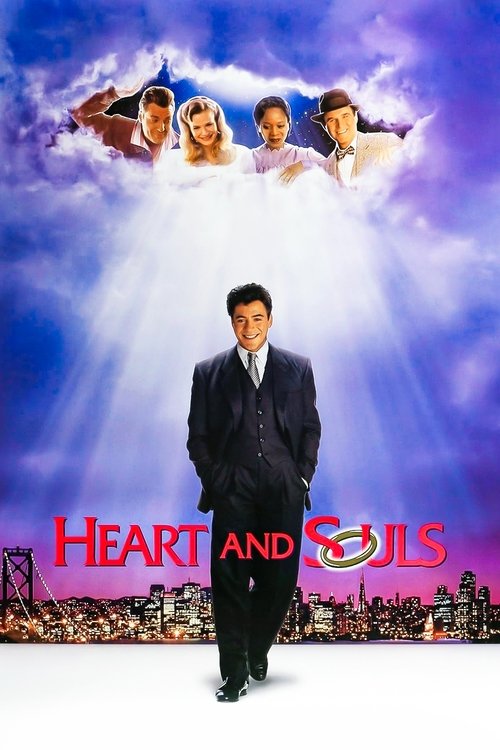
Heart and Souls
1993A fateful night in 1959, four people die when the bus they are riding crashes. They continue as ghosts; their souls become eternally entwined to the life of a child born at the moment of their deaths as his guardians. Baby Thomas grows up to be a businessman who has memories of his playmates, but assumes they are products of his youthful imagination. When the ghosts realize they need Thomas' help to move on to the afterlife, they decide to make an appearance once more.
Shue brings a luminous sincerity to this whimsical supernatural romance, acting as the crucial emotional tether for the film's existential stakes. Her chemistry with Robert Downey Jr. showcases her talent for making fantastical premises feel deeply human and resonant.

Battle of the Sexes
2017The true story of the 1973 tennis match between world number one Billie Jean King and ex-champ and serial hustler Bobby Riggs.
As Priscilla Riggs, Shue delivers a masterclass in understated nuance, capturing the quiet dignity of a woman sidelined by a media circus. Her restrained performance provides the film’s essential heartbeat, illustrating the personal tolls behind public sporting spectacles.
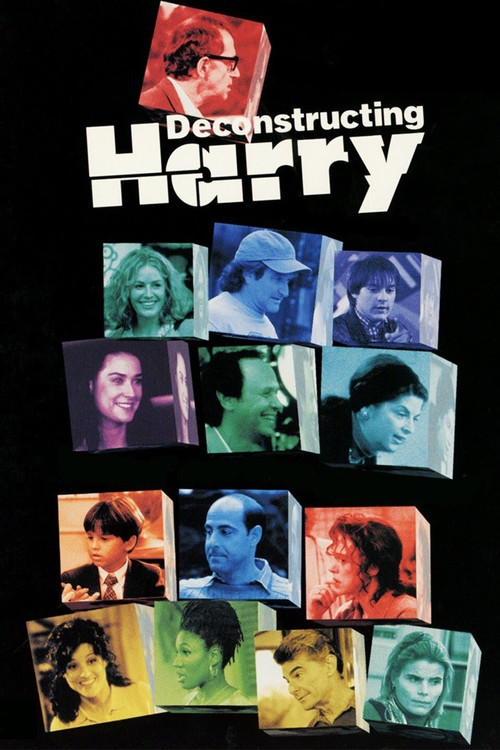
Deconstructing Harry
1997Writer Harry Block draws inspiration from people he knows, and from events that happened to him, sometimes causing these people to become alienated from him as a result.
Navigating the neurotic landscape of a Woody Allen comedy, Shue holds her own against seasoned heavyweights with a sharp, intellectual skepticism. She elevates the material by projecting a sophisticated maturity that marked a transition into more cynical, adult-oriented storytelling.

Mysterious Skin
2005A teenage hustler and a young man obsessed with alien abductions cross paths, together discovering a horrible, liberating truth.
Displaying a gritty, maternal weariness, Shue excels in this provocative indie by portraying a woman grappling with the fractured legacy of abuse. It serves as a stark reminder of her ability to disappear into complex, unglamorous roles within challenging ensemble casts.
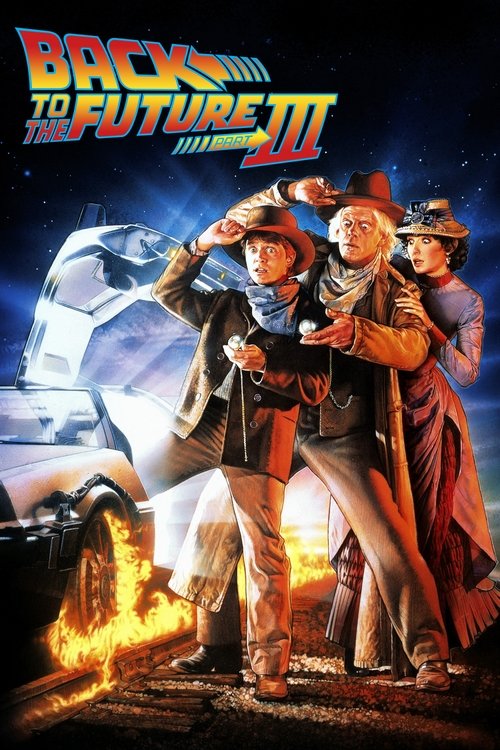
The final installment finds Marty digging the trusty DeLorean out of a mineshaft and looking for Doc in the Wild West of 1885. But when their time machine breaks down, the travelers are stranded in a land of spurs. More problems arise when Doc falls for pretty schoolteacher Clara Clayton, and Marty tangles with Buford Tannen.
Shue closes out the iconic trilogy by leaning into a softer, more romantic register that balances the film’s Western genre shifts. She manages to make the most of her limited screen time by acting as the vital narrative anchor for the protagonist's ultimate journey home.
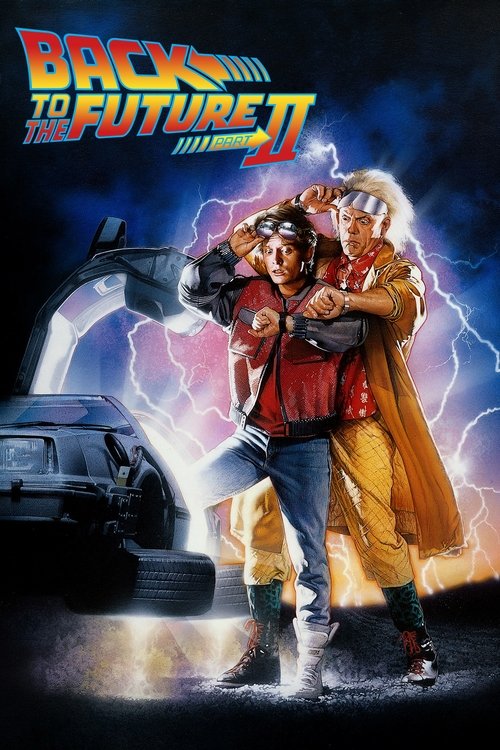
Marty and Doc are at it again as the time-traveling duo head to 2015 to nip some McFly family woes in the bud. But things go awry thanks to bully Biff Tannen and a pesky sports almanac. In a last-ditch attempt to set things straight, Marty finds himself bound for 1955 and face to face with his teenage parents -- again.
Stepping into an established franchise, Shue seamlessly integrated herself into the McFly mythos by bringing a fresh, grounded energy to Jennifer Parker. Her presence added a necessary emotional weight to the high-concept temporal chaos of the sequel.
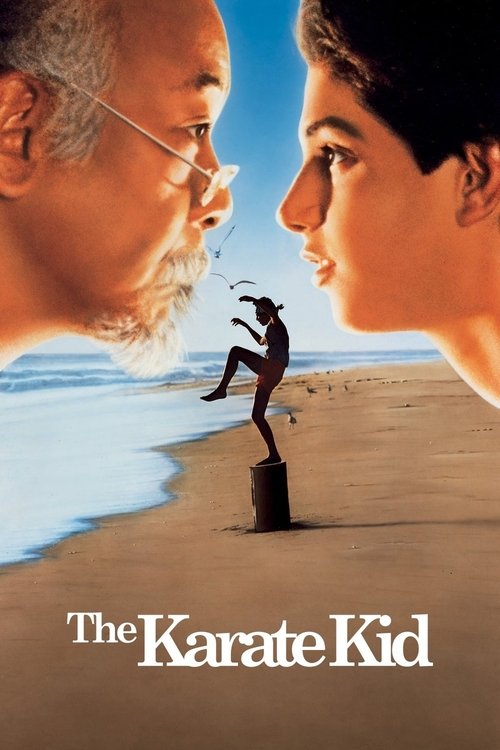
The Karate Kid
1984New Jersey teen Daniel LaRusso moves to Los Angeles with his mother, and soon strikes up a relationship with Ali. He quickly finds himself the target of bullying by a group of thugs, led by Ali's ex-boyfriend Johnny, who study karate at the Cobra Kai dojo under ruthless sensei John Kreese. Fortunately, Daniel befriends Mr. Miyagi, an unassuming repairman who just happens to be a martial arts master himself. Miyagi takes Daniel under his wing, training him in a more compassionate form of karate for self-defense and, later, preparing him to compete against the brutal Cobra Kai.
In her breakout performance, Shue provides the film's moral compass, radiating a natural warmth that transcends the typical love interest archetype. It established the foundational template for her early career as the era's most relatable and luminous screen presence.
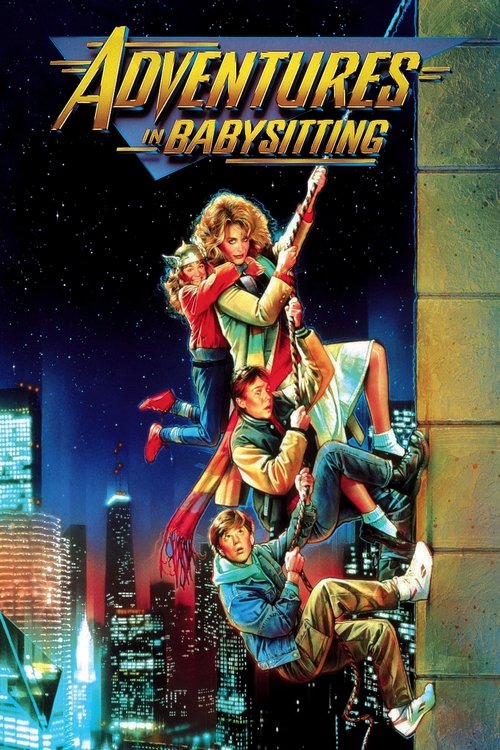
Adventures in Babysitting
1987When plans with her boyfriend fall through, high school senior Chris Parker ends up babysitting the Anderson kids, Brad and Sara. What should be a quiet night in, however, turns into a series of ridiculous exploits, starting when they leave the house to pick up Chris' friend Brenda. Soon, Brad's buddy Daryl is involved, and the group must contend with car thieves, blues musicians and much more.
As the quintessential eighties lead, Shue commands the screen with a blend of frantic charisma and iron-willed competence. This role solidified her status as a bankable star who could anchor a frantic comedy through sheer personality and comedic timing.
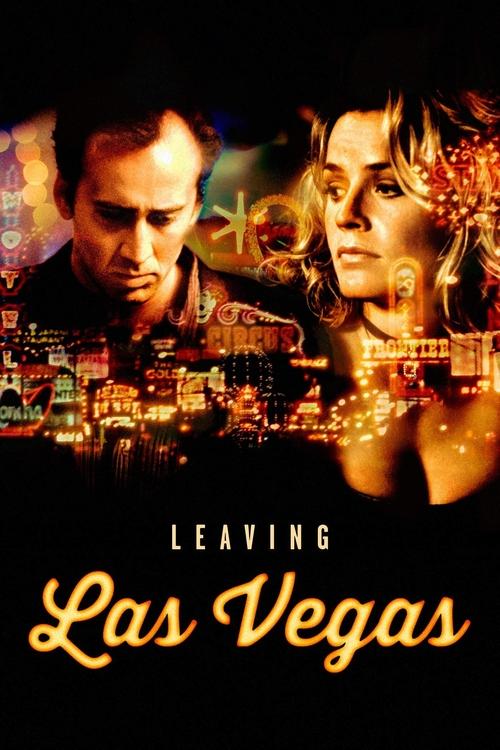
Ben Sanderson, an alcoholic Hollywood screenwriter who lost everything because of his drinking, arrives in Las Vegas to drink himself to death. There, he meets and forms an uneasy friendship and non-interference pact with prostitute Sera.
Shue shattered her girl-next-door persona with an unflinching, raw vulnerability that remains one of the most haunting portrayals of empathy in modern cinema. This Oscar-nominated turn proved her capable of navigating profound psychological depths and remains the definitive peak of her dramatic range.
Frequently Asked Questions
Everything you need to know about this list and SnakeDrafts
- Leaving Las Vegas tops the list thanks to Elisabeth Shue's critically acclaimed performance that earned her an Academy Award nomination. The film's intense drama and romance showcase her depth as an actress beyond her earlier lighter roles.
- In 'The Karate Kid,' Elisabeth Shue played Ali Mills, the quintessential girl next door, which helped her gain widespread recognition. This role established her as a relatable and charming lead in one of the most iconic 1980s films.
- 'Adventures in Babysitting' highlights Elisabeth Shue's comedic timing and her ability to carry a fun, adventurous storyline. Her role as a responsible babysitter caught in chaotic situations added to her early career charm.
- Elisabeth Shue replaced Claudia Wells as Jennifer Parker in 'Back to the Future Part II' and 'Part III,' bringing a fresh dynamic to the series. These films showcase her versatility in blending into popular sci-fi adventure comedies.
- Elisabeth Shue's films often blend drama and romance with elements of comedy and adventure, reflecting her adaptability. From intense roles in 'Leaving Las Vegas' and 'Mysterious Skin' to lighter fare like 'Soapdish,' she navigates diverse genres skillfully.
- The list notably includes cult favorites like 'Battle of the Sexes' and 'Mysterious Skin,' highlighting her range, while some may be surprised that movies like 'Adventures in Babysitting' outrank popular titles like 'Hollow Man.' These choices showcase her career's breadth beyond blockbuster hits.
- Elisabeth Shue transitions from the girl-next-door in 'The Karate Kid' and 'Adventures in Babysitting' to more complex characters in films like 'Leaving Las Vegas' and 'Battle of the Sexes.' This evolution reflects her ability to reinvent herself over decades in Hollywood.