Zack Snyder Films Ranked Definitively
Visual Grandeur and Epic Cinematic Mythmaking
Explore the definitive filmography of Zack Snyder, from deconstructed superheroes to stylized action epics and visceral horror reimagining.
About Zack Snyder
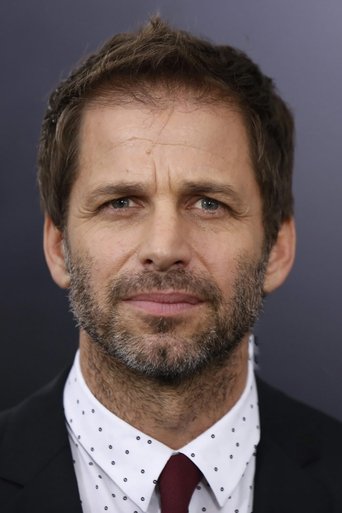
To step into a Zack Snyder frame is to exit the mundane and enter a world of hyper-saturated myths where every drop of rain falls with the weight of an epic poem. He does not merely film scenes; he constructs digital cathedrals of muscle and shadow, operating with a visual vocabulary that feels closer to Renaissance oil paintings than traditional cinema. Since burst onto the scene with his visceral reimagining of Dawn of the Dead, he has cultivated a polarizing, unmistakable aesthetic centered on the worship of the frame. He treats the camera as a witness to gods, often utilizing his signature speed ramping to freeze time at the exact moment of impact, ensuring that the audience feels every ounce of kinetic energy.
This obsession with the monumental was most famously calcified in 300, a blood-soaked fever dream that proved he could turn a comic book panel into a living, breathing landscape. He followed this by tackling the supposedly unfilmable Watchmen, leaning into a deconstructionist gloom that challenged the very idea of the hero. Snyder views his protagonists as burdens of destiny, a theme that reached its apex in Man of Steel and Batman v Superman: Dawn of Justice. In his hands, Superman is less a Boy Scout and more a misunderstood deity, carving out a workspace in the DC Universe that favored operatic tragedy over the quips of his contemporaries.
Even when shifting gears into the whimsical, as seen in the feathered intensity of Legend of the Guardians: The Owls of Ga'Hoole, or the unhinged psychological layering of Sucker Punch, his DNA remains consistent: high contrast, heavy textures, and a relentless pursuit of the spectacular. He creates movies that demand the biggest screen possible, rejecting subtler realism in favor of a grandeur that borders on the religious. This creative stubbornness birthed the legendary four-hour cut of Zack Snyder's Justice League, a project that exists today only because of a global movement of fans who value his uncompromising devotion to a specific, gloom-shrouded vision.
Recently, he has moved into the realm of pure world-building with Army of the Dead and his sprawling space opera Rebel Moon. Across A Child of Fire and The Scargiver, he doubles down on his role as a maximalist architect, blending grit with stardust while ignoring the critics who find his work too self-serious. He isn't interested in making movies for everyone; he is interested in making movies that look exactly like the dreams of a graphic novelist. Whether he is reimagining a zombie heist or building a galactic rebellion from scratch, his legacy is one of absolute aesthetic conviction. He remains a filmmaker who refuses to whisper when he can roar.
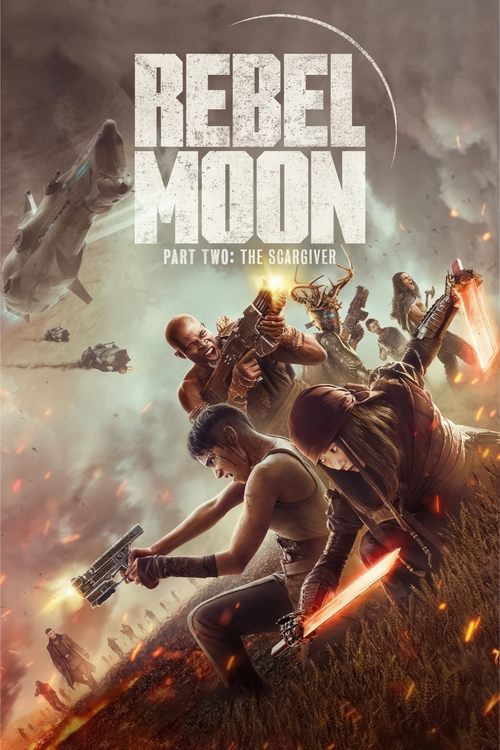
Rebel Moon - Part Two: The Scargiver
2024The rebels gear up for battle against the ruthless forces of the Motherworld as unbreakable bonds are forged, heroes emerge — and legends are made.
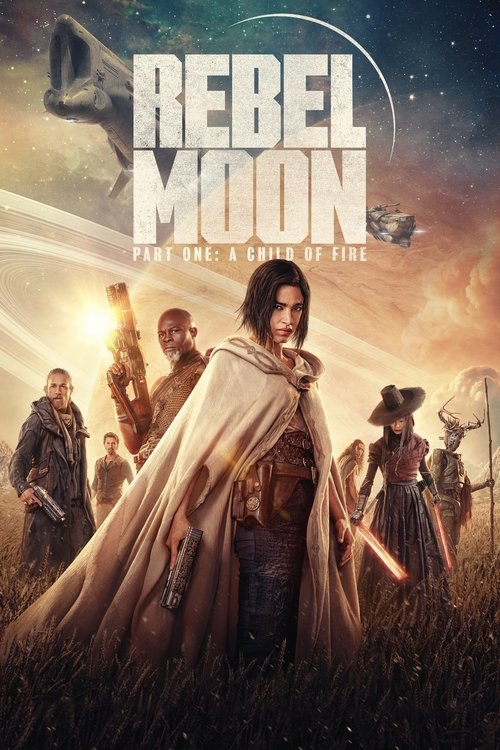
Rebel Moon - Part One: A Child of Fire
2023When the ruthless forces of the Motherworld threaten a quiet farming village on a distant moon, a mysterious outsider becomes its best hope for survival.
This space opera represents the birth of a bespoke universe, leaning into world-building through raw visual texture and slow-motion reverence. Even as it draws from legacy science fiction, the film remains singular for the way it filters classic tropes through Snyder's specific, heavy-metal lens.
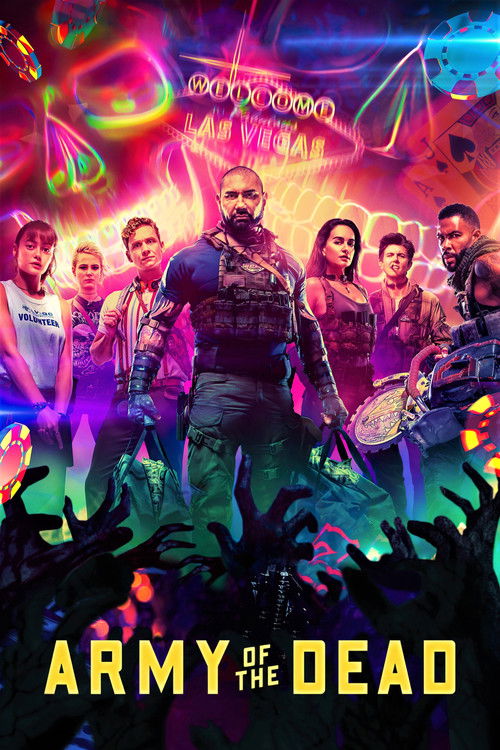
Army of the Dead
2021Following a zombie outbreak in Las Vegas, a group of mercenaries take the ultimate gamble: venturing into the quarantine zone to pull off the greatest heist ever attempted.
Acting as his own cinematographer, Snyder returns to the undead genre with a saturated, shallow-focus perspective that leans heavily into his grindhouse influences. The film reflects a late-career tonal shift toward playful excess while maintaining the director's penchant for tragic, large-scale spectacle.
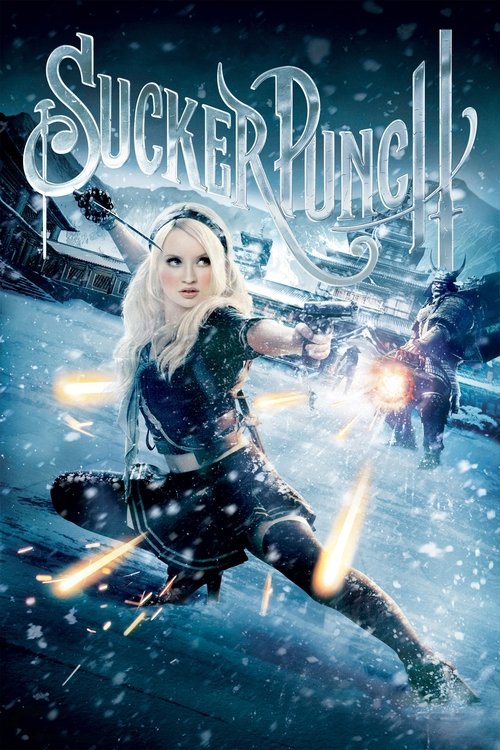
Sucker Punch
2011A young woman, institutionalized by her abusive stepfather, retreats into a vivid fantasy world where she envisions a plan to escape. Gathering a group of fellow inmates, she embarks on a quest to collect five mystical items, blurring the lines between reality and imagination.
Functioning as a loud, surrealist meta-commentary on the male gaze and escapism, this film is Snyder's most uninhibited creative experiment. It serves as a visual manifesto of his fascinations, blending genres into a chaotic dreamscape that prioritizes symbolic imagery over conventional narrative flow.
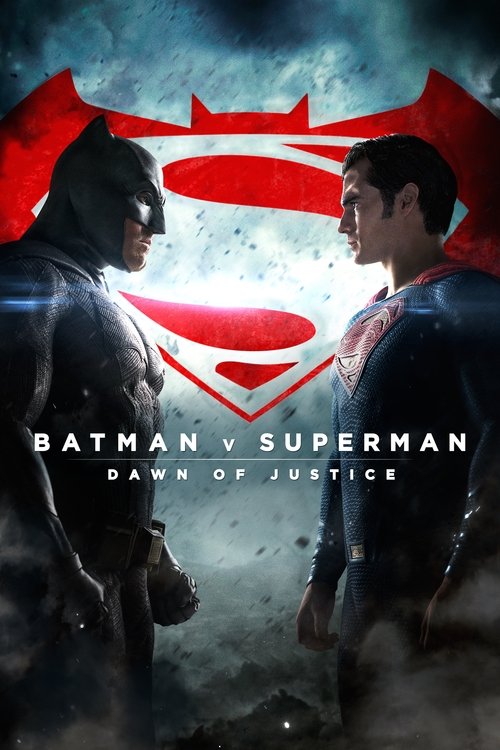
Fearing the actions of a god-like Super Hero left unchecked, Gotham City’s own formidable, forceful vigilante takes on Metropolis’s most revered, modern-day savior, while the world wrestles with what sort of hero it really needs. And with Batman and Superman at war with one another, a new threat quickly arises, putting mankind in greater danger than it’s ever known before.
This polarizing collision of titans functions as a dense, brutal meditation on the intersection of power and accountability. While controversial, its refusal to provide easy heroism is essential to understanding the director's career-long interest in the fragility and ego of the superhuman.
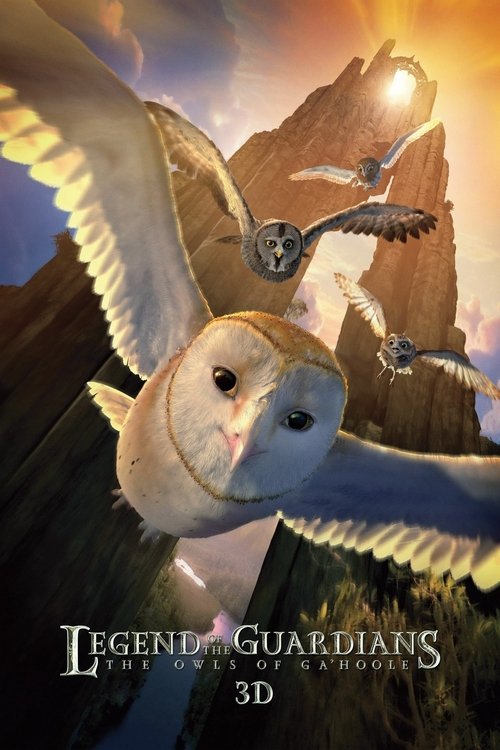
Legend of the Guardians: The Owls of Ga'Hoole
2010When a young owl is abducted by an evil Owl army, he must escape with new-found friends and seek the legendary Guardians to stop the menace.
An outlier in his filmography that nevertheless carries his signature DNA, this animated epic utilizes breathtaking texture work to elevate a fantasy tale into something aesthetically profound. The film proves that Snyder's eye for majestic scale and heroic composition can translate seamlessly to a CG medium without losing his darker edges.
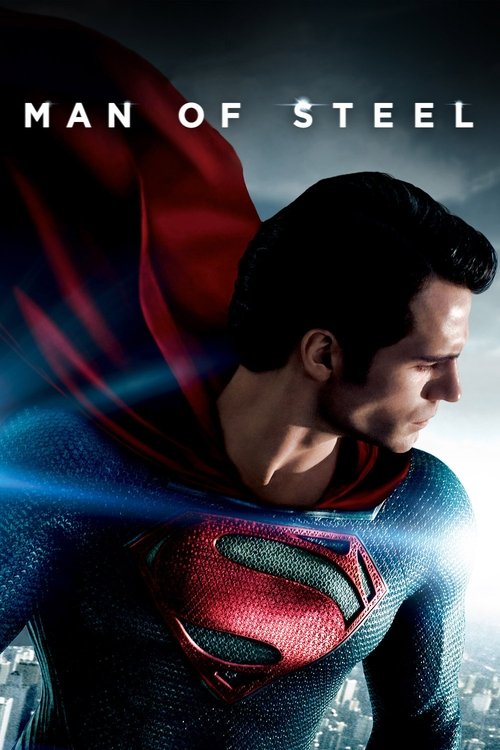
Man of Steel
2013A young boy learns that he has extraordinary powers and is not of this earth. As a young man, he journeys to discover where he came from and what he was sent here to do. But the hero in him must emerge if he is to save the world from annihilation and become the symbol of hope for all mankind.
Snyder strips away the primary colors of the Superman mythos to explore the alien isolation and destructive weight of an icon. This deconstructionist approach grounded the genre in a tactile, handheld realism that challenged traditionalist perceptions of what a modern savior should look like.
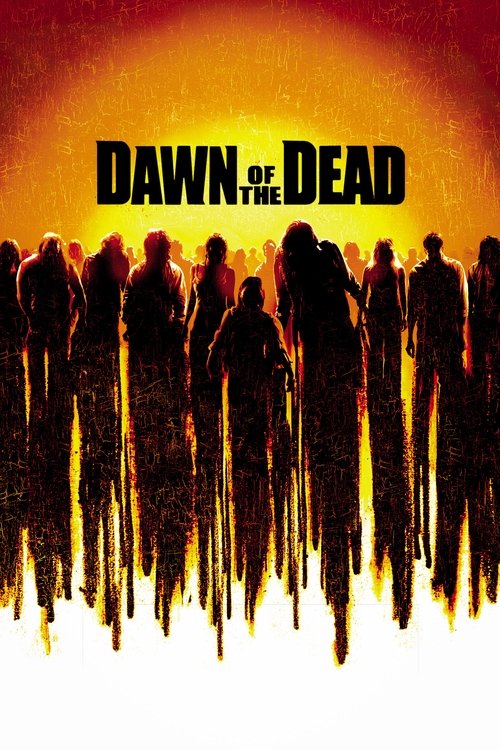
Dawn of the Dead
2004A group of survivors take refuge in a shopping mall after the world is taken over by aggressive, flesh-eating zombies.
Updating a Romero classic requires both reverence and audacity, and Snyder infused this remake with a kinetic, terrifying momentum that catalyzed the fast-zombie revolution. It is his most disciplined work, showcasing a rare mastery of claustrophobic tension before his style evolved into more expansive cosmic territory.
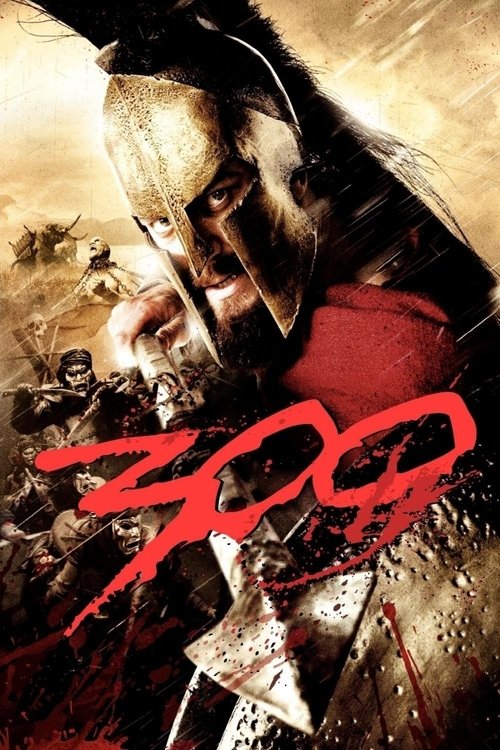
300
2007Based on Frank Miller's graphic novel, "300" is very loosely based the 480 B.C. Battle of Thermopylae, where the King of Sparta led his army against the advancing Persians; the battle is said to have inspired all of Greece to band together against the Persians, and helped usher in the world's first democracy.
This hyper-stylized bloodbath redefined the action genre through its pioneering use of speed ramping and digital backlot saturation. It remains the director's most influential work, distilling historical legend into a high-contrast fever dream where every drop of sweat and spray of ichor serves a grand visual ritual.
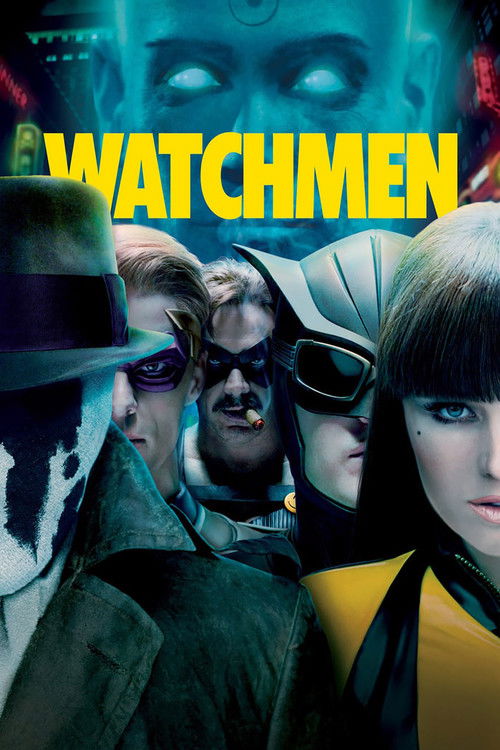
Watchmen
2009In a gritty and alternate 1985, the glory days of costumed vigilantes have been brought to a close by a government crackdown. But after one of the masked veterans is brutally murdered, an investigation into the killer is initiated. The reunited heroes set out to prevent their own destruction, but in doing so they uncover a sinister plot that puts all of humanity in grave danger.
Snyder tackles the supposedly unfilmable graphic novel by treating every frame as a meticulously composed oil painting of urban decay. By leaning into the source material's inherent nihilism, he created a subversive superhero critique that remains a foundational pillar of his career-long fascination with the burden of godhood.
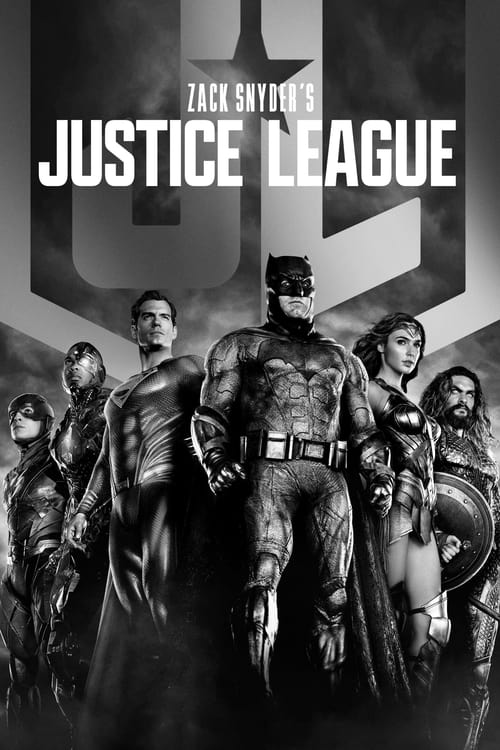
Determined to ensure Superman's ultimate sacrifice was not in vain, Bruce Wayne aligns forces with Diana Prince with plans to recruit a team of metahumans to protect the world from an approaching threat of catastrophic proportions.
A monumental exercise in creative restoration, this four-hour odyssey represents the purest expression of Snyder's operatic sensibilities and his commitment to mythic deification. It stands as a definitive victory for the director's uncompromising gothic aesthetic, finally allowing his sprawling narrative architecture to breathe with earned emotional heft.
Frequently Asked Questions
Everything you need to know about this list and SnakeDrafts
- Zack Snyder's films frequently explore themes of heroism, mythology, and the moral complexities of power and justice, as seen in his superhero epics like Watchmen and Batman v Superman: Dawn of Justice. He often deconstructs classic heroic tropes, creating layered narratives that blend visual spectacle with philosophical introspection.
- Snyder's visual style is characterized by hyper-saturated colors, slow-motion sequences, and meticulously composed frames that resemble Renaissance paintings. This distinct approach is evident across his filmography, including in action-packed movies like 300 and the digitally elaborate world-building of Zack Snyder's Justice League.
- Zack Snyder made his feature directorial debut with Dawn of the Dead in 2004, a visceral horror-action film. This remake showcased his early talent for combining intense action with atmospheric horror elements and helped establish his signature style.
- In films like Man of Steel and Watchmen, Snyder reconstructs superhero narratives by emphasizing their psychological depth and ethical dilemmas rather than just their physical feats. His portrayal often injects darker, more realistic tones, challenging the traditional black-and-white morality of the genre.
- Zack Snyder directed Legend of the Guardians: The Owls of Ga'Hoole, his notable contribution to animated cinema. This film blends family-friendly adventure with his signature dramatic visual style, expanding his storytelling prowess beyond live-action into richly detailed animation.
- Snyder crafts action sequences that prioritize both visual artistry and narrative impact, often using stylized slow-motion and grand scale to heighten emotional resonance. Films like 300 and Army of the Dead exemplify his use of hyper-stylized combat to serve mythic storytelling.
- Yes, Zack Snyder has expanded into science fiction with his ambitious Rebel Moon series, including Part One: A Child of Fire and the upcoming Part Two: The Scargiver. These projects showcase his continuing interest in creating expansive, visually immersive universes that blend action and fantasy elements.

