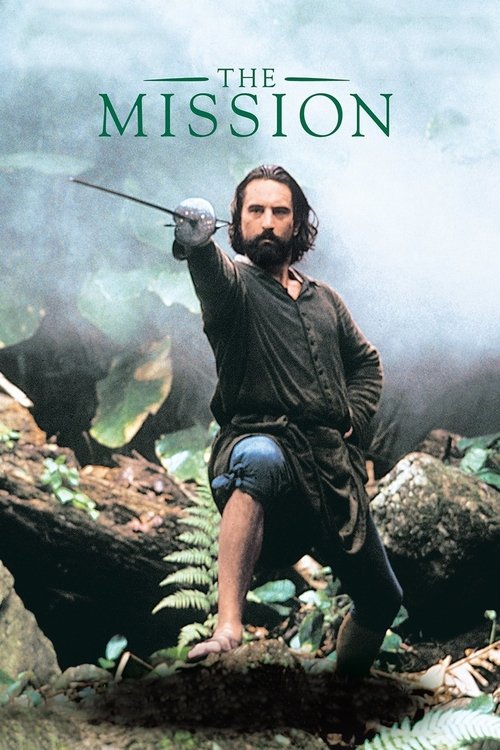
The Mission
In the heart of the 18th-century South American wilderness, "The Mission" unfurls a powerful tale of faith, redemption, and the fight for indigenous rights. This epic drama, set against breathtaking backdrops, explores the clash of empires and the unwavering spirit of those who dared to protect their way of life.
Director
Roland Joffé
Release Year
1986
Runtime
125 minutes
Main Cast
Robert De Niro, Jeremy Irons, Ray McAnally, Aidan Quinn, Liam Neeson
About The Mission
Roland Joffé's 1986 cinematic masterpiece, "The Mission," transcends mere historical drama, offering a profound meditation on colonialism, spiritual conviction, and the inherent dignity of all people. Its resonate themes of sacrifice, cultural annihilation, and the enduring power of compassion continue to spark discussion and critical analysis decades after its release. The film's stunning cinematography and evocative score by Ennio Morricone solidify its place as a classic. It was nominated for seven Academy Awards, winning for Best Cinematography.
The narrative centers on Father Gabriel (Jeremy Irons), a Jesuit missionary who establishes a mission in the remote jungle to convert the Guarani people. His peaceful endeavors are dramatically intersected by Rodrigo Mendoza (Robert De Niro), a repentant slave trader seeking atonement. Mendoza's violent past gives way to a spiritual awakening, as he joins Gabriel's mission, embracing a life of service and non-violence.
The fragile peace of the mission is shattered when political machinations between Spain and Portugal threaten to cede the territory—and its indigenous inhabitants—to Portuguese rule. The Guarani, alongside Father Gabriel and Mendoza, are forced to confront an existential threat, as their way of life and the mission itself hang in the balance. The film masterfully portrays the moral dilemmas faced by its characters, exploring the different paths to justice and resistance.
"The Mission" received widespread critical acclaim upon its release, particularly for its powerful performances, Joffé's direction, and Morricone's iconic score, which has become one of the most recognizable in film history. The film's exploration of historical injustices and its timeless message of empathy ensure its continued relevance, inspiring audiences to reflect on faith, humanity, and the cost of defending one's beliefs. Its cultural impact is evident in its frequent inclusion in lists of essential historical dramas and its enduring ability to provoke thought on complex ethical issues.
Drafts Featuring The Mission
Every SnakeDrafts listicle where this movie appears
The Best Robert De Niro Movies Ranked
Ranked #19
The Best Jeremy Irons Movies
Ranked #3
Liam Neeson's Top Movies Ranked
Ranked #13
Best 1986 Movies of All Time
Ranked #11
The Greatest Action Movies of 1986
Ranked #25
Aidan Quinn Movies Ranked Definitively
Ranked #2
The Best Movies of the 1980s Ranked
Ranked #76
Similar Movies
Movies related to The Mission
Frequently Asked Questions
Everything you need to know about The Mission
- The Iguazu Falls symbolize both the immense natural beauty and formidable challenges of the Guarani territory. It represents a spiritual and physical barrier, a majestic yet dangerous threshold that characters must cross to reach the mission and confront their destinies.
- Mendoza's arc from a ruthless slave trader to a devout Jesuit attempting to protect the Guarani is a central theme of redemption. His penance, symbolized by carrying his heavy armor up to the mission, represents his internal struggle and ultimate transformation through faith and service.
- The core conflict lies in their differing philosophies on how to protect the Guarani people. Father Gabriel advocates for non-violent resistance and spiritual strength, while Mendoza, despite his redemption, ultimately believes in armed defense as a necessary evil against oppression.
- The movie powerfully critiques the destructive nature of colonialism and the subjugation of indigenous populations. It highlights the clash between European imperial ambitions and the rights of the Guarani to their land, culture, and lives, portraying the tragic consequences of such conflicts.
- The final scene, particularly the image of the surviving Guarani children paddling away, suggests a fragile hope for the future while acknowledging the immense loss. It underscores the enduring spirit of the indigenous people and the devastating impact of the colonial powers, leaving a poignant and bittersweet message about survival and memory.

