Anthony Edwards's Top Movies Ranked
The Definitive Filmography of a Hollywood Mainstay
Explore the most iconic film roles of Anthony Edwards, from the high-flying Goose in Top Gun to his gritty dramatic turn in David Fincher's Zodiac.
About Anthony Edwards
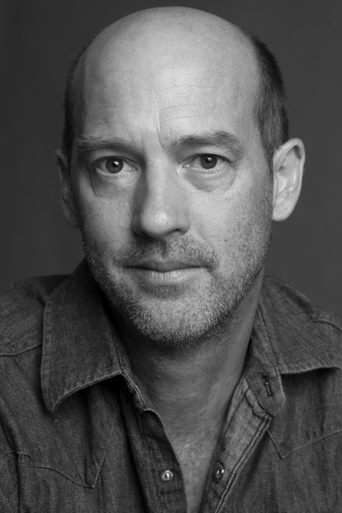
There is a specific kind of reliability that Anthony Edwards brings to the screen, a grounded intelligence that makes him feel like the smartest person in the room who still has the grace not to point it out. While many of his peers from the eighties were clawing for the spotlight, he built a foundation on being the essential anchor. He possesses a rare, lived in sincerity that transforms even the most fantastical scenarios into something tactile and human. Whether he is navigating a nuclear apocalypse in a bathrobe or managing a chaotic emergency room, he projects a steady pulse that audiences instinctively trust.
His early years served as a masterclass in versatility, shifting effortlessly between the slapstick and the soulful. Most young actors would have been pigeonholed after the wild success of Revenge of the Nerds, yet he played Gilbert with a sweetness that transcended the caricature. He followed that by holding his own against the high octane charisma of Top Gun, where he provided the emotional stakes of the entire narrative. As Goose, he became the ultimate cinematic best friend, a role so expertly inhabited that the character’s legacy still looms over the franchise decades later. It was this ability to be the relatable foil to a superstar that made him indispensable.
Beyond the blockbusters, he showed a daring streak in cult gems like Miracle Mile, a film that rests entirely on his ability to sell an escalating sense of dread. He captures the frantic energy of a man running out of time with a vulnerability that few leading men of that era were willing to show. This knack for playing high intelligence under pressure resurfaced years later in David Fincher’s Zodiac. His portrayal of Inspector Bill Armstrong served as a quiet, weary counterbalance to the obsession surrounding the case. It is a performance of glances and exhaled sighs, proving he could command a scene through understatement just as easily as he did in the playful lothario antics of The Sure Thing or the collegiate whimsy of How I Got Into College.
The longevity of his career stems from a refusal to be a single thing. He can disappear into the procedural gravity of The Client or offer a warm, paternal lens in Flipped. Even in more cerebral territory like Experimenter, he fits into the ensemble with the ease of a veteran who understands the rhythm of the story better than anyone. There is no ego in his work. He operates with the precision of a craftsman, whether he is dodging international spies in Gotcha! or navigating the ensemble complexities of Playing by Heart.
We connect with him because he never feels like he is performing a part so much as he is experiencing it. He represents the everyman not as a boring trope, but as a person with depth, humor, and a moral compass. In a town built on artifice, he remains one of the few actors who feels entirely authentic, a constant presence whose name on a call sheet guarantees a layer of soulful credibility. He is the quiet architect of some of our favorite cinematic memories, the man who showed us that the sidekick often has the biggest heart of all.
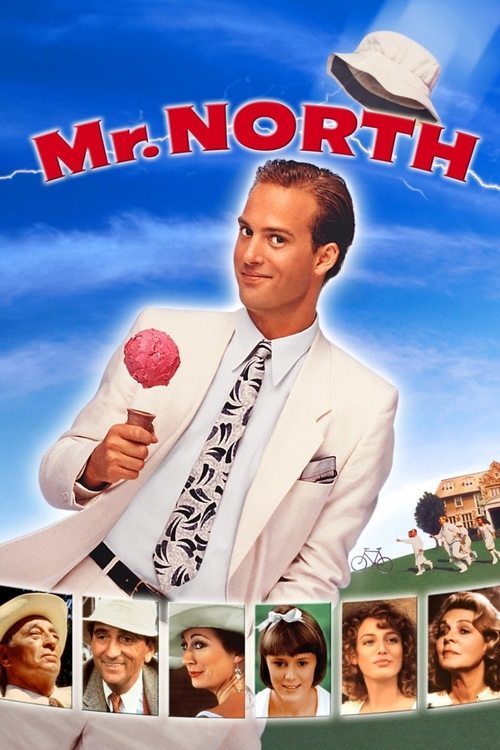
Mr. North
1988Mr. North, a stranger to a small, but wealthy, Rhode Island town, quickly has rumors started about him that he has the power to heal people's ailments...
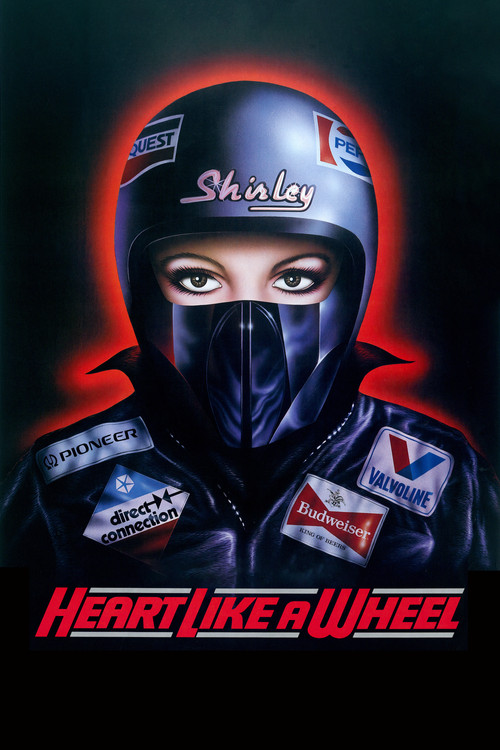
Heart Like a Wheel
1983Shirley Muldowney is determined to be a top-fuel drag racer, although no woman has ever raced them before. Despite the high risks of this kind of racing and the burden it places on her family life, she perseveres in her dream.
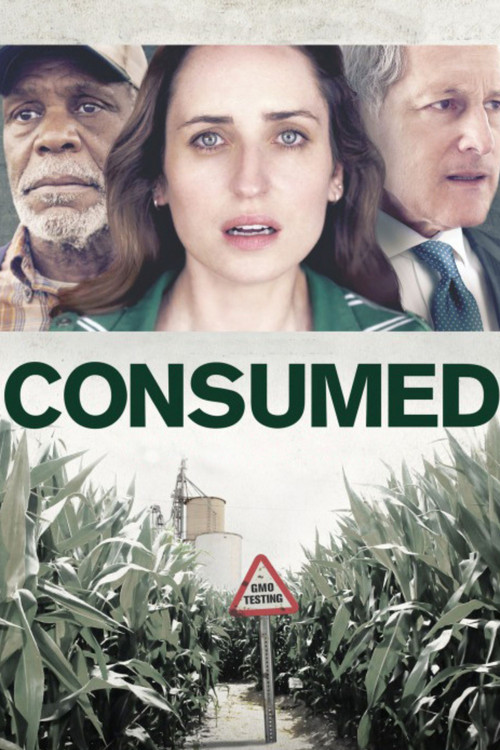
Consumed
2015When Sophie's son, Garrett, develops a mysterious illness, she embarks on a search for answers. This leads her into the controversial world of Genetically Modified Organisms (GMOs) where a sociopolitical battle rages between organic farmers and big biotech corporations. As her desperation grows, so too does her quest for knowledge. And the deeper she goes, a more heightened sense of danger develops that preys on her state of mind, as she attempts to discover the root cause of her son's illness.
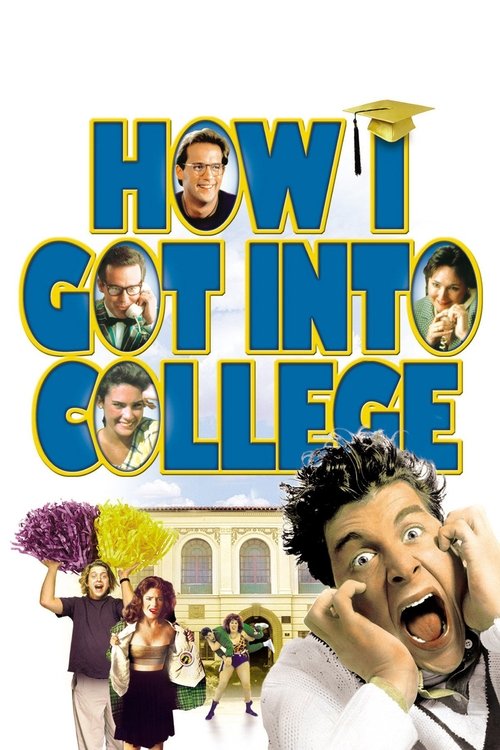
How I Got Into College
1989High school senior Marlon Bowne is smitten with overachieving classmate Jessica Kailo. But, if he wants to have a shot with her, he'll have to find a way to get into Ramsey College, Jessica's top choice of schools. It won't be easy, since the college is highly selective and Marlon's grades are hardly impressive. That means the lovelorn teen will have to find a way to score high on the SATs and win over the college admissions committee.
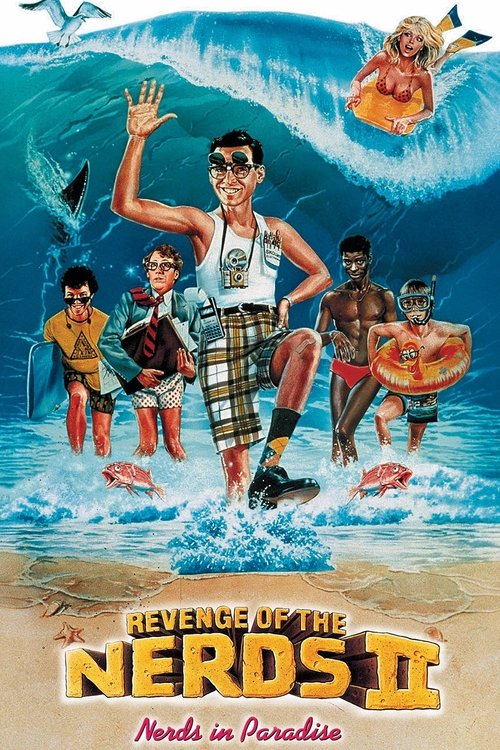
Revenge of the Nerds II: Nerds in Paradise
1987The members of the Lambda Lambda Lambda fraternity travel to Fort Lauderdale for a fraternity conference. They'll have to beat off the attacks of their rival frat, the Alphas, if they want to maintain their self-respect -- and, of course, if they want to get anywhere with the pretty girls!
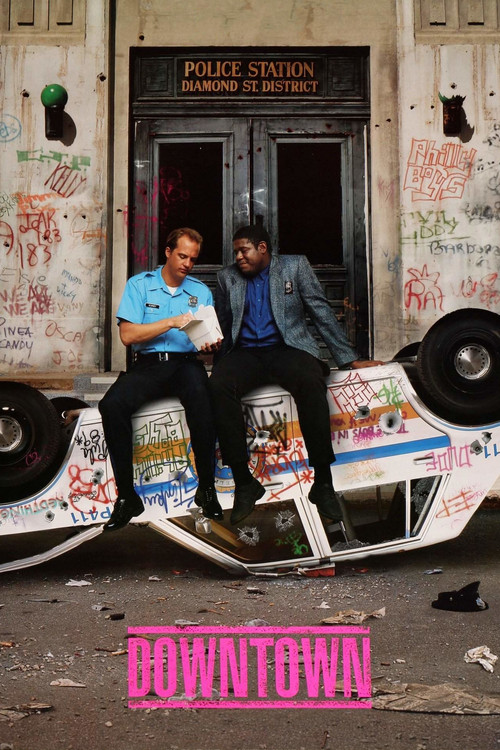
Downtown
1990Officer Alex Kearney patrols an upscale neighborhood in Philadelphia, where he pulls over a well-connected white collar executive who promises to get even with the policeman. Soon, Kearney learns that he is off the cushy suburban beat and must now work in the deadliest precinct in Philly, where he is partnered with tough veteran cop Dennis Curran. Tensions are high between them, but Kearney soon proves he can play just as rough as the crooks.

The Forgotten
2004Telly Paretta is a grieving mother struggling to cope with the loss of her 8-year-old son. She is stunned when her psychiatrist reveals that she has created eight years of memories about a son she never had. But when she meets a man who has had a similar experience, Telly embarks on a search to prove her son's existence, and her sanity.
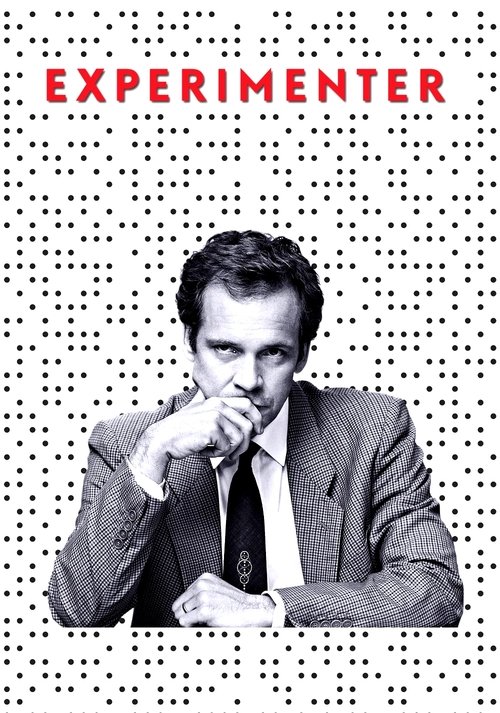
Experimenter
2015Yale University, 1961. Stanley Milgram designs a psychology experiment that still resonates to this day, in which people think they’re delivering painful electric shocks to an affable stranger strapped into a chair in another room. Despite his pleads for mercy, the majority of subjects don’t stop the experiment, administering what they think is a near-fatal electric shock, simply because they’ve been told to do so. With Nazi Adolf Eichmann’s trial airing in living rooms across America, Milgram strikes a nerve in popular culture and the scientific community with his exploration into people’s tendency to comply with authority. Celebrated in some circles, he is also accused of being a deceptive, manipulative monster, but his wife Sasha stands by him through it all.
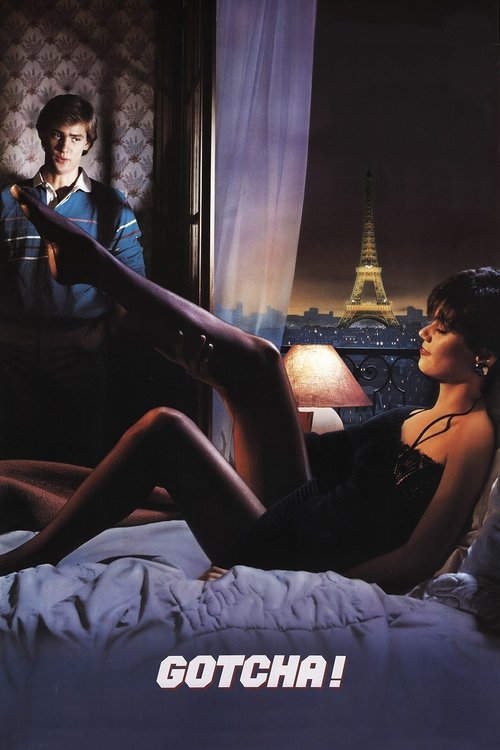
Gotcha!
1985A student on a trip to France is tricked into smuggling secrets across the Iron Curtain by a sexy spy.
This Cold War caper allowed Edwards to bridge the gap between his dorkier roots and a burgeoning leading man status. He handles the tonal shifts from campus comedy to international intrigue with a nimble, infectious energy that carries the entire production.
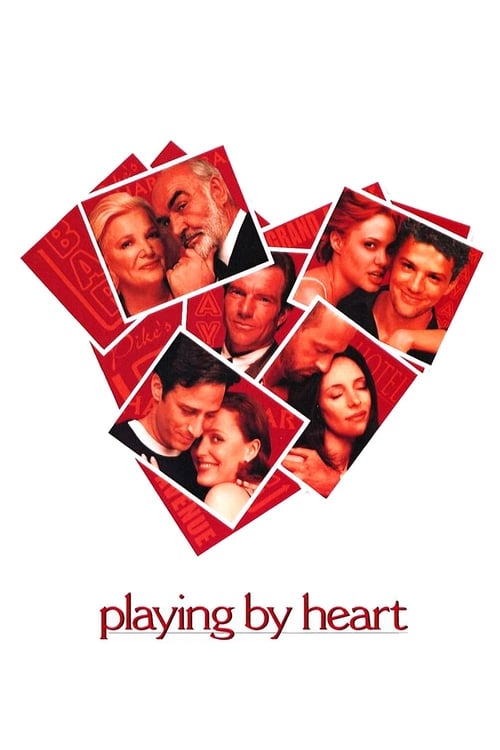
Playing by Heart
1998In a vibrant tapestry of love and longing, nine interconnected souls navigate romance and heartbreak in L.A., where passions collide and truths unfold, revealing that the heart's desires often lead us where we least expect.
Edwards navigates this ensemble romance with a sophisticated tenderness, proving he could hold his own alongside titans like Sean Connery and Gena Rowlands. His performance highlights an evolved screen presence that matured beautifully beyond his earlier collegiate roles.
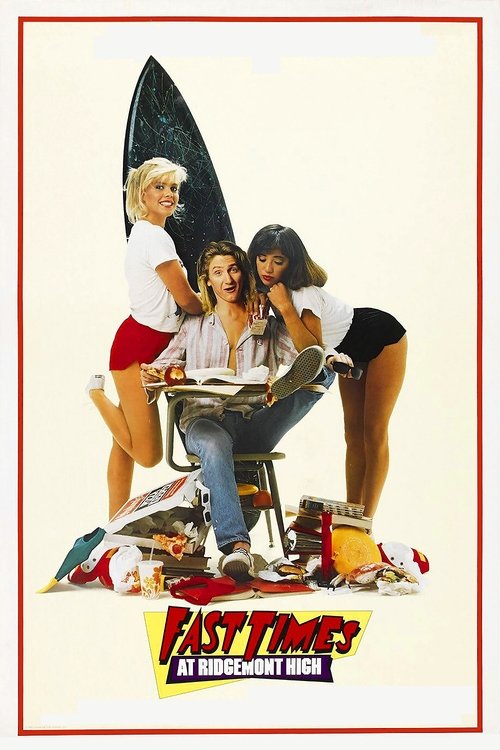
Based on the real-life adventures chronicled by Cameron Crowe, Fast Times follows a group of high school students growing up in Southern California. Stacy Hamilton and Mark Ratner are looking for love, and are helped along by their older classmates, Linda Barrett and Mike Damone. Jeff Spicoli, a perpetually stoned surfer faces-off with the resolute teacher, Mr. Hand. Hilarity and heartbreak ensue.
While his screen time is brief as one of Spicoli's stoner entourage, Edwards displays an early knack for chameleon-like character work. This foundational role established his presence within the 1980s brat pack orbit before he moved on to more substantial dramatic territory.
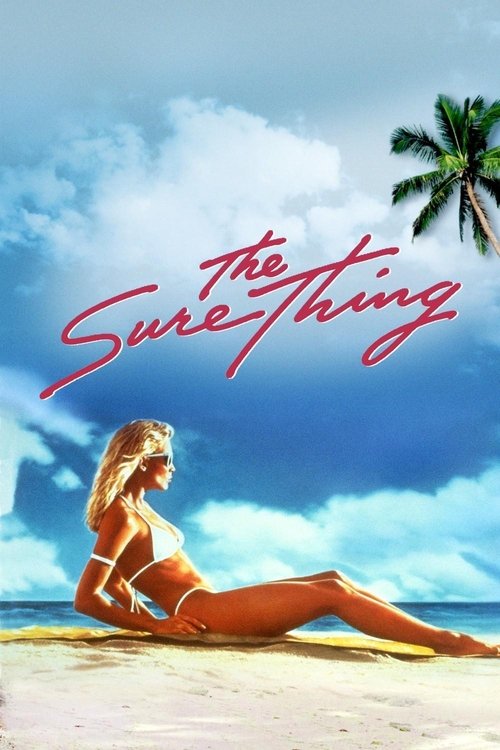
The Sure Thing
1985Gib, a beer-guzzling slob, and Alison, an uptight Ivy-Leaguer, are an unlikely duo stuck together on a cross-country trip during Christmas break. At first they get on each other's nerves but, as time passes, they find their divergent natures complement each other. Now they need to realize what they've already found before it's too late.
Edwards shines in a refined supporting turn that highlights his impeccable comedic timing and effortless charm. He serves as the perfect quintessential best friend, a role he would eventually perfect and transcend throughout the decade.
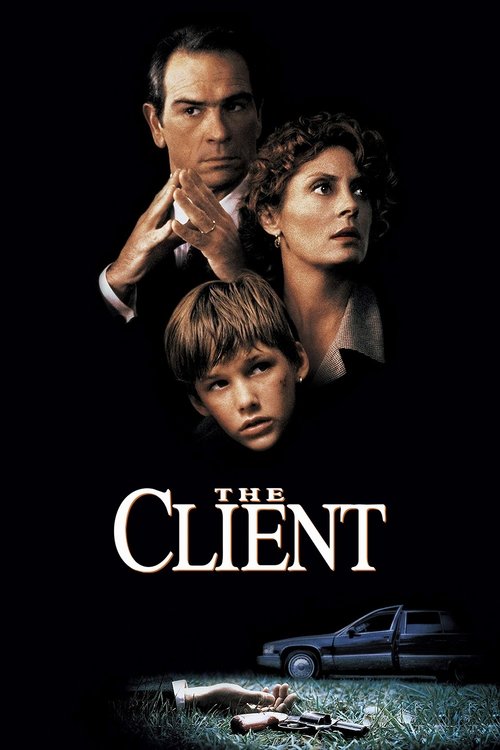
The Client
1994A street-wise kid, Mark Sway, sees the suicide of Jerome Clifford, a prominent Louisiana lawyer, whose current client is Barry 'The Blade' Muldano, a Mafia hit-man. Before Jerome shoots himself, he tells Mark where the body of a Senator is buried. Clifford shoots himself and Mark is found at the scene, and both the FBI and the Mafia quickly realize that Mark probably knows more than he says.
Even within the crowded legal theater of a Grisham adaptation, Edwards makes his mark by playing against the typical hard boiled attorney tropes. He brings a methodical, understated intelligence to the ensemble that reinforces the film's grounded sense of peril.
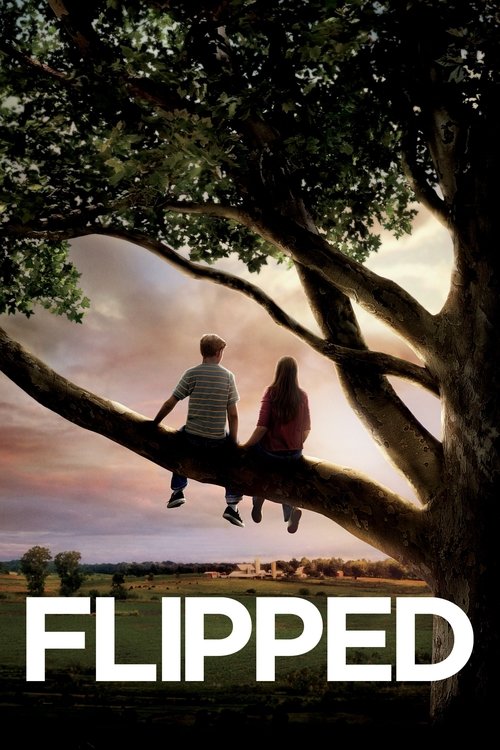
Flipped
2010When Juli meets Bryce in the second grade, she knows it's true love. After spending six years trying to convince Bryce the same, she's ready to give up - until he starts to reconsider.
In this Rob Reiner period piece, Edwards steps into a patriarchal role with a quiet, nuanced authority. He eschews the flashier beats of his youth to provide a steady, paternal gravity that stabilizes the film's nostalgic sentimentality.
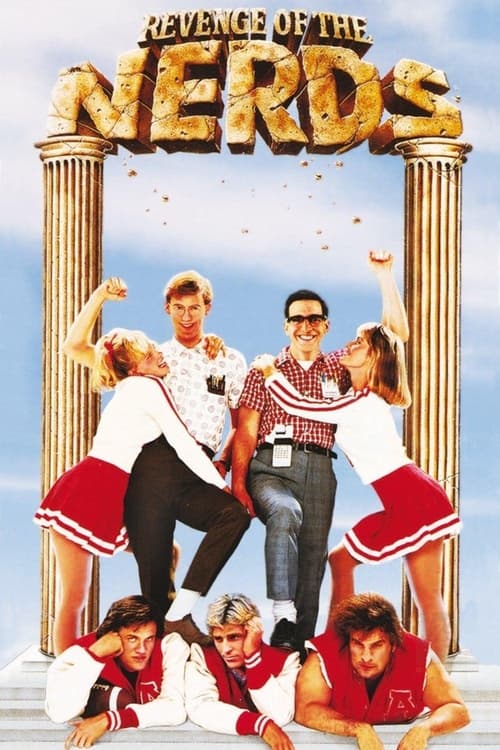
At Adams College, the jocks rule the school from their house on high, the Alpha Beta fraternity. So when a group of socially-challenged misfits try to go Greek, they're instantly rejected by every house on campus. Deciding to start their own fraternity to protect their outcast brothers, the campus nerds soon find themselves in a battle royale as the Alpha Betas try to crush their new rivals.
As Gilbert, Edwards redefined the cinematic intellectual by eschewing broad caricature in favor of genuine sweetness. He spearheaded a cultural shift that allowed the campus misfit to be a hero without sacrificing his dignity or his pocket protector.
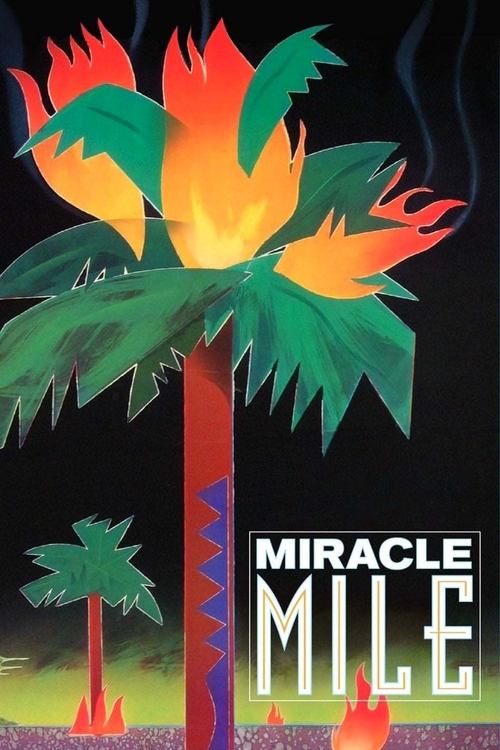
Miracle Mile
1989After 30 years of searching, Harry has finally met the girl of his dreams. Unfortunately, before they even have a chance to go on their first date, Harry intercepts some chilling news: WWIII has begun and nuclear missiles will destroy Los Angeles in less than an hour!
Edwards carries this cult nightmare with a frantic, everyman sincerity that makes the escalating apocalypse feel terrifyingly intimate. It remains his most impressive lead turn, proving he could anchor a high stakes thriller through sheer, sweating desperation.
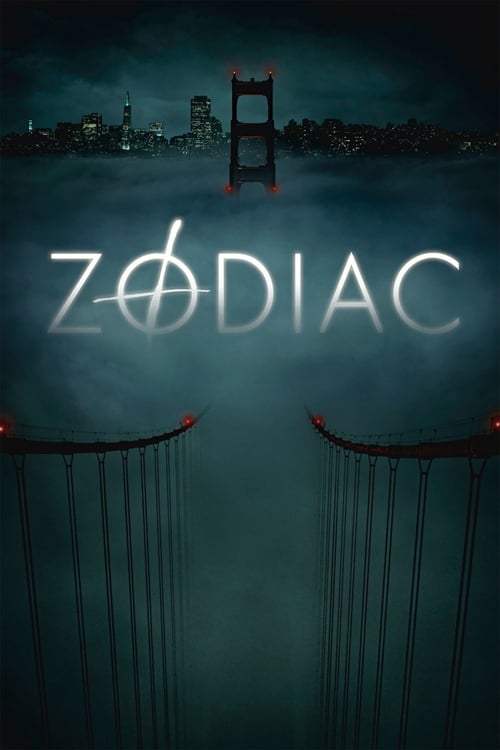
Zodiac
2007Over the course of a decade, editors of the San Francisco Chronicle entice themselves in the murders of the Zodiac Killer. However, as time runs its course, interest in the case dwindles in the eyes of the professionals. The Killer stops interacting with the public. However, believing he has the answers, an amateur cartoonist from the initial sightings races against time to prevent what he believes is another murder.
Playing Inspector Bill Armstrong, Edwards masterfully captures the slow erosion of spirit that comes with a cold case. He provides a weary, procedural counterpoint to the obsessive energy of his costars, embodying the exhaustion of a system failing to find answers.
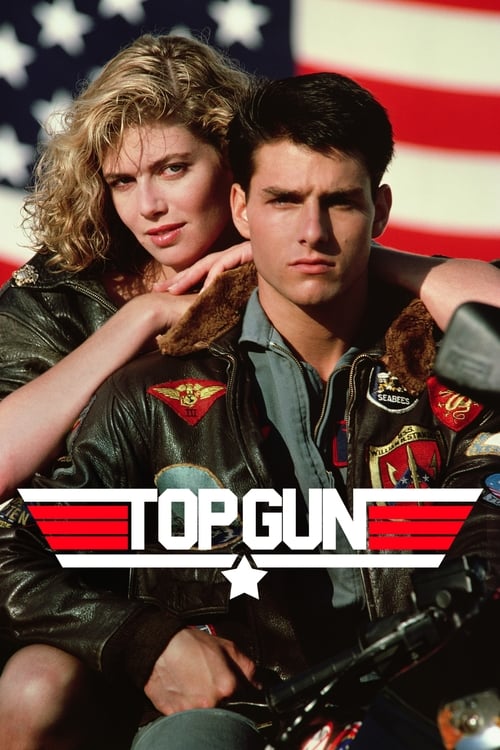
Top Gun
1986For Lieutenant Pete 'Maverick' Mitchell and his friend and co-pilot Nick 'Goose' Bradshaw, being accepted into an elite training school for fighter pilots is a dream come true. But a tragedy, as well as personal demons, will threaten Pete's dreams of becoming an ace pilot.
Edwards serves as the emotional bedrock of this high octane spectacle, grounding the machismo with a necessary vulnerability. His chemistry with Tom Cruise provides the film its only true stakes, transforming a recruitment vehicle into a poignant portrait of brotherhood.
Frequently Asked Questions
Everything you need to know about this list and SnakeDrafts
- Anthony Edwards's portrayal of Goose in "Top Gun" stands out for its warmth and authenticity, providing an emotional anchor to the high-flying action. His chemistry with Tom Cruise's character adds depth to the film's drama and romance elements.
- In "Zodiac," Edwards delivers a subtle yet intense performance that complements the film's intricate mystery. His grounded approach helps maintain the film's gripping tension and contributes to the realistic portrayal of the real-life investigation.
- Anthony Edwards has demonstrated remarkable versatility in films like the romantic drama "Flipped," the sci-fi thriller "Miracle Mile," and the comedic classic "Revenge of the Nerds." His ability to balance comedy, drama, and suspense highlights his broad acting range.
- Edwards often gravitates towards roles that explore themes of sincerity, human connection, and intellectual nuance, as seen in "The Sure Thing" and "Playing by Heart." His characters typically bring a relatable and thoughtful presence to the storylines.
- Edwards's grounded and lived-in sincerity transforms even the most fantastical narratives into tangible human experiences. This approach is evident in films like "The Client" and "Experimenter," where his performances evoke empathy and realism.
- Films such as "Revenge of the Nerds," "Downtown," and "Gotcha!" showcase Anthony Edwards's skill in comedy, blending humor with charm. These roles highlight his ability to bring levity and likability to diverse characters.
- Beginning with energetic roles in "Fast Times at Ridgemont High" and "How I Got Into College," Edwards evolved into more nuanced performances in "Zodiac" and "Experimenter." His career reflects a steady growth from youthful charisma to mature depth.