Best January Jones Films of All Time
The Most Memorable Roles of a Modern Screen Icon
Discover the best films of January Jones, from blockbuster superhero hits to acclaimed indie dramas and cult favorite romantic comedies.
About January Jones

In the landscape of modern Hollywood, few performers occupy the space between icy composure and subversive humor as effectively as January Jones. She first drifted into the collective consciousness with the kind of classic, mid-western beauty that seemed tailor-made for the silver screen, yet she quickly proved that her best work lived in the friction between her polished exterior and a jagged, unpredictable interior. While the world may have initially categorized her through the lens of a 1960s suburban tragedy, her filmography reveals a restless curiosity that spans across genres and eras.
Her early trajectory involved a series of strategic, high-profile turns that showcased her versatility. She brought a breezy, comedic energy to American Wedding and played the quintessential American dream girl in the cult favorite Love Actually. Even in smaller windows of screen time, such as her role in the heist comedy Bandits or the nostalgic Dirty Dancing: Havana Nights, she commanded a specific kind of magnetism. It was a screen presence that felt simultaneously untouchable and deeply human. By the time she worked under Tommy Lee Jones in the gritty, acclaimed The Three Burials of Melquiades Estrada, it was clear she wasn't interested in just playing the ingenue. She was hunting for characters with shadows.
The cultural needle moved permanently when she stepped into the role of a frustrated housewife in a legendary television drama, but her cinematic output during that same period showed a fascination with power and isolation. In X-Men: First Class, she inhabited Emma Frost with a chilly, telepathic authority, leaning into the high-fashion villainy that her aesthetic so naturally supports. This ability to weaponize her stillness became a trademark. Whether she was navigating the high-stakes tension of the thriller Unknown alongside Liam Neeson or exploring the psychological toll of drone warfare in Good Kill, she excelled at portraying women who were processing immense pressure behind a mask of forced calm.
Audiences connect with her because she refuses to be predictable. There is a dry, almost experimental wit to her public persona that leaks into her more adventurous film choices. In the revenge western Sweetwater, she shed the pearls entirely to play a fierce, purple-clad widow out for blood, signaling a pivot toward more eccentric, independent fare. This streak continued into the psychedelic and brutal God Is a Bullet, proving she is far more comfortable in the fringes of genre cinema than in the safe confines of a romantic lead.
Even her lighter turns, like her brief but memorable stint in the spirited ensemble of The Boat That Rocked, suggest an actor who understands exactly how to play with her own image. She knows she looks like a Hitchcock blonde, but she chooses to act like a character actor. It is this refusal to settle into a singular groove that has kept her relevant long after the era that defined her. She remains a fascinating enigma of the industry, a woman who can move from the broad comedy of Anger Management to the darkest corners of neo-noir without ever losing that razor-sharp sense of self. To watch her on screen is to wait for the crack in the porcelain, and it is in those moments of breakage that she finds her true power.
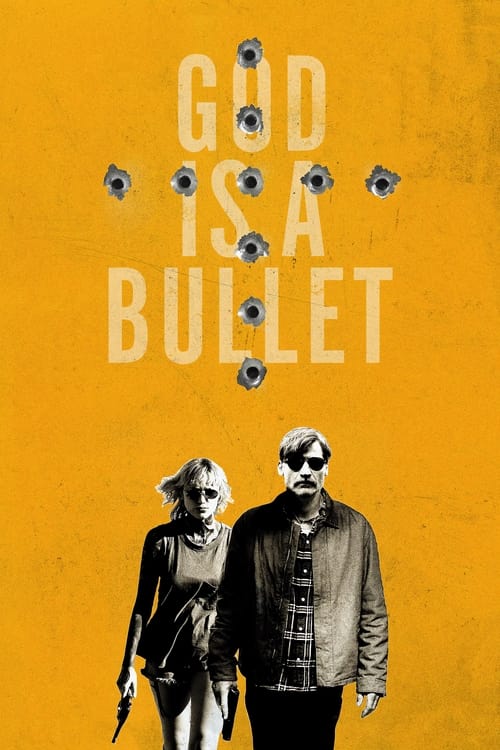
God Is a Bullet
2023Vice detective Bob Hightower finds his ex-wife murdered and daughter kidnapped by a cult. Frustrated by the botched official investigations, he quits the force and infiltrates the cult to hunt down the leader with the help of the cult’s only female victim escapee, Case Hardin.
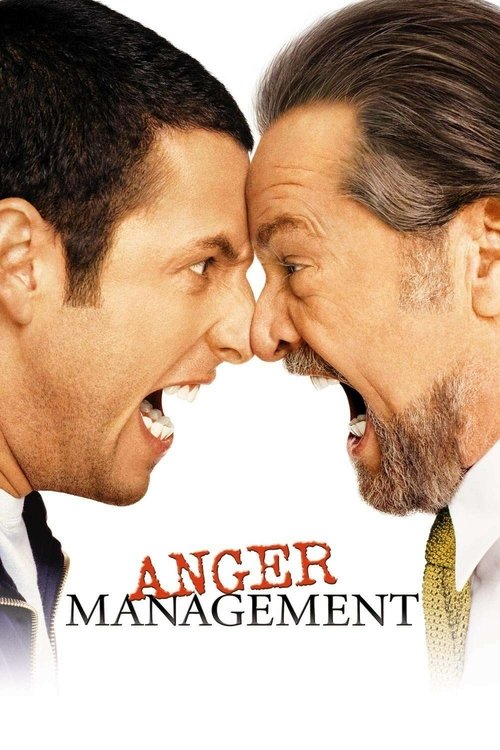
Anger Management
2003After a small misunderstanding aboard an airplane escalates out of control, timid businessman Dave Buznik is ordered by the court to undergo anger management therapy at the hands of specialist Dr. Buddy Rydell. But when Buddy steps up his aggressive treatment by moving in, Dave goes from mild to wild as the unorthodox treatment wreaks havoc with his life.
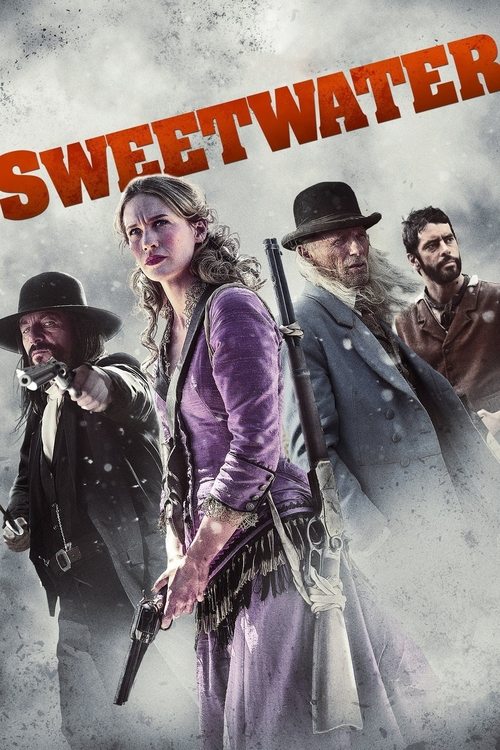
Sweetwater
2013In the late 1800s, a fanatical religious leader, a renegade Sheriff, and a former prostitute collide in a blood triangle on the rugged plains of the New Mexico Territory.
Trading her usual metropolitan elegance for frontier grit, Jones takes center stage in a revenge narrative that demands physical and emotional ferocity. This performance stands as a rare, bold departure where she replaces her usual stillness with raw action.

Good Kill
2015In the shadowy world of drone warfare, combat unfolds like a video game–only with real lives at stake. After six tours of duty, Air Force pilot Tom Egan now fights the Taliban from an air-conditioned bunker in the Nevada desert. But as he yearns to get back in the cockpit of a real plane and becomes increasingly troubled by the collateral damage he causes each time he pushes a button, Egan’s nerves—and his relationship with his wife—begin to unravel.
Jones provides a necessary domestic weight to this drone-warfare drama, articulating the slow erosion of a marriage with painful precision. Her work here is a somber reminder of her capacity for deep, internalized domestic tragedy.
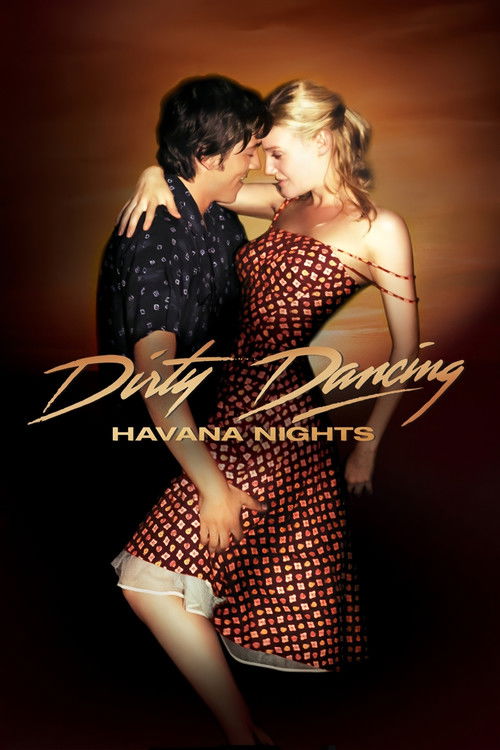
Dirty Dancing: Havana Nights
2004In pre-revolution Cuba, Katey Miller is about to defy everyone's expectations. Instead of a parent-approved suitor, Katey is drawn to the sexy waiter, Javier, who spends his nights dancing in Havana's nightclubs. As she secretly learns to dance with Javier, she learns the meanings of love, sensuality and independence.
Despite the film's lighter tone, Jones brings a focused intensity to her role as the privileged foil. She effectively portrays the rigid social structures of the period, a precursor to the more complex historical roles that would define her career.

Bandits
2001After escaping from prison, Joe and Terry go on a crime spree, robbing banks through Oregon and California in order to finance their scheme for a new life south of the border. Unfortunately, things get more complicated when they meet Kate, who runs into them with her car. She joins the bandits on their cross-country spree, and eventually she steals something, too: their hearts.
Operating on the fringes of this heist caper, Jones showcases a youthful spark that hinted at the sophisticated screen presence she would later refine. Even in a smaller capacity, her ability to hold the frame against seasoned veterans is evident.
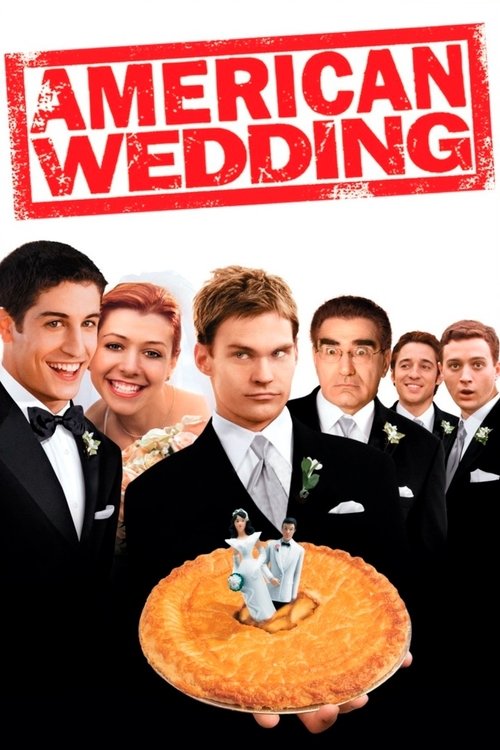
American Wedding
2003With high school a distant memory, Jim and Michelle are getting married — and in a hurry, since Jim's grandmother is sick and wants to see him walk down the aisle — prompting Stifler to throw the ultimate bachelor party. And Jim's dad is reliable as ever, doling out advice no one wants to hear.
Jones plays the straight-faced sister to the franchise's absurdity, proving she could anchor a broad comedy with a necessary sense of grounded realism. This role demonstrated her versatility in transitioning from indie projects to mainstream studio sequels.

Unknown
2011A man awakens from a coma, only to discover that someone has taken on his identity and that no one, (not even his wife), believes him. With the help of a young woman, he sets out to prove who he is.
Jones excels as the inscrutable wife in this Hitchcockian thriller, utilizing her talent for playing characters who hide profound secrets behind a mask of suburban perfection. Her performance relies on a chilling ambiguity that keeps the tension taut.

The Three Burials of Melquiades Estrada
2005When brash Texas border officer Mike Norton wrongfully kills and buries the friend and ranch hand of Pete Perkins, the latter is reminded of a promise he made to bury his friend, Melquiades Estrada, in his Mexican home town. He kidnaps Norton and exhumes Estrada's corpse, and the odd caravan sets out on horseback for Mexico.
Stepping away from polished glamour, Jones delivers a grounded and weary performance that proved her range within the gritty confines of a neo-Western. She navigates the emotional vacuum of her character's isolation with impressive, quiet restraint.

Love Actually
2003Eight very different couples deal with their love lives in various loosely interrelated tales all set during a frantic month before Christmas in London.
Capturing the fleeting lightning of her early career, Jones makes a brief but punchy impression playing on the American dream trope. This minor turn signaled her readiness for the transatlantic spotlight and her knack for portraying high-status allure.
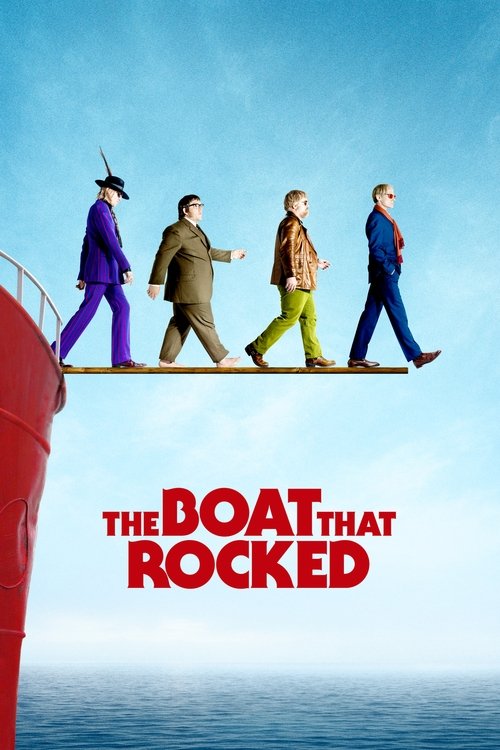
The Boat That Rocked
2009When a group of rebellious deejays decides to defy the ban on government-censored music, they take to the seas to broadcast music and mayhem to millions of adoring fans.
In this ensemble of chaotic energy, Jones provides a sharp, illusory grace that highlights her ability to command attention without saying a word. It is a masterclass in playing the idealized object of affection while maintaining a distinct, calculated edge.

Before Charles Xavier and Erik Lensherr took the names Professor X and Magneto, they were two young men discovering their powers for the first time. Before they were arch-enemies, they were closest of friends, working together with other mutants (some familiar, some new), to stop the greatest threat the world has ever known.
Jones weaponizes her signature glacial poise as Emma Frost, perfectly embodying the Cold War era aesthetic that defined her early stardom. She serves as a vital visual and thematic anchor for the film's 1960s stylistic pivot.
Frequently Asked Questions
Everything you need to know about this list and SnakeDrafts
- January Jones has showcased her versatility by starring in a range of genres including action and science fiction in films like 'X-Men: First Class,' as well as comedy and romance in titles such as 'Love Actually' and 'American Wedding.' This diversity highlights her ability to adapt to both blockbuster settings and intimate indie dramas.
- Yes, January Jones has appeared in multiple films directed by Richard Curtis, including 'Love Actually' and 'The Boat That Rocked.' Curtis's films often blend comedy and drama, which aligns well with Jones's talent for balancing humor with emotional depth.
- 'Unknown' is a thriller where January Jones takes on a suspenseful role, blending mystery and action under the direction of Jaume Collet-Serra. Additionally, she also stars in 'God Is a Bullet,' which combines thriller, action, and crime elements.
- Yes, January Jones has appeared in Western-themed movies such as 'The Three Burials of Melquiades Estrada,' which combines adventure and mystery, as well as 'Sweetwater,' a Western thriller. These roles showcase her ability to engage with rugged, dramatic storytelling in diverse settings.
- Romance is a recurring theme in January Jones's filmography, evident in movies like 'American Wedding,' 'Love Actually,' and 'Dirty Dancing: Havana Nights.' These films highlight her charm and ability to bring warmth to romantic storylines, often intertwined with comedy or drama.
- In ensemble films like 'Love Actually' and 'The Boat That Rocked,' January Jones brings a distinctive screen presence that complements and elevates the dynamic of multiple lead characters. Her nuanced performances add depth to group narratives without overshadowing her co-stars.
- In 'X-Men: First Class,' January Jones portrays Emma Frost, a complex character who balances icy composure with formidable strength. Her performance marked a significant entry into blockbuster cinema, expanding her repertoire beyond indie and romantic films.
- January Jones skillfully blends humor and drama in films like 'Bandits' and 'The Boat That Rocked,' where comedic elements coexist with crime and dramatic themes. This blend showcases her ability to manage tonal shifts and engage audiences with layered performances.