The Best Crime Movies of 1983, Ranked
Classic Noir and Grit from a Landmark Year in Cinema
Explore the best crime films from this year, featuring cult classics, gritty dramas, and high-stakes action hits like Scarface and Sudden Impact.
About 1983 Crime Movies
In the rearview mirror of cinema history, 1983 often feels like a year defined by the neon glow of science fiction and the blockbuster dominance of space operas. However, if you look beneath the surface of the box office charts, you find a genre in the middle of a gritty, fascinating transformation. The crime movie was Shedding its skin. The 1970s era of the paranoid thriller and the somber police procedural was giving way to something louder, more stylized, and deeply obsessed with the rot inside the American dream.
The undisputed heavyweight champion of the year was Brian De Palma's Scarface. At the time, critics were polarized by its operatic violence and Oliver Stone's profane script, but its impact on the genre was seismic. It moved the crime epic out of the shadows and into a world of saturated primary colors and mountains of white powder. Al Pacino’s performance as Tony Montana turned the traditional gangster archetype into a Greek tragedy for the MTV generation. It was no longer just about the heist or the getaway. It was about the unsustainable high of unbridled capitalism.
While Scarface was shouting, a smaller film from across the Atlantic was whispering something much more sinister. The Long Good Friday had reached American shores slightly earlier, but by 1983, the influence of the British underworld film was starting to take hold. Bob Hoskins gave us a protagonist who was the polar opposite of Montana. He was a man trying to legitimize his empire only to find that the world had become more chaotic than he could manage. It served as a reminder that crime movies were moving away from the simple battle between cops and robbers and toward an exploration of global shifts in power.
Back in the States, the police procedural was getting a stylistic makeover. Gorky Park took the genre to Moscow, blending the Cold War thriller with a standard murder mystery. It proved that the American audience was hungry for crime stories that felt expansive and international. Meanwhile, Bad Boys, starring a young Sean Penn, took the crime genre into the juvenile detention system. It stripped away the glamour of the gangster lifestyle and replaced it with a raw, claustrophobic look at how the cycle of violence begins. It was a bleak, necessary counterpoint to the excess seen in other films of the year.
What makes 1983 so pivotally important for the genre is this specific tension between the grounded and the grotesque. You had films like Rumble Fish experimenting with avant-garde visuals to tell a story of street gangs, while more traditional thrillers like 10 to Midnight were leaning into the slasher-adjacent territory that would define much of the decade's pulpier output.
Looking back, 1983 was the year the crime movie stopped trying to be polite. It embraced the excess of the eighties while simultaneously documenting the casualties of that same decade. These films didn't just provide escapism. They reflected a world where the stakes were getting higher, the villains were getting wealthier, and the heroes were increasingly out of their depth. It was the year that established the blueprint for the modern crime epic, proving that sometimes you have to get a little dirty to see the truth.
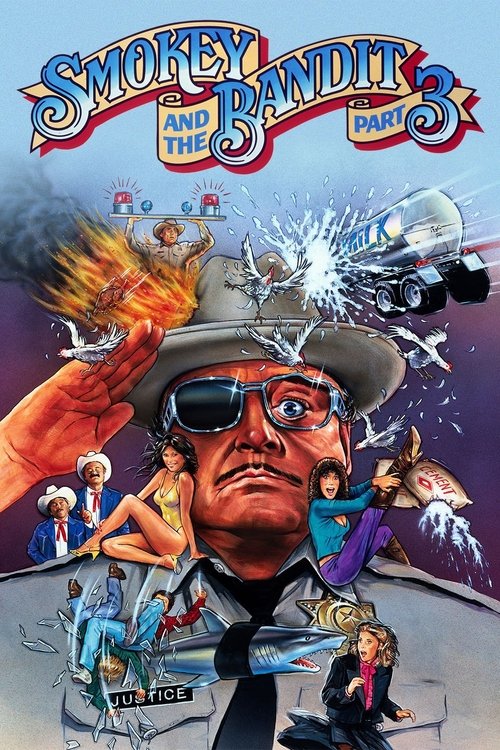
Smokey and the Bandit Part 3
1983The Enos duo convince Cletus, aka The Bandit, to come out of hiding and help them promote their new restaurant. With a little coaxing, he agrees, producing an almost-creaky Trigger as his mode of transport. But his nemesis, Sheriff Buford T. Justice, is on the hunt, forcing Cletus and Trigger to hit the road. Can they steer clear of the vengeful sheriff?
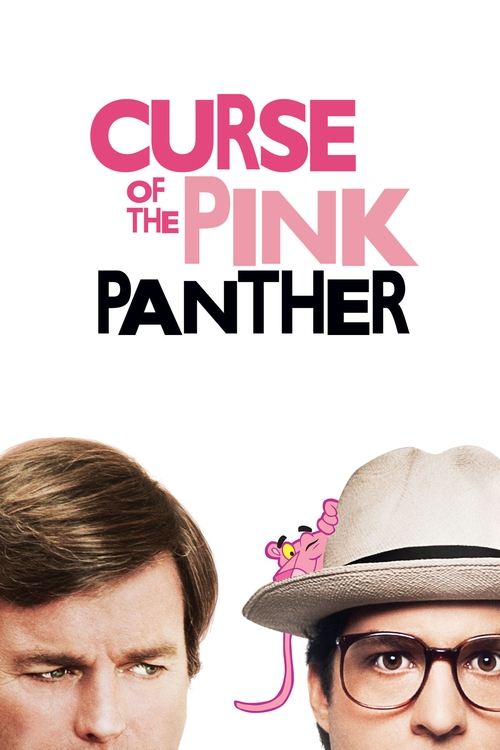
Curse of the Pink Panther
1983Inspector Clouseau disappears, and the Surete wants the world's second best detective to look for him. However, Clouseau's enemy, Dreyfus, rigs the Surete's computer to select, instead, the world's WORST detective, NYPD Sgt. Clifton Sleigh. Sleigh obtusely bungles his way past assassins and corrupt officials as though he were Clouseau's American cousin.
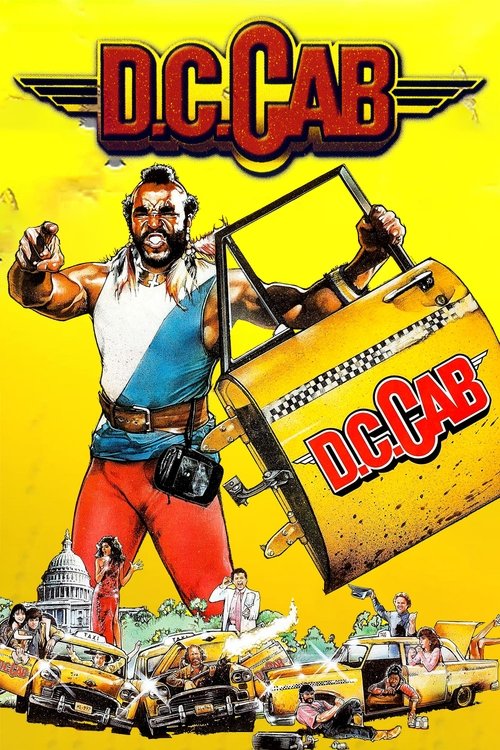
D.C. Cab
1983The tale of a hapless group of cabbies and a rundown cab company owned by Harold. Albert comes to town with a dream of starting his own cab company but needs to motivate Harold's employees to want to make something out of themselves. It is only when Albert is kidnapped that the cabbies must decide whether or not they are loyal to Albert and his cause.
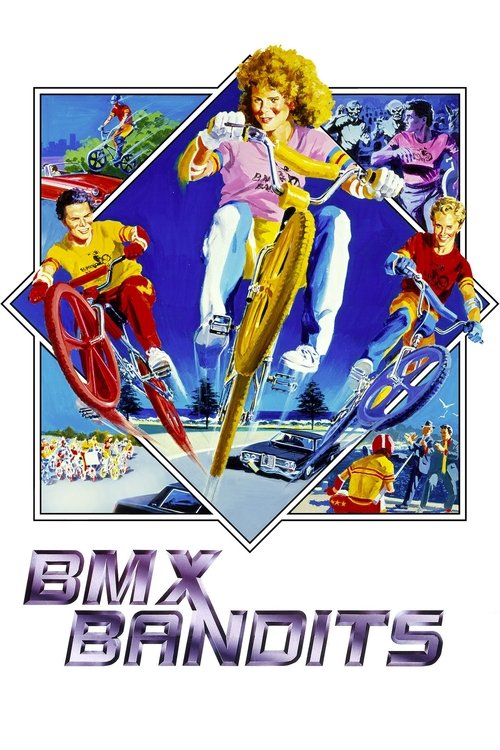
BMX Bandits
1983Teens P.J. and Goose get their thrills on BMX bikes, performing hair-raising tricks all across Sydney, Australia. Along with their new friend Judy, they discover a box of walkie-talkies -- and find out that a gang of criminals intends to use them to monitor police signals during a bank robbery. When the young trio snatches the devices, it propels them on a hair-raising adventure in which their pedaling skills might just save their necks.
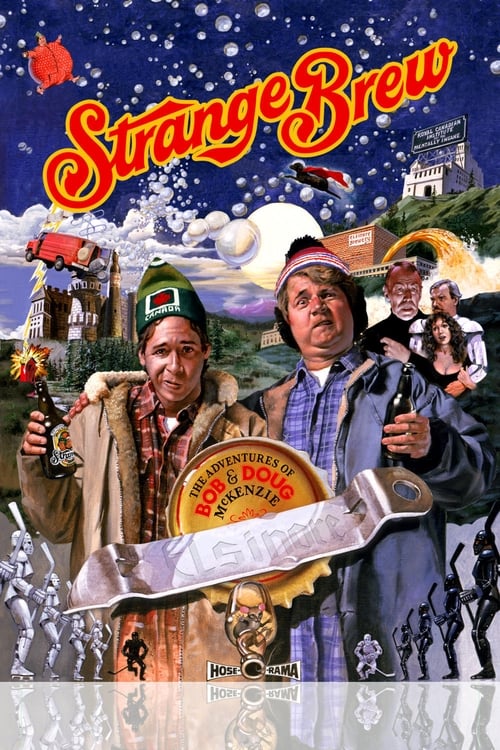
Strange Brew
1983Something is rotten at the Elsinore Brewery. Bob and Doug McKenzie (as seen on SCTV) help the orphan Pam regain the brewery founded by her recently-deceased father. But to do so, they must confront the suspicious Brewmeister Smith and two teams of vicious hockey players.
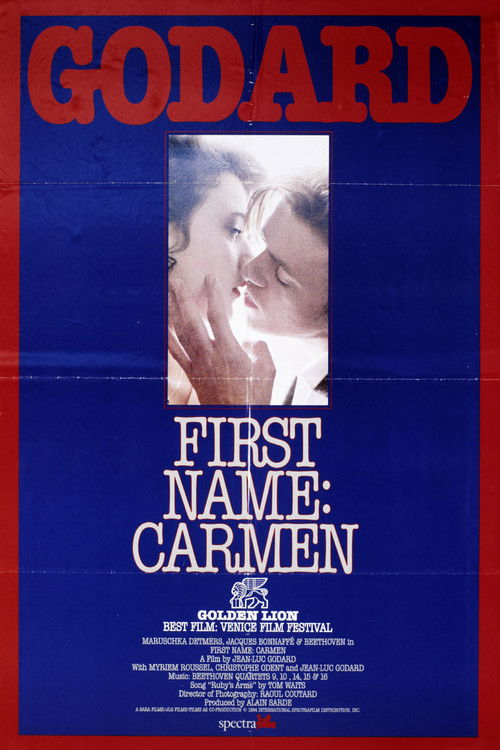
First Name: Carmen
1983A woman involved with a terrorist group becomes dangerously close to the police officer guarding the bank they plan to rob.
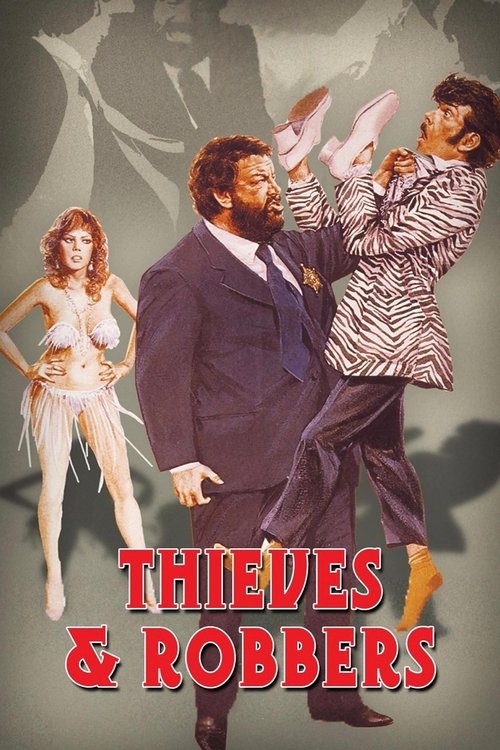
Thieves and Robbers
1983A Lothario, in trouble for fooling around with a Senator's wife, becomes an unwitting witness to a mob murder. Police Lieutenant Parker tries to solve the case in enough time to take his long-suffering family on vacation.
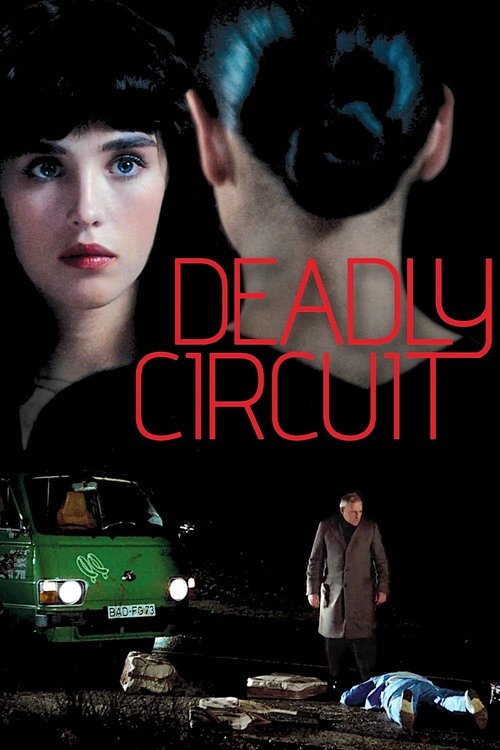
Deadly Circuit
1983A P.I. is obsessed with a cute woman, who seduces and kills rich men around W. Europe.
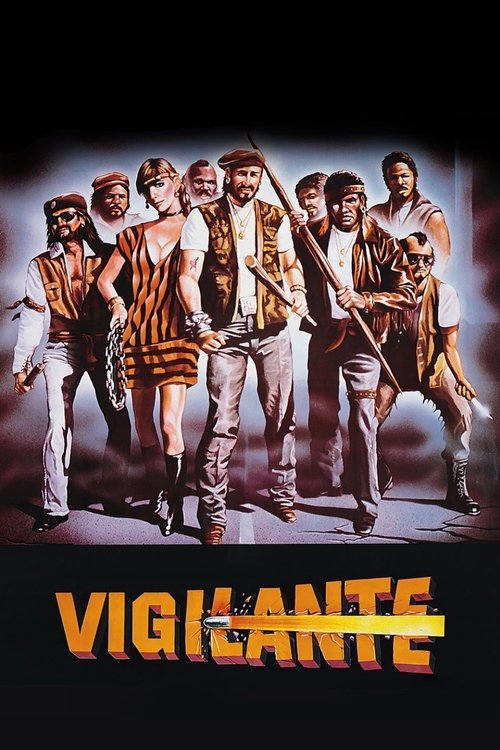
Vigilante
1983New York City factory worker Eddie Marino is a solid citizen and regular guy, until the day a sadistic street gang brutally assaults his wife and murders his child. When a corrupt judge sets the thugs free, he goes berserk and vows revenge.
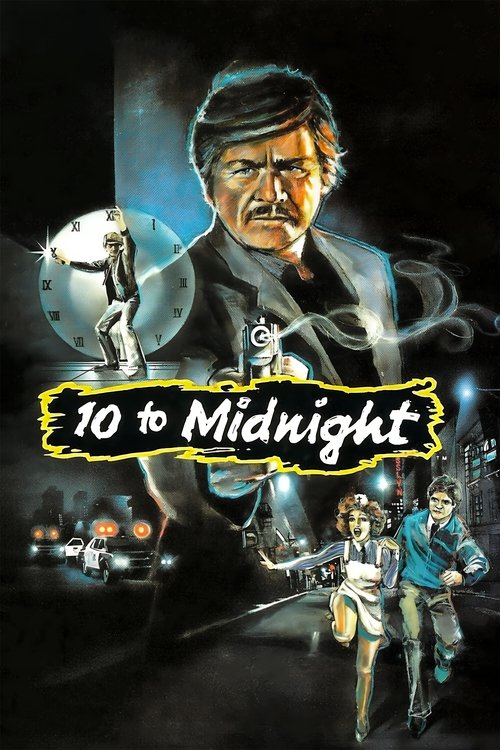
10 to Midnight
1983Warren Stacy, an office equipment repairman, begins murdering women after they reject his advances. To minimize the evidence, Stacy always kills while naked, wearing nothing but gloves, and further evades the law with his strong alibis. Veteran detective Leo Kessler is convinced of Stacy's guilt and begins using questionable methods to catch him.
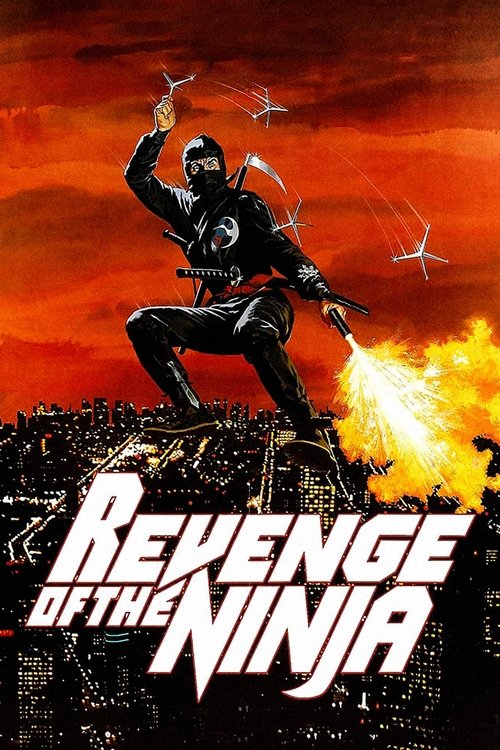
Revenge of the Ninja
1983A peaceful ex-ninja's life shatters when his son's kidnapping forces him back into violence amid an American-Japanese criminal drug war.
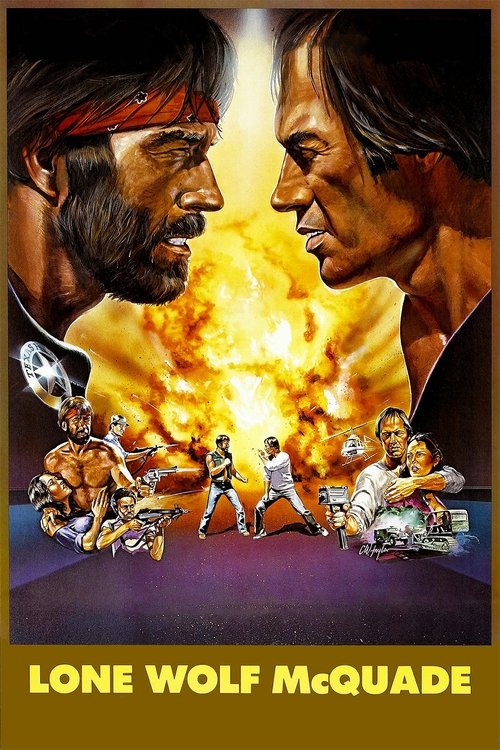
The archetypical renegade Texas Ranger wages war against a drug kingpin with automatic weapons, his wits and martial arts after a gun battle leaves his partner dead. All of this inevitably culminates in a martial arts showdown between the drug lord and the ranger, and involving the woman they both love.
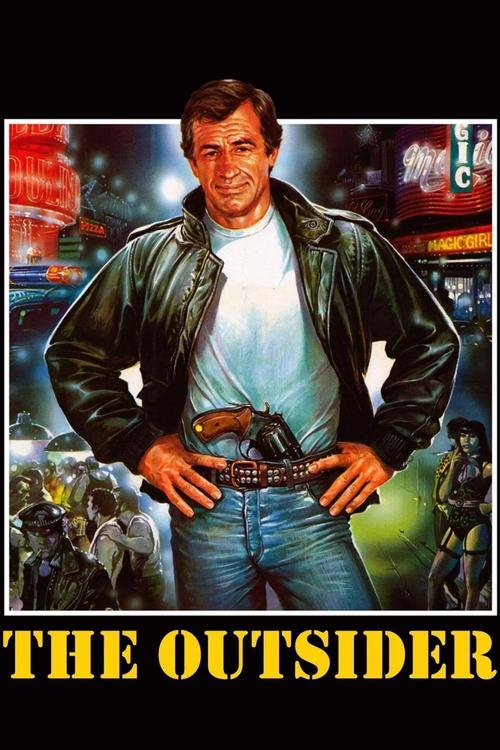
The Outsider
1983Philippe Jordan is a policeman prone to advancing the cause of justice by any means necessary. On his agenda is a powerful drug cartel working out of Paris and Marseilles, with a drug lord who is essentially inaccessible -- but not immortal.
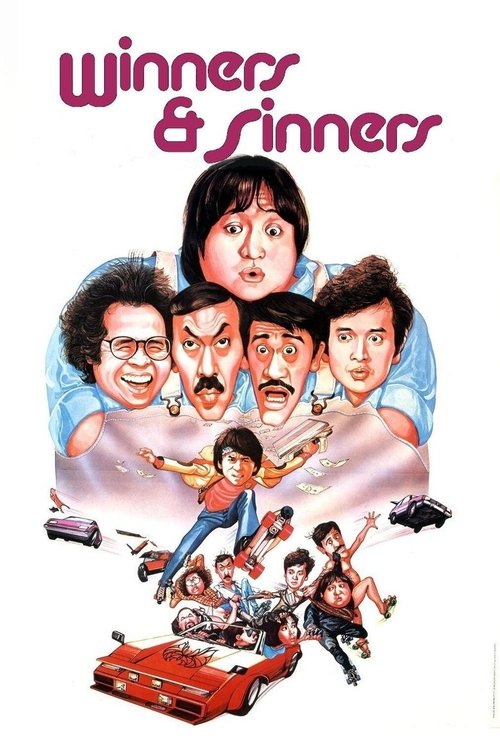
Winners and Sinners
1983Five friends are released from prison and do their best to stay out trouble. While trying to mind their own business (and run their 5-Star Cleaning Service), they are caught up in a war between rival Triad gangs fighting for control of the counterfeit currency market.
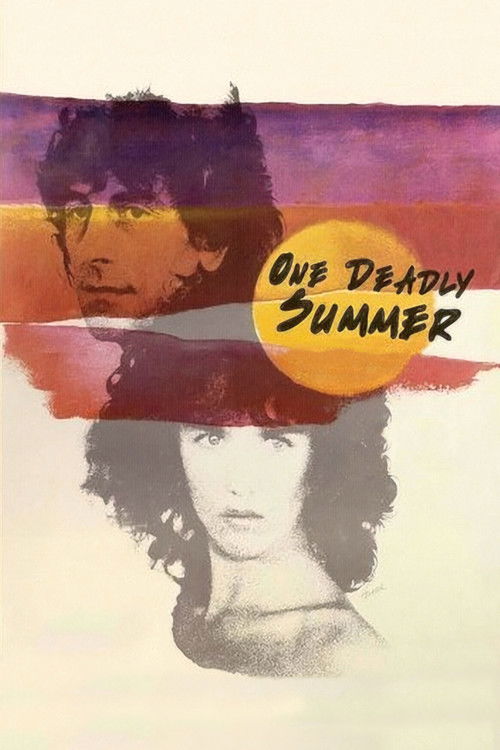
One Deadly Summer
1983In spring 1976, a 19-year-old beauty, her German-born mother, and her crippled father move to the town of a firefighter nicknamed Pin-Pon. Everyone notices the provocative Eliane. She singles out Pin-Pon and soon is crying on his shoulder (she's myopic and hates her reputation as a dunce and as easy); she moves in with him, knits baby clothes, and plans their wedding. Is this love or some kind of plot? She asks Pin-Pon's mother and aunt about the piano in the barn: who delivered it on a November night in 1955? Why does she want to know, and what does it have to do with her mother's sorrows, her father's injury, this quick marriage, and the last name on her birth certificate?
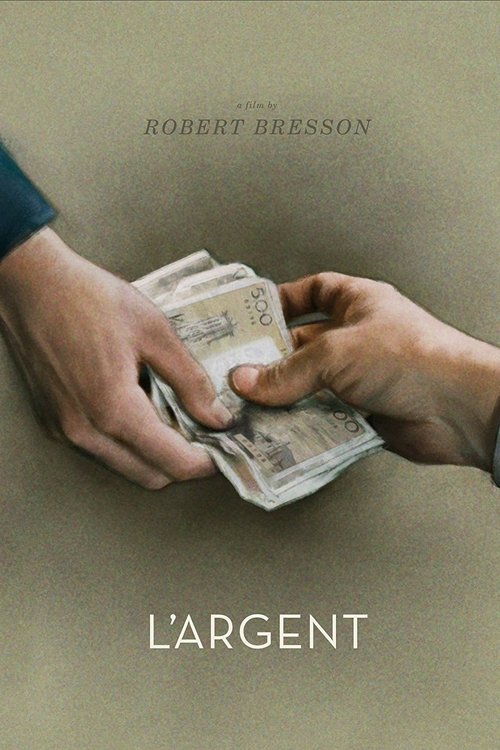
L'Argent
1983A forged 500-franc note is passed from person to person and shop to shop, until it falls into the hands of a genuine innocent who doesn't see it for what it is—which will have devastating consequences on his life.
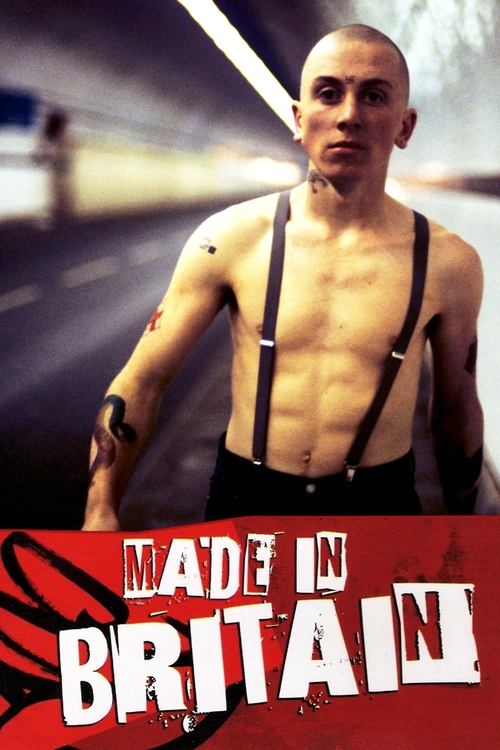
Made in Britain
1983After being sent to a detention centre, a teenage skinhead clashes with the social workers who want to conform him to the status quo.
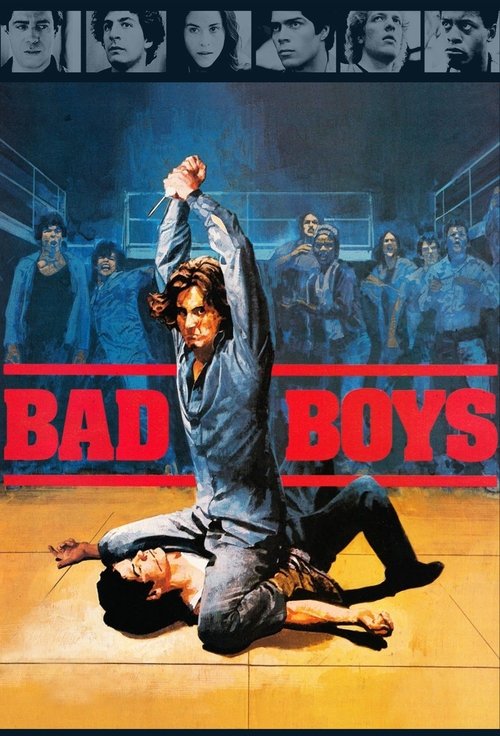
Bad Boys
1983Mick O'Brien is a young Chicago street thug torn between a life of petty crime and the love of his girlfriend. But when the heist of a local drug dealer goes tragically wrong Mick is sentenced to a brutal juvenile prison where violence is a rite of passage and respect is measured in vengeance.
By focusing on the brutal hierarchy of juvenile detention, this film provides a blistering critique of the industrialization of delinquency. It is a claustrophobic, high-stakes drama that pulses with a sense of genuine, unmanufactured danger.
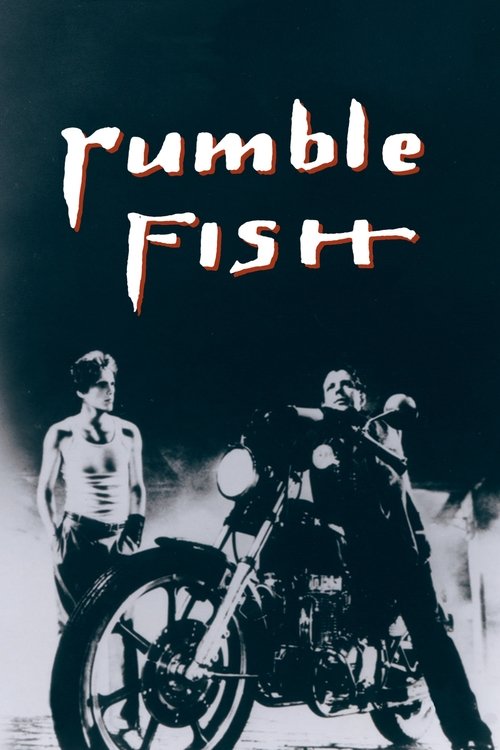
Rumble Fish
1983Absent-minded street thug Rusty James struggles to live up to his legendary older brother's reputation, and longs for the days of gang warfare.
Coppola’s experimental companion piece utilizes expressionistic shadows and a ticking-clock soundscape to create an avant-garde vision of gangland purgatory. It is a beautiful, disorienting tone poem that captures the existential ache of youth better than any conventional crime drama.

Angst
1983A killer is released from prison and breaks into a remote home to kill a woman, her handicapped son and her pretty daughter.
A landmark in psychological transgression, this film utilizes dizzying, inventive camerawork to force the viewer into the frantic mind of a predator. It is a cold, technical marvel that strips away narrative comfort to explore the mechanics of true sociopathy.
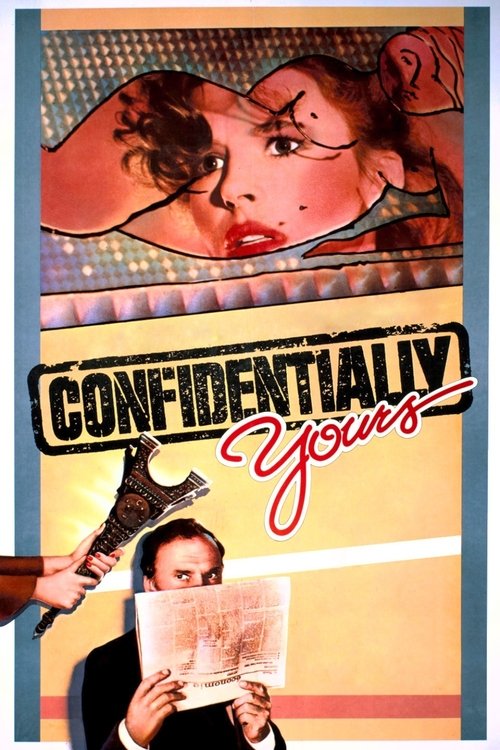
Confidentially Yours
1983After he's implicated in several murders, a real estate agent goes on the lam while his intrepid secretary does some private investigating of her own to locate the killer.
François Truffaut’s final film is a playful, stylish love letter to Hitchcockian suspense and the elegance of vintage noir. It thrives on sharp dialogue and a sophisticated, monochrome visual palette that celebrates the genre's inherent romanticism.
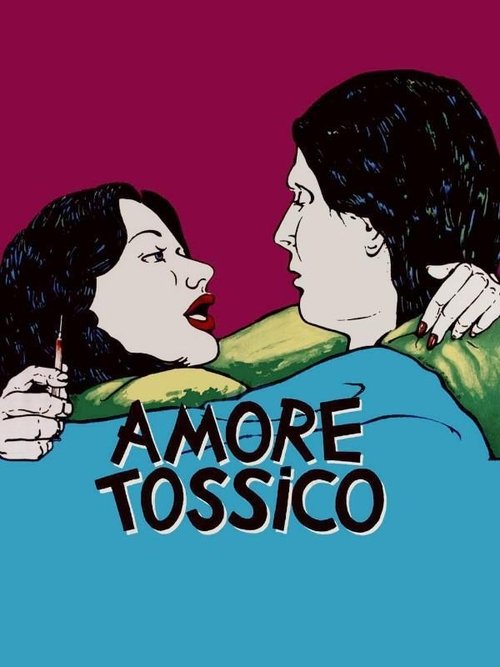
Toxic Love
1983The alienating and repetitive life of a group of heroin junkies in 1980s Rome.
Claudio Caligari offers a punishingly authentic descent into the Roman heroin subculture, eschewing cinematic polish for documentary-style brutality. It remains a harrowing benchmark for realism, capturing a desperate cycle of addiction and petty crime with unflinching honesty.
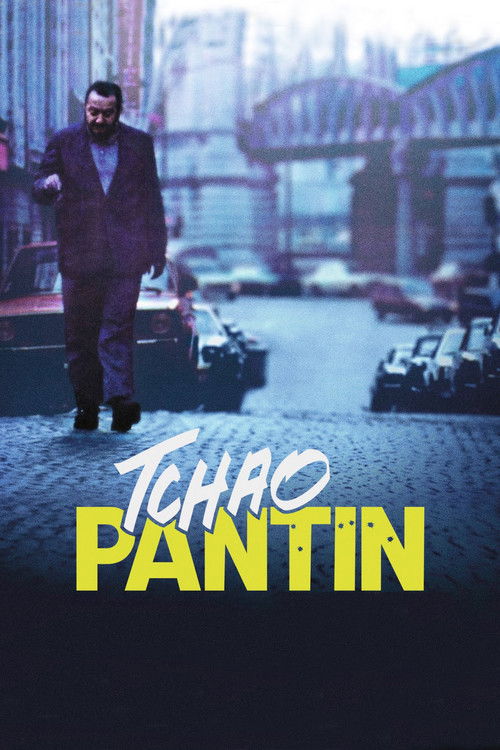
So Long, Stooge
1983In the 18th Arrondissement of Paris, Lambert, an aloof garage manager working the night shift at a petrol station spends his time drinking on the job, content in his own company. One night, Bensoussan, a small-time drug pusher in dire straits falls in on a stolen moped pretending to need a spark plug. The two men develop an unlikely friendship.
Claude Berri delivers a masterclass in melancholic grit, trading flashy thrills for a profound, rain-slicked study of grief and vengeance. The film’s power stems from its deliberate pace and a transformative, world-weary performance by Coluche.
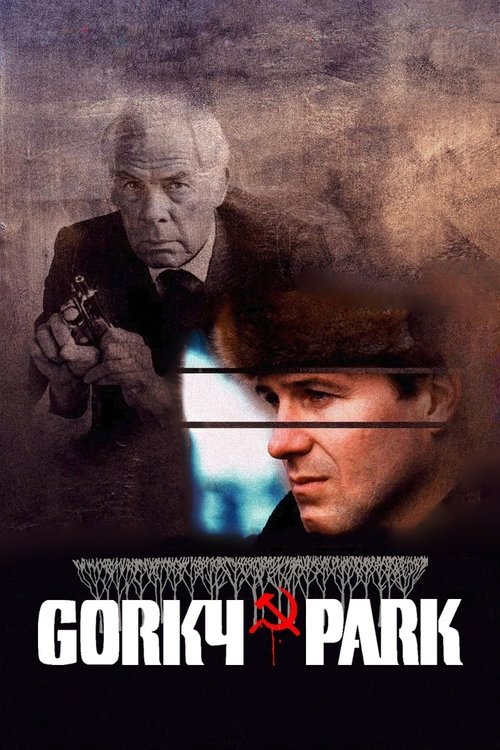
Gorky Park
1983Police Inspector Renko tries to solve the case of three bodies found in Moscow's Gorky Park but finds his attempts to solve the crime impeded by his superiors. Working on his own, Renko seeks out more information and stumbles across a conspiracy involving the highest levels of the government.
This chilly, cerebral procedural successfully transplants the hardboiled detective aesthetic into the paranoid heart of the Soviet Union. Its strength lies in a methodical, frost-bitten atmosphere that eschews typical Cold War clichés for authentic suspense.
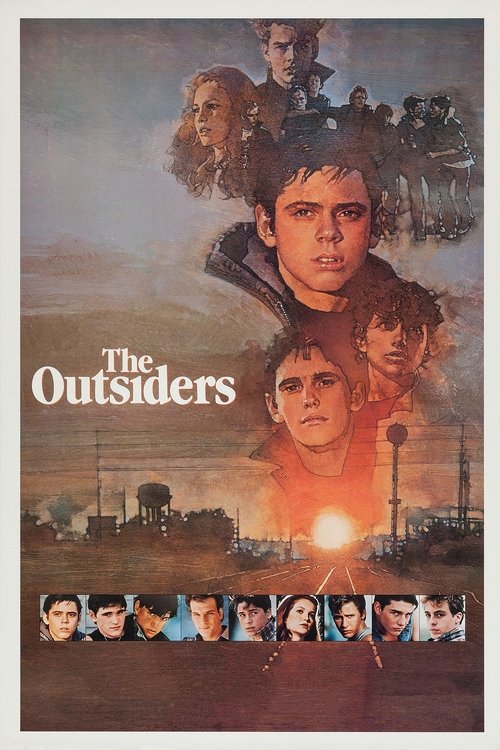
The Outsiders
1983In 1960s Tulsa, class divisions ignite a violent rivalry between the working-class Greasers and the privileged Socs. When a deadly encounter forces two Greasers, Ponyboy and Johnny, to flee, their struggle for survival and redemption exposes the fragile innocence and enduring bonds of youth on the wrong side of town.
Francis Ford Coppola transforms juvenile delinquency into a sweeping, golden-hued tragedy that feels both timeless and raw. The film elevates street-level friction to the status of classical myth, anchored by a visceral sincerity rarely seen in the subgenre.
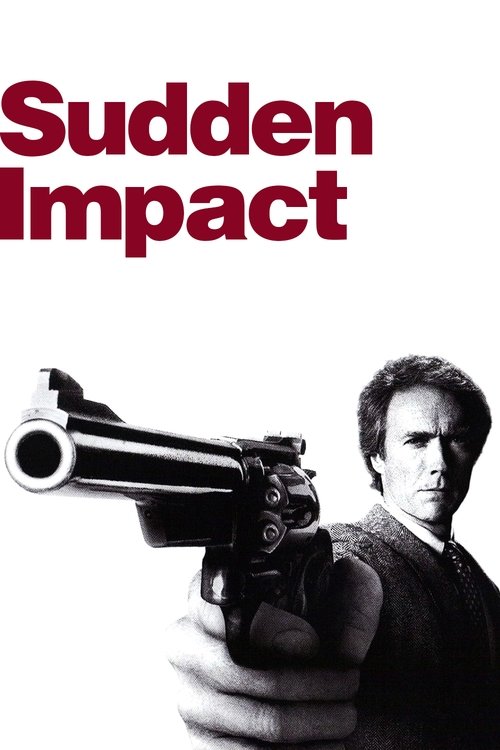
Sudden Impact
1983When a young rape victim takes justice into her own hands and becomes a serial killer, it's up to Dirty Harry Callahan, on suspension from the SFPD, to bring her to justice.
Clint Eastwood sharpens the Dirty Harry formula into a jagged, atmospheric exploration of vigilante justice and moral exhaustion. This entry distinguishes itself through a surprisingly grim, neo-noir aesthetic that prioritizes psychological weight over mere police procedural tropes.
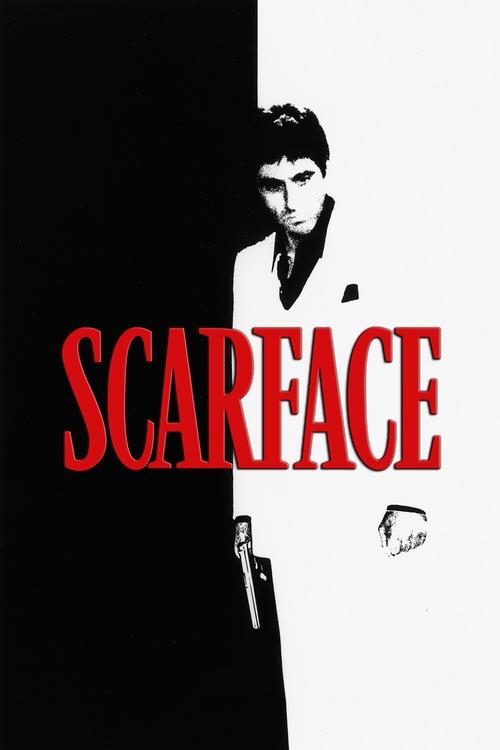
Scarface
1983After getting a green card in exchange for assassinating a Cuban government official, Tony Montana stakes a claim on the drug trade in Miami. Viciously murdering anyone who stands in his way, Tony eventually becomes the biggest drug lord in the state, controlling nearly all the cocaine that comes through Miami. But increased pressure from the police, wars with Colombian drug cartels and his own drug-fueled paranoia serve to fuel the flames of his eventual downfall.
Brian De Palma’s operatic explosion of excess redefines the American gangster myth through a lens of neon-soaked nihilism and volcanic ambition. It is a relentless, maximalist masterpiece that captures the cocaine-fueled decay of the eighties with terrifying precision.
Frequently Asked Questions
Everything you need to know about this list and SnakeDrafts
- Scarface, directed by Brian De Palma, is iconic for its intense portrayal of the rise and fall of a Cuban immigrant in Miami's drug underworld. Its blend of action, crime, and drama, along with Al Pacino's unforgettable performance, cements it as a cult classic of 1983 crime cinema.
- 'Sudden Impact,' directed by Clint Eastwood, combines thriller and action elements with crime storytelling, featuring a vigilante theme. This film stands out for its gritty realism and the memorable catchphrase "Go ahead, make my day," which has become a cultural hallmark.
- Coppola’s 1983 crime dramas, including 'The Outsiders' and 'Rumble Fish,' delve into youth, loyalty, and the complexities of gang life. Both films blend drama with crime elements to explore the emotional struggles of young protagonists in gritty urban environments.
- Films like 'So Long, Stooge' by Claude Berri and 'Toxic Love' by Claudio Caligari provide distinctive views into European crime dramas of the era. These movies focus on personal and societal decay, offering a more intimate and raw take on crime compared to Hollywood productions.
- Absolutely, 'Confidentially Yours' by François Truffaut blends comedy, mystery, and crime, creating a lighter, more playful approach to the genre. Similarly, 'Winners and Sinners' incorporates action, adventure, and comedy, showcasing the genre's versatility in 1983.
- The 1983 crime films reveal a shift towards more stylized, intense storytelling with complex characters. This period moved away from the 1970s' somber procedural style, embracing a blend of action, drama, and psychological depth, as seen in films like 'Gorky Park' and 'Angst.'
- For international crime cinema enthusiasts, 'L'Argent' by Robert Bresson and 'One Deadly Summer' by Jean Becker are excellent choices. These films showcase European storytelling with strong crime and drama elements, emphasizing mood and character over action.