The Greatest Crime Movies of 1982
Gritty Noir and Cult Classic Thrillers From a Golden Era
Explore the best crime cinema of the year. From buddy cop action to intense psychological suspense and classic mystery whodunits.
About 1982 Crime Movies
The year 1982 is often remembered as the ultimate summer for science fiction and fantasy, a time when titans like E.T. and Blade Runner fought for dominance at the box office. Yet, if you look past the neon skylines and alien visitors, 1982 was also a fascinating turning point for the crime genre. It was a year where the gritty, cynical realism of the 1970s began to merge with the slicker, high-concept aesthetics that would eventually define the eighties. The result was a collection of films that felt both dangerous and incredibly stylish.
One of the most significant entries from that year was 48 Hrs., directed by Walter Hill. While it is easy to categorize it today as a standard buddy-cop formula, at the time it was a revolutionary subversion of the genre. It paired Nick Nolte’s gravelly, tired police officer with Eddie Murphy’s fast-talking convict. This was Murphy’s film debut, and his electric energy changed the way crime movies were written. It successfully fused genuine tension and brutal violence with a comedic rhythm that had never been seen before. It effectively birthed the modern action-comedy, proving that a movie about tracking down a cop-killer could also be a massive crowd-pleaser.
While Walter Hill was finding success with high-octane energy, Sidney Lumet was busy reminding everyone why he was the master of the legal thriller. In The Verdict, Paul Newman delivered one of the finest performances of his career as Frank Galvin, a washed-up, alcoholic lawyer looking for one last shot at redemption. This is crime cinema at its most institutional and psychological. There are no high-speed chases here, but the stakes feel just as high. It explored the corruption within the systems of law and medicine, providing a somber, heavy contrast to the flashier films of the decade.
The year also saw the release of Thief, which technically premiered in some regions in late 1981 but spent much of 1982 cementing Michael Mann’s reputation as a visual poet of the underworld. Thief captured a specific kind of professional criminal cool that would become a staple of cinema for the next forty years. With its Tangerine Dream score and rainy, blue-lit streets, it treated the act of safecracking as a blue-collar trade. It stripped away the melodrama and replaced it with a cold, technical precision that felt entirely fresh.
International cinema contributed to this landscape as well with Jean-Pierre Melville’s influence still loitering over French crime films like Le Choc. Meanwhile, back in the states, the genre was even bleeding into the slasher craze with films like Vice Squad. That movie offered a sensationalized, neon-soaked look at the Hollywood underground, portraying the city as a hellish landscape of glitter and grime.
Looking back, 1982 served as a bridge. It carried the prestige and character depth of the New Hollywood era while embracing the commercial sensibilities and visual flair of the emerging MTV generation. Whether it was the comedic timing of a street-smart con man or the quiet desperation of a lawyer in a courtroom, the crime films of 1982 proved that the genre was more versatile than ever. These movies were not just about breaking the law. They were about the professional codes, personal failures, and the changing face of the American city.
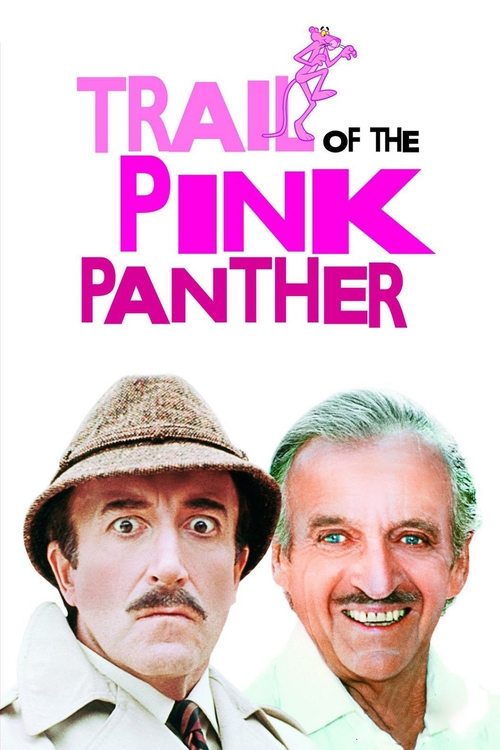
Trail of the Pink Panther
1982The Pink Panther diamond is stolen once again from Lugash and the authorities call in Chief Inspector Clouseau from France. His plane disappears en-route. This time, famous French TV reporter Marie Jouvet sets out to solve the mystery and starts to interview everybody connected to Clouseau.
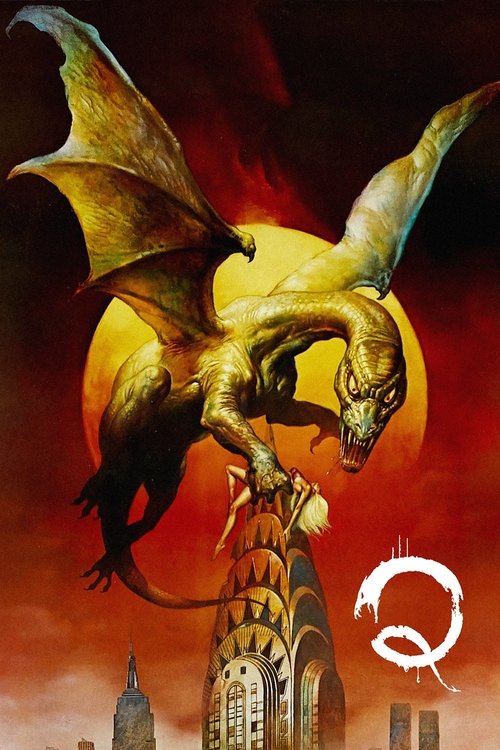
Q
1982A fleeing gangland flunky discovers the New York nest of Aztec deity Quetzalcoatl, the man-eating flying serpent.
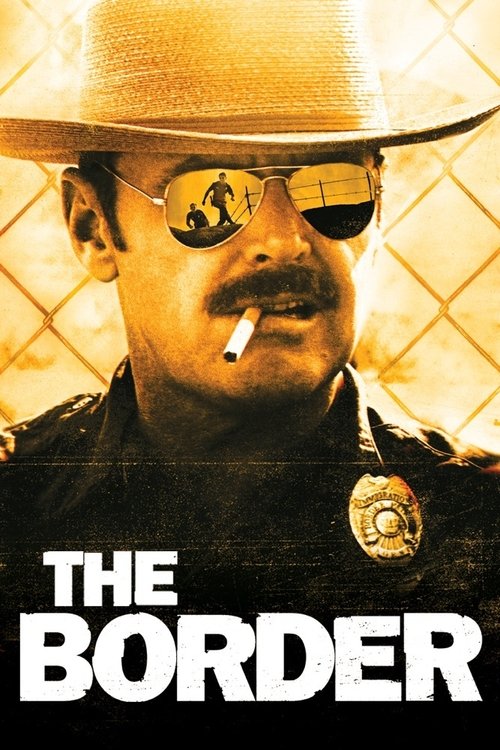
The Border
1982A corrupted border agent decides to clean up his act when an impoverished woman's baby is put up for sale on the black market.
Jack Nicholson delivers a disciplined performance in this stark exploration of institutional rot and the moral compromise required to police a desert line. The film eschews simple heroics for a cynical, dusty realism that captures the tragic futility of the American Dream at the borderland.
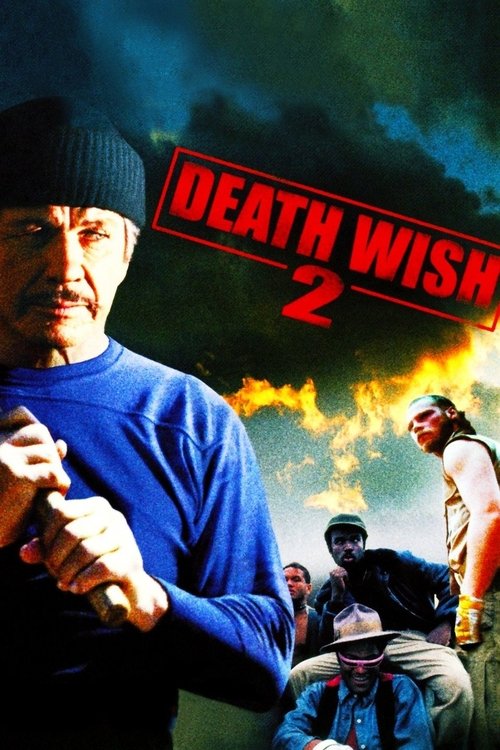
Death Wish II
1982Paul Kersey is again a vigilante trying to find five punks who murdered his housekeeper and daughter in Los Angeles.
Michael Winner doubles down on the grim, reactionary violence of the original, crafting a sequel that pulses with a distinctly eighties brand of urban paranoia. Charles Bronson’s stoic executioner remains a polarizing icon of the vigilante cycle, personifying a blunt-force response to a society perceived as lawless.
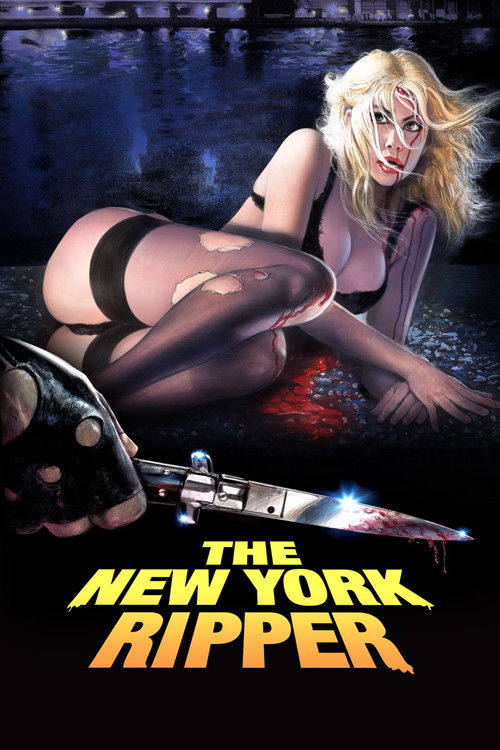
The New York Ripper
1982A burned-out New York police detective teams up with a college psychoanalyst to track down a vicious serial killer randomly stalking and killing various young women around the city.
Lucio Fulci delivers a staggering, nihilistic journey into the dark heart of New York City that bypasses police procedural logic in favor of raw, sensory assault. The film’s uncompromising brutality and sleazy atmospheric dread represent the ultimate extreme of the Italian giallo tradition.
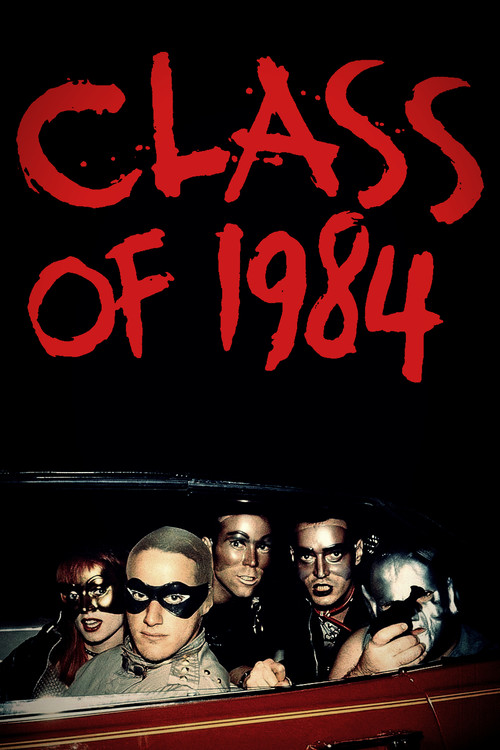
Class of 1984
1982Andy is a new teacher at an inner city high school that is unlike any he has seen before. There are metal detectors at the front door and the place is basically run by a tough kid named Peter Stegman. Soon, Andy and Stegman become enemies and Stegman will stop at nothing to protect his turf and drug dealing business.
A nihilistic explosion of urban anxiety, this film pushes the juvenile delinquency subgenre into a dystopian hyper-reality. Its depictions of systemic collapse and schoolyard thuggery are rendered with a shocking, punk-rock intensity that remains deeply unsettling.
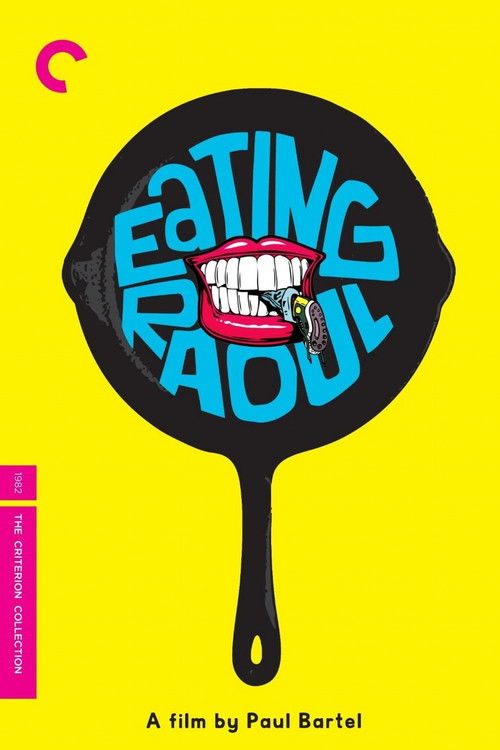
Eating Raoul
1982A prudish married couple feel put upon by the swingers living in their apartment building. One night, by accident, they discover a way to both rid themselves of the “perverts” down the hall and simultaneously realize their dream of opening a restaurant.
This pitch-black satire on middle-class desperation weaponizes murder as a tool for upward mobility in a decaying Los Angeles. It is a delightfully macabre work that finds absurdist humor in the clinical disposal of the city's sexual deviants and social parasites.
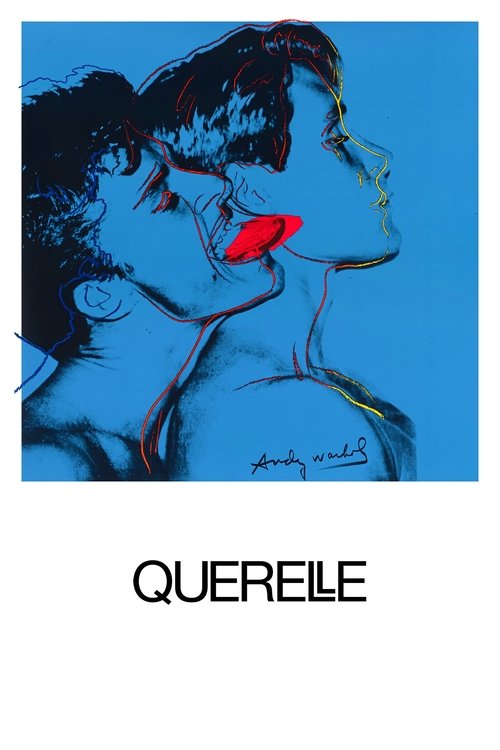
Querelle
1982A handsome Belgian sailor on shore leave in the port of Brest, who is also a drug smuggler and murderer, embarks upon a voyage of highly charged and violent homosexual self-discovery that will change him forever from the man he once was.
Rainer Werner Fassbinder’s final hallucinatory vision reimagines the underworld as a stylized, fever-dream landscape of sailors and transgression. Its hyper-saturated aesthetic and theatrical staging push the crime genre into the realm of the avant-garde, exploring the intersection of violence and repressed desire.

Deathtrap
1982A Broadway playwright puts murder in his plan to take credit for a student's script.
Sidney Lumet transforms a single-room stage play into a claustrophobic cinematic duel characterized by venomous dialogue and shifting allegiances. This is a cold, cerebral thriller that delights in the art of the double-cross, stripping away the pretensions of the creative class to reveal a murderous core.
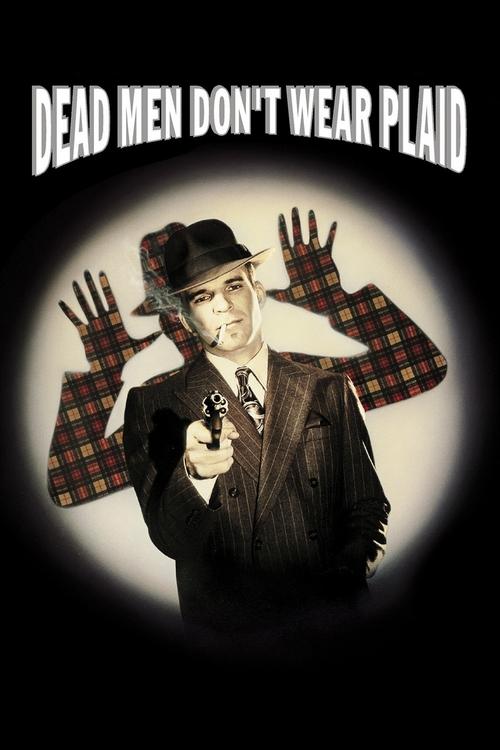
Dead Men Don't Wear Plaid
1982Juliet Forrest is convinced that the reported death of her father in a mountain car crash was no accident. Her father was a prominent cheese scientist working on a secret recipe. To prove it was murder, she enlists the services of private eye Rigby Reardon. He finds a slip of paper containing a list of people who are 'The Friends and Enemies of Carlotta'.
Carl Reiner's audacious technical experiment serves as a loving yet subversive dissection of film noir tropes, seamlessly threading Steve Martin into the shadows of the past. It is a sophisticated meta-commentary that manages to be both a rigorous exercise in film editing and a razor-sharp parody of hard-boiled archetypes.
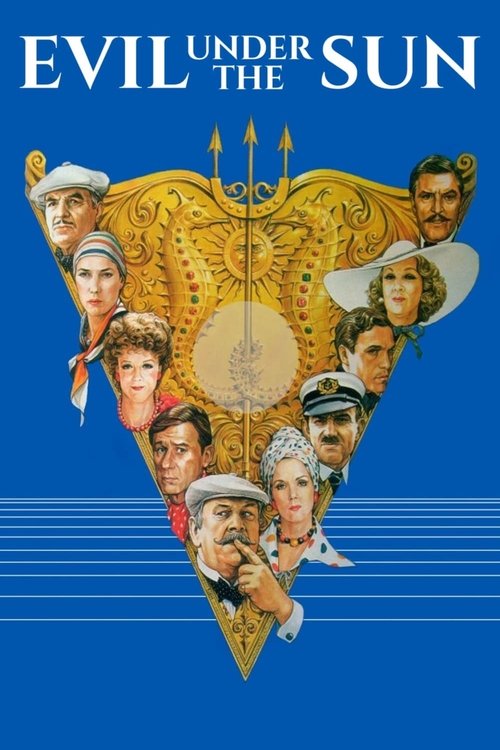
Evil Under the Sun
1982An opulent beach resort provides a scenic background to this amusing whodunit as Poirot attempts to uncover the nefarious evildoer behind the strangling of a notorious stage star.
Peter Ustinov maneuvers through this sun-drenched Agatha Christie adaptation with a sharp, fastidious wit that elevates the whodunit to high art. The film functions as a lush, architectural puzzle where the Mediterranean backdrop provides a shimmering contrast to the clockwork precision of its central homicide.
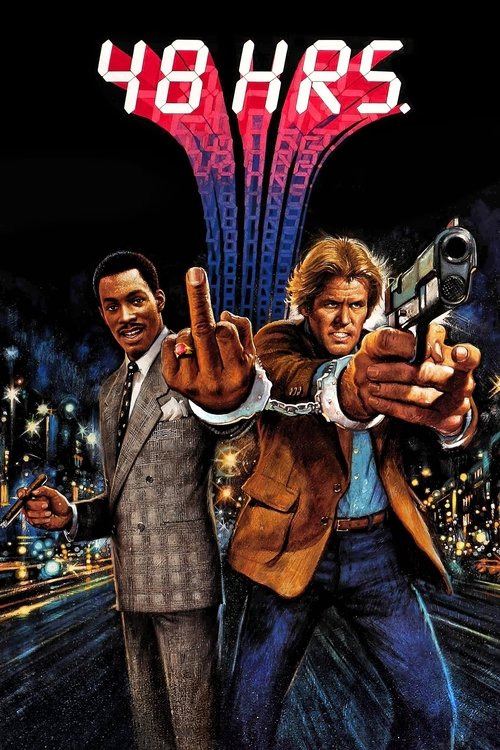
48 Hrs.
1982A hard-nosed cop reluctantly teams up with a wise-cracking criminal temporarily paroled to him, in order to track down a killer.
This gritty masterclass in kinetic energy effectively birthed the modern buddy-cop template, fueled by Eddie Murphy's electric screen debut and Walter Hill's visceral, soot-stained direction. It trades in a volatile chemistry that feels genuinely dangerous, prioritizing hard-boiled tension over easy punchlines.
Frequently Asked Questions
Everything you need to know about this list and SnakeDrafts
- 48 Hrs. is notable for its successful blend of crime, action, and comedy, delivering a gritty yet humorous buddy cop dynamic that helped redefine the genre in 1982.
- 'Evil Under the Sun' is a classic whodunit that combines mystery with thriller elements, enhanced by Guy Hamilton's direction and a compelling ensemble cast, making it a quintessential 1982 crime mystery.
- Yes, films like 'Dead Men Don't Wear Plaid' and 'Eating Raoul' incorporate comedy into their crime narratives, providing a lighter, satirical take on the genre that contrasts with more serious crime dramas of that year.
- 'Deathtrap' stands out as a crime thriller with a witty and cerebral storyline, masterfully directed by Sidney Lumet, blending suspense with dark humor and theatrical twists.
- 'The New York Ripper' is a unique 1982 crime film that integrates horror and mystery, directed by Lucio Fulci, offering a darker, more disturbing take on crime cinema of that year.
- These films delve into societal issues and corruption, blending crime with drama and thriller components, reflecting the evolving darker and more realistic tone in 1982 crime cinema.
- 'Querelle' directed by Rainer Werner Fassbinder, is notable for its provocative exploration of crime intertwined with complex human emotions and social taboos, marking it as distinct in the lineup of 1982 crime films.
- 'Death Wish II' exemplifies the era's trend toward vigilante justice themes in crime thrillers, combining intense action with moral ambiguity that was characteristic of early 80s crime cinema.