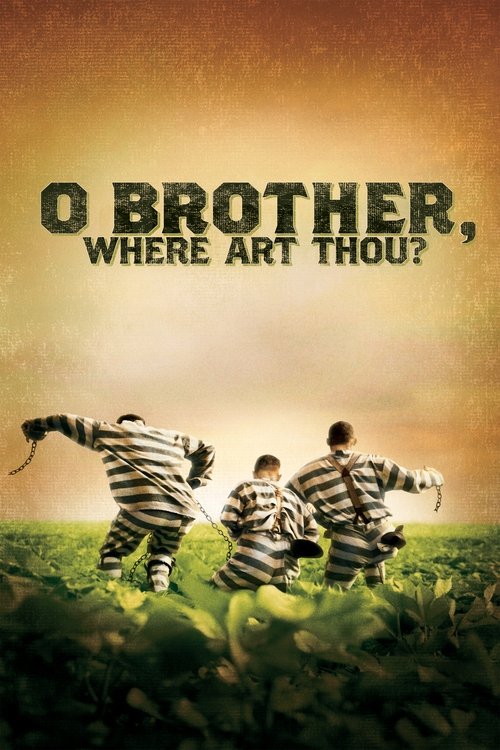
O Brother, Where Art Thou?
"O Brother, Where Art Thou?" is a stylish and witty adventure comedy set against the backdrop of the 1930s American South. This Coen Brothers classic blends humor, mythology, and a rich musical score to create an unforgettable tale of friendship and resilience during the Great Depression.
Director
Joel Coen
Release Year
2000
Runtime
107 minutes
Main Cast
George Clooney, John Turturro, Tim Blake Nelson, John Goodman, Holly Hunter
About O Brother, Where Art Thou?
"O Brother, Where Art Thou?" draws heavily from Homer’s epic poem The Odyssey, creatively reimagining its characters and plot in a Depression-era Southern setting. The film follows three escaped convicts on a quest for hidden treasure, intertwining their journey with the cultural and racial tensions of the time. Its portrayal of Southern Americana, complete with bluegrass and folk music, has been praised for authenticity and charm.
The plot premise centers on the unlikely trio—Everett, Pete, and Delmar—who, while fleeing from the law, encounter a series of eccentric characters and surreal situations reflecting both timeless themes and the unique cultural landscape of the American South. The film balances comedic elements with social commentary without veering into preachiness.
Critically, the film received widespread acclaim for its screenplay, direction, and particularly its soundtrack, which played a significant role in reviving interest in traditional American folk music. "O Brother, Where Art Thou?" earned several awards, including a Grammy for its soundtrack album, which remains a landmark in film music history.
Its legacy endures as a cult favorite, notable for its innovative use of digital color correction and its enduring influence on how film soundtracks can shape storytelling. The performances, especially George Clooney’s charismatic lead, and the film’s blend of humor, mythology, and musical heritage have ensured its place in modern cinematic culture.
Drafts Featuring O Brother, Where Art Thou?
Every SnakeDrafts listicle where this movie appears
The Best George Clooney Movies Ranked
Ranked #4
The Best John Goodman Movies Ranked
Ranked #2
The Best John Turturro Movies Ranked
Ranked #4
The Best Holly Hunter Movies Ranked
Ranked #7
The Definitive Ranking of Comedy Movies
Ranked #49
Best Movies of the Year 2000 Ranked
Ranked #7
Top 2000s Movies Ranked
Ranked #47
The Best Crime Movies of 2000, Ranked
Ranked #20
The Greatest 2000s Comedy Movies Ranked
Ranked #26
Similar Movies
Movies related to O Brother, Where Art Thou?
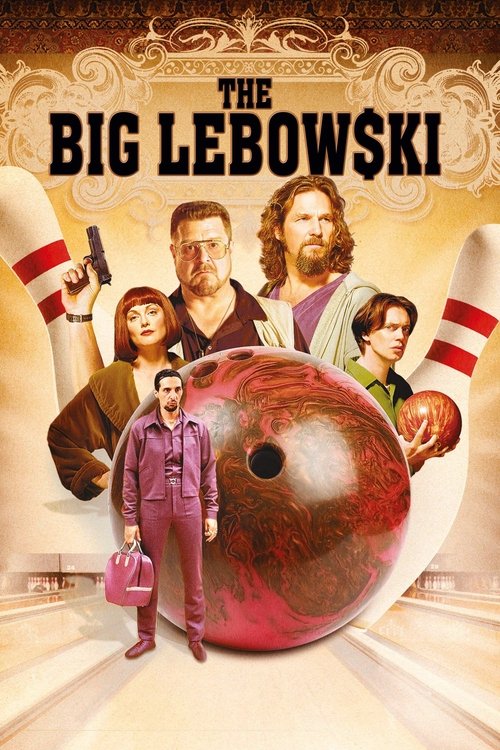
The Big Lebowski
1998
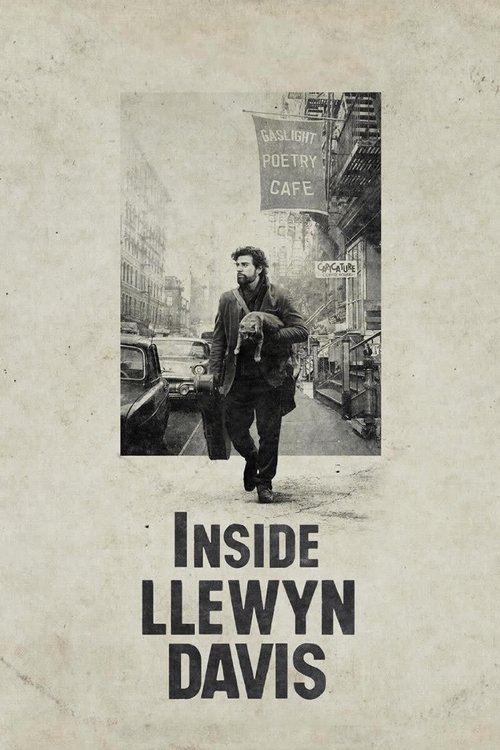
Inside Llewyn Davis
2013
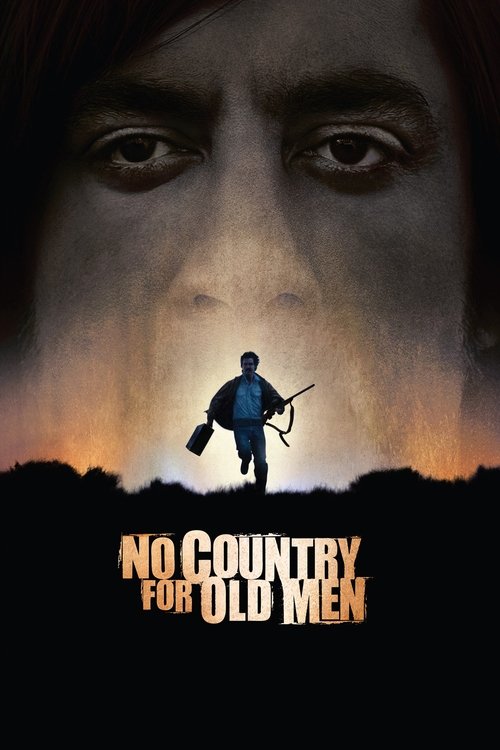
No Country for Old Men
2007
True Grit
2010
Raising Arizona
1987
Frequently Asked Questions
Everything you need to know about O Brother, Where Art Thou?
- The film loosely adapts Homer's Odyssey by paralleling its protagonist Everett with Odysseus, embedding mythological references and episodes such as encounters with sirens and a cyclops-like figure, all set within the 1930s Southern United States.
- Music is central to the film, featuring traditional American folk, bluegrass, and gospel songs that enhance the atmosphere and underscore key moments, contributing significantly to the narrative’s emotional depth and cultural authenticity.
- The setting underscores themes of hardship, resilience, and social change, reflecting the era’s economic struggles and racial dynamics, which are integral to character development and the story’s layered social commentary.
- Everett's storytelling and exaggerated tales add humor while exploring themes of truth, perception, and survival, emphasizing his cunning nature and the blurred lines between fact and fiction in the narrative.
- Yes, John Goodman and Holly Hunter provide memorable supporting roles that add depth and humor, each contributing unique character arcs that enrich the film’s tapestry and help portray the quirky world the protagonists navigate.
- Critics praised the film for its inventive direction, sharp script, and unique blend of humor and music. Its innovative digital color treatment and soundtrack were particularly highlighted as groundbreaking for its time.
- While generally well-received, some discussions have arisen regarding its portrayal of race and stereotypes from the 1930s South. However, these elements are often viewed within the context of satire and period realism.
- Escape and freedom are central motifs represented through the convicts’ physical flight from prison and their pursuit of personal redemption and autonomy amid societal constraints of the era.
- Iconic lines like "Damn, it feels good to be a gangster" have become part of pop culture, reflecting the film's clever dialogue and the characters' rebellious spirit.
- The film was notable for pioneering digital color correction to create its distinctive sepia-toned look, enhancing the period atmosphere and influencing visual approaches in subsequent films.

