The Best David Spade Movies Ranked
From Sarcastic Sidekicks to Cult Classic Icons
Discover the essential David Spade filmography featuring his most iconic comedy roles, cult classics, and hilarious voice performances ranked by quality.
About David Spade
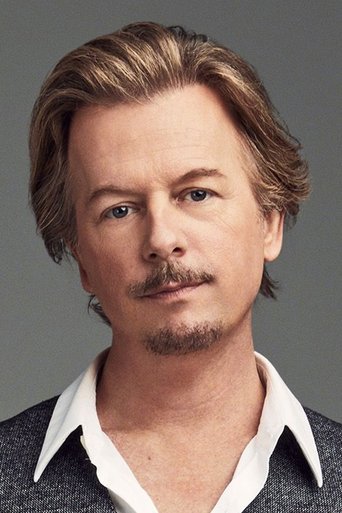
In the high-octane world of comedy, where volume and physical transformation often dictate success, David Spade has thrived for three decades by perfected the art of the tactical eye-roll. He is the patron saint of the deadpan snark, a performer who turned a slight frame and a sharp tongue into a distinctive brand of comedic armor. While his peers often lean into madness, he excels at playing the character who is exhausted by everyone else's absurdity, a role that has made him an essential fixture of the American comedy landscape.
This razor-edged persona first caught fire during the mid-90s, most famously when paired with the exuberant force of nature that was Chris Farley. In the quintessential buddy comedy Tommy Boy, he provided the cynical, meticulous counterweight to Farley’s chaotic sweetness, creating a dynamic that redefined the "straight man" archetype. They captured lightning in a bottle again in Black Sheep, proving that the actor’s dry, biting wit was the perfect structural support for broad slapstick. This era established his reputation as a performer who didn't need to scream to be the funniest person in the room; he just needed a well-timed "buh-bye" or a condescending smirk.
As his career evolved, he demonstrated a surprising willingness to abandon his cool-guy veneer in favor of the delightfully pathetic. With Joe Dirt, he transformed into a mulleted, acid-washed optimist who remains one of the most quotable underdogs in cinema history. This shift from the bully to the punching bag continued in Dickie Roberts: Former Child Star and The Benchwarmers, films that leaned into his talent for playing characters who are slightly delusional yet strangely resilient. Even when he is the butt of the joke, there is a technical precision to his delivery that keeps the audience on his side.
His longevity is rooted in an uncanny ability to adapt to changing comedic climates while maintaining his core identity. He transitioned seamlessly into the ensemble-driven world of Adam Sandler’s Happy Madison empire, providing crucial cynical texture to the Grown Ups franchise and a series of Netflix hits like The Ridiculous 6 and The Wrong Missy. Even when stripped of his physical presence, his voice carries that unmistakable blend of mischief and boredom, a quality that grounded the frantic energy of Kuzco in The Emperor's New Groove and gave life to the invisible man in the sprawling Hotel Transylvania series.
Beyond the box office, there is a cultural endurance to his work that stems from his unapologetic honesty. Whether he is skewering celebrities or playing a college provocateur in PCU, he representative of a specific, biting brand of American humor that refuses to take anything too seriously. He remains the guy who says what the rest of us are thinking, delivered with a smirk that suggests he knows something we don't. In an industry that often tries too hard to be liked, his career stands as a testament to the power of being the smartest, most sarcastic voice in the room.
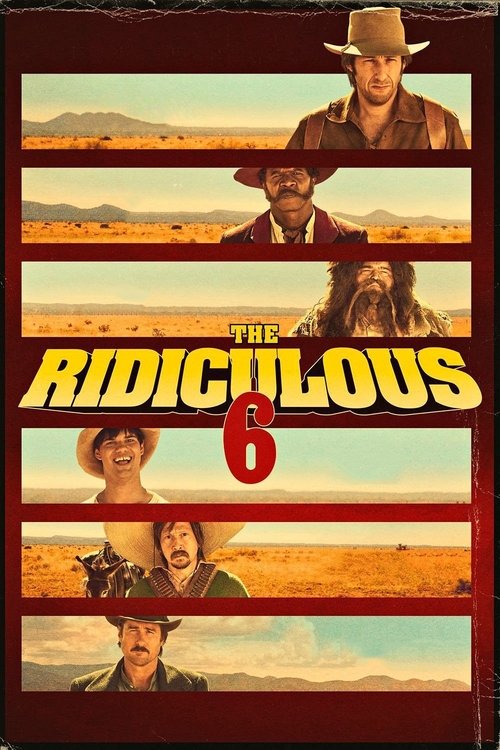
The Ridiculous 6
2015When his long-lost outlaw father returns, Tommy "White Knife" Stockburn goes on an adventure-filled journey across the Old West with his five brothers.
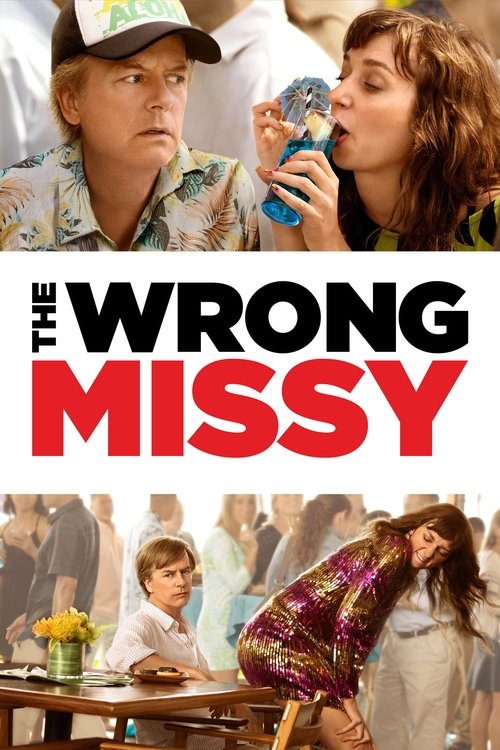
The Wrong Missy
2020A guy meets the woman of his dreams and invites her to his company's corporate retreat, but realizes he sent the invite to the wrong person.
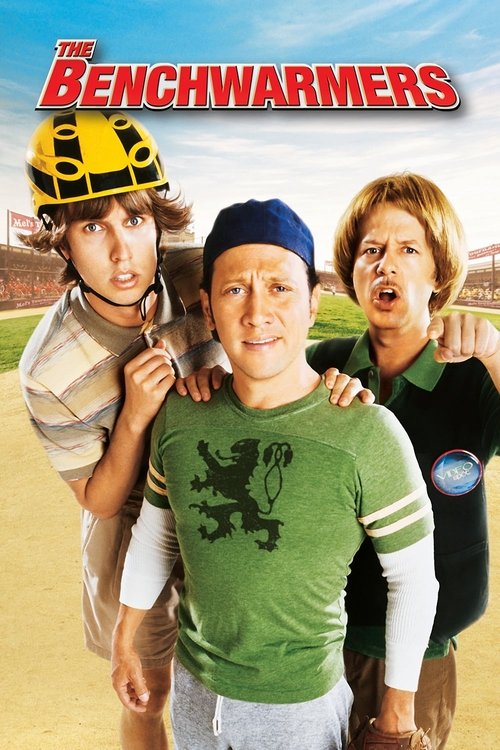
The Benchwarmers
2006A trio of guys try and make up for missed opportunities in childhood by forming a three-player baseball team to compete against standard little league squads.
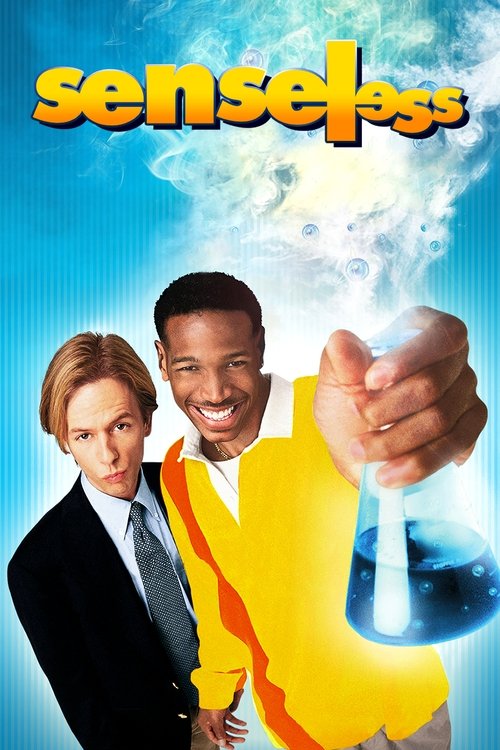
Senseless
1998A student gets his senses enhanced by an experimental drug. But abuse is not an option.
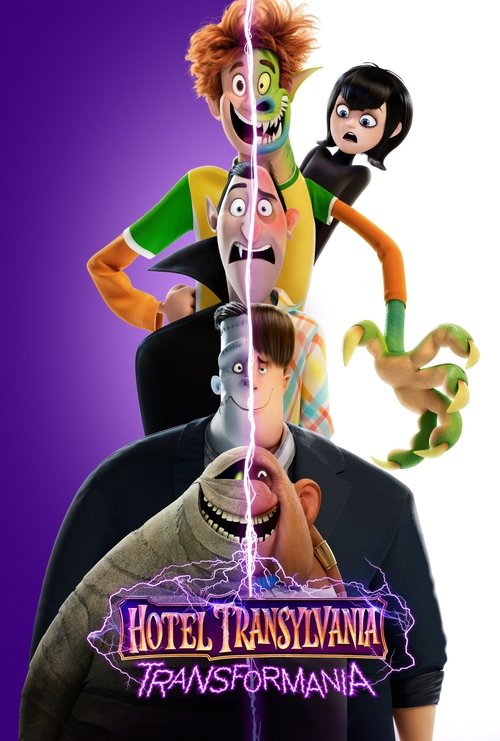
Hotel Transylvania: Transformania
2022When Van Helsing's mysterious invention, the "Monsterfication Ray," goes haywire, Drac and his monster pals are all transformed into humans, and Johnny becomes a monster. In their new mismatched bodies, Drac and Johnny must team up and race across the globe to find a cure before it's too late, and before they drive each other crazy.
Even as the franchise experiments with its final form, Spade’s vocal consistency remains an essential link to the series' origins. His ability to inhabit this character across a decade confirms his status as one of the most dependable utility players in modern animation.
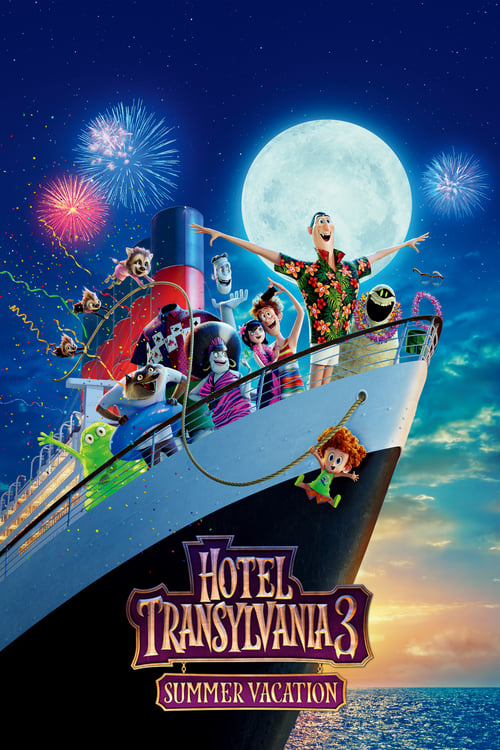
Hotel Transylvania 3: Summer Vacation
2018Dracula, Mavis, Johnny and the rest of the Drac Pack take a vacation on a luxury Monster Cruise Ship, where Dracula falls in love with the ship’s captain, Ericka, who’s secretly a descendant of Abraham Van Helsing, the notorious monster slayer.
Spade navigates the breezy, episodic nature of this seaside sequel with the comfort of a seasoned pro. While the material is lighter, his reliable delivery ensures the character remains a consistent source of cynical relief amidst the vibrant mayhem.
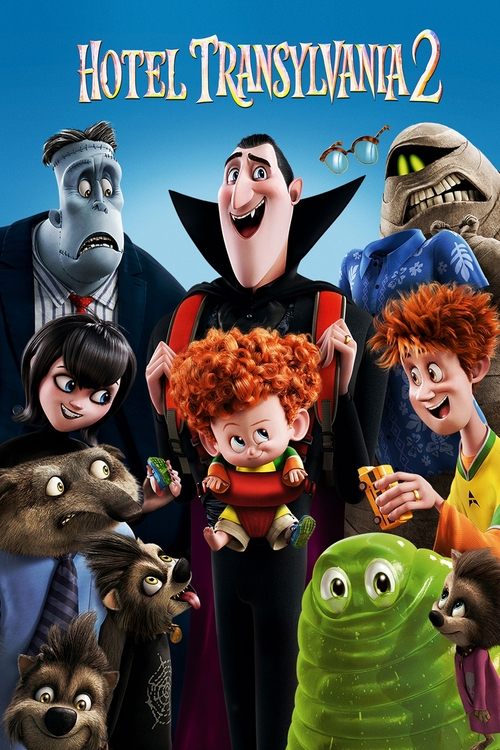
Hotel Transylvania 2
2015When the old-old-old-fashioned vampire Vlad arrives at the hotel for an impromptu family get-together, Hotel Transylvania is in for a collision of supernatural old-school and modern day cool.
Continuing his role as the franchise's resident skeptic, Spade's performance highlights his ability to maintain a distinct comedic identity within a rigid commercial framework. He provides a grounded, deadpan contrast to the frantic visual gags of the animated monster squad.
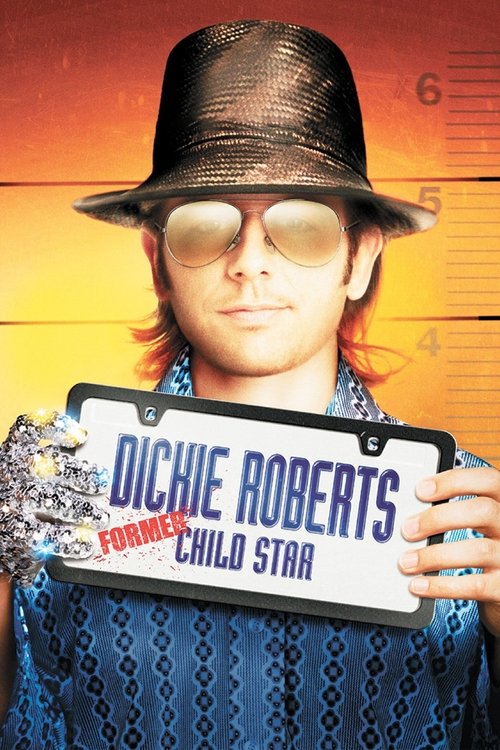
Dickie Roberts: Former Child Star
2003TV child star of the '70s, Dickie Roberts is now 35 and parking cars. Craving to regain the spotlight, he auditions for a role of a normal guy, but the director quickly sees he is anything but normal. Desperate to win the part, Dickie hires a family to help him replay his childhood and assume the identity of an average, everyday kid.
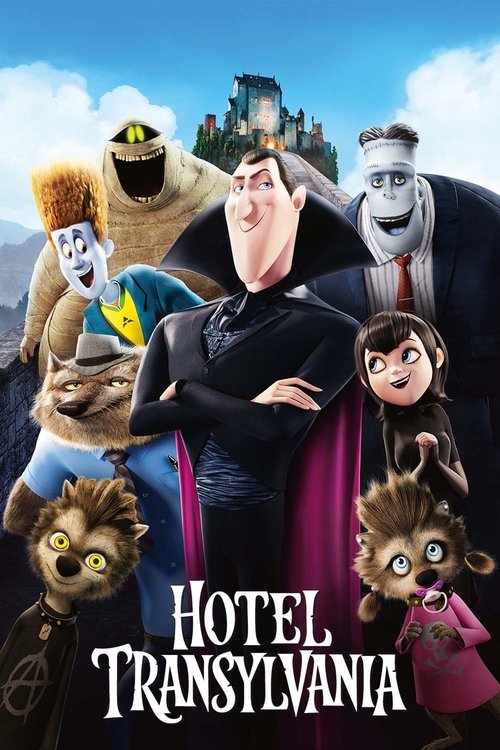
Hotel Transylvania
2012Welcome to Hotel Transylvania, Dracula's lavish five-stake resort, where monsters and their families can live it up and no humans are allowed. One special weekend, Dracula has invited all his best friends to celebrate his beloved daughter Mavis's 118th birthday. For Dracula catering to all of these legendary monsters is no problem but the party really starts when one ordinary guy stumbles into the hotel and changes everything!
Spade’s dry, invisible-man wit finds a clever literalization in Griffin, allowing him to steal scenes through sheer vocal inflection. He manages to stand out in a crowded voice cast by leaning into the effortless indifference that has become his comedic signature.
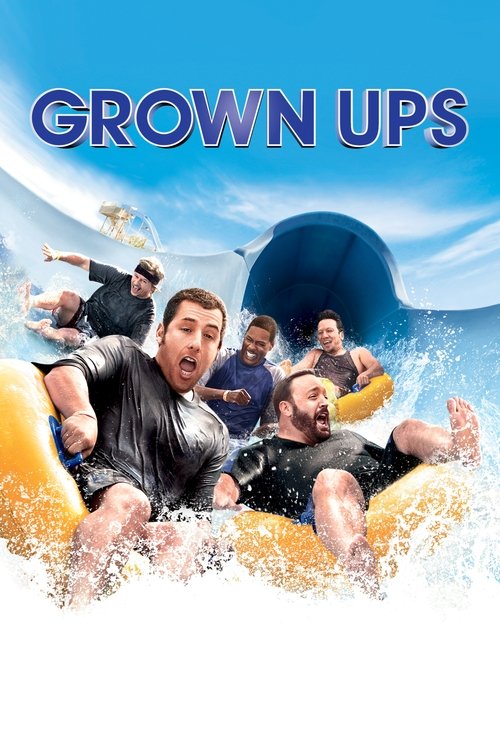
Grown Ups
2010After their high school basketball coach passes away, five good friends and former teammates reunite for a Fourth of July holiday weekend.
Fading into a massive ensemble of comedy heavyweights, Spade pivots to a more laid-back, observational style of humor. His presence serves as a nostalgic bridge, reminding viewers of his longevity within the Happy Madison cinematic universe.
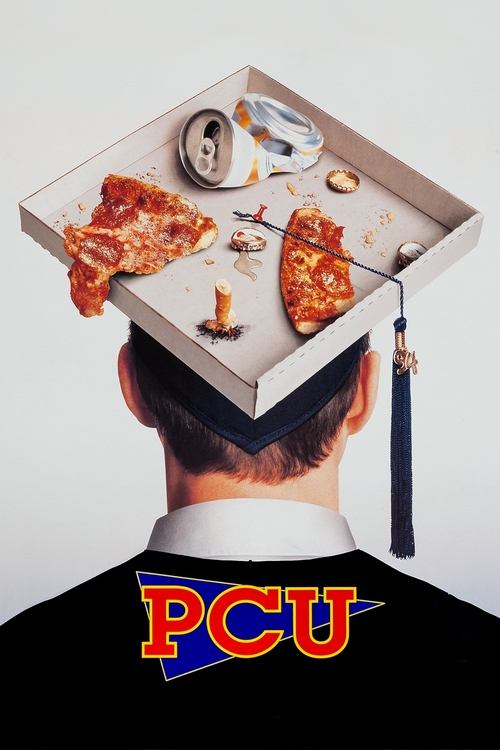
PCU
1994Nervous high school senior Tom Lawrence visits Port Chester University, where he gets a taste of politically correct college life when he's guided by fraternity wild man Droz and his housemates at The Pit. But Droz and his pals have rivals in nasty preppy Rand McPherson and the school's steely president. With their house threatened with expulsion, Droz and company decide to throw a raging party where the various factions will collide.
In this collegiate satire, Spade’s portrayal of a smug, tortoise-shell-wearing antagonist provides a sharp blueprint for the 'villainous prep' characters he would frequently riff on later. It is a lean, mean performance that captures the actor at his most effectively caustic.
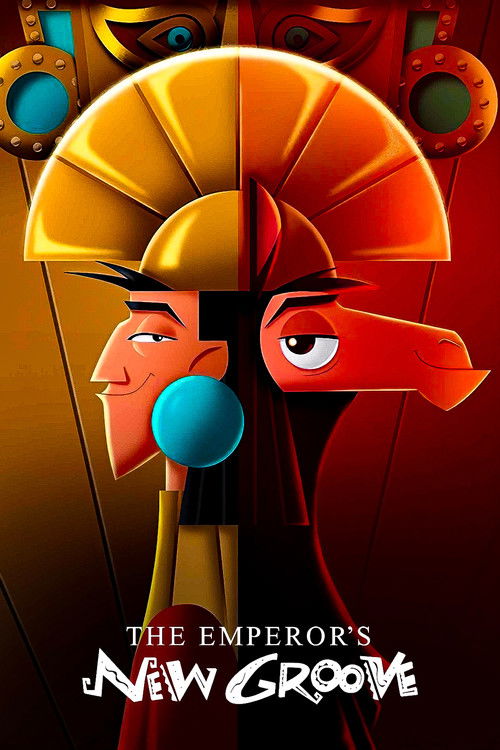
Emperor Kuzco is turned into a llama by his ex-administrator Yzma, and must now regain his throne and his human form with the help of Pacha, a gentle llama herder.
As the narcissistic Kuzco, Spade finds the perfect animated outlet for his trademark nasal condescension, transforming a redemption arc into a masterclass in comedic timing. It remains his most cohesive work, proving his voice alone can carry the kinetic energy of a high-concept farce.
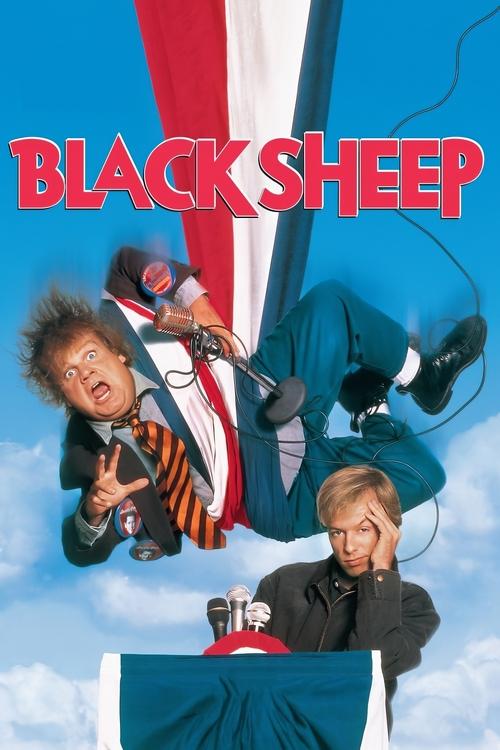
Black Sheep
1996When dignified Albert Donnelly runs for Governor, his team moves to keep his slow-witted and klutzy younger brother, Mike, out of the eye of the media. To baby-sit Mike, the campaign assigns sarcastic Steve, who gets the experience of a lifetime when he tries to take Mike out of town during the election.
Doubling down on the friction that made his partnership with Farley a gold mine, Spade leans into a more exasperated, high-strung energy here. It’s a vital specimen of his mid-90s peak where his prickly screen presence functioned as the necessary glue for big-budget slapstick.
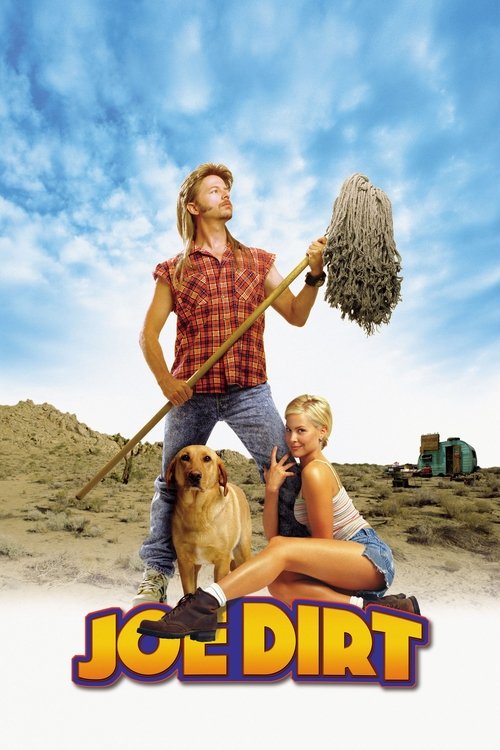
Joe Dirt
2001Joe Dirt is a janitor with a mullet hairdo, acid-washed jeans and a dream to find the parents that he lost at the Grand Canyon when he was a belligerent, trailer park-raised eight-year-old. Now, blasting Van Halen in his jacked-up economy car, the irrepressibly optimistic Joe hits the road alone in search of his folks.
Trading his usual elitist persona for a resilient, mullet-clad underdog, Spade demonstrates surprising emotional range beneath a layer of absurdist blue-collar grit. This cult classic remains his boldest swing at leading-man status, proving he could win over an audience through sincerity rather than just cynicism.
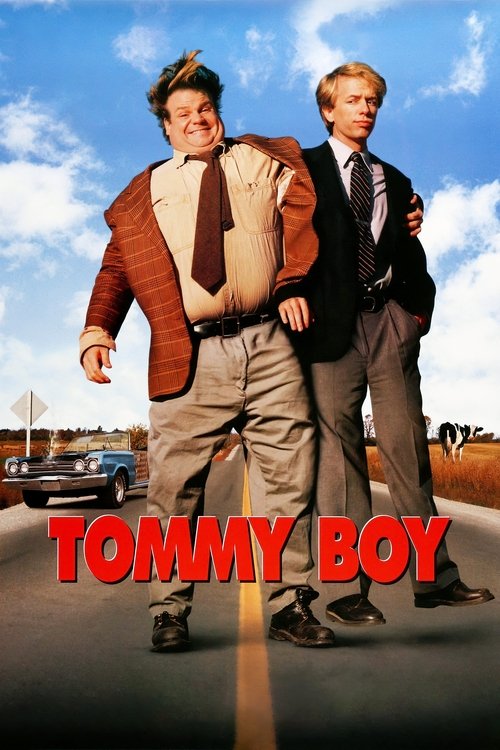
Tommy Boy
1995To save the family business, two ne’er-do-well traveling salesmen hit the road with disastrously funny consequences.
Spade serves as the essential sardonic anchor to Chris Farley’s chaotic orbit, perfecting the 'straight man' archetype for a generation of SNL fans. Their chemistry elevates the film from a standard road trip comedy to a poignant benchmark of 90s buddy-film dynamics.
Frequently Asked Questions
Everything you need to know about this list and SnakeDrafts
- David Spade's breakout comedic role is widely considered to be in 'Tommy Boy,' where his sharp deadpan delivery perfectly complemented Chris Farley's energetic performance, establishing him as a distinct comedic voice in the 90s.
- David Spade has made significant contributions to animation with his voice roles in the 'Hotel Transylvania' series and 'The Emperor's New Groove,' bringing his characteristic snarky humor to family-friendly characters and widening his comedic appeal beyond live-action films.
- David Spade's comedy films often feature themes of social awkwardness, deadpan sarcasm, and the reluctant underdog facing absurd situations. Movies like 'Joe Dirt' and 'Black Sheep' showcase his knack for playing characters who are beleaguered yet witty in the face of ridiculousness.
- Yes, David Spade has multiple collaborations with director Dennis Dugan, as seen in films like 'Grown Ups' and 'The Benchwarmers,' highlighting a creative partnership that plays to Spade's comedic strengths in ensemble casts.
- The movie 'Joe Dirt' stands out in David Spade's filmography for combining mystery, adventure, comedy, romance, and drama, showcasing his versatility and ability to engage audiences across diverse storytelling styles.
- David Spade's comedic style is unique because he employs deadpan snark and the tactical eye-roll, often portraying characters exhausted by the absurdity around them. This contrasts with his peers, who may lean towards more exaggerated physical comedy, giving Spade a distinctive niche in comedy.
- Yes, cult classic films such as 'PCU' and 'Black Sheep' are featured in the list, both of which have garnered a loyal following for their clever satire and David Spade's memorable performances that resonate with fans of 90s comedy.