The Best Hugh Laurie Movies Ranked
The Versatile Career of a British Screen Legend
From period dramas to blockbuster animation, explore the essential film performances of Hugh Laurie beyond his iconic television roles.
About Hugh Laurie

If you were to look at the early footage of the Footlights revue in Cambridge, you would see a gangly, rubber-faced comedian perfecting the art of the British buffoon. It is perhaps the greatest bait and switch in modern television history that this same man would eventually become the definitive face of American medical cynicism. Hugh Laurie possesses a rare, chameleonic ability to pivot from aristocratic absurdity to soulful gravity without ever losing his grip on the audience. He operates with a restless intelligence that suggests he is always three steps ahead of the room, yet he retains a vulnerability that keeps him deeply relatable.
For a generation of viewers, he was the bumbling sidekick or the well-meaning upper-class fop. His work in Peter's Friends cemented a specific kind of ensemble chemistry, while his turn as the foolish Jasper in 101 Dalmatians and the lovable father in Stuart Little defined him as a master of physical comedy and family-friendly warmth. Even in the prestige world of Jane Austen, as seen in Sense and Sensibility, he managed to steal scenes by playing a man perpetually exhausted by the social niceties of the 19th century. There is a weary dignity he brings to these roles, a sense that he is playing a character who would much rather be at home with a stiff drink and a piano.
Then came the shift that recalibrated his entire career. By ditching the pratfalls for a cane and a limp, he transformed into the misanthropic genius Gregory House, a role that proved his dramatic weight was just as heavy as his comedic timing was sharp. This metamorphosis allowed him to explore darker, more complex territories. You see the residue of that intensity in the gritty crime drama Street Kings or the survivalist tension of Flight of the Phoenix. He moved away from the caricature of the British eccentric and toward a more universal archetype of the brilliant, broken man.
Despite his mastery of the brooding lead, he has never abandoned his penchant for the whimsical or the grandly cinematic. He lent a sense of high-stakes idealism to Tomorrowland and dipped into the surreal as a voice of authority in Monsters vs Aliens and The Amazing Maurice. There is a specific musicality to his delivery, likely born from his actual life as a blues musician, that makes his dialogue feel rhythmic and lived-in. Whether he is portraying the whimsical Mr. Micawber in The Personal History of David Copperfield or navigating the tragedy of Mr. Pip, he treats every character with a meticulous, almost obsessive attention to detail.
Audiences connect with him because they sense the humanness behind the craft. He never feels like a cardboard cutout of a movie star. Instead, he projects the energy of a polymath who just happens to be acting. He represents the bridge between the high-brow intellectual and the slapstick comedian. From the frantic energy of The Borrowers to the regal betrayal found in The Man in the Iron Mask, he remains an actor who refuses to be pinned down. He is an artist who found his footing in laughter but earned his legacy through a profound, often quiet, emotional depth.
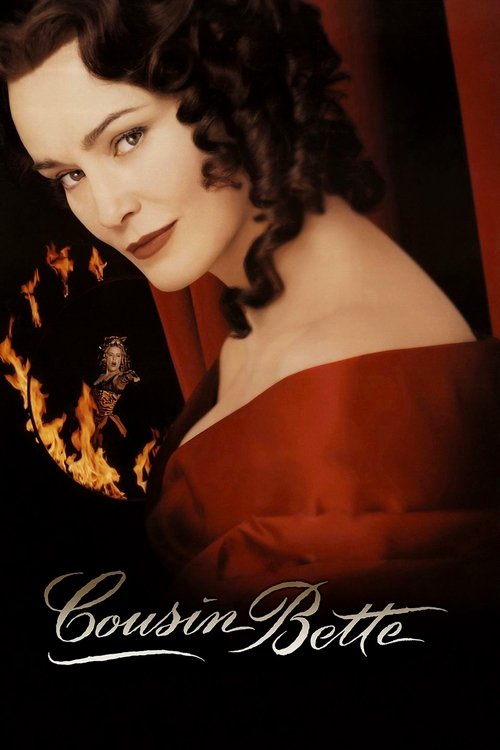
Cousin Bette
1998In 19th century Paris, Bette Fischer, a poor and homely spinster, forms an alliance with the seductive courtesan Valerie Marneffe to orchestrate revenge on her handsome and wealthy relatives.

The Oranges
2011A man's affair with his friend's much-younger daughter throws two neighboring families into turmoil.
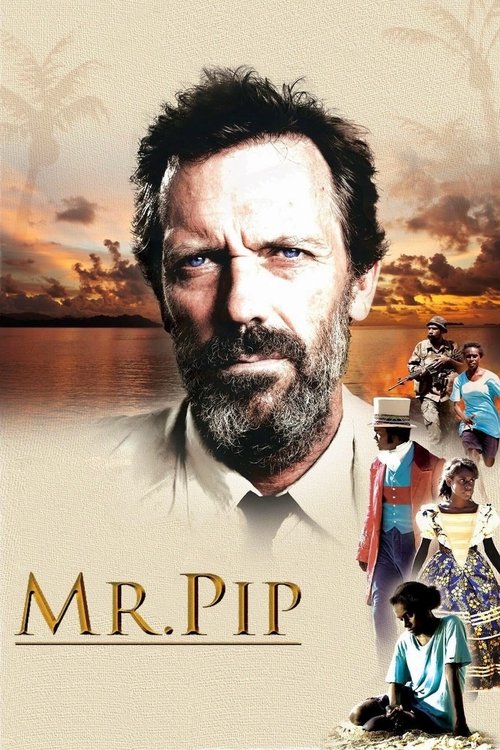
Mr. Pip
2012As a war rages on in the province of Bougainville in Papua New Guinea, a young girl becomes transfixed by the Charles Dickens novel Great Expectations, which is being read at school by the only white man in the village.
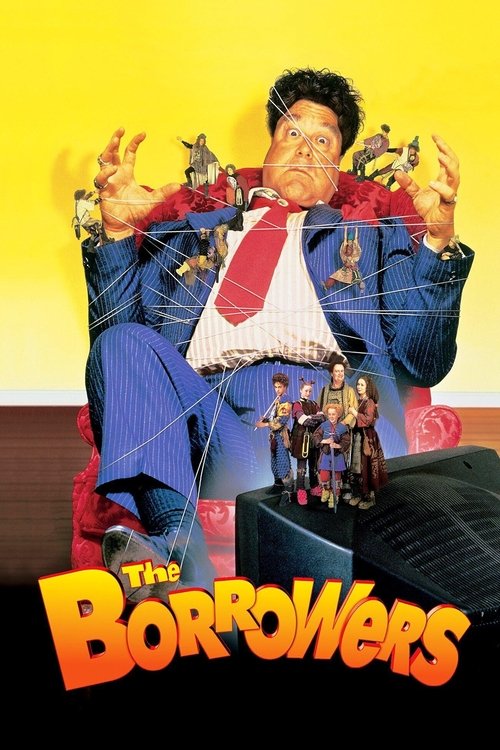
The Borrowers
1997The four-inch-tall Clock family secretly share a house with the normal-sized Lender family, "borrowing" such items as thread, safety pins, batteries and scraps of food. However, their peaceful co-existence is disturbed when evil lawyer Ocious P. Potter steals the will granting title to the house, which he plans to demolish in order to build apartments. The Lenders are forced to move, and the Clocks face the risk of being exposed to the normal-sized world.
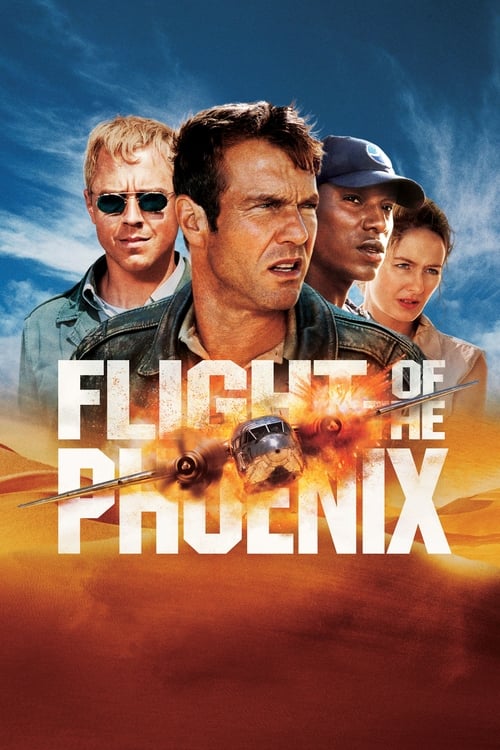
Flight of the Phoenix
2004When an oil rig in the Gobi Desert of Mongolia proves unproductive, an aircraft crew are sent to shut the operation down and fly them out. On the flight out over the desert on the way to Beijing, Capt. Frank Towns and co-pilot A.J. are unable to keep their cargo plane, a C-119 Flying Boxcar, in the air when a violent sandstorm strikes. Crash-landing in a remote uncharted part of the desert, the two pilots and their passengers -- a crew of oil workers and a drifter -- must work together to survive by rebuilding the aircraft. Soon, low supplies and a band of merciless smugglers add even greater urgency to their task.
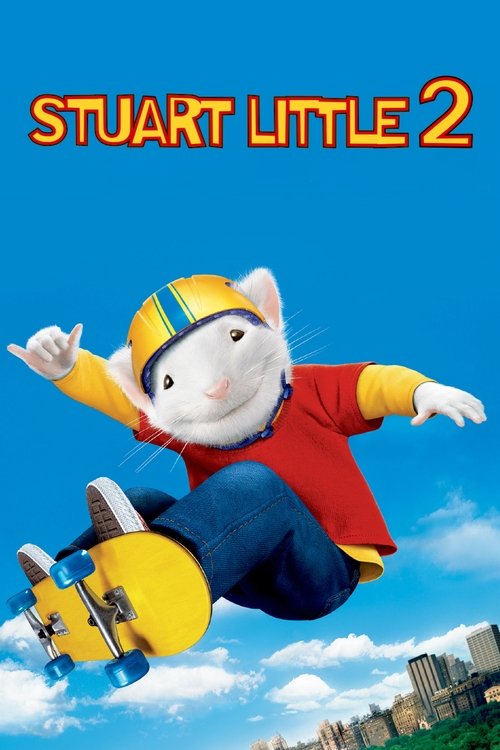
Stuart Little 2
2002Stuart, an adorable white mouse, still lives happily with his adoptive family, the Littles, on the east side of Manhattan's Central Park. More crazy mouse adventures are in store as Stuart, his human brother, George, and their mischievous cat, Snowbell, set out to rescue a friend.
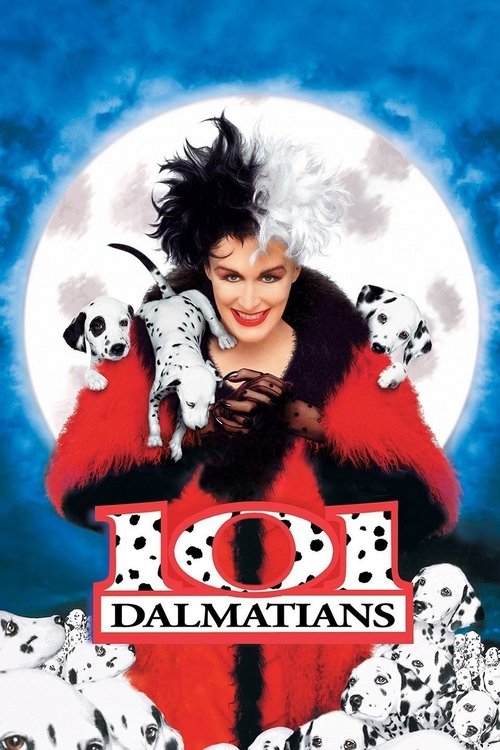
101 Dalmatians
1996An evil, high-fashion designer plots to steal Dalmatian puppies in order to make an extravagant fur coat, but instead creates an extravagant mess.
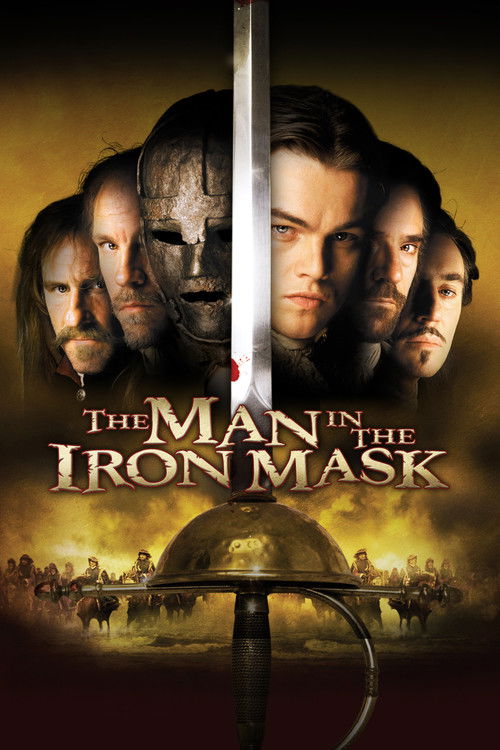
The Man in the Iron Mask
1998Years have passed since the Three Musketeers, Aramis, Athos and Porthos, have fought together with their friend, D'Artagnan. But with the tyrannical King Louis using his power to wreak havoc in the kingdom while his twin brother, Philippe, remains imprisoned, the Musketeers reunite to abduct Louis and replace him with Philippe.
Though his screen time is brief, Laurie makes a distinct impression by injecting a sense of period-accurate gravitas into the swashbuckling spectacle. His presence serves as a bridge between his classical stage training and the demands of big-budget historical drama.
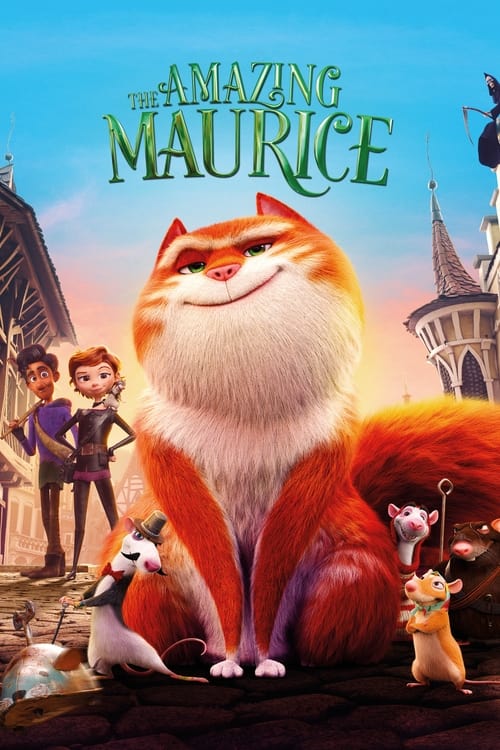
The Amazing Maurice
2022Maurice is a streetwise ginger cat who comes up with a money-making scam by befriending a group of self-taught talking rats. When Maurice and the rodents meet a bookworm called Malicia, their little con soon goes down the drain.
Leading this Terry Pratchett adaptation, Laurie’s dry, rhythmic vocal delivery perfectly captures the essence of a silver-tongued feline swindler. It is a late-career testament to his ability to carry a narrative through sheer personality and linguistic flair.

Street Kings
2008Tom Ludlow is a disillusioned L.A. Police Officer, rarely playing by the rules and haunted by the death of his wife. When evidence implicates him in the execution of a fellow officer, he is forced to go up against the cop culture he's been a part of his entire career, ultimately leading him to question the loyalties of everyone around him.
Stepping into the grit of an American police procedural, Laurie demonstrates his chameleon-like ability to inhabit the role of a stern Internal Affairs captain. He brings a stark, cold-blooded tension to the screen that successfully distances him from his comedic heritage.

Monsters vs Aliens
2009When Susan Murphy is unwittingly clobbered by a meteor full of outer space gunk on her wedding day, she mysteriously grows to 49-feet-11-inches. The military jumps into action and captures Susan, secreting her away to a covert government compound. She is renamed Ginormica and placed in confinement with a ragtag group of Monsters...
Channeling the persona of a mad scientist, Laurie’s vocal work as Dr. Cockroach is a riot of manic energy and intellectual vanity. He manages to steal scenes by leaning into the absurdity of the genre while maintaining a sharp, sophisticated edge.

Tomorrowland
2015Bound by a shared destiny, a bright, optimistic teen bursting with scientific curiosity and a former boy-genius inventor jaded by disillusionment embark on a danger-filled mission to unearth the secrets of an enigmatic place somewhere in time and space that exists in their collective memory as "Tomorrowland."
In a rare turn toward the clinical antagonist, Laurie utilizes his authoritative screen presence to represent cold, calculated ideological rigidity. His role functions as a vital intellectual counterpoint to the film’s optimism, projecting power through chillingly calm delivery.
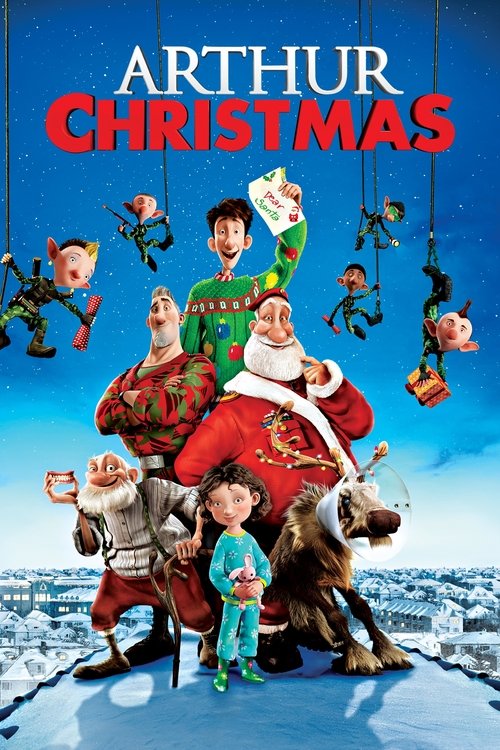
Arthur Christmas
2011For hundreds of years, the Claus family has delegated the title "Santa" to a chosen few of its members, which can be passed down upon retirement. Each Christmas, Santa and his vast army of highly trained elves produce gifts and distribute them around the world in a one-night high-tech operation. However, when one of 600 million children to receive a gift from Santa on Christmas Eve is missed, it is deemed ‘acceptable’ to all but one—Arthur Claus, the current Santa’s misfit son deemed ineligible for the title, who executes an unauthorised rookie mission to get the last present halfway around the globe before dawn on Christmas morning.
Lending his voice to the ultra-efficient Steve, Laurie creates a hilarious portrait of modern corporate ambition clashing with ancestral tradition. He elevates the animated medium by infusing his character with a distinct blend of arrogance and hidden insecurity.
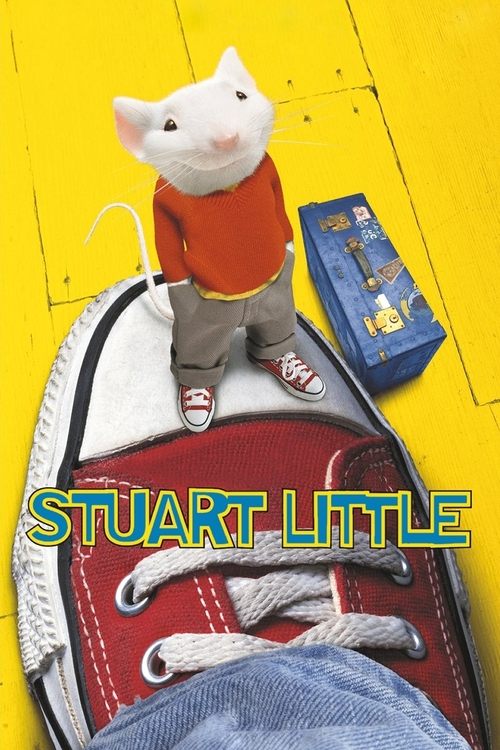
Stuart Little
1999When the Littles adopt Stuart, the mouse, George is initially unwelcoming to his new brother, and the family cat, Snowbell, is even less enthusiastic. Stuart resolves to face these difficulties with as much pluck and courage as he can muster.
Laurie adapts his wit for a family audience by embodying the quintessential, slightly overwhelmed patriarch. His performance provides the necessary emotional ballast to the film’s high-concept premise, proving he can anchor a blockbuster with effortless charm.
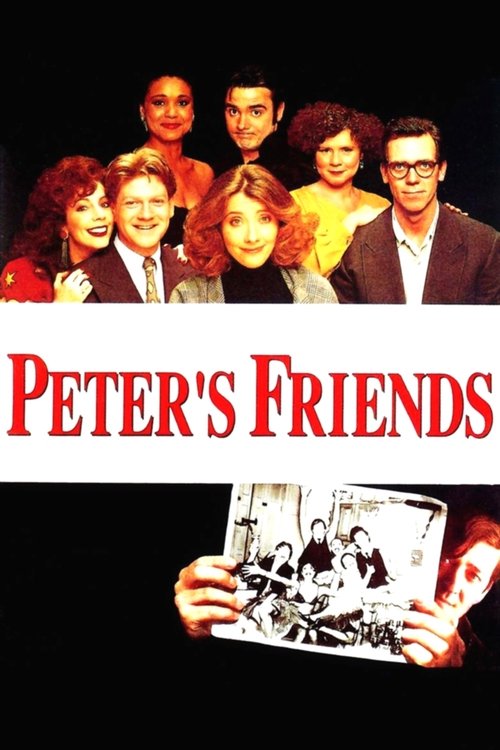
Peter's Friends
1992After inheriting a large country estate from his late father, Peter invites his friends from college: married couple Roger and Mary, the lonely Maggie, fashionable Sarah, and writer Andrew, who brings his American TV star wife, Carol. Sarah's new boyfriend, Brian, also attends. It has been 10 years since college, and they find their lives are very different.
Capturing the melancholic transition from youth to adulthood, Laurie navigates the complexities of ensemble chemistry with a grounded realism. This early collaboration highlights his roots in British comedy while foreshadowing the dramatic weight he would later master in his Hollywood career.
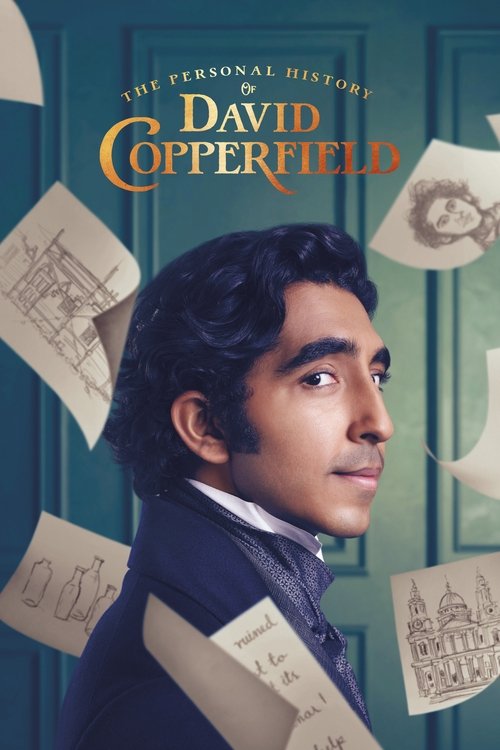
The Personal History of David Copperfield
2019A fresh and distinctive take on Charles Dickens’ semi-autobiographical masterpiece, The Personal History of David Copperfield, set in the 1840s, chronicles the life of its iconic title character as he navigates a chaotic world to find his elusive place within it. From his unhappy childhood to the discovery of his gift as a storyteller and writer, David’s journey is by turns hilarious and tragic, but always full of life, colour and humanity.
As the gentle, kite-flying Mr. Dick, Laurie sheds his cynical persona to find a profound and whimsical vulnerability. This role serves as a poignant reminder of his range, grounding the film’s frantic energy with a performance of quiet, eccentric soulfulness.
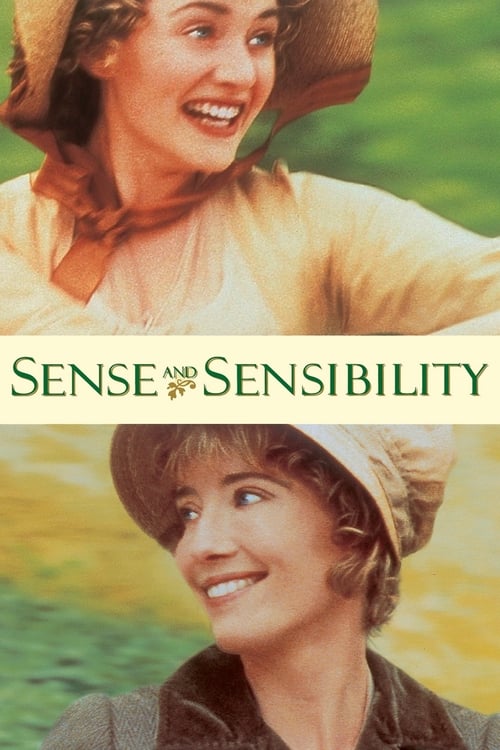
The Dashwood sisters, sensible Elinor and passionate Marianne, learn that their prospects of marriage seem doomed by their family's sudden loss of fortune. After Henry Dashwood dies unexpectedly, his estate must pass on by law to his son. These circumstances leave Mr. Dashwood's wife and daughters without a home and with barely enough money to live on. As Elinor and Marianne struggle to find romantic fulfillment in a society obsessed with financial and social status, they must learn to mix sense with sensibility in their dealings with both money and men.
Laurie delivers a masterclass in irritability as Mr. Palmer, utilizing his impeccable comedic timing to puncture the surrounding Regency politeness with surgical precision. It remains a definitive example of his ability to dominate a scene with little more than a weary sigh and a perfectly timed glare.
Frequently Asked Questions
Everything you need to know about this list and SnakeDrafts
- "Sense and Sensibility" is ranked highest due to Hugh Laurie's compelling performance in this acclaimed adaptation of Jane Austen's novel, directed by Ang Lee. His portrayal of Colonel Brandon showcases his versatility and emotional depth, distinguishing the film as a standout in his cinematic career.
- In "The Personal History of David Copperfield," Hugh Laurie embraces a comedic tone under Armando Iannucci's direction, highlighting his skill in blending humor with rich character work. This film contrasts with his often dramatic roles, offering a fresh, dynamic take on a classic literary figure.
- Many top-ranked movies like "Sense and Sensibility," "Peter's Friends," and "Mr. Pip" explore themes of friendship, emotional resilience, and historical context, reflecting Laurie's ability to inhabit complex characters across genres. These films balance drama and comedy, showcasing his chameleonic acting style.
- Yes, the inclusion of family-oriented and animated films such as "Stuart Little," "Arthur Christmas," and "Monsters vs Aliens" highlights Hugh Laurie's versatility beyond serious drama. These selections might surprise viewers who primarily associate him with his television work, revealing his broad appeal.
- "Street Kings" stands out as a gritty action thriller showcasing a darker, more intense side of Hugh Laurie. Its inclusion demonstrates his willingness to take on challenging and diverse roles, expanding his profile beyond the familiar comedic and dramatic performances.
- Family and animation genres are prominently represented with films like "Stuart Little," "Arthur Christmas," and "The Amazing Maurice," illustrating Laurie’s talent for voice acting and appeal to all ages. These roles emphasize his versatility and ability to connect with younger audiences.
- Period dramas such as "Sense and Sensibility" and "The Man in the Iron Mask" are significant as they allow Laurie to explore historical figures and settings with nuance and sophistication. These films highlight his classical acting training and capacity for depth in traditional narratives.
- This list predominantly features drama, comedy, and family films, but notably lacks science fiction or pure horror genres, aside from elements in "Tomorrowland." This suggests Laurie's filmography leans more towards character-driven stories rather than genre-specific blockbuster films.