Rami Malek Movie Ranking: The Best Performances from the Award-Winning Star
The Captivating Career of a Screen Chameleon
Discover Rami Malek's cinematic journey from his Oscar-winning turn in Bohemian Rhapsody to gripping roles in Oppenheimer and the Bond franchise.
About Rami Malek
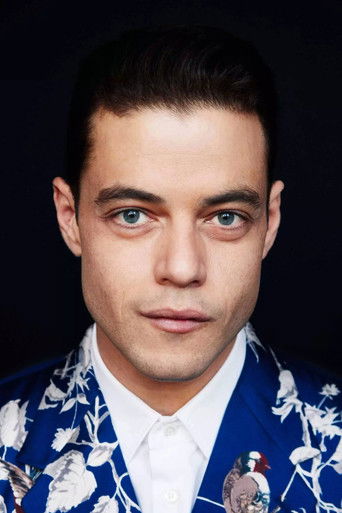
Rami Malek possesses a quality that is increasingly rare in the landscape of modern cinema which is the ability to project a thunderous intensity while remaining entirely still. He operates with a distinct, vibrating energy that suggests his characters are processing information at a higher frequency than everyone else in the room. This specific magnetism first caught significant attention in the quiet indie gem Short Term 12 and the cerebral drama The Master, where he managed to hold his own alongside heavyweights by doing very little with his voice and everything with his eyes. Those expressive, wide-set features became a signature tool, allowing him to convey internal chaos without the need for theatrical shouting.
The industry shifted for him when he took on the monumental task of portraying Freddie Mercury in Bohemian Rhapsody. It was a performance that could have easily slid into mere caricature, yet he found a way to inhabit the rock legend from the inside out. He captured the vulnerability behind the bravado, earning an Academy Award and proving he could shoulder the massive expectations of a global audience. This transformation solidified his reputation as a transformative actor who thrives when the stakes are highest, whether he is reimagining a classic in Papillon or injecting a sense of dread into the Bond universe as the scarred antagonist in No Time to Die.
Audiences gravitate toward him because there is an inherent unpredictability to his choices. He does not play the traditional leading man; he plays the outlier. Even in massive blockbusters like Night at the Museum or high-octane ensemble pieces like Need for Speed, he brings a specialized texture that makes his presence feel essential rather than decorative. He transitioned from those early franchise roles into a phase of his career where he is now a preferred collaborator for auteur directors. His role in Oppenheimer served as a masterclass in narrative patience, delivering a pivotal third-act payoff that relied entirely on his character’s quiet moral resolve.
In stranger, more experimental fare like Buster's Mal Heart, he proved he was willing to get weird to find the truth of a character. That willingness to explore the fringes of human behavior makes his upcoming turn in The Amateur particularly anticipated, as it returns him to the realm of the sophisticated thriller where his precision as an actor can truly shine. Whether he is navigating the star-studded chaos of Amsterdam or the procedural grit of The Little Things, he maintains a certain level of mystery that keeps the viewer leaned in. He avoids the overexposure that plagues many of his contemporaries, opting instead for a curated filmography that emphasizes quality and complexity. Malek remains a singular figure in Hollywood, a performer who understands that sometimes the most powerful thing an actor can do is invite the audience to wonder what he is thinking.
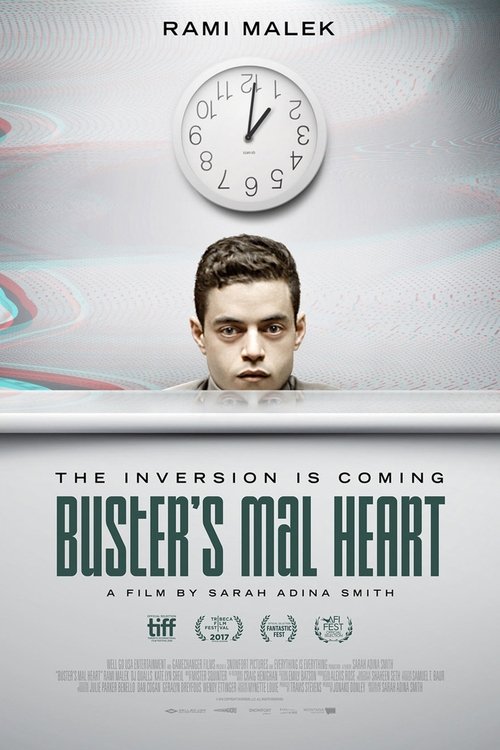
Buster's Mal Heart
2017An eccentric mountain man on the run from the local sheriff recalls the mysterious events that brought him to his present fugitive state.
Hapless museum night watchman Larry Daley must help his living, breathing exhibit friends out of a pickle now that they've been transferred to the archives at the Smithsonian Institution. Larry's (mis)adventures this time include close encounters with Amelia Earhart, Abe Lincoln and Ivan the Terrible.

Amsterdam
2022In the 1930s, three friends—a doctor, a nurse, and an attorney—witness a murder, become suspects themselves and uncover one of the most outrageous plots in American history.

The Little Things
2021Deputy Sheriff Joe "Deke" Deacon joins forces with Sgt. Jim Baxter to search for a serial killer who's terrorizing Los Angeles. As they track the culprit, Baxter is unaware that the investigation is dredging up echoes of Deke's past, uncovering disturbing secrets that could threaten more than his case.
Opposite heavyweight costars, Malek portrays a detective whose rigid morality slowly unravels into obsession. He leans into a deliberate, staccato delivery that captures the psychological toll of a haunting investigation, further refining his niche in the modern noir genre.
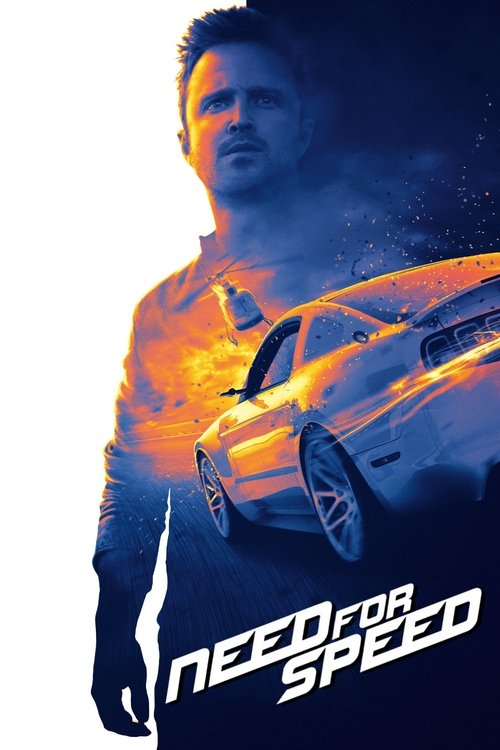
Need for Speed
2014The film revolves around a local street-racer who partners with a rich and arrogant business associate, only to find himself framed by his colleague and sent to prison. After he gets out, he joins a New York-to-Los Angeles race to get revenge. But when the ex-partner learns of the scheme, he puts a massive bounty on the racer's head, forcing him to run a cross-country gauntlet of illegal racers in all manner of supercharged vehicles.
Malek provides a welcome surge of kinetic personality in this high-octane ensemble, showcasing a flair for comedic timing rarely seen in his later dramatic work. His presence here serves as a reminder of his early career agility and his ability to elevate popcorn cinema with genuine charm.
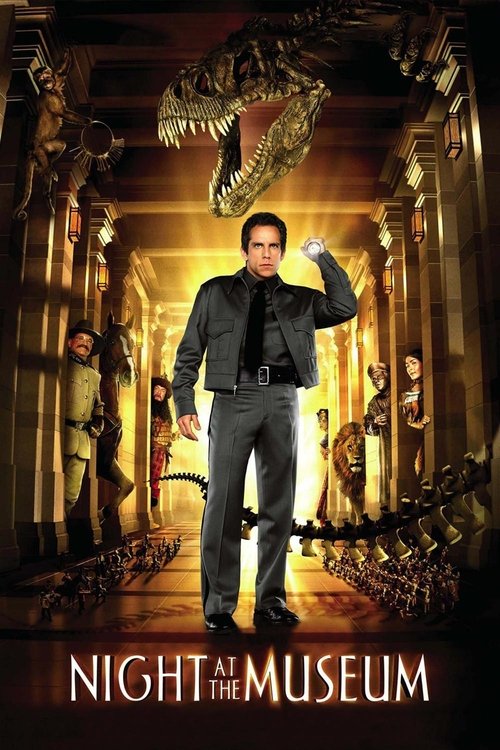
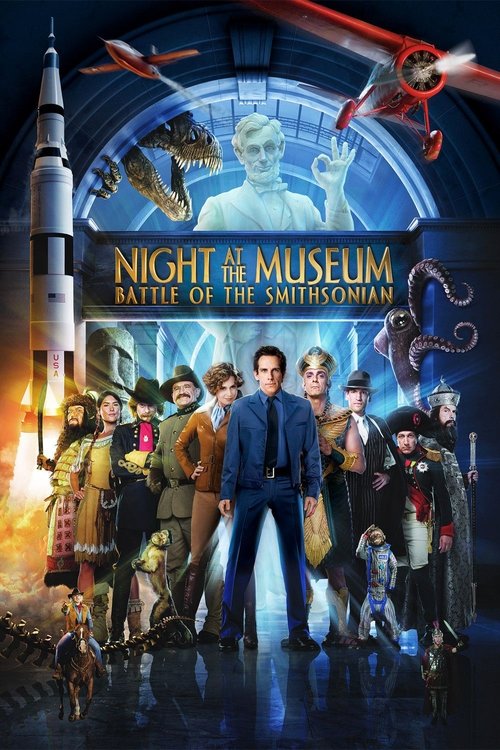
Night at the Museum
2006Chaos reigns at the natural history museum when night watchman Larry Daley accidentally stirs up an ancient curse, awakening Attila the Hun, an army of gladiators, a Tyrannosaurus rex and other exhibits.
As the Pharaoh Ahkmenrah, Malek injected a touch of regal gravitas into a family comedy, flashing the wide-eyed charisma that would later define his career. This mainstream debut introduced his unique features and dignified presence to a global audience for the first time.

The Amateur
2025After his life is turned upside down when his wife is killed in a London terrorist attack, a brilliant but introverted CIA decoder takes matters into his own hands when his supervisors refuse to take action.
Venturing into traditional espionage territory, Malek brings a twitchy, intellectual energy to the role of a grieving technician pushed to the edge. This project marks a pivot toward high-stakes action while retaining the cerebral intensity that has become his professional trademark.
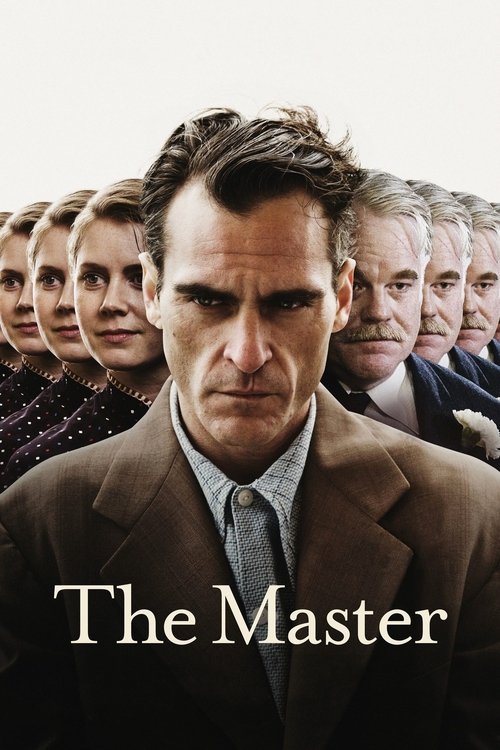
The Master
2012Freddie, a volatile, heavy-drinking veteran who suffers from post-traumatic stress disorder, finds some semblance of a family when he stumbles onto the ship of Lancaster Dodd, the charismatic leader of a new "religion" he forms after World War II.
Working under the exacting eye of Paul Thomas Anderson, Malek holds his own against titans of the craft in a brief but vital appearance. This secondary role solidified his reputation as a versatile character actor capable of inhabiting complex, period-accurate psychological landscapes.

No Time to Die
2021Bond has left active service and is enjoying a tranquil life in Jamaica. His peace is short-lived when his old friend Felix Leiter from the CIA turns up asking for help. The mission to rescue a kidnapped scientist turns out to be far more treacherous than expected, leading Bond onto the trail of a mysterious villain armed with dangerous new technology.
Malek adopts a chilling, soft-spoken cadence to inhabit the Bond villain Lyutsifer Safin, leaning into a theatrical stillness that borders on the uncanny. It is a bold exercise in restraint that reimagines the franchise antagonist as a haunting, quiet specter rather than a boisterous threat.
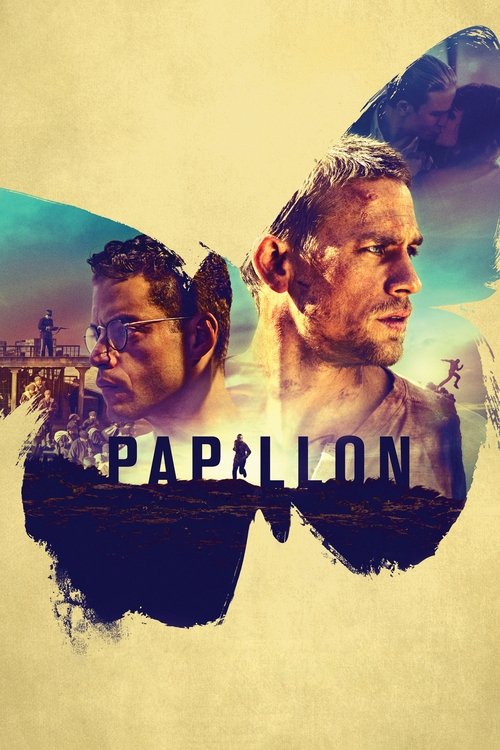
Papillon
2017Henri “Papillon” Charrière, a safecracker from the Parisian underworld, is wrongfully convicted and sentenced to life imprisonment in the penal colony of French Guiana, where he forges a strong friendship with Louis Dega, a counterfeiter who needs his protection.
Playing the fragile intellectual Louis Dega, Malek provides a necessary, grounded foil to the film’s raw physicality. His performance illustrates a remarkable range as he portrays the slow, grueling erosion of a man’s spirit under the weight of a brutal penal system.
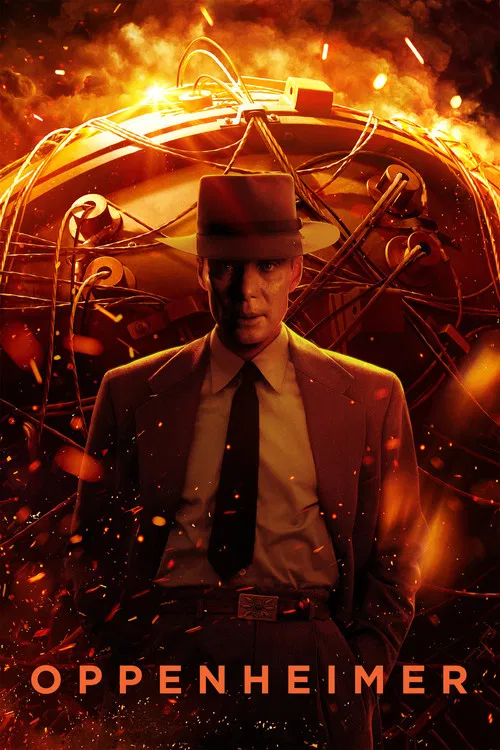
Oppenheimer
2023The story of J. Robert Oppenheimer's role in the development of the atomic bomb during World War II.
Even with limited screen time, Malek commands the frame through a calculated, icy precision that anchors the film’s climactic shifts. His portrayal of David Hill demonstrates a mastery of surgical intensity, proving he can leave a permanent mark on a sprawling epic using only a few sharp lines.

Short Term 12
2013Grace, a compassionate young supervisor at a foster care facility, helps at-risk teens. But when a new charge dredges up memories of her own troubled past, Grace's tough exterior begins eroding.
As the tentative newcomer Nate, Malek serves as the audience surrogate within a volatile foster care facility. This early role highlighted his specific gift for portraying quiet empathy and navigates the delicate balance between professional distance and emotional vulnerability.
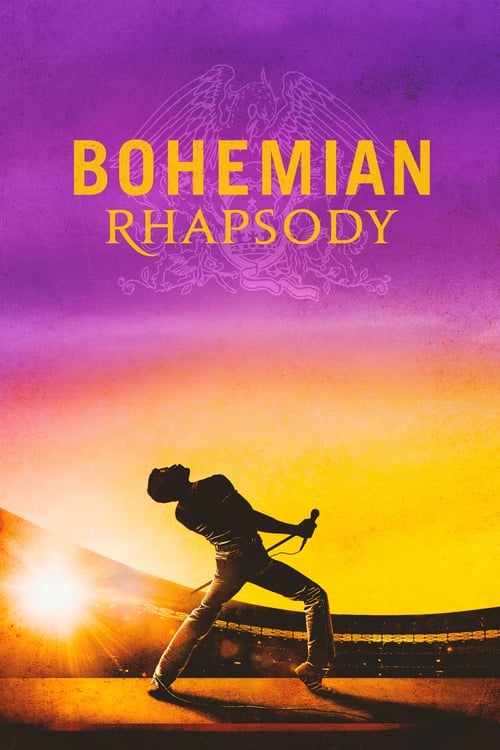
Bohemian Rhapsody
2018Singer Freddie Mercury, guitarist Brian May, drummer Roger Taylor and bass guitarist John Deacon take the music world by storm when they form the rock 'n' roll band Queen in 1970. Hit songs become instant classics. When Mercury's increasingly wild lifestyle starts to spiral out of control, Queen soon faces its greatest challenge yet – finding a way to keep the band together amid the success and excess.
Malek achieves a staggering feat of physical mimicry that transcends mere impersonation, capturing the mercurial electricity of Freddie Mercury. This transformative turn catapulted him into the cinematic stratosphere, earning him an Oscar and proving his capability as a powerhouse leading man.
Frequently Asked Questions
Everything you need to know about this list and SnakeDrafts
- Rami Malek's portrayal of Freddie Mercury in Bohemian Rhapsody is widely acclaimed for its magnetic intensity and emotional depth, capturing the iconic rock star's persona with authenticity. This role earned him an Oscar, highlighting his ability to embody complex characters in a biographical setting.
- In Oppenheimer, Rami Malek takes on a historical drama that demands a nuanced and cerebral performance, showcasing his skill in portraying intellectual and emotionally layered characters. This contrasts with his more flamboyant role in Bohemian Rhapsody and action-oriented parts like in No Time to Die.
- Movies such as The Master and Short Term 12 exemplify Rami Malek's unique talent for projecting intense energy through subtle, still performances. These roles highlight his capacity to communicate complex emotions without overt action, marking him as a distinct presence in modern cinema.
- Rami Malek's filmography spans a variety of genres, including biographical drama (Bohemian Rhapsody), historical drama (Oppenheimer), thriller (The Amateur), action-adventure (No Time to Die), and family fantasy (Night at the Museum). This diversity demonstrates his versatility as an actor.
- Starting with quieter, indie roles like in Short Term 12, Rami Malek has expanded his range to commanding lead roles in blockbuster dramas and thrillers. His evolution is marked by increasing emotional complexity and a commanding screen presence as seen in his recent work like Oppenheimer and The Amateur.
- Rami Malek frequently portrays characters in high-tension contexts, such as the espionage-driven No Time to Die, the psychological thriller The Amateur, and the morally complex drama The Little Things. These roles underscore his strength in delivering layered performances under pressure.
- In family-friendly films like Night at the Museum, Rami Malek adopts a lighter, more playful persona, contrasting with the intense, dramatic characters he portrays in films like Bohemian Rhapsody and Oppenheimer. This versatility highlights his adaptability across different audience demographics.
- Recurring themes in Rami Malek's roles include portraying complex, often introspective characters who navigate personal and external conflicts. Whether in biopics, thrillers, or dramas, his characters tend to engage deeply with emotional and psychological challenges.