The Essential Kurtwood Smith Movie Checklist
The Commanding Presence of Cinema's Most Versatile Villain
Discover the most iconic film roles of Kurtwood Smith, from menacing antagonists to authoritative figures in some of Hollywood's biggest hits.
About Kurtwood Smith
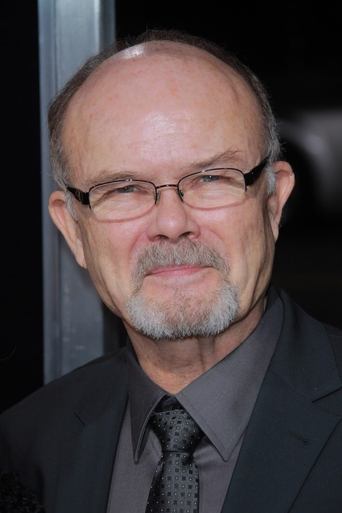
In the vast ecosystem of Hollywood character actors, Kurtwood Smith occupies a singular space defined by a high-tension wire of authority. He is the master of the terrifyingly competent man, an actor who can command a room without ever raising his voice, or conversely, someone whose sudden bark can freeze a viewer's blood. While some performers spend their careers chasing leading-man charm, he carved a permanent legacy by leaning into the steel. He possesses a specific sort of gravitas that feels both intellectual and dangerous, a combination that has made him the go-to architect of suburban repression and high-stakes villainy for four decades.
Most audiences first felt the full weight of his screen presence in the late eighties, where he delivered two performances that defined the polarities of his talent. In the satirical carnage of RoboCop, he invented a new brand of corporate-funded psychopathy as Clarence Boddicker. He swapped the mustache-twirling tropes of typical action villains for a cold, bespectacled cruelty that felt unnervingly real. Shortly after, he swung to a different kind of darkness in Dead Poets Society. His portrayal of Mr. Perry, the overbearing father whose rigidity leads to tragedy, remains a haunting touchstone for anyone who grew up under the thumb of a perfectionist. It was here that he mastered the art of the disappointed stare, a look that communicates a lifetime of unspoken demands.
This ability to play the enforcer transitioned seamlessly across genres throughout the nineties. He brought a grounded cynicism to the legal circus of A Time to Kill and channeled a sophisticated, almost Shakespearean weight into the role of the Federation President in Star Trek VI: The Undiscovered Country. Even in the satirical fringes of independent cinema, such as the cult favorite Citizen Ruth or the dark media commentary of To Die For, he served as a vital anchor. Producers understood that if a script required a figure of institutional power, whether in the dystopian halls of Fortress or the chaotic streets of Quick Change, Smith would provide a performance that felt lived-in and deeply intimidating.
What keeps audiences tethered to his work is the dry, razor-sharp wit he layers beneath the stern exterior. This was perhaps best realized in his long-term television residency as Red Forman, but the foundations were laid in films like The Crush and the whimsical Oscar. He understands the comedy of impatience better than almost anyone in the business. In more intimate dramas like Girl, Interrupted or the period-piece charm of Hitchcock, he provides a necessary friction. He is the sandpaper against which protagonists must rub to show their own spark.
Looking at his expansive filmography, from the gritty atmosphere of Shadows and Fog to the high-concept adventure of Last of the Dogmen, a pattern emerges. He is an actor who treats every role with a surgical precision. Whether he is voicing an intergalactic threat in Regular Show: The Movie or playing a small-town skeptic, he refuses to phone it in. He represents a brand of craftsmanship that feels increasingly rare. He does not ask for the audience's affection, which is precisely why he earned it. He remains the definitive face of the man who knows exactly what you did wrong and is simply waiting for you to admit it.
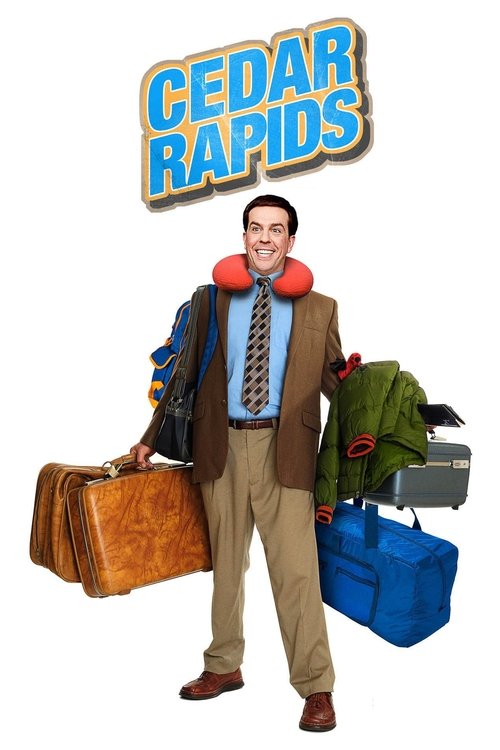
Cedar Rapids
2011A naive Midwesterner insurance salesman travels to a big-city convention in an effort to save the jobs of his co-workers.
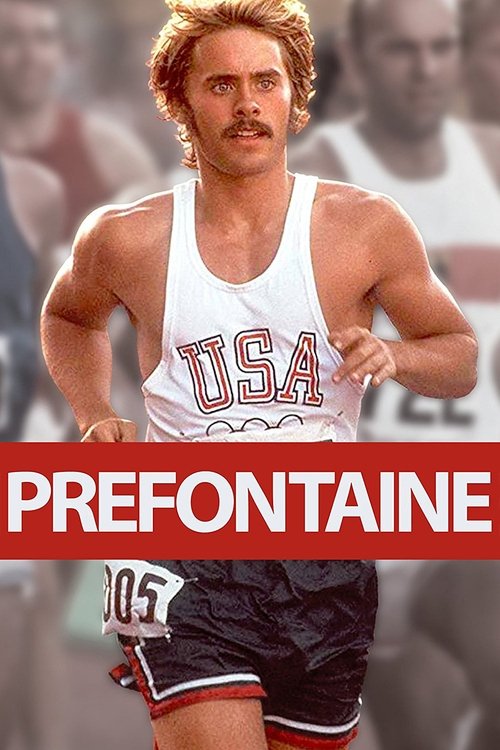
Prefontaine
1997It's the true-life story of legendary track star Steve Prefontaine, the exciting and sometimes controversial "James Dean of Track," whose spirit captured the heart of the nation! Cocky, charismatic, and tough, "Pre" was a running rebel who defied rules, pushed limits ... and smashed records ...
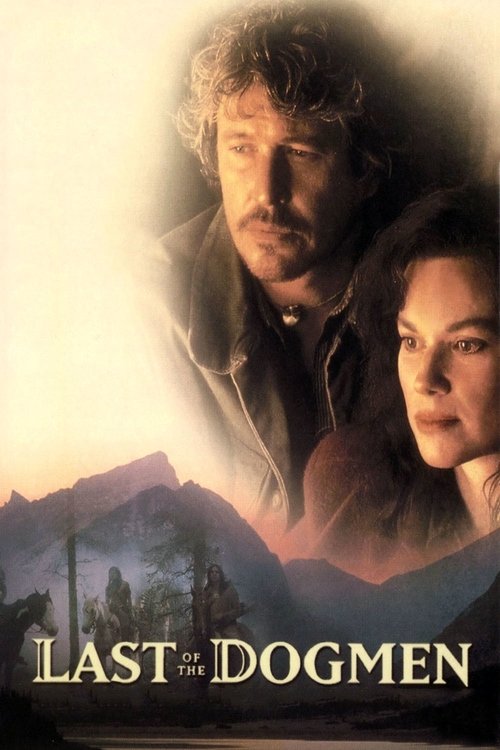
Last of the Dogmen
1995A Montana bounty hunter is sent into the wilderness to track three escaped prisoners. Instead he sees something that puzzles him. Later with a female Native Indian history professor, he returns to find some answers.
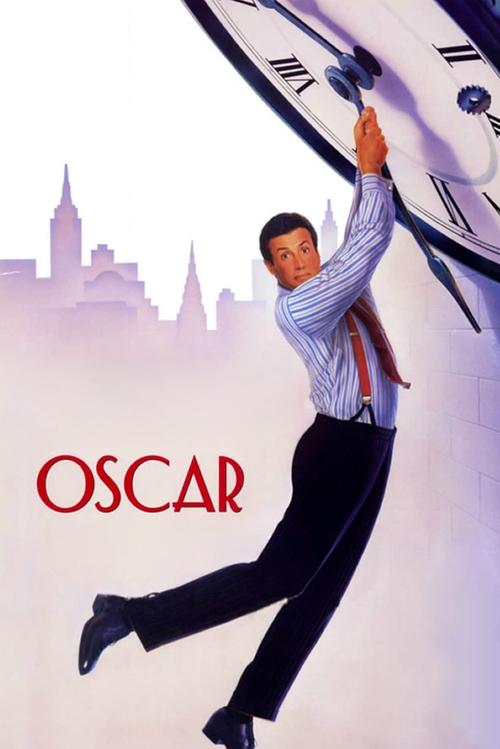
Oscar
1991Angelo "Snaps" Provolone made his dying father a promise on his deathbed: he would leave the world of crime and become an honest businessman. Despite having no experience in making money in a legal fashion, Snaps sets about to keep his promise.
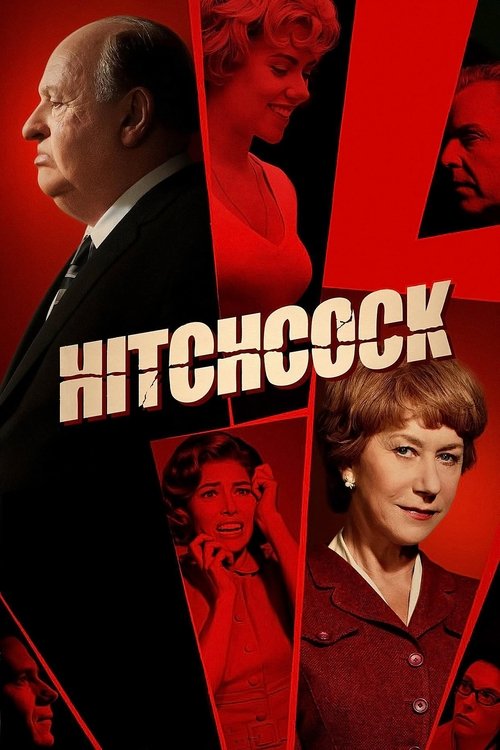
Hitchcock
2012Following his great success with "North by Northwest," director Alfred Hitchcock makes a daring choice for his next project: an adaptation of Robert Bloch's novel "Psycho." When the studio refuses to back the picture, Hitchcock decides to pay for it himself in exchange for a percentage of the profits. His wife, Alma Reville, has serious reservations about the film but supports him nonetheless. Still, the production strains the couple's marriage.
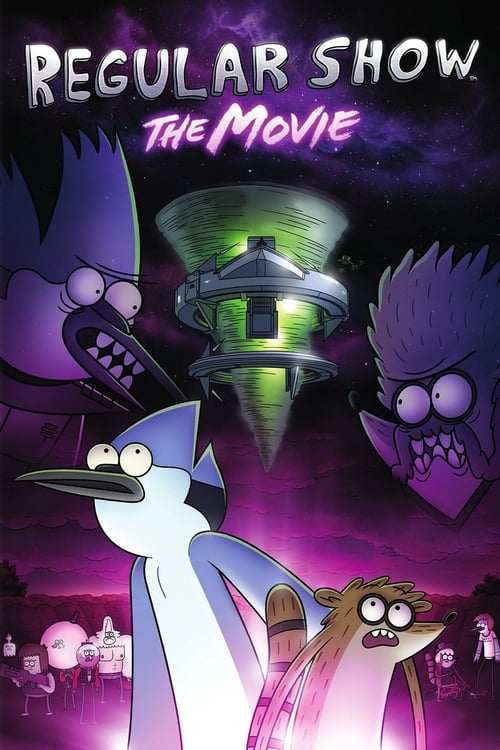
Regular Show: The Movie
2015After a high school lab experiment goes horribly wrong, Mordecai and Rigby must go back in time to battle an evil volleyball coach in order to save the universe — and their friendship.

The Crush
1993A precocious and obsessive teenager develops a crush on a naive writer with harrowing consequences.
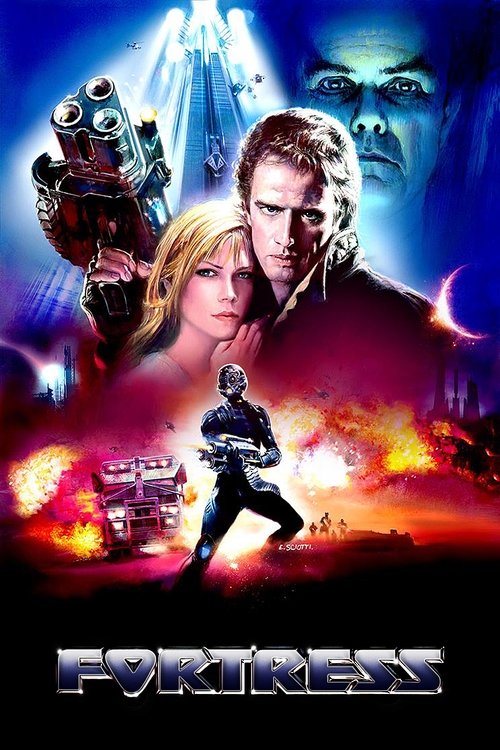
Fortress
1992In the future, the inmates of a private underground prison are computer-controlled with cameras, dream readers, and devices that can cause pain or death. John and his illegally pregnant wife Karen are locked inside "The Fortress" but are determined to escape before the birth of their baby.
Returning to the realm of the high-tech despot, Smith plays an oppressive prison director with a calculated, robotic efficiency. The role functions as a spiritual successor to his earlier villainy, emphasizing his niche as the ultimate avatar of dystopian authority.
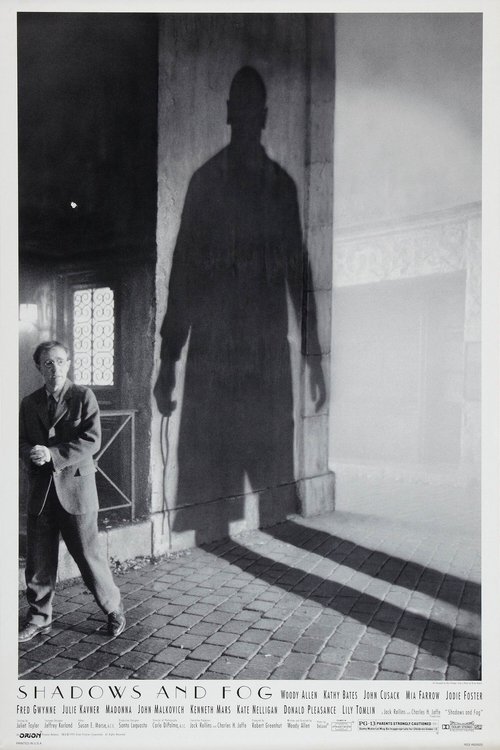
Shadows and Fog
1991With a serial strangler on the loose, a bookkeeper wanders around town searching for the vigilante group intent on catching the killer.
Within Woody Allen's expressionist fog, Smith adopts the persona of a stern official with an almost Kafkaesque stiffness. He thrives in the film's stylized environment, proving he can adapt his natural intensity to suit a surrealist aesthetic.
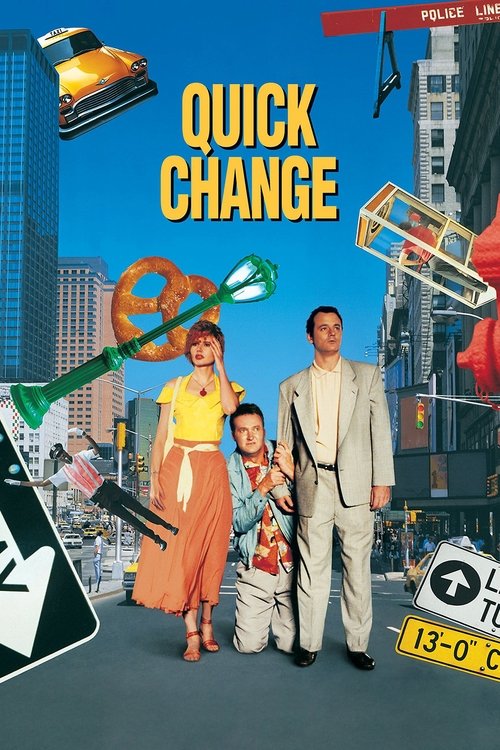
Quick Change
1990With the aid of his girlfriend, Phyllis Potter, and best friend, Loomis, Grimm enters a Manhattan bank dressed as a clown, creates a hostage situation and executes a flawless robbery. The only thing left for the trio to do is make their getaway out of the city and to the airport. It sounds simple enough, but it seems that fate deserts them immediately after the bank heist. One mishap after another conspires to keep these robbers from reaching freedom.
Smith plays the high-strung Loomis with a frantic energy that perfectly complements the film's urban chaos. This rare comedic foil role demonstrates his versatility beyond the icy villains that typically define his filmography.
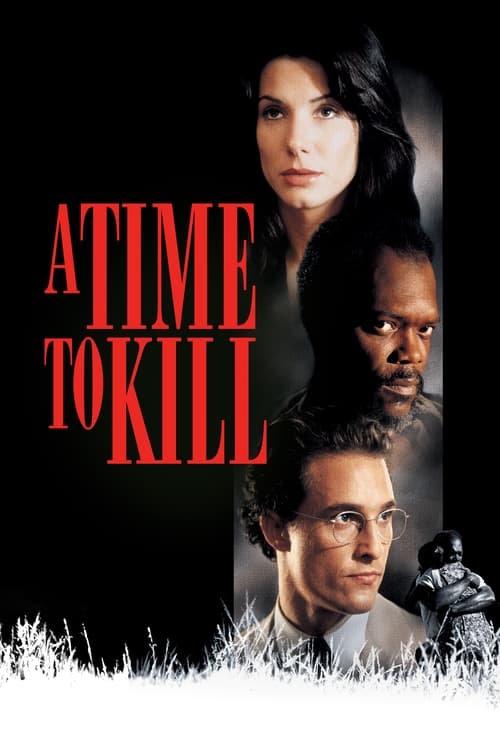
A Time to Kill
1996A young lawyer defends a black man accused of murdering two white men who raped his 10-year-old daughter, sparking a rebirth of the KKK.
As Billy Ray Cobb, Smith taps into a visceral, southern-fried bigotry that feels dangerously authentic. It is a lean and predatory turn that reminds audiences of his unique gift for making prejudice feel both ancient and immediate.

Citizen Ruth
1996"Citizen Ruth" is the story of Ruth Stoops, a woman who nobody even noticed -- until she got pregnant. Now, everyone wants a piece of her. The film is a comedy about one woman caught in the ultimate tug-of-war: a clash of wild, noisy, ridiculous people that rapidly dissolves into a media circus.
Smith leans into the absurdity of the culture wars as Norm Stoney, capturing the smug self-righteousness of a professional activist. His work here showcases a sharp comedic timing that would eventually become his signature on the small screen.
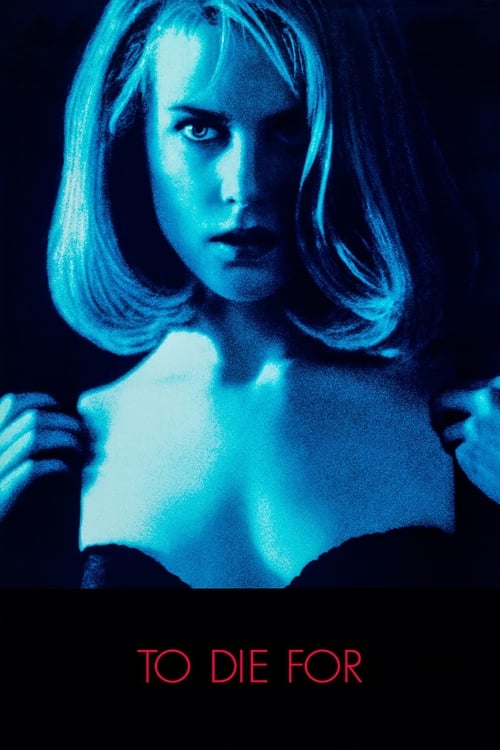
To Die For
1995Suzanne Stone wants to be a world-famous news anchor and she is willing to do anything to get what she wants. What she lacks in intelligence, she makes up for in cold determination and diabolical wiles. As she pursues her goal with relentless focus, she is forced to destroy anything and anyone that may stand in her way, regardless of the ultimate cost or means necessary.
Playing the grieving but grounded Earl Stone, Smith offers a rare glimpse of blue-collar vulnerability amidst the film's satirical carnage. He provides the necessary human stakes that prevent the dark comedy from drifting into pure caricature.

Star Trek VI: The Undiscovered Country
1991After years of war, the Federation and the Klingon empire find themselves on the brink of a peace summit when a Klingon ship is nearly destroyed by an apparent attack from the Enterprise. Both worlds brace for what may be their deadliest encounter.
Buried under Klingon prosthetics, Smith relies entirely on his commanding vocal grit to portray the Federation President. It is a testament to his screen presence that he manages to anchor a vast interstellar political thriller while hidden behind layers of latex.
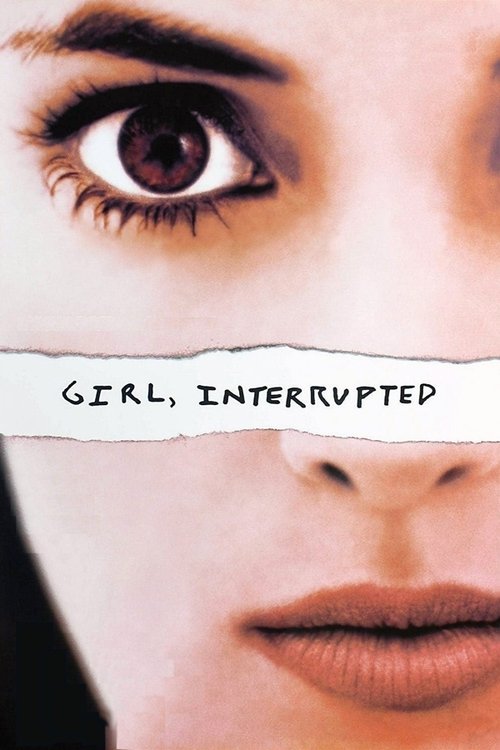
Girl, Interrupted
1999Set in the changing world of the late 1960s, Susanna Kaysen's prescribed "short rest" from a psychiatrist she had met only once becomes a strange, unknown journey into Alice's Wonderland, where she struggles with the thin line between normal and crazy. Susanna soon realizes how hard it is to get out once she has been committed, and she ultimately has to choose between the world of people who belong inside or the difficult world of reality outside.
In his brief but pivotal turn as Dr. Crumble, Smith distills decades of psychiatric condescension into a single diagnostic interview. This role highlights his career-long ability to personify the cold machinery of 20th-century institutions with just a flick of his eyes.
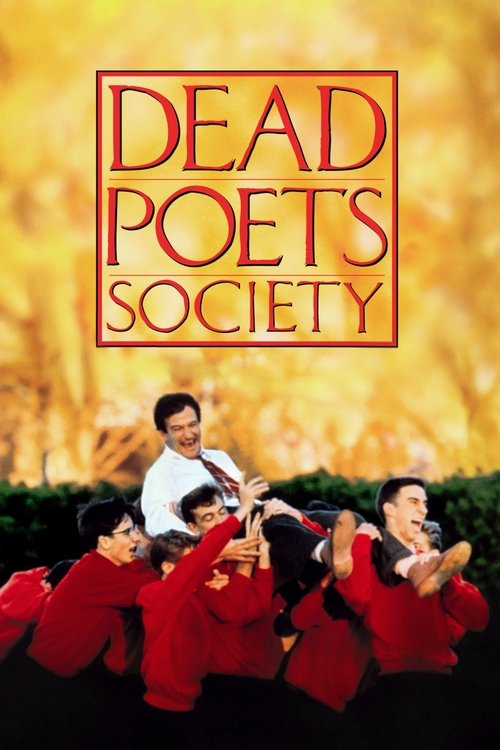
At an elite, old-fashioned boarding school in New England, a passionate English teacher inspires his students to rebel against convention and seize the potential of every day, courting the disdain of the stern headmaster.
As the rigid Mr. Perry, Smith serves as the film's necessary, suffocating gravity, embodying the generational repression that gives the central conflict its tragic weight. His performance is a masterclass in the terrifying power of silence and the unyielding expectations of mid-century fatherhood.
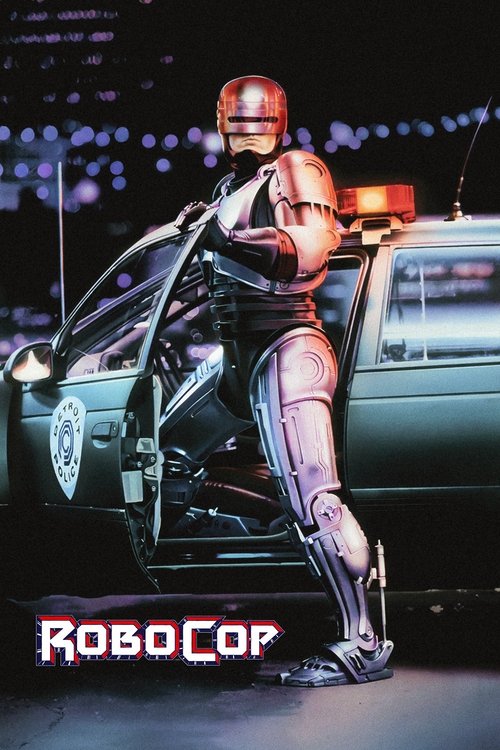
RoboCop
1987In a violent, near-apocalyptic Detroit, evil corporation Omni Consumer Products wins a contract from the city government to privatize the police force. To test their crime-eradicating cyborgs, the company leads street cop Alex Murphy into an armed confrontation with crime lord Boddicker so they can use his body to support their untested RoboCop prototype. But when RoboCop learns of the company's nefarious plans, he turns on his masters.
Smith crafts the definitive cinematic sociopath in Clarence Boddicker, weaponizing a mundane, bureaucratic cruelty that stands in chilling contrast to the film's high-concept metal. This role cemented his status as a premier screen antagonist, proving he could dominate a blockbuster through sheer, glasses-wearing malice.
Frequently Asked Questions
Everything you need to know about this list and SnakeDrafts
- In "RoboCop" (1987), Kurtwood Smith masterfully portrays a commanding corporate antagonist in a dystopian future, highlighting his ability to embody menacing authority within a science fiction action environment.
- In "Dead Poets Society" (1989), Smith takes on a more nuanced role as Mr. Nolan, a school administrator, showcasing his versatility beyond villainous characters by embodying a stern yet supportive educator in a dramatic setting.
- Kurtwood Smith frequently appears in dramas, thrillers, and science fiction films, with notable appearances spanning from intense dramas like "Girl, Interrupted" to science fiction thrillers like "Fortress," demonstrating his adaptability across genres.
- In "A Time to Kill" (1996), Smith takes on the role of a pivotal character within a legal crime drama, adding to his repertoire of authoritative and complex figures within intense dramatic narratives.
- Yes, Kurtwood Smith appears in comedies such as "Oscar" (1991) and "Quick Change" (1990), where he exhibits his ability to deliver humor alongside his usual commanding presence, illustrating his range as an actor.
- In "Girl, Interrupted" (1999), Smith brings a subtle yet impactful presence to the ensemble cast, effectively portraying a figure of authority that adds depth to the film's exploration of psychological and emotional themes.
- Smith provides his voice for the animated film "Regular Show: The Movie" (2015), showcasing his versatility by stepping into family-friendly entertainment while maintaining his distinctive authoritative tone in a comedic sci-fi adventure.
- Kurtwood Smith has worked with notable directors including Paul Verhoeven for "RoboCop" and James Mangold for "Girl, Interrupted," reflecting his involvement in critically acclaimed projects that span various pivotal moments in his career.