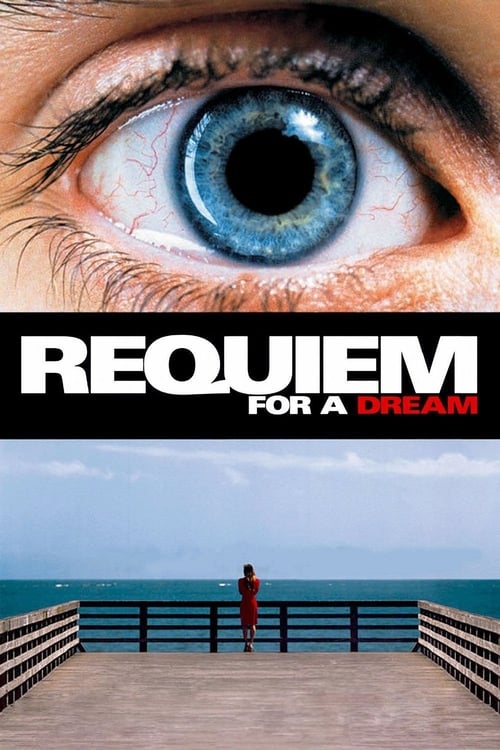
Requiem for a Dream
Explore the devastating consequences of addiction through the intertwined lives of four Coney Island residents in Darren Aronofsky's visceral and unforgettable film, "Requiem for a Dream." This critically acclaimed drama offers a raw and unflinching look at the pursuit of happiness and the destructive nature of obsession.
Director
Darren Aronofsky
Release Year
2000
Runtime
102 minutes
Main Cast
Ellen Burstyn, Jared Leto, Jennifer Connelly, Marlon Wayans, Christopher McDonald
About Requiem for a Dream
Darren Aronofsky's "Requiem for a Dream" exploded onto the cinematic landscape in 2000, leaving an indelible mark with its relentless portrayal of addiction's grip. Based on Hubert Selby Jr.'s novel of the same name, the film masterfully weaves together the narratives of its protagonists, exposing the fragile line between anticipation and desperation. Its unique visual style, featuring rapid-fire montages and unsettling close-ups, has cemented its place as a cult classic and a powerful cautionary tale.
The film centers on Harry Goldfarb, his girlfriend Marion Silver, and his best friend Tyrone C. Love, all with dreams of escaping their mundane realities through drug dealing. Simultaneously, Harry's mother, Sara Goldfarb, succumbs to an addiction to diet pills, hoping to fit into a red dress for a television appearance. Their individual pursuits of perceived happiness slowly unravel into nightmarish spirals, meticulously illustrating the deceptive allure and subsequent devastation of their chosen paths.
Upon its release, "Requiem for a Dream" garnered significant critical attention, particularly for Ellen Burstyn's powerhouse performance as Sara Goldfarb, earning her an Academy Award nomination. While polarizing due to its intense and graphic content, the film was widely praised for Aronofsky's audacious direction, the potent performances of its ensemble cast, and Clint Mansell's hauntingly beautiful score, which remains iconic. Its unflinching honesty resonated with audiences and critics alike, sparking important conversations about addiction and societal pressures.
The legacy of "Requiem for a Dream" extends beyond its initial critical reception. It has become a touchstone for discussions on the portrayal of addiction in media, praised for its psychological depth and unvarnished realism. The film's innovative editing techniques and aural landscape have influenced countless filmmakers, solidifying Aronofsky's reputation as a visionary director. It stands as a profound and often disturbing cinematic experience that continues to provoke thought and emotional responses years after its debut.
Drafts Featuring Requiem for a Dream
Every SnakeDrafts listicle where this movie appears
The Best Jennifer Connelly Movies Ranked
Ranked #1
The Ultimate Jared Leto Career Ranking: Every Essential Movie Ranked
Ranked #2
Best Movies of the Year 2000 Ranked
Ranked #8
Top 2000s Movies Ranked
Ranked #34
Top Drama Movies Ranked
Ranked #35
The Best Crime Movies of 2000, Ranked
Ranked #15
Ellen Burstyn's Top Movies Ranked
Ranked #2
The Best 2000s Crime Movies Ranked
Ranked #37
Similar Movies
Movies related to Requiem for a Dream



Frequently Asked Questions
Everything you need to know about Requiem for a Dream
- The red dress symbolizes Sara Goldfarb's desperate yearning for acceptance, validation, and a return to her idealized past. Her obsession with fitting into it for a TV appearance fuels her spiraling addiction to diet pills, representing her tragically misguided pursuit of superficial happiness.
- The parallel narratives powerfully demonstrate the pervasive and indiscriminate nature of addiction, showcasing how it can ensnare individuals from different walks of life. By interweaving their separate struggles, the film emphasizes the shared descent into delusion and despair, highlighting the universal destructive patterns of substance abuse.
- The refrigerator in Sara's apartment frequently appears as a monstrous, menacing entity, personifying her intense hunger and the growing hallucinations brought on by her diet pill addiction. It symbolizes the insatiable cravings and psychological torment that consume her.
- Clint Mansell's iconic score, particularly the track 'Lux Aeterna,' is central to the film's emotional impact. Its crescendoing, melancholic tones underscore the characters' increasing desperation and the escalating tragedy of their situations, heightening the sense of urgency and despair.
- The film's devastating ending offers a stark and bleak outlook on addiction, depicting the complete degradation and loss of hope for all four protagonists. It suggests that once fully entrenched, addiction can lead to irreversible physical and psychological ruin, leaving little room for redemption or recovery.

