Steve Coogan's Greatest Movies Ranked
The Definitive Cinematic Works of a British Comedy Icon
Explore the essential filmography of Steve Coogan, from dramatic masterpieces like Philomena to his brilliant comedic turns as Alan Partridge.
About Steve Coogan
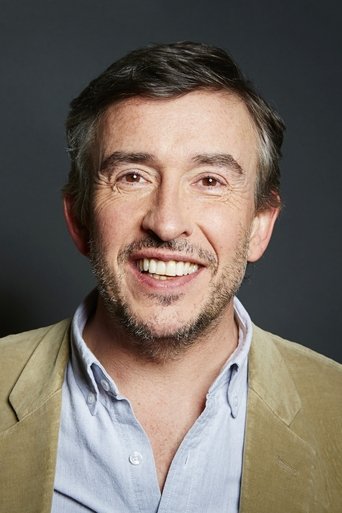
To look at Steve Coogan is to see a man perpetually locked in a wrestling match with his own ego. It is a struggle he has turned into an art form, crafting a career out of the friction between high-minded ambition and the crushing reality of mediocrity. While he is arguably the finest satirist of his generation, his brilliance lies in his refusal to simply mock his subjects. Instead, he inhabits them with a painful, recognizable humanity that makes us squirm specifically because we see ourselves in the wreckage.
The shadow of Alan Partridge inevitably looms large, a character so perfectly realized in Alpha Papa and various television iterations that he became a cultural shorthand for a certain brand of British parochialism. Yet Coogan’s genius was never staying trapped in that beige blazer. He possesses a restless intellectual curiosity that has allowed him to pivot from the frantic, coke-fueled energy of Tony Wilson in 24 Hour Party People to the quiet, heartbreaking restraint of Philomena. In the latter, which he also co-wrote, he shed the protective layer of irony to expose a sincere marrow, proving he could balance a legacy of laughs with a profound sense of social justice.
His filmography reads like a masterclass in tonal agility. He can play the pompous foil in big-budget American comedies like The Other Guys or Tropic Thunder, holding his own against Hollywood heavyweights by leaning into a deliberate, stiff-upper-lip absurdity. He turned a miniature Roman soldier in Night at the Museum into a standout performance through sheer force of personality. Yet he is arguably at his most magnetic when playing exaggerated versions of himself. In The Trip and A Cock and Bull Story, he engages in a sort of public meta-analysis, sparring with Rob Brydon over Michael Caine impressions and the existential dread of middle age. These projects highlight the insecurity that fuels his best work; he is an actor who understands that there is nothing funnier than a man desperate to be taken seriously.
Beyond the satire, there is a deep-seated reverence for the craft that reveals itself in his transformative turns. His portrayal of Stan Laurel in Stan & Ollie was a revelation, ditching caricature for a soulful, physically precise tribute to a comedy pioneer. It matched the quiet intelligence he brought to What Maisie Knew and the cynical edge found in Ruby Sparks. Whether he is navigating the sharp-tongued political cynicism of In the Loop or the obsessive historical quest of The Lost King, he brings a specific, nervous electricity to the screen. Audiences connect with him because he refuses to offer easy heroes. His characters are flawed, vain, and often their own worst enemies, yet he maneuvers them through the world with such specific wit that you cannot help but root for their eventual, inevitable redemption. He remains a rare commodity in modern cinema: a performer who treats the pursuit of a laugh and the pursuit of the truth as the exact same thing.
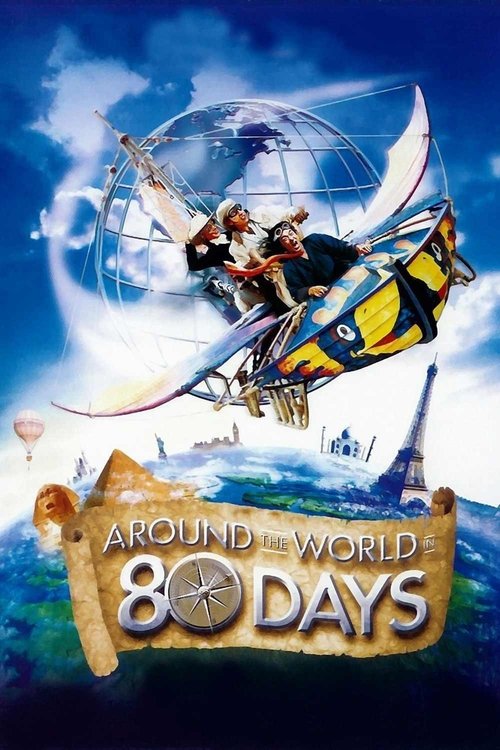
Around the World in 80 Days
2004A bet pits a British inventor, a Chinese thief and a French artist on a worldwide adventure that they can circle the globe in 80 days.
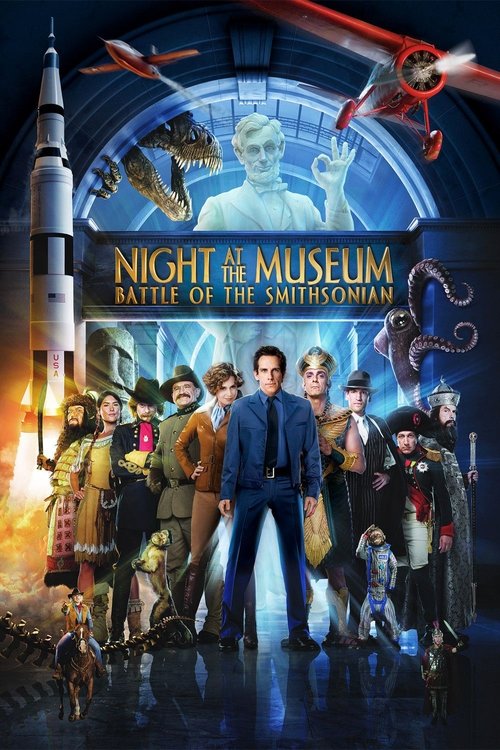
Hapless museum night watchman Larry Daley must help his living, breathing exhibit friends out of a pickle now that they've been transferred to the archives at the Smithsonian Institution. Larry's (mis)adventures this time include close encounters with Amelia Earhart, Abe Lincoln and Ivan the Terrible.
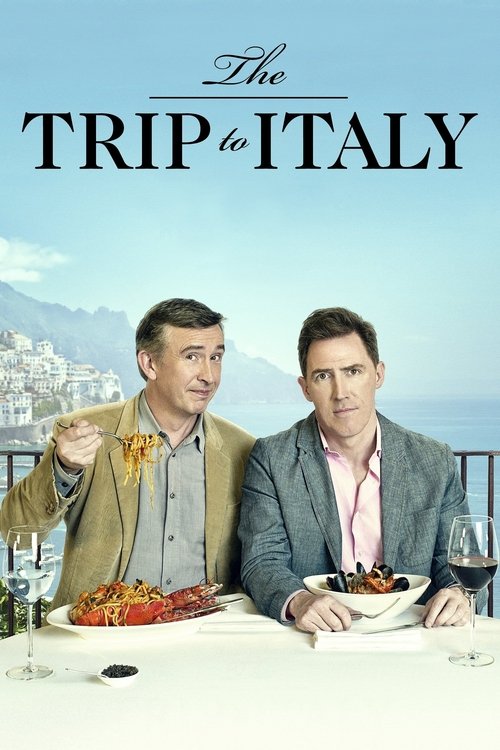
The Trip to Italy
2014Years after their successful restaurant review tour of Northern England, Steve Coogan and Rob Brydon are commissioned for a new tour in Italy.
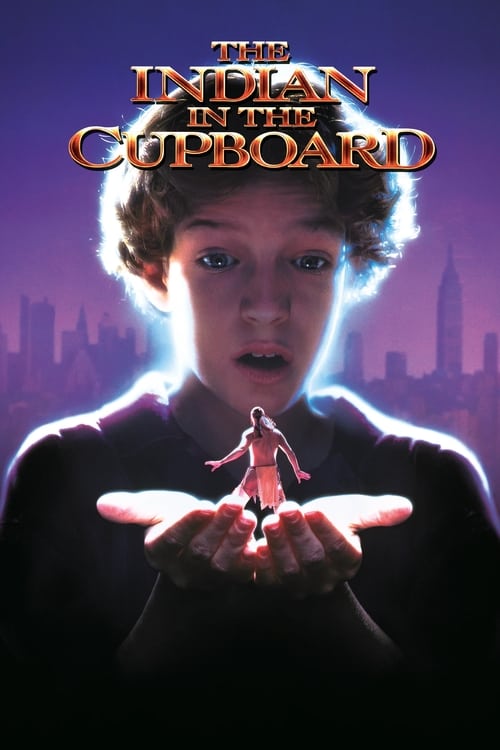
The Indian in the Cupboard
1995A nine-year-old boy gets a plastic Indian and a cupboard for his birthday and finds himself involved in adventure when the Indian comes to life and befriends him.
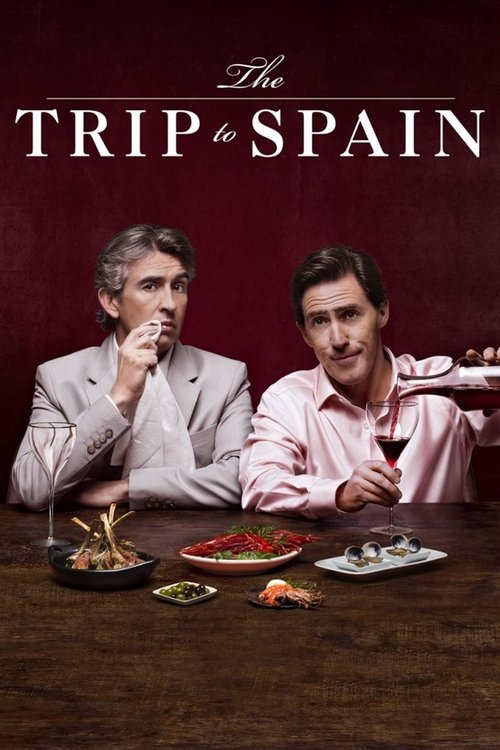
The Trip to Spain
2017Steve Coogan and Rob Brydon embark on a road trip along the coast of Spain.
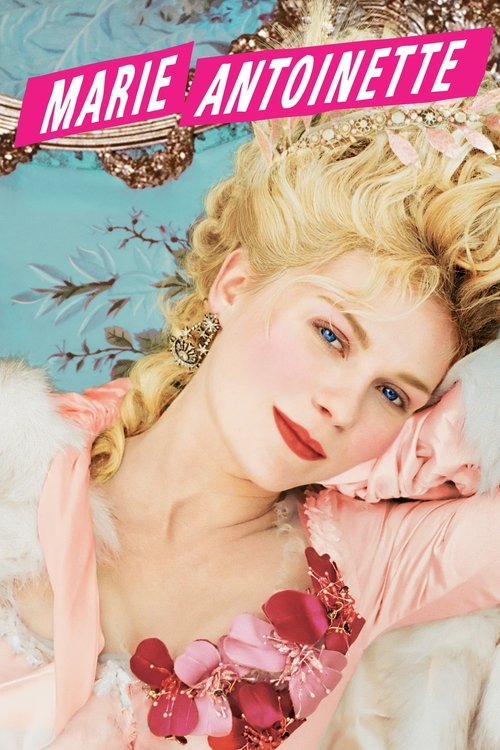
Marie Antoinette
2006A retelling of the story of France’s iconic but ill-fated queen, Marie Antoinette - from her betrothal and marriage to Louis XVI at fifteen to her reign as queen at nineteen and ultimately the fall of Versailles.
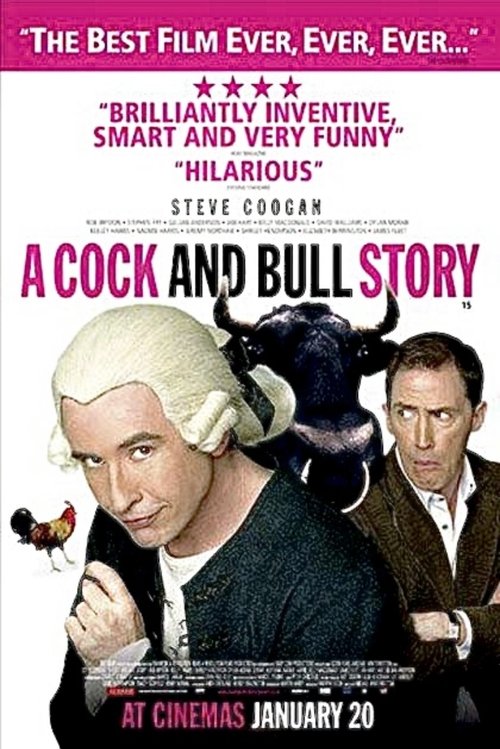
A Cock and Bull Story
2005Steve Coogan, an arrogant actor with low self-esteem and a complicated love life, is playing the eponymous role in an adaptation of "The Life and Opinions of Tristram Shandy, Gentleman" being filmed at a stately home. He constantly spars with actor Rob Brydon, who is playing Uncle Toby and believes his role to be of equal importance to Coogan's.
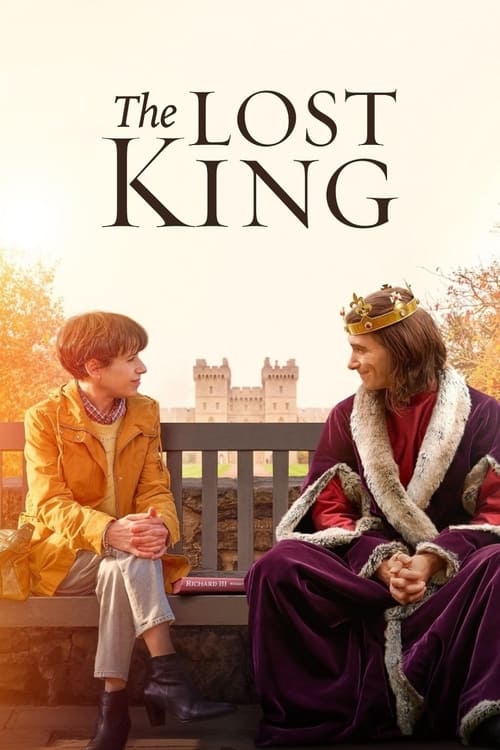
The Lost King
2022An amateur historian defies the academic establishment in her efforts to find King Richard III's remains, which were lost for over 500 years.
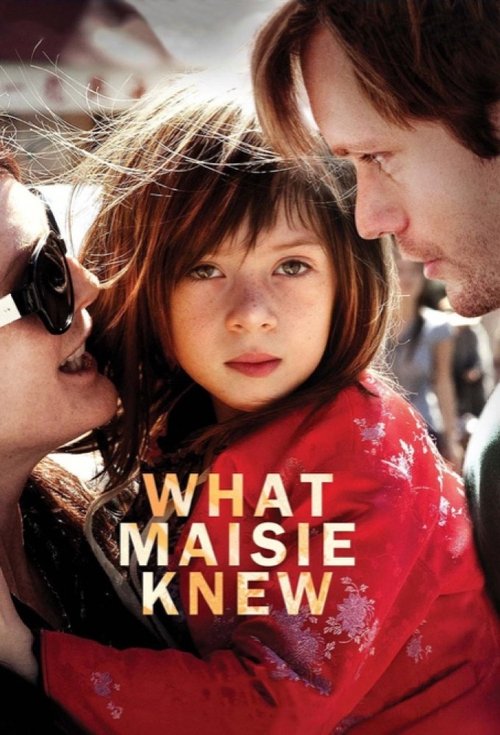
What Maisie Knew
2013In New York City, a young girl is caught in the middle of her parents' bitter custody battle.
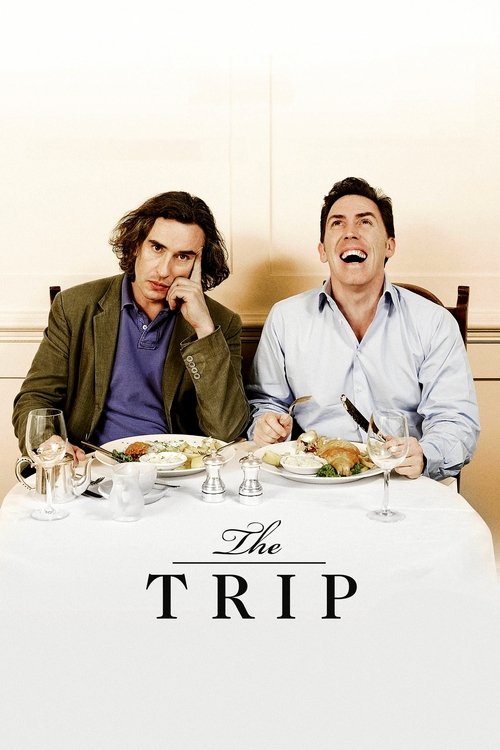
The Trip
2011When Steve Coogan is asked by The Observer to tour the country's finest restaurants, he envisions it as the perfect getaway with his beautiful girlfriend. But, when she backs out on him, he has no one to accompany him but his best friend and source of eternal aggravation, Rob Brydon.
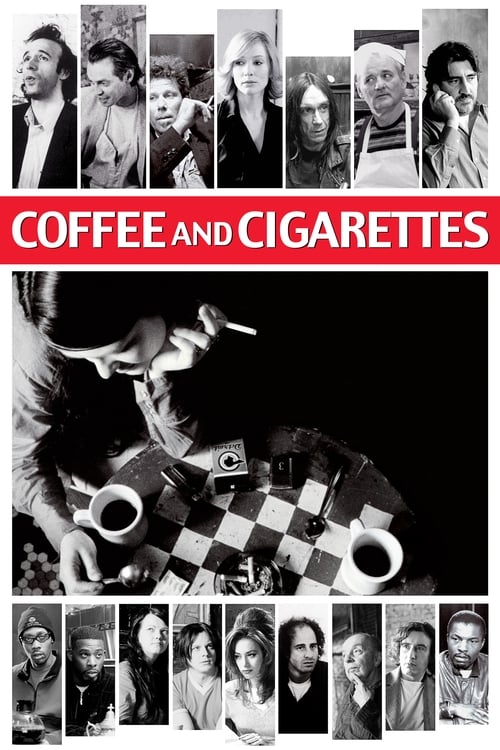
Coffee and Cigarettes
2004An anthology of eleven vignettes featuring star-studded casts of extremely unique individuals who all share the common activities of conversing while drinking coffee and smoking cigarettes.
Engaging in a battle of passive-aggressive wits with Alfred Molina, Coogan plays an exaggerated version of himself with ruthless honesty. This vignette captures the petty jealousies of the acting profession, distilled into a few minutes of razor-sharp dialogue.
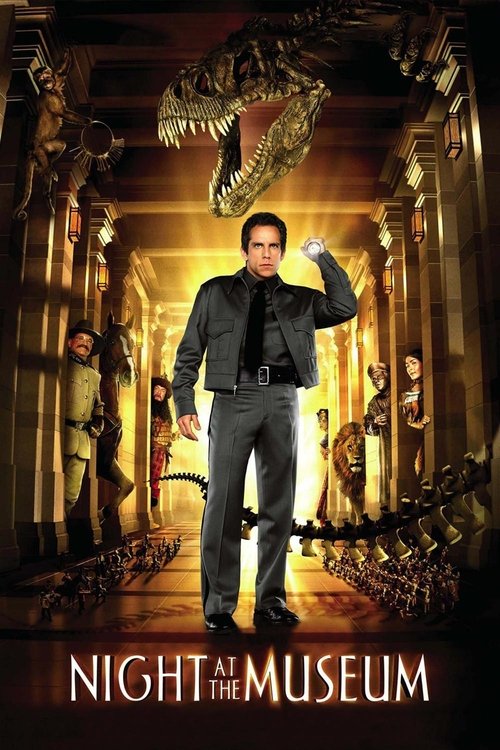
Night at the Museum
2006Chaos reigns at the natural history museum when night watchman Larry Daley accidentally stirs up an ancient curse, awakening Attila the Hun, an army of gladiators, a Tyrannosaurus rex and other exhibits.
As Octavius, Coogan manages to extract genuine character depth from a miniature figure. His bickering chemistry with Owen Wilson creates a comedic microcosm that often overshadows the larger spectacle of the franchise.
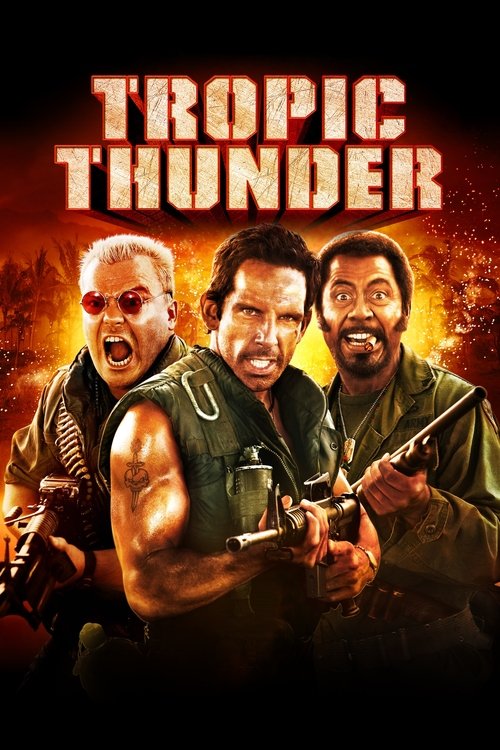
Tropic Thunder
2008A group of self-absorbed actors set out to make the most expensive war film ever. After ballooning costs force the studio to cancel the movie, the frustrated director refuses to stop shooting, leading his cast into the jungles of Southeast Asia, where they encounter real bad guys.
Coogan’s brief but volcanic presence as the frazzled director serves as the ultimate critique of Hollywood ego. His portrayal of a man physically disintegrating under the pressure of a runaway production is a high-water mark for his high-strung comedic style.
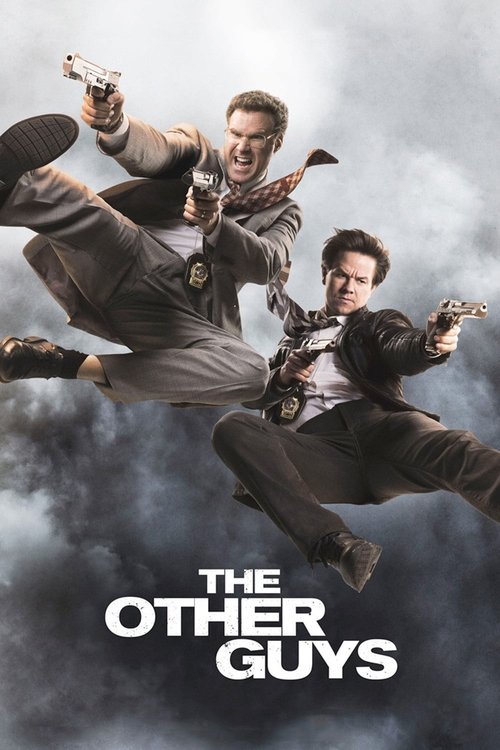
The Other Guys
2010Unlike their heroic counterparts on the force, desk-bound NYPD detectives Gamble and Hoitz garner no headlines as they work day to day. When a seemingly minor case turns out to be a big deal, the two cops get the opportunity to finally prove to their comrades that they have the right stuff.
Playing the straight man in a world of high-octane stupidity, Coogan excels as the white-collar villain whose mundane evil provides the necessary stakes for the slapstick. His ability to project unearned superiority makes him the ideal corporate antagonist for this absurdist buddy-cop dynamic.
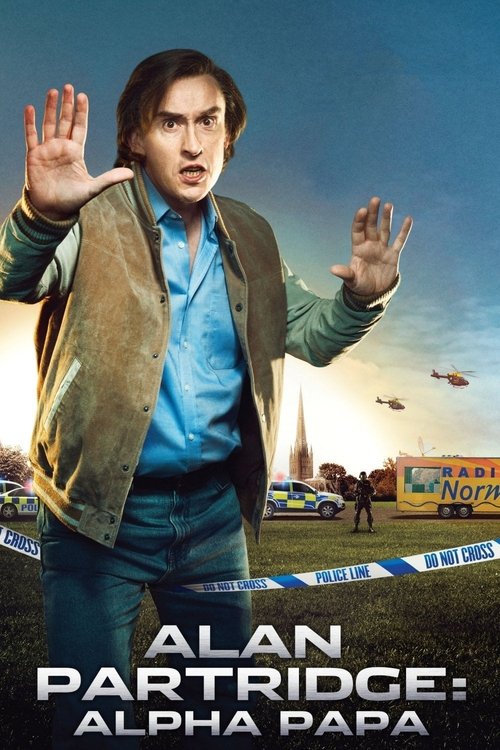
Alan Partridge: Alpha Papa
2013When famous DJ Alan Partridge’s radio station is taken over by a new media conglomerate, it sets in motion a chain of events which see Alan having to work with the police to defuse a potentially violent siege.
This cinematic expansion of his greatest creation allows Coogan to push Alan Partridge into the realm of the action hero while maintaining the character’s pathetic, low-stakes essence. It is a masterclass in comic timing, proving that his most iconic persona could sustain a feature-length siege.
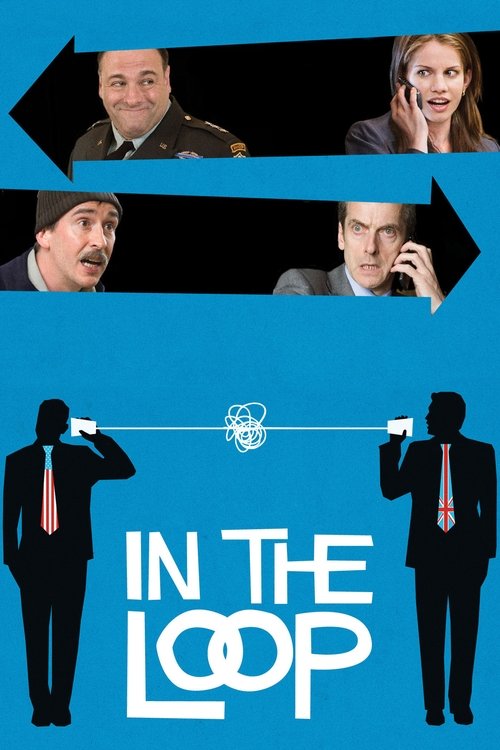
In the Loop
2009The US President and the UK Prime Minister are planning on launching a war in the Middle East, but—behind the scenes—government officials and advisers are either promoting the war or are trying to prevent it.
Even within a sprawling ensemble of caustic voices, Coogan stands out by playing a man spectacularly out of his depth. He finds a specific, hilarious rhythm in bureaucratic panic that complements the film’s rapid-fire political cynicism.
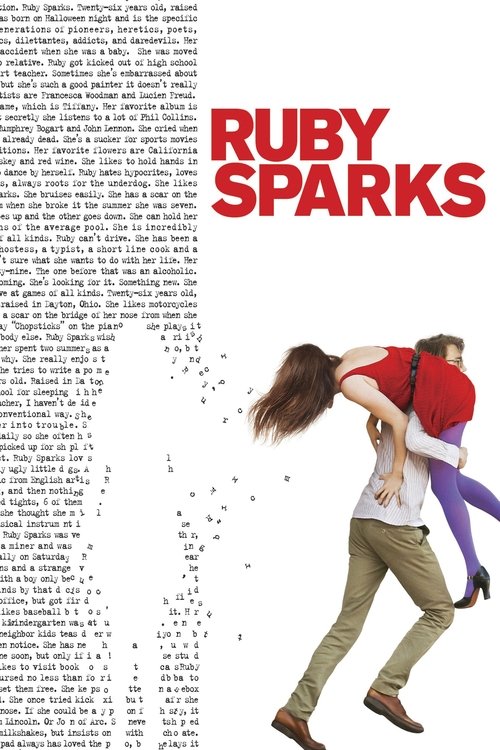
Ruby Sparks
2012Calvin is a young novelist who achieved phenomenal success early in his career but is now struggling with his writing – as well as his romantic life. Finally, he makes a breakthrough and creates a character named Ruby who inspires him. When Calvin finds Ruby, in the flesh, sitting on his couch about a week later, he is completely flabbergasted that his words have turned into a living, breathing person.
In a sharp pivot toward the predatory and the pretentious, Coogan provides a chillingly effective foil to the film’s central romance. He weaponizes his natural smugness to critique the toxic side of literary celebrity with surgical precision.
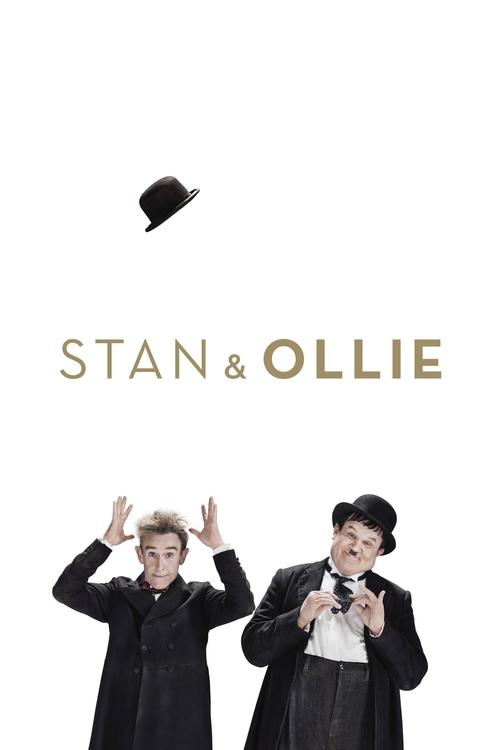
Stan & Ollie
2018With their golden era long behind them, comedy duo Stan Laurel and Oliver Hardy embark on a variety hall tour of Britain and Ireland. Despite the pressures of a hectic schedule, and with the support of their wives Lucille and Ida – a formidable double act in their own right – the pair's love of performing, as well as for each other, endures as they secure their place in the hearts of their adoring public
Achieving a miraculous feat of physical and vocal mimicry, Coogan captures the weary brilliance of Stan Laurel in his twilight years. This is a delicate, soulful study of creative partnership that avoids cheap impersonation in favor of deep psychological resonance.
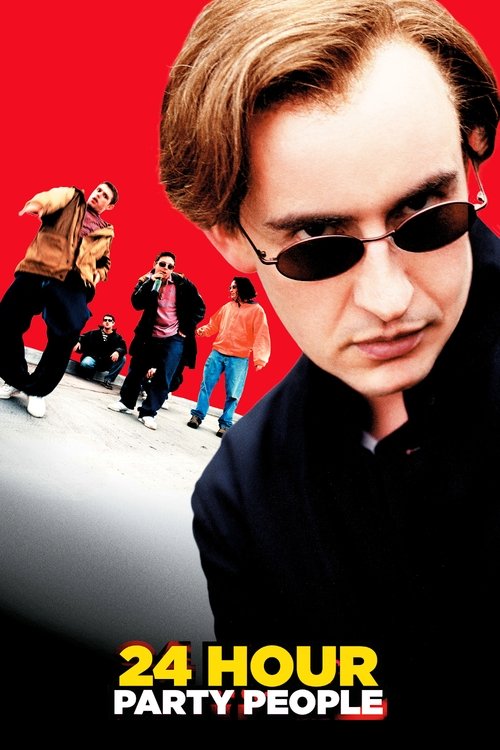
24 Hour Party People
2002Manchester, 1976. Tony Wilson is an ambitious but frustrated local TV news reporter looking for a way to make his mark. After witnessing a life-changing concert by a band known as the Sex Pistols, he persuades his station to televise one of their performances, and soon Manchester's punk groups are clamoring for him to manage them. Riding the wave of a musical revolution, Wilson and his friends create the legendary Factory Records label and The Hacienda club.
As the chaotic mouthpiece of the Manchester music scene, Coogan blurs the line between meta-commentary and earnest portrayal. It remains his definitive big-screen transformation, anchoring a frantic narrative with a performance that is both a love letter to and a parody of self-importance.
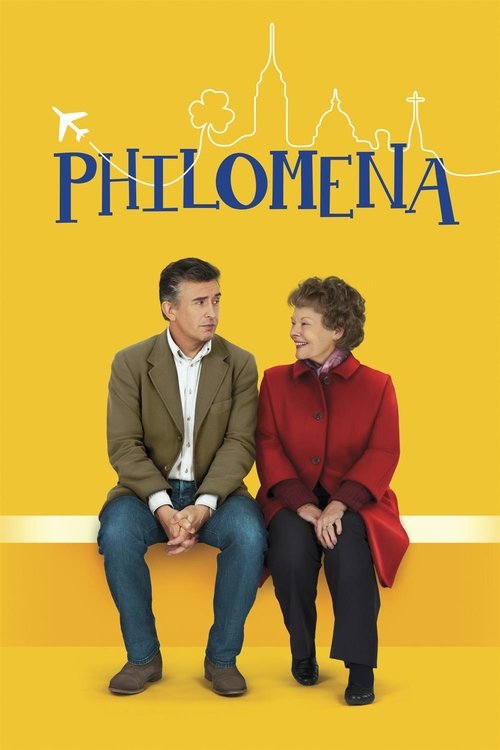
Philomena
2013A woman searches for her adult son, who was taken away from her decades ago when she was forced to live in a convent.
Coogan sheds his comedic armor to inhabit a role of quiet, empathetic frustration that redefined his career parameters. His restraint serves as the perfect conductor for the film’s emotional current, proving he could master dramatic weight without sacrificing his hallmark wit.
Frequently Asked Questions
Everything you need to know about this list and SnakeDrafts
- "Philomena" is ranked as Steve Coogan's greatest movie due to his critically acclaimed dramatic performance, which showcases his ability to balance empathy with subtle humor. Directed by Stephen Frears, this 2013 drama highlights Coogan's range beyond comedy, earning him widespread praise and award nominations.
- In "24 Hour Party People," Steve Coogan delivers a dynamic performance that blends comedy and drama, portraying Tony Wilson in the vibrant Manchester music scene. This 2002 film directed by Michael Winterbottom captures Coogan's skill in embodying real-life characters with both wit and depth.
- "Alan Partridge: Alpha Papa" ranks highly due to Coogan's iconic portrayal of his satirical and often cringe-worthy character Alan Partridge. This 2013 comedy effectively translates the beloved television persona to the big screen, highlighting Coogan's comedic timing and sharp satire.
- The inclusion of broad comedies like "Tropic Thunder" and family films like "Night at the Museum" showcases the range of Coogan's career, which some might not expect given his reputation for satire. However, the list omits several lesser-known independent films, likely focusing on works with more significant critical or commercial impact.
- The top-ranked movies often blend comedy with drama, revealing Coogan's strength in roles that require both humor and emotional depth. Films like "Philomena," "24 Hour Party People," and "Stan & Ollie" illustrate his talent for portraying complex, flawed characters with humanity.
- In "Stan & Ollie," Coogan takes on a tender and respectful portrayal of comedy legend Stan Laurel, focusing more on heartfelt drama than his usual satirical roles. This 2018 film underlines his versatility as an actor capable of nuanced, biographical storytelling.
- "In the Loop" is significant because it represents one of Coogan's sharpest political comedies, showcasing his capability to deliver rapid-fire, satirical dialogue. Directed by Armando Iannucci, this 2009 film highlights Coogan's expertise in blending humor with critique of political systems.
- The listicle carefully balances Steve Coogan's comedic fame with his dramatic achievements, featuring movies ranging from slapstick comedy like "The Other Guys" to poignant dramas like "Philomena." This diverse selection illustrates his unique ability to navigate between humor and serious themes effectively.