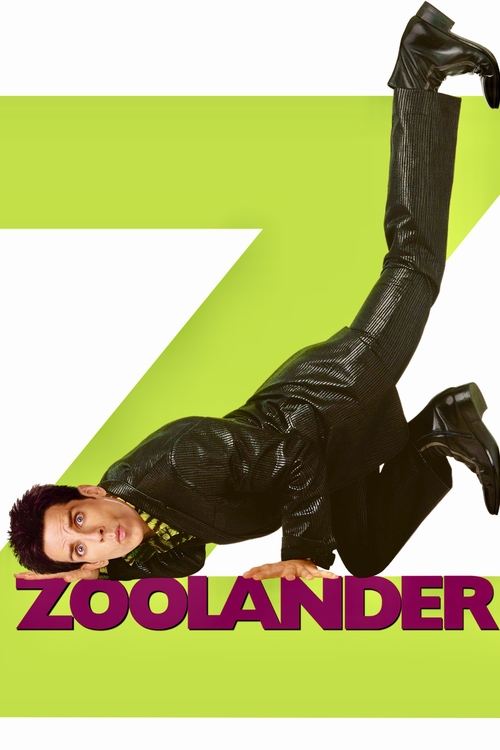
Zoolander
Unleash your inner Blue Steel with Zoolander, the uproarious comedy that skewers the superficial world of male modeling. When dim-witted supermodel Derek Zoolander faces an existential crisis and a new rival, he unwittingly becomes entangled in a devious plot to assassinate a world leader. Prepare for a hilarious ride through high fashion, espionage, and the enduring power of really, really good-looking people.
Director
Release Year
2001
Runtime
89 minutes
Genres
Main Cast
Ben Stiller, Owen Wilson, Christine Taylor, Will Ferrell, Milla Jovovich
About Zoolander
Zoolander, released in 2001, quickly established itself as a cult classic, celebrated for its unique brand of absurdist humor and memorable characters. Directed by and starring Ben Stiller, the film brilliantly parodies the fashion industry's eccentricities, creating a satirical world where looks are everything and intelligence is, well, less so. Its blend of physical comedy, witty dialogue, and a surprisingly endearing protagonist resonated with audiences, solidifying its place in early 2000s comedy.
The film's plot follows Derek Zoolander, a three-time Male Model of the Year, as his reign is threatened by the rising star Hansel. Amidst his professional turmoil and an identity crisis, Derek is unwittingly brainwashed by the nefarious fashion mogul Mugatu to assassinate the Prime Minister of Malaysia. This outlandish premise allows for a series of increasingly bizarre and hilarious events, as Derek, Hansel, and journalist Matilda Jeffries work to uncover and thwart the conspiracy. The narrative, while farcical, cleverly critiques consumerism and the pressures of celebrity.
Critically, Zoolander received mixed to positive reviews upon its release, with many praising Stiller's comedic vision and the performances of theensemble cast, including Owen Wilson as Hansel and Will Ferrell as Mugatu. Over time, its reputation has grown, with many critics and audiences recognizing its sharp satire and enduring quotability. The film's quotable lines and iconic moments, such as "Blue Steel" and the "walk-off," have become ingrained in popular culture, cementing its legacy as a beloved comedy.
Zoolander's cultural impact extends far beyond its initial theatrical run. It inspired a sequel, a comic book series, and countless imitations. Its sharp commentary on the fashion industry, albeit exaggerated, sparked conversations about beauty standards and the superficiality of certain aspects of modern culture. The movie's enduring popularity is a testament to its unique humor, its unforgettable characters, and its ability to poke fun at an industry that often takes itself too seriously. It remains a go-to film for those seeking a laugh and a reminder that even the most vacuous among us can save the world.
Drafts Featuring Zoolander
Every SnakeDrafts listicle where this movie appears
The Best Will Ferrell Movies
Ranked #8
The Best Owen Wilson Movies Ranked
Ranked #2
The Best Ben Stiller Movies Ranked
Ranked #3
The Definitive Alexander Skarsgård Movie Ranking
Ranked #18
Milla Jovovich's Top Movies Ranked
Ranked #14
The Definitive Ranking of Comedy Movies
Ranked #35
Best 2001 Movies of All Time
Ranked #19
The Greatest 2000s Comedy Movies Ranked
Ranked #7
Similar Movies
Movies related to Zoolander
Austin Powers: International Man of Mystery
1997
Anchorman: The Legend of Ron Burgundy
2004
Talladega Nights: The Ballad of Ricky Bobby
2006
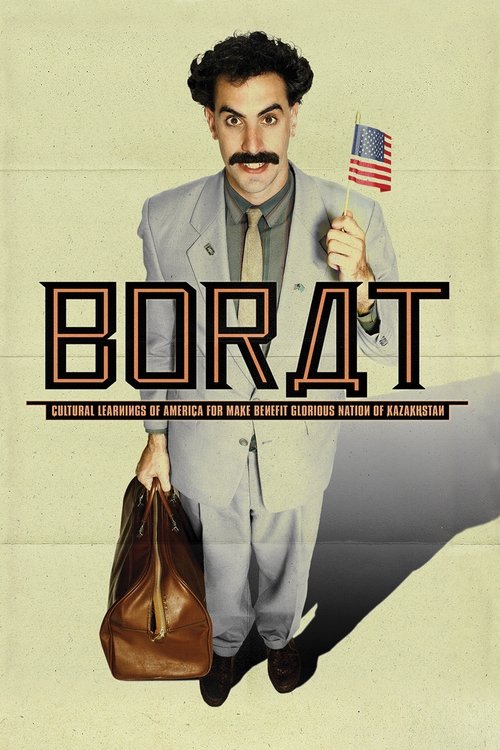
Borat: Cultural Learnings of America for Make Benefit Glorious Nation of Kazakhstan
2006
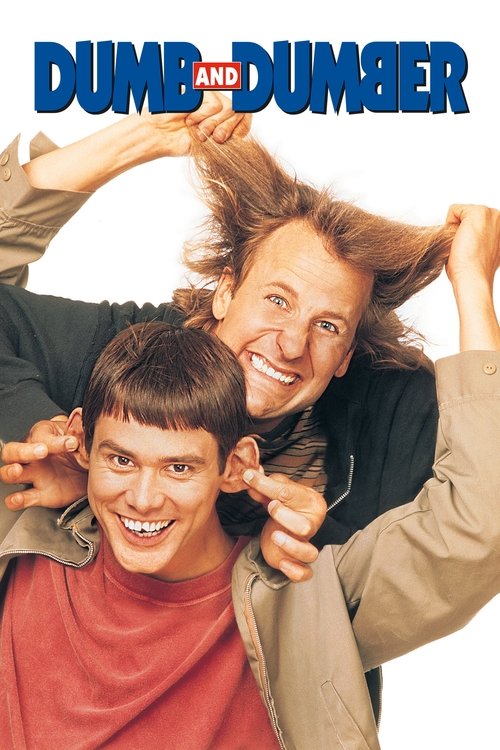
Dumb and Dumber
1994
Frequently Asked Questions
Everything you need to know about Zoolander
- Blue Steel is Derek Zoolander's signature modeling pose, characterized by a pursed-lips, intense gaze. It's meant to be a symbol of his iconic status and perceived mastery of facial expressions in the high-stakes world of male modeling, despite its comical lack of variation. The joke highlights the superficiality and often absurd seriousness attributed to model poses.
- Mugatu's elaborate assassination plot is driven by his desire to maintain the profitability of child labor in the fashion industry. The Malaysian Prime Minister's stance against child labor threatens Mugatu's business model, leading him to orchestrate the assassination to protect his unethical practices. This adds a darkly comedic layer to the film's satire of the fashion world's darker underbelly.
- Hansel serves as Derek's primary rival and eventual ally, representing a more unconventional and free-spirited approach to modeling compared to Derek's traditional, albeit dim-witted, style. While Derek is obsessed with his established image, Hansel embodies a new wave of fashion, challenging Derek's perception of himself and forcing him to evolve. Their contrasting personalities create much of the film's comedic dynamic.
- The 'Mer-man' scene, where Derek believes he's transforming into a mermaid after an encounter with a hallucinogenic fish, is a surreal and memorable moment that underscores his naiveté and susceptibility to suggestion. It further emphasizes the film's embrace of the absurd and provides a visual gag that highlights Derek's detachment from reality. This scene is often cited for its unique blend of humor and bizarre imagery.
- The climax of the film involves a 'walk-off' competition, which is a satirical take on fashion show rivalries, elevated to an absurd degree. It's not just a modeling showdown, but a battle of wits and style that ultimately exposes Mugatu's plot and allows Derek to use his unique talents, even his limited range of facial expressions, to save the day. The walk-off symbolizes the resolution of Derek's journey from superficiality to a hero who embraces his own identity.

