A Ranking of Jim Brown's Best Movies
From Gridiron Greatness to Cinema Icons
Discover the essential filmography of Jim Brown, featuring his most iconic roles in action classics and powerful Hollywood dramas.
About Jim Brown
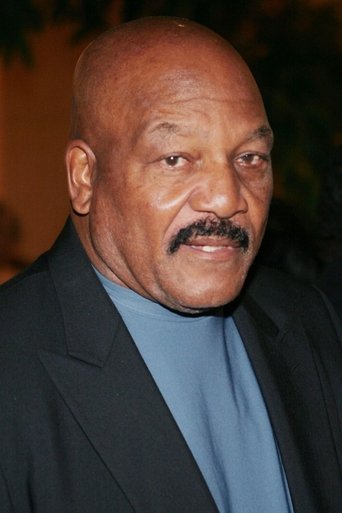
When Jim Brown walked away from professional football at the absolute peak of his powers, he did not just switch uniforms. He dismantled the archetype of what a black leading man could be in Hollywood. Standing on the set of The Dirty Dozen in London, he essentially gave notice to the NFL that he had found a new brand of dominance. As Robert Jefferson, the stoic commando whose explosive athleticism powered the film’s climax, he brought a physical threat that felt entirely revolutionary. Unlike the polished, safe personas of previous eras, he possessed a smoldering intensity that did not ask for permission to occupy the screen.
Audiences gravitated toward him because he moved with the predatory grace of an apex predator who just happened to be wearing a suit or a gun belt. In the late sixties and early seventies, he became a pillar of the action genre by refusing to be a sidekick. Whether he was navigating the brutal landscapes of Dark of the Sun or navigating the intrigue of Ice Station Zebra, he remained an immovable object. He functioned as a bridge between the classic studio era and the gritty rebellion of the Blaxploitation movement. Projects like Slaughter and Three the Hard Way saw him lean into his status as a folk hero, a man who could outmuscle any adversary and outwit any system.
His cultural impact was perhaps most felt in 100 Rifles, where he broke a massive social barrier alongside Raquel Welch, proving that his charisma could carry a western just as easily as it could a war epic. He was the first real evidence that a professional athlete could translate sheer physical presence into nuanced stardom. Even in his debut in Rio Conchos or his dryly humorous turn in The Fortune Cookie, there was a gravity to him that prevented the camera from looking elsewhere. He did not need to shout to be the loudest person in the room.
As the decades shifted, he transitioned into an elder statesman role that required even less movement to exert even more power. He became a favorite of directors like Spike Lee, who utilized his weary authority in He Got Game. He showed an unexpected willingness to poke fun at his own indestructible image in the campy chaos of Mars Attacks! and played the ultimate enforcer in The Running Man. When he appeared as a veteran coach in Any Given Sunday, it felt less like a role and more like a coronation. He brought a lived-in wisdom to those later performances, a quiet steel that regular actors simply cannot manufacture.
Beyond the box office totals, his legacy is defined by a refusal to compromise. He carried the same terrifying confidence into a scene with Harvey Keitel in Fingers as he did during the high-stakes heist of The Split. People connected with him because he represented a raw, unvarnished masculinity that felt earned rather than practiced. He was not just a movie star; he was a force of nature who taught Hollywood that power is most effective when it is held in reserve. He left behind a blueprint for every athlete who has ever dreamed of a second act, though few have ever matched his singular, shattering impact on the frame.
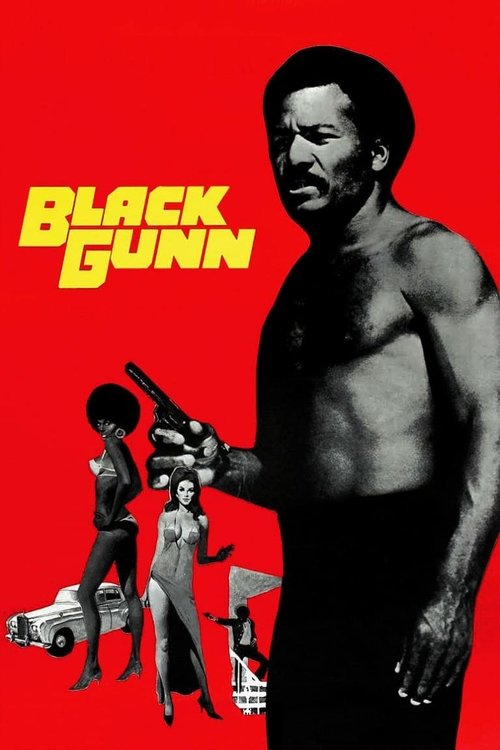
Black Gunn
1972A successful and popular nightclub owner who believes financial independence is the path to equality and success, must act as a go-between for militant-minded brother and the white gang syndicate his brother has attacked and robbed. Their involvements lead to a breathless race course chase, the destruction of a dopepusher and a violent waterfront climax.

Sucker Free City
2004The film follows three young men as they are drawn into lives of crime. Nick (Crowley) uses his entry-level corporate job to commit credit card fraud and deals drugs on the side. K-Luv (Mackie) is a member of the "V-Dubs", an African-American street gang. Lincoln (Leung) is a rising figure in the Chinese mafia. Gentrification forces Nick's family to move out of their home in the Mission District into Hunter's Point where they are harassed by the V-Dubs. K-Luv's side business of selling bootleg compact discs leads him to enlist Nick's help to bootleg CDs and to negotiate a truce with Lincoln. Lincoln conducts an affair with his boss' daughter Angela (Carpio), a Stanford student engaged to a medical student classmate.
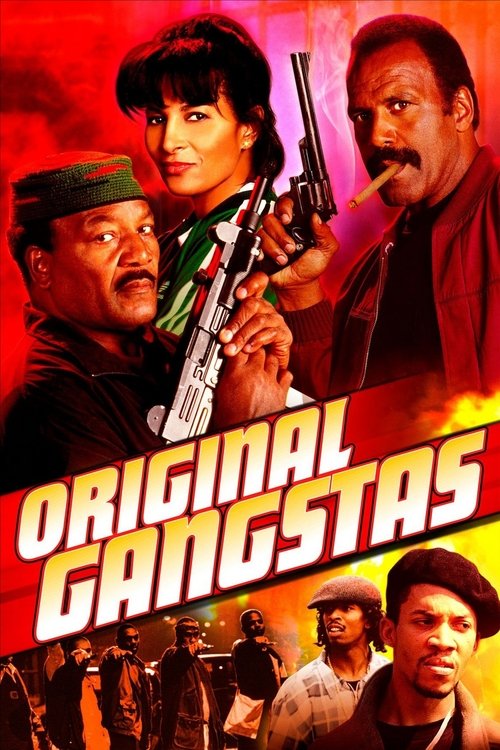
Original Gangstas
1996The Rebels rule the streets of Gary, Indiana. They shoot storekeeper Marvin Bookman for giving the police information about a drive-by shooting they committed. Marvin’s son, former NFL star and Rebel founder John returns to be with his father and, with a little help from some friends, to destroy the gang his way.
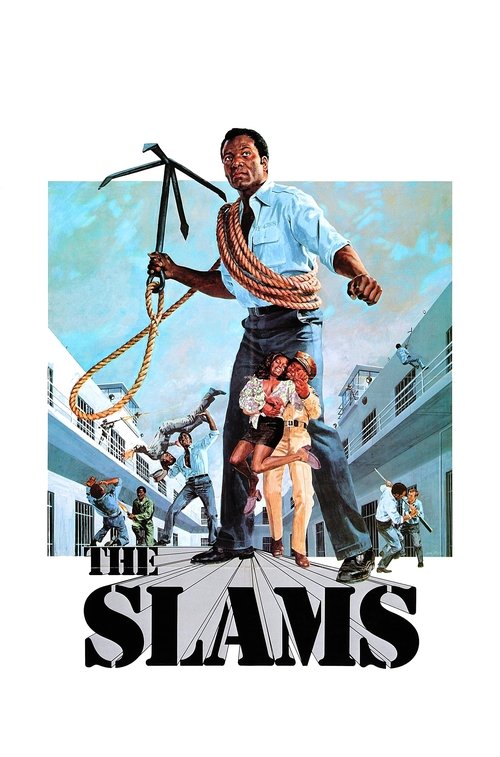
The Slams
1973Rival prison factions surround a Los Angeles convict who has $1.5 million stashed on the outside.
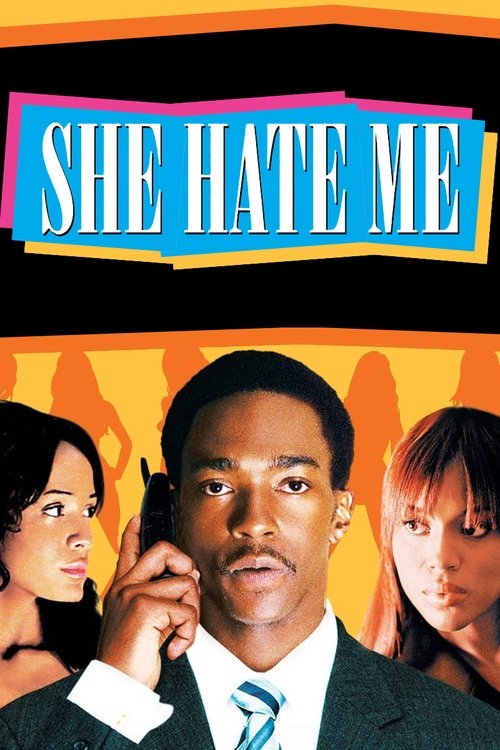
She Hate Me
2004Fired from his job, a former executive turns to impregnating wealthy lesbians for profit.
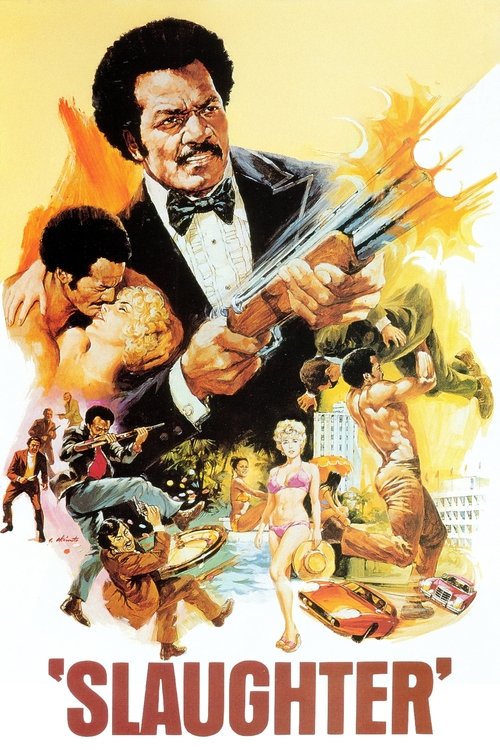
Slaughter
1972Slaughter, a former Green Beret, avenges the killing of loved ones by the Mob, and after being blackmailed by the feds, is forced to head to South America to finish the mobsters off.
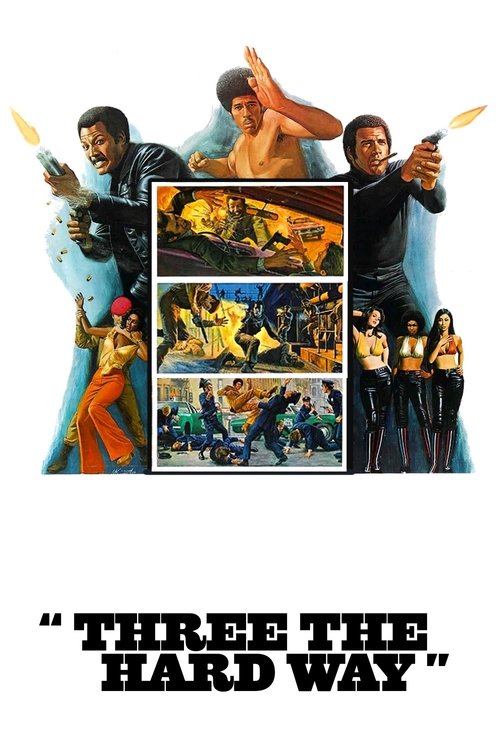
Three the Hard Way
1974After his wife is kidnapped by a group of White supremacists, a record producer teams up with a PR man and a martial artist to get her back and put a stop to their plot to poison the water supply with a toxin that only kills Black people.
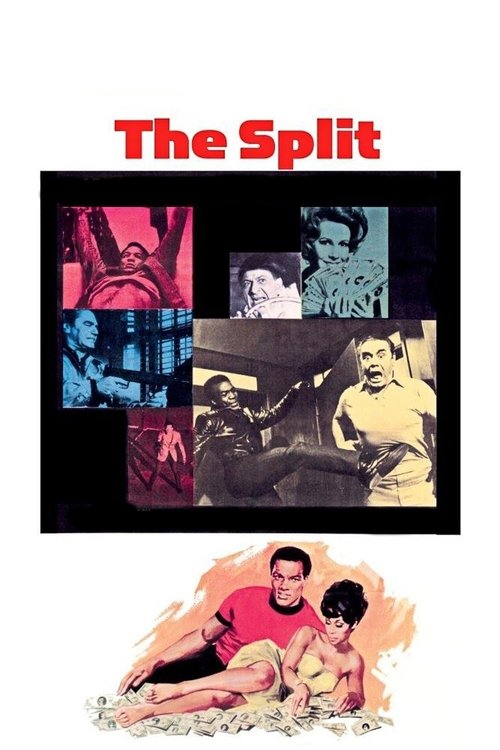
The Split
1968A group of thieves attempt a daring robbery of a football stadium.
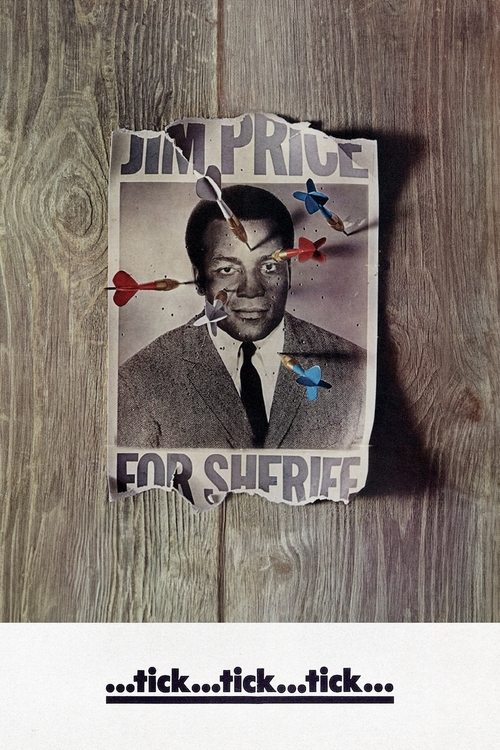
… tick… tick… tick…
1970Racial tensions threaten to explode when a black man is elected sheriff of a small, racially divided town in the Deep South.
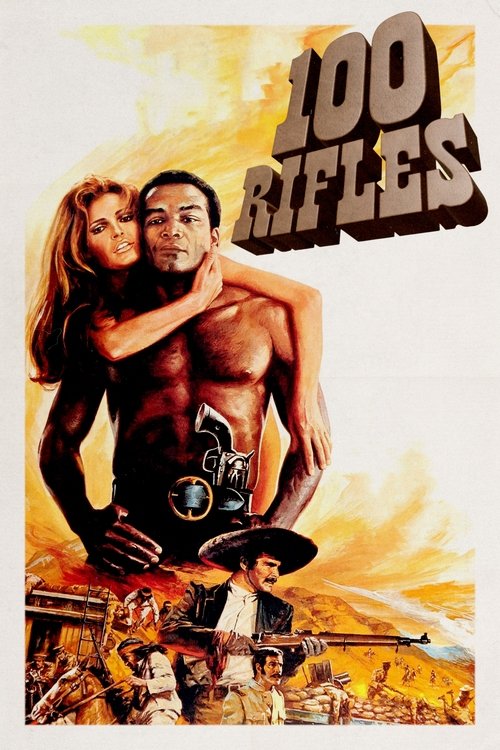
100 Rifles
1969When half-breed Indian Yaqui Joe robs an Arizona bank, he is pursued by dogged lawman Lyedecker. Fleeing to Mexico, Joe is imprisoned by General Verdugo, who is waging a war against the Yaqui Indians. When Lyedecker attempts to intervene, he is thrown into prison as well. Working together, the two escape and take refuge in the hills, where Lyedecker meets beautiful Yaqui freedom fighter Sarita and begins to question his allegiances.
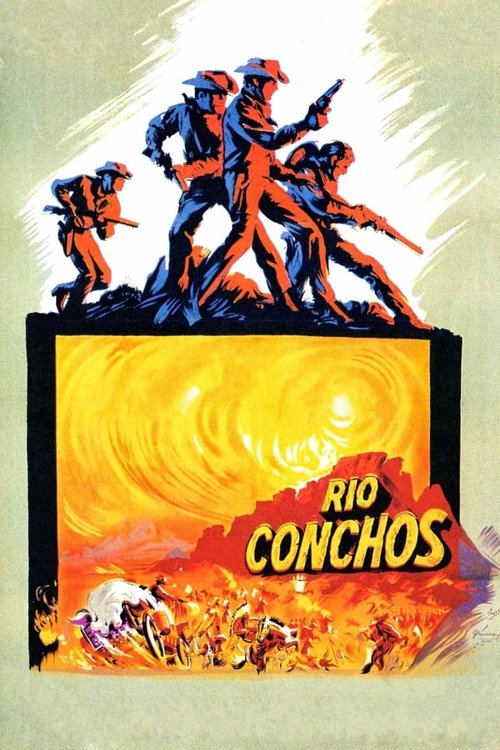
Rio Conchos
1964Two Army officers, an alcoholic ex-Confederate soldier and a womanizing Mexican travel to Mexico on a secret mission to prevent a megalomaniacal ex-Confederate colonel from selling a cache of stolen rifles to a band of murderous Apaches.
Even in an early supporting capacity, Brown commands the screen with a flinty resolve that foreshadowed his total takeover of the action genre. He injects the traditional Western format with a modern, unapologetic toughness that felt revolutionary for the mid-sixties.
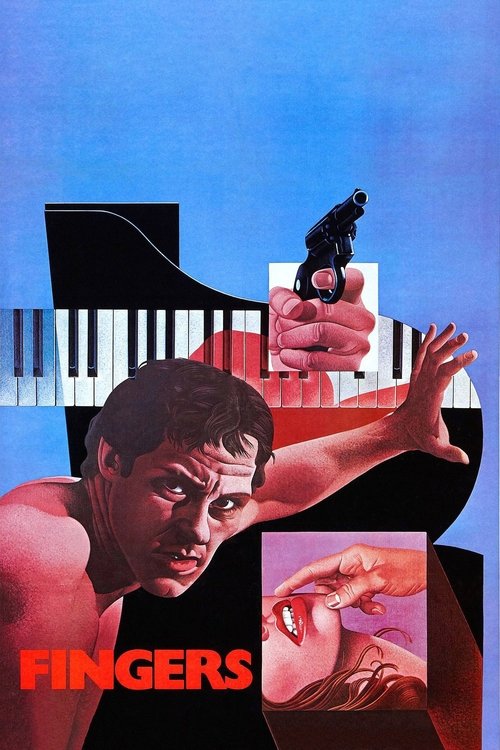
Fingers
1978A wanna-be concert pianist spends his days making a living by collecting debts for his Mafioso father, a lifestyle that could eventually ruin his dreams of a musical career.
In this gritty character study, Brown occupies the screen with a predatory, cold-eyed charisma that showcases his range in the realm of arthouse crime drama. It is a sharp departure from his more heroic roles, highlighting a capacity for psychological menace.
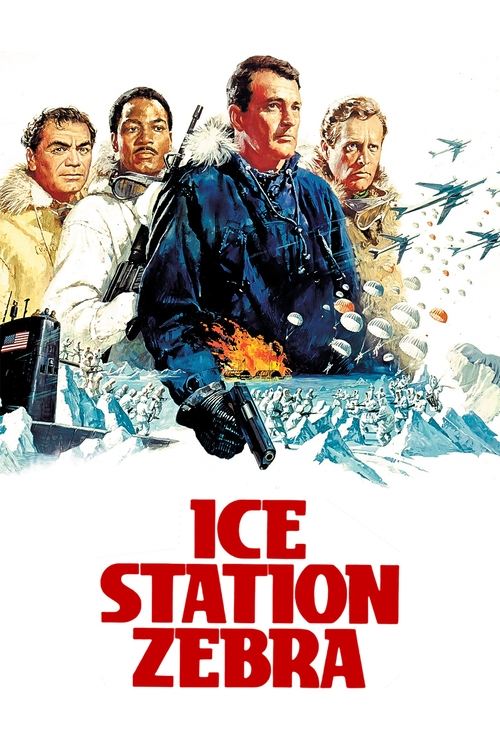
Ice Station Zebra
1968A top-secret Soviet spy satellite -- using stolen Western technology -- malfunctions and then goes into a descent that lands it near an isolated Arctic research encampment called Ice Station Zebra, belonging to the British, which starts sending out distress signals before falling silent. The atomic submarine Tigerfish, commanded by Cmdr. James Ferraday (Rock Hudson), is dispatched to save them.
Placed within the high-tension confines of a submarine, Brown’s understated intensity provides a necessary friction against the ensemble cast. He excels here by doing less, allowing his formidable physical presence to create a sense of constant, unspoken stakes.
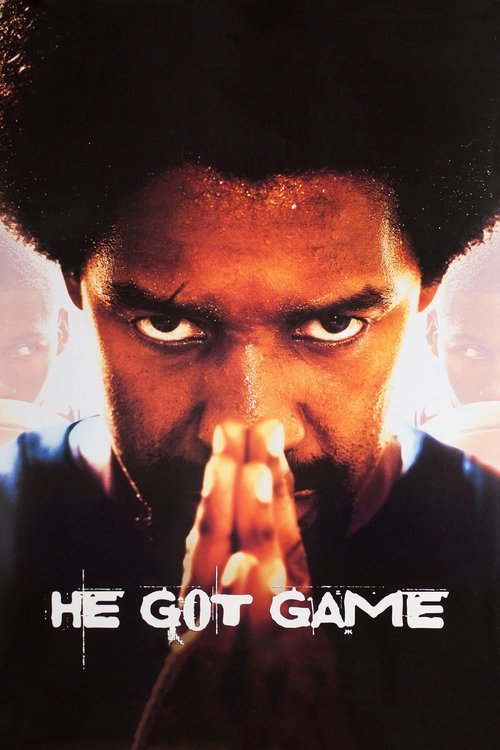
He Got Game
1998A basketball player's father must try to convince him to go to a college so he can get a shorter prison sentence.
Brown brings a grounded, elder-statesman quality to Spike Lee's basketball drama, acting as a bridge between generations of Black athletes. His presence feels lived-in and weary, offering a nuanced perspective on the burdens of fame and historical legacy.
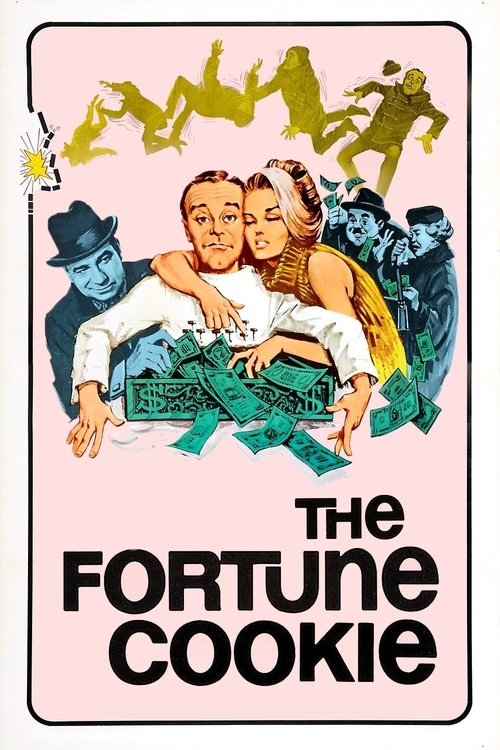
The Fortune Cookie
1966TV cameraman Harry Hinkle is injured while filming a football game. Seeing big dollar signs, his unscrupulous ambulance-chasing lawyer brother-in-law Willie Gingrich enters the picture, and convinces Harry to overstate his injuries and claim $1 million in pain and suffering. Harry's similarly-minded ex-wife suddenly reappears in an attempt to rekindle their relationship.
In his debut role, Brown displays a remarkable naturalism that avoids the stiffness common to athletes turned actors. He holds his own against industry giants like Jack Lemmon, proving immediately that his screen appeal was rooted in genuine talent rather than mere celebrity.
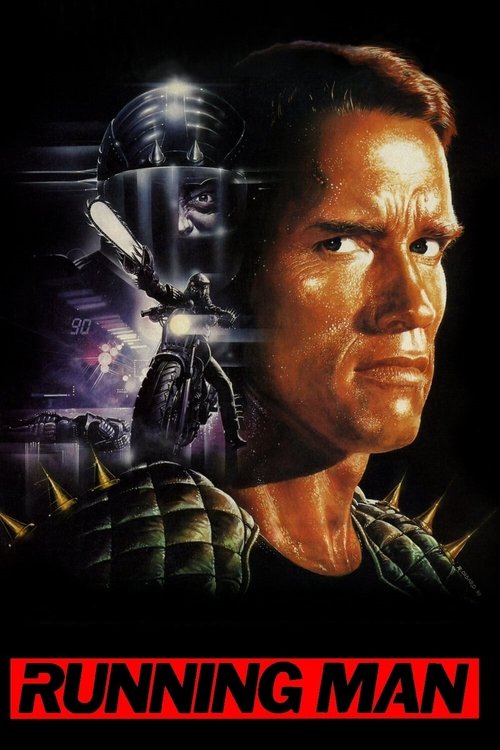
The Running Man
1987By 2017, the global economy has collapsed and U.S. society has become a totalitarian police state, censoring all cultural activity. The government pacifies the populace by broadcasting a number of game shows in which convicted criminals fight for their lives, including the gladiator-style The Running Man, hosted by the ruthless Damon Killian, where “runners” attempt to evade “stalkers” and certain death for a chance to be pardoned and set free.
Playing the ruthless Fireball, Brown leans into a theatrical villainy that proves he could dominate the screen even when playing against his usual protagonist streak. His participation adds a layer of genuine sporting grit to the neon-soaked dystopian artifice.
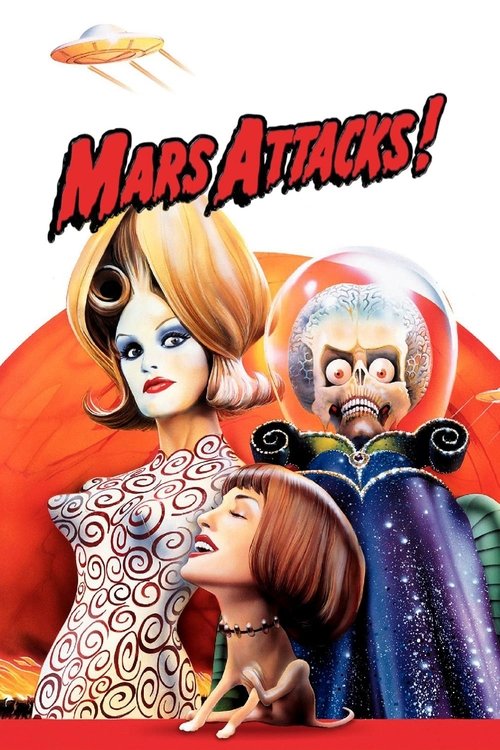
Mars Attacks!
1996A fleet of Martian spacecraft surrounds the world's major cities and all of humanity waits to see if the extraterrestrial visitors have, as they claim, "come in peace." U.S. President James Dale receives assurance from science professor Donald Kessler that the Martians' mission is a friendly one. But when a peaceful exchange ends in the total annihilation of the U.S. Congress, military men call for a full-scale nuclear retaliation.
Subverting his tough-guy image with a wink, Brown displays an unexpected comedic timing while still functioning as the film's most heroic physical specimen. Tim Burton leverages the actor's iconic stature to create a satirical yet sincere tribute to the unstoppable action stars of yesteryear.
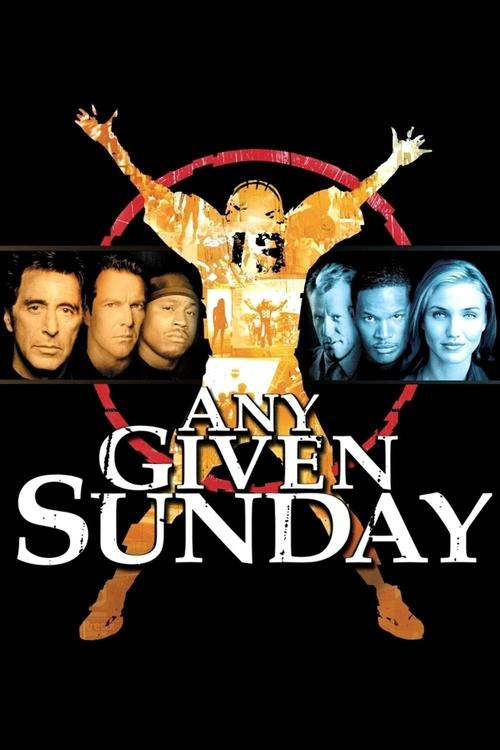
Any Given Sunday
1999A star quarterback gets knocked out of the game and an unknown third stringer is called in to replace him. The unknown gives a stunning performance and forces the aging coach to reevaluate his game plans and life. A new co-owner/president adds to the pressure of winning. The new owner must prove herself in a male dominated world.
Oliver Stone utilizes Brown's legacy as a football titan to lend the film instant credibility and a weathered, soulful authority. He serves as the production's spiritual anchor, bridging the gap between his real-world athletic dominance and his seasoned cinematic presence.
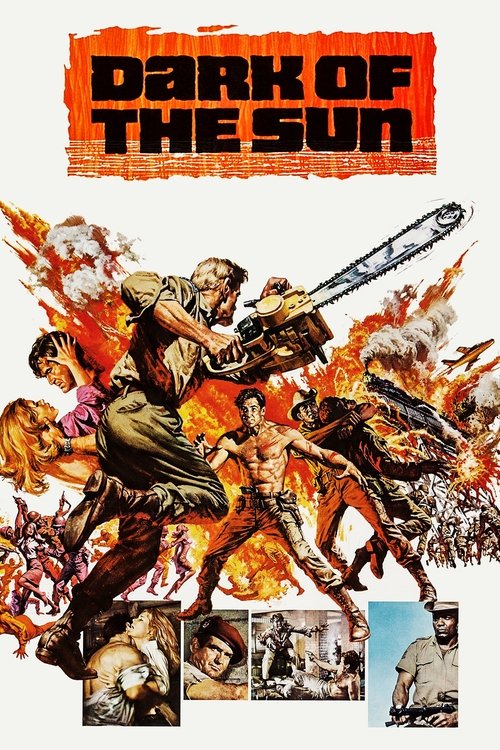
Dark of the Sun
1968A band of mercenaries led by Captain Curry travel through war-torn Congo across deadly terrain, battling rival armies, to steal $50 million in uncut diamonds. But infighting, sadistic rebels and a time lock jeopardize everything.
In this visceral mercenary saga, Brown provides a crucial moral weight and a physical gravitas that grounds the film's frenetic violence. It remains a masterclass in his ability to command the frame through silent, intimidating composure.
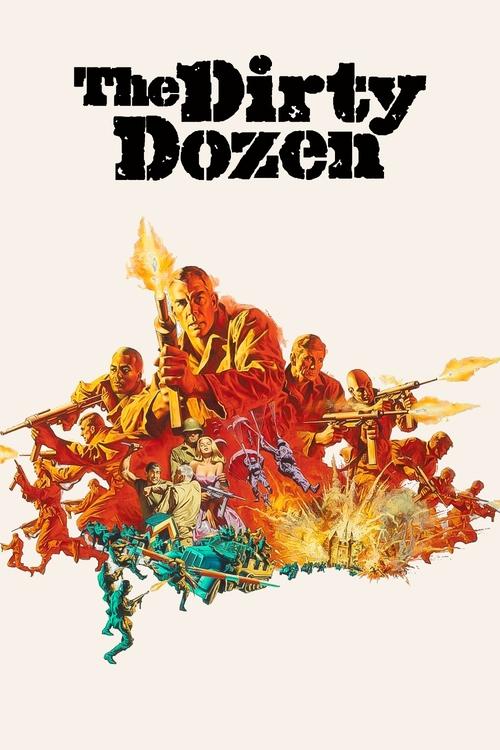
The Dirty Dozen
196712 American military prisoners in World War II are ordered to infiltrate a well-guarded enemy château and kill the Nazi officers vacationing there. The soldiers, most of whom are facing death sentences for a variety of violent crimes, agree to the mission and the possible commuting of their sentences.
Brown radiates a dangerous, bottled-up energy that fundamentally shifted the archetype of the Black action hero in Hollywood. This performance established his transition from the gridiron to the screen as a force of nature who could out-tough the most seasoned character actors in the business.
Frequently Asked Questions
Everything you need to know about this list and SnakeDrafts
- Jim Brown's role in The Dirty Dozen is widely regarded as groundbreaking, where he played Robert Jefferson, a stoic commando. The film’s intense action sequences and Brown's commanding presence helped redefine black leading men in Hollywood action movies.
- Jim Brown transitioned from professional football to acting, breaking racial stereotypes with his powerful roles. Dark of the Sun is a key film representing this shift, showcasing him in a tough, dramatic war adventure that highlighted his screen magnetism.
- Jim Brown starred in The Running Man, a science fiction thriller set in a dystopian future. His character adds intensity and a physical presence crucial to the film’s critique of media violence and authoritarian control.
- Mars Attacks! stands out as a comedic and stylized sci-fi film where Jim Brown showcased his versatility by embracing a humorous and fantastical character. This contrasts with his usual action-packed and dramatic roles, highlighting his range as an actor.
- Films like Three the Hard Way and Slaughter emphasize Brown's dominance in 1970s action and crime thrillers. These roles feature him as a strong lead fighting against injustice, cultivating his legacy as a trailblazer in these genres.
- In Any Given Sunday, Jim Brown plays a retired football legend turned mentor, a role that draws directly from his own football career. His authentic portrayal adds depth and realism to the film’s exploration of sports culture and leadership.
- Jim Brown’s films often center on themes of strength, resilience, and challenging societal norms, seen in movies like The Dirty Dozen and …tick… tick… tick…. These themes contributed to his iconic status by reshaping the narrative of black masculinity and heroism in Hollywood.
- Jim Brown worked with notable directors such as Robert Aldrich in The Dirty Dozen and Spike Lee in He Got Game. These collaborations helped him tackle diverse roles from war dramas to poignant family stories, expanding his influence and versatility in cinema.