The Best Crime Movies of 1980, Ranked
Gritty Noir and Classic Thrillers from a Landmark Year
Explore the best crime cinema of the decade. From gritty underworld dramas to cult thrillers, discover the top films that defined the genre.
About 1980 Crime Movies
In the rearview mirror of cinematic history, 1980 often looks like a year of monumental transitions. It was the moment the grit of the seventies began to collide with the neon-soaked excess of the eighties. Nowhere was this friction more evident than in the crime genre. The pulp and street-level realism that defined the previous decade had not yet evaporated, but it was starting to evolve into something more cold, more stylish, and perhaps more cynical.
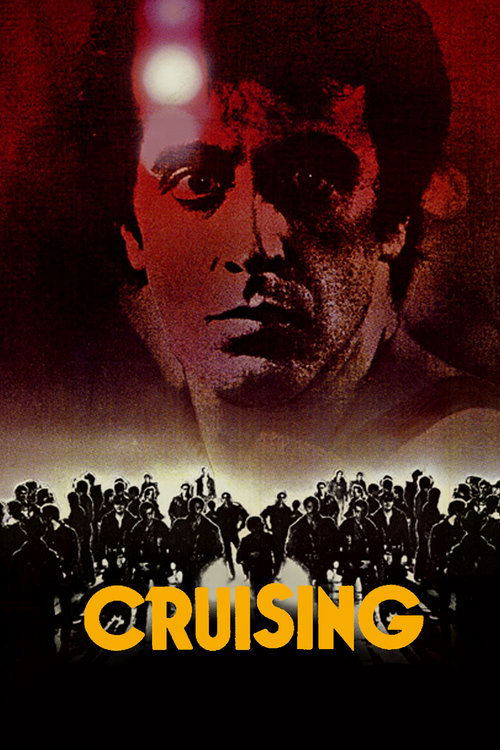
If you want to understand the shifting tides of 1980, you have to start with William Friedkin and his controversial masterpiece, Cruising. While it was met with protests and critical confusion upon its release, the film remains a staggering example of the urban nightmare. Al Pacino plays an undercover cop descending into the underground leather bars of New York City to catch a serial killer. It is a movie that feels like it was filmed in the vents of a subway station. It captures a specific, grimy zeitgeist that was quickly disappearing as the decade turned toward the slicker aesthetics of the Reagan era. Cruising was the crime film stripped of its heroism, replaced instead by identity crises and shadows.
However, if Cruising represented the dying embers of the seventies New Hollywood, then Michael Mann’s Thief was the herald of the future. Actually released in early 1981 but produced and perfected throughout 1980, it serves as the definitive bridge. James Caan delivered one of his most measured performances as Frank, a professional high-stakes burglar looking for a clean break. With its Tangerine Dream score and rainy, backlit Chicago streets, Thief introduced a technical precision and an aesthetic vocabulary that would define crime movies for the next twenty years. It turned the criminal into a lonely craftsman and the city into a blue-tinted grid of lights.
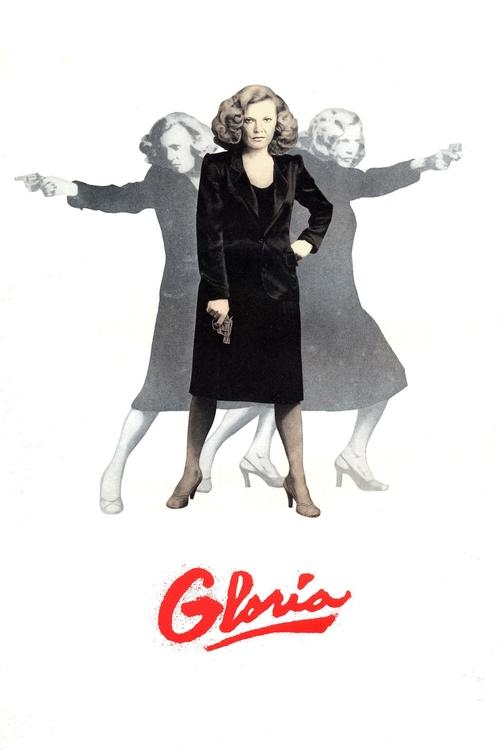
The year also gave us a different kind of darkness with John Cassavetes and Gloria. Breaking away from his usual improvisational dramas, Cassavetes directed Gena Rowlands in a hard-boiled story about a mob stress who goes on the run with a young boy. It was a film that proved the crime genre could still be deeply human and character-driven, even when there were guns drawn. Rowlands, in her high heels and silk shirts, firing a revolver at a sedan full of goons, became an instantly iconic image of feminine strength in a traditionally masculine genre.
We cannot overlook the international contribution either. Across the pond, The Long Good Friday was preparing to change the British gangster film forever. Bob Hoskins gave the performance of a lifetime as Harold Shand, an old-school kingpin watching his empire crumble under the pressure of a shifting world and the unseen force of the IRA. It was a brutal, intelligent look at the intersection of capital, politics, and violence.
Looking back, 1980 was less about a single definitive trend and more about a genre in a state of flux. It was a year where the police procedural became more psychological, the heist movie became more atmospheric, and the gangster film became more political. The films of this year suggested that the hero was no longer a person who could save the city, but someone who was simply trying to survive the night. As we shifted from the era of the anti-hero into the era of the high-concept blockbuster, these crime films reminded us that the most compelling stories usually happen in the dark.
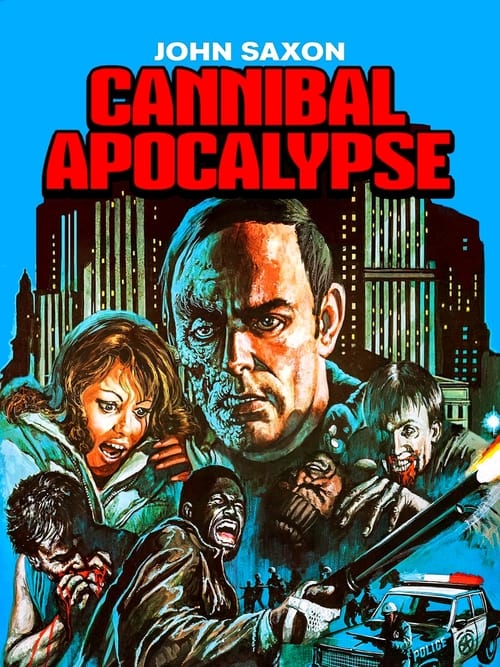
Cannibal Apocalypse
1980Released from captivity in Vietnam, two American Army officers return to civilian life and discover they have acquired an insatiable taste for human flesh. A city is terrorised... as they stalk the inhabitants to satisfy their primitive appetites.
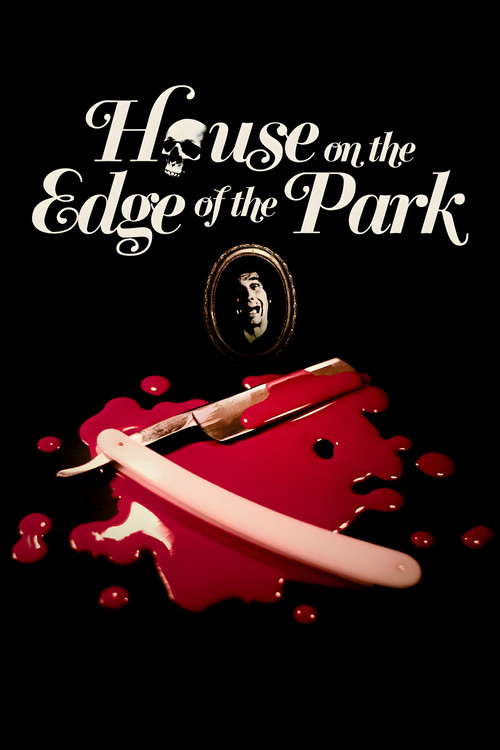
House on the Edge of the Park
1980A posh couple experience car trouble on their way to a villa party and stop into a local mechanic's shop for assistance, unaware of his shady background. After he and his mentally challenged assistant fix the car, the couple invite them to the party to return the favor, leading to an evening of mayhem.
The Mirror Crack'd
1980Jane Marple solves the mystery when a local woman is poisoned and a visiting movie star seems to have been the intended victim.
Emmanuelle: Queen of Sados
1980A woman struggles to keep her stepdaughter from harms way after she hires an assassin to kill her husband, but the hitman turns and blackmails her for the crime.
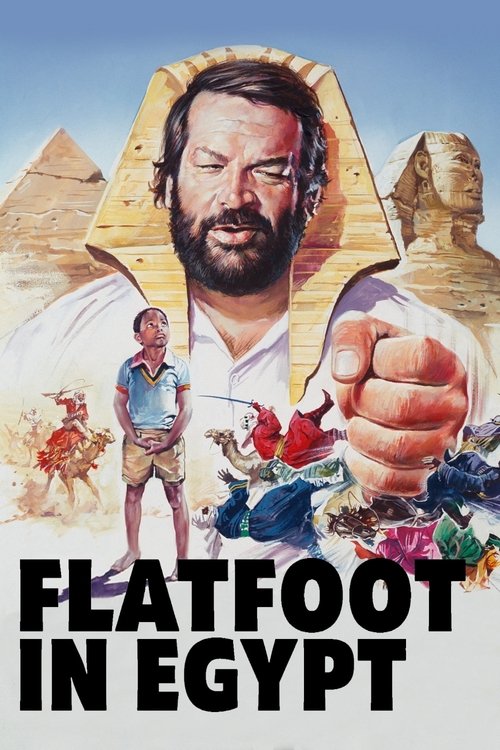
Flatfoot in Egypt
1980Inspector Rizzo and Marshal Caputo go to Egypt and look for Professor Cerullo, who is missing.
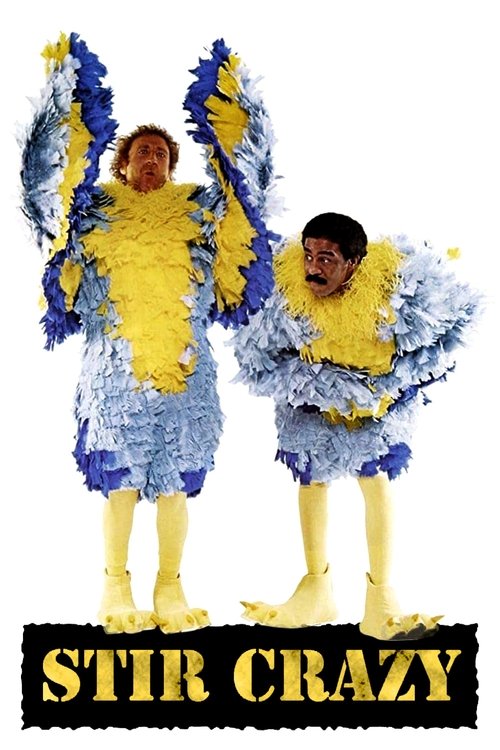
Stir Crazy
1980New Yorkers Skip Donahue and Harry Monroe have no jobs and no prospects, so they decide to flee the city and find work elsewhere, landing jobs wearing woodpecker costumes to promote the opening of a bank. When their feathery costumes are stolen and used in a bank robbery, they no longer have to worry about employment — they're sent to prison.
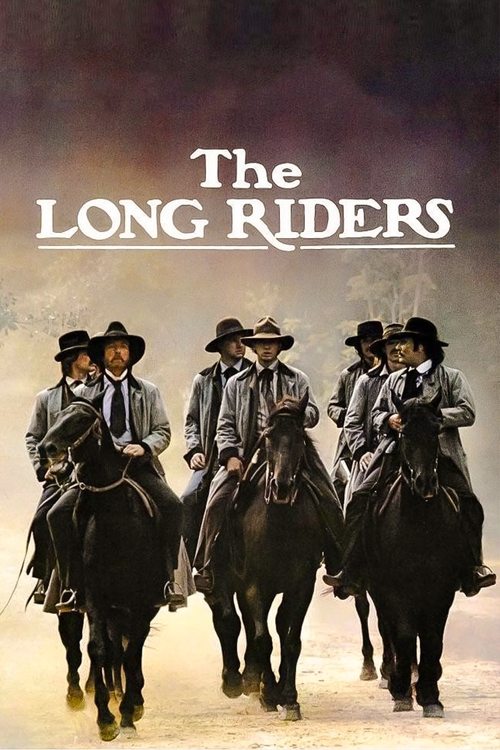
The Long Riders
1980The origins, exploits and the ultimate fate of the James gang is told in a sympathetic portrayal of the bank robbers made up of brothers who begin their legendary bank raids because of revenge.
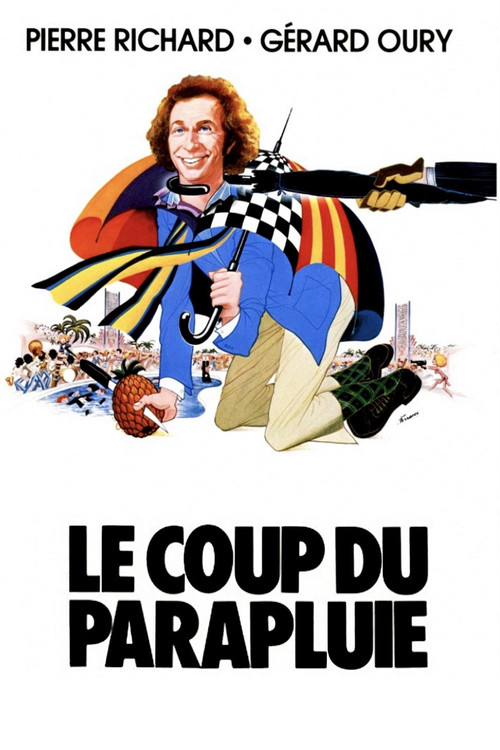
Umbrella Coup
1980Grégoire Lecomte, the unlucky actor anxious to find a "real job", goes to take a screen test for a role of a killer, but gets to mafiosi by mistake. He takes their don for a producer, and they mistake him for a hitman with whom they had an appointment. Deluded Lecomte signs contract with them. He is supposed to kill gun dealer Otto Krampe at his birthday party in Saint-Tropez by piercing him with a cap of the umbrella with a built-in syringe with potassium cyanide. Lecomte is not aware that it has to be a real murder.
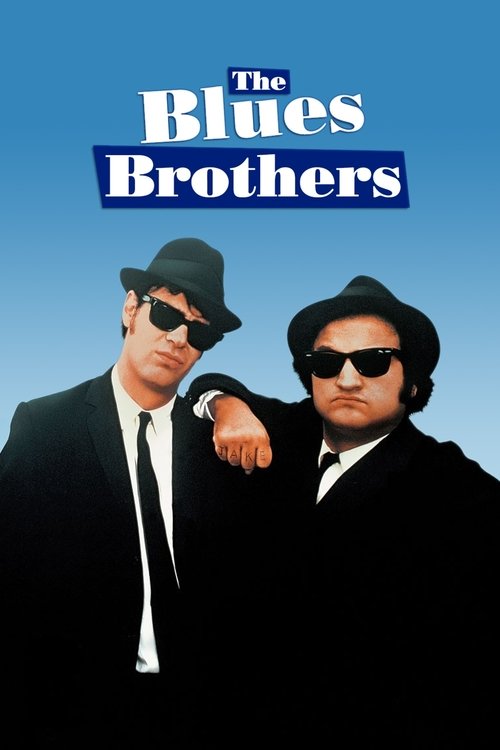
Jake Blues, just released from prison, puts his old band back together to save the Catholic home where he and his brother Elwood were raised.
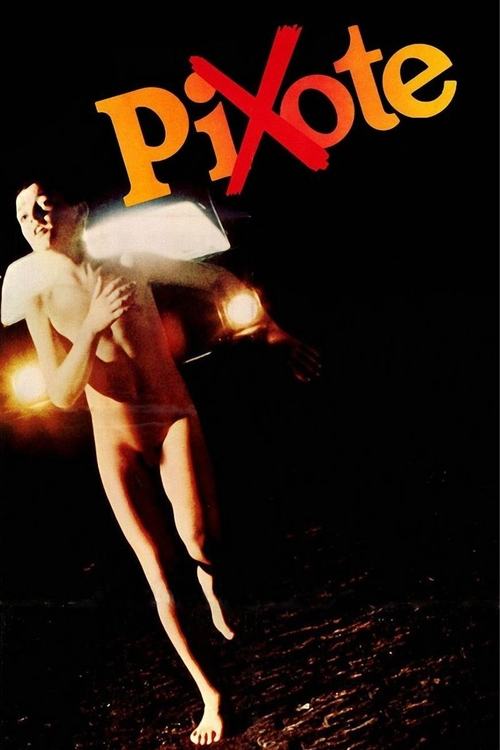
Pixote
198010-year-old Pixote endures torture, degradation, and corruption at a local youth detention center where two of its members are murdered by policemen who frame Lilica, a 17-year-old trans hustler. Pixote helps Lilica and three other boys escape and they start to make their living by a life of crime which only escalates to more violence and death.
Hector Babenco’s unflinching gaze at juvenile delinquency in Brazil is a visceral, documentary-style assault on the senses. By casting real street children, the film achieves a level of harrowing authenticity that shames the polished artifice of standard crime cinema.
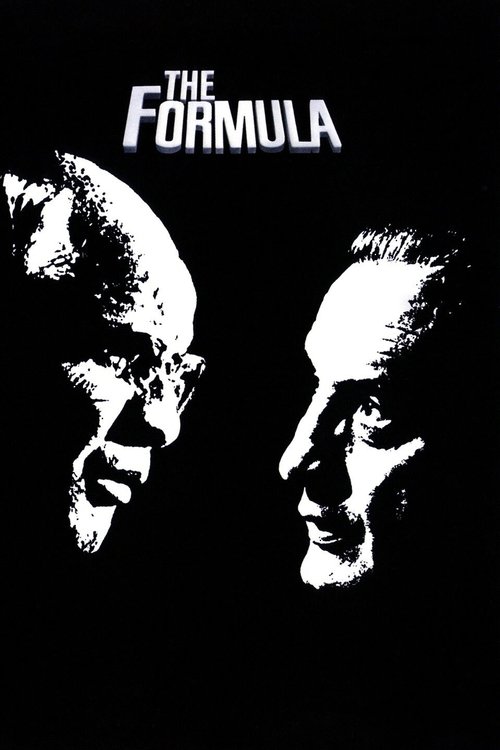
The Formula
1980While investigating the death of a friend and fellow cop, Los Angeles police officer Barney Caine stumbles across evidence that Nazis created a synthetic alternative to gasoline during World War II. This revelation has the potential to end the established global oil industry, making the formula a very valuable and dangerous piece of information. Eventually, Caine must contend with oil tycoon Adam Steiffel, who clearly has his own agenda regarding the formula.
The formidable pairing of Marlon Brando and George C. Scott turns this oil-based conspiracy into a dense, cerebral exercise in corporate espionage. It eschews gunfire for the menacing weight of dialogue and the terrifying implications of global resource control.
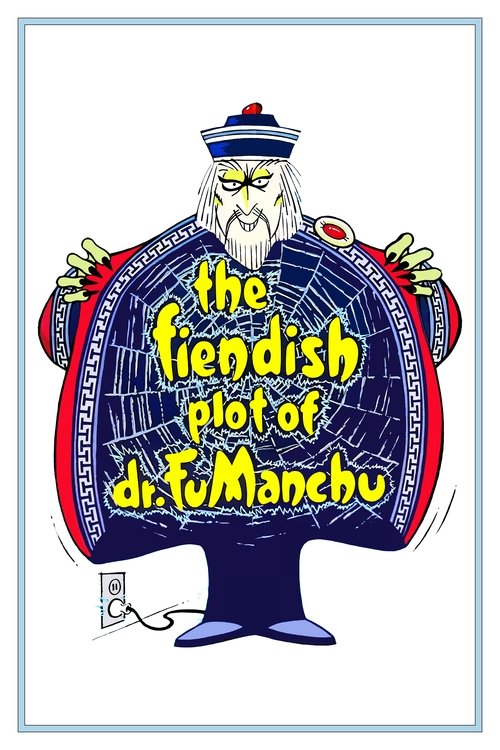
The Fiendish Plot of Dr. Fu Manchu
1980Fu Manchu's 168th birthday celebration is dampened when a hapless flunky spills Fu's age-regressing elixir vitae. Fu sends his lackeys to round up ingredients for a new batch of elixir, starting with the Star of Leningrad diamond, nabbed from a Soviet exhibition in Washington. The FBI sends agents Capone and Williams to England to confer with Nayland Smith, an expert on Fu.
While leaning heavily into absurdist farce, Peter Sellers’ final bow offers a bizarrely stylish take on the pulp criminal mastermind. It represents a surreal, comedic inversion of the decade’s growing obsession with international conspiracy and villainy.
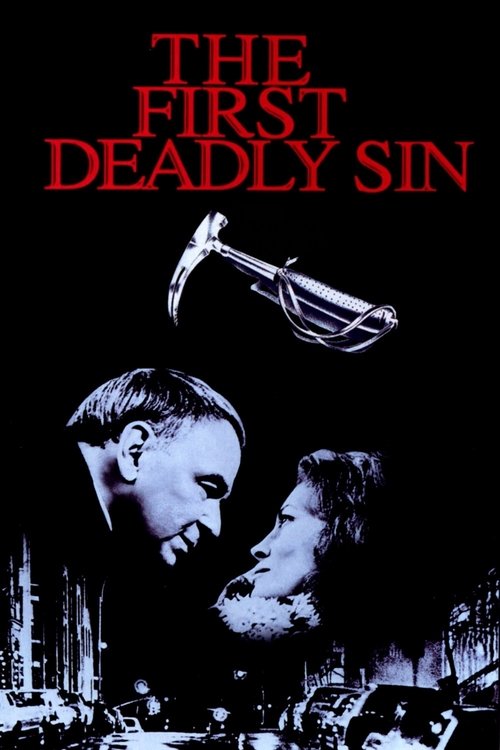
The First Deadly Sin
1980A serial killer is stalking New York. Inspector Edward X. Delaney is an NYPD detective, nearing retirement, who is trying to put together the pieces of the case. Are the victims somehow linked? What does the brutal method of death signify?
A somber, twilight performance by Frank Sinatra gives this police procedural a weary soul that sets it apart from typical eighties flash. It is a methodical and unblinking look at the psychological toll of hunting a killer through an indifferent city.
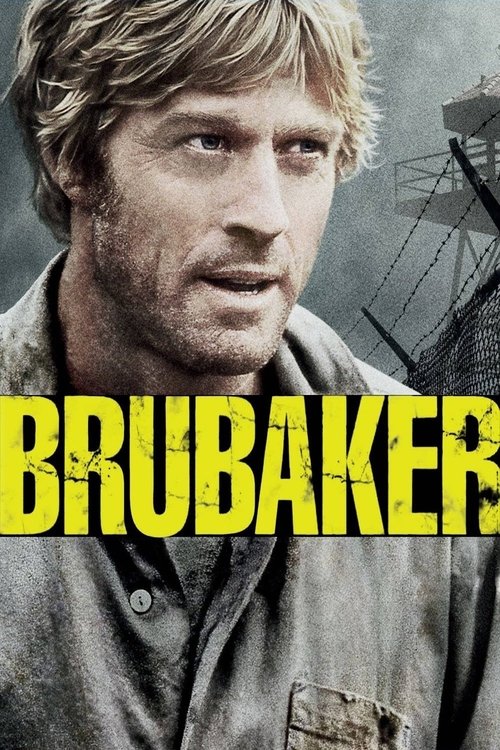
Brubaker
1980The new warden of a small prison farm in Arkansas tries to clean it up of corruption after initially posing as an inmate.
This searing indictment of the American penal system bypasses sensationalism to focus on the suffocating bureaucracy of corruption. Robert Redford provides a moral gravity that transforms the prison genre into a high-stakes political thriller.
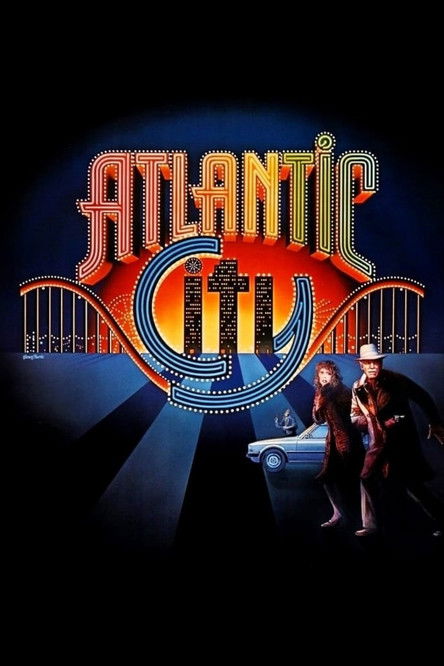
Atlantic City
1980In a corrupt city, a small-time gangster and the estranged wife of a pot dealer find themselves thrown together in an escapade of love, money, drugs and danger.
Louis Malle finds a haunting, poetic decay in a seaside town undergoing a painful metamorphosis. Burt Lancaster’s portrayal of a fading errand boy offers a poignant, elegiac perspective on the myth of the old-school hoodlum in a world that has moved on.
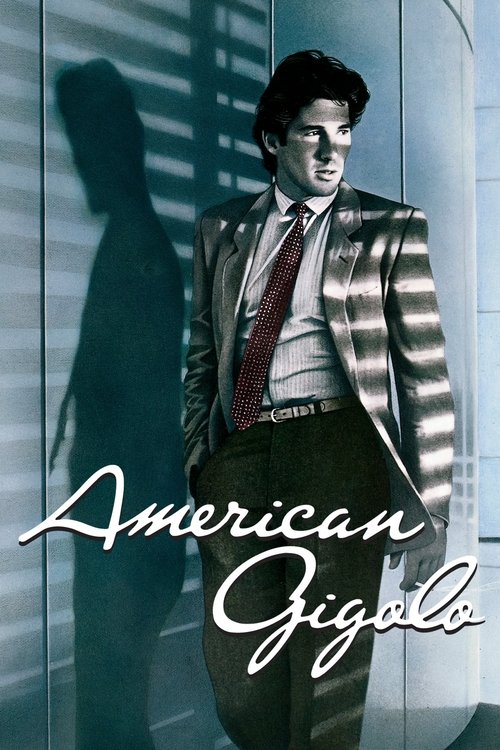
American Gigolo
1980Julian makes a lucrative living as an escort to older women in the Los Angeles area. He begins a relationship with Michelle, a local politician's wife, without expecting any pay. One of his clients is murdered and Detective Sunday begins pumping him for details on his different clients, something he is reluctant to do considering the nature of his work. Julian begins to suspect he's being framed. Meanwhile Michelle begins to fall in love with him.
Paul Schrader’s stylish neon-noir captures the hollow soul of the New Reagan era through meticulous visual symmetry and Armani tailoring. It elevates a simple frame-up narrative into a profound meditation on loneliness and the commodification of intimacy.
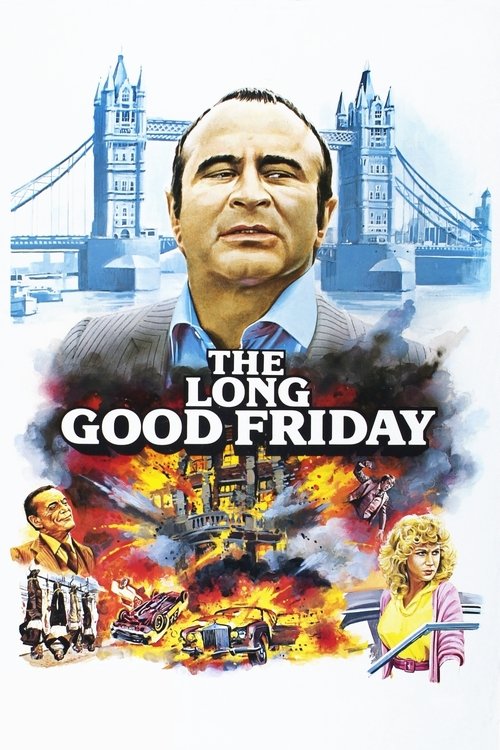
In the late 1970s, Cockney crime boss Harold Shand, a gangster trying to become a legitimate property mogul, has big plans to get the American Mafia to bankroll his transformation of a derelict area of London into the possible venue for a future Olympic Games. However, a series of bombings targets his empire on the very weekend the Americans are in town. Shand is convinced there is a traitor in his organization, and sets out to eliminate the rat in typically ruthless fashion.
This film stands as the definitive transition from the classic British gangster trope to the cold brutality of modern international capitalism. Bob Hoskins delivers a volcanic performance, embodying the frantic desperation of a criminal empire collapsing under invisible pressures.
Cruising
1980When New York is caught in the grip of a sadistic serial killer who preys on patrons of the city's underground bars, young rookie Steve Burns infiltrates the S&M subculture to try and lure him out of the shadows.
William Friedkin’s descent into the leather subculture of New York remains a confrontational, pulse-pounding piece of urban noir. Its blurred lines between police procedure and psychological disintegration create a uniquely claustrophobic atmosphere of voyeuristic dread.
Gloria
1980When a young boy's family is killed by the mob, their tough neighbor Gloria becomes his reluctant guardian. In possession of a book that the gangsters want, the pair go on the run in New York.
John Cassavetes trades his usual improvisational domesticity for a blistering street-level tension, anchored by Gena Rowlands in a performance that redefined the female action protagonist. It is a gritty masterclass in maternal instinct weaponized against the machinery of the mob.
Frequently Asked Questions
Everything you need to know about this list and SnakeDrafts
- The top crime movies of 1980 often delve into gritty underworld dramas, the moral ambiguities of crime, and complex character studies. Films like 'The Long Good Friday' and 'Gloria' showcase themes of betrayal, power struggles, and survival in urban settings.
- 1980 crime films uniquely blend the realistic, street-level grit of the 1970s with the emerging stylish, and sometimes cynical, tone of the 1980s. For example, 'American Gigolo' and 'Cruising' combine moody, atmospheric storytelling with more sleek and psychological elements.
- 'Atlantic City' stands out by intertwining crime drama with romantic storytelling, delivering a nuanced look at personal and criminal lives intersecting. This film offers a thoughtful exploration of redemption amidst a declining cityscape.
- Yes, films like 'The Blues Brothers' and 'Stir Crazy' integrate comedic elements with crime plotlines, offering a lighter, often satirical take on traditional crime narratives. These movies broaden the genre by mixing action and humor seamlessly.
- 'Cruising' distinguishes itself with a dark, suspenseful narrative focusing on an undercover cop in New York’s gay club scene investigating a serial killer. Its provocative subject matter and intense atmosphere set it apart from typical crime thrillers of the era.
- Yes, 'Brubaker' is notable for addressing systemic corruption within the prison system, illustrating how institutional crime affects society. Similarly, 'Pixote' offers a raw look at crime from the perspective of marginalized youth, highlighting social issues beyond conventional crime drama.
- 'The Formula' expertly merges crime, mystery, and thriller elements by centering on intrigue surrounding a secret formula linked to the Nazi regime. Its suspenseful plot and investigative angle provide a compelling crossover appeal.
- Many 1980 crime films use their urban settings as vital backdrops that enhance the narrative’s mood and themes. 'Gloria' and 'The Long Good Friday' portray cities as harsh, unforgiving spaces where crime thrives, reflecting the socio-economic anxieties of the era.