Best Crime Movies of 1979
Gritty Noir and Classic Heists from a Landmark Year
Explore the best crime cinema of the late seventies. From gritty police dramas to cult thrillers, discover the top rated underworld stories and noir hits.
About 1979 Crime Movies
As the seventies drew to a close, the grit that had defined the decade of the New Hollywood era began to congeal into something colder and more cynical. By 1979, the sun-drenched paranoia of the Watergate years had faded, replaced by a neon-soaked nihilism and a fascination with the mechanics of the underworld. The crime films of this year did not just show us robberies and underworld hits; they offered a glimpse into a world where the professional and the criminal were becoming indistinguishable. It was a transitional period where the raw intensity of the street met the emerging polish of the eighties.
The most definitive statement of this shift was Walter Hill’s The Warriors. Released early in the year, it transformed the New York City subway system into a mythological landscape. While it was technically a gang movie, it operated within the crime genre as a pursuit thriller. It stripped away the psychological complexities of the early seventies and replaced them with style, movement, and a comic book energy that felt entirely new. Hill proved that crime cinema could be operatic and kinetic without losing its dangerous edge. It remains a neon fever dream that captured a city on the brink of collapse.
While The Warriors looked toward the future of stylized action, other films stuck to the pavement. Michael Mann made his directorial debut with The Jericho Mile, a prison drama that hummed with the technical precision that would later define his career. Though it was a television movie, its cinematic quality was undeniable. It heralded the arrival of a filmmaker obsessed with the professional code, a theme that would anchor the greatest crime epics of the following decades.
Across the Atlantic, the British crime film was finding a new, brutal voice. Long Good Friday was filmed in 1979, though its wide release followed shortly after. It remains the gold standard for the genre in the United Kingdom. Bob Hoskins delivered a volcanic performance as Harold Shand, a gangster trying to go legitimate just as his world begins to explode. It captured the tension between old-school thuggery and the rising tide of corporate greed, mirroring the political shifts of the era. It was a reminder that crime is often just capitalism with a shorter fuse.
We also cannot overlook the cult significance of Over the Edge, a film that treated teenage delinquency with the gravity of a heist flick. It portrayed a suburban rebellion that felt terrifyingly grounded. By showing the collapse of social order in the sanitized environment of a planned community, it expanded the crime genre beyond the urban core.
The crime movies of 1979 were characterized by a sense of professional exhaustion. The heroes and villains alike were no longer fighting for grand ideals or even simple survival; they were punch-clocks in a dying system. Whether it was the street gangs of New York or the high-stakes gamblers in various noir-inflected dramas of the year, there was a feeling that the party was over. As the decade ended, these films paved the way for the high-concept, high-gloss thrillers of the Reagan era, but they kept one foot firmly planted in the grime of the real world. They reflected a society that was tougher, smarter, and far less optimistic than it had been ten years prior.
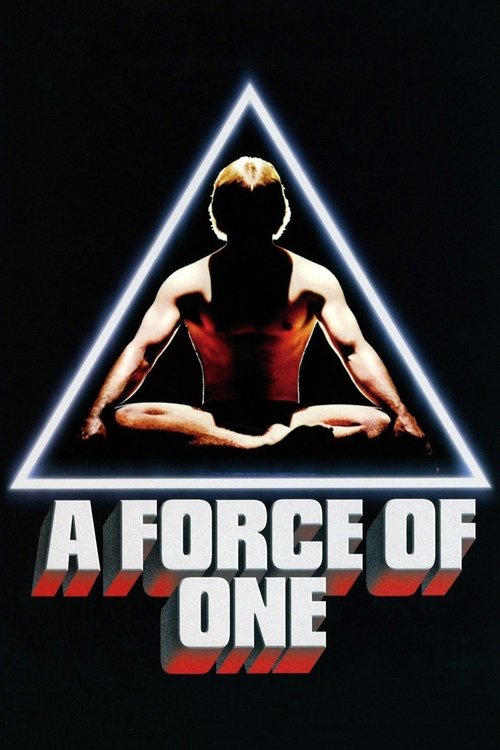
A Force of One
1979Karate champion Matt Logan is enlisted by the police to train officers in self-defense after narcotics agents are killed by an assailant using the martial arts.
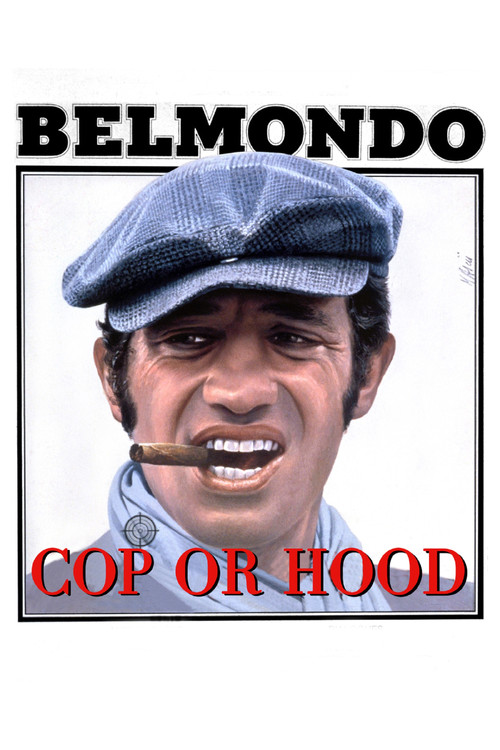
Cop or Hood
1979When the local police inspector was found dead in a prostitute's house, police division commissioner Stan Borowitz is sent to investigate the situation. Posing as the prostitute's long-lost brother "Antonio Cerruti," he discovers a mare's nest of police corruption. In fact, in this comedy thriller the whole town is corrupt. If they were closely examined, Stan's methods for pursuing this investigation might embarrass the police. For instance, he drives into a criminal's house in a fancy, expensive race car. In another incident, he callously blows up a casino owned by Musard , one of the town's crime bosses. On that occasion, he first forces Musard to remove his clothes, and the poor criminal watches his casino explode from across the square while standing naked in a phone booth. Meanwhile, Stan seduces the lovely Edmonde.
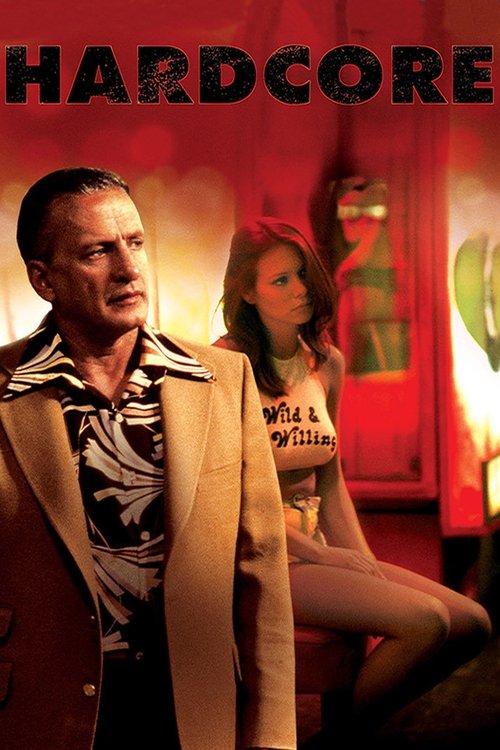
Hardcore
1979A conservative Midwest businessman ventures into the sordid underworld of pornography in search of his runaway teenage daughter who’s making hardcore films in the pits of Los Angeles.
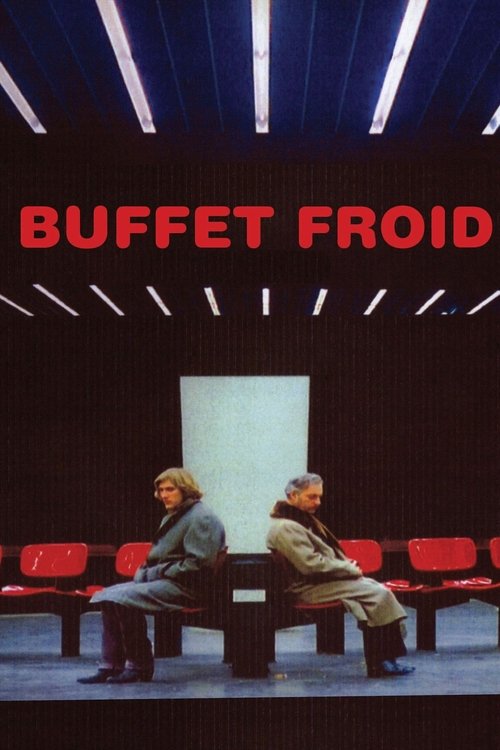
Buffet Froid
1979Alphonse Tram is unwittingly involved in several murders despite having no memory of committing the crimes. His confusion lead him to confess to his neighbour, Inspector Morvandieu. Alphonse and Morvandieu become the axis around which murders occur.
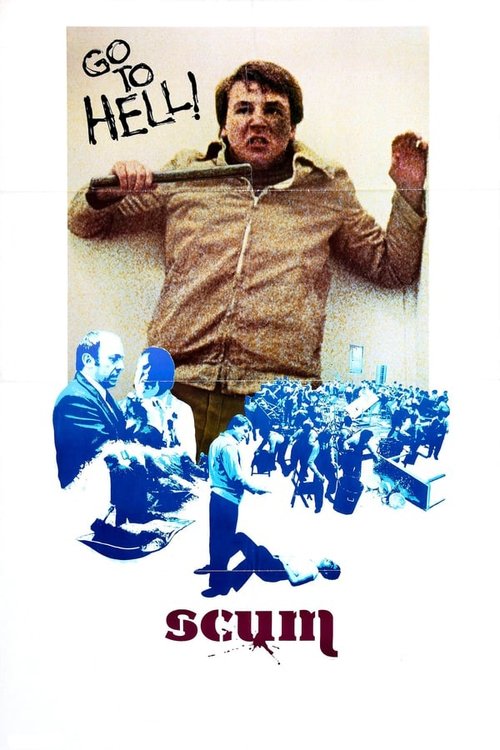
Scum
1979Powerful, uncompromising drama about two boys' struggle for survival in the nightmare world of Britain's notorious Borstal Reformatory.

Over the Edge
1979A group of bored teenagers rebel against authority in the community of New Granada.
A landmark of juvenile delinquency cinema, this film captures the volatile explosion of bored, neglected suburban youth into full-scale revolt. Its raw energy and authentic teenage nihilism create a terrifyingly localized version of societal collapse.
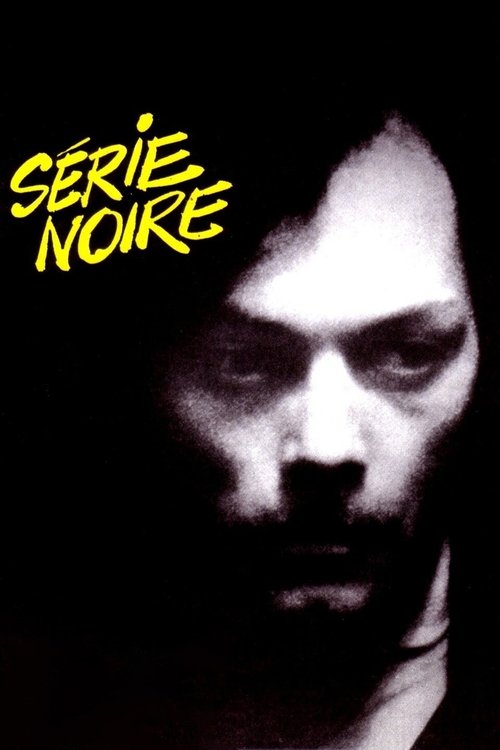
Serie Noire
1979In the shadowy outskirts of Paris, a desperate door-to-door salesman crosses paths with a mysterious young woman trapped in a grim world. As his obsession deepens, his grip on reality begins to slip—and the line between escape and destruction starts to blur.
Patrick Dewaere’s sweat-soaked, manic performance anchors this pitch-black descent into the hopeless grit of the French suburbs. This is neo-noir at its most pathetic and visceral, trading stylized shadows for the suffocating reality of a small-time loser’s spiraling delusions.
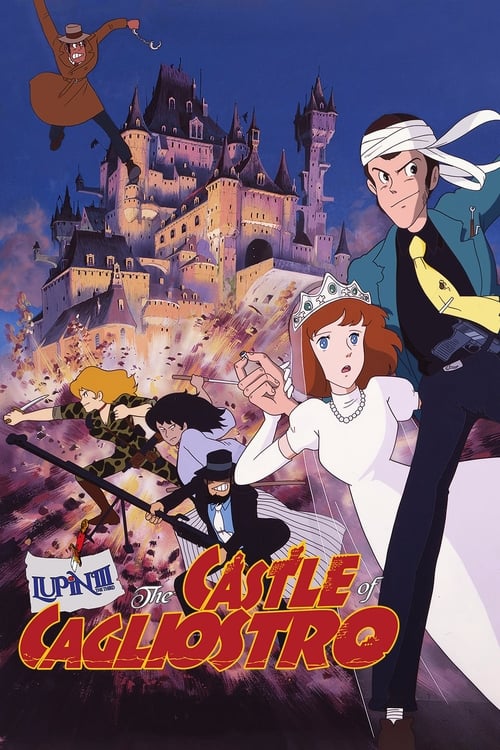
The Castle of Cagliostro
1979After a successful robbery leaves famed thief Lupin the Third and his partner Jigen with nothing but a large amount of expertly crafted counterfeit bills, he decides to track down the forgers responsible—and steal any other treasures he may find in the Castle of Cagliostro, including the 'damsel in distress' he finds imprisoned there.
Hayao Miyazaki’s directorial debut redefines the heist film through a lens of kinetic, whimsical elegance and breathless verticality. It is a vibrant expansion of the gentleman-thief trope, blending European flair with an inventive, high-stakes sense of adventure.
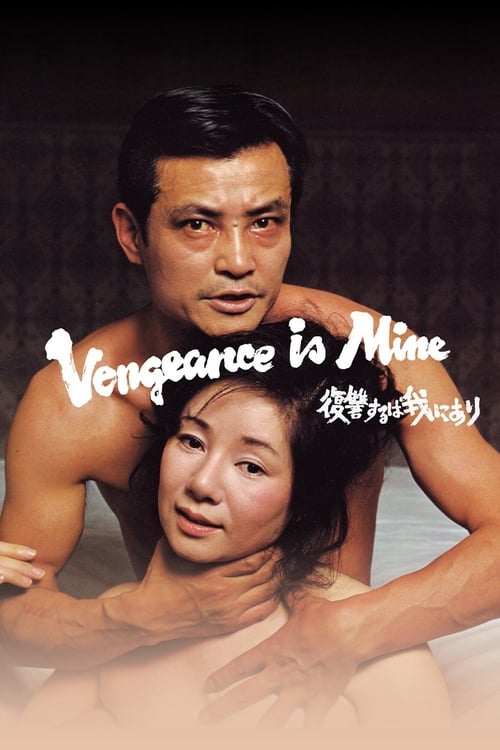
Vengeance Is Mine
1979A thief, a murderer, and a charming lady-killer, Iwao Enokizu is on the run from the police.
Shohei Imamura delivers a brutal, nihilistic portrait of a serial killer that eschews easy psychological explanations for a raw look at human depravity. The film stands as a towering, uncomfortable pillar of Japanese cinema, forcing the viewer into an intimate proximity with a monster.

I... for Icarus
1979Following the assassination of President Marc Jarry, a member of the investigation committee refuses to sign off on the committee's final findings.
This French masterpiece of political suspense uses an assassination investigation to peel back the layers of a chilling, bureaucratic deep state. It is a cerebral, meticulously paced achievement that mirrors real-world conspiracies with cold, clinical precision.
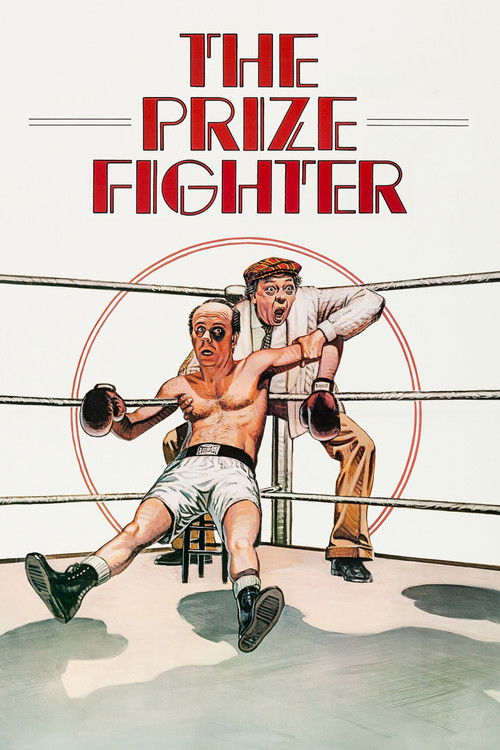
The Prize Fighter
1979"Bags" the boxer (Tim Conway) and his manager, Shake (Don Knotts), are quite a pair: One is a dim bulb, and the other has a mean streak. Times are tough and they must save their gym, so they line up some money making fights. But when Bags and Shake discover that the bouts have been rigged, they end up with their backs to the wall and must fight back -- literally.
While leaning into slapstick, this period piece captures the seedy, smoke-filled underbelly of Depression-era match-fixing with surprising texture. It operates as a whimsical anomaly in the crime genre, finding comedy within the rigged mechanics of the crooked boxing ring.
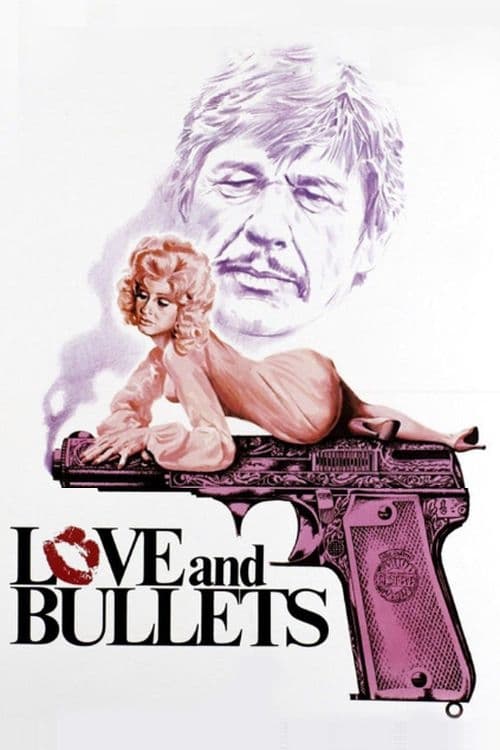
Love and Bullets
1979Jackie Pruit is the girlfriend of notorious gangster Joe Bomposa. When it looks as if Bomposa's goons are threatening Jackie's life, the FBI moves in to protect her, hoping that she'll have incriminating evidence. Veteran agent Charlie Congers is assigned to watch over Jackie, and while it soon becomes apparent that she knows almost nothing about Bomposa that would be of any use to the FBI, he falls in love with her. Bomposa decides it would be more convenient to have Jackie out of the way, ordering her to be executed. Bomposa's henchmen slip through FBI security and murder her, but now they have to answer the angry and vengeful Congers.
Charles Bronson brings his signature stoicism to this granite-faced pursuit of justice across international borders. It serves as a gritty, no-nonsense distillation of the decade's obsession with the indestructible urban vigilante and the reach of organized crime.
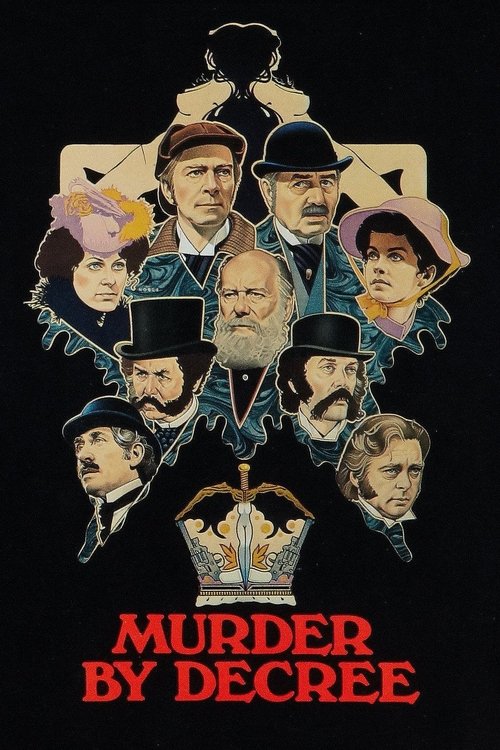
Murder by Decree
1979Sherlock Holmes is drawn into the case of Jack the Ripper, who is killing prostitutes in London's East End. Assisted by Dr. Watson, and using information provided by a renowned psychic, Robert Lees, Holmes finds that the murders may have their roots in a Royal indiscretion and that a cover-up is being managed by politicians at the highest level, all of whom happen to be Masons.
This atmospheric collision of Victorian sleuthing and political conspiracy offers a radical, blood-soaked reimagining of the Whitechapel murders. Christopher Plummer breathes weary gravitas into Sherlock Holmes, elevating a traditional mystery into a haunting critique of institutional corruption.
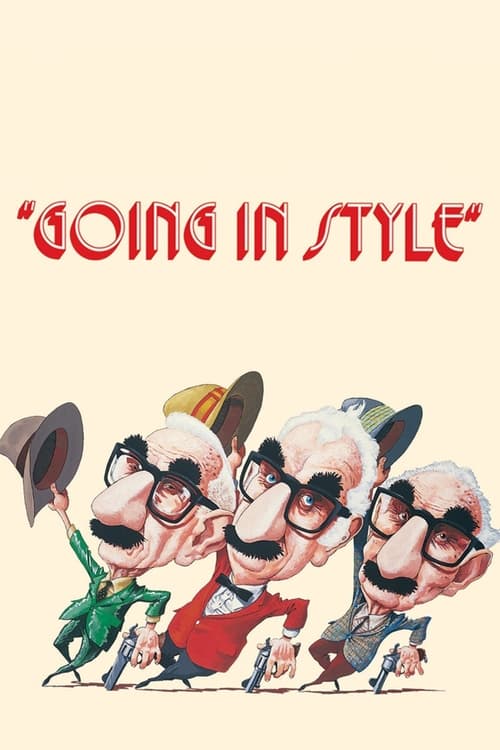
Going in Style
1979Three kindly old men decide to light up the dimming twilight of their lives with a last blaze of glory – by sticking up a Manhattan bank in broad daylight.
George Burns and Art Carney transform a late-life heist into a poignant, understated rebellion against social invisibility. It subverts the high-stakes thriller genre by anchoring its tension in the fragile dignity of the elderly and the quiet desperation of the forgotten.
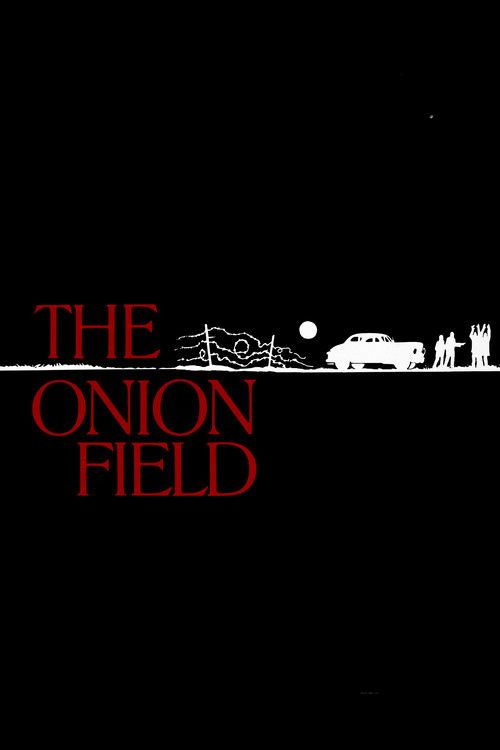
The Onion Field
1979An LA police officer is murdered in the onion fields outside of Bakersfield. However, legal loopholes could keep his kidnappers from receiving justice, and his partner is haunted by overwhelming survivor's guilt.
A harrowing masterclass in procedural realism, this unflinching examination of a roadside killing dismantles the psyche of both the predator and the survivor. Its chilling power lies in a stark rejection of Hollywood artifice, opting instead for a cold, judicial claustrophobia.
Frequently Asked Questions
Everything you need to know about this list and SnakeDrafts
- The 1979 crime films highlighted in the list showcase a shift towards a darker, more cynical view of the criminal underworld, reflecting a blend of gritty realism and noir elements. Films like The Onion Field and Vengeance Is Mine delve into the psychological toll of crime, while titles such as Murder by Decree offer mystery and thriller components that deepen the genre's complexity.
- These films mirror the late 1970s' transition from Watergate-era paranoia to a neon-lit nihilism, capturing a society fascinated with the blurred lines between law enforcement and criminality. Movies like Serie Noire and Over the Edge vividly portray urban decay and social unrest, demonstrating cinema's role as a commentary on contemporary issues.
- Yes, the 1979 crime movies often blend multiple genres, enriching their narratives and appeal. For instance, Going in Style combines crime with comedy and drama, while The Castle of Cagliostro uniquely integrates animation, adventure, and crime, highlighting the versatility of crime storytelling that year.
- The Castle of Cagliostro is the standout animated crime film from 1979, directed by Hayao Miyazaki. It is notable for its charming mix of adventure, comedy, and crime elements, offering a whimsical yet engaging take on the crime genre uncommon in animated films of that era.
- Vengeance Is Mine, directed by Shōhei Imamura, is a prime example of a crime drama from 1979 that delves into psychological complexity and emotional trauma. This film provides an unflinching look at its protagonist's psyche, distinguishing itself through intense character study and raw narrative power.
- Murder by Decree offers a blend of mystery and thriller within the crime genre, focusing on the investigation of the Jack the Ripper murders. Hardcore, on the other hand, combines mystery and drama to explore dark, gritty aspects of the criminal world, emphasizing suspense and character-driven storytelling.
- Going in Style and Buffet Froid showcase how crime films of 1979 could incorporate humor without sacrificing narrative depth. These films use comedy to explore crime in a more lighthearted or satirical manner, providing balance and variety to the often serious and tense crime genre of the period.