Vivien Leigh Movies Ranked From Worst to Best
Classic Hollywood Icons and Unforgettable Performances
Discover the most legendary films of Vivien Leigh, from her Oscar-winning turns in Southern epics to her powerful dramatic roles in classic cinema.
About Vivien Leigh
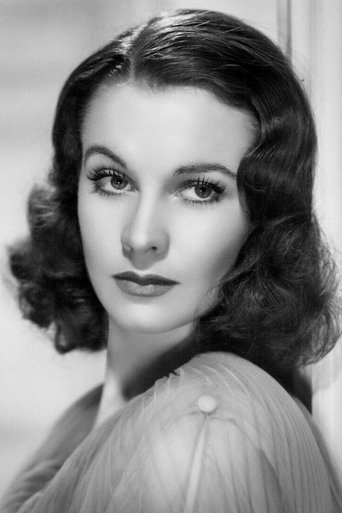
In the pantheon of Hollywood legends, Vivien Leigh remains the ultimate architectural paradox. She possessed a porcelain fragility that suggested she might shatter under a harsh spotlight, yet she harbored a fierce, almost predatory ambition that allowed her to snatch the most coveted role in cinema history from under the noses of every established star in America. When she materialized as Scarlett O'Hara in Gone with the Wind, she didnt just play a character; she defined the blueprint for the cinematic anti-heroine. Audiences connected with her because she refused to be likable, choosing instead to be indelible.
Her career was defined by a restless, nervous energy that flourished under the direction of the greats and alongside her most frequent collaborator and husband, Laurence Olivier. While films like Fire Over England and 21 Days established them as the industry's premier power couple, Leigh was never content to simply be half of a celebrated duo. She chased roles that mirrored her own complex internal landscape, often gravitating toward women teetering on the edge of social or mental collapse. In Waterloo Bridge, she captured the quiet devastation of wartime romance with a soulful melancholy that proved she was far more than a fiery Southern belle. Even in technicolor spectacles like Caesar and Cleopatra or the icy tragedy of Anna Karenina, there was always an undercurrent of something haunted behind those emerald eyes.
The true genius of her craft emerged when she allowed the cracks in her persona to show. By the time she reunited with the spirit of the South for A Streetcar Named Desire, the youthful defiance of Scarlett had curdled into the desperate, flickering delusions of Blanche DuBois. It is a performance of such raw, marrow-deep vulnerability that it remains the gold standard for Method acting on film. She didn't just portray aging or loss; she inhabited the terror of being forgotten. This theme followed her into her later years, providing a poignant weight to her work in The Roman Spring of Mrs. Stone and her final screen appearance in Ship of Fools.
Leigh never played it safe. Whether she was navigating the fast-talking comedy of Storm in a Teacup or the espionage thrills of Dark Journey, she maintained a sharp, intellectual edge that set her apart from the more passive starlets of the era. She was a woman who understood the power of a gaze and the heavy cost of a dream. Decades after her passing, she holds our attention because she represents the beautiful, dangerous intersection of high art and human frailty. She remains the quintessential symbol of the silver screen’s golden age, a performer who proved that the most captivating spectacles are often the ones happening just behind a pair of restless eyes.
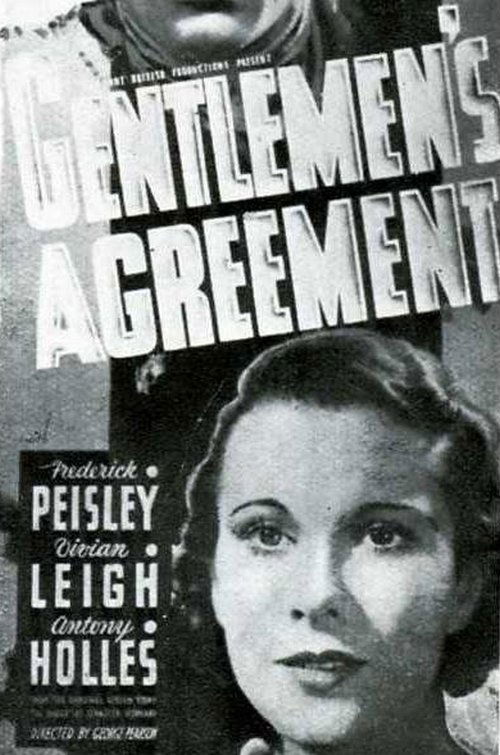
Gentlemen's Agreement
1935A young doctor realises that his father is a quack and changes places with a down-and-out.
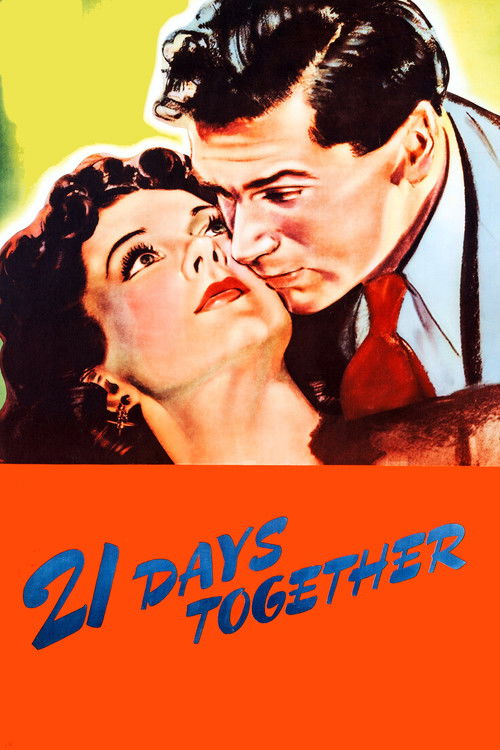
21 Days
1940After Larry Darrent accidentally kills his lover's blackmailing husband, someone else is arrested for the crime. When he is found guilty, Larry and Wanda have just three weeks together before he must give himself up or let an innocent man go to the gallows.
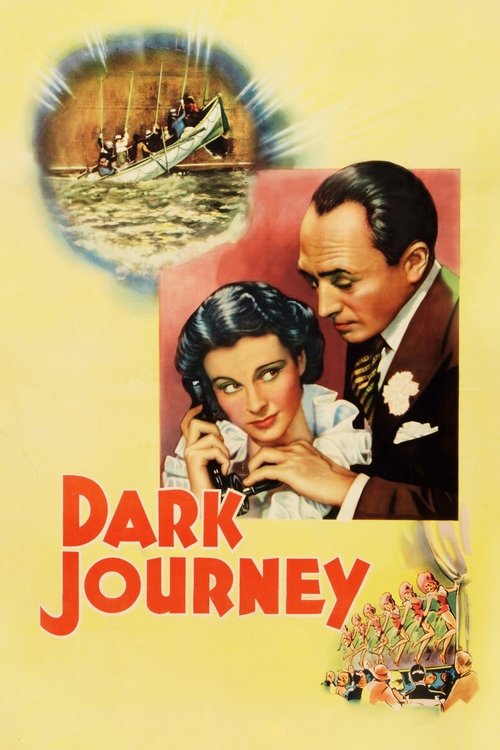
Dark Journey
1937Madeline Goddard, is a British double agent who meets and falls in love with a German spy Baron Karl Von Marwitz during World War I. This tale of espionage blends high adventure and romance making perfect order from wartime chaos and growing in faith from despair.
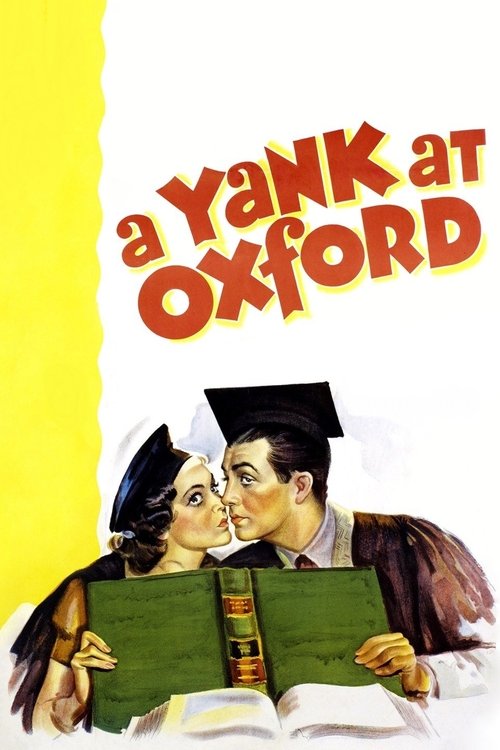
A Yank at Oxford
1938A brash young American aristocrat attending Oxford University gets a chance to prove himself and win the heart of his antagonist's sister.
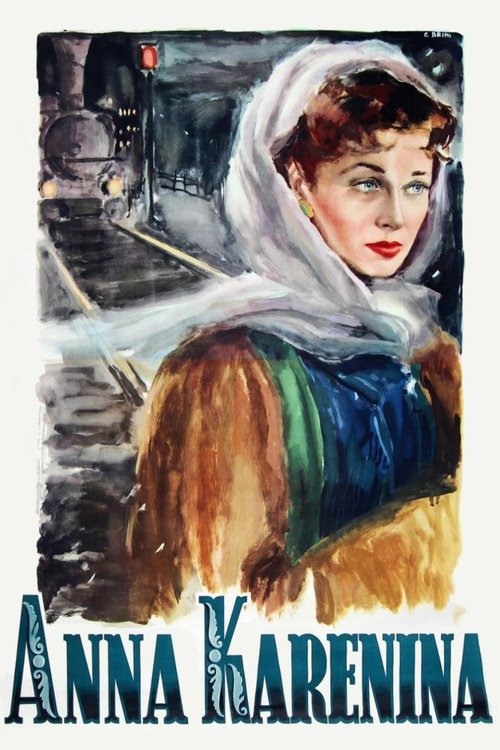
Anna Karenina
1948In Imperial Russia, Anna, wife of the officer Karenin, goes to Moscow to visit her brother. On the way, she meets charming cavalry officer Vronsky, to whom she's immediately attracted. But in St. Petersburg’s high society, a relationship like this could destroy a woman’s reputation.
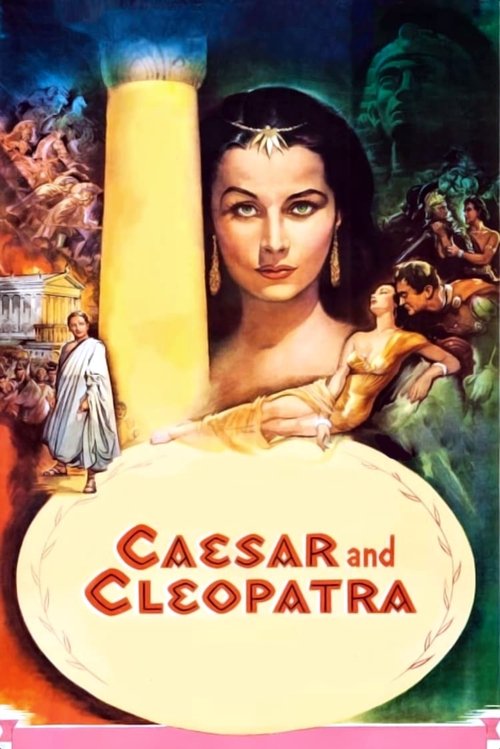
Caesar and Cleopatra
1945The aging Julius Caesar finds himself intrigued by the young Egyptian queen Cleopatra.
Leigh brings a feline, dangerous playfulness to the young Queen of the Nile, avoiding the usual clichés of historical grandeur. While the production was famously troubled, her mercurial screen presence remains the film's most compelling asset.
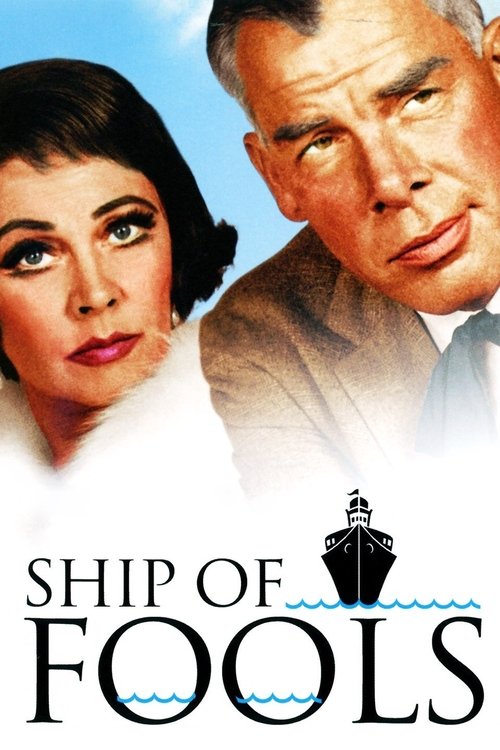
Ship of Fools
1965Passengers on a ship traveling from Mexico to Europe in the 1930s represent society at large in that era. The crew is German, including the ship's Dr. Schumann, who falls in love with one of the passengers, La Condesa. A young American woman, Jenny, is traveling with the man she loves, David. Jenny is fascinated and puzzled by just who some of the other passengers are.
In her final screen appearance, Leigh delivers a world-weary, frenetic energy that perfectly mirrors the film's cynical themes. Even in an ensemble, her magnetic presence evokes a tragic sense of a star whose internal fire is flickering but still brilliant.
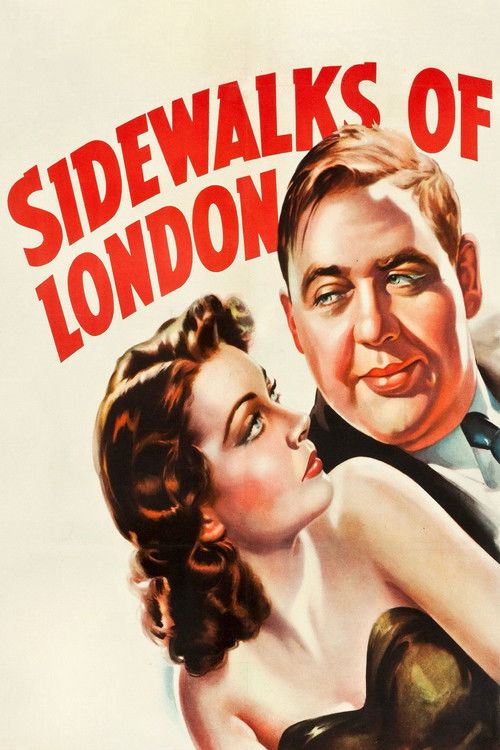
St. Martin's Lane
1938On the sidewalks of the London theater district the buskers (street performers) earn enough coins for a cheap room. Charles, who recites dramatic monologues, sees that a young pickpocket, Libby, also has a talent for dancing and adds her to his act. Harley, the theater patron who never knew Libby took his gold cigarette case, is impressed by Libby's dancing and invites her to bring Charles and the other buskers in his group to an after-the-play party. Libby comes alone. A theatrical career is launched.
Playing a street performer with a ruthless streak, Leigh demonstrates a gritty ambition that belies her fragile appearance. This role remains a vital glimpse into her ability to play characters with a sharp, opportunistic edge.
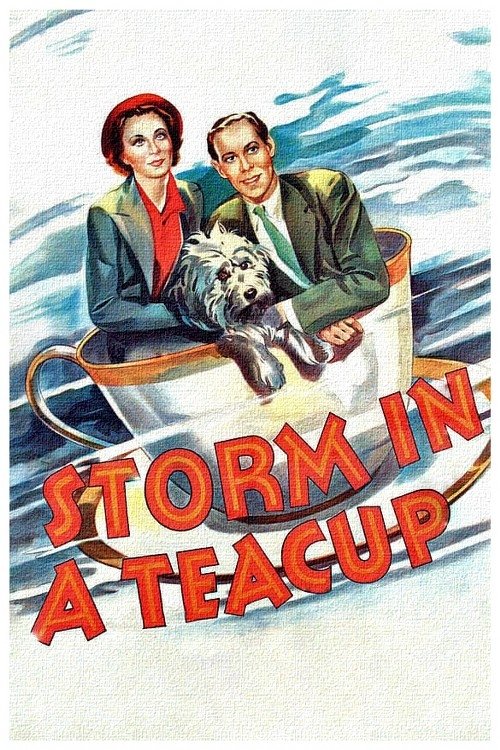
Storm in a Teacup
1937A local politician in Scotland tries to break the reporter who wrote a negative story about him, and who is also in love with his daughter.
Leigh reveals a rare, sparkling comedic timing in this satirical romp, proving her range extended far beyond doomed heroines. Her breezy charm here provides a necessary counterpoint to her more famous high-gravity dramas.
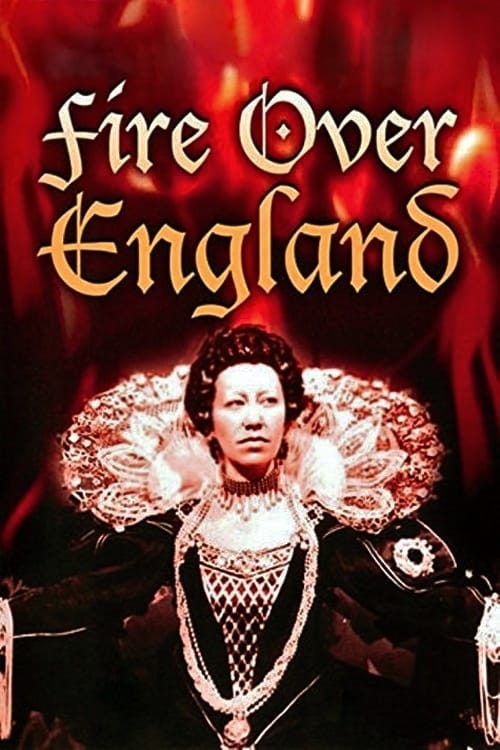
Fire Over England
1937The film is a historical drama set during the reign of Elizabeth I (Flora Robson), focusing on the English defeat of the Spanish Armada, whence the title. In 1588, relations between Spain and England are at the breaking point. With the support of Queen Elizabeth I, British sea raiders such as Sir Francis Drake regularly capture Spanish merchantmen bringing gold from the New World.
This Tudor adventure highlights Leigh’s early potential, where her sharp intelligence and spirited presence first caught the eye of Hollywood scouts. She holds her own against established giants, signaling the arrival of a major screen force.
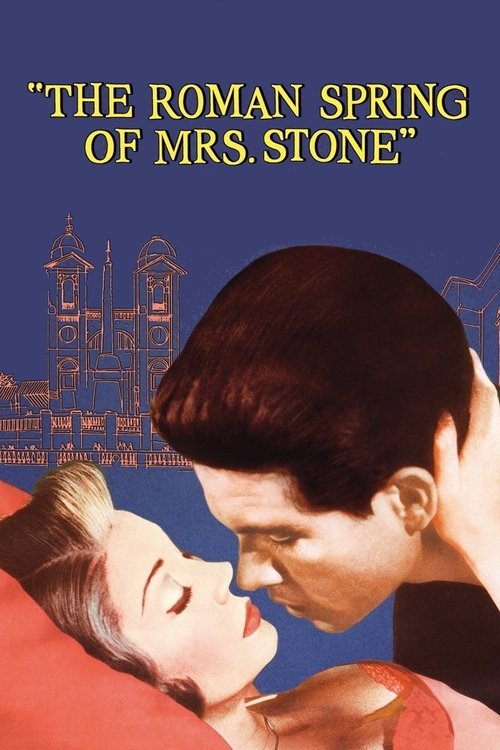
The Roman Spring of Mrs. Stone
1961Critics and the public say Karen Stone is too old -- as she approaches 50 -- for her role in a play she is about to take to Broadway. Her businessman husband, 20 years her senior, has been the angel for the play and gives her a way out: They are off to a holiday in Rome for his health. He suffers a fatal heart attack on the plane. Mrs. Stone stays in Rome. She leases a magnificent apartment with a view of the seven hills from the terrace. Then the contessa comes calling to introduce a young man named Paolo to her. The contessa knows many presentable young men and lonely American widows.
A daring late-career pivot finds Leigh portraying a fading widow with a brittle, melancholic elegance that refuses to settle for simple pathos. She lean into the role's underlying loneliness to create a portrait of aging that is both glamorous and deeply uncomfortable.
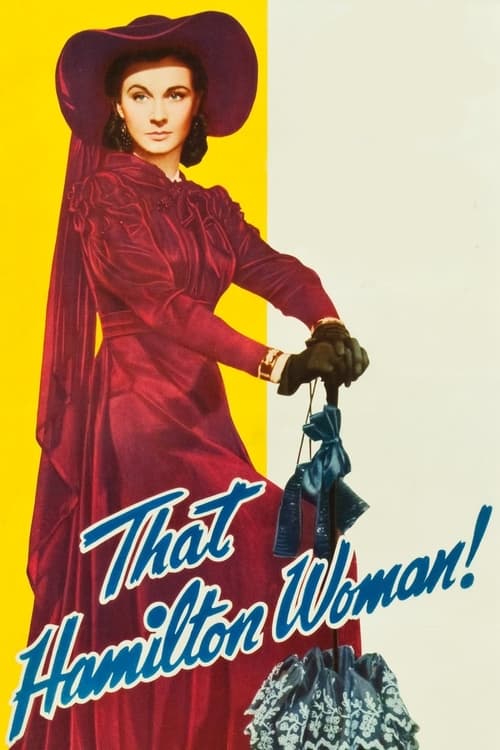
That Hamilton Woman
1941The story of courtesan and dance-hall girl Emma Hamilton, including her relationships with Sir William Hamilton and Admiral Horatio Nelson and her rise and fall, set during the Napoleonic Wars.
Leigh radiates a luminous, historical magnetism as Emma Hamilton, balancing illicit romance with a sophisticated political wit. The project serves as the quintessential showcase for her scorching onscreen chemistry with Laurence Olivier.
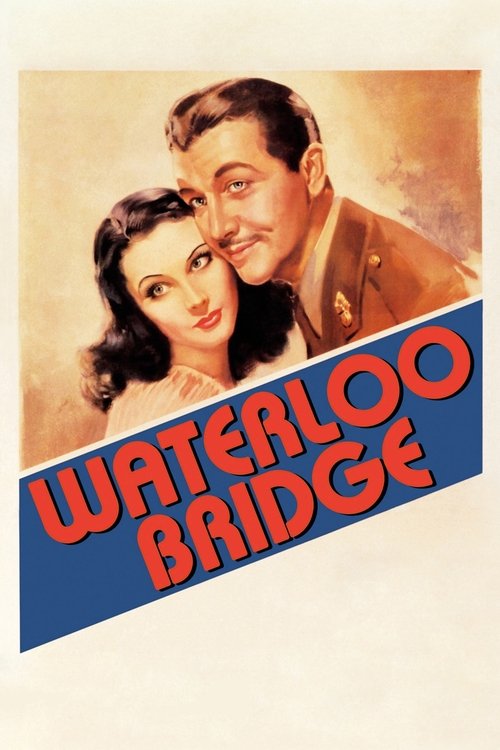
Waterloo Bridge
1940On the eve of World War II, a British officer revisits Waterloo Bridge and recalls the young man he was at the beginning of World War I and the young ballerina he met just before he left for the front.
This wartime melodrama belongs entirely to Leigh, who navigates a descent into desperation with a haunting, ethereal grace. It stands as her most poignant work, showcasing a vulnerability that felt raw and startlingly modern for 1940.
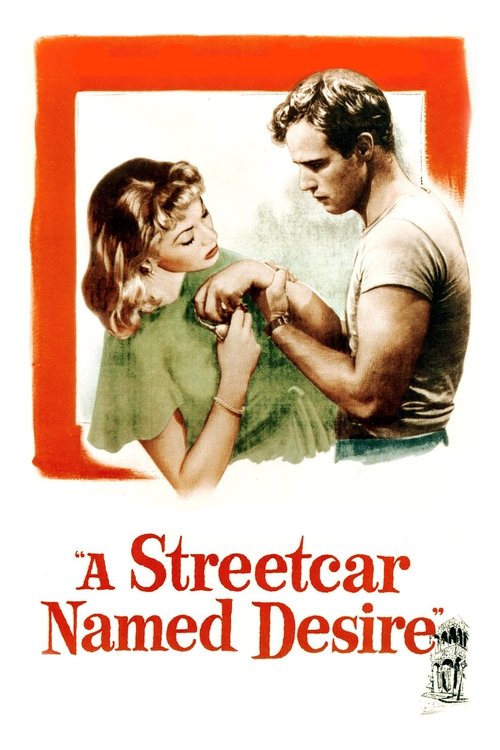
A Streetcar Named Desire
1951A disturbed, aging Southern belle moves in with her sister for solace — but being face-to-face with her brutish brother-in-law accelerates her downward spiral.
In a harrowing display of psychological fragility, Leigh dissects Blanche DuBois with a precision that bridges the gap between old-world artifice and Method realism. This harrowing turn secured her legacy as a master of the tragic, fractured psyche.
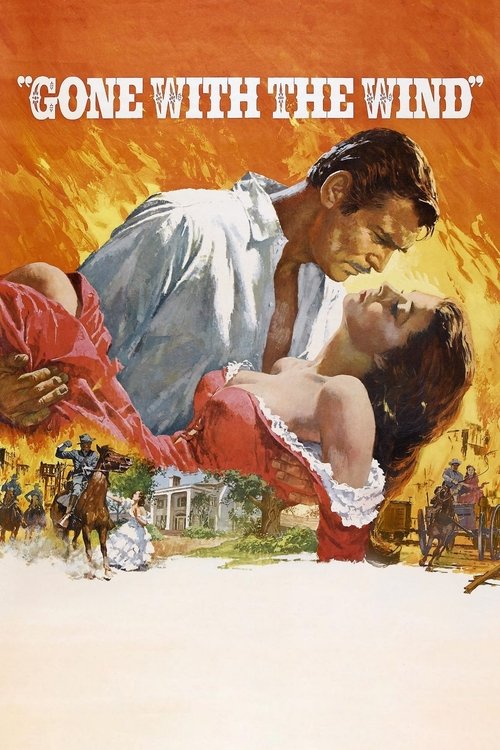
Gone with the Wind
1939The spoiled daughter of a Georgia plantation owner conducts a tumultuous romance with a cynical profiteer during the American Civil War and Reconstruction Era.
Leigh captures the lightning of Scarlett O'Hara with a feral, calculating vitality that remains the definitive blueprint for the cinematic anti-heroine. It is the performance that transformed her into a global icon, proving she could anchor an epic through sheer force of willpower.
Frequently Asked Questions
Everything you need to know about this list and SnakeDrafts
- Vivien Leigh's performance in 'A Streetcar Named Desire' is widely regarded as a masterclass in dramatic acting. Her portrayal of Blanche DuBois captures complex emotional depth, making it one of her most critically acclaimed roles.
- 'Gone with the Wind' immortalized Vivien Leigh as Scarlett O'Hara, a character she defined with a unique blend of resilience and vulnerability. The film’s sweeping narrative and her Oscar-winning performance have cemented it as a timeless classic in Hollywood history.
- 'Waterloo Bridge' highlights Vivien Leigh's ability to convey poignant romance and tragedy. This film adds emotional nuance to her filmography, showcasing her talent in wartime romance dramas.
- Yes, films like 'Storm in a Teacup' and 'St. Martin's Lane' offer delightful glimpses into Vivien Leigh's versatility, particularly in comedic and lighter drama roles. These movies reveal her range beyond the intense dramatic characters she often portrayed.
- Absolutely, Vivien Leigh featured in several historical dramas such as 'That Hamilton Woman' and 'Fire Over England.' These films demonstrate her skill in bringing historical figures and narratives to life with authenticity and passion.
- Themes of romance, drama, and war often intertwine in Vivien Leigh’s films, reflecting both personal and societal struggles. Movies like 'Caesar and Cleopatra' and 'Ship of Fools' highlight these recurring motifs, emphasizing emotional intensity and historical context.
- Vivien Leigh's filmography evolved from romantic comedies and dramas in the 1930s to more complex and mature roles in the 1940s and 1950s, including psychological thrillers and historical epics. This progression illustrates her growth as an actress and her desire to challenge herself with diverse characters.