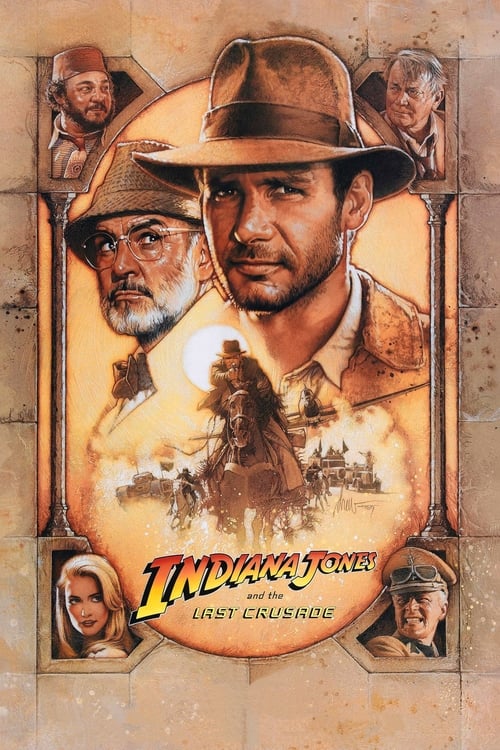
Indiana Jones and the Last Crusade
Indulge in a thrilling adventure as Indiana Jones and his father embark on a quest for the Holy Grail, battling Nazis and unearthing ancient secrets. This iconic installment in the Indiana Jones saga delivers breathtaking action, witty humor, and heartwarming father-son dynamics. Prepare for a globetrotting escapade that will keep you on the edge of your seat.
Director
Release Year
1989
Runtime
127 minutes
Genres
Adventure, Action
Main Cast
Harrison Ford, Sean Connery, Denholm Elliott, Alison Doody, John Rhys-Davies
About Indiana Jones and the Last Crusade
**Unraveling the Mystique of the Holy Grail: A Cinematic Journey**
_Indiana Jones and the Last Crusade_ (1989) solidified the adventurer archaeologist's place in cinematic history, offering a compelling blend of pulse-pounding action, intricate historical puzzles, and surprisingly poignant themes. Directed by Steven Spielberg, this third installment in the original trilogy delves into the lore of the Holy Grail, weaving a narrative that explores faith, redemption, and the complex relationship between a father and son.
From the opening sequence, a flashback to a young Indy discovering his passion for archaeology, to the climactic temple trials, the film masterfully balances exhilaration with genuine emotional depth. The chemistry between Harrison Ford as the titular hero and Sean Connery as his estranged father, Henry Jones Sr., is a standout, providing both comedic relief and the emotional anchor for the entire narrative. Their dynamic elevates the film beyond a simple quest for an artifact, transforming it into a journey of reconciliation and understanding.
**Critical Acclaim and Enduring Legacy**
The film was a critical and commercial success, praised for its engaging storyline, stellar performances, and Spielberg's signature direction. It grossed over $474 million worldwide, becoming one of the highest-grossing films of 1989. Critics lauded its return to the tone and spirit of _Raiders of the Lost Ark_, with many highlighting the captivating interplay between Ford and Connery. The film's iconic scenes, from the motorcycle chase to the trials within the Grail Temple, remain etched in popular culture.
_Indiana Jones and the Last Crusade_ transcends its genre, becoming a touchstone for adventure cinema. Its exploration of historical myths, coupled with its engaging characters and thrilling set pieces, continues to captivate audiences young and old. The film's enduring legacy lies not just in its entertainment value but also in its ability to blend high-octane action with a resonant human story, cementing its status as a timeless classic.
Drafts Featuring Indiana Jones and the Last Crusade
Every SnakeDrafts listicle where this movie appears
The Best Harrison Ford Movies Ranked
Ranked #7
The Best Sean Connery Movies Ranked
Ranked #2
Ranking the Best Steven Spielberg Directed Movies
Ranked #6
1989's Best Movies Ranked
Ranked #3
Top 1980s Action Movies Ranked
Ranked #17
The Greatest Action Movies of 1989
Ranked #1
The Best Movies of the 1980s Ranked
Ranked #12
Similar Movies
Movies related to Indiana Jones and the Last Crusade
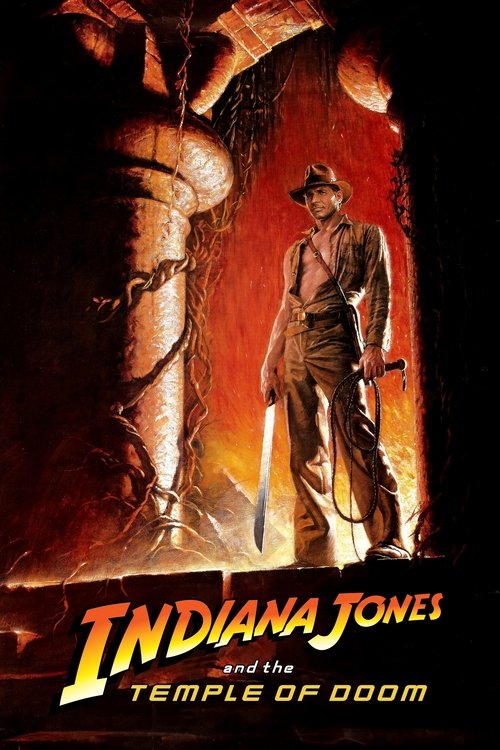
Indiana Jones and the Temple of Doom
1984
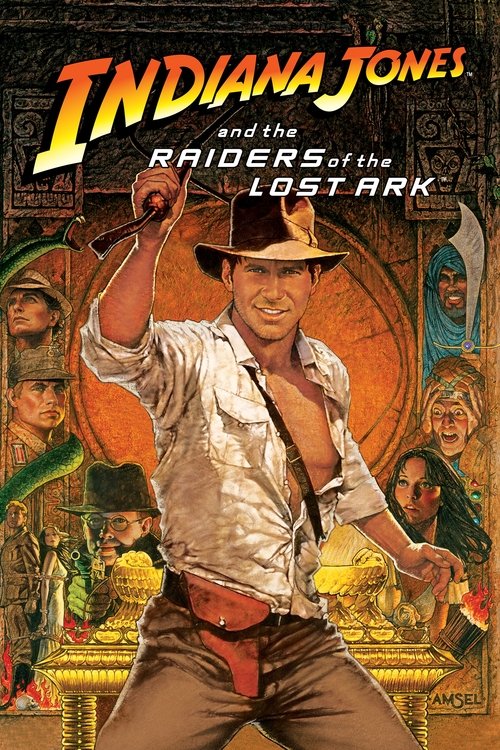
Raiders of the Lost Ark
1981
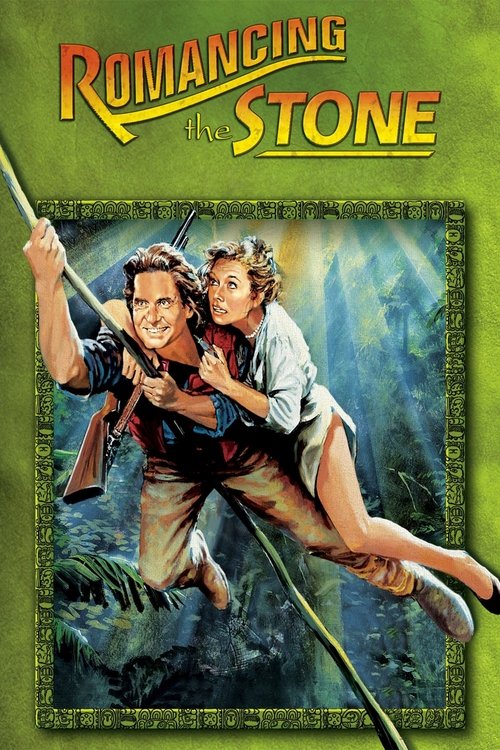
Romancing the Stone
1984
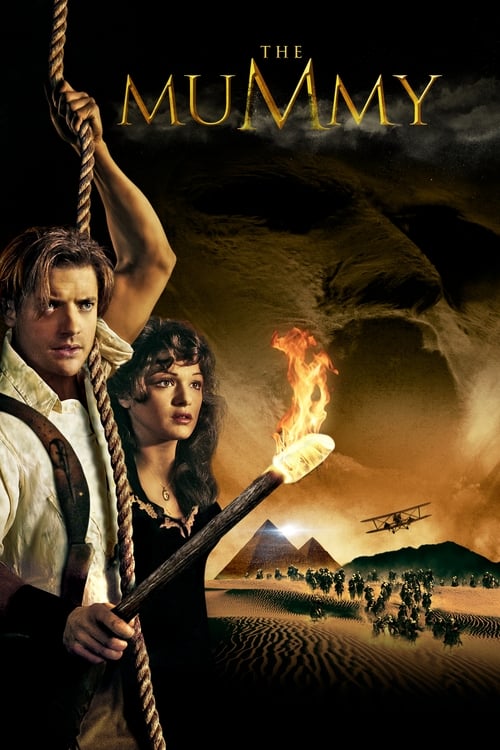
The Mummy
1999
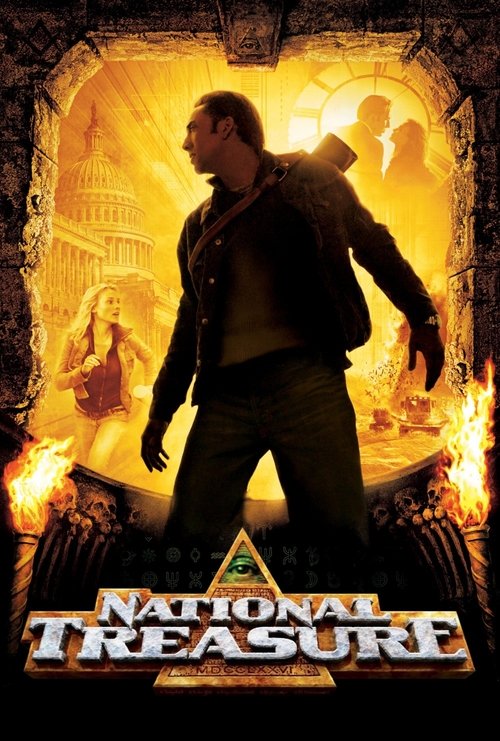
National Treasure
2004
Frequently Asked Questions
Everything you need to know about Indiana Jones and the Last Crusade
- The '\'X marks the spot\' clue is a pivotal moment that leads Indiana and his father to the next stage of their quest. It represents the intersection of two paths, symbolizing the confluence of their individual searches and their eventual reunion. This clue highlights the film's theme of following cryptic signs to uncover hidden truths.
- Henry Jones Sr.'s diary is more than just a journal; it's a meticulously kept record of his lifelong obsession with the Holy Grail, filled with research, maps, and warnings. It serves as a crucial guide for Indy, providing the necessary historical and theological context to navigate the perilous journey and thwart the Nazis' plans. The diary also acts as a symbolic bridge between father and son, allowing Indy to understand his father's dedication and follow in his intellectual footsteps.
- The Brotherhood of the Cruciform Sword is an ancient secret society dedicated to protecting the Holy Grail. They are not villains but guardians, ensuring that the sacred artifact remains hidden from those who would misuse its power. Their appearance underscores the idea that the Grail is not meant for personal gain but for spiritual devotion, and they test Indy's intentions.
- The three trials in the Grail Temple—the Breath of God, the Word of God, and the Path of God—are not merely physical obstacles but tests of faith, intellect, and humility. Each trial challenges a different aspect of the seeker's character, ensuring that only the truly worthy can reach the Grail. They symbolize the spiritual journey required to comprehend the Grail's true power, reinforcing the film's overarching themes of belief and self-discovery.
- Indy chooses the plainest cup, a simple carpenter's cup, as the Holy Grail because his father, through his research, realizes that the Son of God would not have used a golden chalice. This choice emphasizes the film's message that true divinity lies not in ostentatious wealth or power, but in humility, simplicity, and selfless service. It is a moment of profound realization for Indiana, highlighting the spiritual rather than material significance of the quest.
- The Grail Knight remaining in the temple at the end signifies his eternal vow to protect the Holy Grail. It represents an unending commitment to a sacred duty, and his inability to leave mirrors the ancient tales of guardians bound to powerful artifacts. His decision to stay reinforces the idea that the Grail is a sacred trust, and its protection demands ultimate sacrifice and dedication.

