Best Ke Huy Quan Films of All Time
From Iconic Child Star to Academy Award Winner
Discover the most essential movies in Ke Huy Quan's career, featuring his Oscar-winning comeback and legendary roles in eighties adventure classics.
About Ke Huy Quan
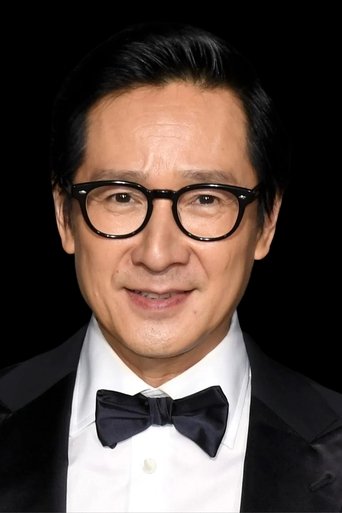
In the history of Hollywood second acts, few stories carry the emotional weight of Ke Huy Quan. For decades, he existed in the collective memory of moviegoers as a frozen image of childhood wonder, the quick-witted sidekick who held his own against global icons. To see him now is to witness a rare cinematic resurrection, a man who stepped out from behind the camera after years of quiet exile to reclaim a spotlight that many assumed had permanently dimmed. His return is not just a professional victory but a testament to a specific kind of vintage charisma that the industry spent too long overlooking.
The world first met him as Short Round, the beating heart of Indiana Jones and the Temple of Doom. He infused the 1984 blockbuster with a scrappy, kinetic energy that acted as the perfect foil to Harrison Ford's grittiness. Shortly after, he cemented his status as an eighties folk hero in The Goonies, playing the gadget-obsessed Data with an infectious curiosity that mirrored the audience's own sense of adventure. These roles were foundational, yet as he aged out of child stardom, the opportunities evaporated. He transitioned into the technical side of the industry, working on stunts and choreography, lingering in the background of projects like the 2002 romance Second Time Around while the world wondered where the boy with the million-watt smile had gone.
Everything changed when he stepped into the role of Waymond Wang in Everything Everywhere All at Once. It was the performance that shattered the glass ceiling of his hiatus, requiring him to pivot between a goofy, devoted husband and a high-stakes action hero across multiple dimensions. The film allowed him to showcase the martial arts proficiency glimpsed years earlier in Breathing Fire while revealing a sophisticated dramatic depth that felt startlingly fresh. When he swept the awards circuit that year, the outpouring of love from his peers and the public was rooted in a sense of justice. People were not just cheering for a great performance, they were cheering for the man who never gave up on his dream even when the dream seemed to have forgotten him.
Now, he is navigating a prolific new chapter that bridges the gap between nostalgia and modern stardom. After a brief return to the screen in Finding ʻOhana, he has become a fixture in major animated franchises, lending his distinctively warm voice to Kung Fu Panda 4 and the upcoming Zootopia 2. What makes audiences connect with him so fervently is his palpable gratitude. In every interview and every frame of film, there is no artifice or jaded cynicism. He operates with a raw, earnest vulnerability that makes his success feel like a shared win for anyone who has ever felt sidelined. He is no longer just the kid from the classics, he is a vital, leading presence who reminds us that the mid-credits scene of a career can sometimes be the most thrilling part of the movie.
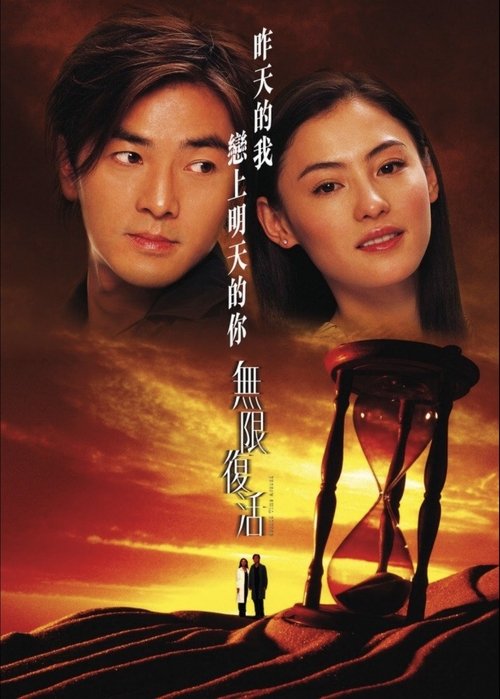
Second Time Around
2002A young man goes to Las Vegas with his best friend to prove he can win big bucks. When he loses all of the money, he and his friend get help from a young woman who tells the man the story of some special stones that are part of a legend involving time travel and parallel universes. When the trio get in a car accident, the young gambler is the only survivor. Pursued by a female detective, the two accidentally end up back in time on Christmas Day, where the gambler decides to make the wrong things right, and he also ends up falling in love with the detective.
Before his long hiatus, this romantic turn offered a rare glimpse of the leading-man sensitivity that would eventually define his later masterpieces. It remains a bittersweet milestone for fans tracking the evolution of his understated emotional depth.
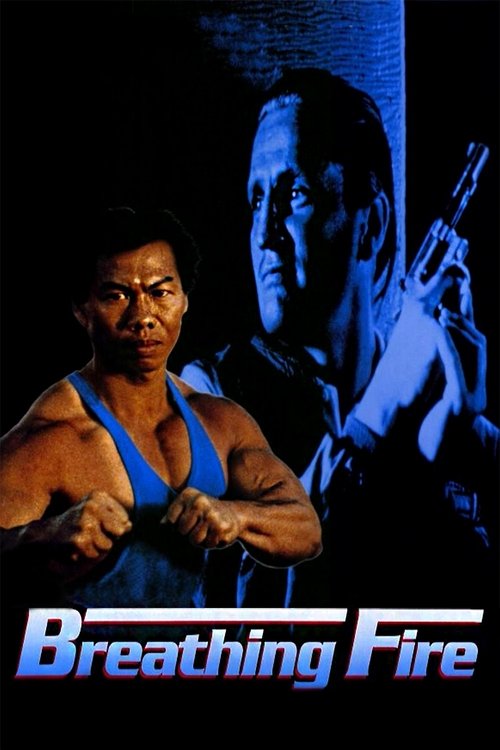
Breathing Fire
1991Michael, a Vietnam vet with two kids, pulls off a bank heist with his gang, which includes the bank's manager. To ensure the loyalty of everyone involved, Mike makes a special set of keys, so that the hiding place for the loot can only be opened if all the members are present. The bank manager, however, gets cold feet and tries to back out, so Mike and his buddies kill him and his wife. His daughter, however, gets hold of the key and runs for help to David, one of her father's old friends who also happens to be a Vietnam vet and a former comrade of Michael's. Will David be able to protect his friend's daughter?
A gritty snapshot of his transition into adulthood, this martial arts showcase highlights the physical precision he honed behind the scenes for decades. It stands as a vital archive of his kinetic talent during an era when Hollywood lacked the vision to cast him.
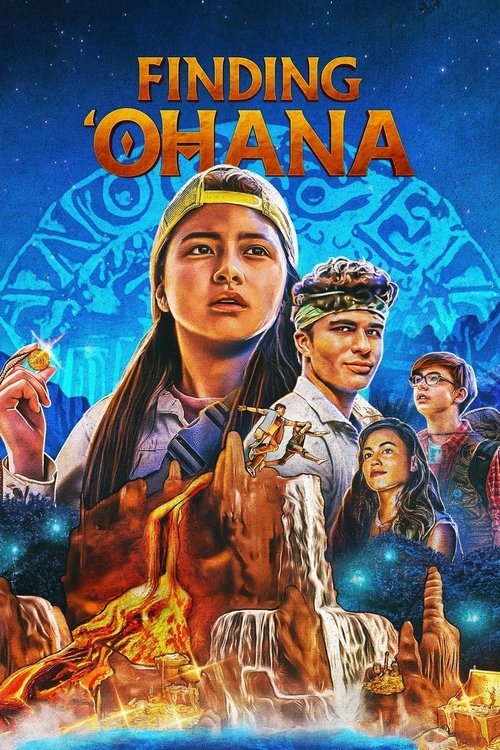
Finding ʻOhana
2021Two Brooklyn siblings' summer in a rural Oahu town takes an exciting turn when a journal pointing to long-lost treasure sets them on an adventure, leading them to reconnect with their Hawaiian heritage.
This retrospective appearance functions as a warm, meta-textual bridge between his legendary past and his contemporary comeback. While the role is supporting, his presence lends the production a sense of lineage and authentic adventure cred.
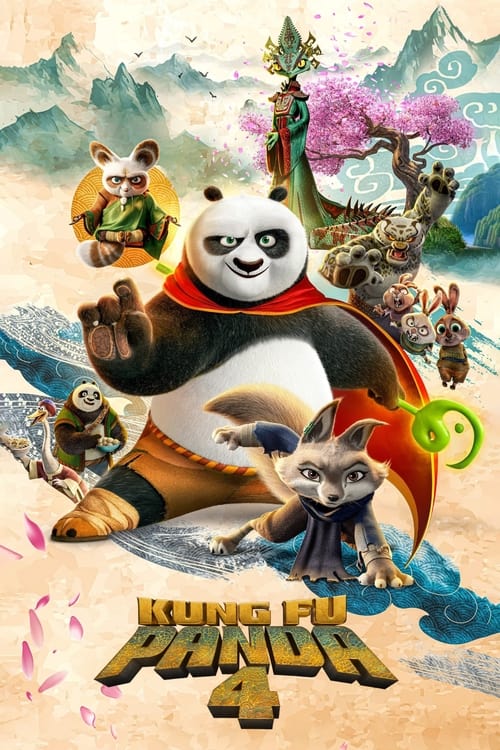
Kung Fu Panda 4
2024Po is gearing up to become the spiritual leader of his Valley of Peace, but also needs someone to take his place as Dragon Warrior. As such, he will train a new kung fu practitioner for the spot and will encounter a villain called the Chameleon who conjures villains from the past.
Playing the villainous Han allows Quan to lean into a slick, menacing playfulness that contrasts sharply with his usual earnestness. It is a savvy vocal turn that proves he can command a scene through theatricality and charm even without being seen.
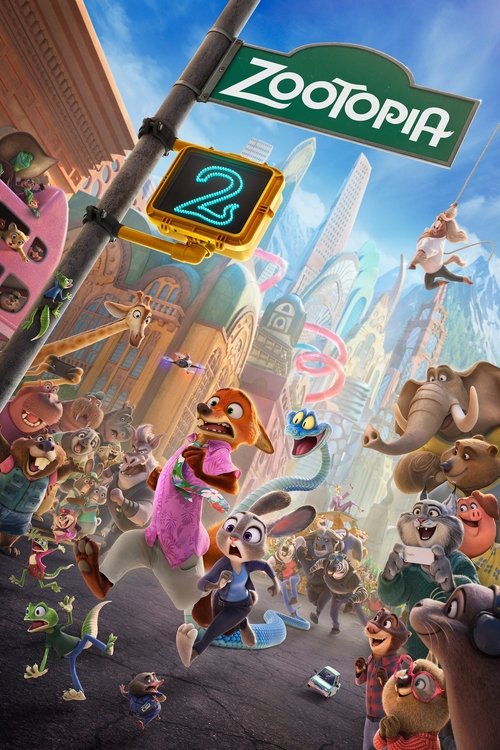
Zootopia 2
2025After cracking the biggest case in Zootopia's history, rookie cops Judy Hopps and Nick Wilde find themselves on the twisting trail of a great mystery when Gary De'Snake arrives and turns the animal metropolis upside down. To crack the case, Judy and Nick must go undercover to unexpected new parts of town, where their growing partnership is tested like never before.
Joining this massive animated sequel represents the full-circle momentum of his career resurgence within the Disney fold. His voice work here signals a new chapter where his distinct personality can carry major studio tentpoles once again.
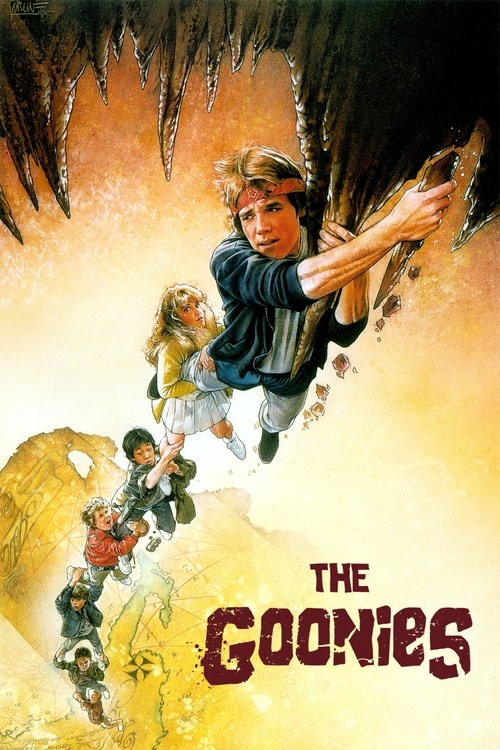
The Goonies
1985Young teen Mikey Walsh and his friends set off on a quest to find Pirate One-Eyed Willie's treasure in hopes of saving their homes from demolition. However, on their quest to find the treasure, they run into a family of recently escaped criminals, determined to capture the kids and reach the treasure first.
By infusing a potential caricature with genuine ingenuity and heart, Quan became the mechanical backbone of this Amblin classic. This performance solidified his status as a recurring icon of eighties childhood, showcasing his knack for ensemble chemistry.
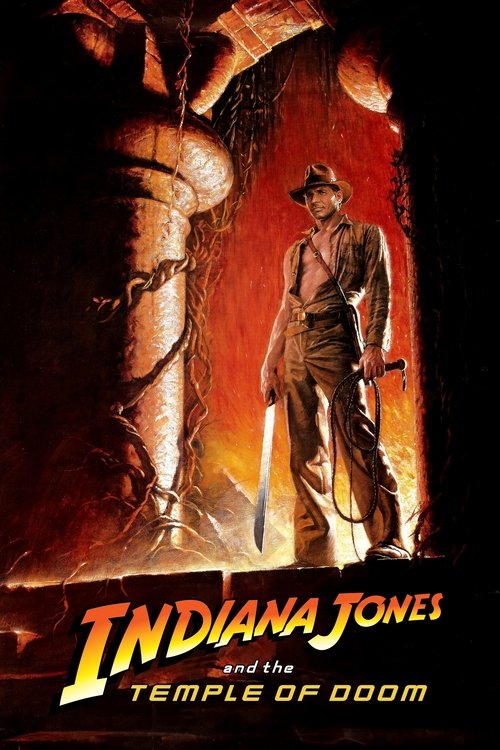
After arriving in India, Indiana Jones is asked by a desperate village to find a mystical stone. He agrees – and stumbles upon a secret cult plotting a terrible plan in the catacombs of an ancient palace.
The definitive child-star introduction, this role demanded a high-energy charisma that allowed a newcomer to hold his own alongside Harrison Ford. It remains a foundational text in adventure cinema precisely because of his sharp timing and fearless screen presence.

Everything Everywhere All at Once
2022An aging Chinese immigrant is swept up in an insane adventure, where she alone can save what's important to her by connecting with the lives she could have led in other universes.
Quan anchors this chaotic multiversal epic with a soulful, chameleon-like versatility that reinvented his public image overnight. His ability to oscillate between a timid husband and a suave action hero serves as a profound thesis on the untapped reservoirs of his dramatic range.
Frequently Asked Questions
Everything you need to know about this list and SnakeDrafts
- 'Everything Everywhere All at Once' holds the top spot due to Ke Huy Quan's critically acclaimed Oscar-winning performance, marking a powerful comeback that showcases his range beyond his childhood roles. The film's blend of action, adventure, and science fiction highlights his versatility and renewed presence in Hollywood.
- Ke Huy Quan's portrayal of Short Round in 'Indiana Jones and the Temple of Doom' became iconic for his quick wit and adventurous spirit as Indiana Jones' loyal sidekick. This 1984 classic remains a defining role that cemented his place in 80s adventure cinema.
- While Ke Huy Quan's acting traditionally involves live-action roles, his involvement in popular animated franchises like 'Kung Fu Panda 4' and 'Zootopia 2' highlights his range and appeal in family-friendly films, contributing to his diverse career portfolio.
- 'The Goonies' is a beloved 80s adventure-comedy that features Ke Huy Quan as part of a memorable ensemble cast of kids embarking on a treasure hunt. This film reinforces his status as a staple figure in classic adventure cinema for young audiences.
- 'Finding ʻOhana' represents Ke Huy Quan's continued presence in family and adventure genres, showcasing his ability to connect with audiences through heartfelt, fun, and action-packed storytelling. Released in 2021, it exemplifies his sustained relevance in contemporary cinema.
- Including 'Breathing Fire' and 'Second Time Around' highlights the depth of Ke Huy Quan's career beyond mainstream hits, offering fans insight into his diverse roles in action and fantasy genres. These films demonstrate his range and dedication to varied cinematic storytelling.
- This list focuses on films that highlight iconic, recent, and diverse roles, so some lesser-known or earlier works might not appear despite their cult status. However, the selection balances his legendary 80s performances with his notable comeback and animated projects.