The Definitive Ranking of George Miller Films
Master of the Wasteland and Modern Mythmaking
Explore the definitive filmography of visionary director George Miller, featuring the Mad Max franchise and his diverse cinematic masterpieces.
About George Miller

In the frantic, dust-choked landscapes of modern cinema, few figures loom as large or as surprisingly as the silver-haired doctor from Queensland. George Miller possesses a kinetic logic that defies the gravity of traditional blockbuster filmmaking. Where other directors lean on digital crutches or shaky-cam theatrics to simulate excitement, he choreographs chaos with the precision of a classical conductor. Whether he is launching a war rig into a desert storm or tracking a dancing penguin across the ice, his camera moves with a visceral, surgical purpose. It is a style born from his early days as an emergency room physician, where the ability to find a narrative thread amidst blood and trauma became his primary creative tool.
The Wasteland remains his most enduring laboratory. From the raw, shoestring desperation of the original Mad Max in 1979 to the operatic, chrome-plated grandeur of Fury Road, the director treats the apocalypse not as a tragedy, but as a vibrant, mythology-rich rebirth. He understands that silent storytelling is the purest form of cinema. In Mad Max 2, he stripped dialogue to its bones, trusting that movement and visual geography could tell a deeper story of survival than any monologue ever could. This obsession with the visual image reached its zenith in Furiosa: A Mad Max Saga, where he expanded his universe into a sprawling multi-decade epic that feels both ancient and aggressively futuristic.
Yet, to pigeonhole him as merely a master of the gearhead epic is to miss the strange, kaleidoscopic breadth of his curiosity. He oscillates between high-octane violence and whimsical fables with a dizzying lack of cynicism. He managed to follow the dystopian grit of Mad Max Beyond Thunderdome with the wicked, supernatural satire of The Witches of Eastwick, effortlessly shifting his focus from rusted steel to the suburban macabre. His filmography is a testament to his belief that a director should be a polymath. He can pivot from the heartbreaking, clinical intensity of Lorenzo’s Oil to the joyous, tap-dancing spectacle of Happy Feet without losing his distinctive signature. Even a film about a talking animal, Babe: Pig in the City, became a surrealist masterpiece of production design under his watch.
At his core, he is a seeker of myths. His recent foray into the ethereal, Three Thousand Years of Longing, serves as a mission statement for his entire career. It is a film about the power of stories to shape reality, a theme that pulses through every frame of his work. He views cinema as a communal dream, a place where the primal and the high-tech collide. His legacy is one of restless innovation, proving that a filmmaker can stay relevant for half a century simply by refusing to look back. He remains the industry's ultimate outlier: a visionary who treats every frame as a life-or-death operation, ensuring that whether his characters are racing for water or singing for their lives, the audience feels every heartbeat.
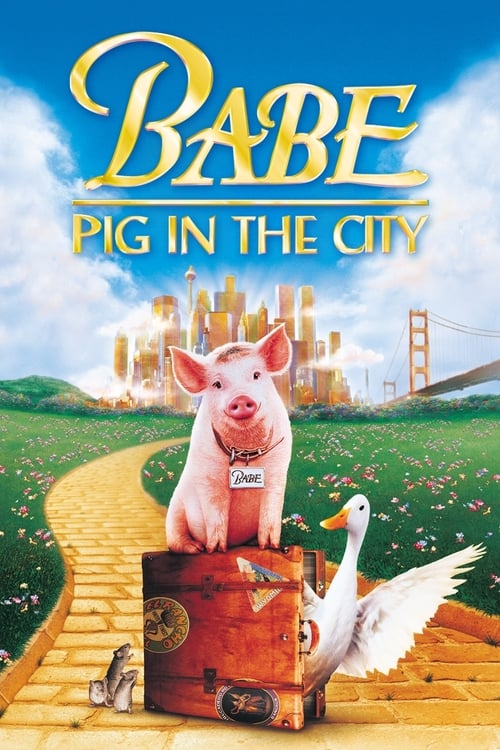
Babe: Pig in the City
1998Babe, fresh from his victory in the sheepherding contest, returns to Farmer Hoggett's farm, but after Farmer Hoggett is injured and unable to work, Babe has to go to the big city to save the farm.
This dark, expressionistic sequel subverts every expectation of its predecessor by plunging its protagonist into a surrealist urban nightmare. It is perhaps Miller’s most misunderstood work, a daring piece of tonal dissonance that replaces pastoral charm with a vivid, Hogarthian sense of city life.
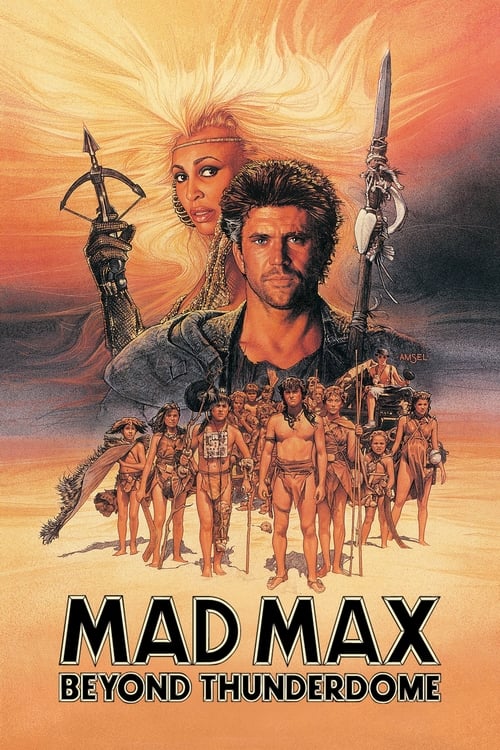
Mad Max becomes a pawn in a decadent oasis of a technological society, and when exiled, becomes the deliverer of a colony of children.
While it leans into the high-adventure tropes of eighties blockbusters, this entry elevates the franchise’s social commentary through its elaborate depiction of a primitive barter economy. It remains a fascinating pivot toward theatricality, highlighting Miller’s interest in the evolution of cultural rituals and mythology.

Happy Feet
2006Into the world of the Emperor Penguins, who find their soul mates through song, a penguin is born who cannot sing. But he can tap dance something fierce!
Beneath the surface of a family adventure lies a surprisingly radical environmentalist manifesto and a celebration of the idiosyncratic individual. Miller’s foray into digital animation maintains his career-long preoccupation with tribalism and the transformative power of the rhythmic pulse.
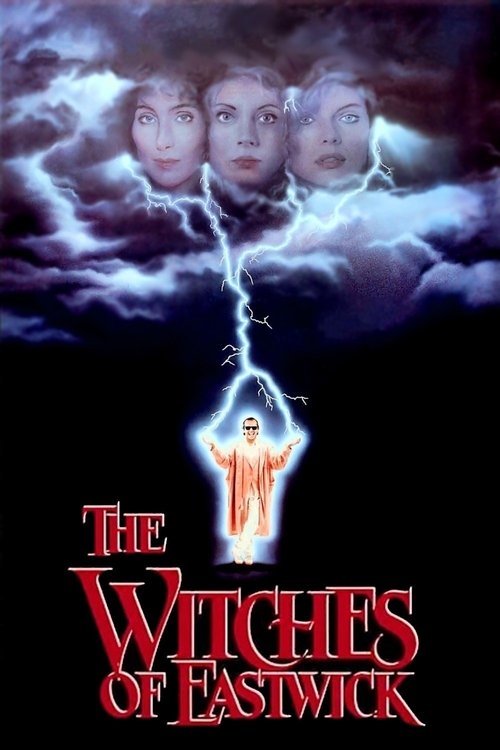
Three single women in a picturesque Rhode Island village have their wishes granted - at a cost - when a mysterious and flamboyant man arrives in their lives.
Miller brings a manic, cartoonish energy to this supernatural satire, infusing Hollywood gloss with his signature sense of grotesque artifice. The film serves as a brilliant showcase for his ability to manipulate tone, blending comedic absurdity with genuine gothic menace.
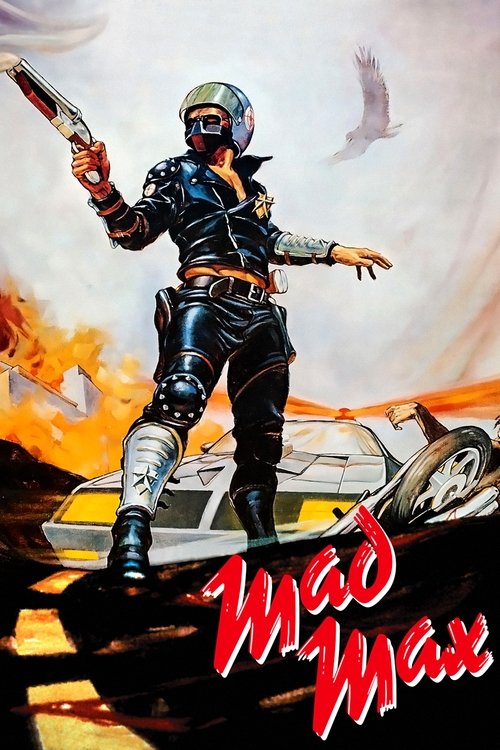
Mad Max
1979In the ravaged near-future, a savage motorcycle gang rules the road. Terrorizing innocent civilians while tearing up the streets, the ruthless gang laughs in the face of a police force hell-bent on stopping them.
The raw, low-budget ingenuity on display here marks the birth of a revolutionary directorial voice obsessed with the mechanics of speed and societal decay. It is a lean work of guerrilla filmmaking that captures the terrifying transition from civilization into the lawless void.
Three Thousand Years of Longing
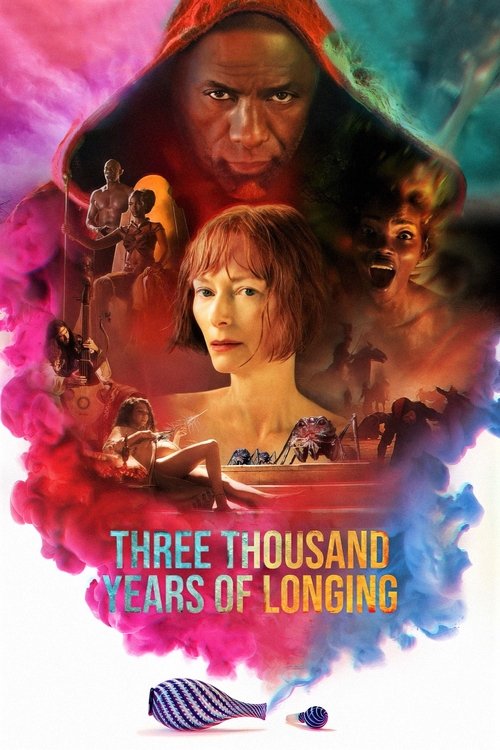
2022A solitary scholar discovers an ancient bottle while on a trip to Istanbul and unleashes a djinn who offers her three wishes. Filled with reluctance, she is unable to come up with one, so the djinn tries to inspire her with his stories.
A vibrant departure from his more tactile works, this philosophical fairy tale functions as a lush meditation on the power and volatility of storytelling itself. Miller utilizes a kaleidoscopic visual palette to explore the friction between ancient myth and the sterile isolation of the modern world.

Lorenzo's Oil
1992Augusto and Michaela Odone are dealt a cruel blow by fate when their five-year-old son Lorenzo is diagnosed with a rare and incurable disease. But the Odones' persistence and faith leads to an unorthodox cure which saves their boy and re-writes medical history.
Miller applies the same intensity found in his action cinema to the sterile halls of medical science, creating a harrowing and stylistically bold procedural. This film stands as a testament to his versatility, proving that his fascination with human obsession translates seamlessly into the realm of domestic drama.
Furiosa: A Mad Max Saga
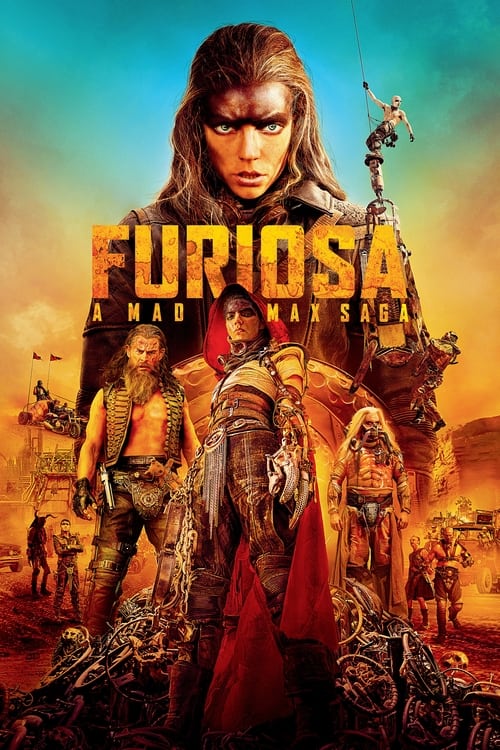
2024As the world falls, young Furiosa is snatched from the Green Place of Many Mothers into the hands of a great biker horde led by the warlord Dementus. Sweeping through the wasteland, they encounter the citadel presided over by Immortan Joe. The two tyrants wage war for dominance, and Furiosa must survive many trials as she puts together the means to find her way home.
A sprawling operatic expansion of the Wasteland mythos, this prequel trades the frantic momentum of its predecessor for a rigorous, chapter-based exploration of world-building and resource scarcity. It solidifies Miller’s legacy as a world-architect who can navigate both intimate trauma and scorched-earth warfare with equal precision.

Mad Max 2
1981Max Rockatansky returns as the heroic loner who drives the dusty roads of a postapocalyptic Australian Outback in an unending search for gasoline. Arrayed against him and the other scraggly defendants of a fuel-depot encampment are the bizarre warriors commanded by the charismatic Lord Humungus, a violent leader whose scruples are as barren as the surrounding landscape.
This foundational sequel effectively invented the aesthetic of the cinematic apocalypse through its gritty, relentless pacing and innovative stunt choreography. It remains the definitive blueprint for the wasteland genre, showcasing Miller’s ability to build mythic stakes out of scrap metal and desert sand.
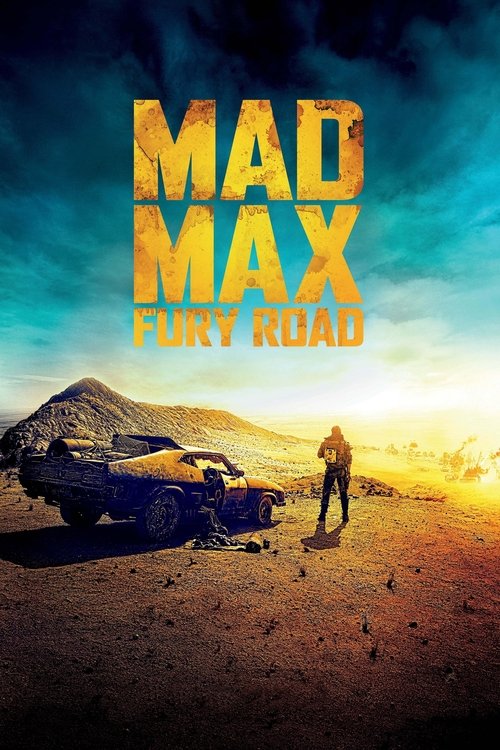
An apocalyptic story set in the furthest reaches of our planet, in a stark desert landscape where humanity is broken, and most everyone is crazed fighting for the necessities of life. Within this world exist two rebels on the run who just might be able to restore order.
Miller achieves a state of pure kinetic poetry here, stripping cinema down to its primal elements of movement and light. It is a masterclass in visual storytelling that proves a high-octane spectacle can also function as a sophisticated piece of political subversion.
Frequently Asked Questions
Everything you need to know about this list and SnakeDrafts
- George Miller's Mad Max series frequently explores themes of survival, anarchy, and redemption set in a dystopian post-apocalyptic world. The films balance high-octane action sequences with deeper social commentary on humanity and chaos.
- George Miller adapts his directing style expertly to suit the genre; his Mad Max films are kinetic and visually intense with elaborate stunt choreography, while films like Lorenzo's Oil focus more on intimate storytelling and character-driven drama, showcasing his versatility as a filmmaker.
- Happy Feet marked George Miller's innovative entry into animation, combining cutting-edge motion capture technology with charming storytelling. The film creatively blends environmental themes with vibrant musical elements, appealing to both family audiences and critics alike.
- Miller's fantasy films blend whimsical elements with darker undertones, offering a mix of humor, romance, and supernatural intrigue. These films demonstrate his ability to cross genres while maintaining a distinct narrative voice and visual style.
- Furiosa expands the Mad Max universe by focusing on the origin story of one of its most iconic characters, enriching the franchise's lore. Directed by Miller, it continues to blend thrilling action with strong character development and compelling world-building.
- Babe: Pig in the City showcases Miller's ability to handle family-friendly storytelling infused with adventure and comedy, diverging from his typical intense action films. The movie balances heartfelt moments with imaginative scenarios, highlighting his versatility.
- Mad Max: Fury Road is celebrated for its groundbreaking practical effects and relentless pacing, redefining the action genre. It combines visual spectacle with a powerful feminist narrative, making it a landmark in contemporary cinema.