The Definitive Nick Offerman Movie Ranking
From Deadpan Comedy to Gripping Dramatic Mastery
Discover the finest cinematic performances of Nick Offerman. A curated guide to his most essential film roles beyond the small screen.
About Nick Offerman
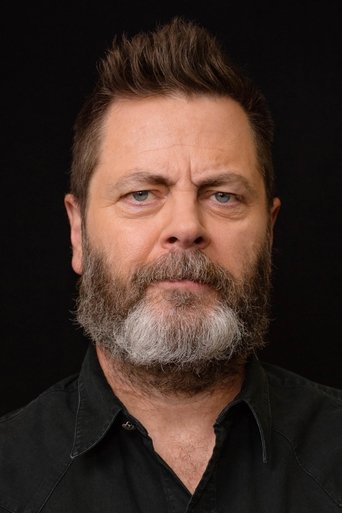
In an industry built on vanity and artifice, Nick Offerman occupies a space that feels startlingly tangible. He is Hollywood's resident craftsman, a man whose onscreen presence carries the weight of someone who actually knows how to use a lathe. While he achieved immortality through a specific brand of libertarian stoicism on television, his cinematic output reveals a far more elastic performer, one capable of moving from deadpan absurdity to devastating vulnerability without ever losing his grounded, Midwestern soul.
Audiences gravitate toward him because he radiates a rare sort of reliability. Whether he is playing a father trying to connect with his son through vintage vinyl in Hearts Beat Loud or portraying the cynical reality of a fast food mogul in The Founder, there is an inherent lack of desperation in his work. He never begs for a laugh or a tear. Instead, he leans into a quiet, observational intensity. This quality made him the perfect anchor for the indie charm of The Kings of Summer and Me and Earl and the Dying Girl, where he perfected the archetype of the eccentric but fundamentally decent patriarch.
His comedic timing is often built on the economy of movement. In studio comedies like 21 Jump Street and its sequel, 22 Jump Street, he serves as the straight-faced ballast to the surrounding chaos. He can steal an entire sequence in We're the Millers just by standing still, letting his silence do the heavy lifting that other actors might attempt with frantic dialogue. Even when reduced to a voice in a recording booth, as heard in The Lego Movie or Sing 2, that distinct, gravelly resonance provides an instant sense of authority and warmth.
Lately, the actor has shifted into more shadowed territory, proving that his steady hand is equally effective in high stakes drama. His turn in the neon-soaked noir Bad Times at the El Royale hinted at a darker grit, while his inclusion in the sprawling cast of Civil War showed a man capable of projecting the terrifying weight of institutional power. He has become a sort of cinematic shorthand for integrity, even when the characters he plays are morally compromised. In the stock market satire Dumb Money or the coming of age story The House of Tomorrow, he serves as a reminder that the most interesting person in the room is often the one who speaks the least.
As he prepares to enter the high octane world of Mission: Impossible - The Final Reckoning, his cultural footprint feels more secure than ever. He represents a bridge between old world masculinity and a modern, sensitive intellectualism. He is as comfortable discussing the merits of a well aged piece of white oak as he is navigating the complexities of a nuanced script like The Hero. Offerman has bypassed the typical Hollywood trajectory by simply being himself, a strategy that has turned a character actor with a penchant for woodworking into a genuine pillar of contemporary American cinema. He remains the definitive proof that you do not need to shout to be the most memorable person on the screen.
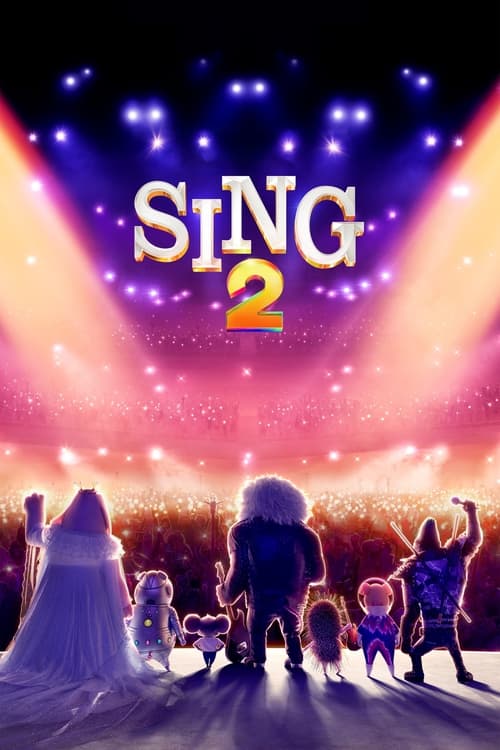
Sing 2
2021Buster and his new cast now have their sights set on debuting a new show at the Crystal Tower Theater in glamorous Redshore City. But with no connections, he and his singers must sneak into the Crystal Entertainment offices, run by the ruthless wolf mogul Jimmy Crystal, where the gang pitches the ridiculous idea of casting the lion rock legend Clay Calloway in their show. Buster must embark on a quest to find the now-isolated Clay and persuade him to return to the stage.
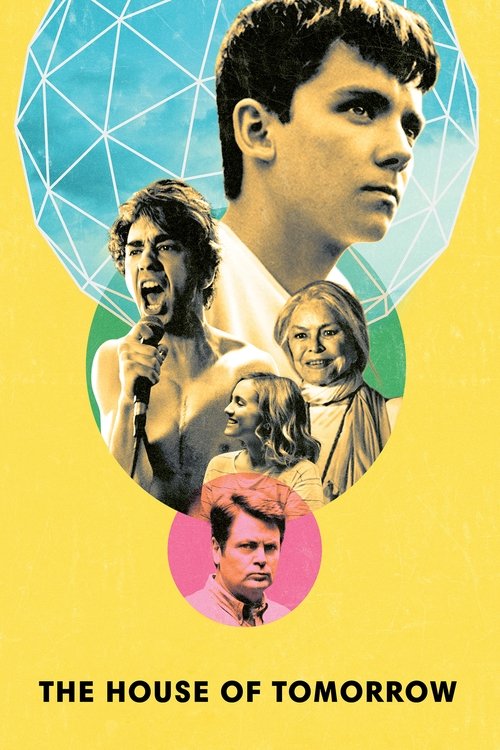
The House of Tomorrow
2019The film tells futurist, architect, and inventor R. Buckminster Fuller's incredible story through two teens hoping to get laid, become punk gods, and survive high school.
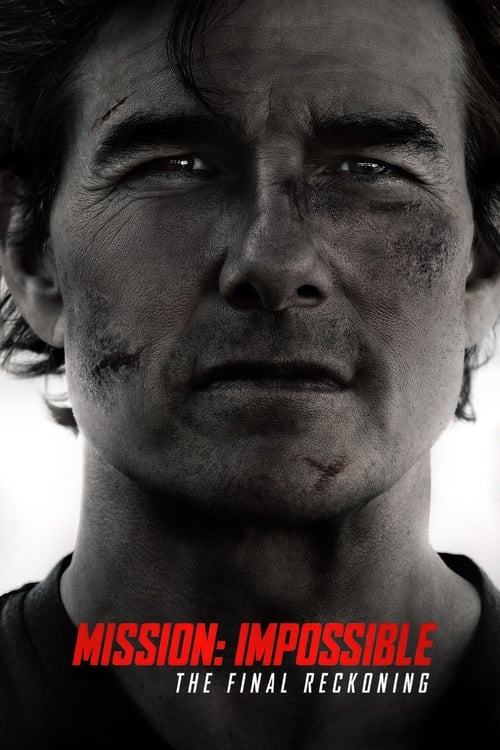
Mission: Impossible - The Final Reckoning
2025Ethan Hunt and team continue their search for the terrifying AI known as the Entity — which has infiltrated intelligence networks all over the globe — with the world's governments and a mysterious ghost from Hunt's past on their trail. Joined by new allies and armed with the means to shut the Entity down for good, Hunt is in a race against time to prevent the world as we know it from changing forever.
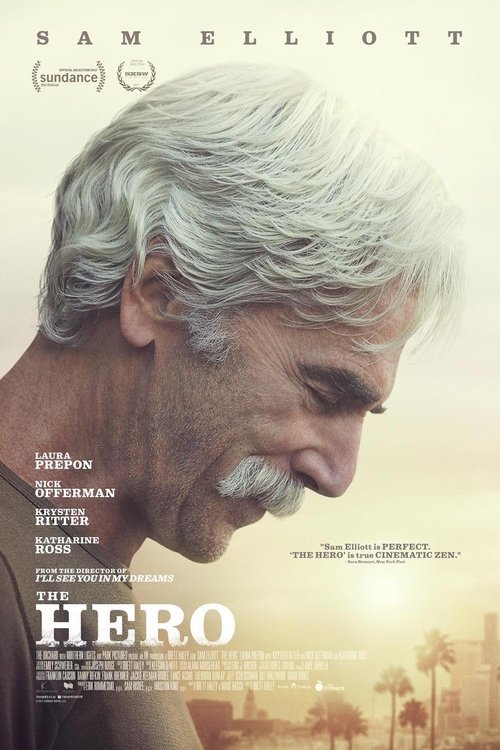
The Hero
2017Lee, a former Western film icon, is living a comfortable existence lending his golden voice to advertisements and smoking weed. After receiving a lifetime achievement award and unexpected news, Lee reexamines his past, while a chance meeting with a sardonic comic has him looking to the future.

Hearts Beat Loud
2018In the hip Brooklyn neighborhood of Red Hook, single dad and record store owner Frank is preparing to send his hard-working daughter Sam off to college while being forced to close his vintage shop. Hoping to stay connected through their shared musical passions, Frank urges Sam to turn their weekly jam sessions into a father-daughter live act. After their first song becomes an internet breakout, the two embark on a journey of love, growing up and musical discovery.
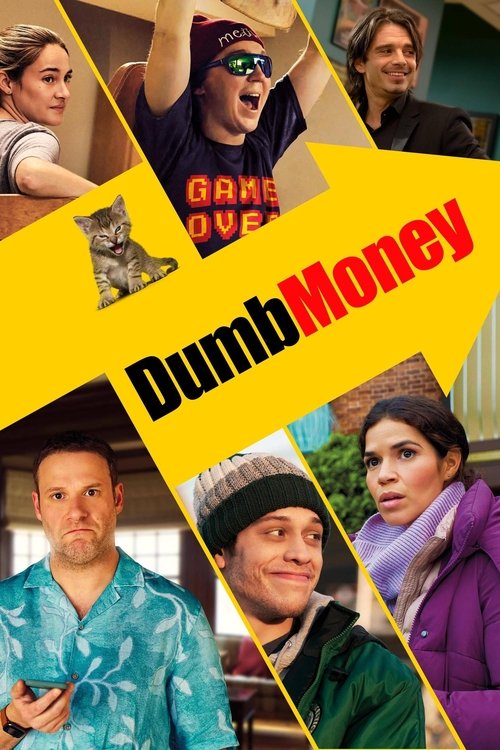
Dumb Money
2023Vlogger Keith Gill sinks his life savings into GameStop stock and posts about it. When social media starts blowing up, so do his life and the lives of everyone following him. As a stock tip becomes a movement, everyone gets rich—until the billionaires fight back, and both sides find their worlds turned upside down.
Playing a billionaire titan of industry, he captures the disconnect of the ultra-wealthy with a cold, minimalist precision. It is a calculated performance that strips away his usual folksy charm to expose the calculating machinery of modern finance.
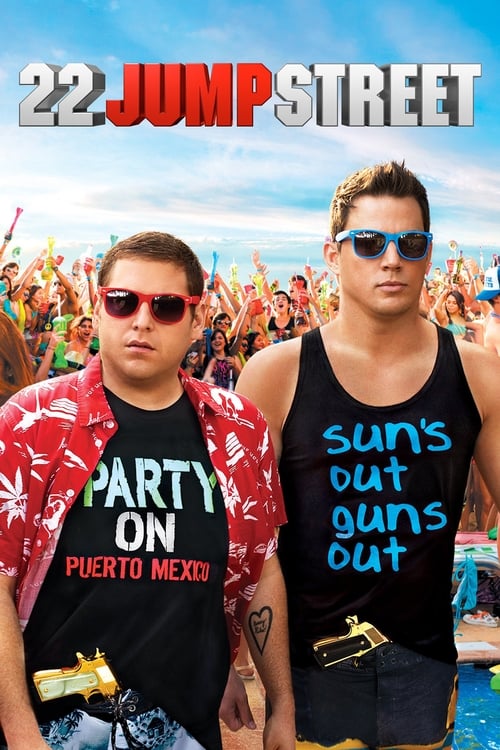
22 Jump Street
2014After making their way through high school (twice), big changes are in store for officers Schmidt and Jenko when they go deep undercover at a local college. But when Jenko meets a kindred spirit on the football team, and Schmidt infiltrates the bohemian art major scene, they begin to question their partnership. Now they don't have to just crack the case - they have to figure out if they can have a mature relationship. If these two overgrown adolescents can grow from freshmen into real men, college might be the best thing that ever happened to them.
Returning to his role as the meta-aware superior, he leans further into the self-referential humor that defines the sequel's charm. His deadpan delivery remains the franchise’s secret weapon, anchoring the chaotic energy of the leads with a granite-faced cynical edge.
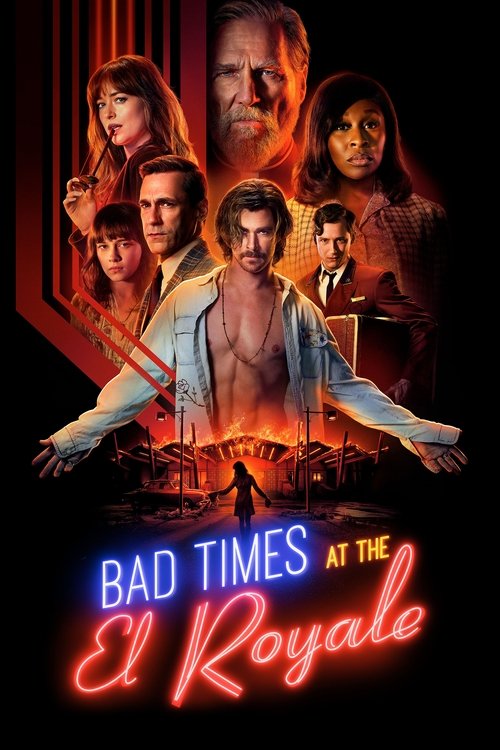
Bad Times at the El Royale
2018Lake Tahoe, 1969. Seven strangers, each one with a secret to bury, meet at El Royale, a decadent motel with a dark past. In the course of a fateful night, everyone will have one last shot at redemption.
In a brief but pivotal appearance, he brings a weary, noir-soaked intensity that deepens the film's sense of historical conspiracy. This role demonstrates his capacity to leave a lasting atmospheric dent in a narrative even with limited screen time.
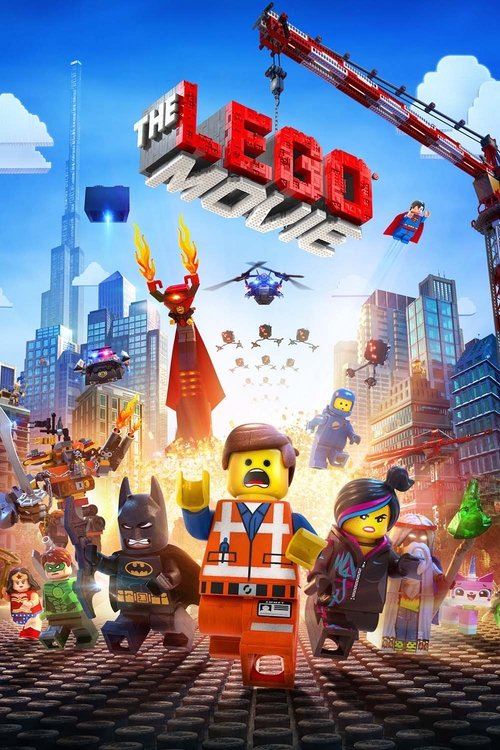
The Lego Movie
2014An ordinary Lego mini-figure, mistakenly thought to be the extraordinary MasterBuilder, is recruited to join a quest to stop an evil Lego tyrant from conquering the universe.
Voice acting rarely captures an actor’s physical essence so well, yet his gravelly delivery as MetalBeard infuses a plastic pirate with genuine swashbuckling grit. He transforms a collection of bricks into a standout personality through sheer vocal texture and comedic bravado.
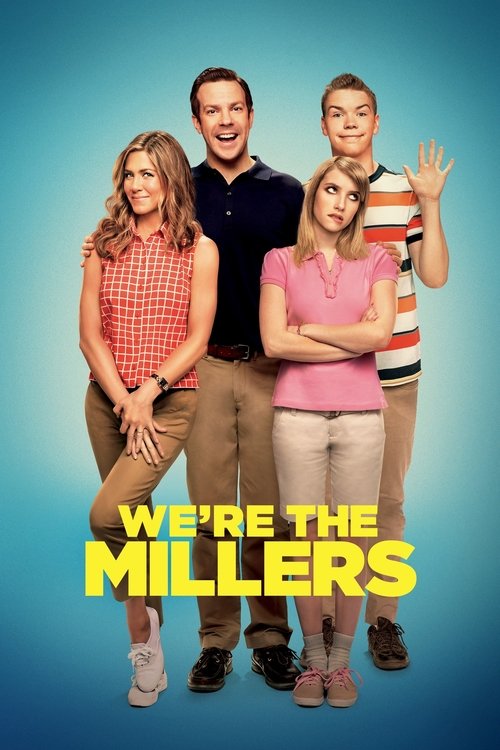
We're the Millers
2013A veteran pot dealer creates a fake family as part of his plan to move a huge shipment of weed into the U.S. from Mexico.
He finds a hilarious pocket of squareness here, playing a straight-laced vacationer whose hidden wild side is revealed through impeccable comedic tempo. It is a vital showcase of his talent for physical comedy and his knack for playing characters who are blissfully unaware of their own ridiculousness.
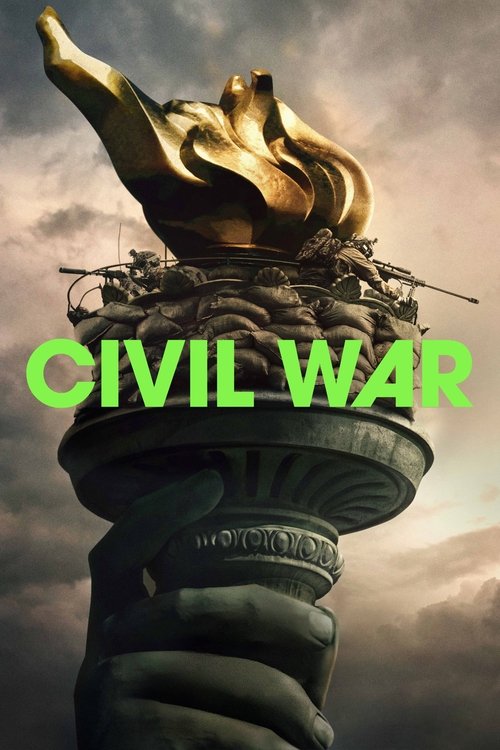
Civil War
2024In the near future, a group of war journalists attempt to survive while reporting the truth as the United States stands on the brink of civil war.
Stepping into the highest office during a national collapse, Offerman utilizes his natural gravitas to project a terrifying sense of hollowed-out authority. This performance marks a significant pivot toward political thriller territory, where his stoicism is used to evoke systemic dread rather than comfort.
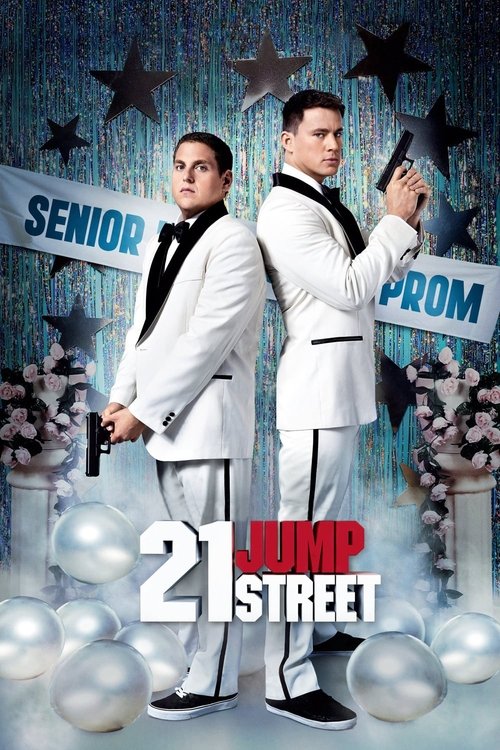
21 Jump Street
2012When cops Schmidt and Jenko join the secret Jump Street unit, they use their youthful appearances to go undercover as high school students. They trade in their guns and badges for backpacks, and set out to shut down a dangerous drug ring. But, as time goes on, Schmidt and Jenko discover that high school is nothing like it was just a few years earlier -- and, what's more, they must again confront the teenage terror and anxiety they thought they had left behind.
Casting him as the quintessential police captain was a stroke of genius that allowed him to parody his own hyper-masculine screen persona. He commands the screen with a stern, authoritative absurdity that sets the high-energy comedic pace for the entire franchise.
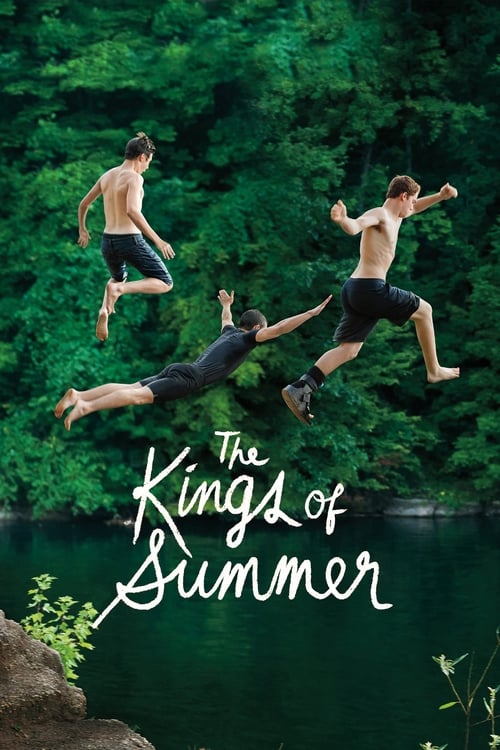
The Kings of Summer
2013Three restless teenagers run away to the woods for the summer, determined to escape their parents and live by their own rules. In a hidden clearing, they build a makeshift house and attempt to create an independent life, testing their friendship, freedom, and the challenges of living off the land.
Channeling a specific brand of suburban deadpan, he weaponizes dry wit to anchor this coming-of-age odyssey. His ability to project both parental frustration and comedic timing elevates the film's domestic friction into something rhythmic and deeply funny.
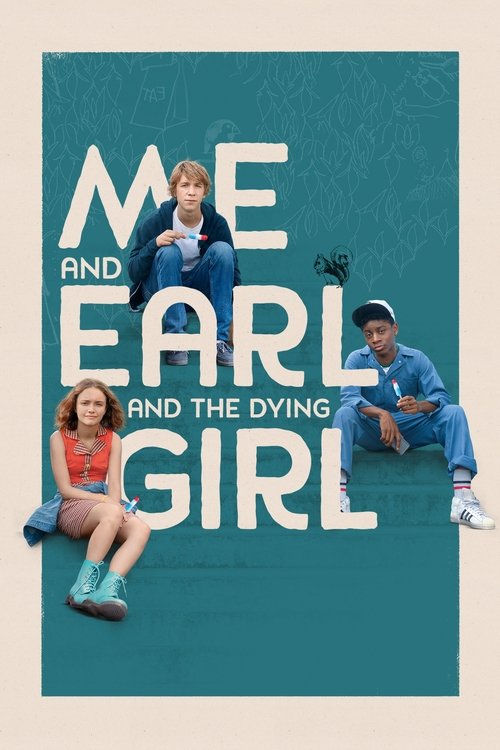
Me and Earl and the Dying Girl
2015Greg is coasting through senior year of high school as anonymously as possible, avoiding social interactions like the plague while secretly making spirited, bizarre films with Earl, his only friend. But both his anonymity and friendship threaten to unravel when his mother forces him to befriend a classmate with leukemia.
As a robe-clad, exotic-food-eating academic, he provides a grounded yet eccentric soul to the narrative that transcends the typical father figure archetype. It is a masterful exercise in restraint, proving he can dominate a scene simply by leaning into the oddities of a lived-in character.
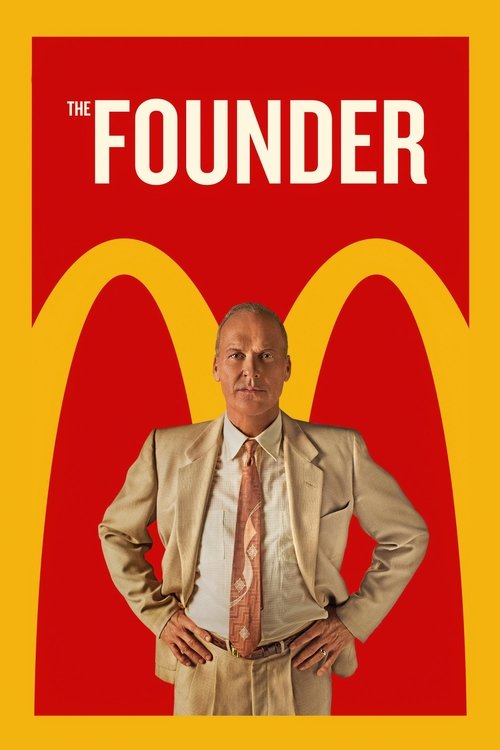
The Founder
2016The true story of how Ray Kroc, a salesman from Illinois, met Mac and Dick McDonald, who were running a burger operation in 1950s Southern California. Kroc was impressed by the brothers’ speedy system of making the food and saw franchise potential. He maneuvered himself into a position to be able to pull the company from the brothers and create a billion-dollar empire.
Offerman sheds his usual warm exterior to embody a precise, embittered corporate architect whose bureaucratic rigidity serves as the perfect foil to the film’s central greed. This role stands as a sharp reminder that his dramatic range allows for a chillingly effective brand of professional resentment.
Frequently Asked Questions
Everything you need to know about this list and SnakeDrafts
- 'The Founder' showcases Nick Offerman's dramatic depth, portraying a character steeped in historical complexity, which contrasts with his lighter, comedic roles in films like '21 Jump Street.' This role highlights his versatility beyond humor into intense, character-driven drama.
- Many of Nick Offerman's films explore themes of personal growth, resilience, and unconventional family dynamics, as seen in 'The Kings of Summer' and 'Hearts Beat Loud.' His characters often navigate life's absurdities with a grounded, stoic presence that adds emotional weight to these themes.
- Nick Offerman voices a character in 'The Lego Movie,' adding his signature dry wit and charm to an animated role that appeals to both children and adults, showcasing his versatility as an actor who transcends live-action performances.
- In recent years, Nick Offerman has embraced a range of genres from the thrilling mystery of 'Bad Times at the El Royale' to the dramatic stakes of 'Civil War,' reflecting a deliberate expansion into more complex, varied roles that challenge the boundaries of his previous work.
- In 'Me and Earl and the Dying Girl,' Offerman delivers a nuanced performance balancing humor and heartfelt emotion, which complements the film’s blend of comedy and drama. This role showcases his ability to support deeply emotional storytelling without overshadowing the narrative.
- Nick Offerman has worked with notable directors like Phil Lord on multiple projects such as '21 Jump Street' and '22 Jump Street,' and Brett Haley on 'Hearts Beat Loud' and 'The Hero.' These collaborations illustrate his appeal to filmmakers who value his range and reliability in both comedic and dramatic contexts.
- Films like 'Mission: Impossible - The Final Reckoning' and 'Civil War' highlight Nick Offerman's abilities in action-packed environments, showcasing his capacity to blend physicality with his distinctive deadpan style, adding depth to high-stakes cinematic experiences.