The Best Heath Ledger Movies Ranked
The Definitive Ranking of a Generational Icon
Explore the most essential performances from Heath Ledger's legendary career, from his Oscar-winning Joker to his breakout role in 10 Things I Hate About You.
About Heath Ledger
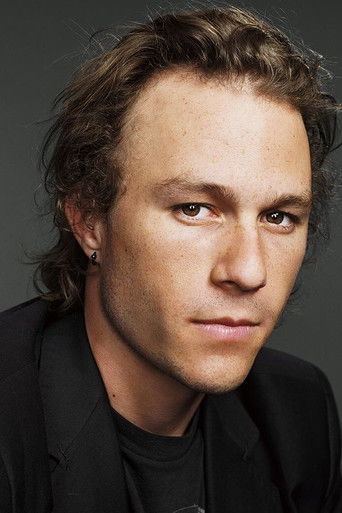
Heath Ledger was never interested in being the person the camera expected him to be. In the late nineties, he arrived in Hollywood as a specimen of golden-age charisma, the kind of leading man who could disarm an entire high school stadium with a smirk and a song in 10 Things I Hate About You. But while the industry saw a teen idol, he saw a cage. He spent the rest of his career dismantling that image, opting instead for a path defined by transformative risks and an almost restless search for creative friction. He possessed a rare, tactile quality on screen, a way of moving that made his characters feel like they had a history written into their very posture.
The true pivot came when he stepped away from the blockbuster trajectory signaled by A Knight's Tale and The Patriot to find something more jagged. He chose roles that forced him to disappear. In Brokeback Mountain, he delivered a masterclass in repression, portraying Ennis Del Mar not as a romantic hero, but as a man literally choked by his own silence. It was a performance of tectonic shifts, revealing a depth that silenced any lingering doubts about his range. By the time he was playing a heroin addict in the heartbreaking Australian drama Candy or a skateboard pioneer in Lords of Dogtown, it was clear he was a chameleon who prioritised authenticity over vanity.
Audiences connected with him because his vulnerability felt unvarnished. Even in massive spectacles, there was an intimacy to his work. If you look at I'm Not There or The Imaginarium of Doctor Parnassus, you see an artist who was entirely unconcerned with his own mythos. He wanted to get his hands dirty. This culminated in his definitive turn as the Joker in The Dark Knight, a performance that shifted the cultural landscape. It was a terrifying, anarchic creation that felt less like acting and more like a haunting. He didn't just play a villain; he built a philosophy of chaos from the ground up, altering the way we perceive blockbuster storytelling forever.
His legacy isn't rooted in the sheer number of films he left behind, but in the intensity he brought to every frame. Whether he was playing a gritty outlaw in Ned Kelly, a crumbling lover in Monster's Ball, or the romantic lead in Casanova, he operated with an emotional honesty that felt dangerous. He was a performer who seemed to be constantly evolving in real time, shedding skins and defying expectations. The tragedy of his early departure is punctuated by the fact that he was just beginning to scratch the surface of his own potential. He remains a singular figure in cinema, the rare actor who gave everything to his craft and left us with a body of work that feels just as visceral and essential today as it did when he first stepped into the light.
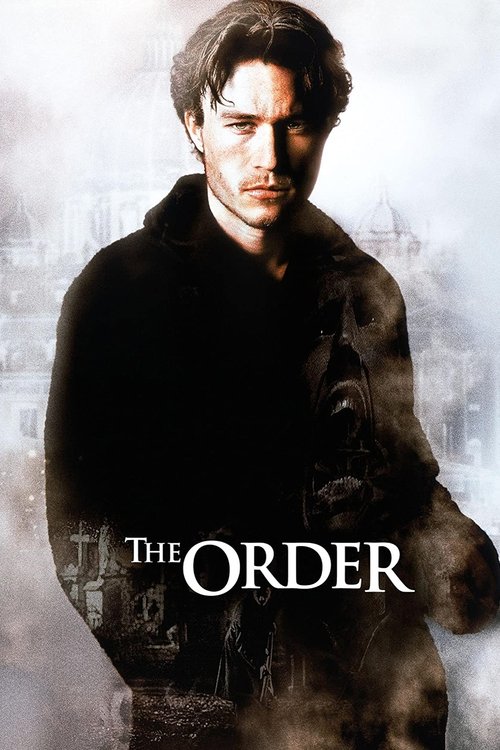
The Order
2003For centuries, a secret Order of priests has existed within the Church. A renegade priest, Father Alex Bernier, is sent to Rome to investigate the mysterious death of one of the Order's most revered members. Following a series of strangely similar killings, Bernier launches an investigation that forces him to confront unimaginable evil.
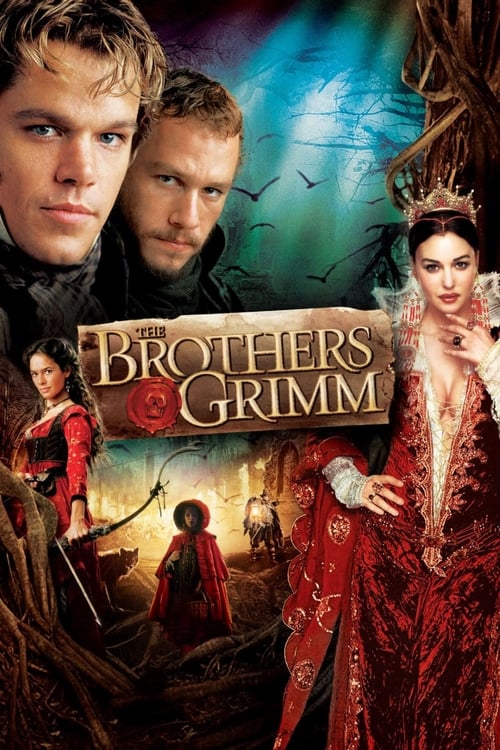
The Brothers Grimm
2005Folklore collectors and con artists, Jake and Will Grimm, travel from village to village pretending to protect townsfolk from enchanted creatures and performing exorcisms. However, they are put to the test when they encounter a real magical curse in a haunted forest with real magical beings, requiring genuine courage.
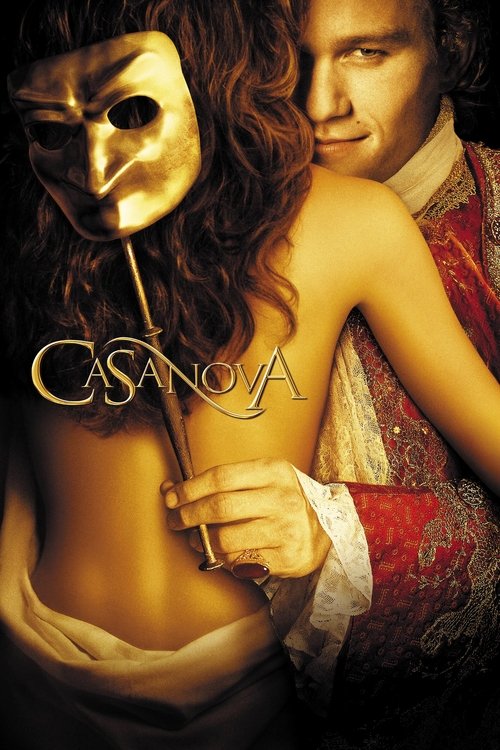
Casanova
2005With a reputation for seducing members of the opposite sex, regardless of their marital status, a notorious womanizer discovers a beauty who seems impervious to his charms. However, as he continues to pursue the indifferent lady, he finds himself falling in love.
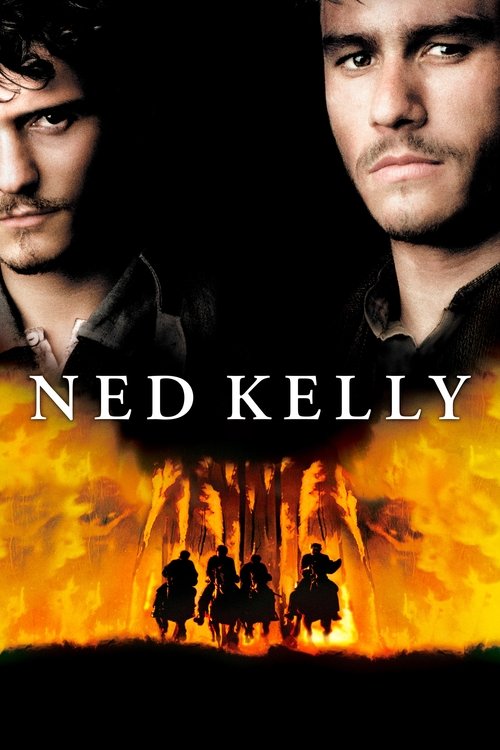
Ned Kelly
2003After getting threatened by Kelly's friends and family, Constable Fitzpatrick places the blame on Ned Kelly and exaggerates what happened. With the biggest ever award available, Kelly and his gang set into the wild, to remain hidden from everyone who seeks them. Even if it means having his family arrested, the members of the Kelly Gang stay hidden and plan a way to get their names cleared.
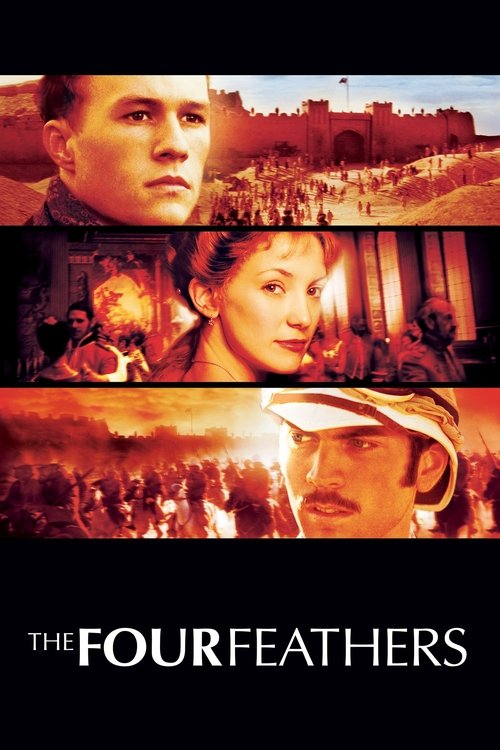
The Four Feathers
2002A young British officer resigns his post when he learns of his regiment's plan to ship out to the Sudan for the conflict with the Mahdi. His friends and fiancée send him four white feathers as symbols of what they view as his cowardice. To redeem his honor, he disguises himself as an Arab and secretly saves their lives.
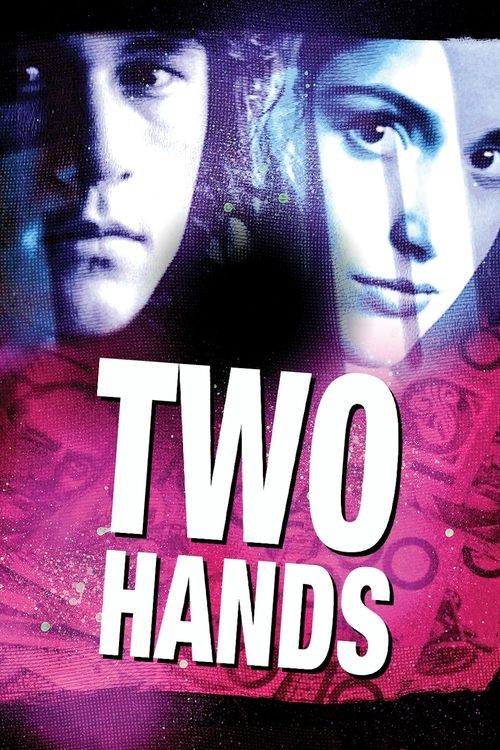
Two Hands
199919-year-old Jimmy is just scraping by in the red-light district of Sydney. When local crime lord Pando offers him a shot at working for his syndicate, Jimmy jumps at the chance to deliver a costly package. But, when Jimmy gets jacked by a couple of kids, he's indebted to the dangerous gangster for $10,000. Running out of time, he schemes to rob a bank to save himself and a beautiful girl he desires from a gruesome demise.

I'm Not There
2007Six actors portray six personas of music legend Bob Dylan in scenes depicting various stages of his life, chronicling his rise from unknown folksinger to international icon and revealing how Dylan constantly reinvented himself.
Tasked with representing the celebrity domesticity of Bob Dylan, Ledger provides a grounded and cynical counterpoint to the film's more abstract incarnations of the artist. He brilliantly deconstructs the friction between a public persona and the collapsing reality of a private marriage.
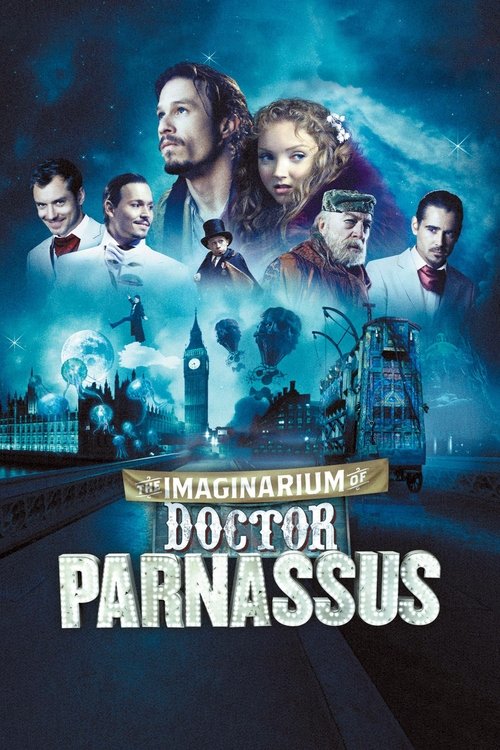
The Imaginarium of Doctor Parnassus
2009After a carnival troupe saves his life, a man agrees to help its immortal leader collect five souls and win a bet with the devil.
In his final screen appearance, Ledger exhibits a slippery, mercurial charm that beautifully complements the film's surrealist landscape. His work here is a bittersweet reminder of his improvisational range and his fearlessness when navigating non-linear, avant-garde narratives.
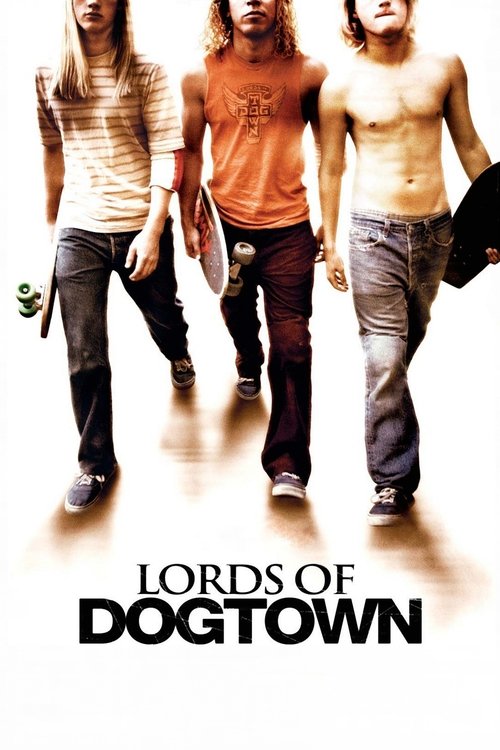
Lords of Dogtown
2005The radical true story behind three teenage surfers from Venice Beach, California, who took skateboarding to the extreme and changed the world of sports forever. Stacy Peralta, Tony Alva and Jay Adams are the Z-Boys, a bunch of nobodies until they create a new style of skateboarding that becomes a worldwide phenomenon. But when their hobby becomes a business, the success shreds their friendship.
Disappearing behind a veneer of sun-bleached hair and a slurred drawl, Ledger steals every scene as the tragic, boozy patriarch of the Z-Boys. His portrayal of Skip Engblom serves as a crucial bridge in his filmography, marking his pivot toward transformative character work.
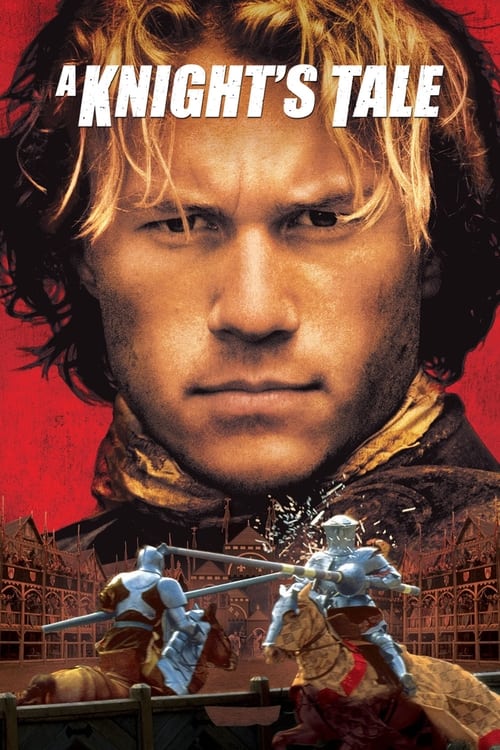
A Knight's Tale
2001William Thatcher, a knight's peasant apprentice, gets a chance at glory when the knight dies suddenly mid-tournament. Posing as a knight himself, William won't stop until he's crowned tournament champion—assuming matters of the heart don't get in the way.
Channeling a roguish magnetism that modernizes the medieval epic, Ledger carries this anachronistic experiment with pure, kinetic energy. It served as the definitive proof that he possessed the athletic grace and comedic timing necessary to anchor a big budget blockbuster.
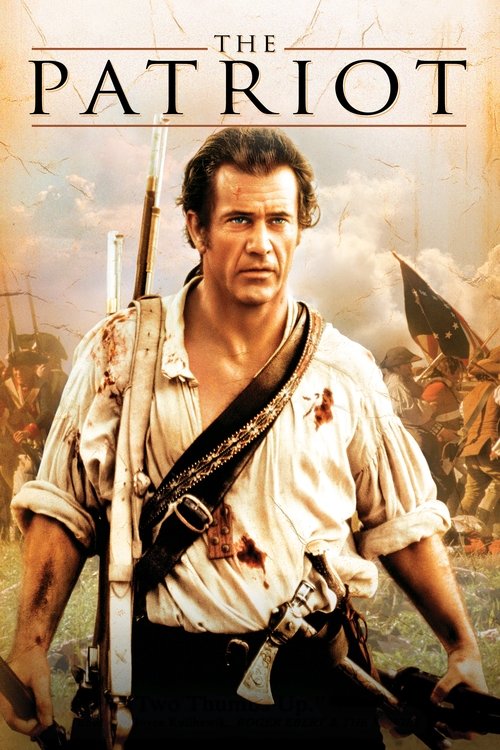
The Patriot
2000After proving himself on the field of battle in the French and Indian War, Benjamin Martin wants nothing more to do with such things, preferring the simple life of a farmer. But when his son Gabriel enlists in the army to defend their new nation, America, against the British, Benjamin reluctantly returns to his old life to protect his son.
Ledger brings a necessary fire and idealism to this historical spectacle, holding his own against seasoned veterans with centered intensity. This role established his ability to handle epic scale while maintaining the emotional stakes of a grounded coming of age story.

Monster's Ball
2001A prison guard begins a tentative romance with the unsuspecting widow of a man whose execution he presided over.
Even in a supporting capacity, Ledger commands the screen through a hauntingly subdued performance that captures the cycle of generational trauma. He manages to convey a lifetime of paternal rejection through flickering eyes and a strained, aching posture.

Candy
2006A poet falls in love with an art student, who gravitates to his bohemian lifestyle — and his love of heroin. Hooked as much on one another as they are on the drug, their relationship alternates between states of oblivion, self-destruction, and despair.
Ledger plunges into the harrowing depths of addiction with a raw, unvarnished vulnerability that is deeply uncomfortable to witness. It remains one of his most intimate portraits of human fragility, proving his willingness to bypass vanity for the sake of psychological truth.
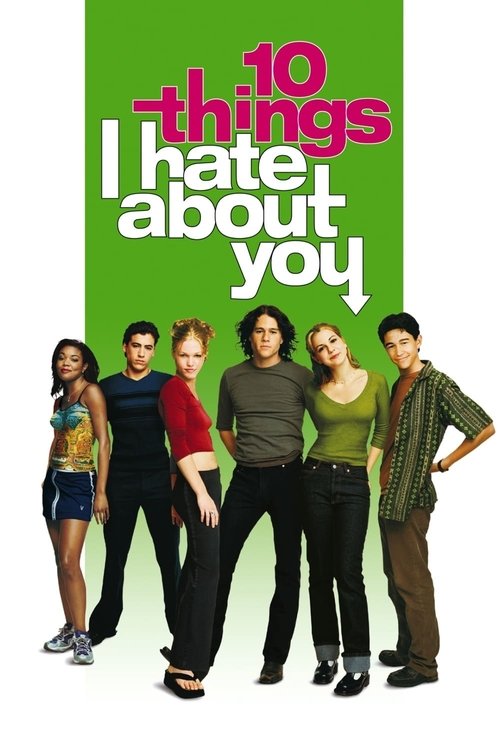
On the first day at his new school, Cameron instantly falls for Bianca, the gorgeous girl of his dreams. The only problem is that Bianca is forbidden to date until her ill-tempered, completely un-dateable older sister Kat goes out, too. In an attempt to solve his problem, Cameron singles out the only guy who could possibly be a match for Kat: a mysterious bad boy with a nasty reputation of his own.
Radiating an effortless, gritty charisma that grounded the high school setting, Ledger turned a teen comedy role into an undeniable screen test for his future leading man status. His ability to balance Shakespearean wit with a rebellious edge made him an instant generational icon.
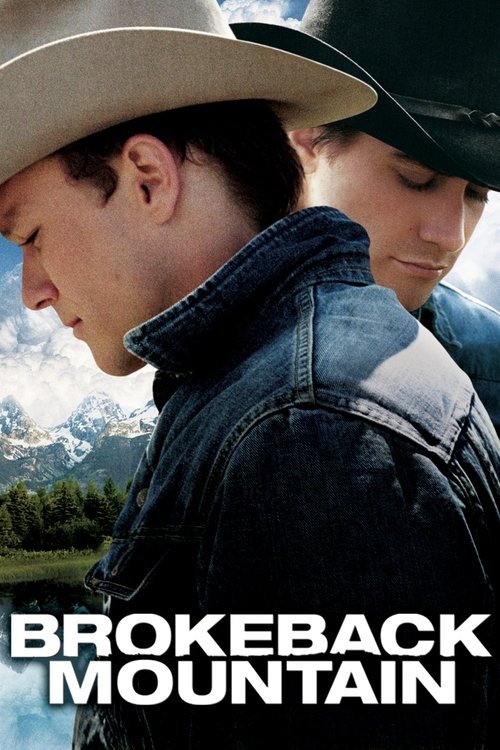
In 1960s Wyoming, two men develop a strong emotional and sexual relationship that endures as a lifelong connection complicating their lives as they get married and start families of their own.
In a role defined by agonizing silence and rigid physicality, Ledger captures the suffocating weight of repressed desire with profound sensitivity. His Ennis Del Mar is a monumental achievement that shifted the trajectory of his career from heartthrob to a heavyweight of prestige drama.
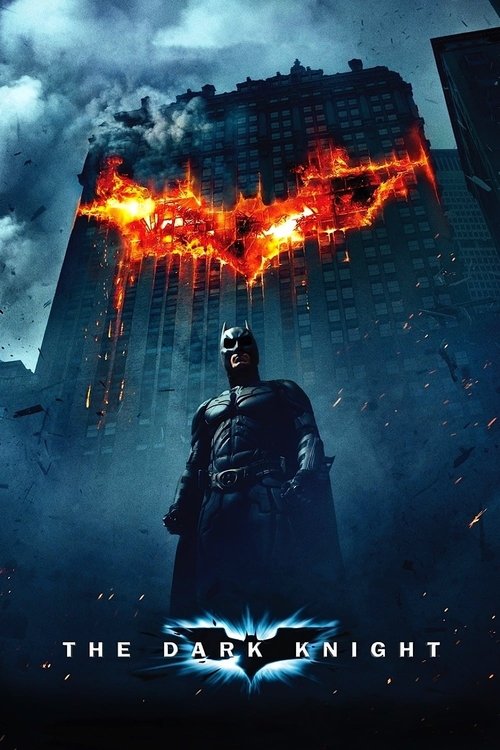
The Dark Knight
2008Batman raises the stakes in his war on crime. With the help of Lt. Jim Gordon and District Attorney Harvey Dent, Batman sets out to dismantle the remaining criminal organizations that plague the streets. The partnership proves to be effective, but they soon find themselves prey to a reign of chaos unleashed by a rising criminal mastermind known to the terrified citizens of Gotham as the Joker.
Ledger’s transformation into the Joker transcends the superhero genre, offering a terrifying masterclass in controlled anarchy. By stripping away every trace of his own identity, he redefined the cinematic villain as a visceral force of nature rather than a mere comic book caricature.
Frequently Asked Questions
Everything you need to know about this list and SnakeDrafts
- Heath Ledger's portrayal of the Joker in The Dark Knight is widely regarded as his most iconic performance, earning him a posthumous Academy Award for Best Supporting Actor. This role exemplifies his skill in transformative, risk-taking acting.
- Heath Ledger began his career with lighter, charismatic roles like his breakout performance in 10 Things I Hate About You, showcasing a charming teen idol persona. Over time, he gravitated toward darker, more complex characters, such as those in Brokeback Mountain and The Dark Knight.
- Films like Brokeback Mountain, Candy, and Monster's Ball highlight Ledger's depth in romantic drama, portraying emotionally intense and nuanced characters. These roles helped solidify his reputation beyond teen heartthrob status.
- Yes, Ledger starred in several historical period pieces including The Patriot, The Four Feathers, and Ned Kelly. These films allowed him to explore adventurous and dramatic roles set in distinct historical contexts.
- Heath Ledger appeared in fantasy and adventure films such as The Imaginarium of Doctor Parnassus and The Brothers Grimm. These films demonstrated his versatility by engaging with fantastical, imaginative storytelling.
- 10 Things I Hate About You is a prime example of Heath Ledger’s comedic abilities, blending charm with humor in a modern teen romantic comedy. Additionally, films like Two Hands and Casanova also highlight his lighter, comedic side.
- While Heath Ledger worked with a variety of acclaimed directors, his roles under directors like Terry Gilliam (The Imaginarium of Doctor Parnassus, The Brothers Grimm) illustrate a collaborative relationship that spanned fantasy and adventure genres.
- Common themes in Heath Ledger’s filmography include complex emotional relationships, transformative character journeys, and a blend of drama with action or fantasy elements. His choices reflect a restless search for creative challenges beyond conventional leading roles.