Ranking Garry Marshall's Greatest Films
The King of Feel Good Romantic Comedies
Explore the definitive filmography of Garry Marshall, the legendary director behind iconic romantic comedies and heartwarming Hollywood classics.
About Garry Marshall
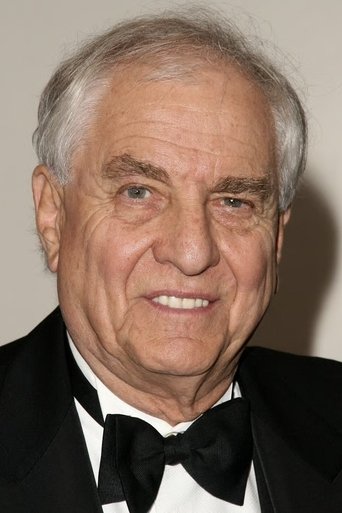
Garry Marshall possessed a rare, velvet touch for the kind of populist filmmaking that critics often dismissed but audiences cherished like a favorite sweater. He operated as Hollywood's primary architect of the comfort watch, a man who understood that a silver screen could function as a warm embrace just as easily as a window into a soul. His signature style avoided the jagged edges of cynicism, opting instead for a vibrant, sentimental optimism that felt both old-fashioned and perfectly tuned to the zeitgeist of the eighties and nineties. Browsing through his filmography is like looking at a roadmap of modern Americana, defined by a belief that no matter how messy life gets, things generally work out if you have a sense of humor and a heart of gold.
While some directors chased grit, Marshall chased the giggle and the gasp. He had an uncanny eye for star power, most famously transforming Julia Roberts into a global phenomenon in Pretty Woman. That film serves as the ultimate blueprint for his creative vision: a gritty premise polished into a sparkling modern fairy tale through chemistry and impeccable comic timing. He repeated this magic a decade later with The Princess Diaries, taking a young Anne Hathaway and placing her in a world that felt elevated yet accessible. Whether he was exploring the royal transformations of Genovia or the scrappy, lived-in romance of Frankie and Johnny, he never let style overshadow the humanity of his characters. He invited his audience to sit down and stay a while, ensuring the lighting was always flattering and the dialogue always snappy.
His work often centered on the resilient bonds between women, a theme he navigated with particular grace. Beaches remains the gold standard for the female friendship epic, balancing Broadway-sized emotions with genuine tear-jerking sincerity. He understood that the stakes of a friendship or a family dispute could be just as cinematic as a high-speed chase. This sensibility allowed him to navigate projects as diverse as the sun-drenched nostalgia of The Flamingo Kid and the complicated family dynamics of Georgia Rule or Raising Helen. Even when he delved into darker territory, such as the terminal illness themes in Nothing in Common or the cognitive disabilities portrayed in The Other Sister, he maintained a lightness of spirit that prevented the stories from sinking into melodrama.
In his later years, Marshall transitioned into a master of the ensemble mosaic, creating sprawling holiday-themed tapestries like Valentine's Day and New Year's Eve. These films felt like massive block parties where every major star in Hollywood wanted an invitation, a testament to his reputation as the industry's most beloved uncle. He viewed filmmaking as a collaborative celebration, a philosophy that translated into movies that felt inclusive and overwhelmingly kind. His legacy is not found in technical gimmicks or structural subversion, but in the enduring warmth of Overboard and the relentless charm of Runaway Bride. He left behind a body of work that serves as a permanent refuge for anyone needing a reminder that the world can be a gentle place. He didn't just direct movies; he curated joy.
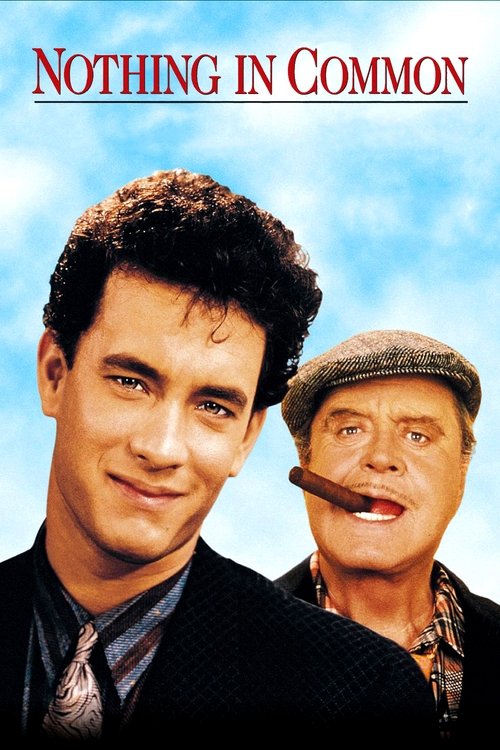
Nothing in Common
1986A successful advertising executive finds his freewheeling life crashing to a halt when his parents end their longtime marriage.
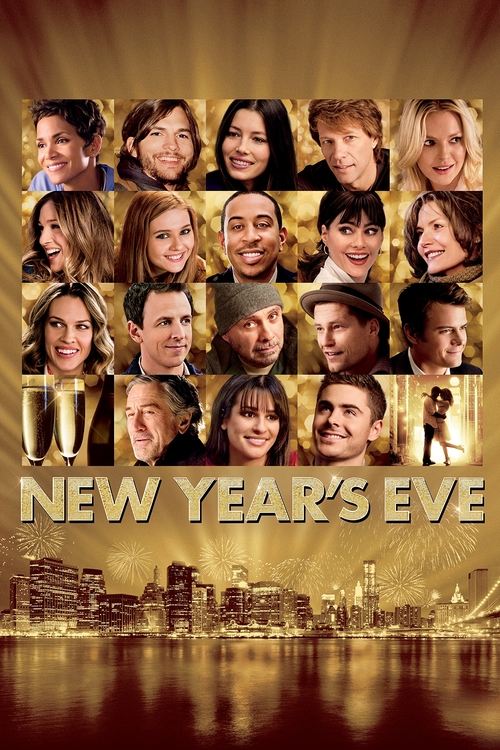
New Year's Eve
2011The lives of several couples and singles in New York intertwine over the course of New Year's Eve.

Valentine's Day
2010Intertwining couples and singles in Los Angeles break-up and make-up based on the pressures and expectations of Valentine's Day.

Mother's Day
2016Sandy is a stressed-out, single mom who learns that her ex-husband is marrying a younger woman. Her friend Jesse's parents don't know that she has a family or that her sister, Gabi is married to a woman. Jesse's friend, Kristin, is juggling motherhood of a toddler, a patient boyfriend who keeps proposing, and searching for her biological mother. Bradley is a widower who's trying to raise two daughters on his own, while Miranda is too busy with her career to worry about children. When their respective problems intersect and start coming to a head, the Mother's Day holiday takes on a special meaning for all.
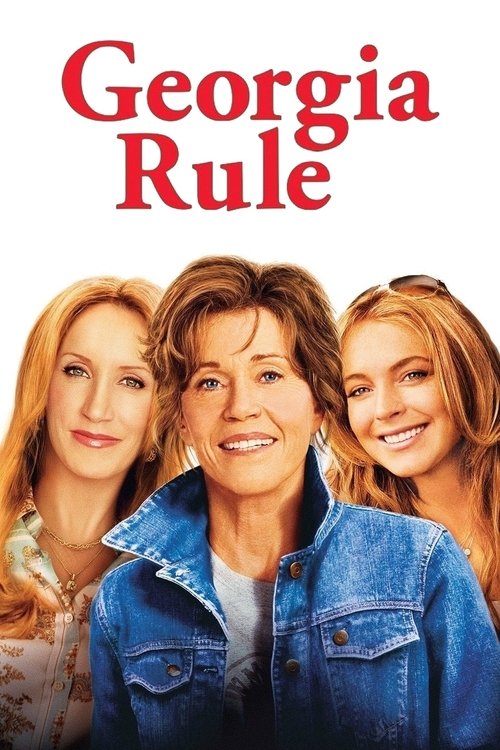
Georgia Rule
2007Rebellious, uncontrollable teenager, Rachel is hauled off by her dysfunctional mother to spend the summer with her estranged grandmother, Georgia. Her journey will lead all three women to revelations of buried family secrets and an understanding that - regardless what happens - the ties that bind can never be broken.
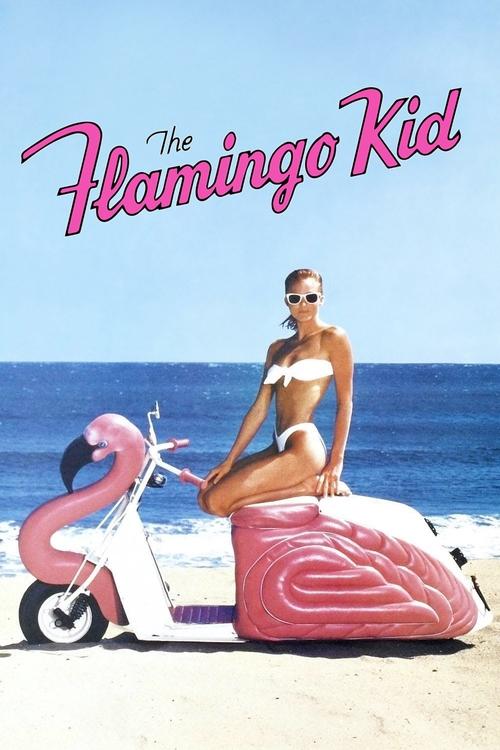
The Flamingo Kid
1984Brooklyn teenager Jeffrey Willis, thoroughly unhappy with his modest homestead, embraces the other-world aspects of his summer job at the posh Flamingo Club. He spurns his father in favor of the patronage of smooth-talking Phil Brody and is seduced by the ample bikini charms of club member Carla Samson. But thanks to a couple of late-summer hard lessons, the teen eventually realizes that family should always come first.
An early gem that captures the sun-drenched nostalgia of the 1960s, this film reveals Marshall’s sharp instincts for class dynamics and coming-of-age disillusionment. It lacks the polish of his later blockbusters but possesses a raw, observational wit that is often overlooked in his broader filmography.
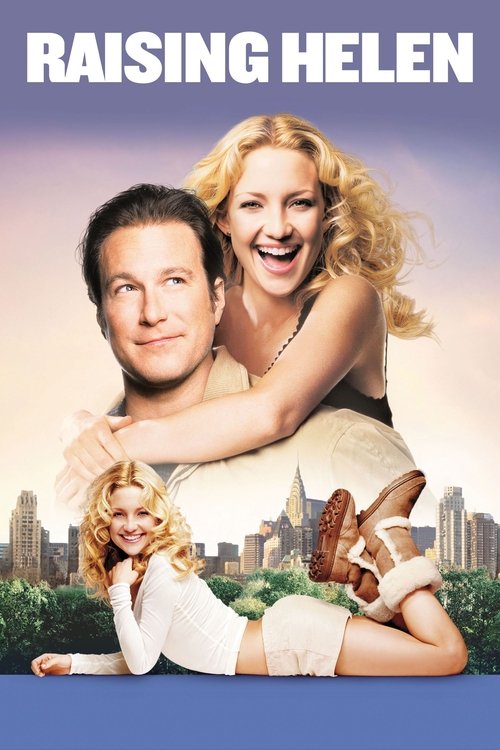
Raising Helen
2004Helen Harris has a glamorous, big-city life working for one of New York's hottest modeling agencies. But suddenly her free-spirited life gets turned upside down when she must chose between the life she's always loved, and the new loves of her life!
Marshall navigates the transition from carefree Manhattan chic to suburban domesticity with his trademark warmth and predictable narrative comfort. This film exemplifies his ability to sanitize life's tragedies into palatable, life-affirming lessons for a broad audience.
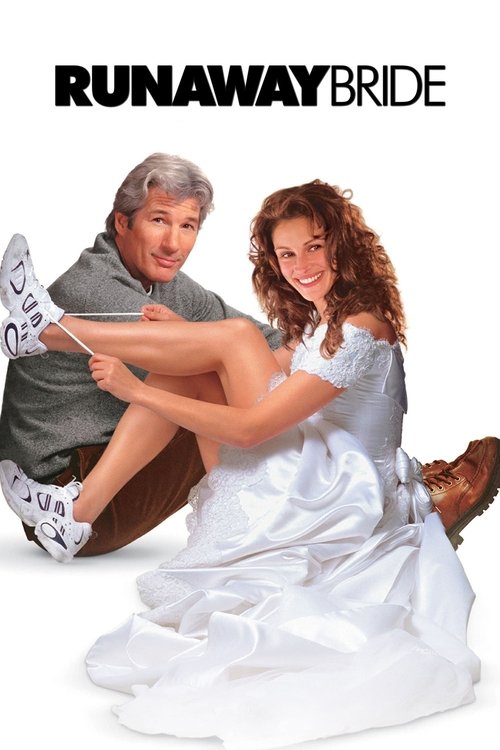
Runaway Bride
1999Having already left three grooms at the altar, Maggie Carpenter is branded "the runaway bride" by jaded New York journalist Ike Graham. But, after his facts are called into question, Ike races to Maggie's hometown to save his reputation and report on her upcoming fourth trip down the aisle – during which he's convinced she'll run again. Though he's there on a muckraking mission, Ike can't help but fall for this breathtaking heartbreaker.
Attempting to capture lightning in a bottle for a second time, Marshall utilizes a frantic, slapstick energy to explore the anxieties of intimacy. While it echoes his previous successes, the film demonstrates his total mastery of the star-vehicle as a specific cinematic currency.
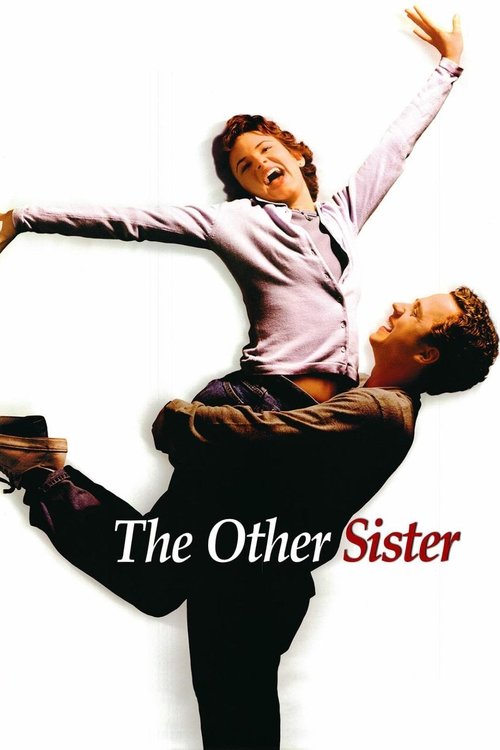
The Other Sister
1999A mentally challenged girl proves herself to be every bit as capable as her "perfect" sister when she moves into an apartment and begins going to college.
Marshall takes a bold, albeit polarizing, stylistic risk by applying his brightly lit, optimistic directorial filter to a delicate subject matter of neurodiversity. It serves as a fascinating example of his desire to push the boundaries of the traditional romantic comedy into more complex social territories.
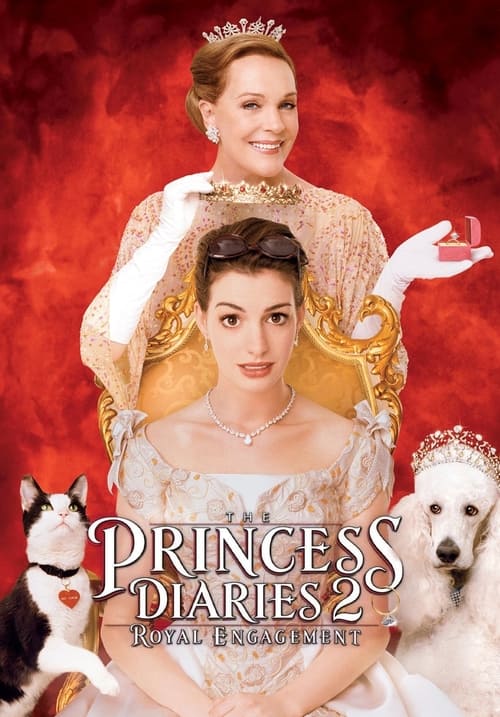
The Princess Diaries 2: Royal Engagement
2004Mia Thermopolis is now a college graduate and on her way to Genovia to take up her duties as princess. Accompanied by her friend Lilly, Mia continues her 'princess lessons', like riding horses side-saddle and archery. But her already complicated life is turned upside down once again when she learns that she is to take the crown as queen earlier than expected, all while she meets a mysteriously charming young man.
In this lavish sequel, Marshall trades the intimate growth of the original for a grander, more theatrical exploration of tradition and duty. The film highlights his late-career comfort with vibrant, high-budget pageantry and his unwavering loyalty to his established ensemble casts.
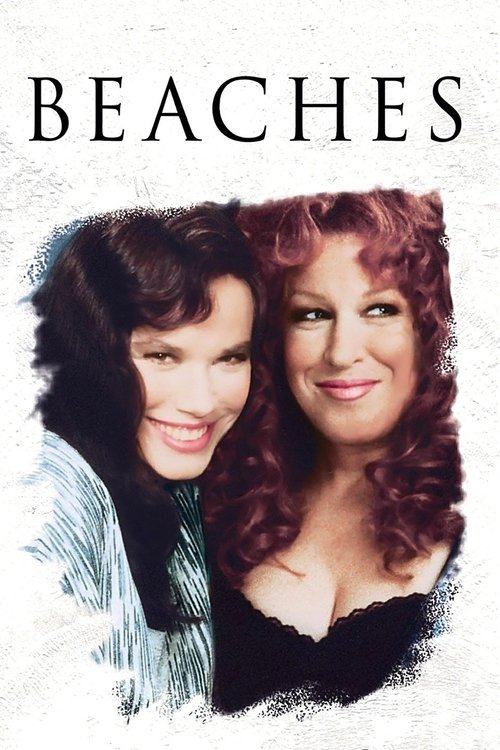
Beaches
1988A privileged rich debutante and a cynical struggling entertainer share a turbulent, but strong childhood friendship over the years.
Marshall leans into unrestrained emotional maximalism here, crafting a quintessential tearjerker that defines the female friendship genre. His direction prioritizes the rhythmic ebb and flow of a lifelong bond, making the sentimental weight feel earned rather than manufactured.
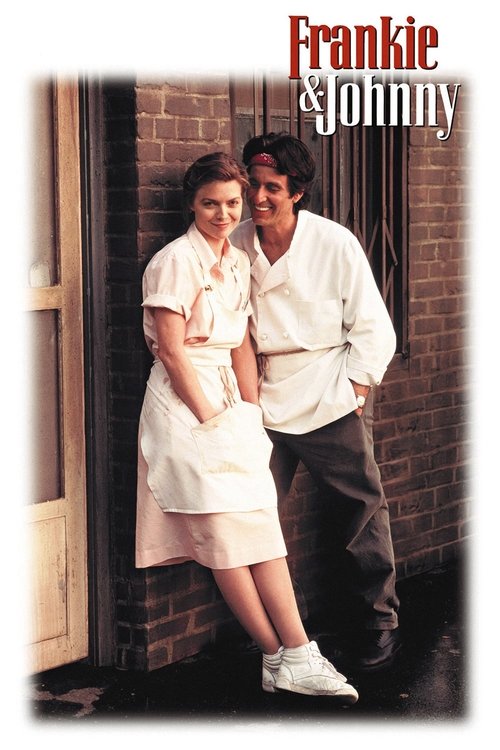
Frankie and Johnny
1991When Johnny is released from prison following a forgery charge, he quickly lands a job as a short-order cook at a New York diner. Following a brief fling with waitress Cora, he develops an attraction for Cora's friend and fellow waitress Frankie. While Frankie resists Johnny's charms initially, she eventually relents when her best friend, Tim, persuades her to give Johnny a chance.
Departing from his usual glossy optimism, Marshall explores a more claustrophobic and melancholic brand of romanticism in this grimy New York character study. It represents his most mature directorial effort, proving he could handle the quiet desperation of the working class without sacrificing his signature heart.
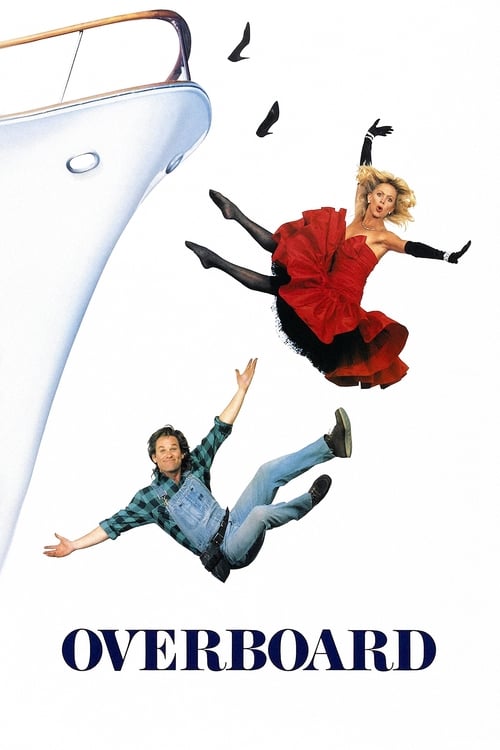
Overboard
1987Heiress Joanna Stayton hires carpenter Dean Proffitt to build a closet on her yacht—and refuses to pay him for the project when it's done. But after Joanna accidentally falls overboard and loses her memory, Dean sees an opportunity to get even.
This screwball reimagining showcases Marshall’s unique ability to navigate problematic premises through sheer comedic timing and a sugary, sentimental lens. It remains a testament to his skill in grounding high-concept farce with genuine, salt-of-the-earth chemistry.
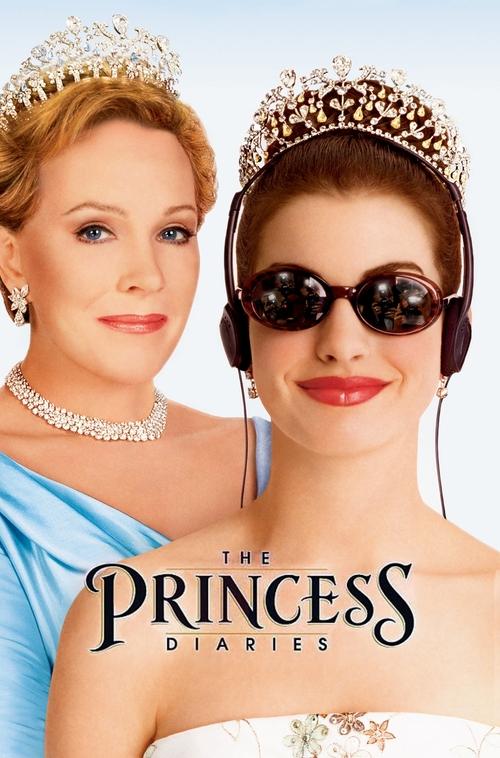
The Princess Diaries
2001A socially awkward but very bright 15-year-old girl being raised by a single mom discovers that she is the princess of a small European country because of the recent death of her long-absent father, who, unknown to her, was the crown prince of Genovia. She must make a choice between continuing the life of a San Francisco teen or stepping up to the throne.
With an impeccable eye for physical comedy and refined art direction, Marshall translates his penchant for fish-out-of-water narratives into a charming coming-of-age masterclass. It solidified his reputation as the premiere architect of wholesome yet witty multi-generational spectacles.
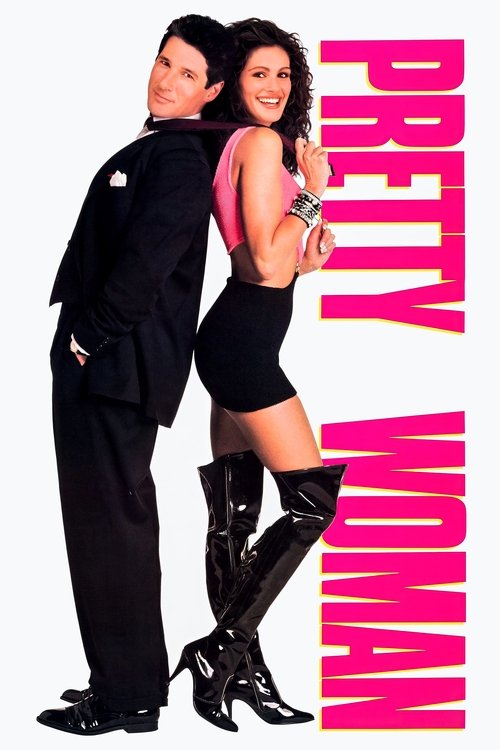
Pretty Woman
1990While on a business trip in Los Angeles, Edward Lewis, a millionaire entrepreneur who makes a living buying and breaking up companies, picks up a prostitute, Vivian, while asking for directions; after, Edward hires Vivian to stay with him for the weekend to accompany him to a few social events, and the two get closer only to discover there are significant hurdles to overcome as they try to bridge the gap between their very different worlds.
Garry Marshall perfects the modern urban fairy tale by blending gritty atmospheric realism with a luminous, high-gloss romantic idealism. This film stands as the definitive blueprint for his career-long obsession with the transformative power of the Cinderella mythos within a cynical capitalist landscape.
Frequently Asked Questions
Everything you need to know about this list and SnakeDrafts
- Garry Marshall's romantic comedies are distinguished by their warm, sentimental optimism and populist storytelling that resonates with audiences seeking heartfelt and uplifting narratives. His films often avoid cynicism, instead offering relatable characters and memorable humor that create a comforting cinematic experience.
- 'The Princess Diaries' revitalized family-friendly comedy by combining coming-of-age themes with fairy tale elements, anchored by Julie Andrews' iconic performance. The film's blend of humor, romance, and heart made it a beloved classic that appeals across generations, cementing Marshall's reputation for crafting joyful, family-centric films.
- Themes of love, personal growth, and the importance of interpersonal relationships are recurrent in Marshall's films. His work often emphasizes heartwarming connections, redemption, and the transformative power of kindness, as seen in movies like 'Pretty Woman' and 'Beaches'.
- 'Pretty Woman' exemplifies Marshall's signature storytelling by blending sharp wit, romance, and character-driven humor with an optimistic view of love and social transformation. The film combines fairy-tale elements with authentic emotional depth, showcasing his talent for creating memorable, culturally impactful cinema.
- Ensemble casts in Marshall's films like 'Valentine's Day' and 'New Year's Eve' enable interwoven storylines that explore various facets of love and relationships, enhancing his thematic focus on human connection. Their diverse characters and perspectives deliver a rich tapestry of emotions, making the films engaging and relatable to a broad audience.
- Marshall's films are considered comfort watches because they offer feel-good stories filled with humor, romance, and optimistic resolutions that provide emotional reassurance. His gentle directorial touch creates movies that audiences cherish for their heartwarming nature and timeless charm.
- 'Runaway Bride' reflects Marshall's recurring motifs of love, self-discovery, and overcoming fears to find happiness. The film combines comedy and romance with his signature uplifting tone, reinforcing his thematic dedication to personal growth and optimistic storytelling.