The Definitive Hayden Christensen Movie Ranking: Must-Watch Films
From the Dark Side to Gripping Character Dramas
Explore Hayden Christensen's most impactful film roles, including his legendary Star Wars performances and his critically acclaimed dramatic turns.
About Hayden Christensen

To understand the enduring grip Hayden Christensen holds on the collective cinematic imagination, one has to look past the lightsabers and toward the vulnerability he has weaponized as an artist since his teens. Long before he stepped onto the galactic stage, he embodied a specific type of fractured youth that defined the turn of the millennium. In Sofia Coppola’s The Virgin Suicides, he projected a dreamy, detached magnetism, but it was his turn in Life as a House that truly signaled his arrival. As a misunderstood adolescent covered in piercings and angst, he delivered a raw, Golden Globe nominated performance that proved he could hold his own against industry titans through sheer emotional transparency.
The pivot to a galaxy far, far away initially became a double edged sword. Taking on the mantle of Anakin Skywalker in Attack of the Clones and Revenge of the Sith meant inheriting the most scrutinized character arc in modern mythology. For years, the conversation around these films was dominated by technical critiques of the prequels, yet time has been exceptionally kind to his portrayal. Modern audiences have rediscovered the brilliance in his physical acting. He played Anakin as a man vibrating with an intensity he couldnt contain, a tragic figure caught between monk-like devotion and a boiling, human rage. It is a performance of operatic scale that has since earned him a status bordering on sacred among a generation of fans who grew up beside him.
While the blockbuster noise was at its loudest, Christensen was quietly delivering the best work of his career in the 2003 journalistic thriller Shattered Glass. His portrayal of Stephen Glass, the New Republic writer who fabricated dozens of stories, remains a masterclass in the architecture of a lie. He played the role with a terrifyingly effective mix of boyish charm and pathological desperation, reminding critics that he possessed a chameleonic ability to inhabit deeply unlikable men. This darker edge surfaced again in projects like the medical horror Awake and the high stakes heist thriller Takers, where his sharp features and guarded delivery fit the gritty noir aesthetic perfectly.
His career has never followed the predictable path of a traditional leading man. He bounced from the high concept action of Jumper into the bohemian art scene of Factory Girl, eventually finding a softer, more grounded rhythm in the romantic comedy Little Italy. He has spent significant stretches away from the Hollywood machine, retreating to his farm in Ontario and choosing projects like 90 Minutes in Heaven or The Last Man on his own terms. This distance from the spotlight only intensified the public's affection for him. When he finally returned to the screen to reprise his most famous role in recent years, the reception was nothing short of a coronation. People connect with him because there is an inherent dignity in his journey. He survived the crucible of fame with his grace intact, proving that he was never just a face on a poster, but a performer who understood the profound weight of a legacy.
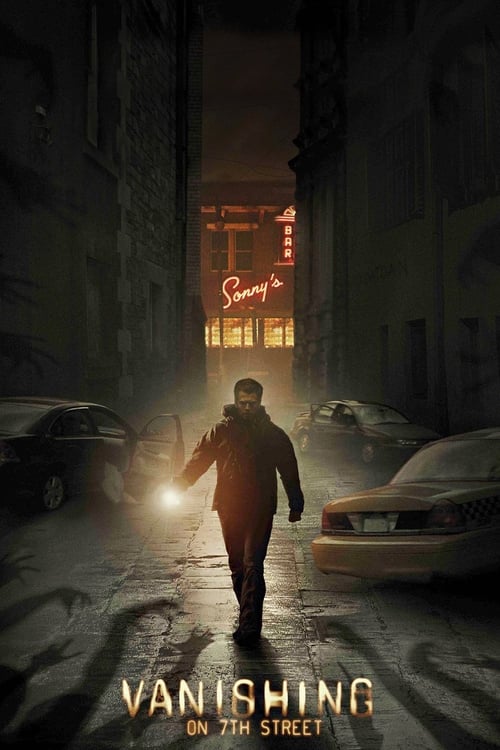
Vanishing on 7th Street
2010A mysterious global blackout yields countless populations to simply vanish, leaving only their clothes and possessions behind. A small handful of survivors band together in a dimly-lit tavern on 7th Street, struggling to combat the apocalyptic horror. Realizing they may in fact be the last people on earth, a dark shadow hones in on them alone.
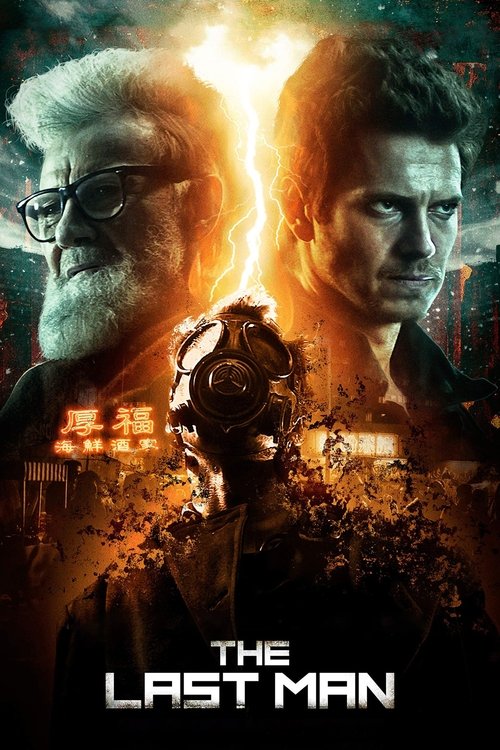
The Last Man
2018Tov Matheson is a war veteran with PTSD who perceives that the apocalypse is coming. After starting a relationship with a dubious Messiah, he leaves his normal life and begins the construction of a shelter underground, training himself, in an extreme way, at the cost of losing everything and making people believe he is insane. When he also believes it, something extraordinary happens.
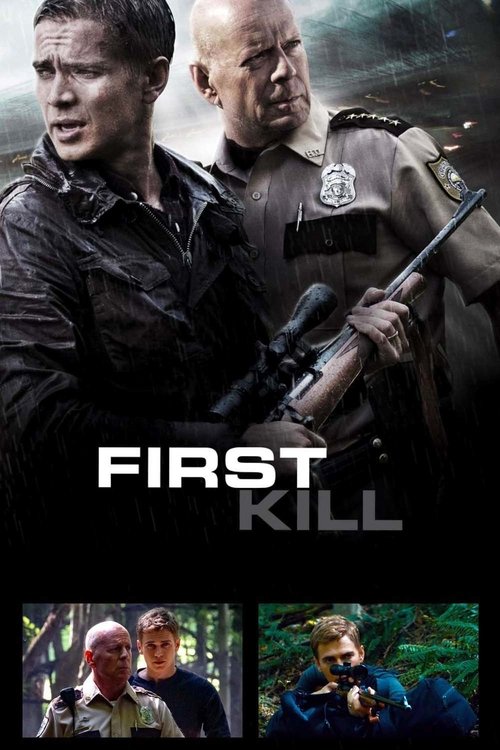
First Kill
2017A police chief tries to solve a kidnapping that involves a bank robber holding a young boy hostage.
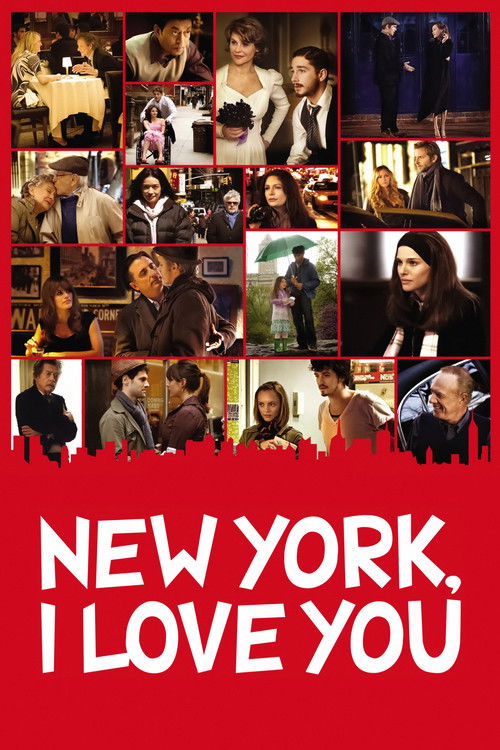
New York, I Love You
2008New York, I Love You delves into the intimate lives of New Yorkers as they grapple with, delight in and search for love. Journey from the Diamond District in the heart of Manhattan, through Chinatown and the Upper East Side, towards the Village, into Tribeca, and Brooklyn as lovers of all ages try to find romance in the Big Apple.
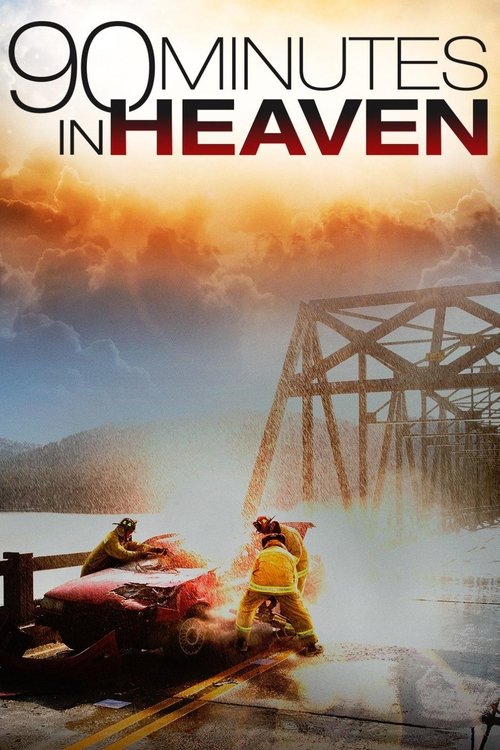
90 Minutes in Heaven
2015A man involved in a horrific car crash is pronounced dead, only to come back to life an hour and a half later, claiming to have seen Heaven.

Factory Girl
2006In the mid-1960s, wealthy debutant Edie Sedgwick meets artist Andy Warhol. She joins Warhol's famous Factory and becomes his muse. Although she seems to have it all, Edie cannot have the love she craves from Andy, and she has an affair with a charismatic musician, who pushes her to seek independence from the artist and the milieu.

Little Italy
2018Former childhood pals Leo and Nikki are attracted to each other as adults—but will their feuding parents' rival pizzerias put a chill on their sizzling romance?
This foray into romantic comedy finds Christensen leaning into a lighter, more whimsical frequency. While the material is breezy, his willingness to engage with earnest sentimentality reveals a versatile comfort with traditional genre tropes.
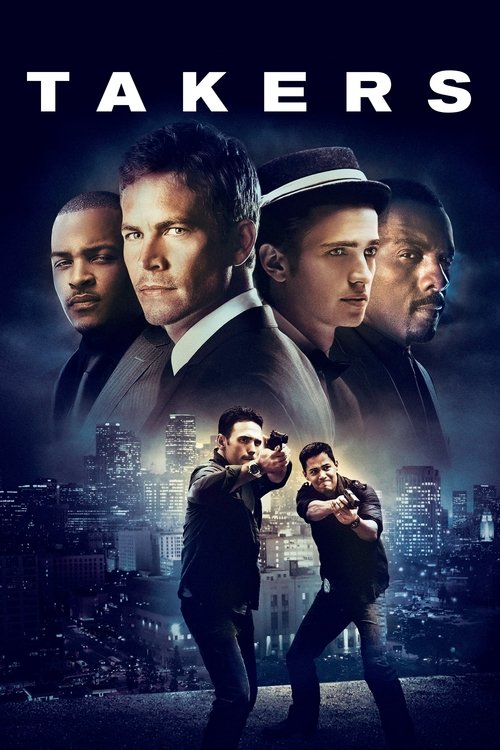
Takers
2010A seasoned team of bank robbers, including Gordon Jennings, John Rahway, A.J., and brothers Jake and Jesse Attica successfully complete their latest heist and lead a life of luxury while planning their next job. When Ghost, a former member of their team, is released from prison he convinces the group to strike an armored car carrying $20 million. As the "Takers" carefully plot out their strategy and draw nearer to exacting the grand heist, a reckless police officer inches closer to apprehending the criminals.
Joining an ensemble of polished heist specialists, Christensen disappears into a gritty, street smart aesthetic. This role showcases a more textured and rugged side of his screen persona, distanced from the polished leads of his earlier years.
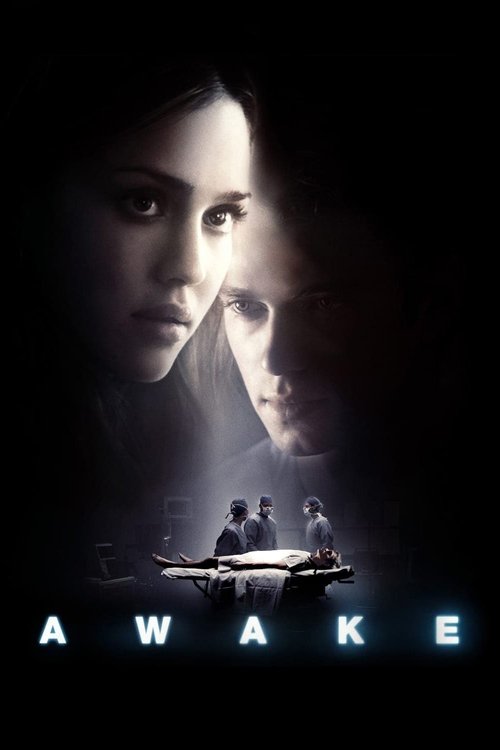
Awake
2007While undergoing heart surgery, a man experiences a phenomenon called ‘anesthetic awareness’, which leaves him awake but paralyzed throughout the operation. As various obstacles present themselves, his wife must make life-altering decisions while wrestling with her own personal drama.
Operating within the narrow confines of a high stakes thriller, Christensen explores a mostly internal range of terror. He maintains a difficult tension throughout the narrative, proving he can hold the center of a film with limited physical agency.
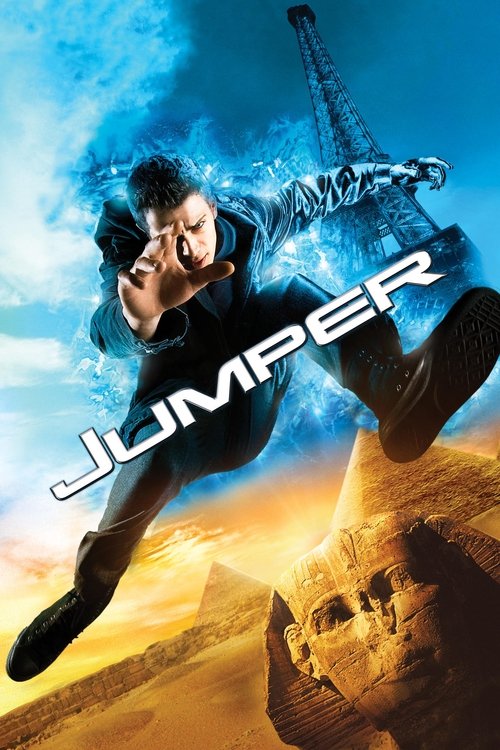
Jumper
2008David Rice is a man who knows no boundaries, a Jumper, born with the uncanny ability to teleport instantly to anywhere on Earth. When he discovers others like himself, David is thrust into a dangerous and bloodthirsty war while being hunted by a sinister and determined group of zealots who have sworn to destroy all Jumpers. Now, David’s extraordinary gift may be his only hope for survival!
Christensen attempts to pivot into the role of a brisk action lead, relying on a detached coolness. The film tests his ability to carry a high concept blockbuster through sheer charisma, even when the script demands more kinetic motion than emotional depth.

Following an assassination attempt on Senator Padmé Amidala, Jedi Knights Anakin Skywalker and Obi-Wan Kenobi investigate a mysterious plot into the heart of the Separatist movement and the beginning of the Clone Wars.
Tasked with portraying the awkward transition of a Jedi under pressure, Christensen opts for a stylized, stilted intensity. While divisive, his performance successfully mirrors the character's internal friction and the stifling constraints of a dogmatic upbringing.
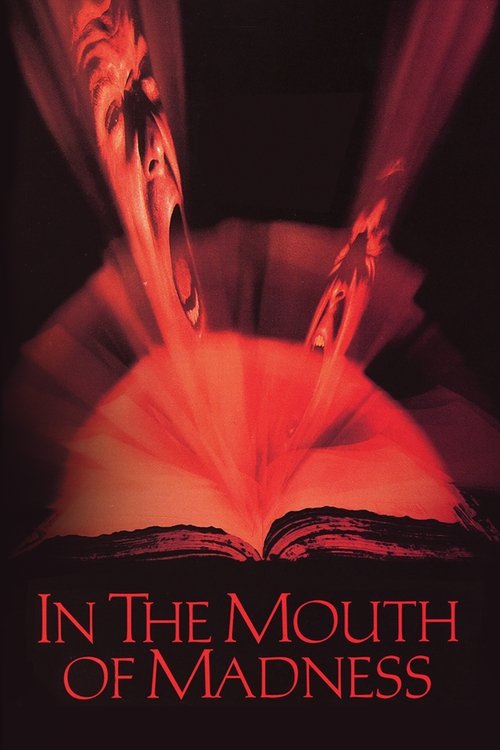
In the Mouth of Madness
1995An insurance investigator visits a small town while looking into the strange disappearance of a popular horror novelist. He soon finds that the impact of the author’s books is far more than inspirational.
A glimpse of the actor's early instincts is visible in this minor but memorable genre debut. His presence provides a grounded moment of normalcy within Carpenter's surrealist horror landscape, hinting at the screen magnetism that would soon define his career.

The Virgin Suicides
2000A group of male friends become obsessed with five mysterious sisters who are sheltered by their strict, religious parents.
In this brief but potent appearance, Christensen embodies the fleeting golden boy archetype of suburban myth. He functions as a vital piece of Sofia Coppola's dreamlike tapestry, projecting a distant allure that perfectly suits the film's ethereal tone.
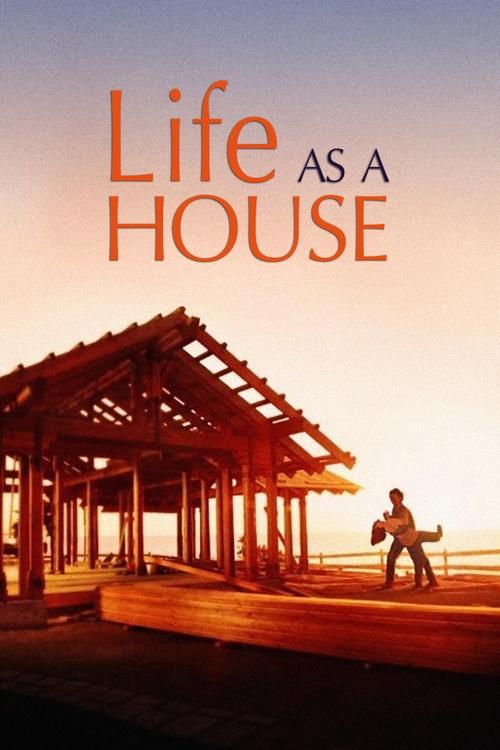
Life as a House
2001When a man is diagnosed with terminal cancer, he takes custody of his misanthropic teenage son, for whom quality time means getting high, engaging in small-time prostitution, and avoiding his father.
Radiating a raw, alienated energy, Christensen anchors this domestic drama through a transformative physical presence. He captures the prickly essence of teenage disillusionment without succumbing to indie film tropes, marking his true arrival as a formidable dramatic talent.

When the sinister Sith unveil a thousand-year-old plot to rule the galaxy, the Republic crumbles and from its ashes rises the evil Galactic Empire. Jedi hero Anakin Skywalker must choose a side.
Embracing the operatic demands of a galactic fall, Christensen finds his footing by leaning into a jagged, physical intensity. This performance transforms a legendary pivot from hero to villain into a visceral study of simmering resentment and tragic volatility.
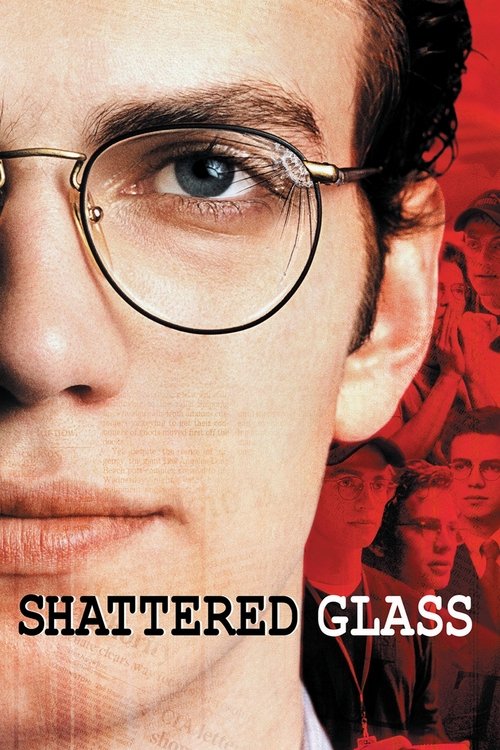
Shattered Glass
2003The true story of fraudulent Washington, D.C. journalist Stephen Glass, who rose to meteoric heights as a young writer in his 20s, becoming a staff writer at The New Republic for three years. Looking for a short cut to fame, Glass concocted sources, quotes and even entire stories, but his deception did not go unnoticed forever, and eventually, his world came crumbling down.
Christensen captures the chilling banality of a serial fabricator in this career best turn. He weaponizes a soft spoken vulnerability to mask a predatory ambition, proving he can command a prestige drama with unsettling psychological precision.
Frequently Asked Questions
Everything you need to know about this list and SnakeDrafts
- Life as a House is a prime example of Hayden Christensen's dramatic talents outside of Star Wars, where he plays a troubled teen who reconnects with his estranged father. This role highlights his ability to portray emotional depth and vulnerability.
- In The Virgin Suicides, Hayden Christensen portrayed a dreamy and detached teen, helping to establish his image as a nuanced actor capable of subtle emotional expression. This role was significant in defining his early career with a blend of mystery and magnetism.
- His role as Anakin Skywalker in Revenge of the Sith is iconic, showcasing a complex character arc from Jedi hero to villain. Christensen’s performance captures the character's internal conflict and descent into darkness, making it a standout in the Star Wars saga.
- Yes, Christensen stars in the horror film In the Mouth of Madness and the thriller Awake. These movies demonstrate his versatility by venturing into darker, more suspenseful genres beyond his usual dramatic and sci-fi roles.
- Common themes in Christensen’s notable films include fractured youth, emotional struggle, and transformation. Whether in dramas like Life as a House or the action-packed Star Wars prequels, his characters often grapple with personal and moral conflicts.
- Shattered Glass is a historical drama where Christensen portrays a journalist involved in a major media scandal. This film showcases his skill in embodying real-life figures with complexity and authenticity.
- Yes, he appeared in romantic dramas and comedies such as The Virgin Suicides and Little Italy. These roles highlight his ability to bring charm and emotional nuance to romantic storylines.
- His varied filmography, from indie dramas to big-budget sci-fi epics, reflects a deliberate effort to challenge himself and grow as an actor. This range is evident in his performances that balance vulnerability with intensity across genres.